The Quality Standards Resource Centre helps extend understanding of the strengthened Aged Care Quality Standards, which took effect from 1 November 2025. You can search for resources by using keywords, or filtering by standard, outcome and audience. Before using the Resource Centre, please read the terms of use.
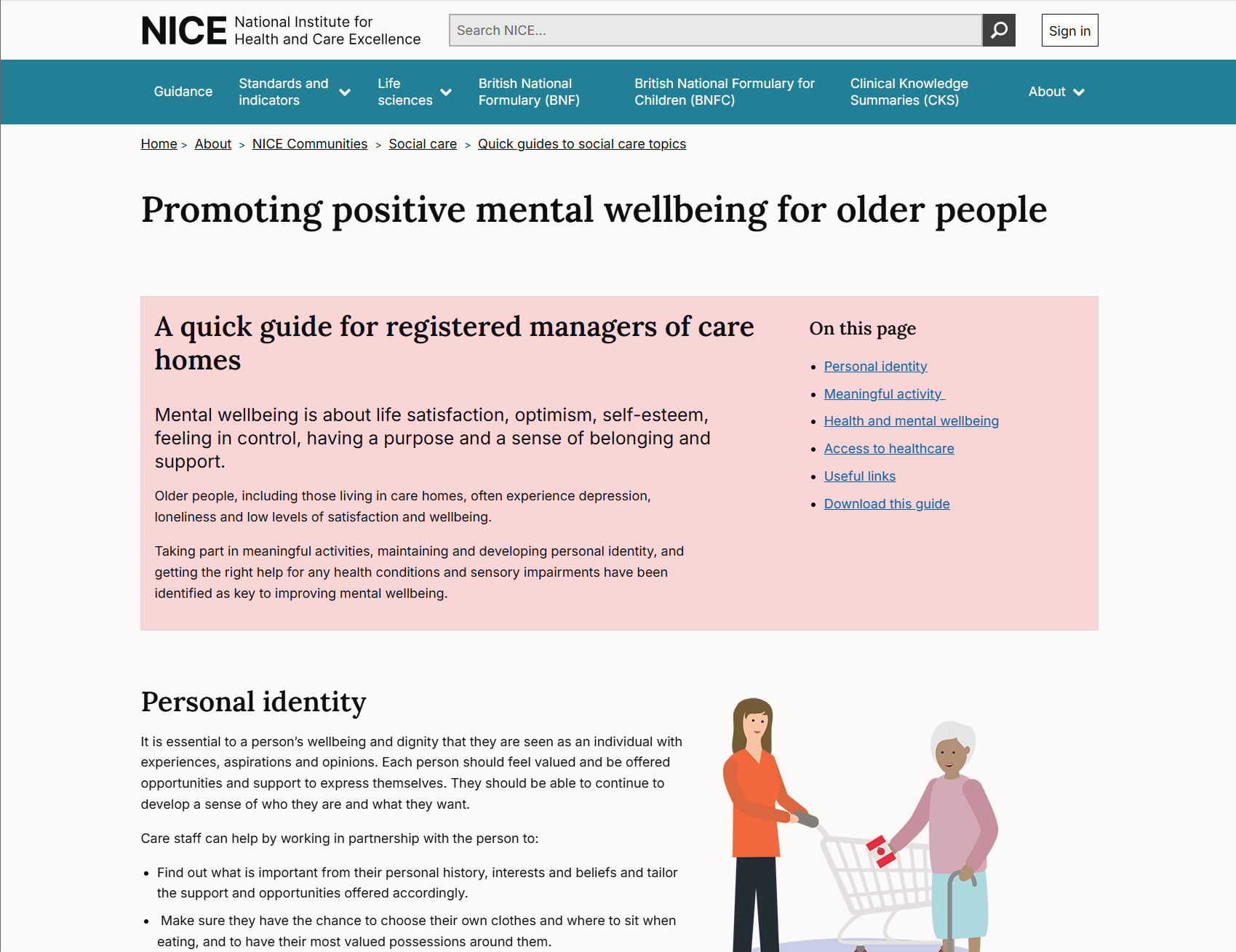
Promoting positive mental wellbeing for older people
This resource provides guidance on supporting mental wellbeing for older people in care homes, focusing on life satisfaction, meaningful activities, maintaining identity, and access to healthcare. It aims to improve mental health outcomes by enhancing personal choice and involvement in various activities and fostering a sense of belonging.
This resource was developed internationally and therefore its applicability and usefulness may be limited.
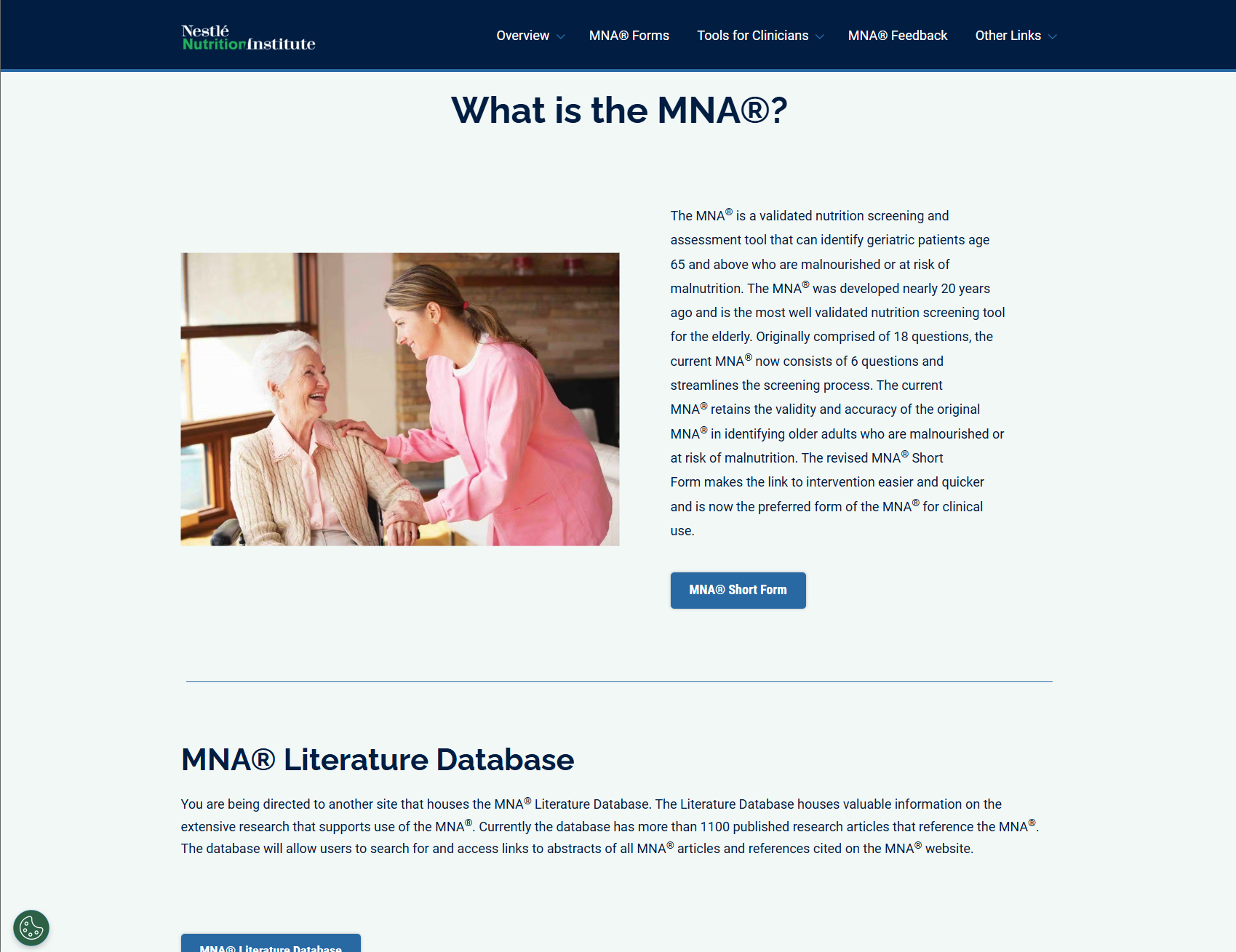
What is the Mini Nutritional Assessment (MNA)?
This resource is a validated nutrition screening and assessment tool to identify malnutrition or risk of malnutrition in people aged 65 and older. It includes an easy-to-use short form for quick identification and intervention planning.
This resource was developed internationally and therefore its applicability and usefulness may be limited.
Medication safety in transitions of care: technical report
This resource outlines key actions to improve medication safety during transitions of care, focusing on reducing medication discrepancies and patient harm. It emphasises structured reconciliation, workforce training, patient engagement, and enhanced information systems.
This resource was developed internationally and therefore its applicability and usefulness may be limited.
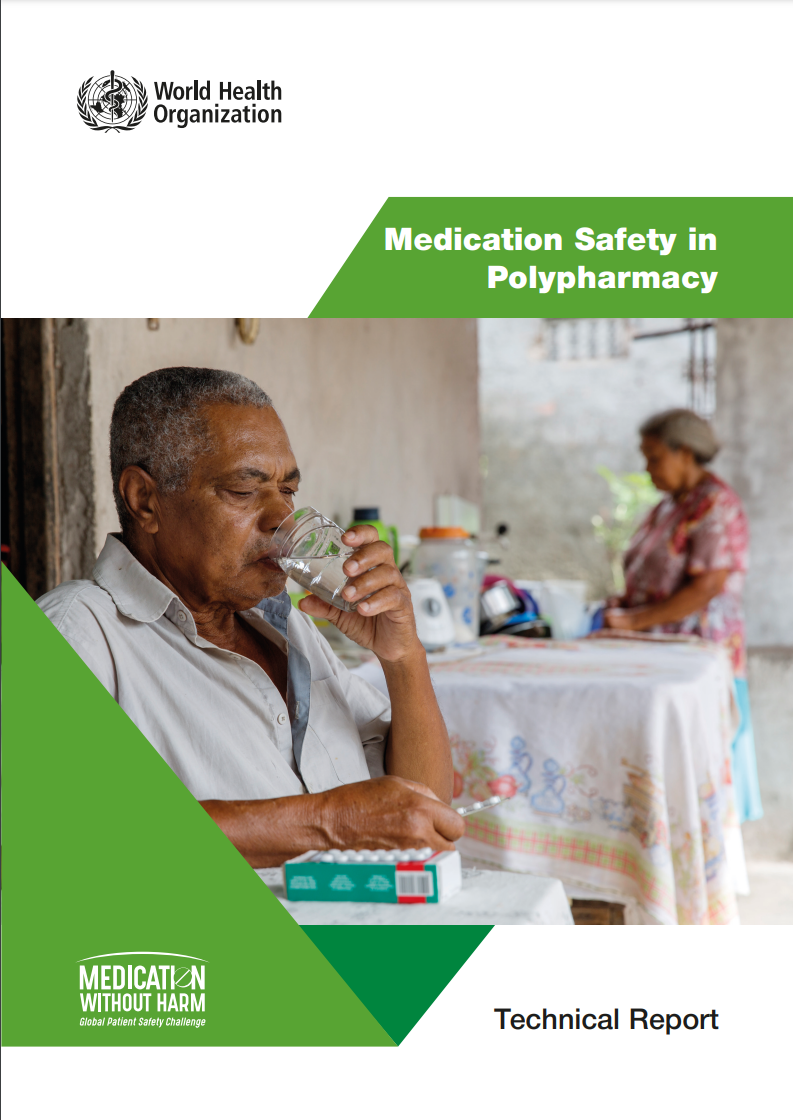
Medication safety in polypharmacy: technical report
This resource provides guidance on safe medication management in polypharmacy, focusing on patient-centred approaches, team collaboration, and systematic reviews for people with long-term conditions. It includes tools and case studies to support health professionals.
This resource was developed internationally and therefore its applicability and usefulness may be limited.
Global strategy on infection prevention and control
This resource provides a global framework for infection prevention and control (IPC) in healthcare settings, aiming to reduce healthcare-associated infections and antimicrobial resistance. It offers strategic directions for achieving measurable improvements by 2030, supporting patient safety, healthcare worker protection, and sustainable health outcomes worldwide.
This resource was developed internationally and therefore its applicability and usefulness may be limited.
Tailored model of palliative care for people with intellectual disability
This model provides a framework for delivering tailored palliative care for people with intellectual disabilities, aiming for equitable access across various care settings. Supporting toolkits offer resources for health professionals and families to enhance communication and collaborative care.
This resource was developed by a state/territory government or organisation and therefore its applicability and usefulness may be limited.
Improving palliative care - Toolkit for health professionals
This toolkit supports health professionals in delivering palliative care for people with intellectual disabilities by providing resources, guidance on communication, and tailored care strategies. It aims to enhance service quality through understanding specific needs and collaborative care planning.
This resource was developed by a state/territory government or organisation and therefore its applicability and usefulness may be limited.
Palliative Aged Care Outcomes Program - Resources
This resource offers tools and guidelines for palliative care outcome measurement, including assessment scales for symptom severity, frailty, and daily living activities. It supports clinicians and managers in implementing standardised data collection to improve care quality in aged care settings.
This resource was developed by a state/territory government or organisation and therefore its applicability and usefulness may be limited.
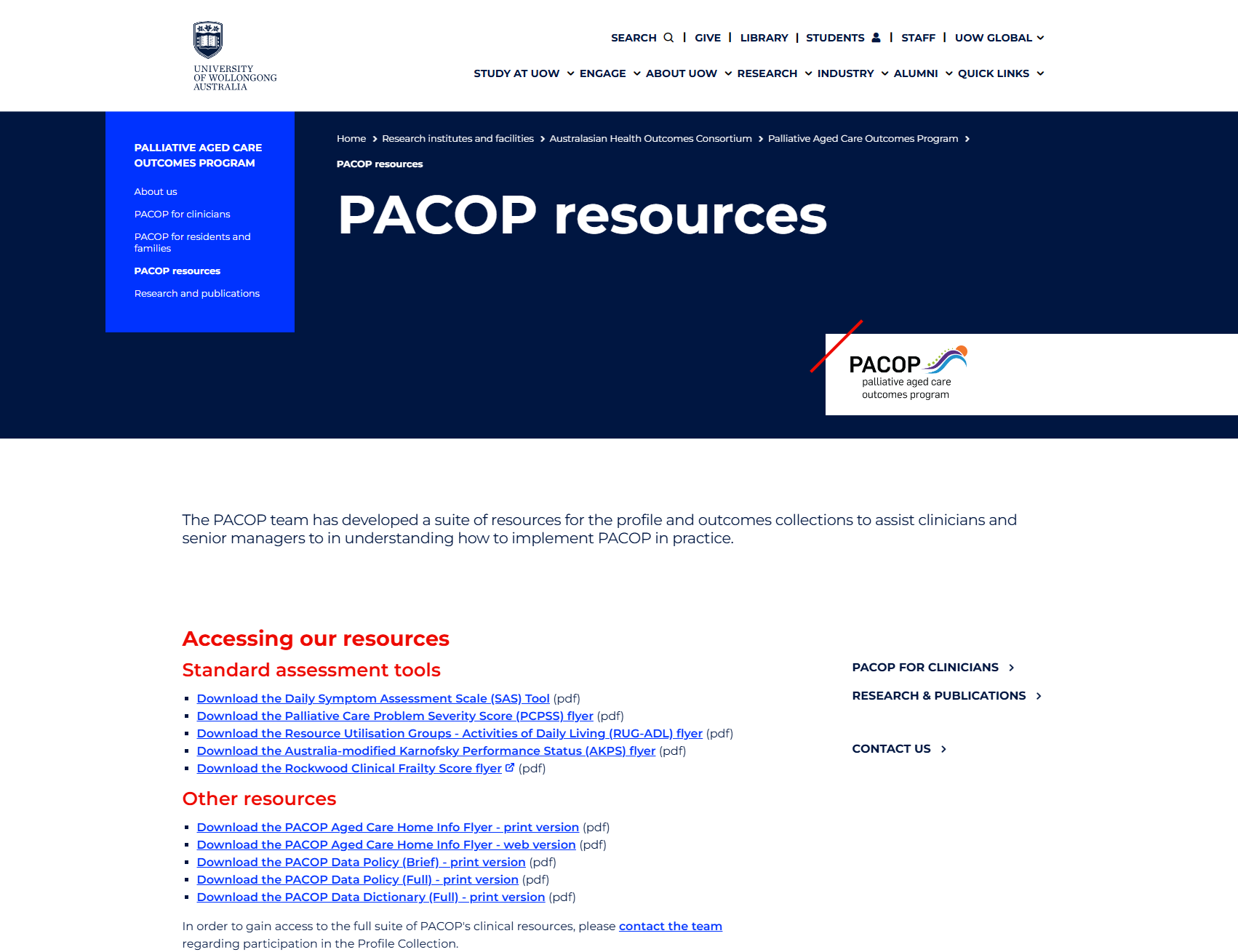
Good Spirit Good Life - a Quality of life framework
This resource describes the Good Spirit Good Life (GSGL) framework for assessing the quality of life of older Aboriginal people, focusing on culturally important factors such as connection to Country, family, and spirituality. It includes tools for both self-reporting and carer-assisted reporting.
This resource was developed by a state/territory government or organisation and therefore its applicability and usefulness may be limited.
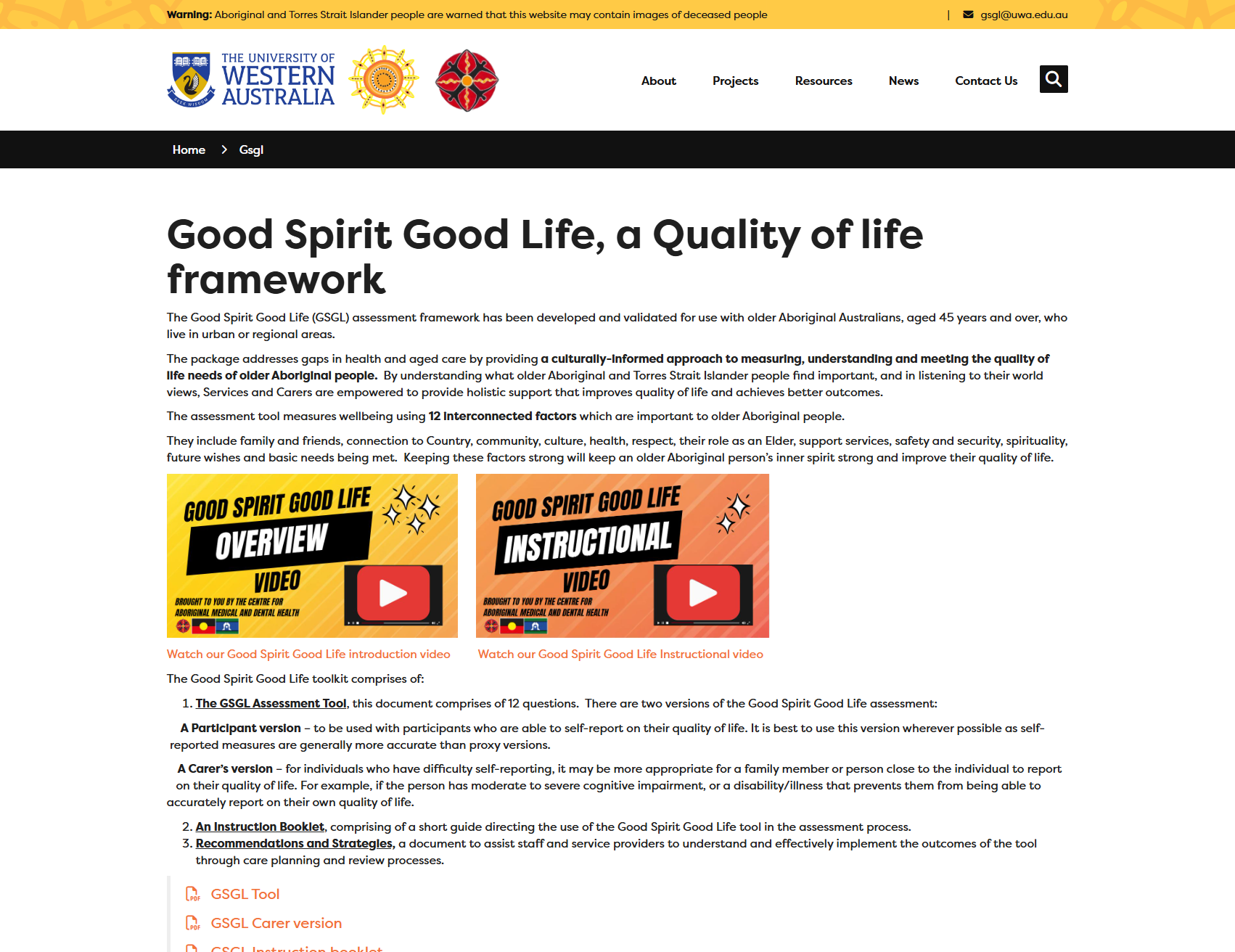
Working with older people
This resource offers guidance for working respectfully with older people, challenging stereotypes and promoting their rights to independence, dignity, and fair access to services. It emphasises communication strategies, recognising decision-making capacity, and understanding diverse needs across different groups.
This resource was developed by a state/territory government or organisation and therefore its applicability and usefulness may be limited.
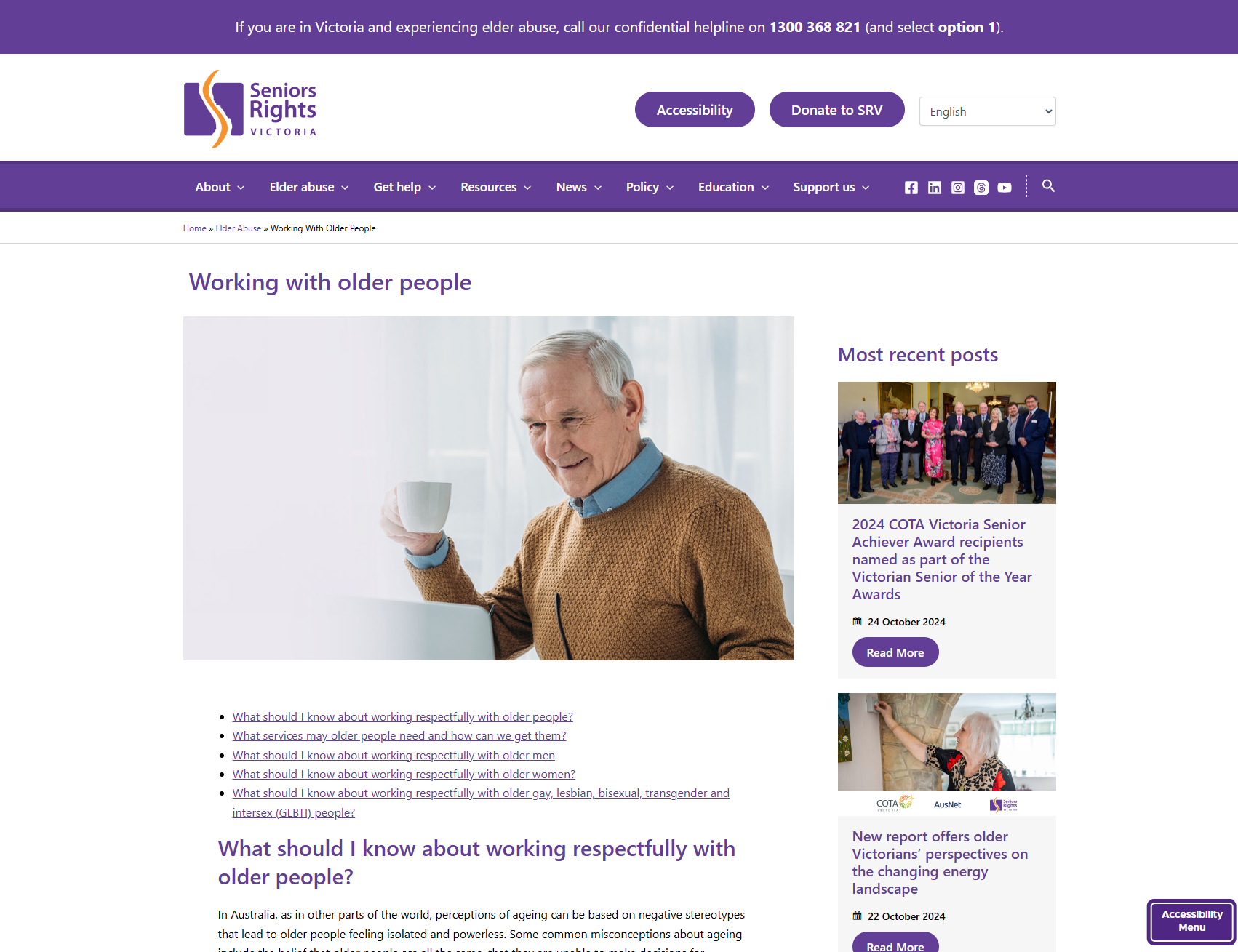
Integrated Trauma-Informed Care Framework: My story, my health, my future
This framework integrates trauma-informed care across NSW Health services, enhancing support for clients, families, and carers by guiding staff in trauma-sensitive practices and systemic change. It focuses on preventing re-traumatisation and fostering healing, especially for vulnerable populations.
This resource was developed by a state/territory government or organisation and therefore its applicability and usefulness may be limited.
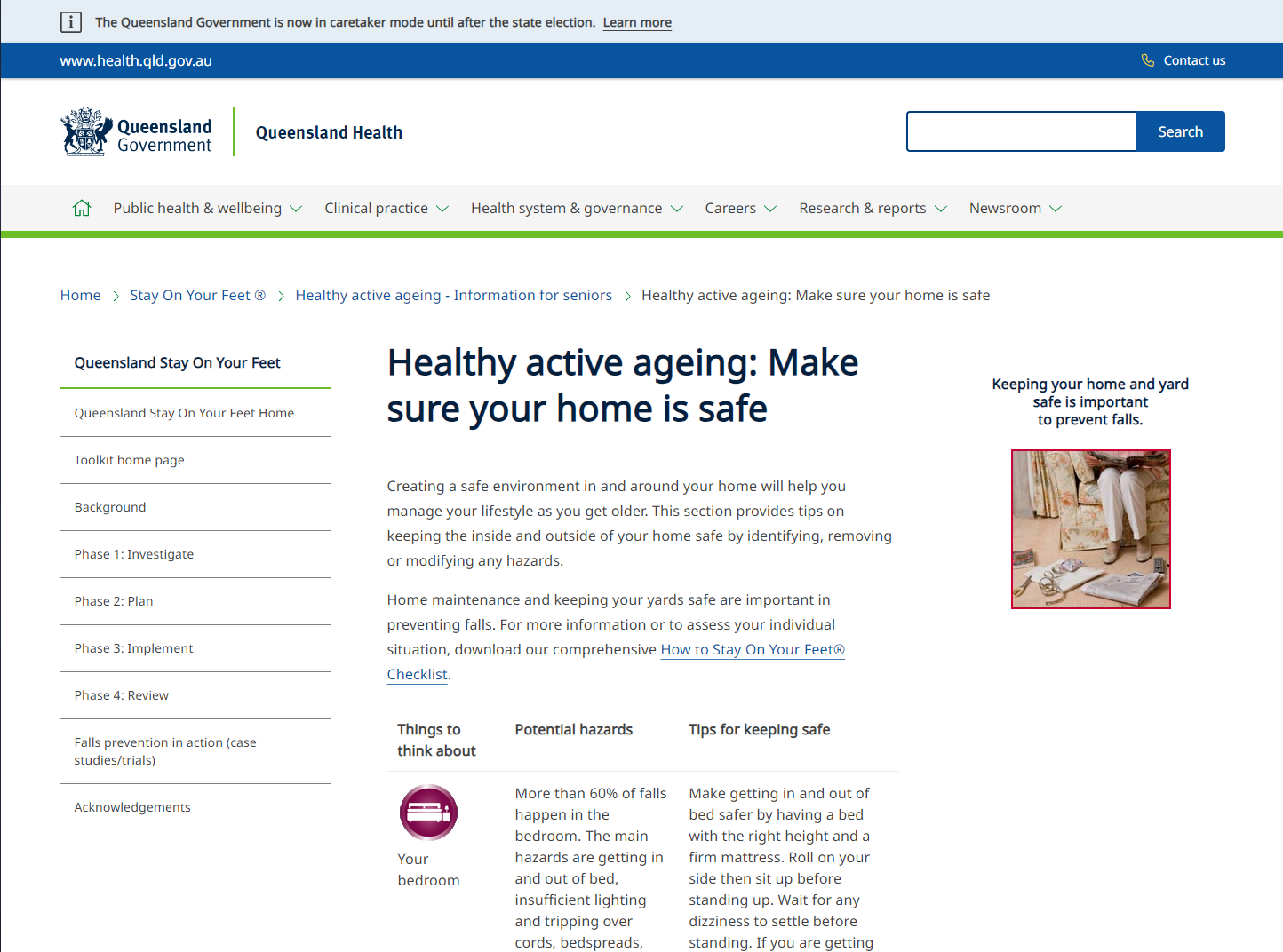
Healthy active ageing: Make sure your home is safe
This resource, developed by the Queensland Government, provides guidance on maintaining a safe home environment for healthy, active ageing. It offers practical tips for identifying and removing hazards in various areas of the home to prevent falls.
This resource was developed by a state/territory government or organisation and therefore its applicability and usefulness may be limited.
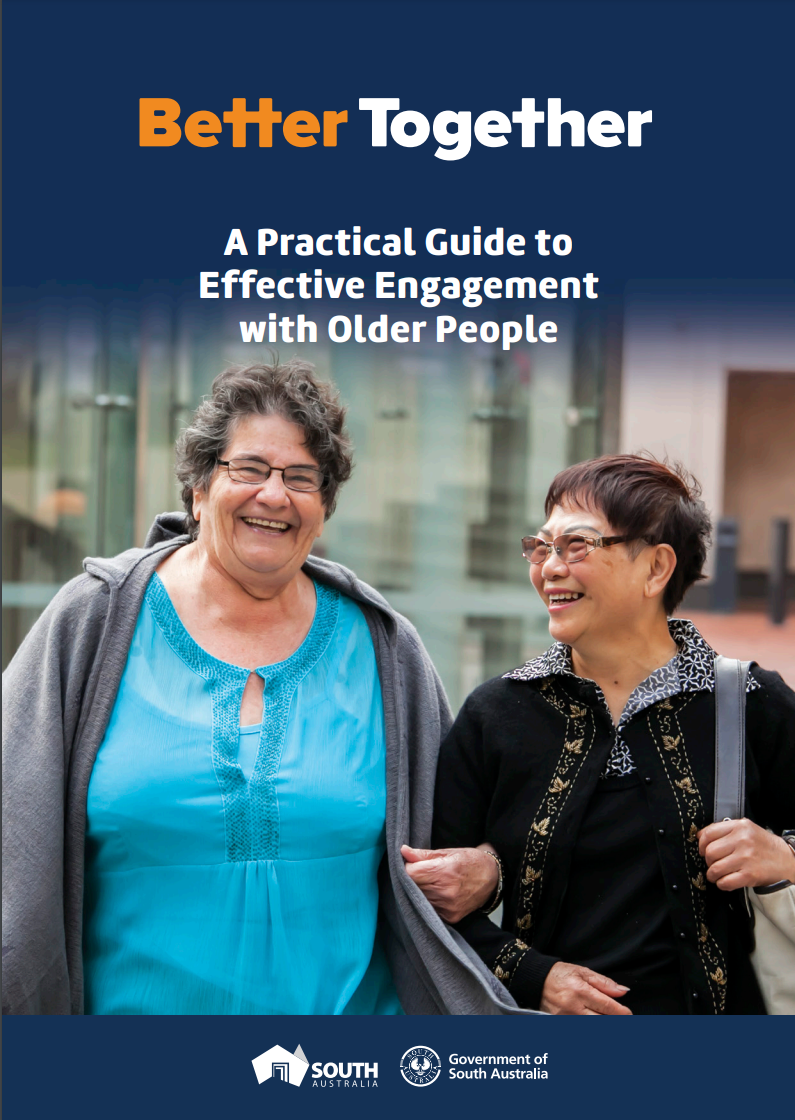
Better Together: A practical guide to effective engagement with older people
This resource offers practical guidance on effective engagement with older people, highlighting diverse communication methods, cultural sensitivity, and inclusive strategies to capture meaningful input. It supports collaborative relationships and respectful dialogue with older people in decision-making processes.
This resource was developed by a state/territory government or organisation and therefore its applicability and usefulness may be limited.
ISBAR - Identify, Situation, Background, Assessment and Recommendation
This resource describes the ISBAR communication tool—Identify, Situation, Background, Assessment, Recommendation—used to improve safety during handovers in clinical settings. It includes adaptable resources like fact sheets and lanyard cards to support consistent, structured information transfer.
This resource was developed by a state/territory government or organisation and therefore its applicability and usefulness may be limited.
Better Oral Health - Home Care
This resource provides practical guidance for maintaining oral health in home care settings, outlining key processes such as assessment, care planning, daily care, and referral to dental professionals. It includes preventative strategies to support older people’s oral health. This resource is state-specific. Please consider the applicability of this resource to your care setting.
This resource was developed by a state/territory government or organisation and therefore its applicability and usefulness may be limited.
Better Oral Health - Residential Care
This resource provides a structured approach to oral health care in residential aged care, including assessment, care planning, daily oral care, and referral pathways. It includes training, guidelines, and tools to support staff in promoting oral health for older people with complex needs.
This resource was developed by a state/territory government or organisation and therefore its applicability and usefulness may be limited.
Adult diet specifications
This resource provides specifications for adult diets tailored to inpatient use in NSW hospitals, including allergy-specific and therapeutic requirements. Although intended for inpatients, it can serve as general guidance for dietitians and food service providers in creating meal plans for diverse health needs. This resource applies to healthcare contexts outside of aged care.
This resource was developed by a state/territory government or organisation and therefore its applicability and usefulness may be limited.
NSW Fall Prevention and Healthy Ageing Network - Resources
This resource provides a comprehensive library of best-practice resources for falls prevention and healthy ageing across various care settings. It offers materials tailored to hospital, residential, community, and dementia care environments, supporting safe and active ageing
This resource was developed by a state/territory government or organisation and therefore its applicability and usefulness may be limited.
Food and Nutrition Manual for Aged Care Homes - Swallowing and food textures
This resource provides guidelines on managing swallowing difficulties in aged care by using texture-modified diets and thickened fluids. It explains various food texture levels and fluid consistencies for safe swallowing, offers practical meal preparation tips, and highlights the importance of regular reassessment by a speech pathologist
This resource was developed by a state/territory government or organisation and therefore its applicability and usefulness may be limited.
Best Practice Food and Nutrition Manual for Aged Care
This manual offers practical guidelines on food and nutrition best practices in aged care homes, covering menu planning, meal enjoyment, hydration, and malnutrition prevention. It includes checklists, screening tools, and dietary considerations tailored to the needs of older people.
This resource was developed by a state/territory government or organisation and therefore its applicability and usefulness may be limited.