The Quality Standards Resource Centre helps extend understanding of the strengthened Aged Care Quality Standards, which took effect from 1 November 2025. You can search for resources by using keywords, or filtering by standard, outcome and audience. Before using the Resource Centre, please read the terms of use.
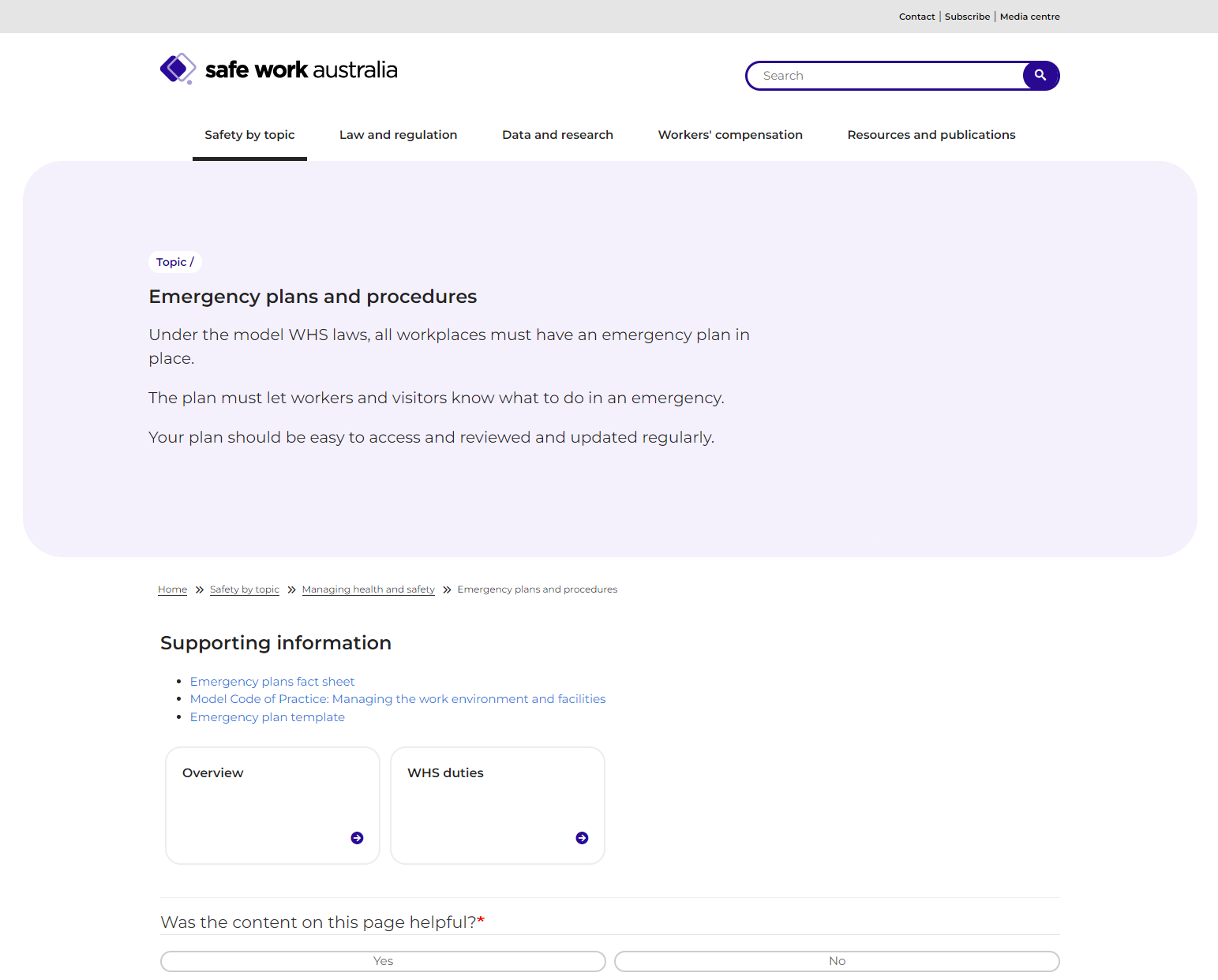
Emergency plans and procedures
This resource outlines the requirement for all workplaces, including aged care facilities, to have an emergency plan under the model WHS laws. The plan must inform workers and visitors about what to do in emergencies, be easily accessible, and be regularly reviewed and updated to ensure effectiveness.
Guidance and requirements may differ across states and territories. Users are responsible for considering their individual circumstances and specific state-based regulations and legislation.
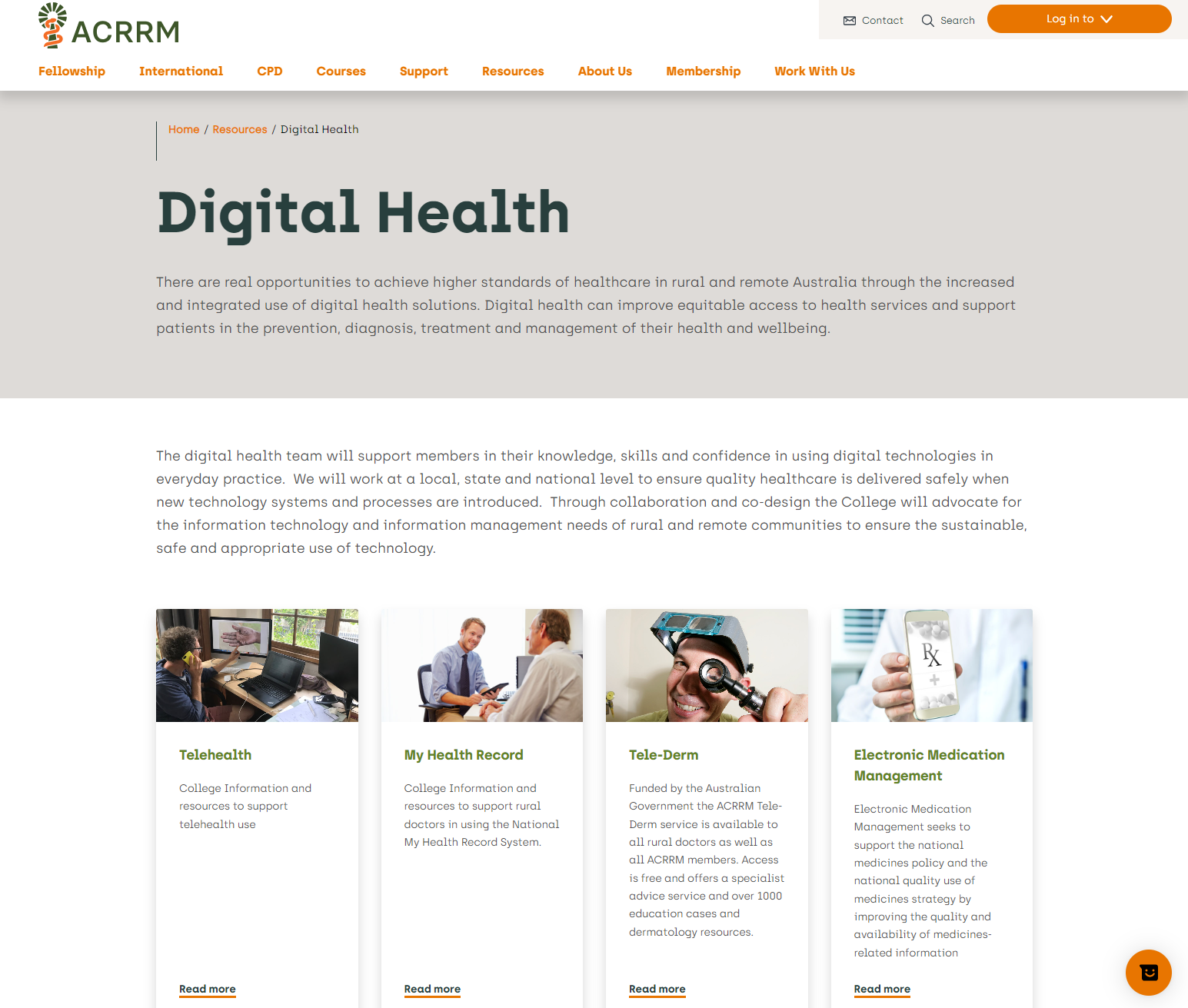
Digital Health
This resource outlines how digital health technologies, including telehealth, electronic medication management, and My Health Record, can improve healthcare delivery. It focuses on enhancing communication, reducing readmissions, and providing better access to care, especially in remote areas.
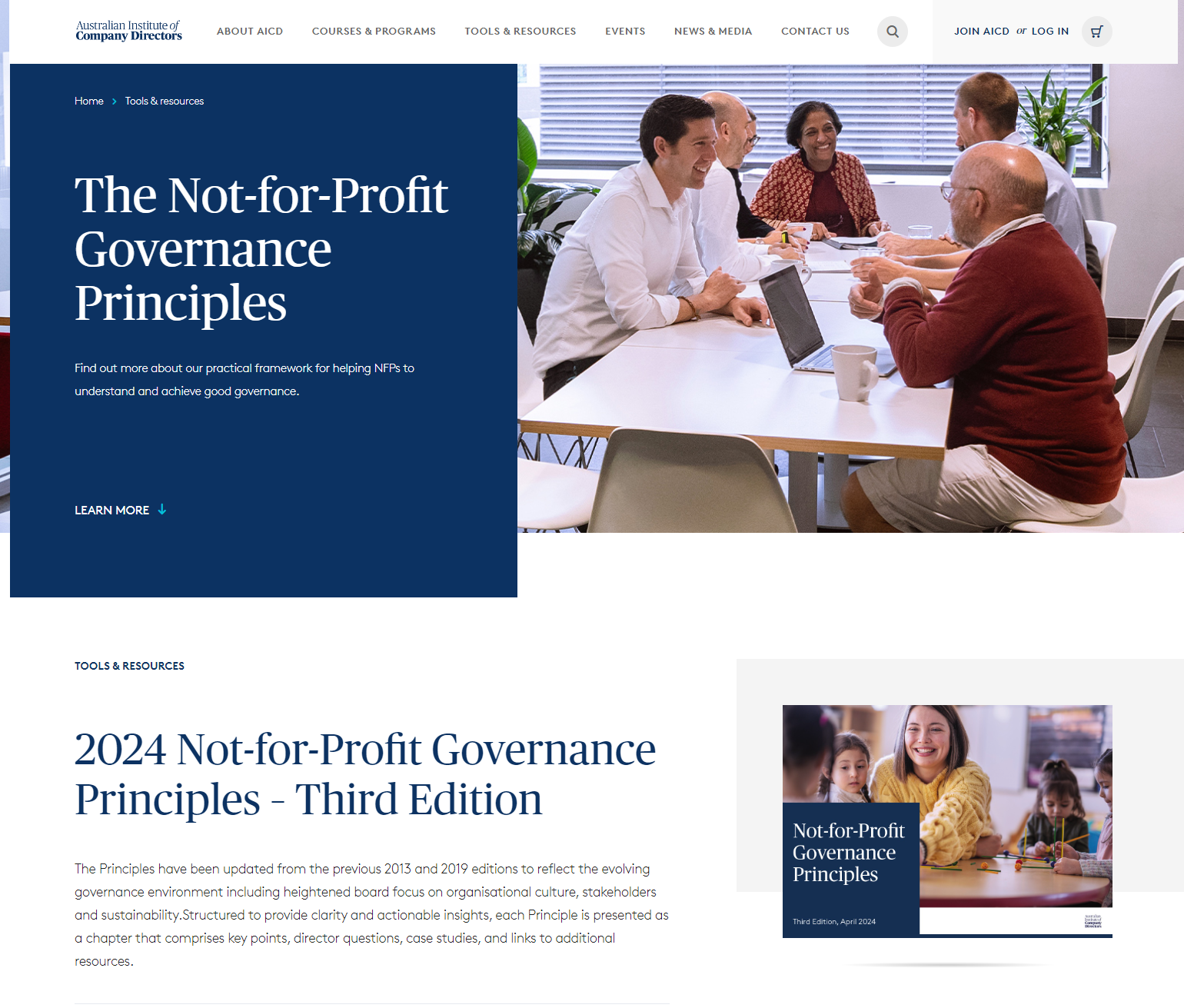
Not-for-Profit Governance Principles
This resource outlines the Not-for-Profit Governance Principles, a framework designed to help not-for-profit organisations, including aged care providers, achieve good governance. It covers key areas such as board roles, stakeholder engagement, risk management, and organisational culture. The principles provide practical guidance to improve governance practices, ensuring accountability and sustainability in the sector.
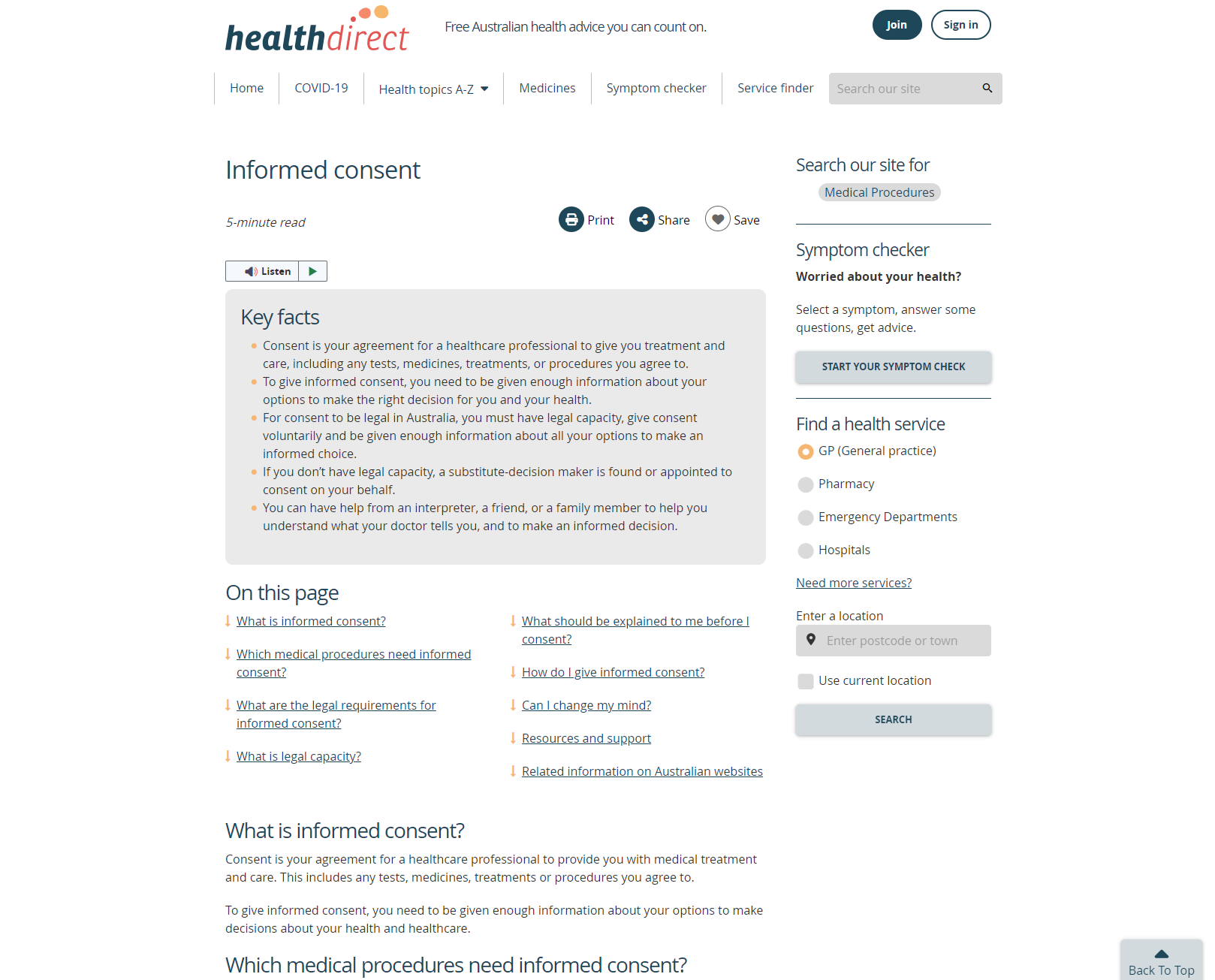
Informed consent - Health Direct
This resource explains the legal requirements and processes for obtaining informed consent for medical treatments, procedures, and care. It is relevant to aged care by ensuring that people understand their healthcare options, risks, and benefits, supporting their ability to make informed decisions about their health and wellbeing.
Healthy Eating and Nutrition Resources
This resource provides heart-healthy eating and nutrition resources for health professionals to guide patients. It includes practical advice on managing high blood pressure, maintaining a healthy weight, and increasing omega-3 intake. The materials support long-term dietary changes through recipes, meal planning tools, and educational guides to promote heart health.
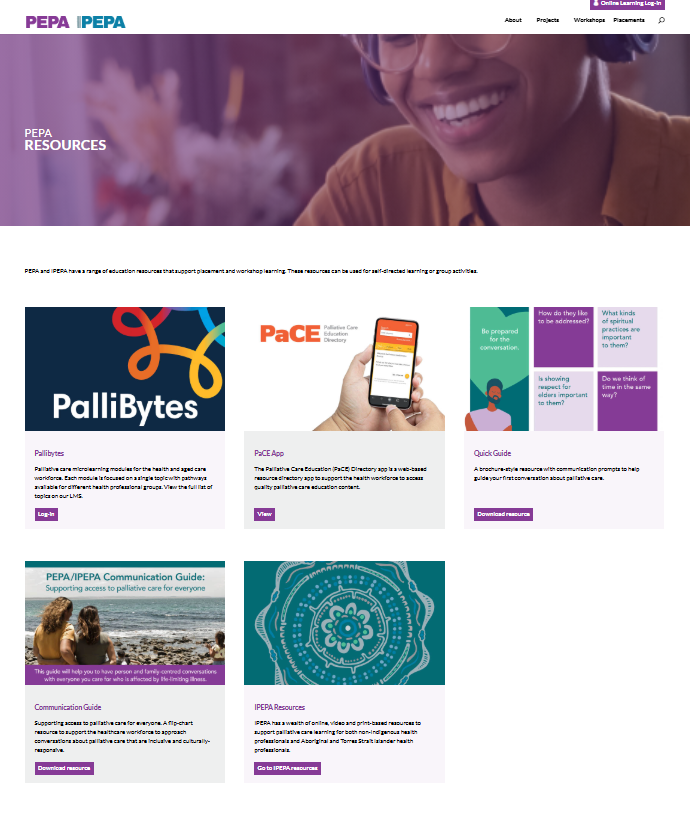
Program of Experience in the Palliative Approach (PEPA)
This page provides resources about palliative care for health professionals. The education resources support placement and workshop learning, but can be used for self-directed learning.
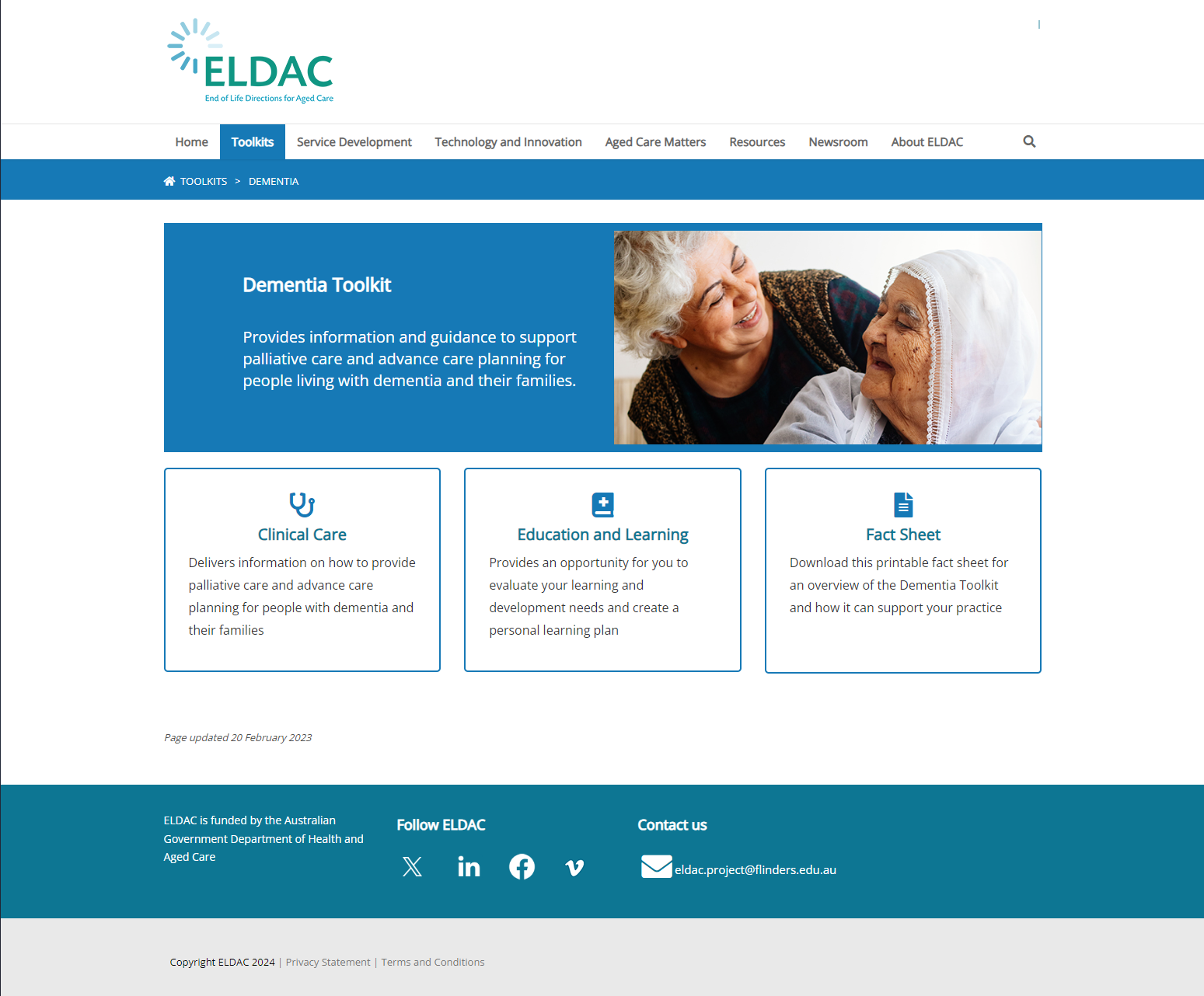
ELDAC Dementia Toolkit
This resource provides a toolkit for palliative care and end-of-life planning for people with dementia. It includes practical advice, resources, and evidence-based guidance to support health and aged care workers in delivering quality care. The toolkit covers assessment, care planning, symptom management, and communication with patients and families.
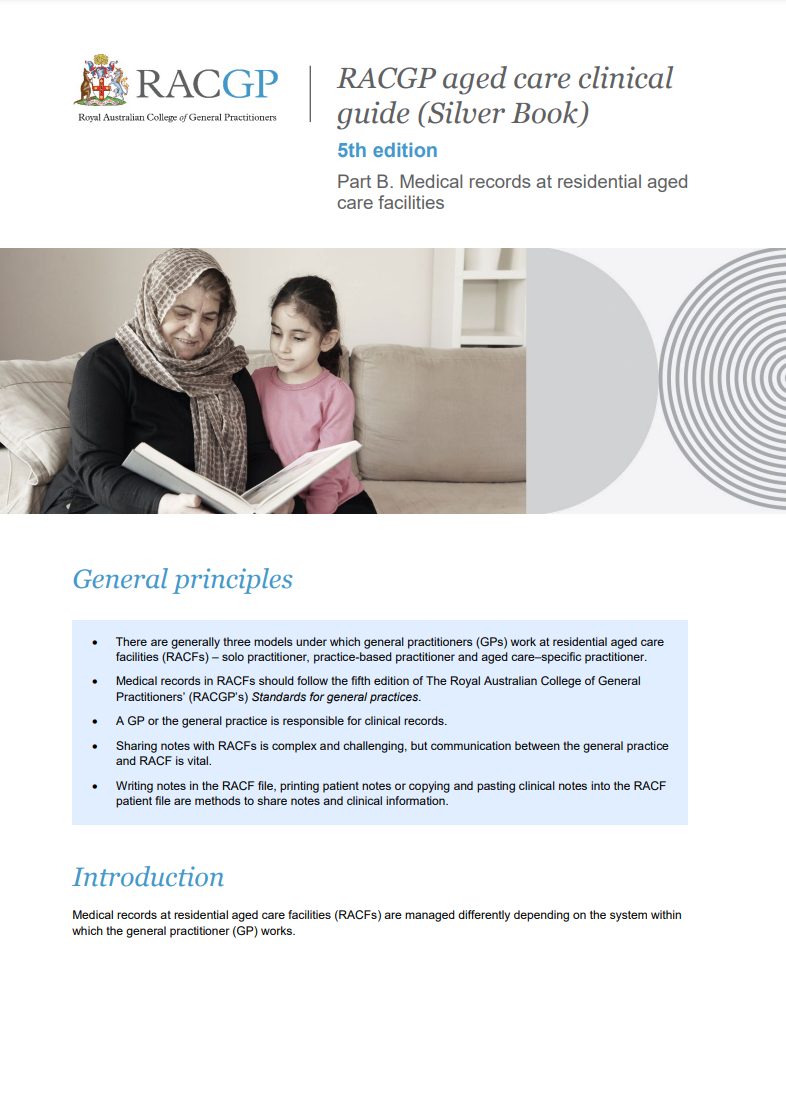
RACGP aged care clinical guide (Silver Book) - Part B - Medical records at residential aged care facilities
This guide covers managing medical records in residential aged care facilities (RACFs). It describes different practitioner models (solo, practice-based, aged care-specific) and provides standards for record-keeping, sharing notes, and maintaining clinical governance. The guide suggests methods for transferring medical information to RACF staff, including printing, electronic sharing, and handover notes.
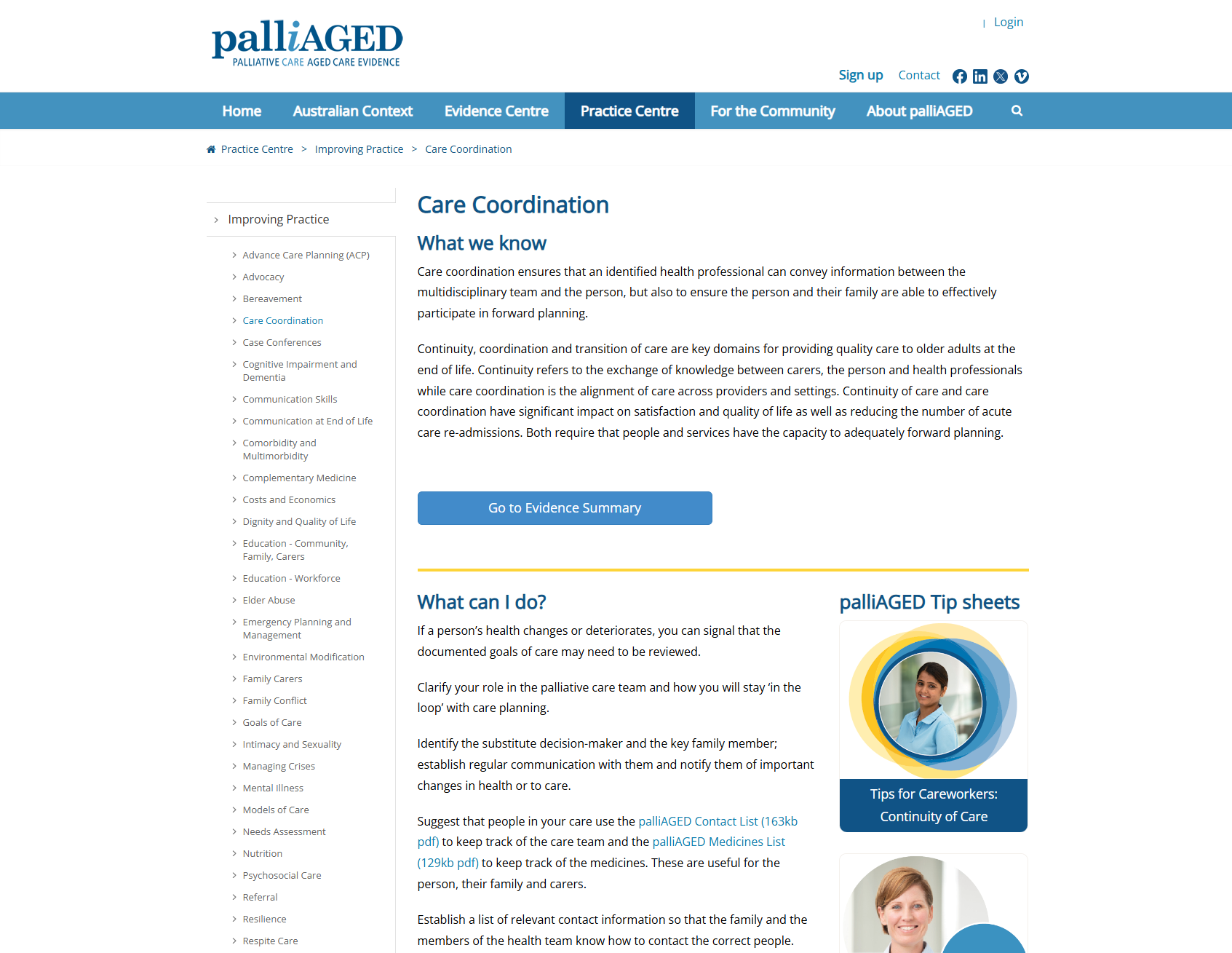
Care Coordination
This resource offers practical guidance on effective care coordination, focusing on communication within multidisciplinary teams, continuity of care, and transition management. It provides tools for involving families in care planning and supports strategies for optimising palliative care and improving outcomes for people in aged care settings.
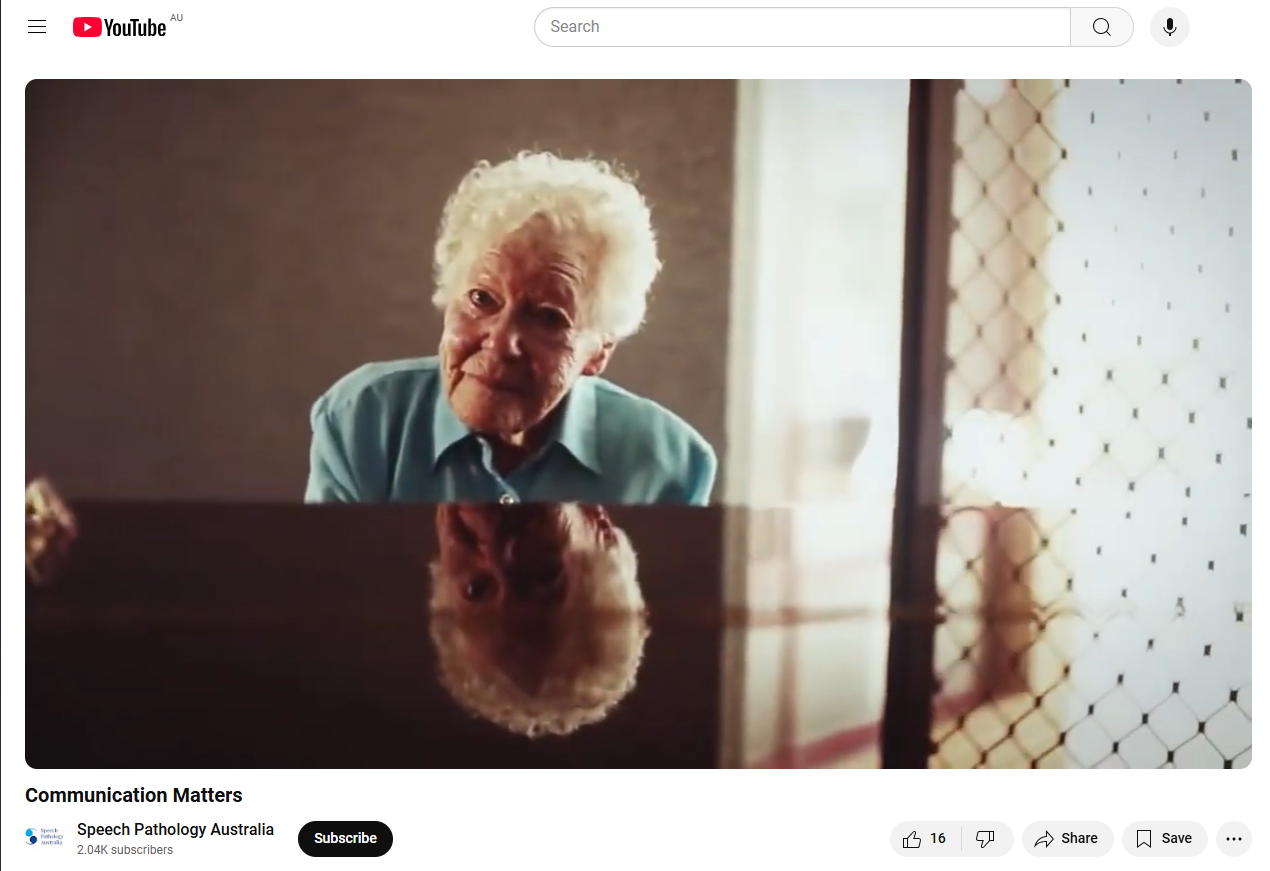
Communication Matters
This You Tube video emphasises the importance of communication for people in aged care, especially those with impairments. It advocates using varied methods, such as gestures and expressions, to make sure everyone can connect meaningfully, supporting dignity and autonomy.
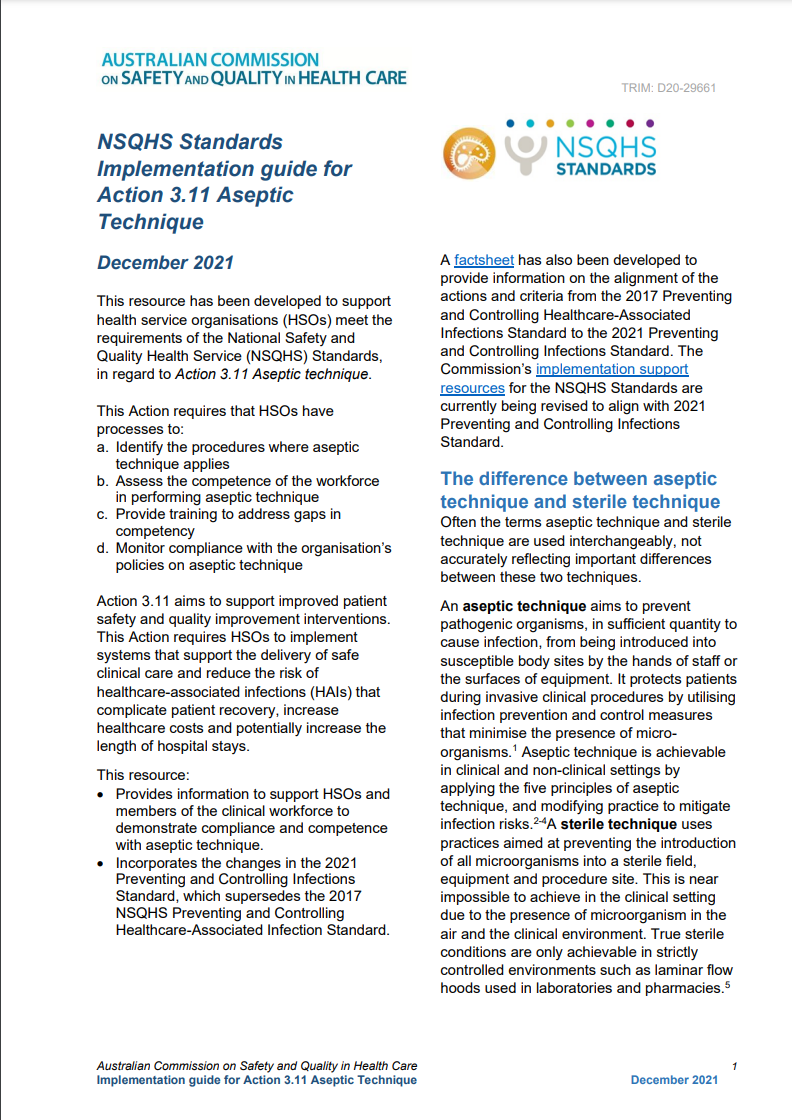
NSQHS Standards Implementation guide for Action 3.11 Aseptic Technique
This resource is an implementation guide designed to help health service organisations meet the requirements of Action 3.11 on aseptic technique under the NSQHS Standards. It outlines how to identify procedures requiring aseptic technique, assess workforce competence, provide relevant training, and monitor compliance. It aims to reduce healthcare-associated infections, ensuring safer care delivery, particularly relevant to aged care providers.This resource may apply to healthcare contexts outside of aged care.
National Consensus Statement: Essential elements for safe and high-quality end-of-life care
This resource outlines the National Consensus Statement on essential elements for safe and high-quality end-of-life care in Australia. It provides guiding principles, care processes, and organisational processes, focusing on person-centred communication, multidisciplinary collaboration, and culturally appropriate care. The statement is designed for healthcare workers, service executives, and policy makers to enhance end-of-life care delivery.
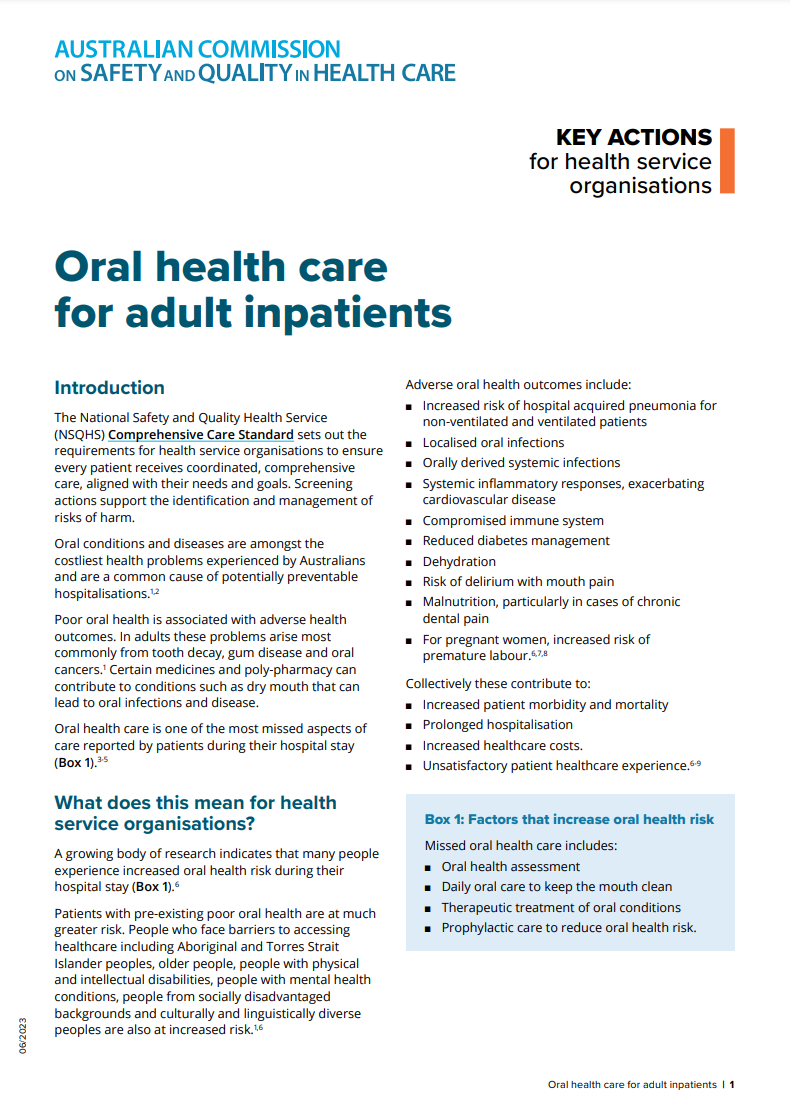
Fact sheet - Oral health care for adult inpatients
This resource provides guidance on oral health care for adult inpatients, aligning with the Comprehensive Care Standard. It outlines the importance of oral health assessment, daily care, infection control, and discharge planning to prevent adverse outcomes such as infections, dehydration, and malnutrition, enhancing patient experience and care quality.
RACGP aged care clinical guide (Silver Book) - Part B - Collaboration and multidisciplinary team-based care
This guide focuses on collaboration and multidisciplinary care for older adults, particularly in residential aged care. It outlines the benefits of team-based care, effective team structures, shared goals, defined roles, building trust, communication, and measurable processes to improve health outcomes. It provides practical tips for effective teamwork and highlights the importance of coordinating care among various healthcare professionals.
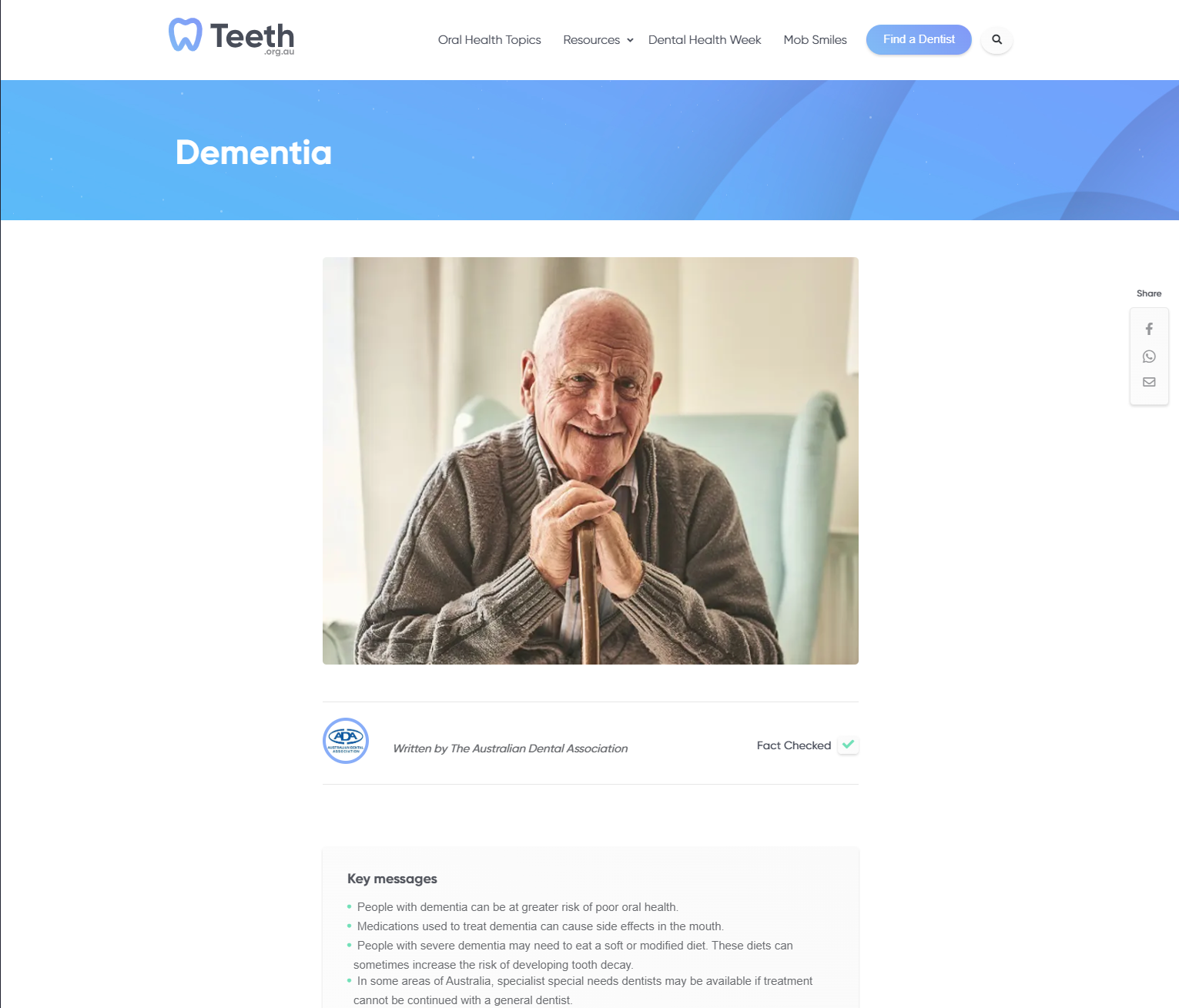
Dementia and oral health
This resource provides information on the impact of dementia on oral health, outlining key issues such as increased risk of poor oral health, the effects of medications, and the importance of maintaining dental care routines. It offers practical tips for toothbrushing, denture care, and dental visits to support those living with dementia.
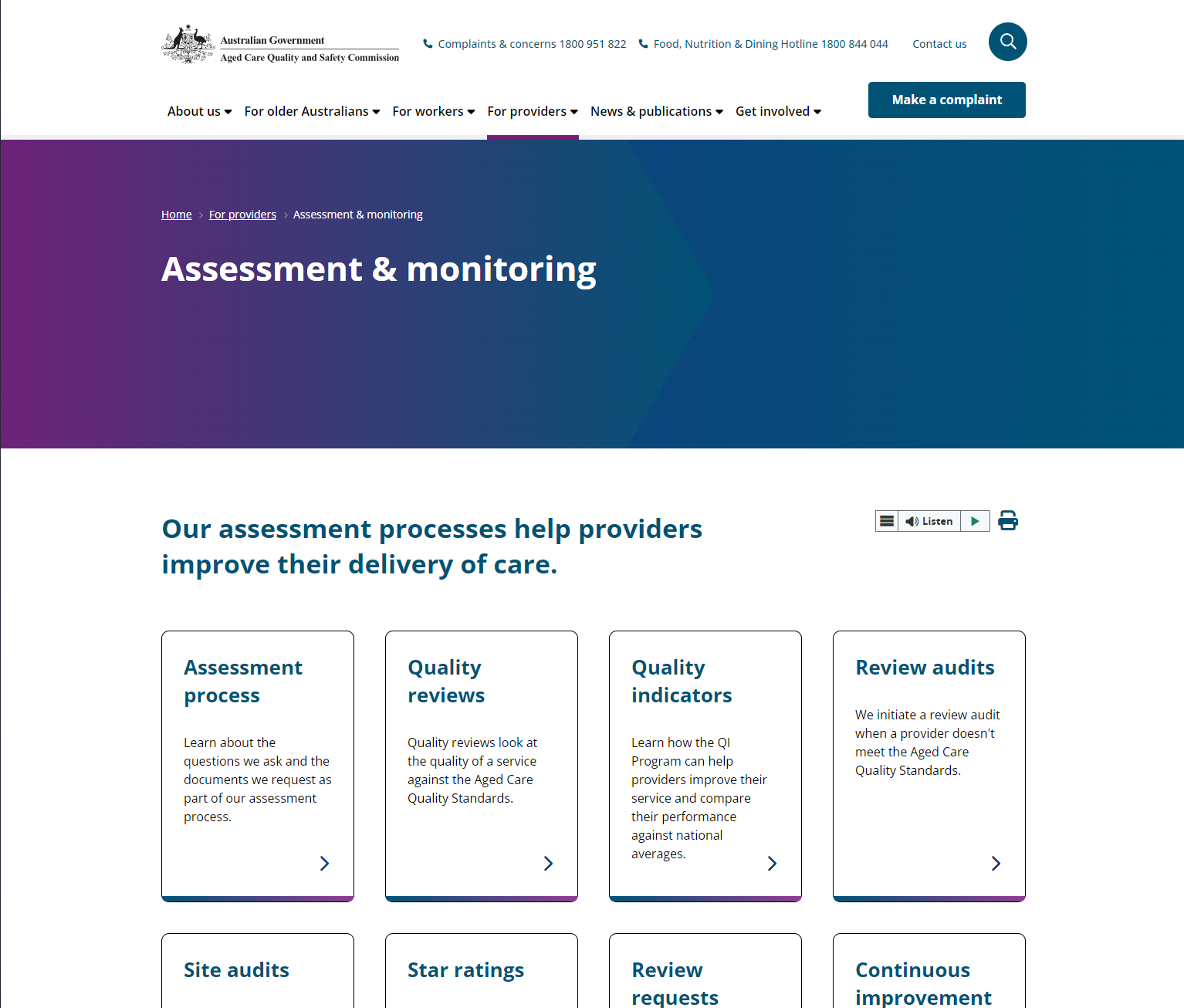
Assessment & monitoring
This resource provides an overview of the assessment and monitoring processes for aged care providers. It explains quality reviews, site audits, and the use of quality indicators to help improve services. It also covers continuous improvement plans and the importance of self-assessment to ensure compliance with the Aged Care Quality Standards.
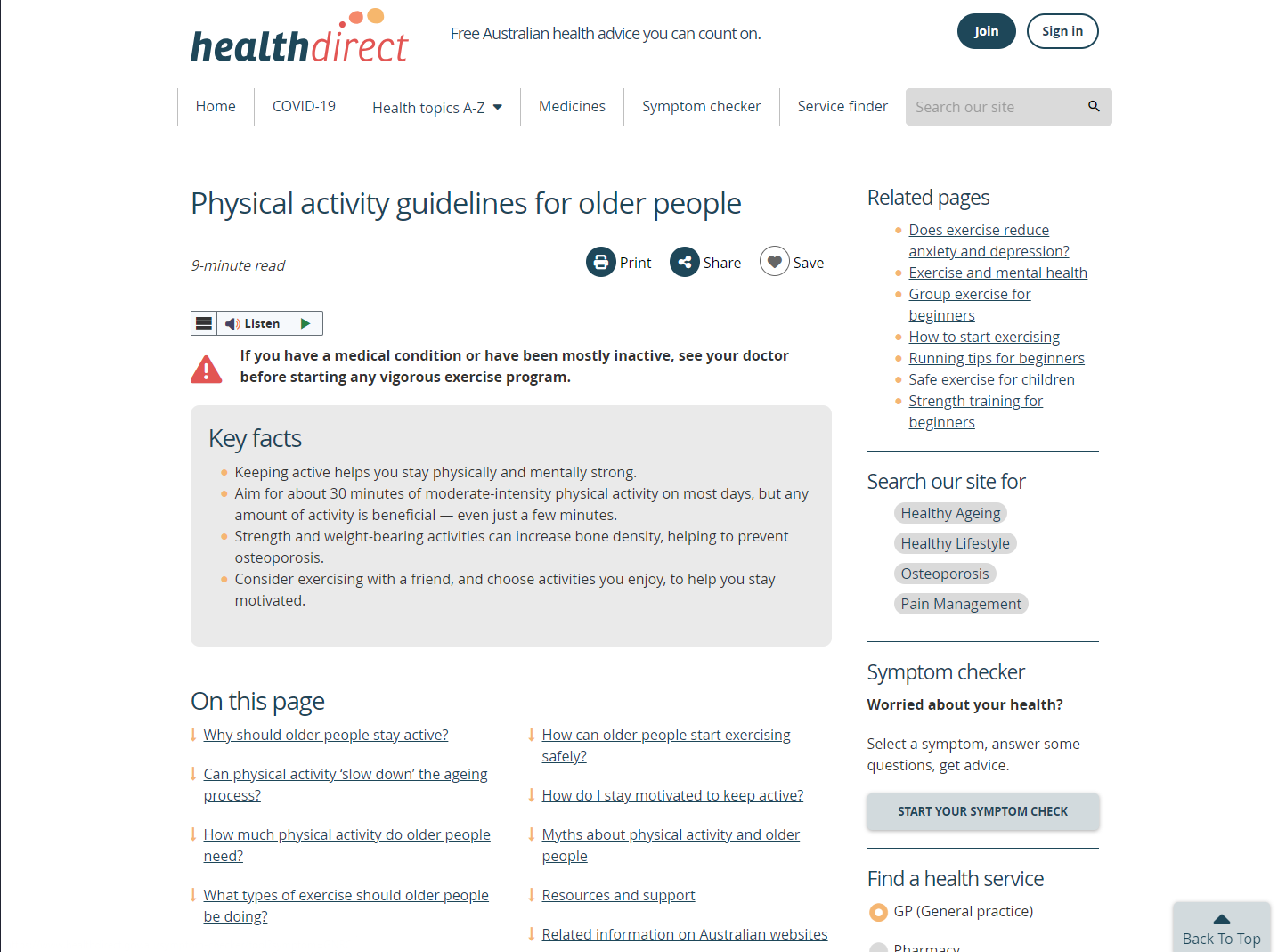
Physical activity guidelines for older people
This resource provides physical activity guidelines for older people, highlighting the benefits of staying active. It recommends 30 minutes of moderate-intensity activity daily, including strength, flexibility, balance, and cardiovascular exercises. The document also provides tips for safely starting and maintaining an exercise routine to support healthy ageing.
Translating and Interpreting Service (TIS National)
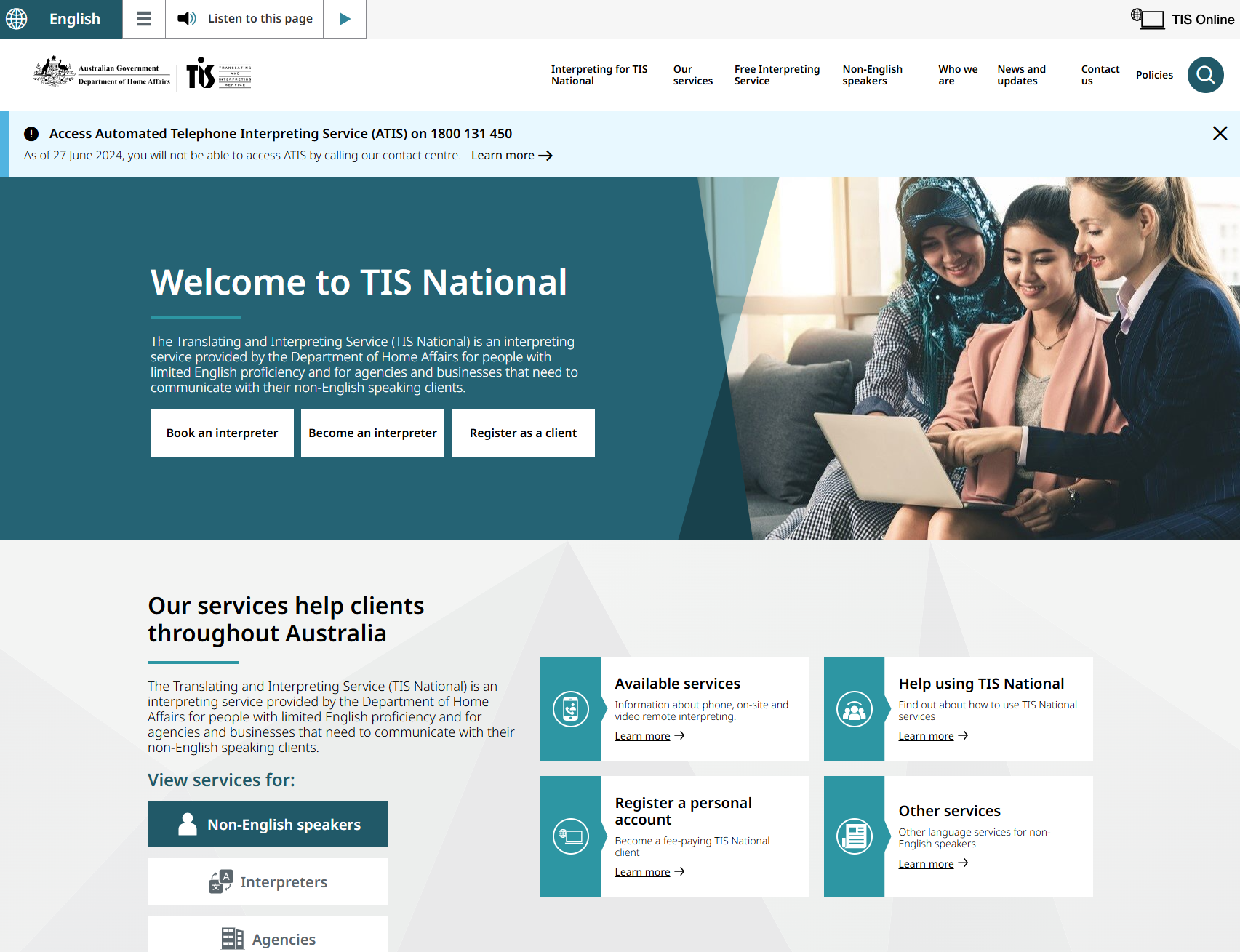
The Translating and Interpreting Service (TIS National) provides interpreting support for people with limited English proficiency and agencies requiring assistance to communicate with non-English-speaking clients. Services include telephone, on-site, and video interpreting, with options for both government and fee-paying clients across Australia.
COVID-19 resource kit
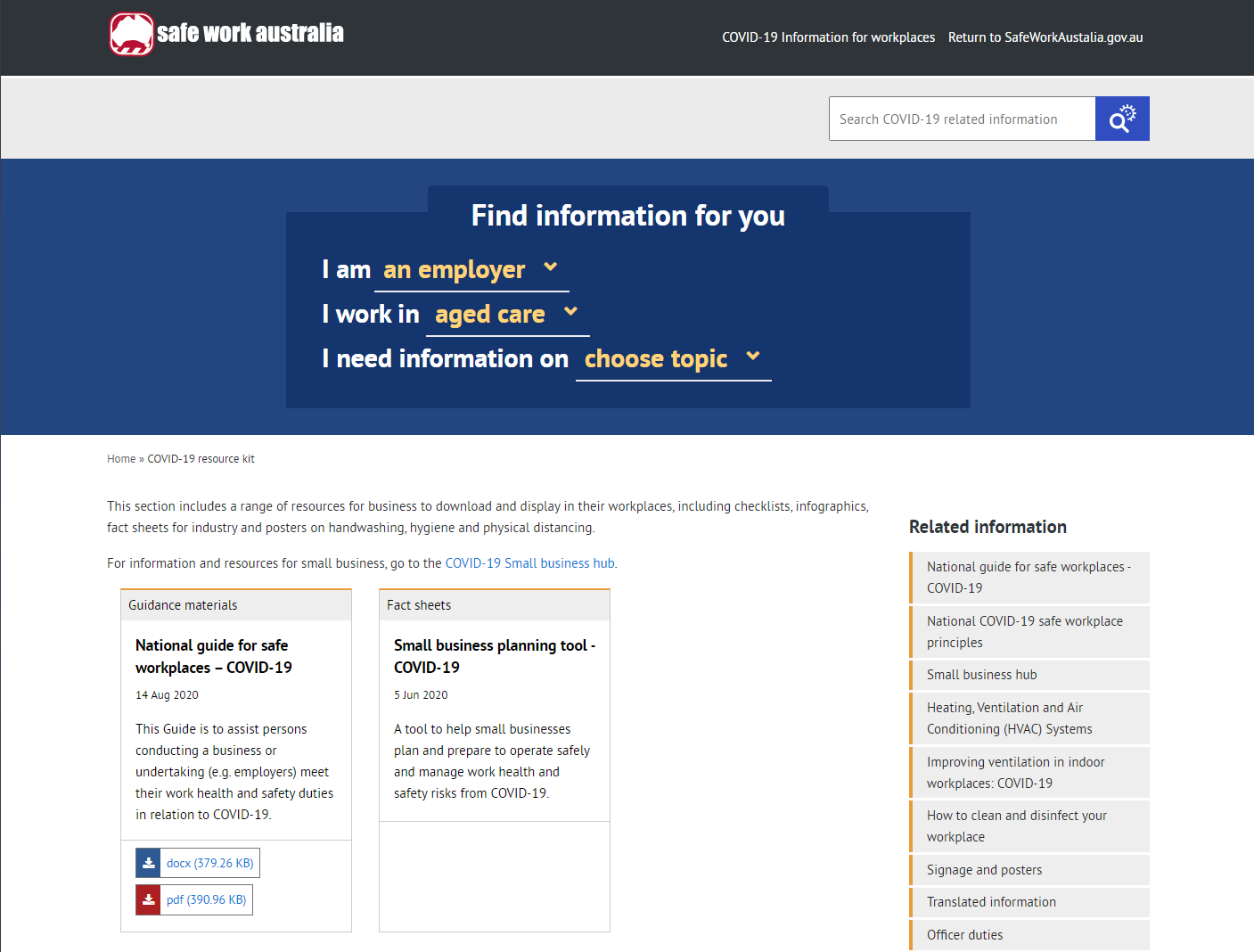
This resource kit provides downloadable tools for businesses, including aged care, to manage COVID-19 risks. It includes checklists, posters, and infographics covering hygiene, physical distancing, cleaning, and response actions if a worker contracts COVID-19. These materials help workplaces implement safe practices and reduce the spread of the virus.
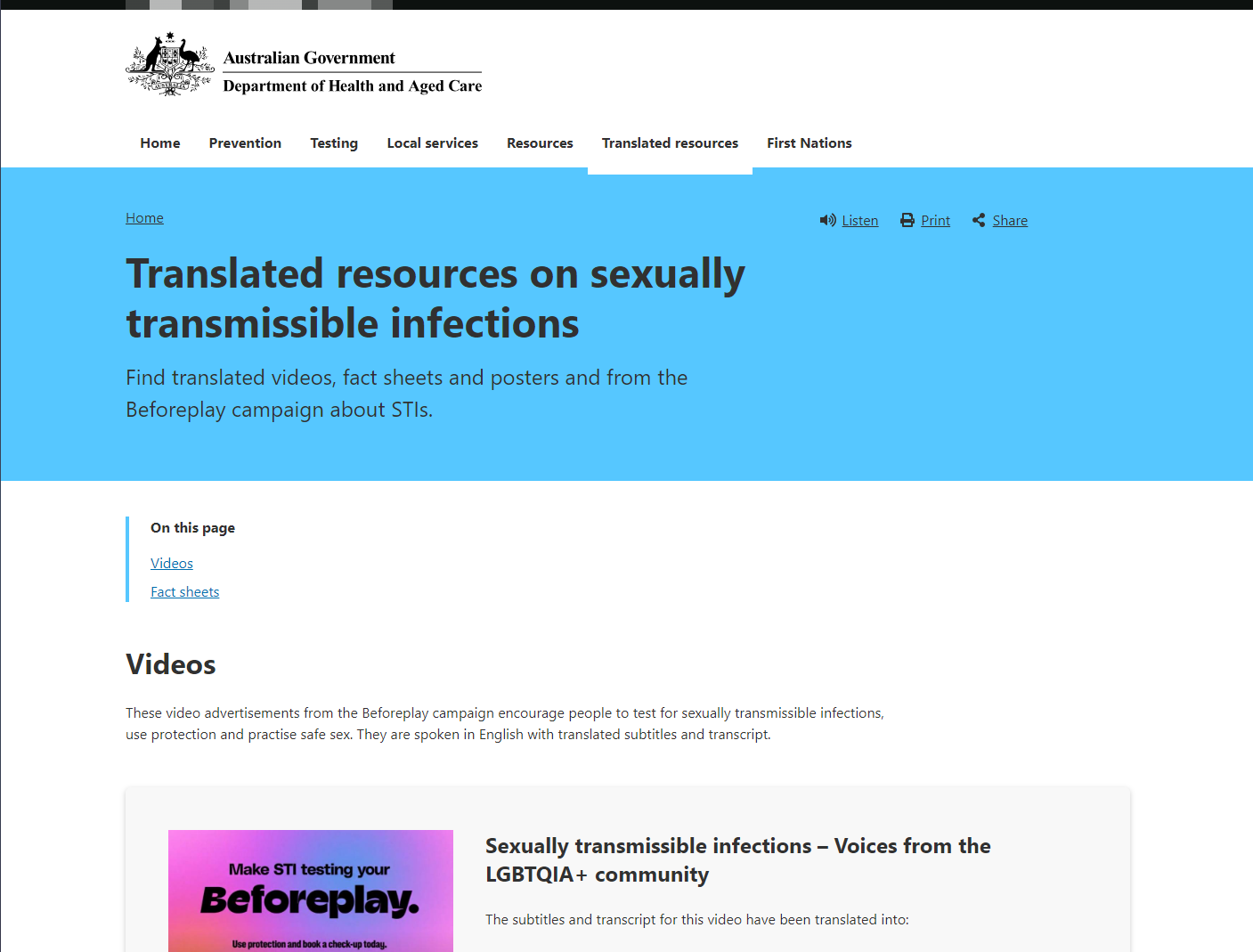
Translated resources on sexually transmissible infections
This resource provides translated videos, fact sheets, and posters from the Beforeplay campaign to educate multicultural communities about sexually transmissible infections (STIs). It promotes STI testing, safe sex practices, and includes materials in multiple languages to improve accessibility and encourage conversations around sexual health.