The Quality Standards Resource Centre helps extend understanding of the strengthened Aged Care Quality Standards, which took effect from 1 November 2025. You can search for resources by using keywords, or filtering by standard, outcome and audience. Before using the Resource Centre, please read the terms of use.
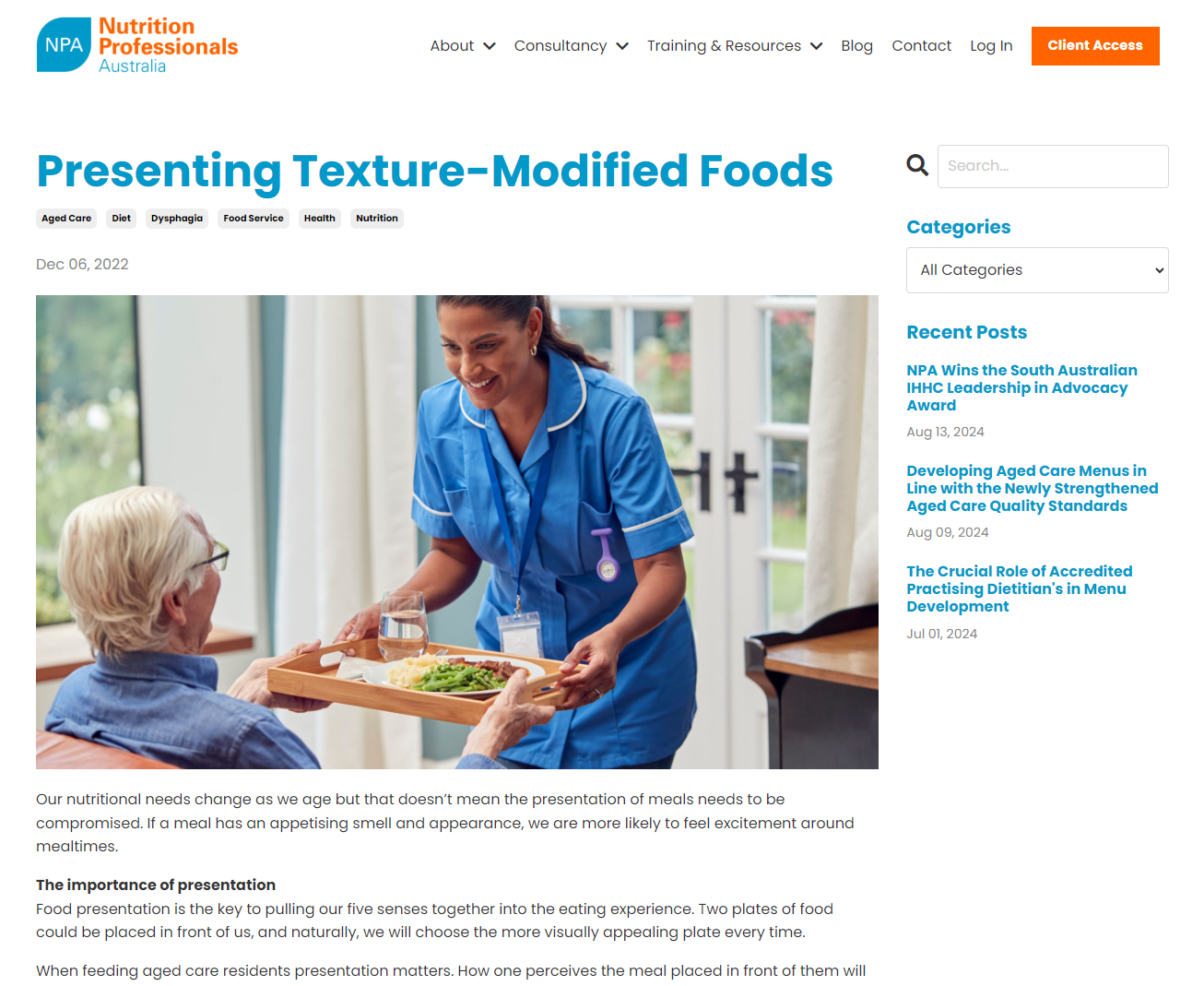
Presenting Texture-Modified Foods
This resource provides strategies for presenting texture-modified foods to aged care residents in an appealing way. It emphasises the importance of food presentation in enhancing meal satisfaction and nutritional intake. Techniques include using contrasting colours, layering foods, adding height, and shaping dishes to improve recognition and visual appeal, particularly for those on texture-modified diets.
Nutrition
This resource provides guidance on nutrition for people in palliative care. It highlights the importance of prioritising comfort and quality of life over nutritional intake. It discusses oral intake, artificial hydration, and medically assisted nutrition, emphasising communication with families and cultural considerations when managing nutrition and hydration at the end of life.
Draft National Consumer Engagement Strategy for Health and Wellbeing
This resource presents the Draft National Consumer Engagement Strategy for Health and Wellbeing, which aims to foster partnerships between health policymakers and communities. It is designed to involve people and communities in the development and implementation of preventive health policies. The strategy supports policymakers and program developers in engaging effectively with consumers to achieve improved health outcomes across Australia.
NSQHS Standards User guide for Aboriginal and Torres Strait Islander health
The resource provides a guide for health service organisations to improve care for Aboriginal and Torres Strait Islander people, focusing on 6 specific actions. It highlights strategies to build partnerships, enhance cultural competency, and ensure equitable, safe, and high-quality care.
This resource may refer to information that will be updated from 1 November 2025 to align with the new Aged Care Act and Quality Standards.
Cultural Respect Framework 2016-2026 for Aboriginal and Torres Strait Islander health
This resource outlines a national approach to building a culturally respectful health system for Aboriginal and Torres Strait Islander people. It focuses on 6 domains, including communication, workforce development, and data evaluation, to ensure culturally safe, accessible care. It is applicable to aged care, helping providers meet cultural safety standards and improve health outcomes for Aboriginal and Torres Strait Islander people.
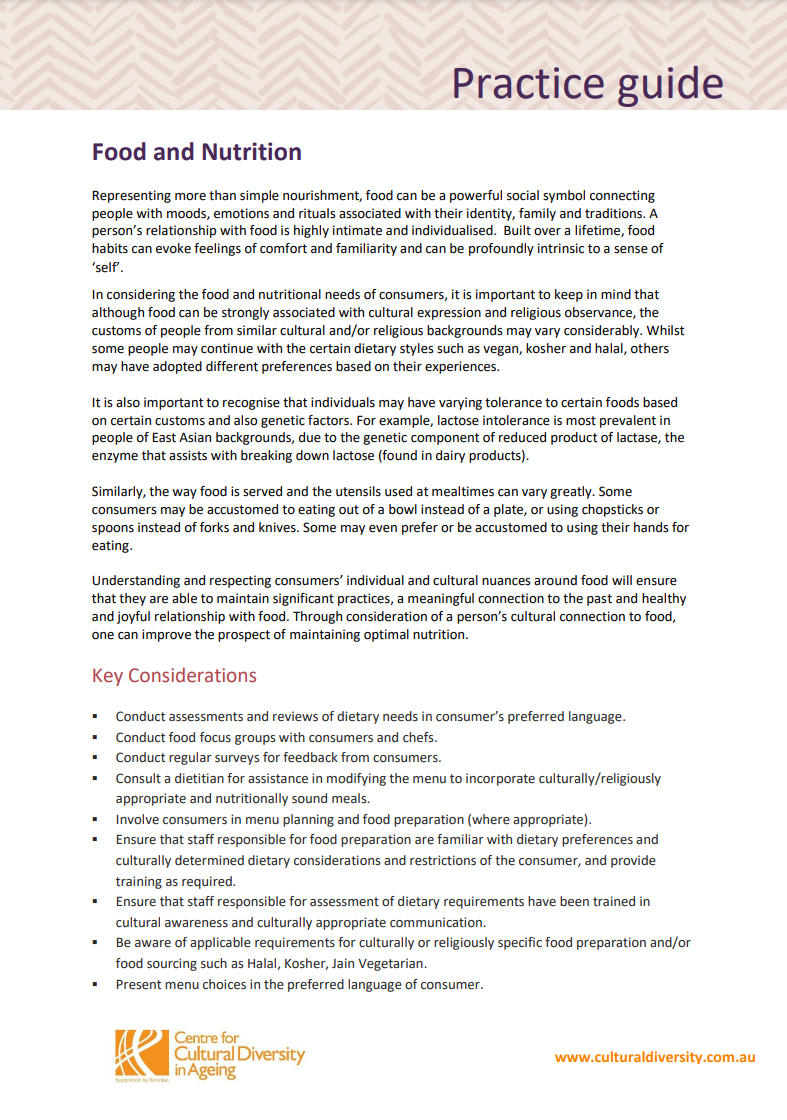
Food and nutrition - Practice guide
This resource focuses on culturally inclusive food and nutrition practices in aged care settings. It outlines the importance of considering cultural, religious, and personal food preferences when preparing meals. The guide suggests involving people in menu planning, conducting regular dietary assessments, and providing culturally appropriate meals and utensils. The resource also highlights the value of celebrating cultural events and ensuring meals meet both nutritional needs and cultural expectations.
Healing Foundation - Resources
This resource provides access to a range of materials aimed at promoting healing within Aboriginal and Torres Strait Islander communities. It includes documents on trauma, healing projects, and initiatives like the Stolen Generations redress schemes. Providers can use these resources to understand historical and ongoing trauma and support culturally sensitive care within aged care environments, fostering healing and resilience.
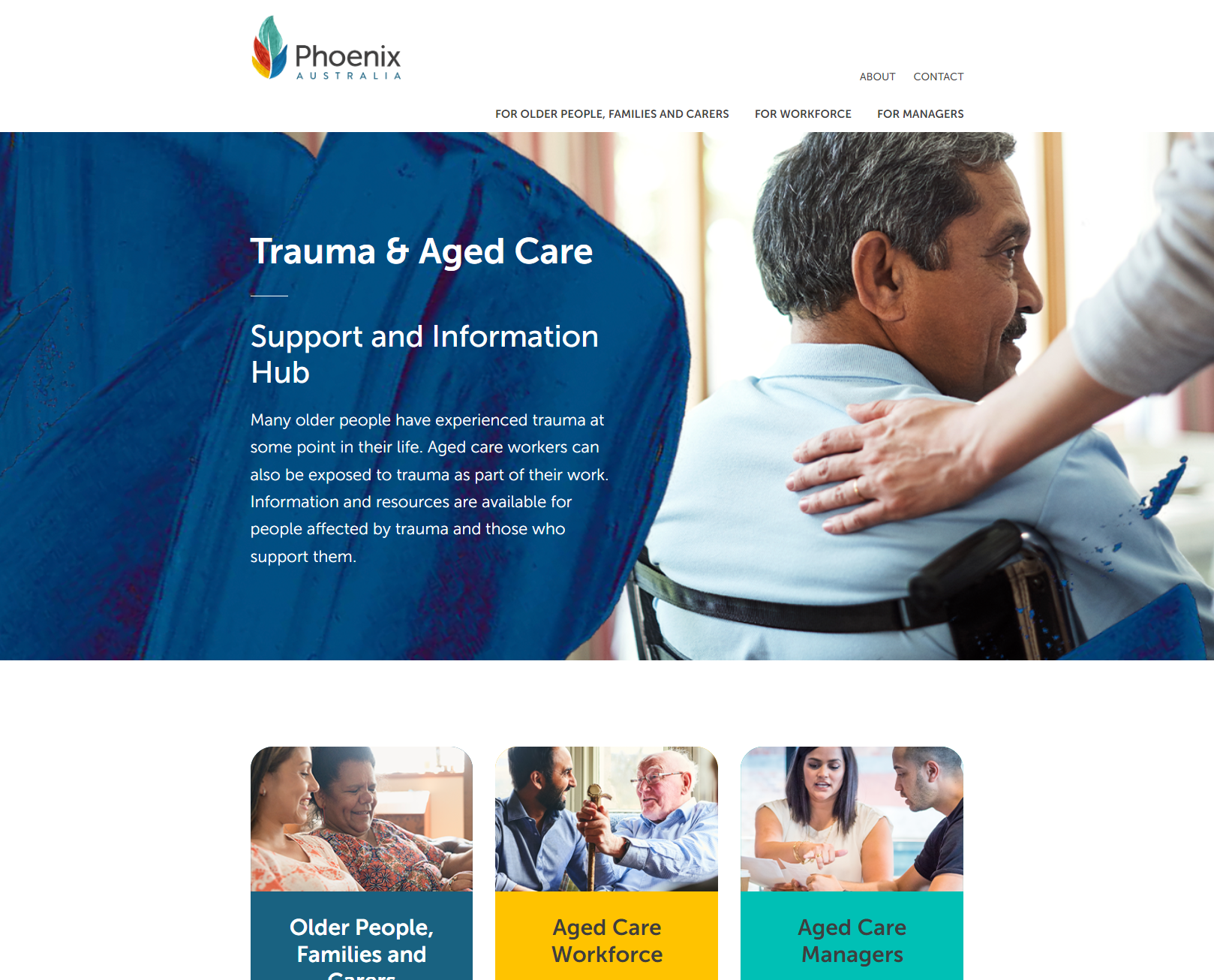
Trauma & Aged Care - Support and Information Hub
This resource provides information and support for aged care providers, workers, and people in aged care who may have experienced trauma. It offers resources to address trauma-related issues, both for those affected and for those providing care. It also provides guidance for aged care managers and the workforce to ensure trauma-informed care practices are integrated into aged care services.
Tips for Careworkers: First Australians – Communication
This resource offers guidance on culturally appropriate communication with Aboriginal and Torres Strait Islander people in aged care. It highlights the importance of respecting cultural identity, involving family, and providing person-centred care. The resource provides practical tips for careworkers to ensure culturally sensitive and respectful communication.
Consumer and carer engagement: A practical guide
This resource provides a guide for engaging consumers and carers in mental health services. It outlines steps for involving people in decision-making, service design, and evaluation. The guide emphasises co-design, leadership, and dedicated resources to create a person-centred approach that improves care and service outcomes.
National Aboriginal and Torres Strait Islander Health Plan 2021–2031
This resource outlines the National Aboriginal and Torres Strait Islander Health Plan 2021–2031, which focuses on improving health outcomes through culturally safe, prevention-focused care. It emphasises addressing cultural and social determinants of health across the life course. The plan supports self-determination, eliminating racism, and fostering partnerships with community-controlled health services to make sure equitable access to health and wellbeing services.
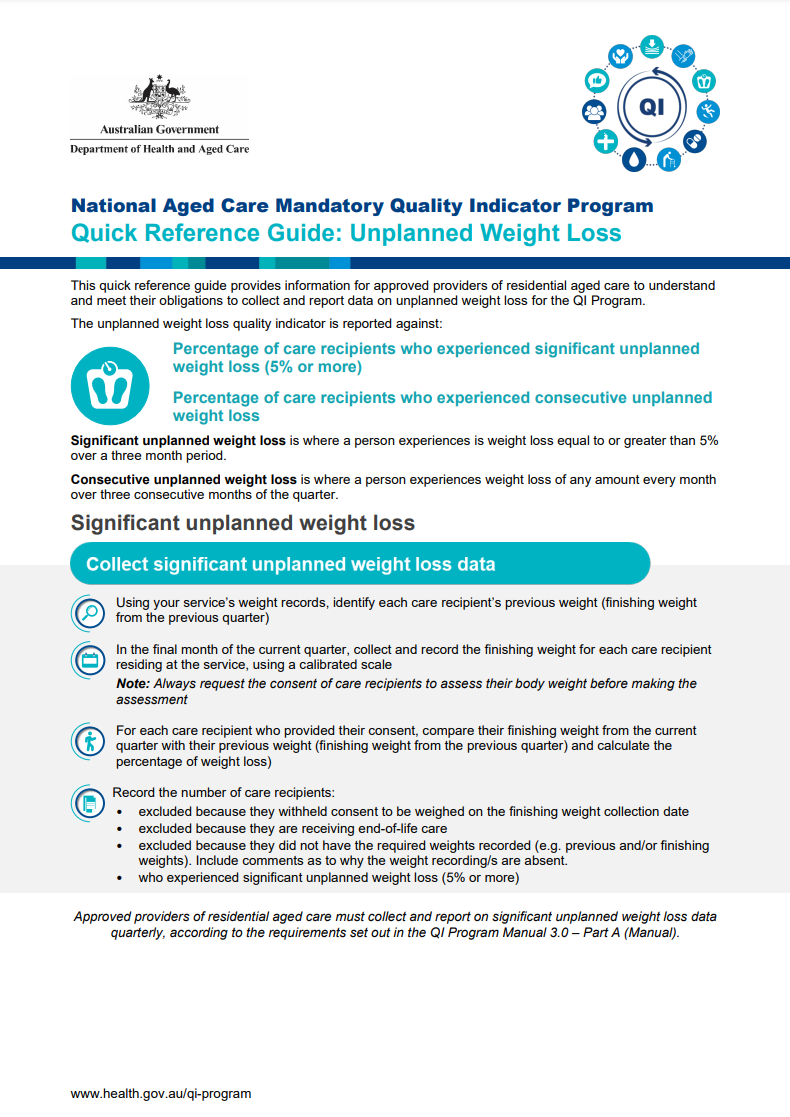
QI Program quick reference guide – Unplanned weight loss
This resource provides a quick reference guide for approved aged care providers on collecting and reporting data related to unplanned weight loss as part of the National Aged Care Mandatory Quality Indicator Program. It outlines reporting requirements for significant and consecutive unplanned weight loss and offers guidance on how to track and submit data quarterly. This resource may refer to information that will be updated from 1 November 2025 to align with the new Aged Care Act and Quality Standards.
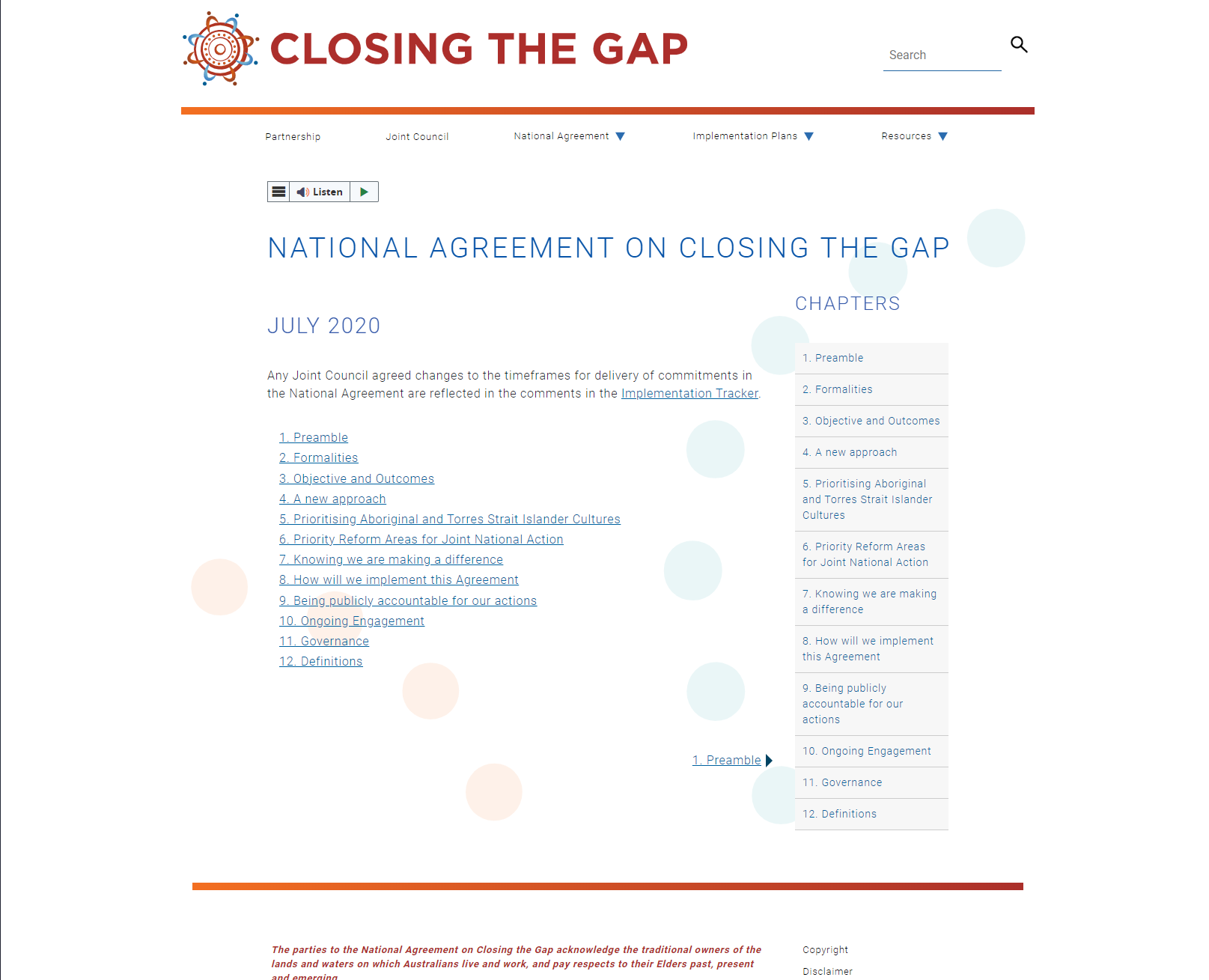
National Agreement on Closing the Gap
This resource outlines the National Agreement on Closing the Gap, focusing on improving life outcomes for Aboriginal and Torres Strait Islander peoples. It includes key areas for joint national action, prioritising cultural safety and addressing inequalities. The agreement encourages collaboration with communities to monitor progress and ensure accountability.
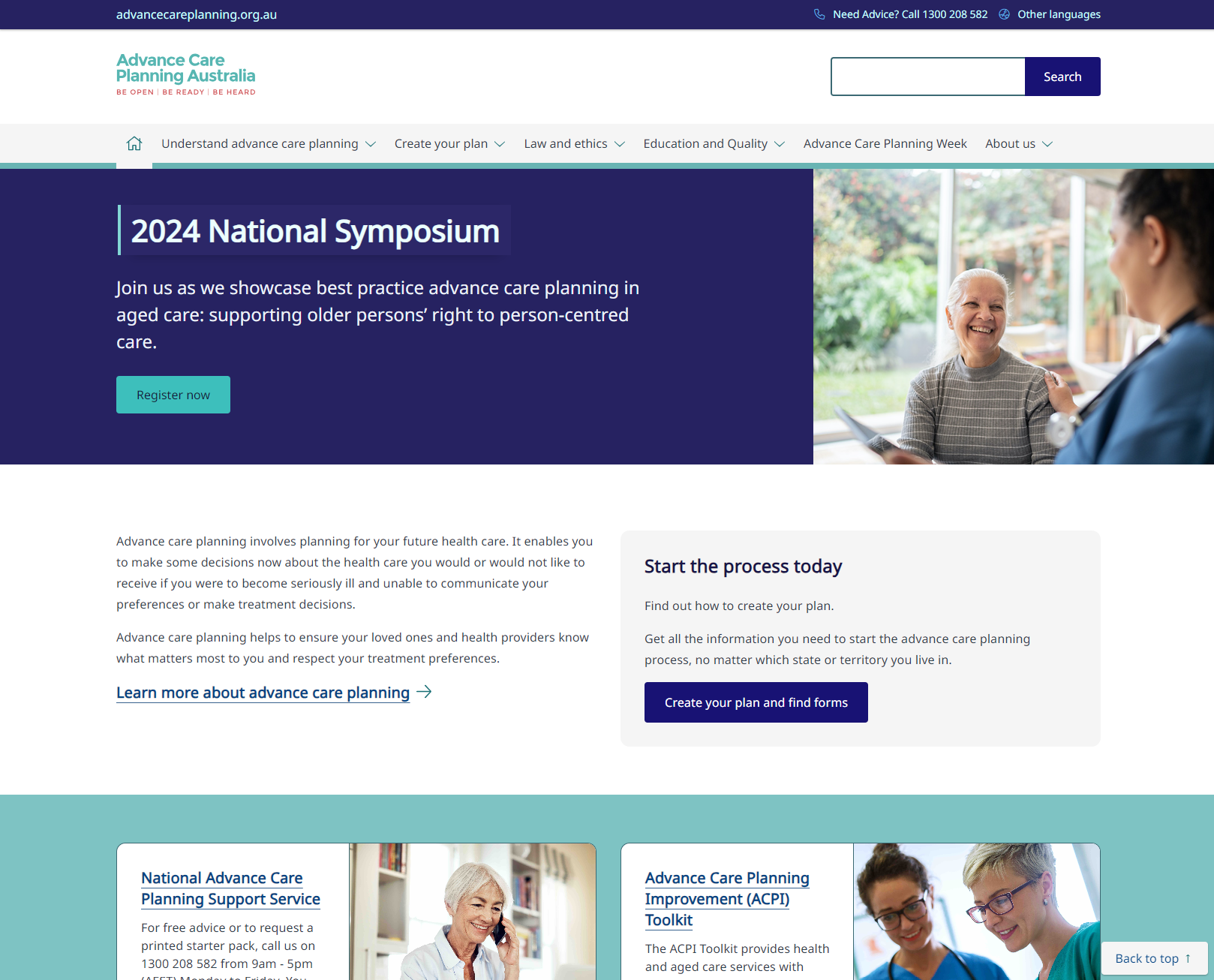
Advance Care Planning Australia
This resource provides information on advance care planning, which enables people to make decisions about their future health care in case they are unable to communicate their preferences. It helps ensure that healthcare providers and loved ones understand and respect their treatment choices. The resource includes tools, forms, and advice for creating an advance care plan.
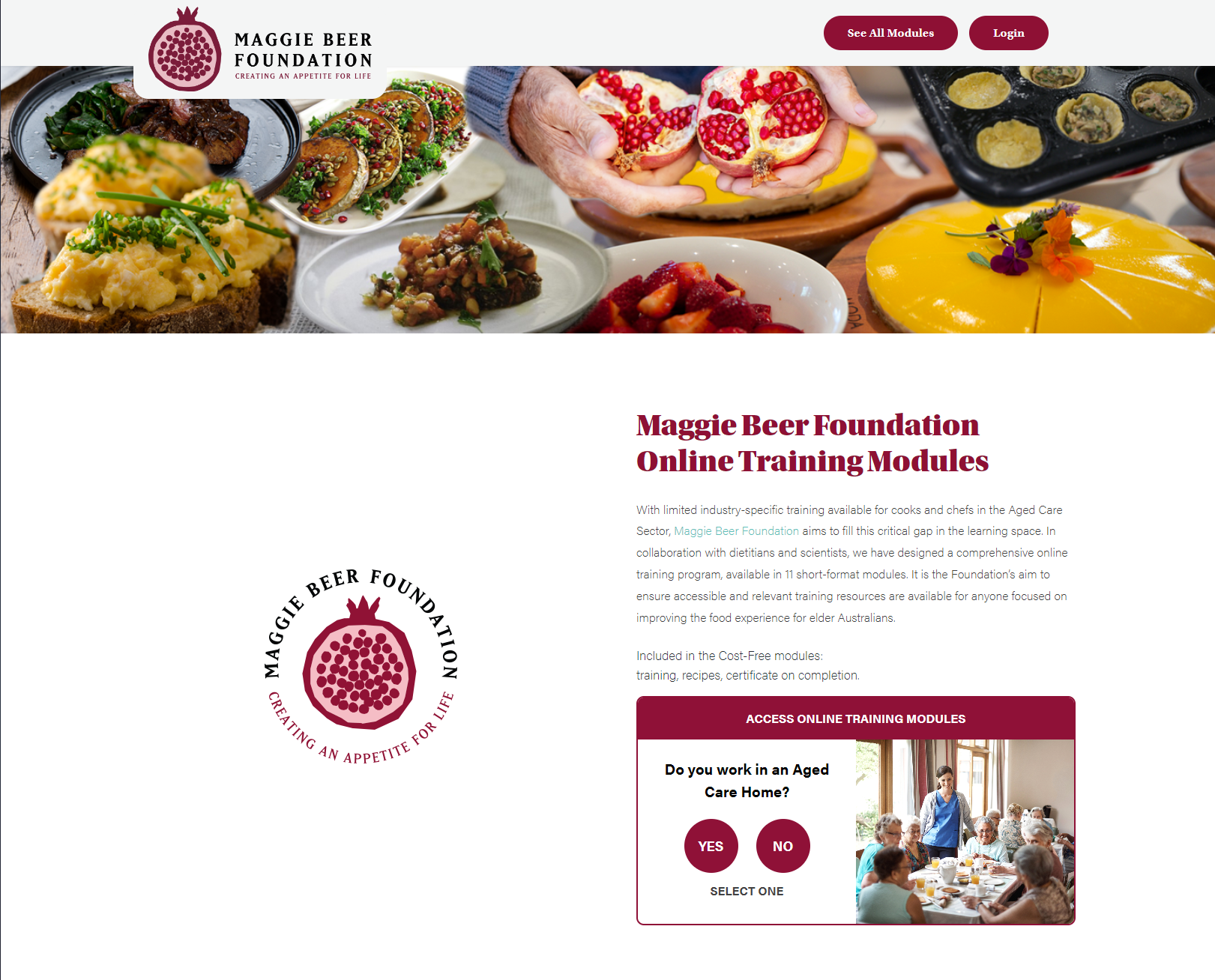
Maggie Beer Foundation - Online Training Modules
This resource offers free online training modules designed to improve food experiences for older people in aged care. The modules cover topics such as creating appetising meals, food presentation, and supporting nutrition and hydration. The program is intended for cooks, chefs, and aged care providers to enhance the quality of food service in care settings.
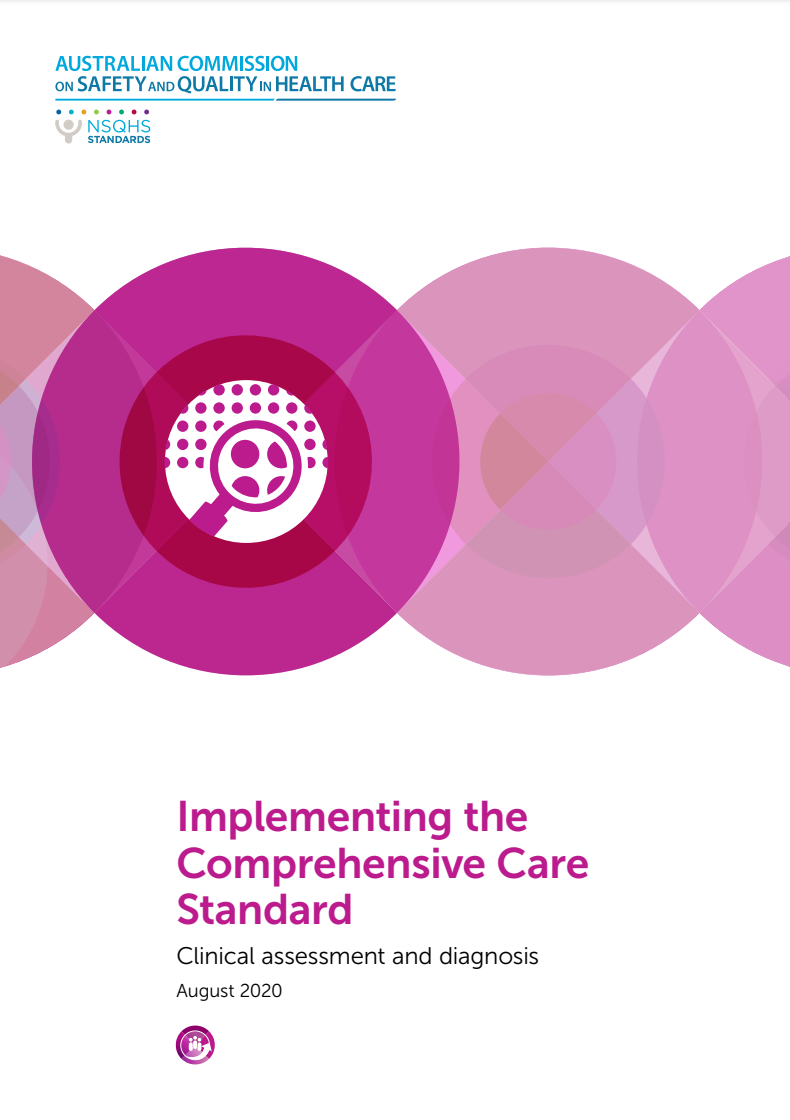
Implementing the Comprehensive Care Standard - Clinical assessment and diagnosis
This document provides guidance on implementing the clinical assessment and diagnosis element of the Comprehensive Care Standard (National Safety and Quality Health Service Standards). It helps clinicians identify a person’s conditions or needs through examination and investigation. The resource supports safe, patient-centred care, improving diagnostic accuracy and promoting teamwork in healthcare settings, including aged care.
This resource may refer to information that will be updated from 1 November 2025 to align with the new Aged Care Act and Quality Standards.
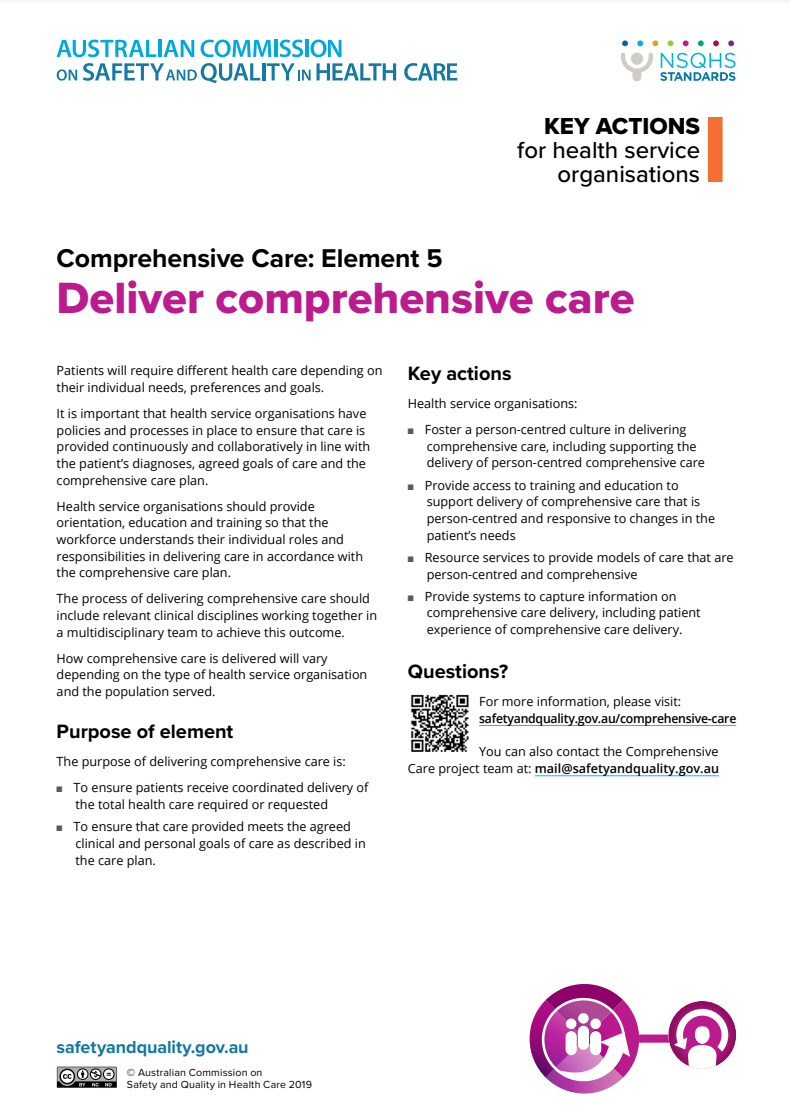
Comprehensive Care - Element 5: Deliver comprehensive care - Actions for health service organisations
This resource outlines the key actions for health service organisations to deliver comprehensive care. It ensures care is provided continuously and collaboratively, aligning with the patient’s diagnoses, goals, and care plan. It promotes a person-centred, multidisciplinary approach, with staff training to support comprehensive care delivery. Applicable to multiple settings, including aged care.
This resource may refer to information that will be updated from 1 November 2025 to align with the new Aged Care Act and Quality Standards.
Implementing the Comprehensive Care Standard - Review and improve comprehensive care delivery
This resource provides guidance for reviewing and improving comprehensive care delivery. It outlines how to assess if care meets clinical and personal needs, mitigates risks, and achieves intended outcomes. Relevant to aged care, it helps clinicians and managers implement continuous quality improvement in care delivery processes.
This resource may refer to information that will be updated from 1 November 2025 to align with the new Aged Care Act and Quality Standards.
NSQMHCMO Standards Guide for Service Providers
This guide helps service providers implement the National Safety and Quality Mental Health Standards for Community Managed Organisations. It covers governance, care models, and quality systems. While focused on mental health services, elements like governance and quality may be relevant to aged care. This resource may refer to information that will be updated from 1 November 2025 to align with the new Aged Care Act and Quality Standards.
Improving accommodation in residential aged care
This resource provides information on improving accommodation in residential aged care through the National Aged Care Design Principles and Guidelines, effective from July 2024. It covers areas such as creating dementia-friendly environments, improving access to outdoor spaces, fostering community connections, and ensuring privacy. The guidelines aim to promote independence and a home-like atmosphere.
This resource may refer to information that will be updated from 1 November 2025 to align with the new Aged Care Act and Quality Standards.