The Quality Standards Resource Centre helps extend understanding of the strengthened Aged Care Quality Standards, which took effect from 1 November 2025. You can search for resources by using keywords, or filtering by standard, outcome and audience. Before using the Resource Centre, please read the terms of use.
Action 3.17 - Reprocessing of reusable equipment and devices
This resource outlines procedures for reprocessing reusable medical equipment and devices to minimise infection risks. It covers processes for ensuring compliance with national and international standards, maintaining traceability, and managing reprocessing for novel infections. It also highlights the importance of proper storage, transport, and workforce training to support safe reprocessing. This resource may apply to healthcare contexts outside of aged care.
How to clean and disinfect your workplace - COVID-19
This resource provides detailed guidelines on cleaning and disinfecting workplaces, including aged care settings, to minimise the spread of COVID-19. It outlines cleaning procedures for different surfaces and items, the proper use of disinfectants, and disposal of materials. It supports workplace hygiene by ensuring routine and post-exposure cleaning protocols.
Action 1.33: Welcoming environments
This resource provides guidance on creating welcoming environments in healthcare services, including aged care, to make sure Aboriginal and Torres Strait Islander people feel safe, respected, and supported. It outlines strategies for cultural safety, collaboration with communities, and improving access to care through inclusive design, training, and environmental changes.
Tools and aids to help at home
This resource outlines tools, aids, and technology to help people with dementia live safely and independently at home. It includes medication reminders, safety devices, communication tools, and sensory aids. The document provides guidance on selecting appropriate tools to support daily tasks, reduce stress, and maintain quality of life at home.
Safe Food Australia - A guide to the Food Safety Standards
This resource provides guidance on the food safety standards in Australia, specifically Chapter 3 of the Australia New Zealand Food Standards Code. It outlines requirements for food businesses, focusing on safe food handling practices, hygiene, and equipment standards. The resource helps aged care providers comply with regulatory standards to ensure safe and suitable food for vulnerable populations.
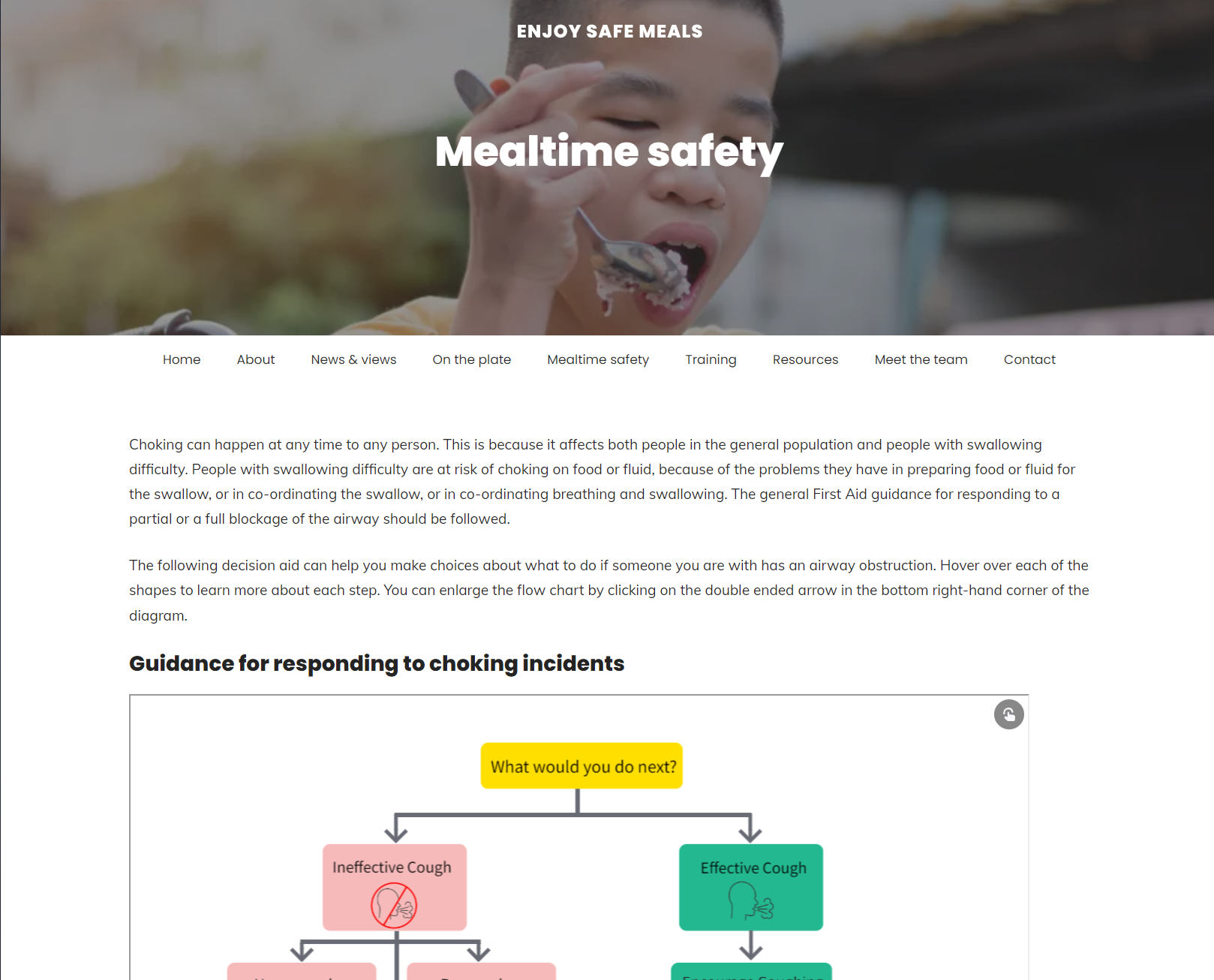
Mealtime Safety
This resource provides guidance on mealtime safety, particularly for people with swallowing difficulties who are at risk of choking. It includes steps to respond to choking incidents, tips for recognising signs of swallowing difficulties, and resources for making referrals. It also covers documenting incidents and maintaining proper oral hygiene, promoting safe and enjoyable mealtimes in care environments
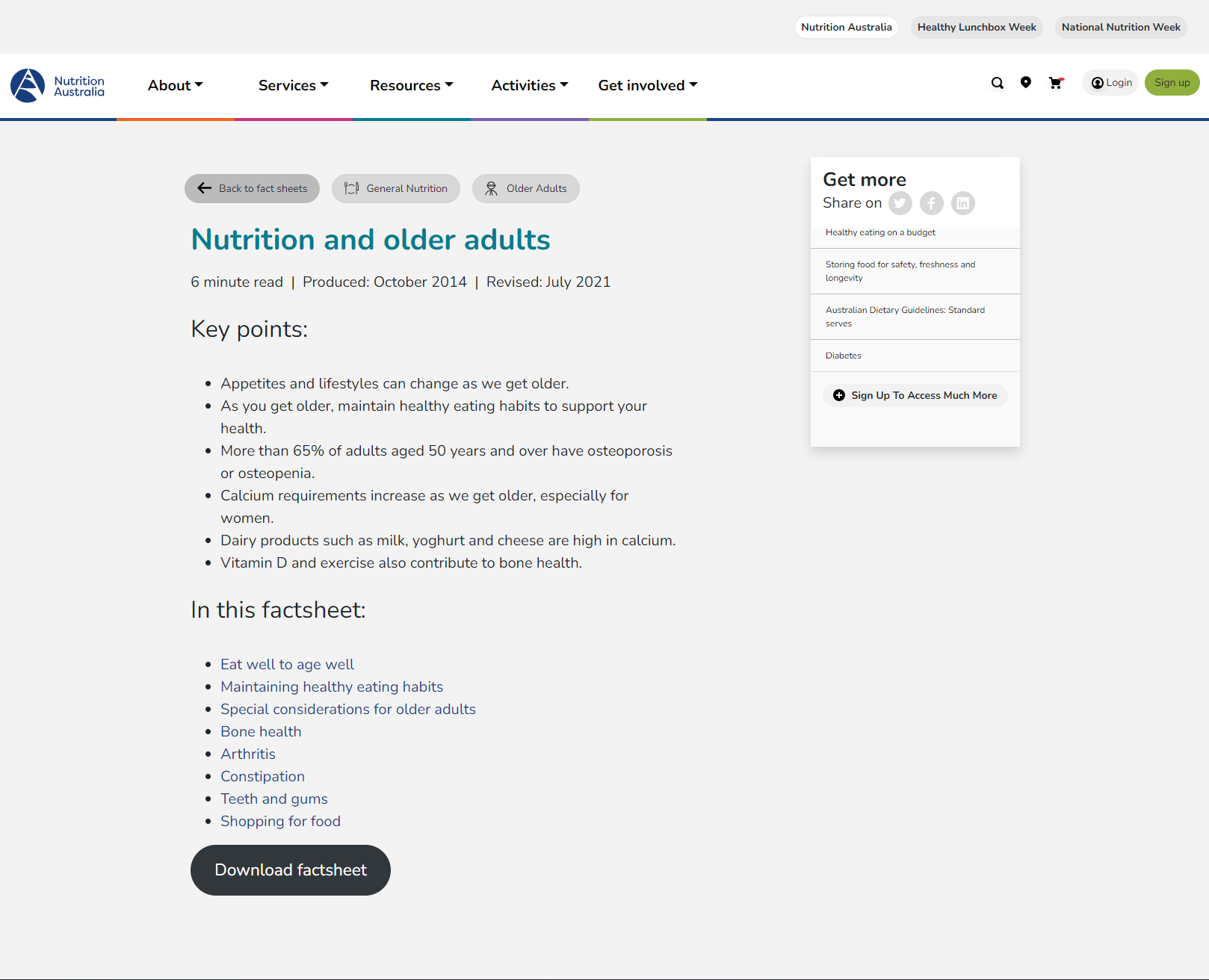
Nutrition and older adults
This resource provides guidance on maintaining healthy nutrition as people age. It covers key considerations such as increasing calcium intake, managing changes in appetite, and the importance of hydration. It also offers practical advice on reducing salt, fat, and sugar consumption, ensuring proper bone health through calcium and vitamin D, and maintaining a balanced diet to support overall health and well-being in older adults.
The Aged Care Infection Prevention and Control Guide
This resource outlines the basic principles of infection prevention and control and explains how to apply these principles using a risk-based approach. The guide supports implementation of the strengthened Aged Care Quality Standards. It is a supplementary resource for the Australian Guidelines for the Prevention and Control of Infection in Healthcare for aged care settings.
This resource may refer to information that will be updated from 1 November 2025.
Environmental cleaning and infection prevention and control resources
This resource offers a range of environmental cleaning and infection prevention tools for healthcare settings, including guidelines for small organisations, cleaning audits, product selection, and emerging cleaning technologies. It supports aged care providers in maintaining clean, hygienic environments, helping them comply with infection control standards and ensure safety.
This resource may refer to information that will be updated from 1 November 2025 to align with the new Aged Care Act and Quality Standards.
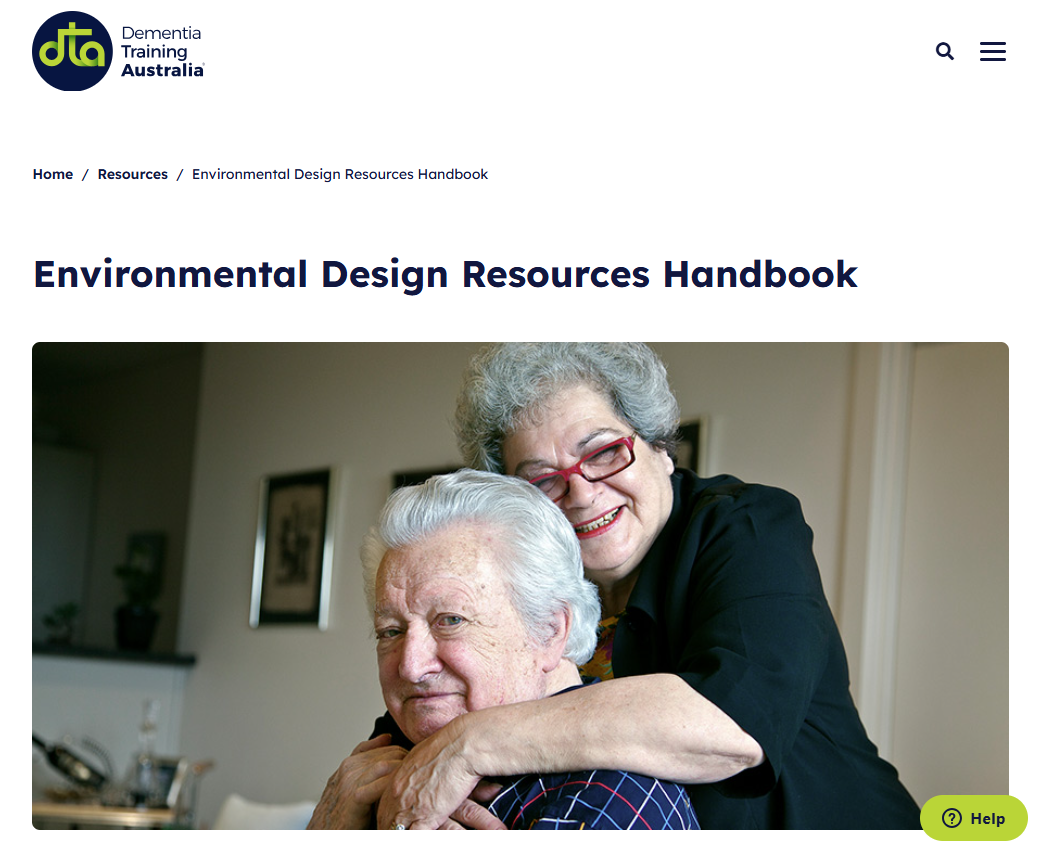
Environmental design resources handbook
This resource supports improvements to environments for people living with dementia. The resource includes information and background on the key design principles and environmental assessment tools. It also includes the Indigenous Aged Care Design Guide. The handbook can be accessed in full, or individually as 7 separate resources.
This resource may refer to information that will be updated from 1 November 2025 to align with the new Aged Care Act and Quality Standards.
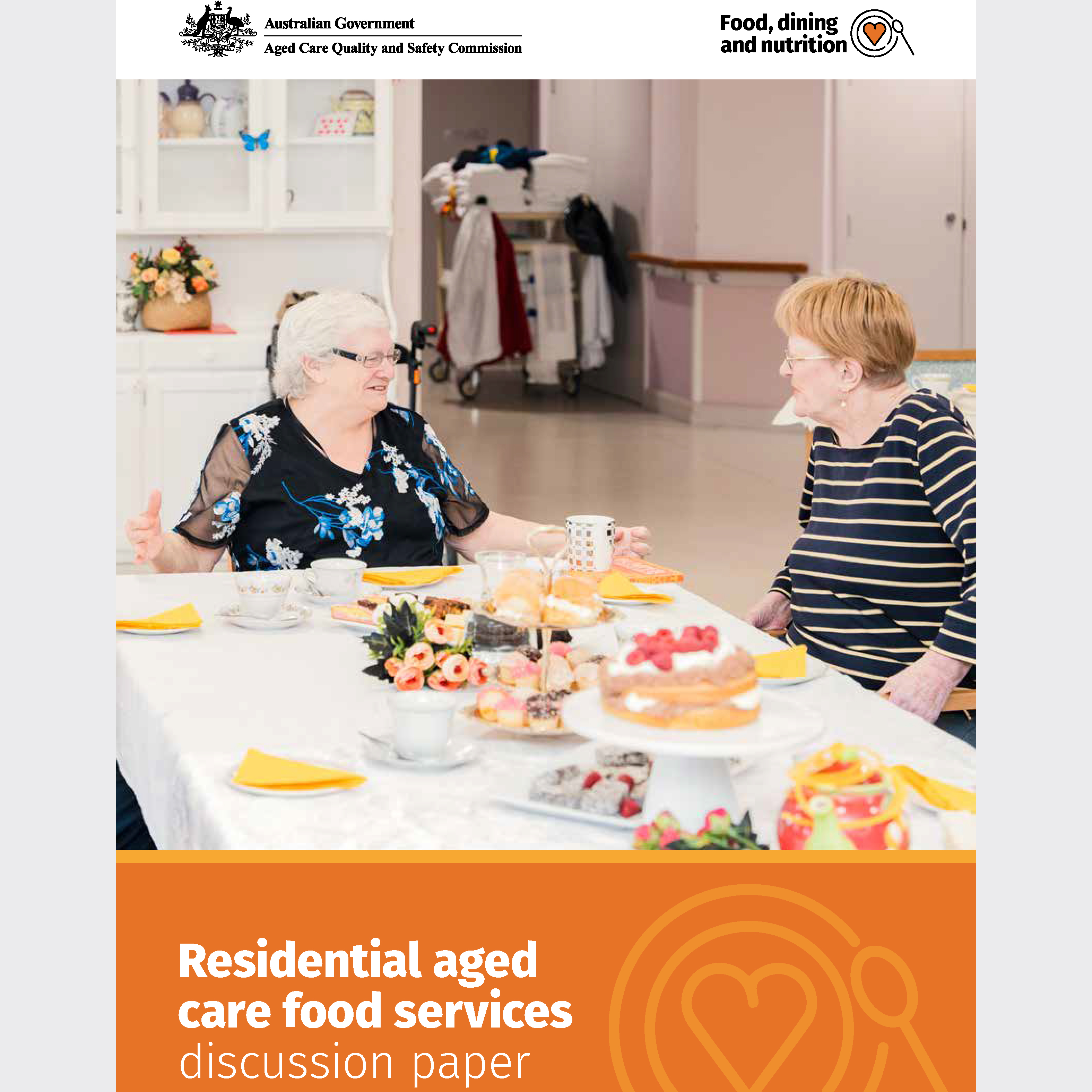
Residential aged care food services discussion paper
This paper presents a high-level overview of contemporary evidence regarding food services in residential aged care settings.
 Residential aged care food services discussion paper (PDF 536.47 KB)
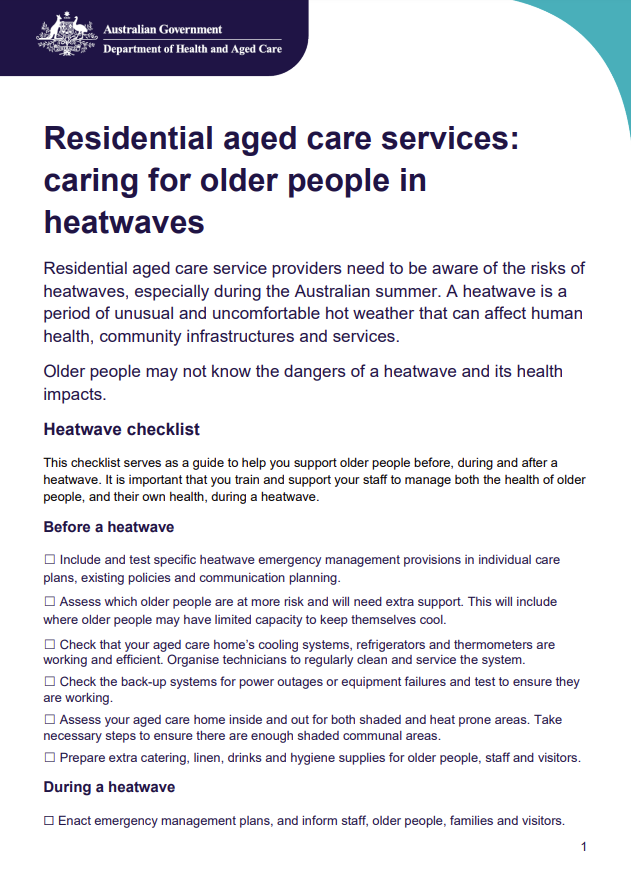
Caring for Older People in heatwaves – Residential Aged Care
This resource provides guidance to care for older people living in residential aged care services during a heatwave. The resource includes checklists to guide providers to support older people before, during and after a heatwave. It includes clinical assessment guidance and where to find more information about heatwaves.
This resource may refer to information that will be updated from 1 November 2025 to align with the new Aged Care Act and Quality Standards.
Food for thought - positive stories
This resource shares positive stories about food, nutrition, and dining improvements in aged care facilities. It highlights initiatives that enhance the dining experience, including resident involvement in meal planning, use of fresh and seasonal ingredients, and creating more social and enjoyable mealtime environments. These stories demonstrate best practices and innovative approaches to improve resident satisfaction and wellbeing.
Food, nutrition & dining: resources for workers
This resource provides aged care workers with tools to enhance food, nutrition, and dining experiences for people in their care. It includes practical guides on offering choice, managing swallowing difficulties, promoting oral health, and creating an enjoyable dining environment, all while ensuring adherence to aged care standards.
This resource may refer to information that will be updated from 1 November 2025 to align with the new Aged Care Act and Quality Standards.
Food, nutrition & dining: resources for providers
This resource provides tools and guidance for aged care providers to ensure quality food, nutrition, and dining experiences. It includes hotlines, resources for dining, choice, swallowing, and oral health, as well as webinars, research findings, and practical tips to support older adults' wellbeing and meet care standards.
This resource may refer to information that will be updated from 1 November 2025 to align with the new Aged Care Act and Quality Standards.
Using technology to improve the dining experience
This resource provides guidance on how technology, such as virtual reality (VR) and mobile applications, can enhance the dining experience in aged care settings. These tools are designed to increase engagement, support meal choices, improve communication with families, and contribute to overall wellbeing by making mealtimes more enjoyable.
This resource may refer to information that will be updated from 1 November 2025 to align with the new Aged Care Act and Quality Standards.
Heaters and burns - Reducing heater burn risks in residential aged care services
This resource provides guidance for aged care providers on managing risks related to hydronic heaters. It advises regular maintenance, accurate temperature checks, and positioning of beds away from heaters. Installing guards and monitoring heat settings are also recommended to prevent burns and ensure the safety of older people in cooler months.
This resource may refer to information that will be updated from 1 November 2025 to align with the new Aged Care Act and Quality Standards.
Hot water scalding
This page provides guidance for aged care providers on preventing and responding to hot water scalding incidents. It highlights the importance of staff oversight, proper training, and temperature checks when providing care. It also includes immediate first aid steps for burns, helping to reduce risks for vulnerable people, especially older people.
This resource may refer to information that will be updated from 1 November 2025 to align with the new Aged Care Act and Quality Standards.
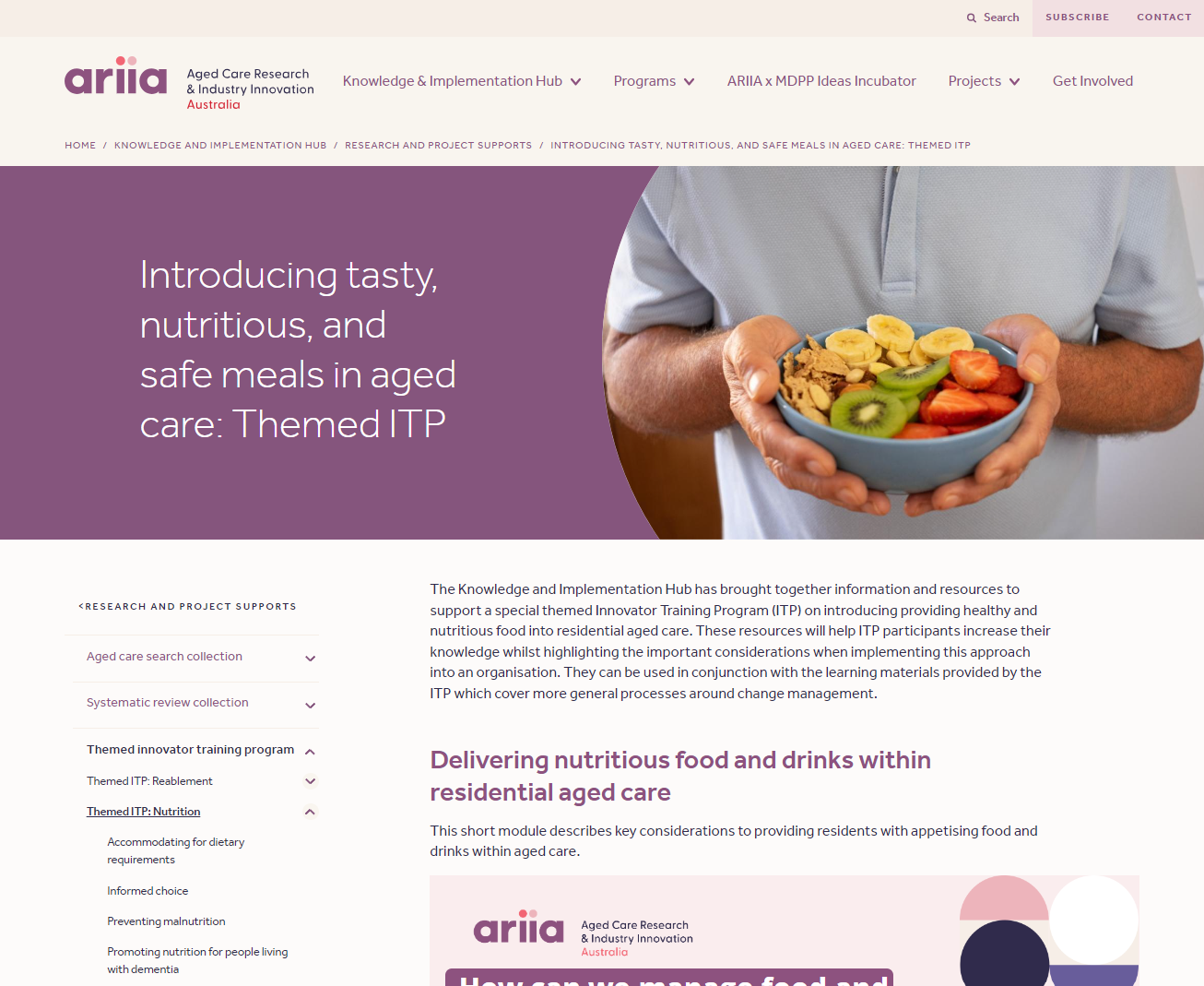
Introducing tasty, nutritious, and safe meals in aged care - Themed Innovator Training Program
This resource provides guidance on implementing safe, nutritious, and appealing meals in aged care. It emphasises informed choice, accommodating dietary needs, and preventing malnutrition. It highlights the importance of culturally appropriate meal planning, supporting residents' autonomy, and ensuring that nutritious food enhances social interaction, mental health, and overall quality of life.
This resource may refer to information that will be updated from 1 November 2025 to align with the new Aged Care Act and Quality Standards.
Reprocessing of reusable medical devices
This resource provides guidance on implementing updated standards for reprocessing reusable medical devices in health and non-health facilities. It supports compliance with AS 5369:2023, ensuring healthcare organisations follow national and international standards for safe equipment reprocessing to minimise infection risks and promote patient safety.
This resource may refer to information that will be updated from 1 November 2025 to align with the new Aged Care Act and Quality Standards.