The Quality Standards Resource Centre helps extend understanding of the strengthened Aged Care Quality Standards, which took effect from 1 November 2025. You can search for resources by using keywords, or filtering by standard, outcome and audience. Before using the Resource Centre, please read the terms of use.
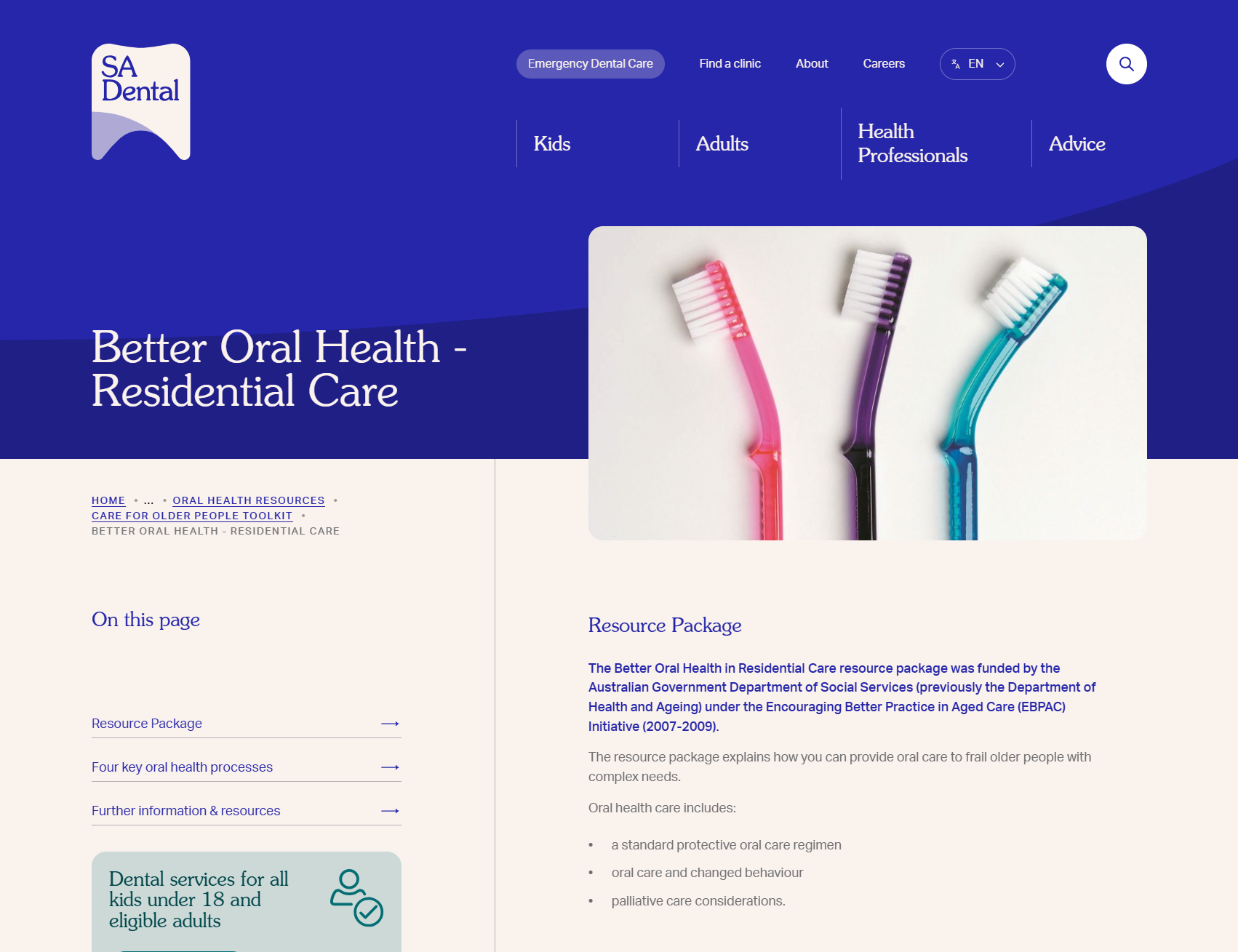
Better Oral Health - Residential Care
This resource provides a structured approach to oral health care in residential aged care, including assessment, care planning, daily oral care, and referral pathways. It includes training, guidelines, and tools to support staff in promoting oral health for older people with complex needs.
This resource was developed by a state/territory government or organisation and therefore its applicability and usefulness may be limited.
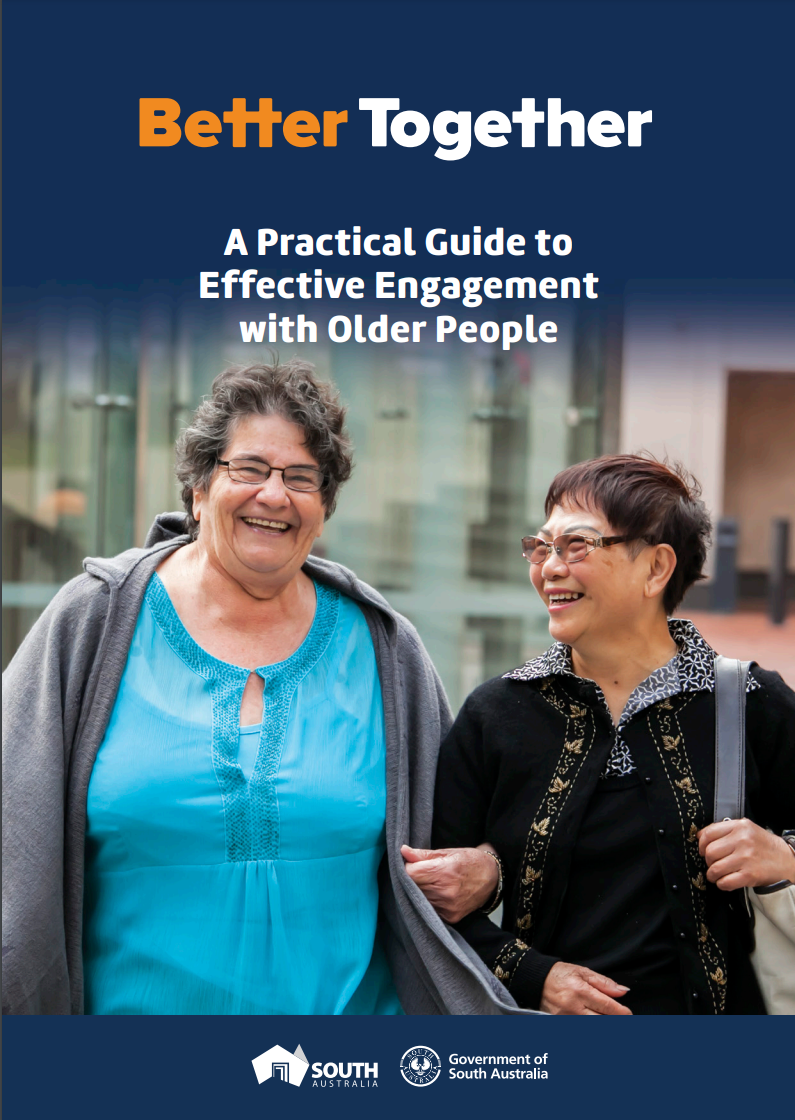
Better Together: A practical guide to effective engagement with older people
This resource offers practical guidance on effective engagement with older people, highlighting diverse communication methods, cultural sensitivity, and inclusive strategies to capture meaningful input. It supports collaborative relationships and respectful dialogue with older people in decision-making processes.
This resource was developed by a state/territory government or organisation and therefore its applicability and usefulness may be limited.
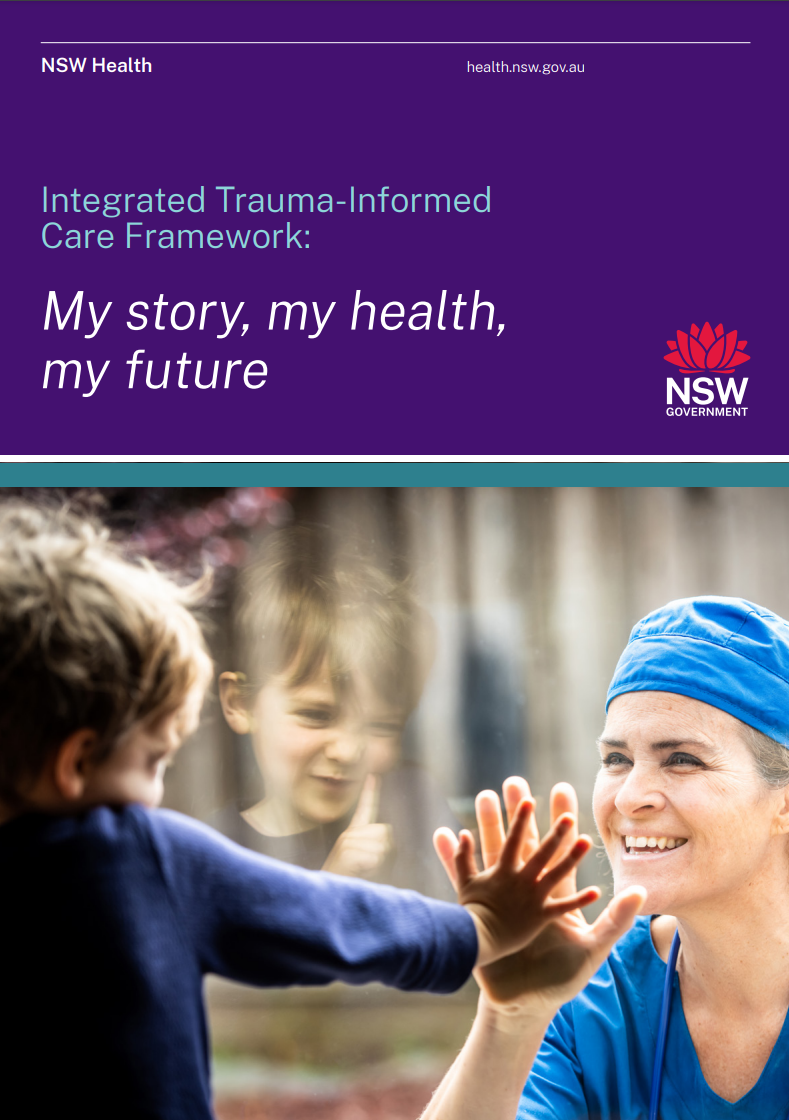
Integrated Trauma-Informed Care Framework: My story, my health, my future
This framework integrates trauma-informed care across NSW Health services, enhancing support for clients, families, and carers by guiding staff in trauma-sensitive practices and systemic change. It focuses on preventing re-traumatisation and fostering healing, especially for vulnerable populations.
This resource was developed by a state/territory government or organisation and therefore its applicability and usefulness may be limited.
Good Spirit Good Life - a Quality of life framework
This resource describes the Good Spirit Good Life (GSGL) framework for assessing the quality of life of older Aboriginal people, focusing on culturally important factors such as connection to Country, family, and spirituality. It includes tools for both self-reporting and carer-assisted reporting.
This resource was developed by a state/territory government or organisation and therefore its applicability and usefulness may be limited.
Improving palliative care - Toolkit for health professionals
This toolkit supports health professionals in delivering palliative care for people with intellectual disabilities by providing resources, guidance on communication, and tailored care strategies. It aims to enhance service quality through understanding specific needs and collaborative care planning.
This resource was developed by a state/territory government or organisation and therefore its applicability and usefulness may be limited.
Tailored model of palliative care for people with intellectual disability
This model provides a framework for delivering tailored palliative care for people with intellectual disabilities, aiming for equitable access across various care settings. Supporting toolkits offer resources for health professionals and families to enhance communication and collaborative care.
This resource was developed by a state/territory government or organisation and therefore its applicability and usefulness may be limited.
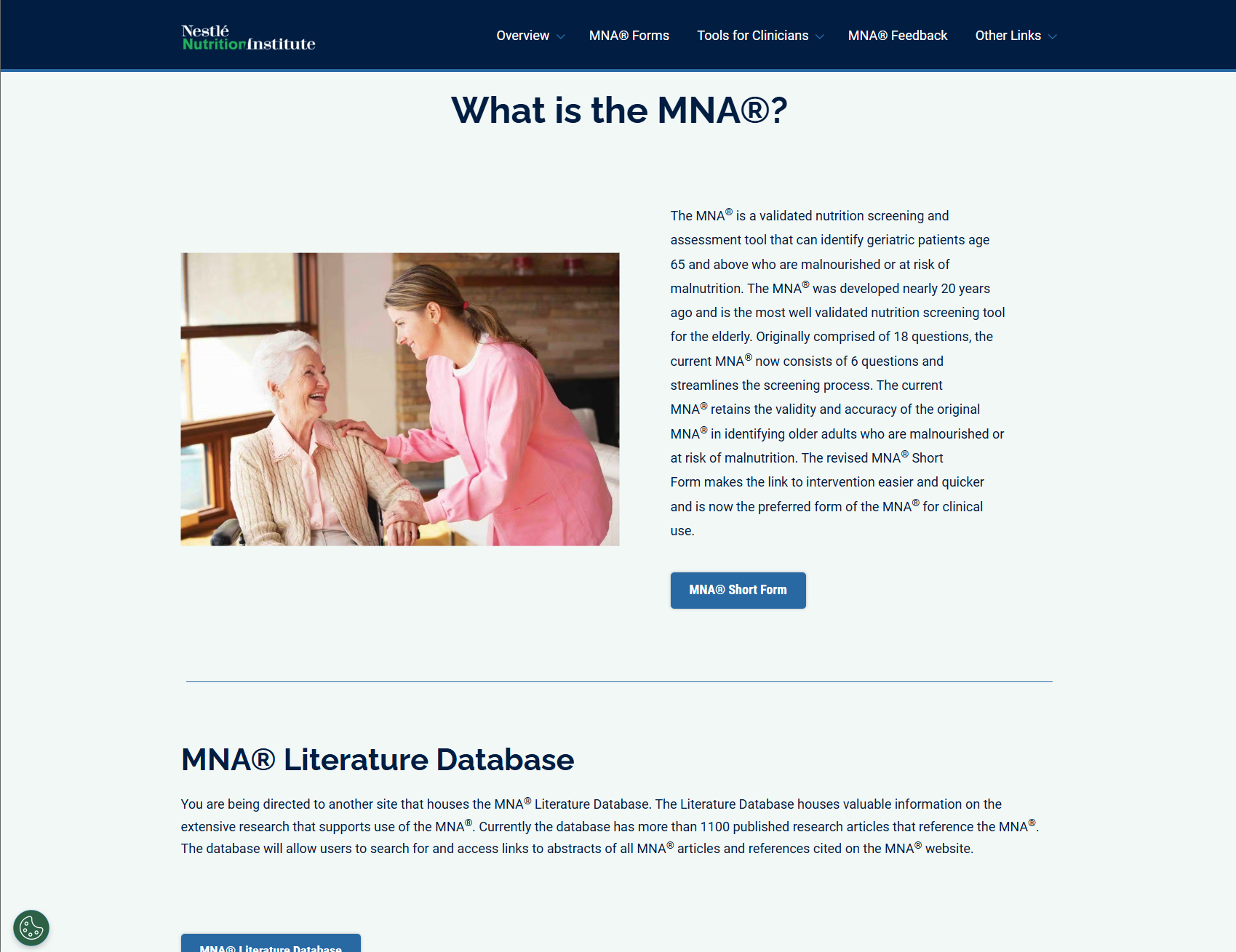
What is the Mini Nutritional Assessment (MNA)?
This resource is a validated nutrition screening and assessment tool to identify malnutrition or risk of malnutrition in people aged 65 and older. It includes an easy-to-use short form for quick identification and intervention planning.
This resource was developed internationally and therefore its applicability and usefulness may be limited.
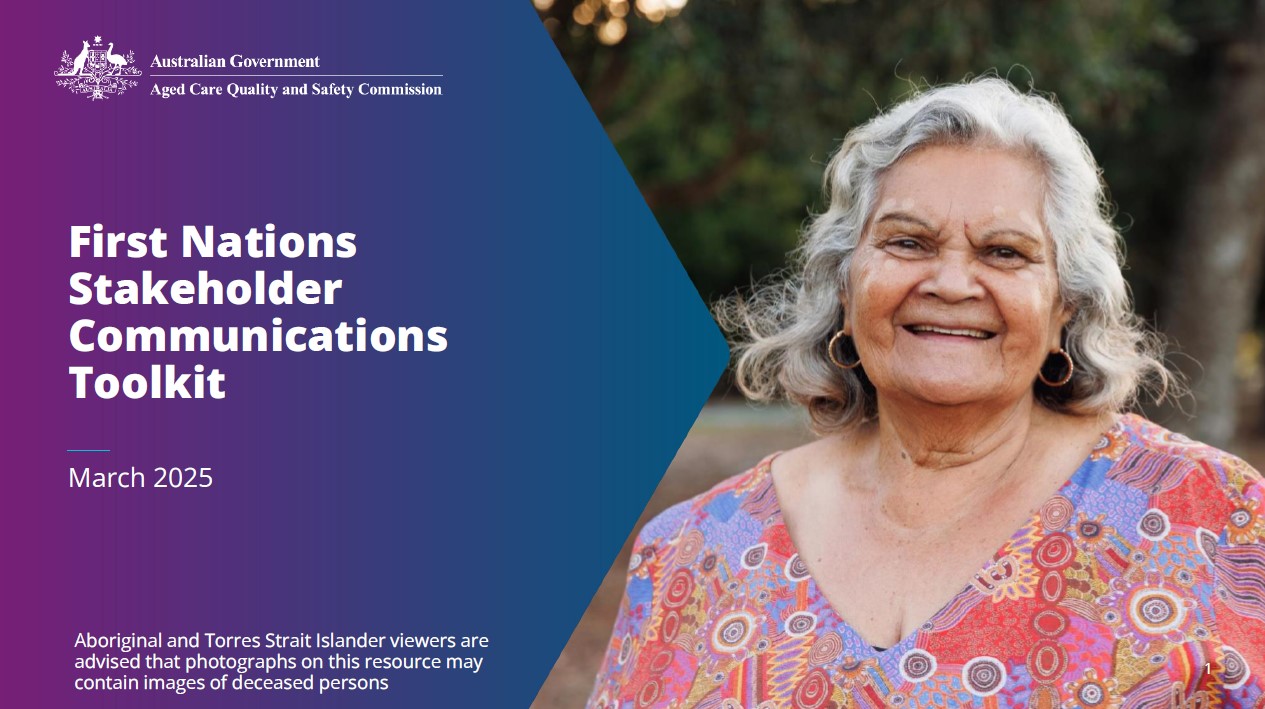
First Nations - Stakeholder Communications Toolkit
This Toolkit is designed for First Nations stakeholders including providers, workers and others involved in providing aged care services for First Nations people. We’ve developed it to make it easy for you to share relevant resources with your networks and members

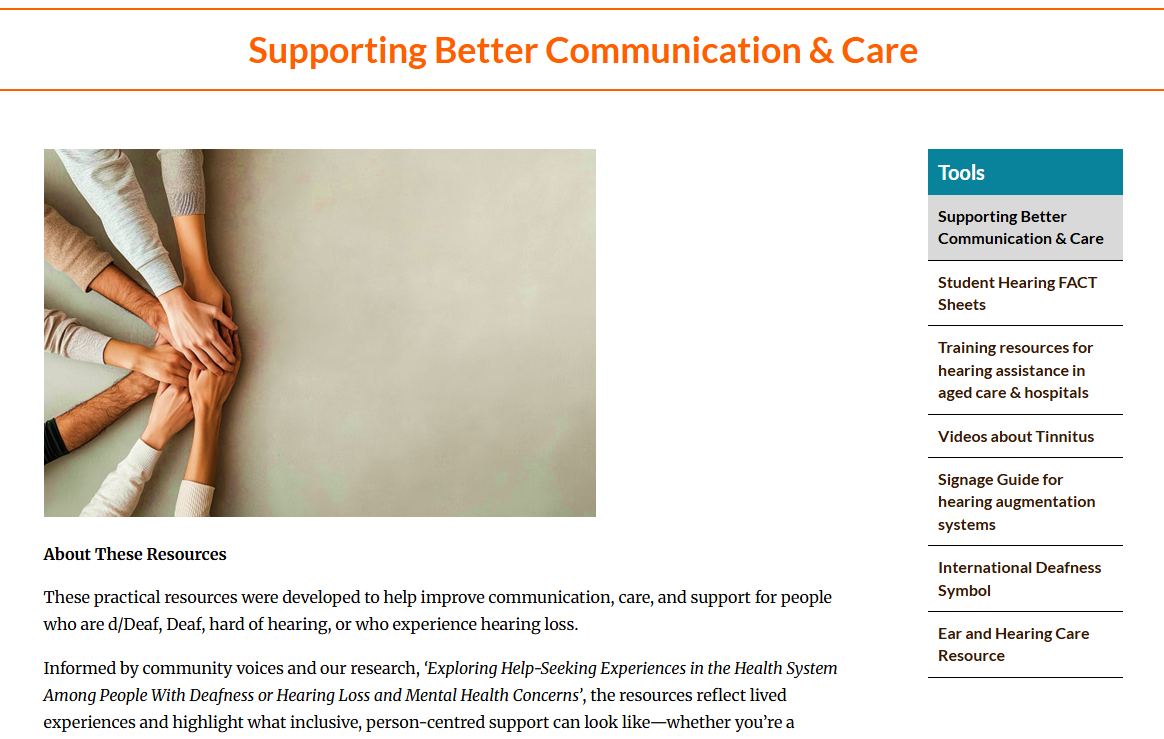
Supporting Better Communication & Care
This webpage provides resources to help improve communication, care and support for people who are deaf, Deaf, hard of hearing, or who experience hearing loss. It includes 3 tools: Everyday Communication, Inclusive Healthcare, and Building Competency. There are also links to other relevant resources.
Case study - Safe and Appropriate use of Psychotropic Medicines - Residential Aged Care
This resource is a fictional scenario that follows an older person’s care pathway with a residential aged care provider. The resource focuses on the systems and processes to support high-quality care of older people living with cognitive impairment. It includes 4 key priority areas: person-centred care, medication management, managing changed behaviours and transitions of care.
This resource may refer to information that will be updated from 1 November 2025 to align with the new Aged Care Act and Quality Standards.
Case study - Safe and Appropriate use of Psychotropic Medicines - In-home Aged Care
This resource is a fictional scenario that follows an older person’s care pathway with an in-home aged care provider. The resource focuses on the systems and processes to support high-quality care of older people living with dementia. It includes 4 key priority areas: person-centred care, medication management, managing changed behaviours and transitions of care.
This resource may refer to information that will be updated from 1 November 2025 to align with the new Aged Care Act and Quality Standards.
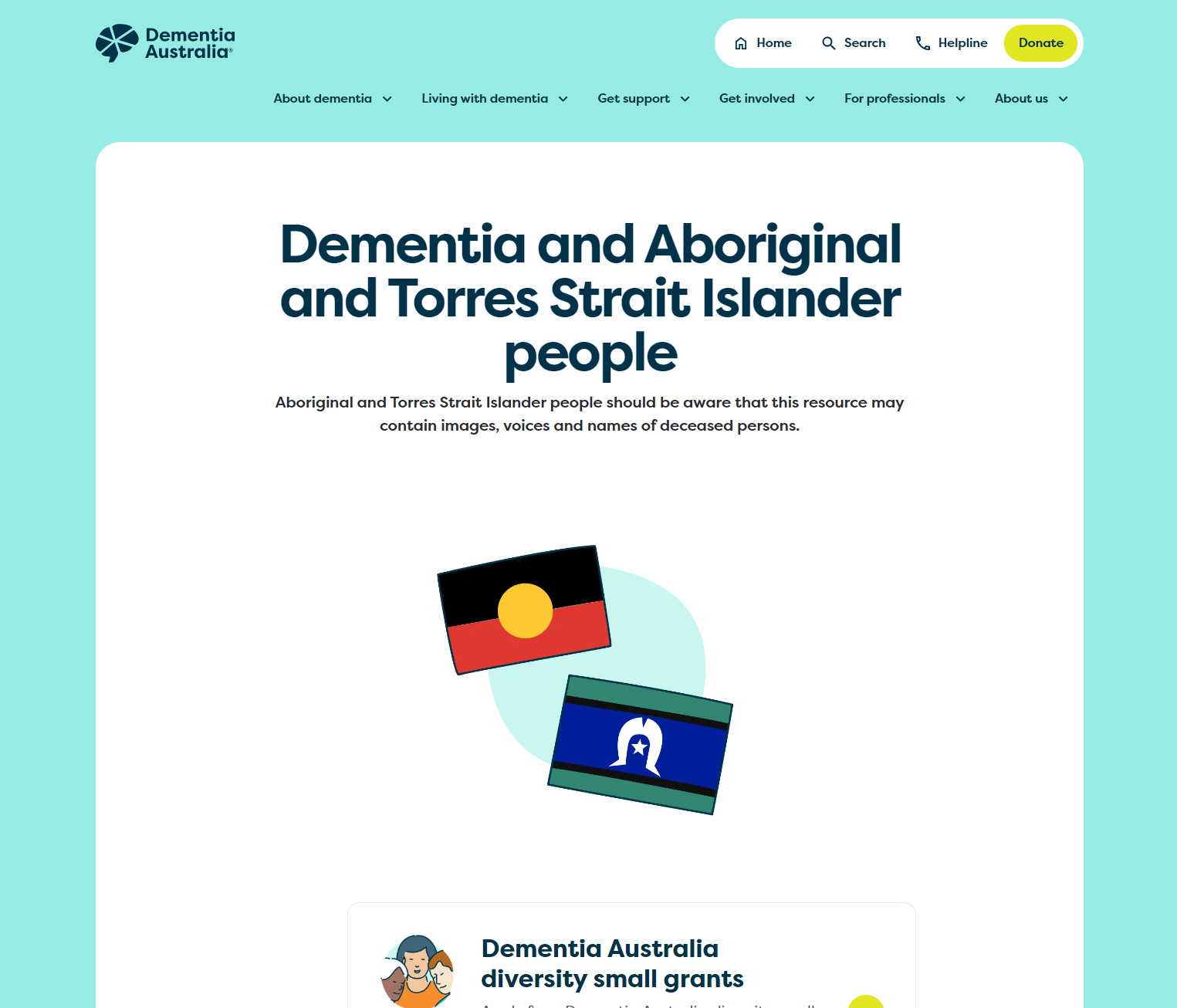
Dementia and Aboriginal and Torres Strait Islander people
This resource provides information on dementia tailored specifically for Aboriginal and Torres Strait Islander people. It offers culturally appropriate materials, guidance for health professionals, and support services tailored to the needs of Indigenous communities, promoting awareness, diagnosis, and management of dementia in these populations.
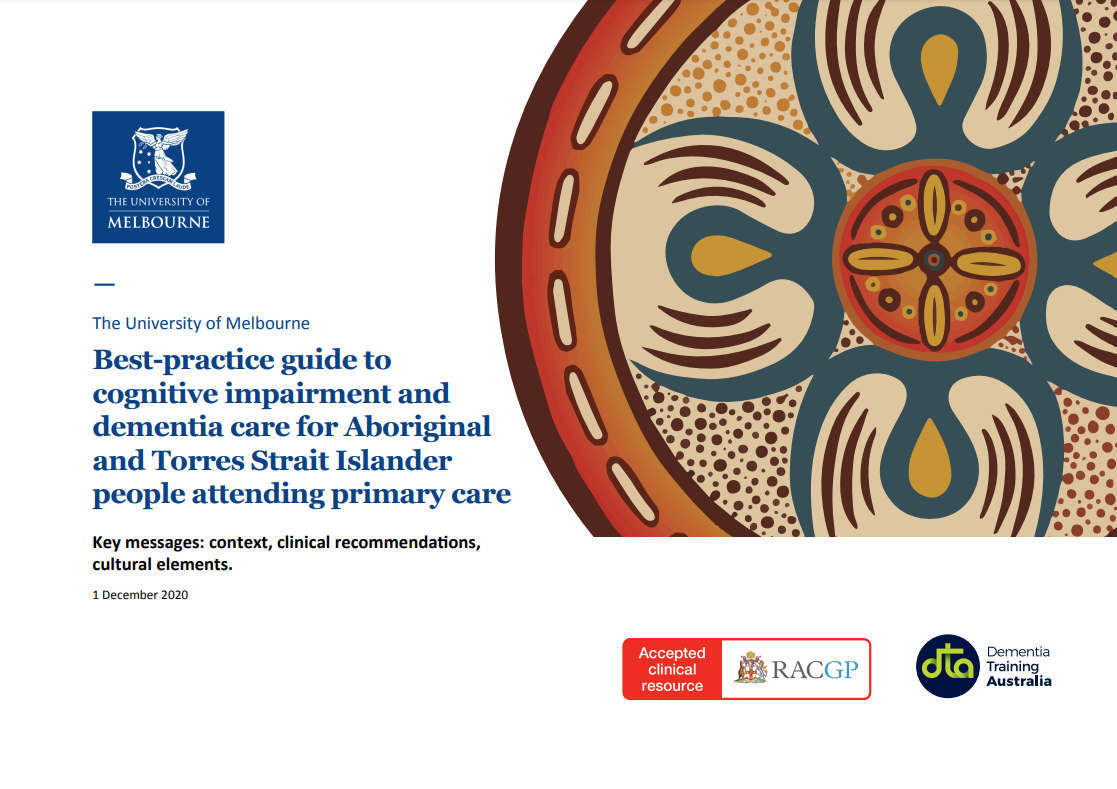
Cognitive impairment and dementia care for Aboriginal and Torres Strait Islander people
This resource is a best-practice guide to cognitive impairment and dementia care for Aboriginal and Torres Strait Islander people attending primary health care. It combines clinical evidence with cultural principles, addressing health promotion, prevention, detection, and management of dementia, while also providing culturally informed recommendations on end-of-life care and support for carers within the context of primary care services.
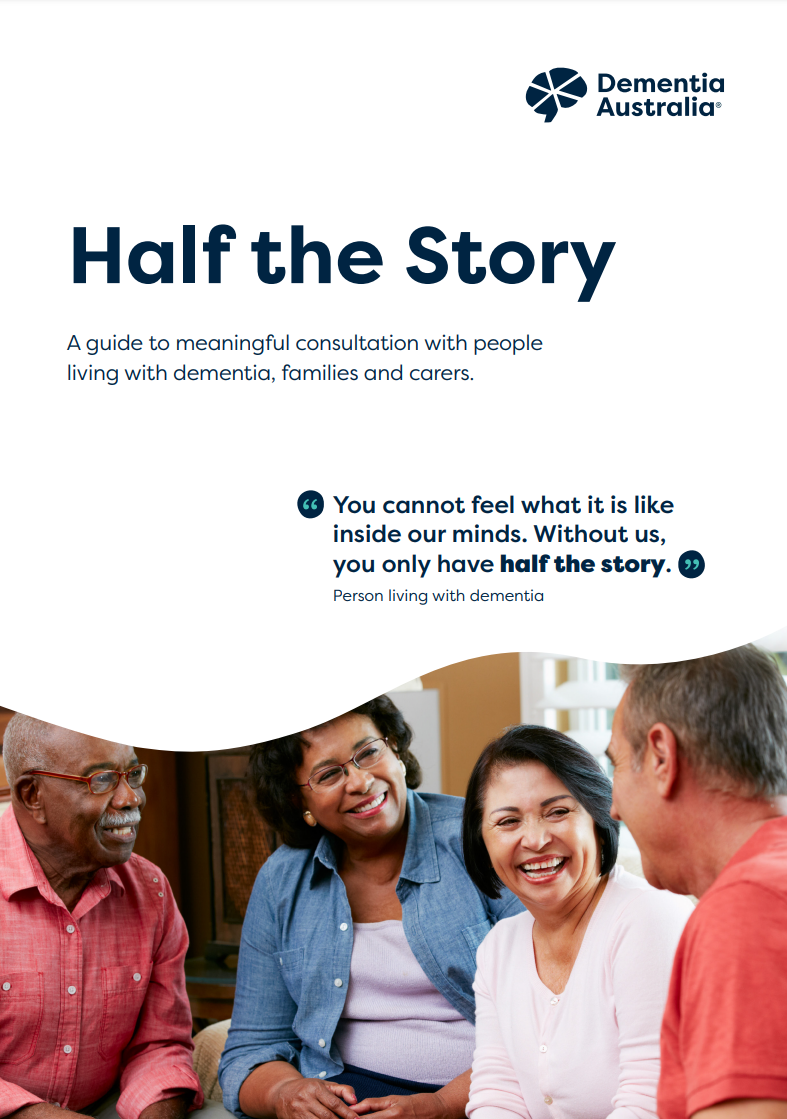
Half the story: A guide to meaningful consultation with people living with dementia, families and carers
This resource is a guide for meaningful consultation with people living with dementia, their families, and carers. It covers planning, ethical considerations, communication methods, and ways to improve accessibility. The guide offers strategies to ensure the voices of those living with dementia are respected, valued, and effectively integrated into decision-making processes.
National framework for advance care planning documents
This resource provides a nationally consistent framework for advance care planning documents in Australia. It outlines principles, ethical considerations, and best practices for creating, implementing, and accessing advance care plans, including Advance Care Directives. It aims to guide policymakers, administrators, and healthcare providers in recognising people’s values, preferences, and rights regarding future care.
This resource may refer to information that will be updated from 1 November 2025 to align with the new Aged Care Act and Quality Standards.
Palliative care knowledge network - Aboriginal and Torres Strait Islander care
This resource provides culturally safe and responsive palliative care information for Aboriginal and Torres Strait Islander peoples. It includes guidance for health professionals on culturally appropriate care, patient and family journeys, and relevant research and practices to support respectful and effective healthcare for Indigenous communities.
Centre for Cultural Diversity in Ageing - Resources
This webpage supports aged care providers to address the needs of older people from culturally and linguistically diverse backgrounds. It contains training and webinars, sector development and resources. The resources include multilingual communication cards, cultural care plans, and practice guides that help address the cultural, linguistic, and spiritual needs of people in care. The resources make sure aged care services are accessible, safe, and appropriate for culturally and linguistically diverse populations.
Speech pathology assessments and reports
This resource outlines the process for speech pathology assessments and reports, which evaluate speech, language, and swallowing abilities. It is relevant to aged care for assessing communication and feeding challenges, guiding appropriate interventions, and supporting care plans. It ensures accurate reporting and informed decision-making in care settings.
Informed consent - Health Direct
This resource explains the legal requirements and processes for obtaining informed consent for medical treatments, procedures, and care. It is relevant to aged care by ensuring that people understand their healthcare options, risks, and benefits, supporting their ability to make informed decisions about their health and wellbeing.
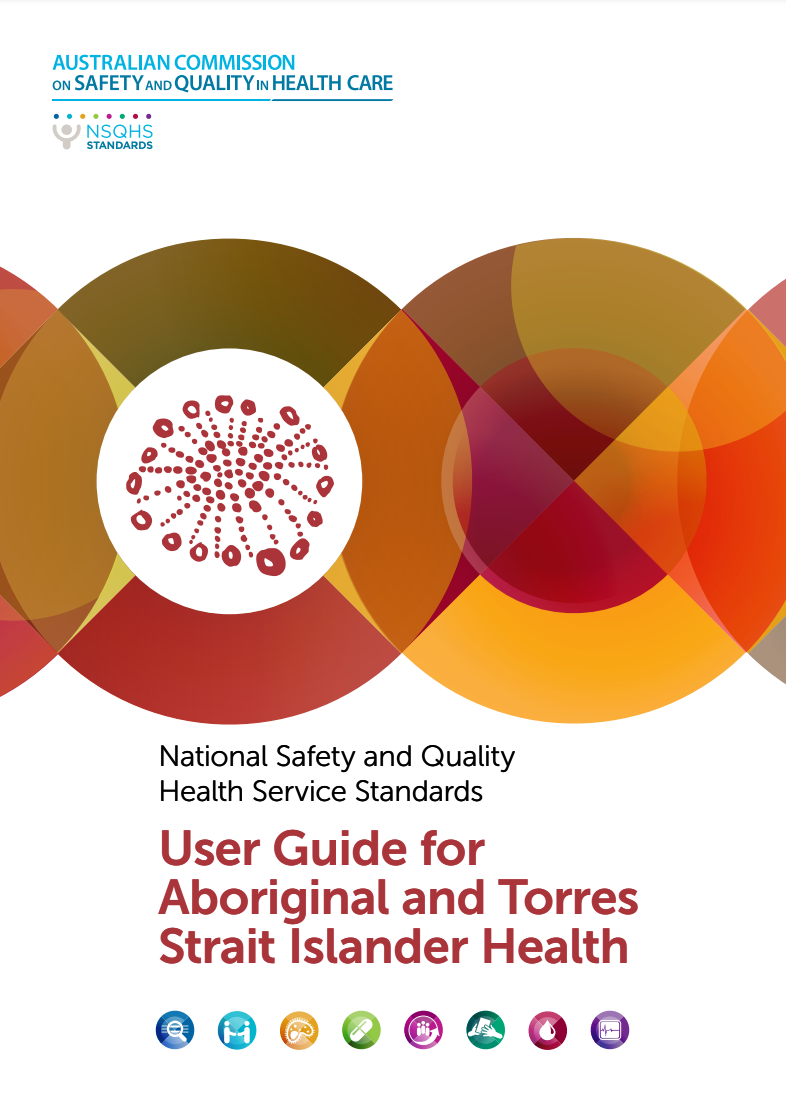
NSQHS Standards User guide for Aboriginal and Torres Strait Islander health
The resource provides a guide for health service organisations to improve care for Aboriginal and Torres Strait Islander people, focusing on 6 specific actions. It highlights strategies to build partnerships, enhance cultural competency, and ensure equitable, safe, and high-quality care.
This resource may refer to information that will be updated from 1 November 2025 to align with the new Aged Care Act and Quality Standards.