The Quality Standards Resource Centre helps extend understanding of the strengthened Aged Care Quality Standards, which took effect from 1 November 2025. You can search for resources by using keywords, or filtering by standard, outcome and audience. Before using the Resource Centre, please read the terms of use.
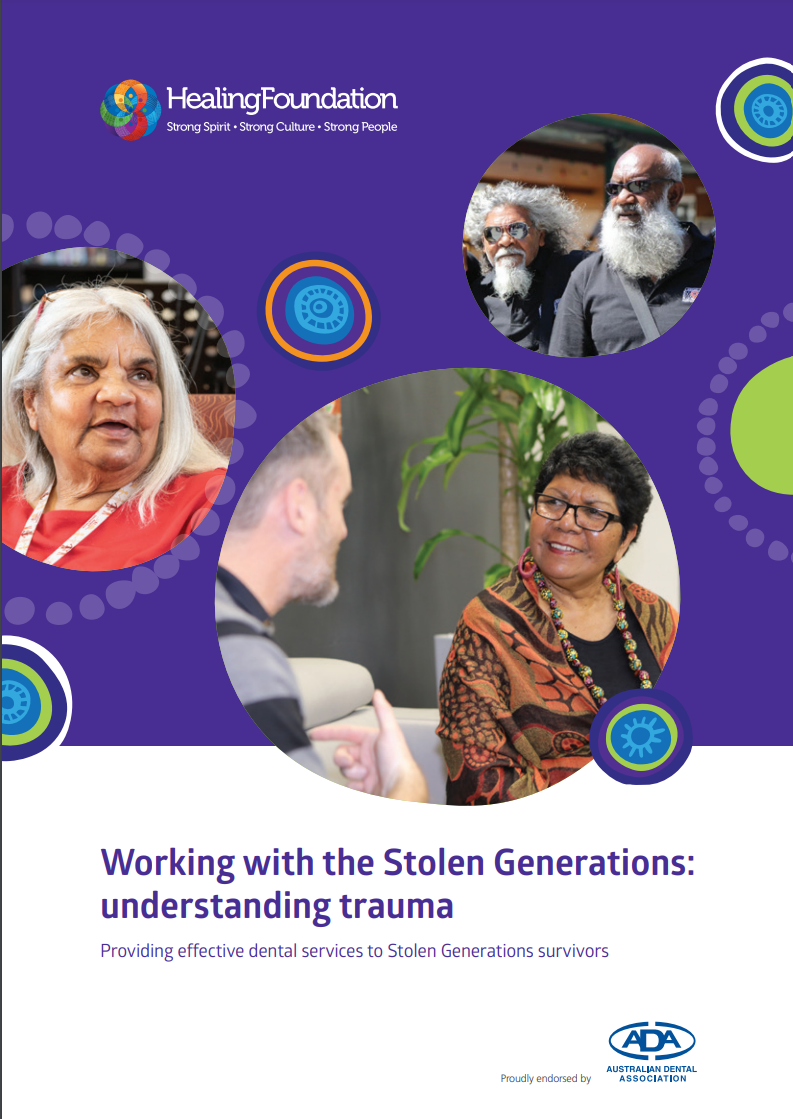
Working with the Stolen Generations: understanding trauma - Providing effective dental services to Stolen Generation survivors
This resource is a fact sheet providing guidance for dental staff when working with Stolen Generations survivors. It discusses understanding trauma, effective communication, addressing potential triggers in clinical settings, and respecting cultural sensitivities. It includes practical tips on culturally safe practices to support the specific needs of this community.
Resources for Aboriginal and Torres Strait Islander Mental Health and Wellbeing
This resource provides a variety of documents and resources to support the mental health and wellbeing of Aboriginal and Torres Strait Islander peoples. It covers topics including leadership in mental health, culturally safe practices, social and emotional wellbeing, suicide prevention, and strategic policy frameworks, offering tools for health professionals and communities.
Dementia & Our Mob
This resource provides information about dementia in Aboriginal and Torres Strait Islander communities. It covers the effects on mind, body, and spirit, the prevalence among older and younger people, risk factors like genetics and lifestyle, and the types of dementia most common in these communities. It emphasises the importance of cultural understanding in dementia care.
Abbey Pain Scale
This resource introduces the Abbey Pain Scale, a non-verbal pain assessment tool designed for identifying pain in people living with dementia. It aids healthcare professionals in recognising pain behaviours in those unable to communicate their needs effectively, supporting timely and appropriate pain management interventions.
RACGP Guidelines for preventive activities in general practice - Miscellaneous
This resource provides guidelines for preventive activities in general practice, covering frailty, hearing, sleep disorders, oral health, urinary incontinence, and vision.
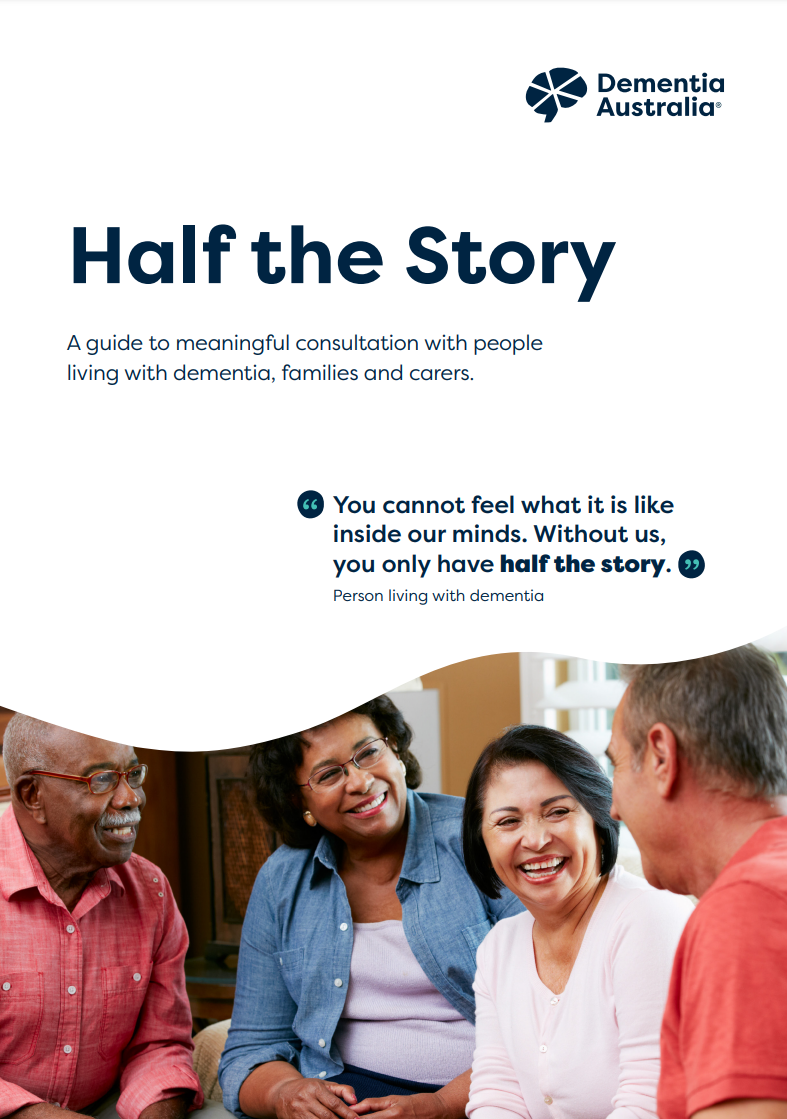
Half the story: A guide to meaningful consultation with people living with dementia, families and carers
This resource is a guide for meaningful consultation with people living with dementia, their families, and carers. It covers planning, ethical considerations, communication methods, and ways to improve accessibility. The guide offers strategies to ensure the voices of those living with dementia are respected, valued, and effectively integrated into decision-making processes.
Health care for people with cognitive disability
This resource addresses the challenges people with cognitive disabilities face when accessing healthcare, such as communication barriers, limited access to quality services, over-prescription, and restrictive practices. It invites feedback on how to improve care quality and ensure the human rights of those with disabilities are upheld, incorporating considerations for different cultural and demographic groups.
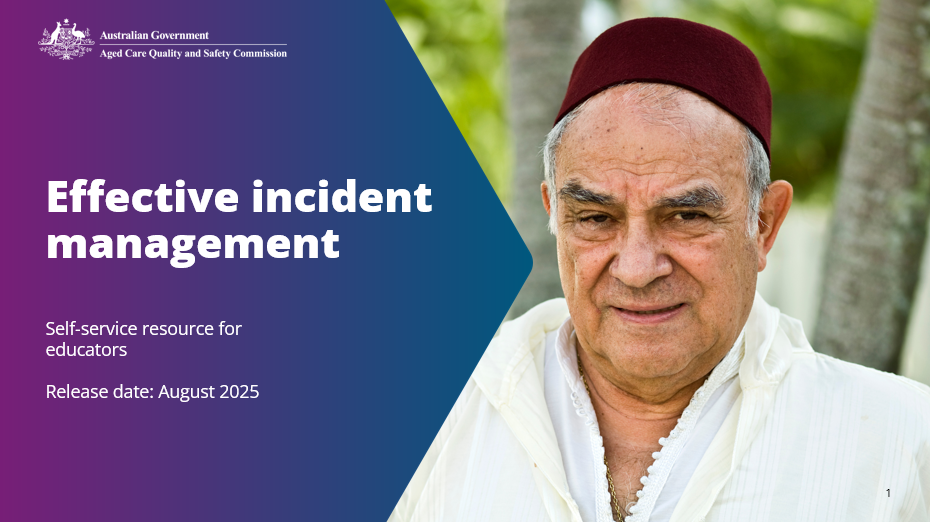
Effective incident management education pack
The Effective incident management education pack is designed for providers to deliver to their own staff. It can be delivered in full or delivered as a series of shorter sessions where you can focus on the sections that are most relevant to your setting or the time you have available.
This pack will support your staff to understand the role they play in effectively managing incidents at your aged care service and help them understand what an incident management system is and its key elements.
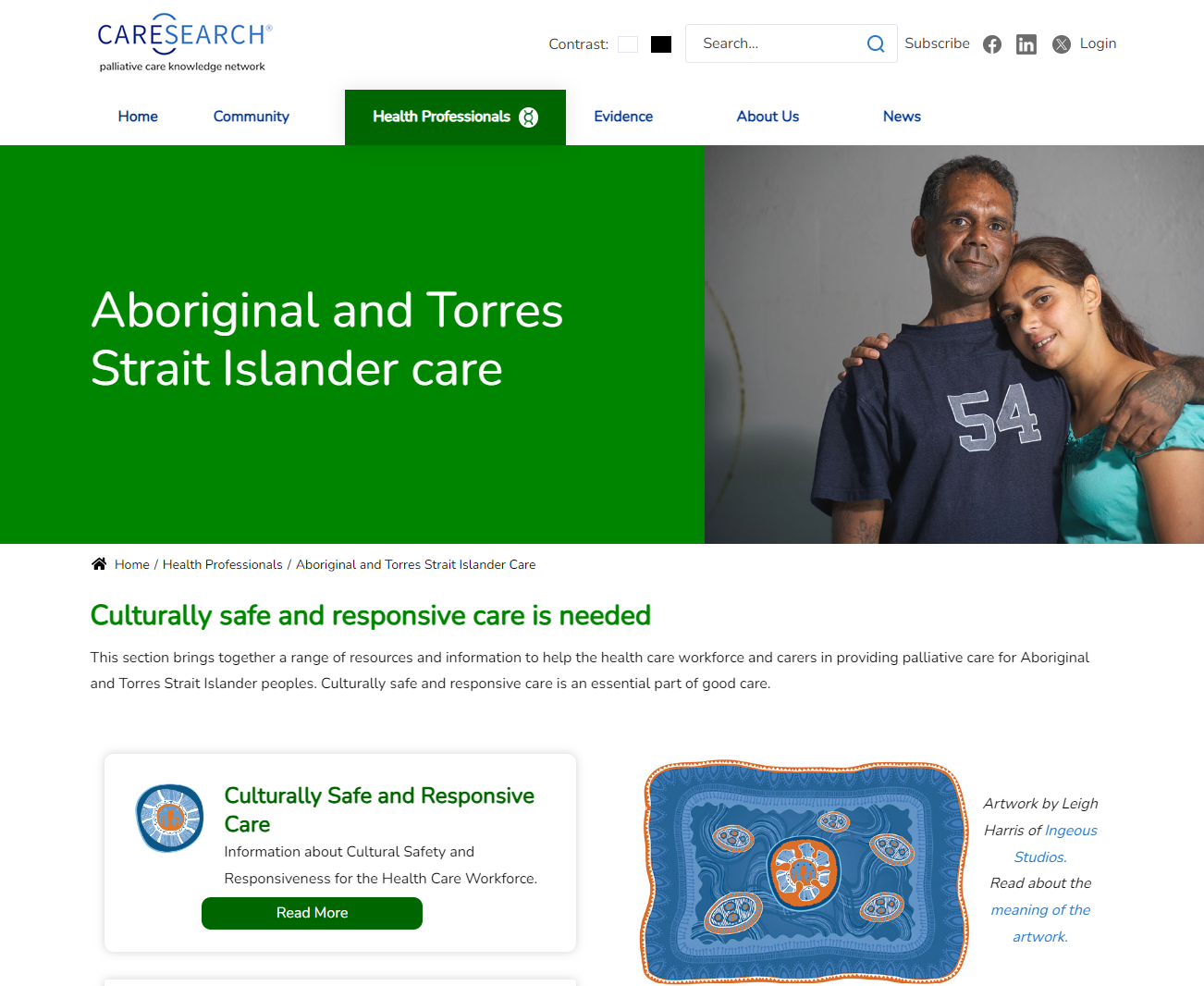
Palliative care knowledge network - Aboriginal and Torres Strait Islander care
This resource provides culturally safe and responsive palliative care information for Aboriginal and Torres Strait Islander peoples. It includes guidance for health professionals on culturally appropriate care, patient and family journeys, and relevant research and practices to support respectful and effective healthcare for Indigenous communities.
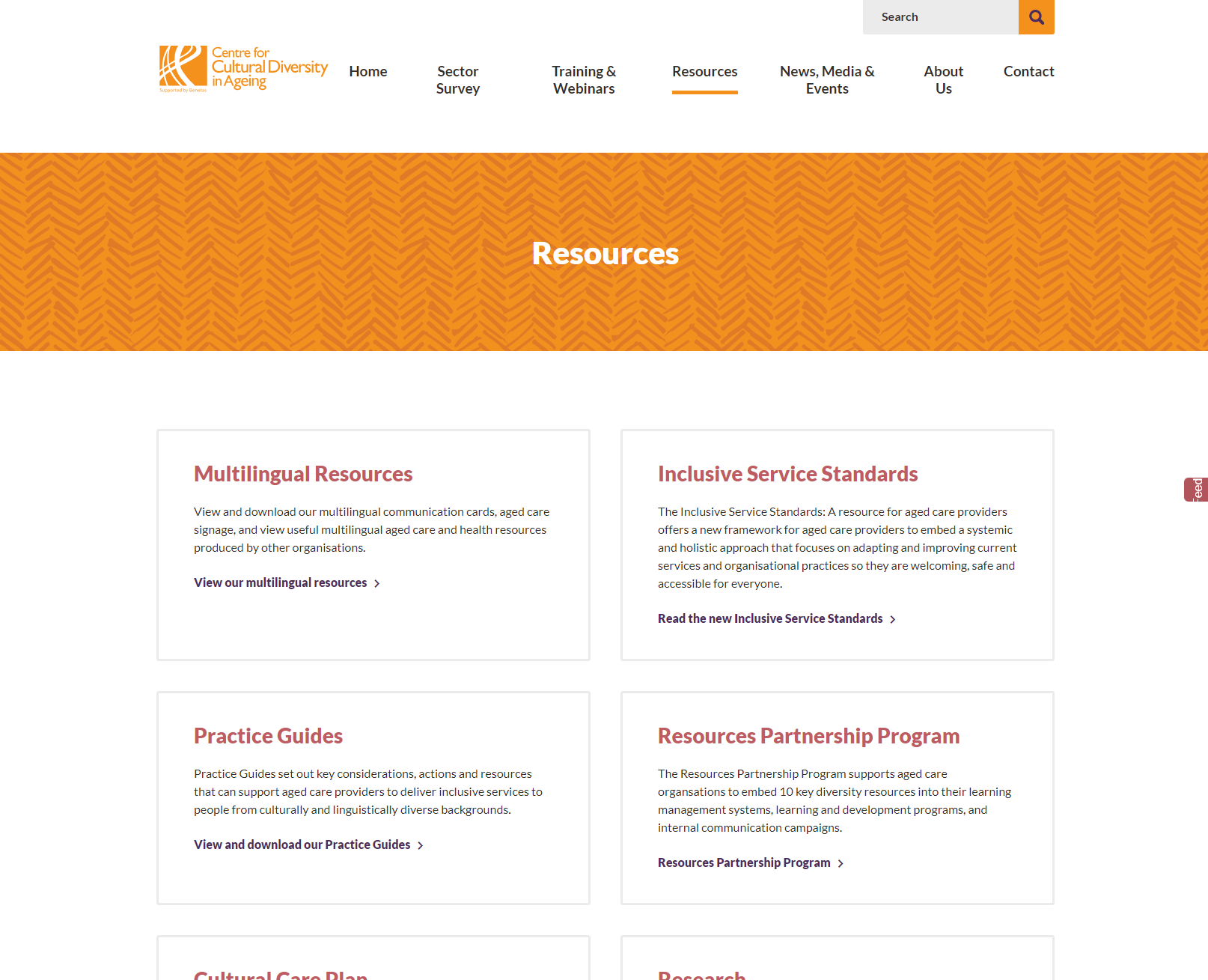
Centre for Cultural Diversity in Ageing - Resources
This page offers a wide range of resources aimed at helping aged care providers deliver culturally inclusive services. It includes multilingual communication cards, cultural care plans, and practice guides that help address the cultural, linguistic, and spiritual needs of people in care. The resources make sure aged care services are accessible, safe, and appropriate for culturally and linguistically diverse populations.
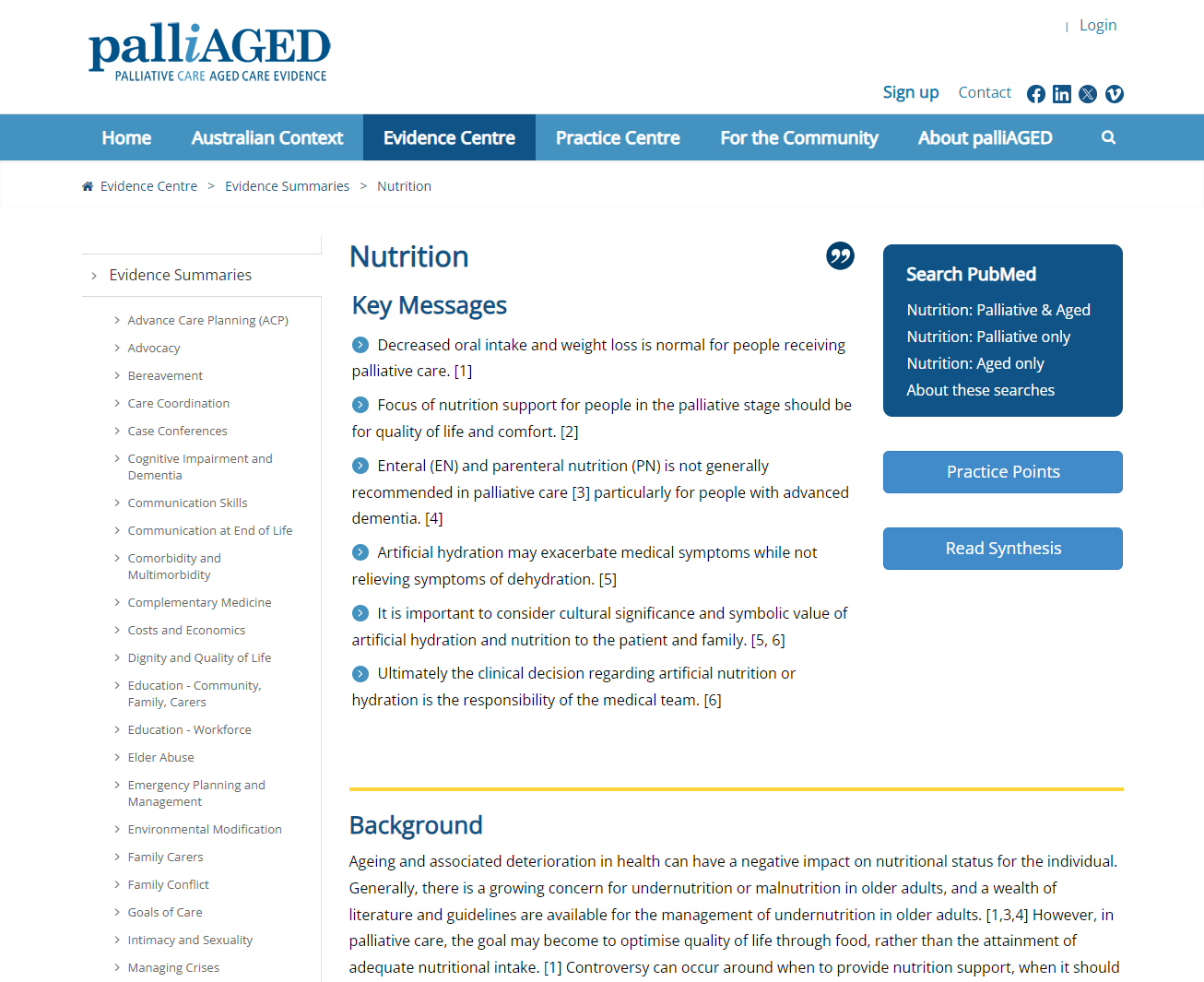
Nutrition
This resource provides guidance on nutrition for people in palliative care. It highlights the importance of prioritising comfort and quality of life over nutritional intake. It discusses oral intake, artificial hydration, and medically assisted nutrition, emphasising communication with families and cultural considerations when managing nutrition and hydration at the end of life.
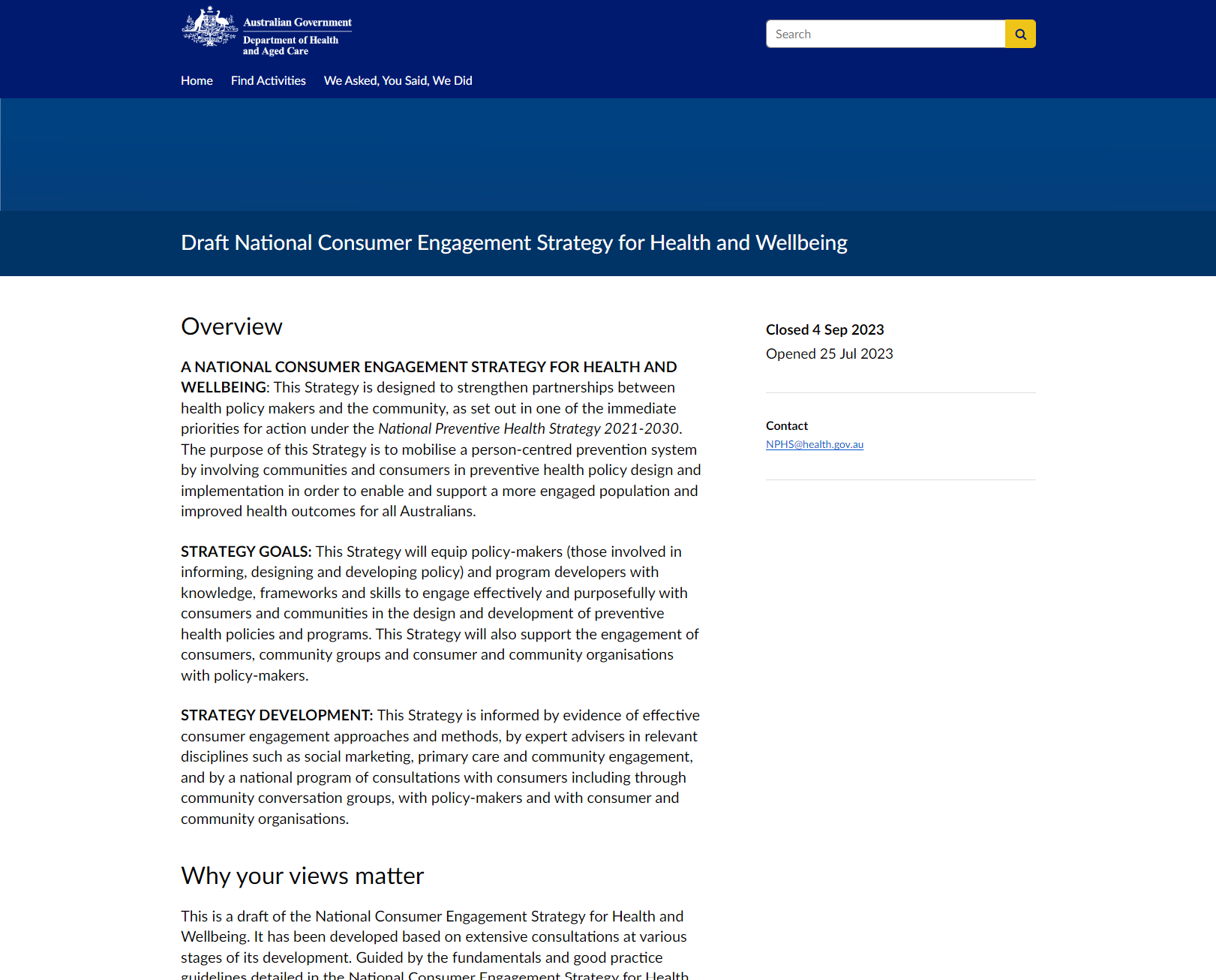
Draft National Consumer Engagement Strategy for Health and Wellbeing
This resource presents the Draft National Consumer Engagement Strategy for Health and Wellbeing, which aims to foster partnerships between health policymakers and communities. It is designed to involve people and communities in the development and implementation of preventive health policies. The strategy supports policymakers and program developers in engaging effectively with consumers to achieve improved health outcomes across Australia.
Cultural Respect Framework 2016-2026 for Aboriginal and Torres Strait Islander health
This resource outlines a national approach to building a culturally respectful health system for Aboriginal and Torres Strait Islander people. It focuses on 6 domains, including communication, workforce development, and data evaluation, to ensure culturally safe, accessible care. It is applicable to aged care, helping providers meet cultural safety standards and improve health outcomes for Aboriginal and Torres Strait Islander people.
Consumer and carer engagement: A practical guide
This resource provides a guide for engaging consumers and carers in mental health services. It outlines steps for involving people in decision-making, service design, and evaluation. The guide emphasises co-design, leadership, and dedicated resources to create a person-centred approach that improves care and service outcomes.
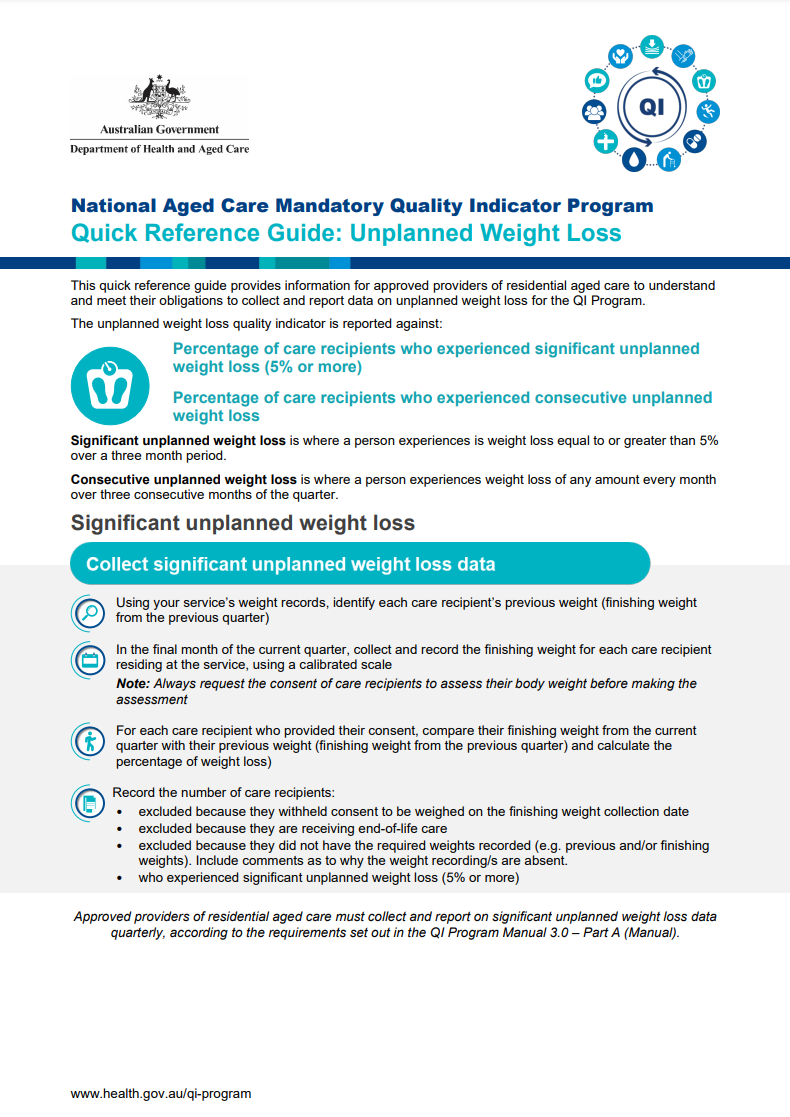
QI Program quick reference guide – Unplanned weight loss
This resource provides a quick reference guide for approved aged care providers on collecting and reporting data related to unplanned weight loss as part of the National Aged Care Mandatory Quality Indicator Program. It outlines reporting requirements for significant and consecutive unplanned weight loss and offers guidance on how to track and submit data quarterly. This resource may refer to information that will be updated from 1 November 2025 to align with the new Aged Care Act and Quality Standards.
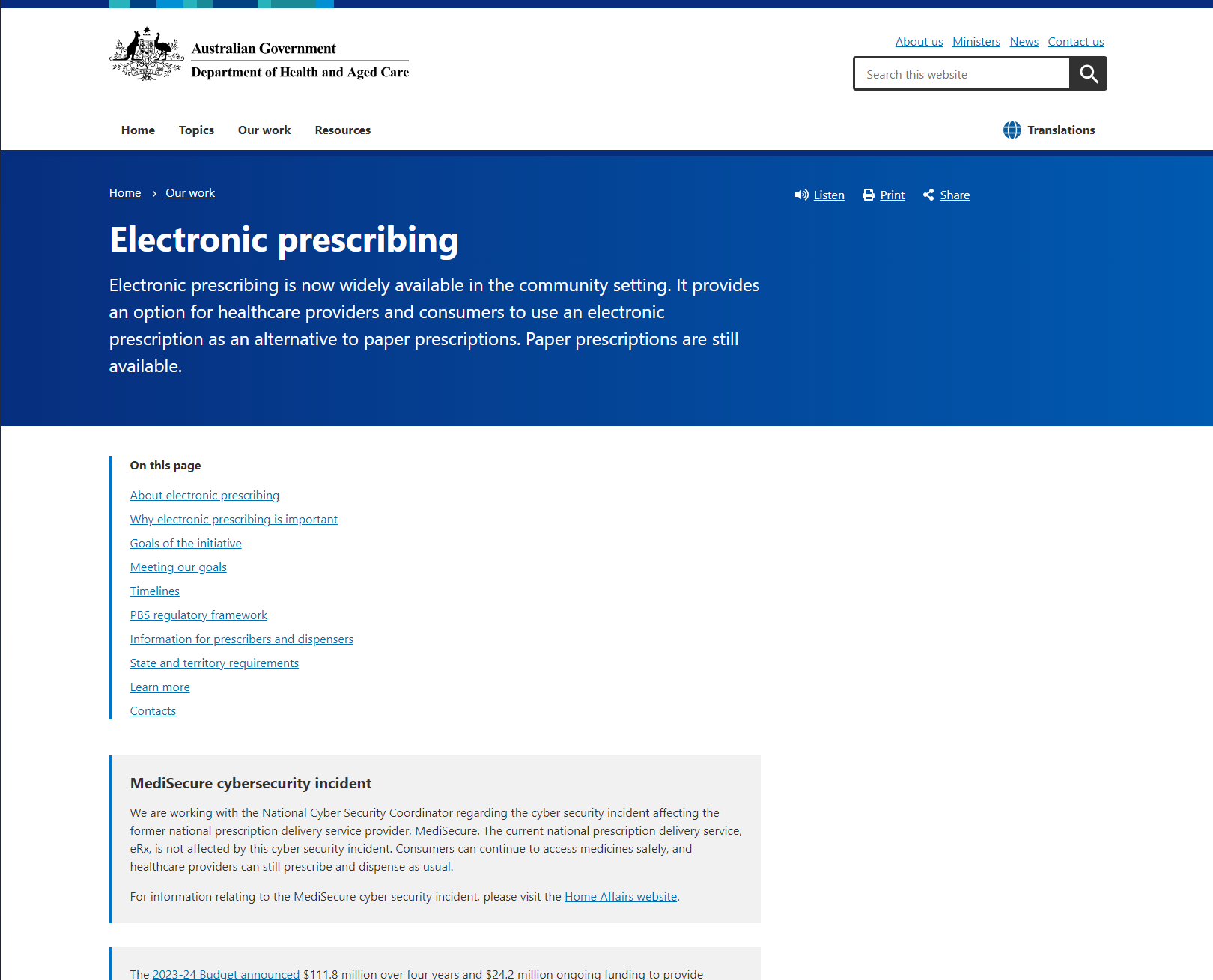
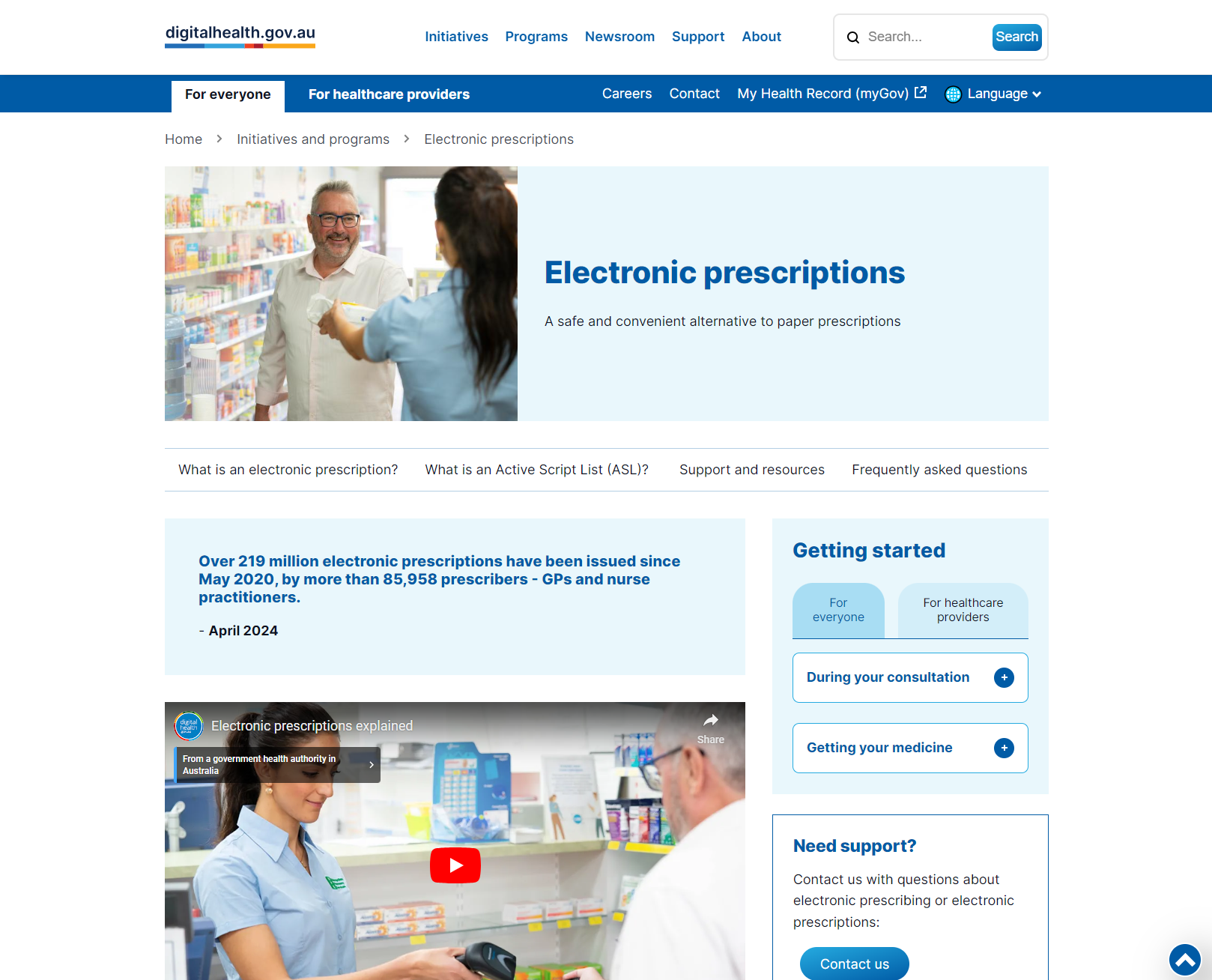
Electronic prescribing
This resource outlines the framework for electronic prescribing, offering an alternative to paper prescriptions for healthcare providers and consumers. It explains the benefits of electronic prescriptions, such as reducing errors, improving efficiency, and supporting medication safety. The resource also covers technical and legislative requirements for implementing electronic prescriptions in various healthcare settings.
This resource may refer to information that will be updated from 1 November 2025 to align with the new Aged Care Act and Quality Standards.
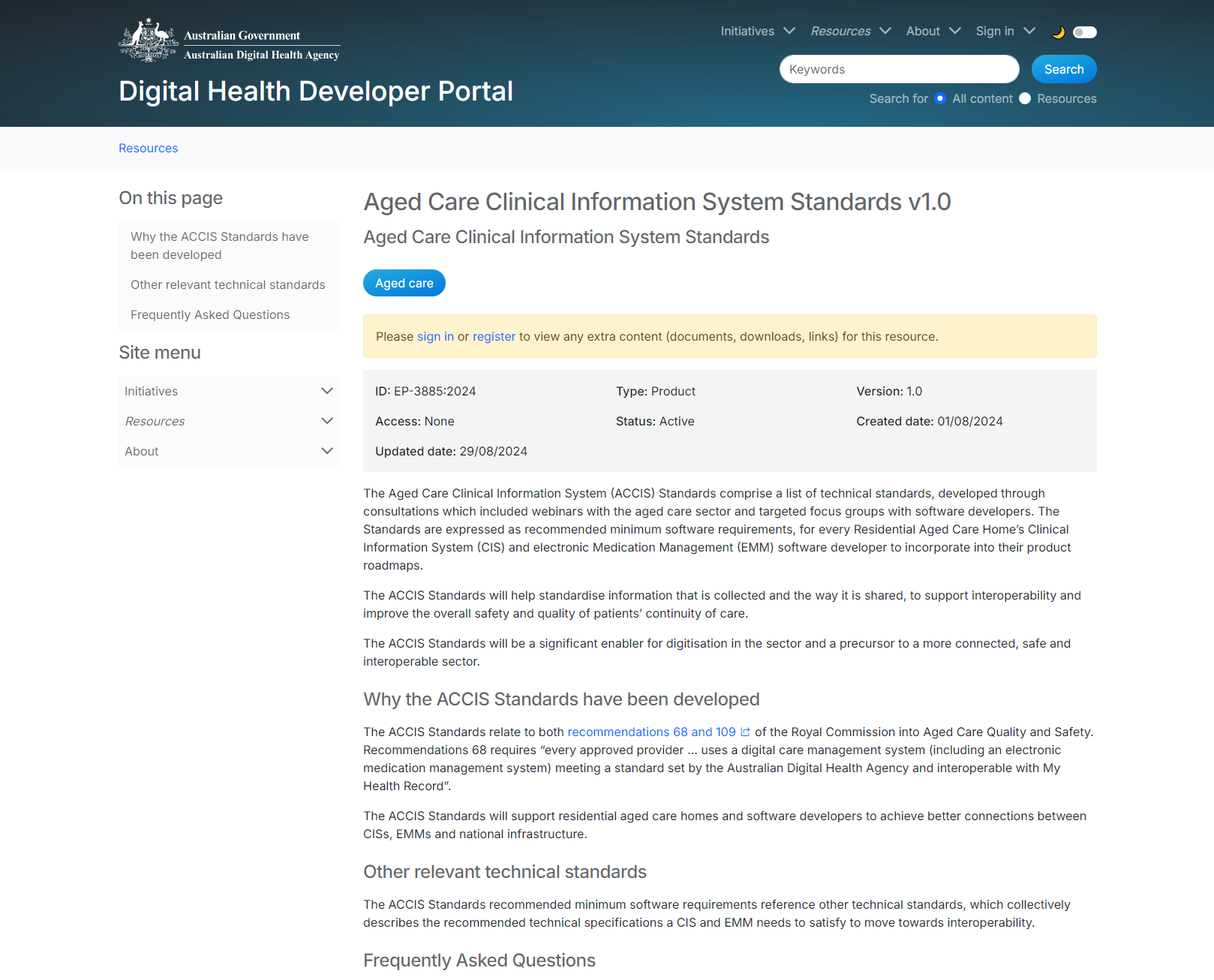
Digital Health Developer Portal - Aged Care Clinical Information System Standards v1.0
This resource outlines the Aged Care Clinical Information System (ACCIS) Standards version 1.0, which sets minimum software requirements for clinical information and electronic medication management systems in aged care. The standards support interoperability, data sharing, and improved care quality by enabling safe and efficient clinical decision-making and information exchange between care providers.
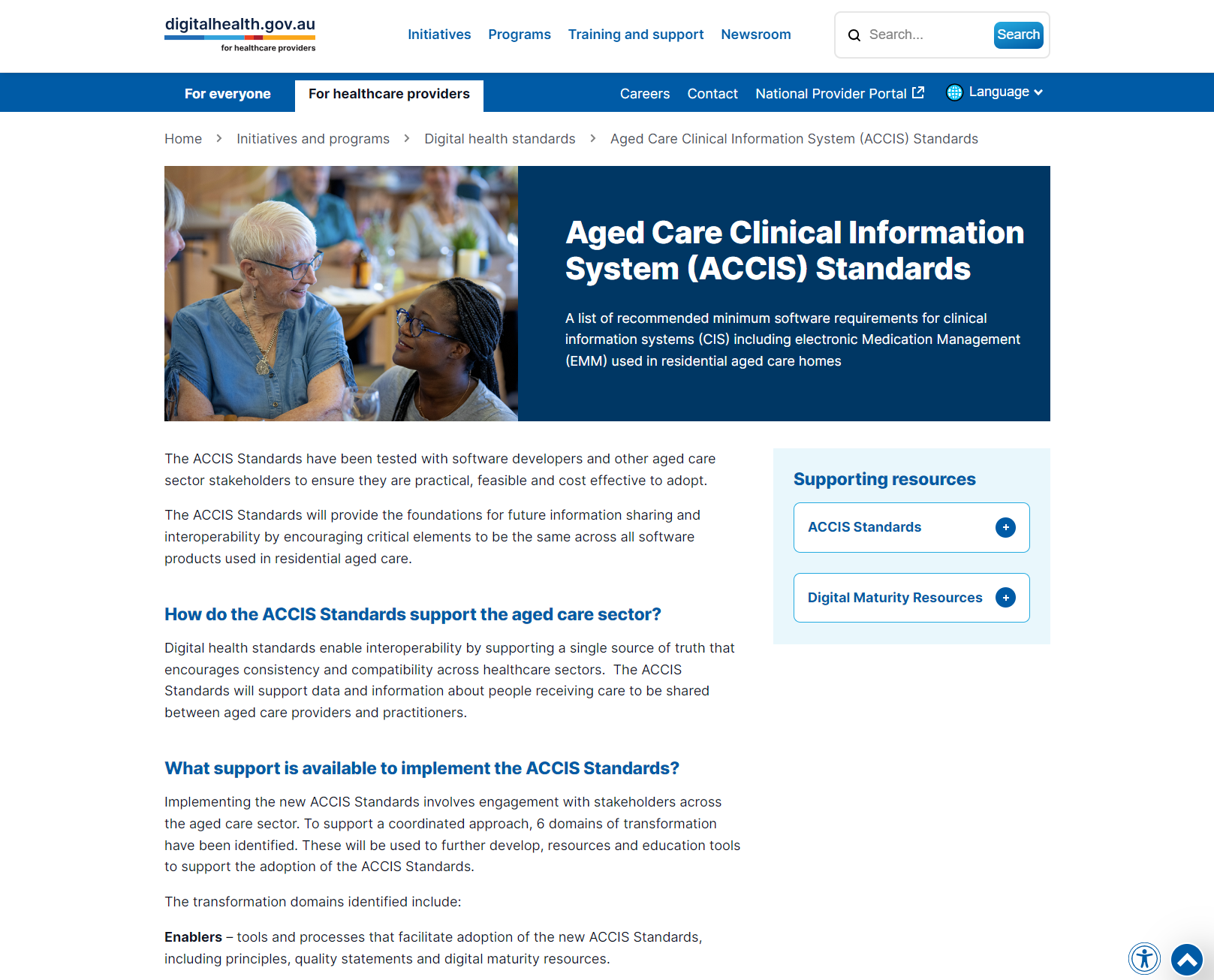
Aged Care Clinical Information System (ACCIS) Standards
This resource outlines the Aged Care Clinical Information System (ACCIS) Standards, providing minimum software requirements for clinical information systems used in aged care. It supports interoperability, data sharing, and safe clinical decision-making. The standards aim to enhance care coordination, improve data accuracy, and ensure compliance with privacy and security protocols within residential aged care settings.
Electronic prescriptions
This resource provides an overview of electronic prescriptions, which offer a digital alternative to paper prescriptions. It explains how electronic prescriptions can be issued by healthcare providers and stored on digital devices for convenience. The resource also details the benefits of the Active Script List (ASL) for managing multiple prescriptions, enhancing efficiency and medicine safety.
Advance Care Planning Australia
This resource provides information on advance care planning, which enables people to make decisions about their future health care in case they are unable to communicate their preferences. It helps ensure that healthcare providers and loved ones understand and respect their treatment choices. The resource includes tools, forms, and advice for creating an advance care plan.