The Quality Standards Resource Centre helps extend understanding of the strengthened Aged Care Quality Standards, which took effect from 1 November 2025. You can search for resources by using keywords, or filtering by standard, outcome and audience. Before using the Resource Centre, please read the terms of use.
Dementia Australia
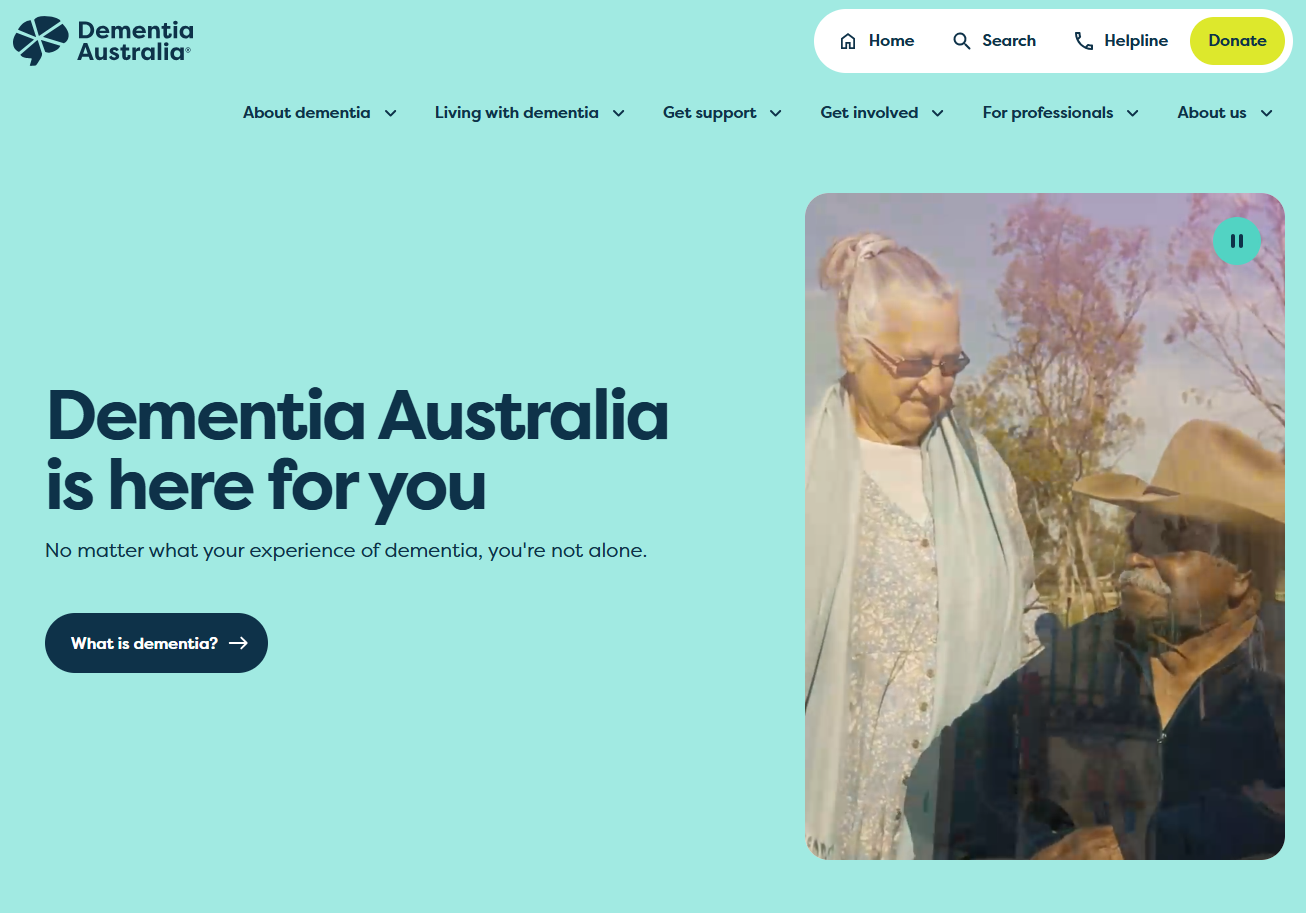
This resource is the Dementia Australia website. The website contains information about the types of dementia, testing, diagnosis, treatment and management of dementia. It includes information about living with dementia, such as behaviour changes, nutrition, staying connected and care options. It also contains information for professionals supporting people living with dementia, including research, tools and other resources.
International Dysphagia Diet Initiative - Patient Handouts
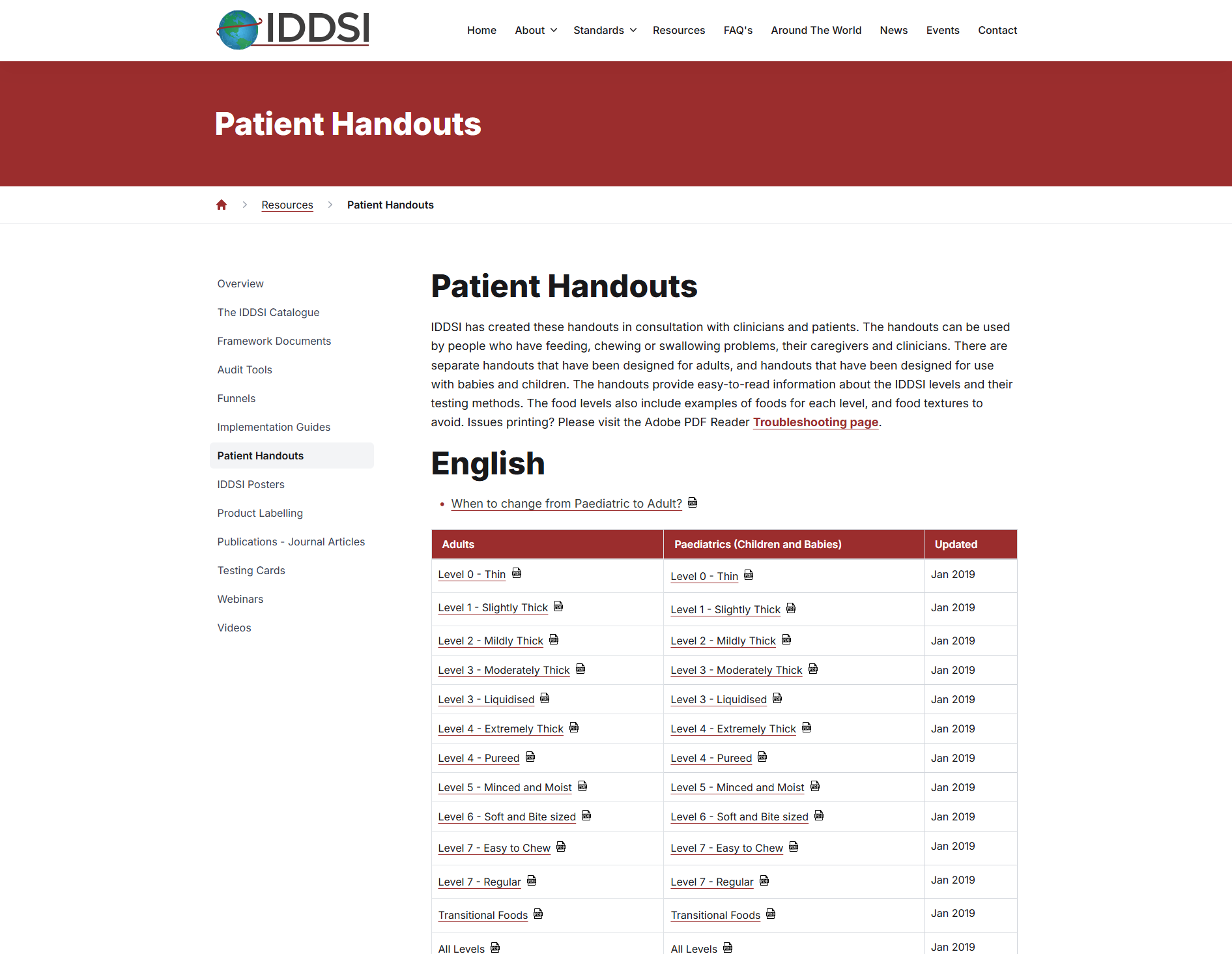
This resource provides handouts tailored for people with feeding, chewing, or swallowing difficulties and their carers. It explains the IDDSI framework, describing food texture levels and appropriate testing methods. Separate versions are available for adults and children, each detailing recommended food textures to support safe swallowing practices.
This resource was developed internationally and therefore its applicability and usefulness may be limited.
International Dysphagia Diet Initiative - Framework Documents
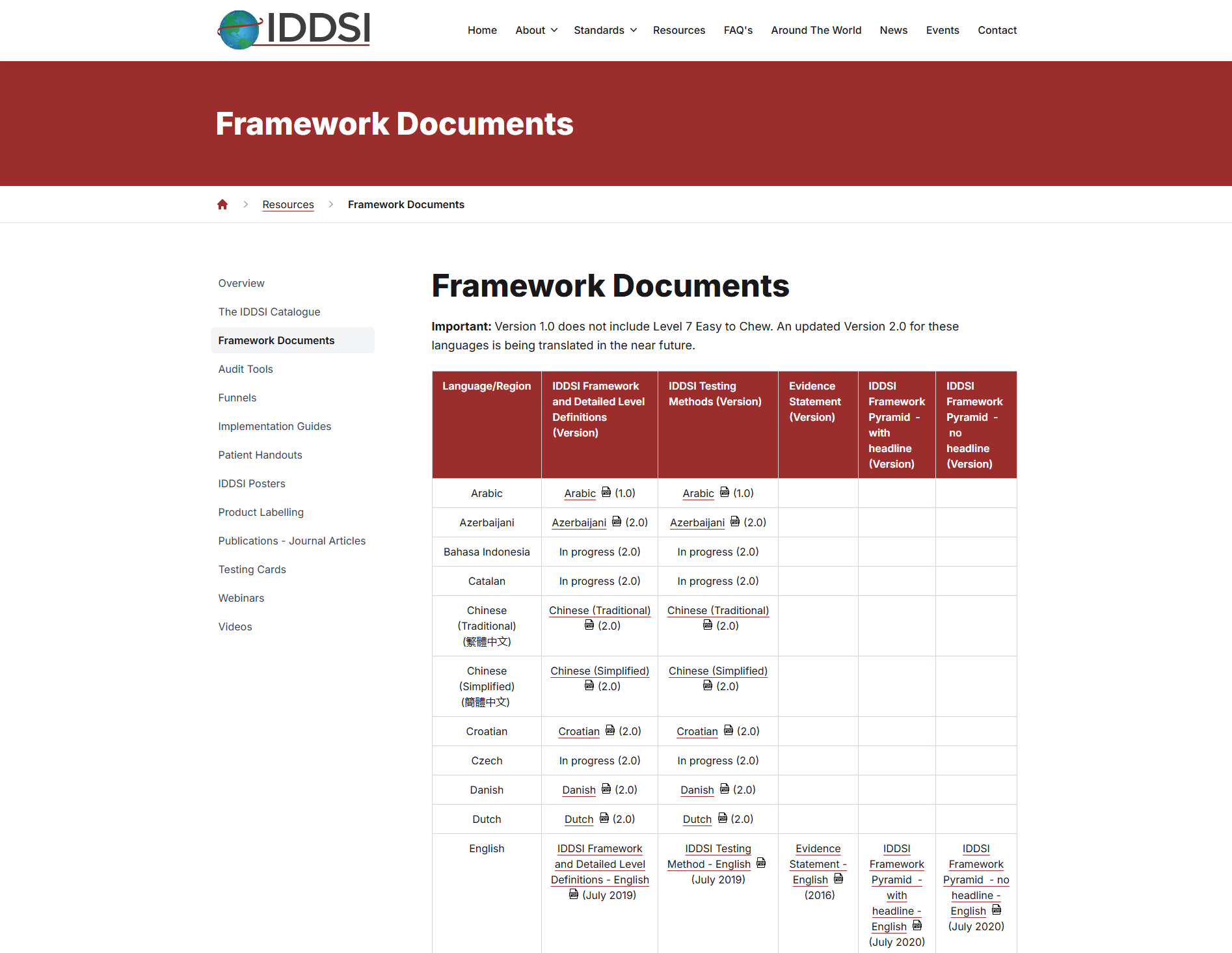
This resource provides the IDDSI (International Dysphagia Diet Standardisation Initiative) framework, including testing methods, detailed level definitions, audit tools, and implementation guides across language regions. It supports consistent application and understanding of diet textures for people with dysphagia, aiding caregivers in managing dietary needs safely and effectively.
This resource was developed internationally and therefore its applicability and usefulness may be limited.
Adult diet specifications
This resource provides specifications for adult diets tailored to inpatient use in NSW hospitals, including allergy-specific and therapeutic requirements. Although intended for inpatients, it can serve as general guidance for dietitians and food service providers in creating meal plans for diverse health needs. This resource applies to healthcare contexts outside of aged care.
This resource was developed by a state/territory government or organisation and therefore its applicability and usefulness may be limited.
Food and Nutrition Manual for Aged Care Homes - Swallowing and food textures
This resource provides guidelines on managing swallowing difficulties in aged care by using texture-modified diets and thickened fluids. It explains various food texture levels and fluid consistencies for safe swallowing, offers practical meal preparation tips, and highlights the importance of regular reassessment by a speech pathologist
This resource was developed by a state/territory government or organisation and therefore its applicability and usefulness may be limited.
Best Practice Food and Nutrition Manual for Aged Care
This manual offers practical guidelines on food and nutrition best practices in aged care homes, covering menu planning, meal enjoyment, hydration, and malnutrition prevention. It includes checklists, screening tools, and dietary considerations tailored to the needs of older people.
This resource was developed by a state/territory government or organisation and therefore its applicability and usefulness may be limited.
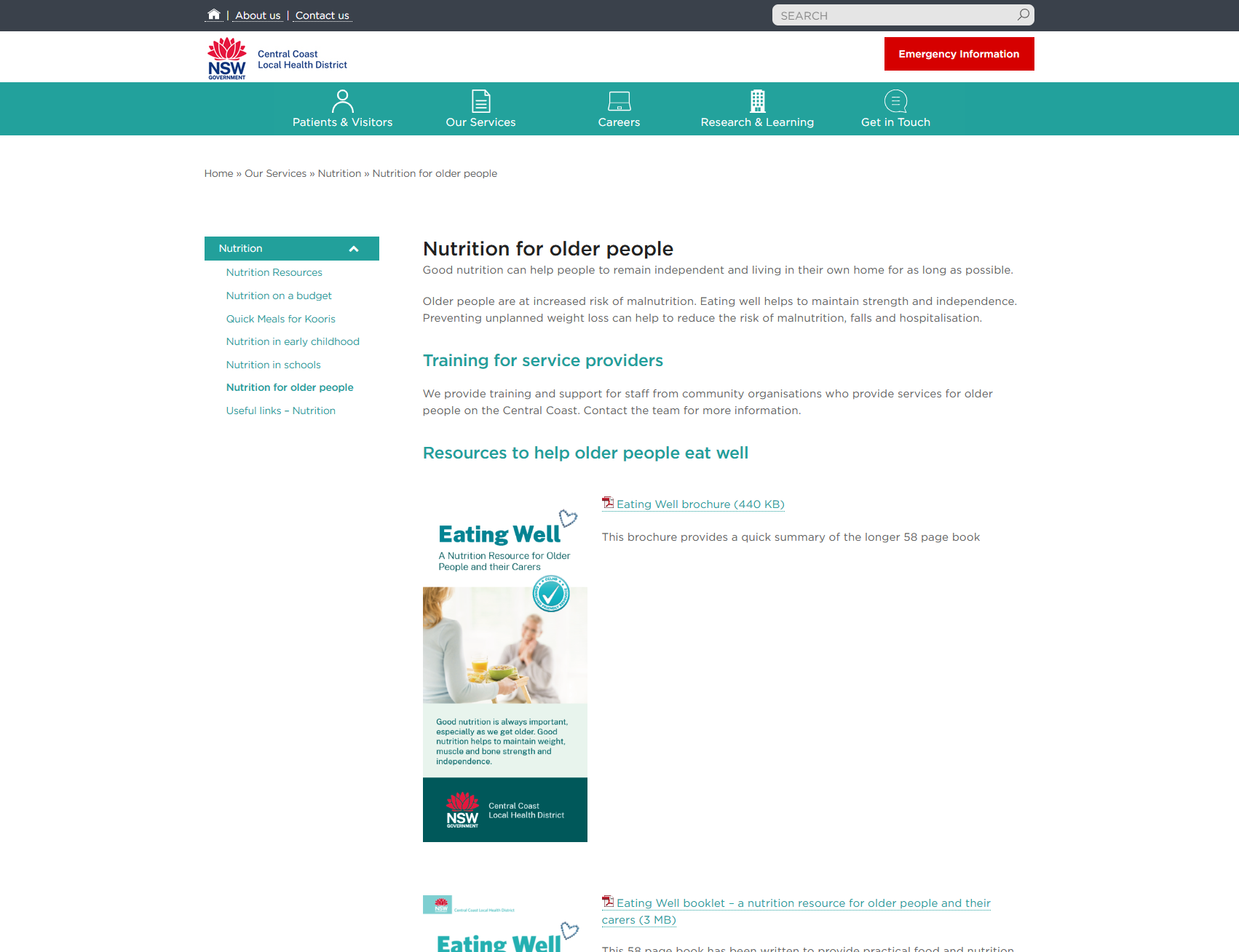
Nutrition for older people
This resource provides nutrition guidelines and support for older people to prevent malnutrition, reduce falls risk, and promote independence. It includes meal planning, dietary tips, and training for service providers, especially those supporting home care.
This resource was developed by a state/territory government or organisation and therefore its applicability and usefulness may be limited.
Standardised care processes
This resource offers evidence-based standardised care processes for aged care providers, covering high-risk clinical areas such as falls, pain, incontinence, and dehydration. It provides structured guidelines to support best practices, ensuring consistent and safe care for older people in residential settings.
This resource was developed by a state/territory government or organisation and therefore its applicability and usefulness may be limited.
Healthy Eating and Nutrition Resources
This resource provides heart-healthy eating and nutrition resources for health professionals to guide patients. It includes practical advice on managing high blood pressure, maintaining a healthy weight, and increasing omega-3 intake. The materials support long-term dietary changes through recipes, meal planning tools, and educational guides to promote heart health.
Safe Food Australia - A guide to the Food Safety Standards
This resource provides guidance on the food safety standards in Australia, specifically Chapter 3 of the Australia New Zealand Food Standards Code. It outlines requirements for food businesses, focusing on safe food handling practices, hygiene, and equipment standards. The resource helps aged care providers comply with regulatory standards to ensure safe and suitable food for vulnerable populations.
Nutrition and older adults
This resource provides guidance on maintaining healthy nutrition as people age. It covers key considerations such as increasing calcium intake, managing changes in appetite, and the importance of hydration. It also offers practical advice on reducing salt, fat, and sugar consumption, ensuring proper bone health through calcium and vitamin D, and maintaining a balanced diet to support overall health and well-being in older adults.
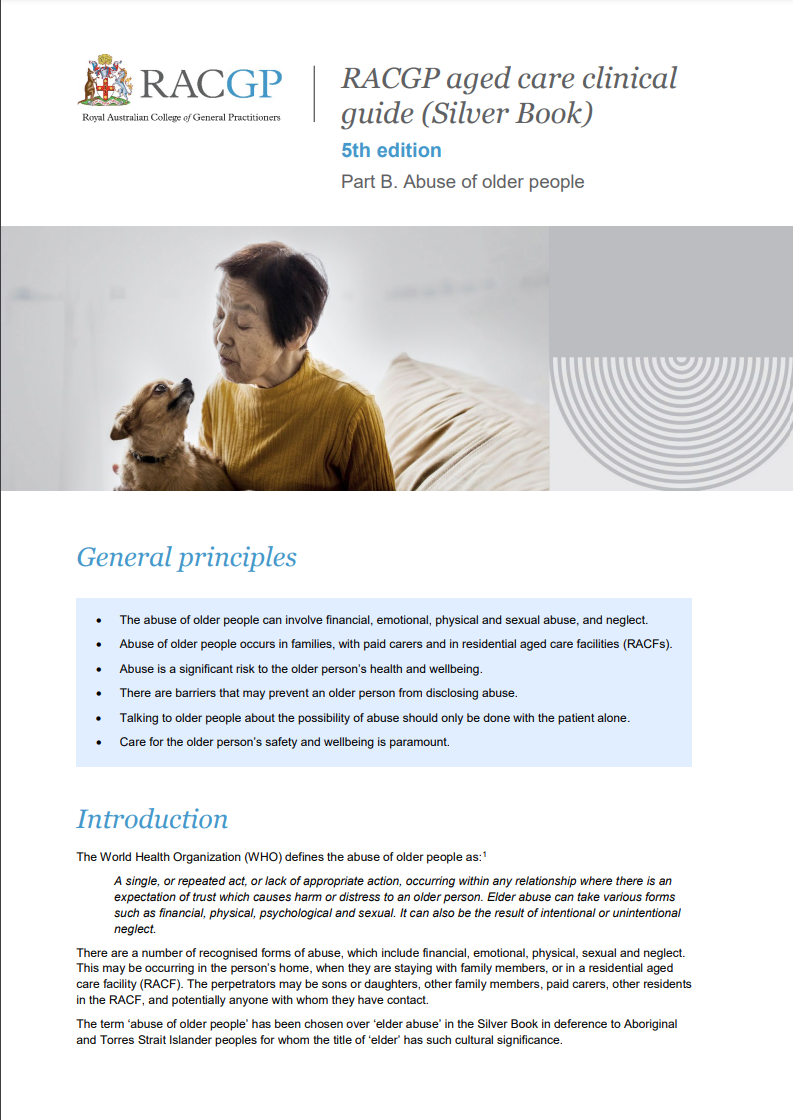
RACGP aged care clinical guide (Silver Book) - Part B - Abuse of older people
This resource provides guidance on recognising, assessing, and managing abuse of older people in various settings, including residential aged care. It covers types of abuse (financial, emotional, physical, sexual, neglect), risk factors, barriers to disclosure, and steps for prevention. The document also includes recommendations for safety planning, intervention strategies, and resources for support across Australian states and territories.
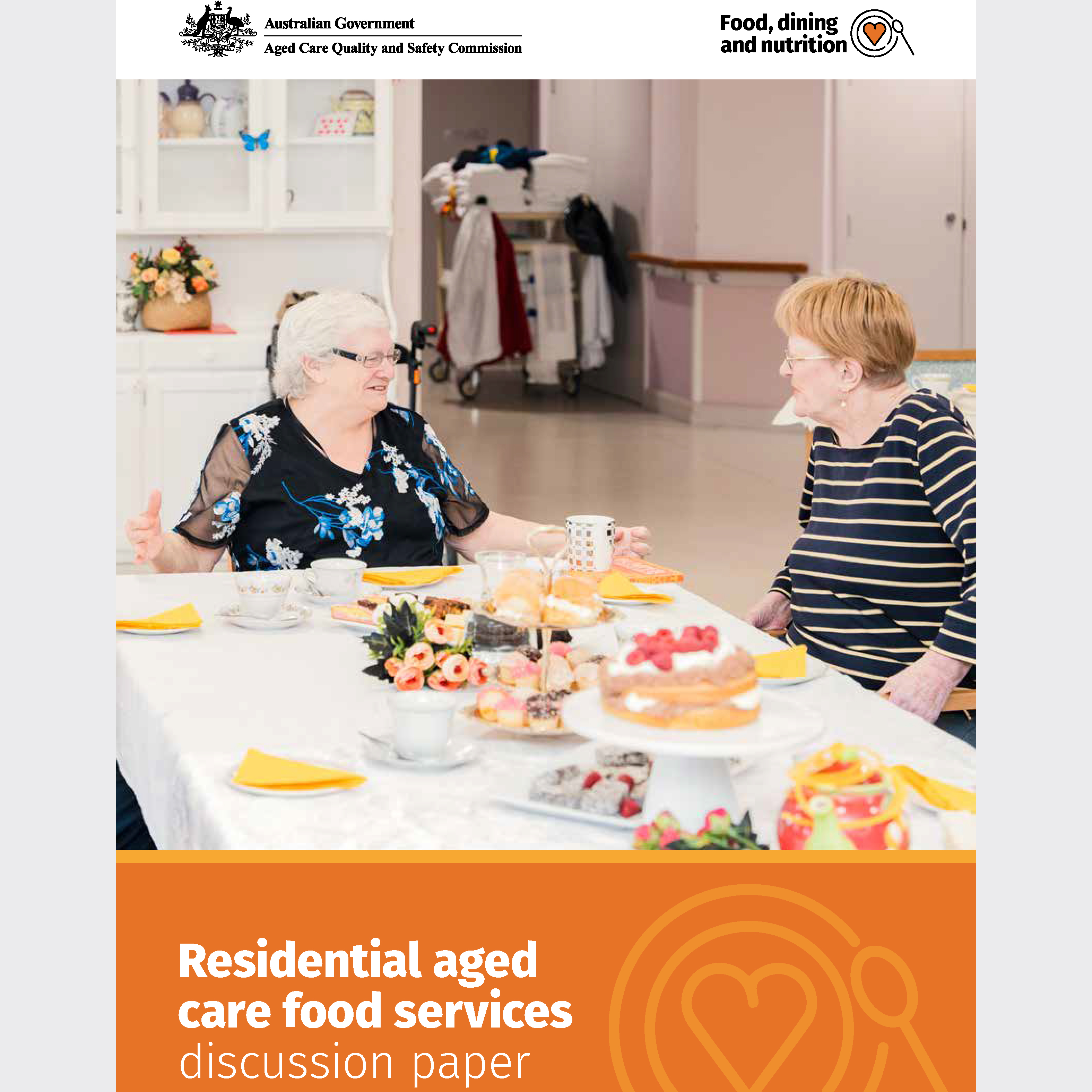
Residential aged care food services discussion paper
This paper presents a high-level overview of contemporary evidence regarding food services in residential aged care settings.
 Residential aged care food services discussion paper (PDF 536.47 KB)
Benefits of effective incident management video
In this short video, we provide an overview of the benefits of effective incident management in residential aged care settings under the Serious Incident Response Scheme (SIRS), which commenced on 1 April 2021.
Food for thought - positive stories
This resource shares positive stories about food, nutrition, and dining improvements in aged care facilities. It highlights initiatives that enhance the dining experience, including resident involvement in meal planning, use of fresh and seasonal ingredients, and creating more social and enjoyable mealtime environments. These stories demonstrate best practices and innovative approaches to improve resident satisfaction and wellbeing.
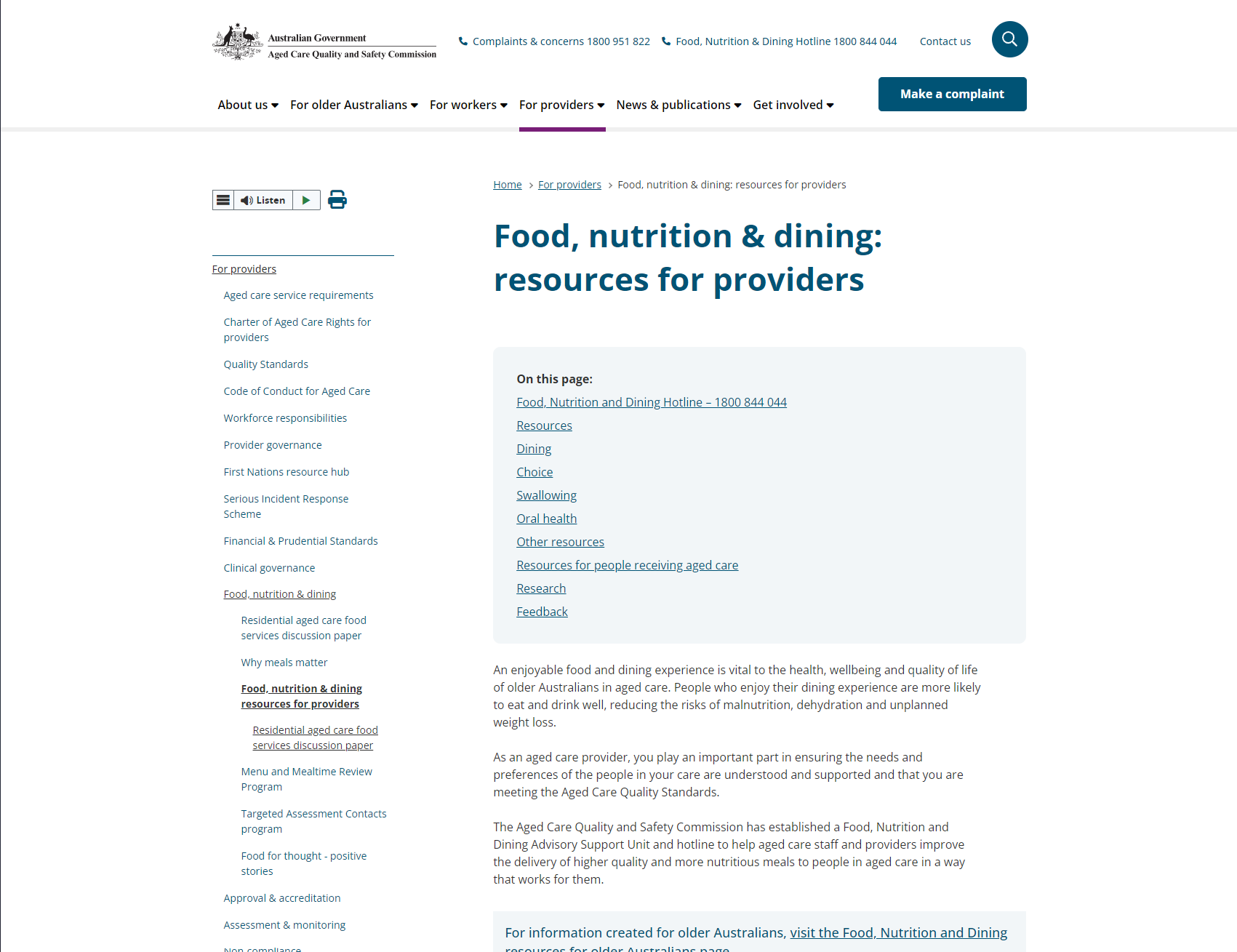
Food, nutrition & dining: resources for providers
This resource provides tools and guidance for aged care providers to ensure quality food, nutrition, and dining experiences. It includes hotlines, resources for dining, choice, swallowing, and oral health, as well as webinars, research findings, and practical tips to support older adults' wellbeing and meet care standards.
This resource may refer to information that will be updated from 1 November 2025 to align with the new Aged Care Act and Quality Standards.
SIRS insights reports
This resource provides Serious Incident Response Scheme (SIRS) insights reports, offering case study examples and data to help aged care providers improve incident management practices. The reports feature learnings from incidents such as unexplained absences and unreasonable use of force, helping providers assess their own practices and enhance care quality.
This resource may refer to information that will be updated from 1 November 2025 to align with the new Aged Care Act and Quality Standards.
Incident Management Systems
This resource explains Incident Management Systems (IMS) used in aged care to record, manage, and respond to incidents. It provides guidance on building a safety culture, recording and analysing incidents, and implementing steps to prevent reoccurrences, supporting continuous improvement in care delivery.
This resource may refer to information that will be updated from 1 November 2025 to align with the new Aged Care Act and Quality Standards.
Serious Incident Response Scheme (SIRS)
This resource outlines the Serious Incident Response Scheme (SIRS), which helps reduce abuse and neglect of older people in aged care services. It mandates that Commonwealth-subsidised aged care providers implement systems to manage and prevent serious incidents. Providers must report incidents such as abuse, neglect, and unlawful contact, ensuring older people’s safety and wellbeing. This resource may refer to information that will be updated from 1 November 2025 to align with the new Aged Care Act and Quality Standards.
The Serious Incident Response Scheme
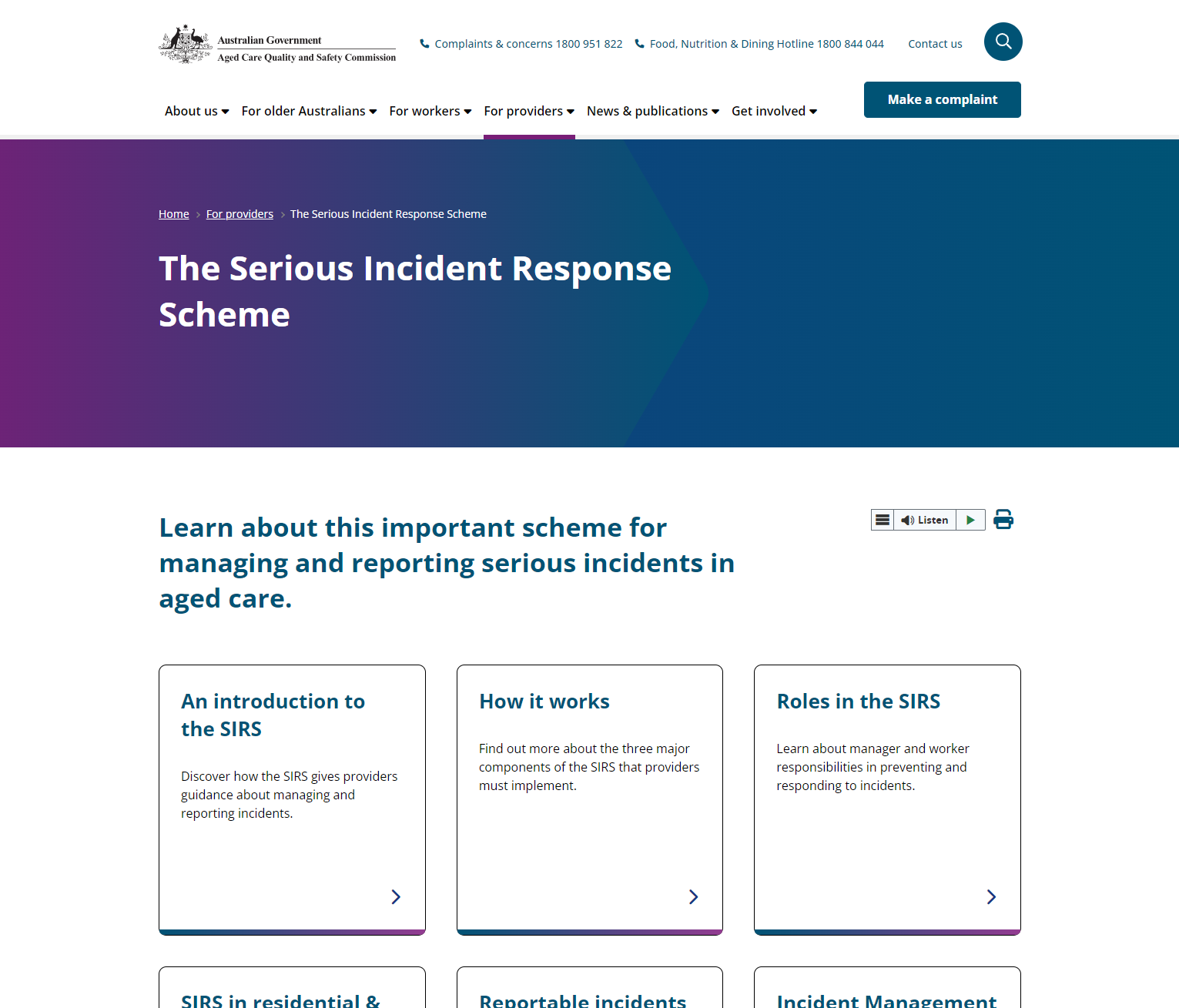
This resource provides an introduction to the Serious Incident Response Scheme (SIRS), outlining its role in managing and reporting serious incidents in aged care. It includes guidance on incident management systems, the responsibilities of managers and workers, and reporting requirements for residential and home services.
This resource may refer to information that will be updated from 1 November 2025 to align with the new Aged Care Act and Quality Standards.