The Quality Standards Resource Centre helps extend understanding of the strengthened Aged Care Quality Standards, which took effect from 1 November 2025. You can search for resources by using keywords, or filtering by standard, outcome and audience. Before using the Resource Centre, please read the terms of use.
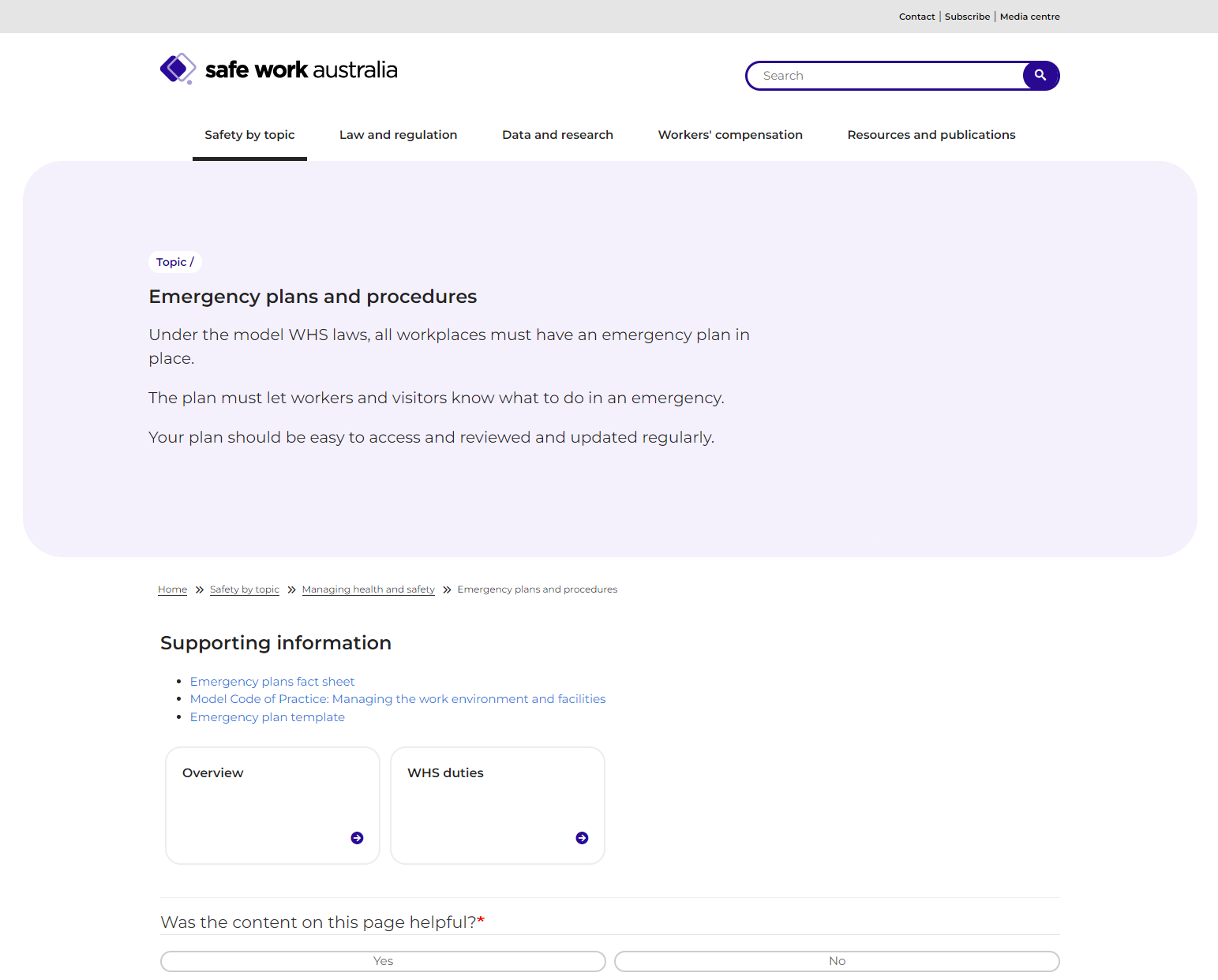
Emergency plans and procedures
This resource outlines the requirement for all workplaces, including aged care facilities, to have an emergency plan under the model WHS laws. The plan must inform workers and visitors about what to do in emergencies, be easily accessible, and be regularly reviewed and updated to ensure effectiveness.
Guidance and requirements may differ across states and territories. Users are responsible for considering their individual circumstances and specific state-based regulations and legislation.
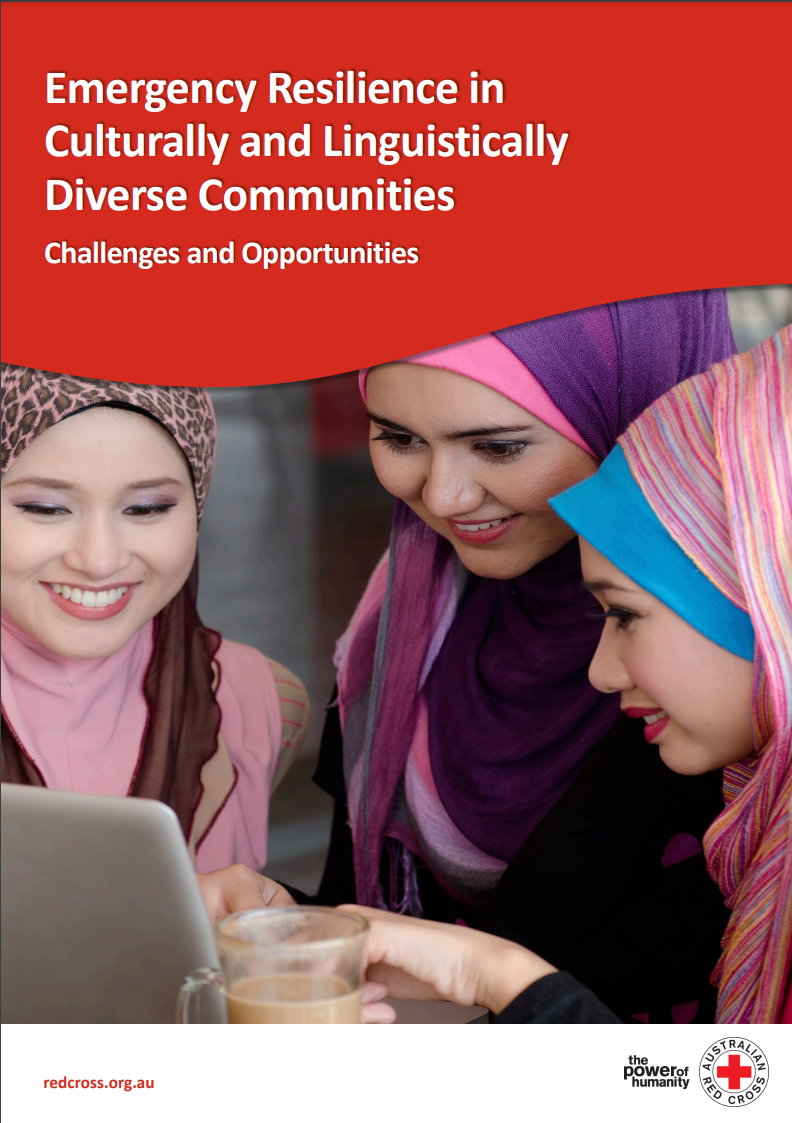
Emergency Resilience in Culturally and Linguistically Diverse Communities
This resource provides insight into the resilience of culturally and linguistically diverse (CALD) communities in the face of emergencies and disasters. It explores key challenges and opportunities for enhancing resilience, such as the impact of migration, social capital, and communication barriers. It aims to equip stakeholders with actionable strategies to support resilience within these communities during crises.
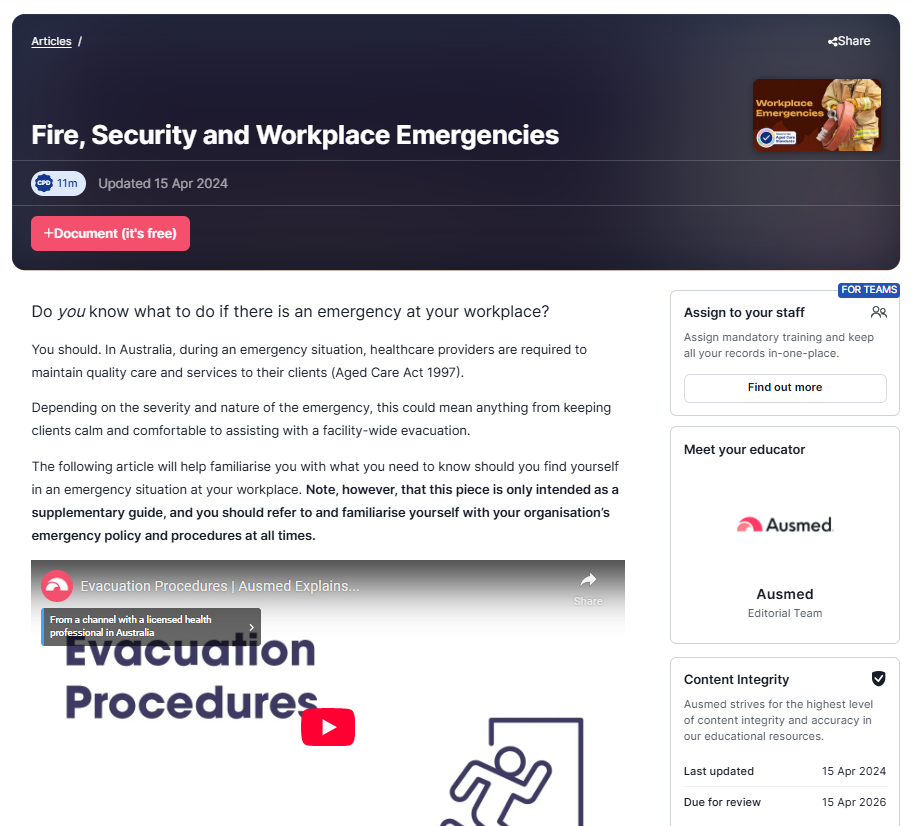
Fire, Security and Workplace Emergencies
This resource provides guidance on workplace emergencies. It includes information about what to do if there's an emergency at your workplace, types of emergencies, evacuation procedures and more. It highlights the importance of being aware of people's needs in an emergency situation and considering vulnerable people when developing an evacuation plan.
This resource may refer to information that will be updated from 1 November 2025 to align with the new Aged Care Act and Quality Standards.
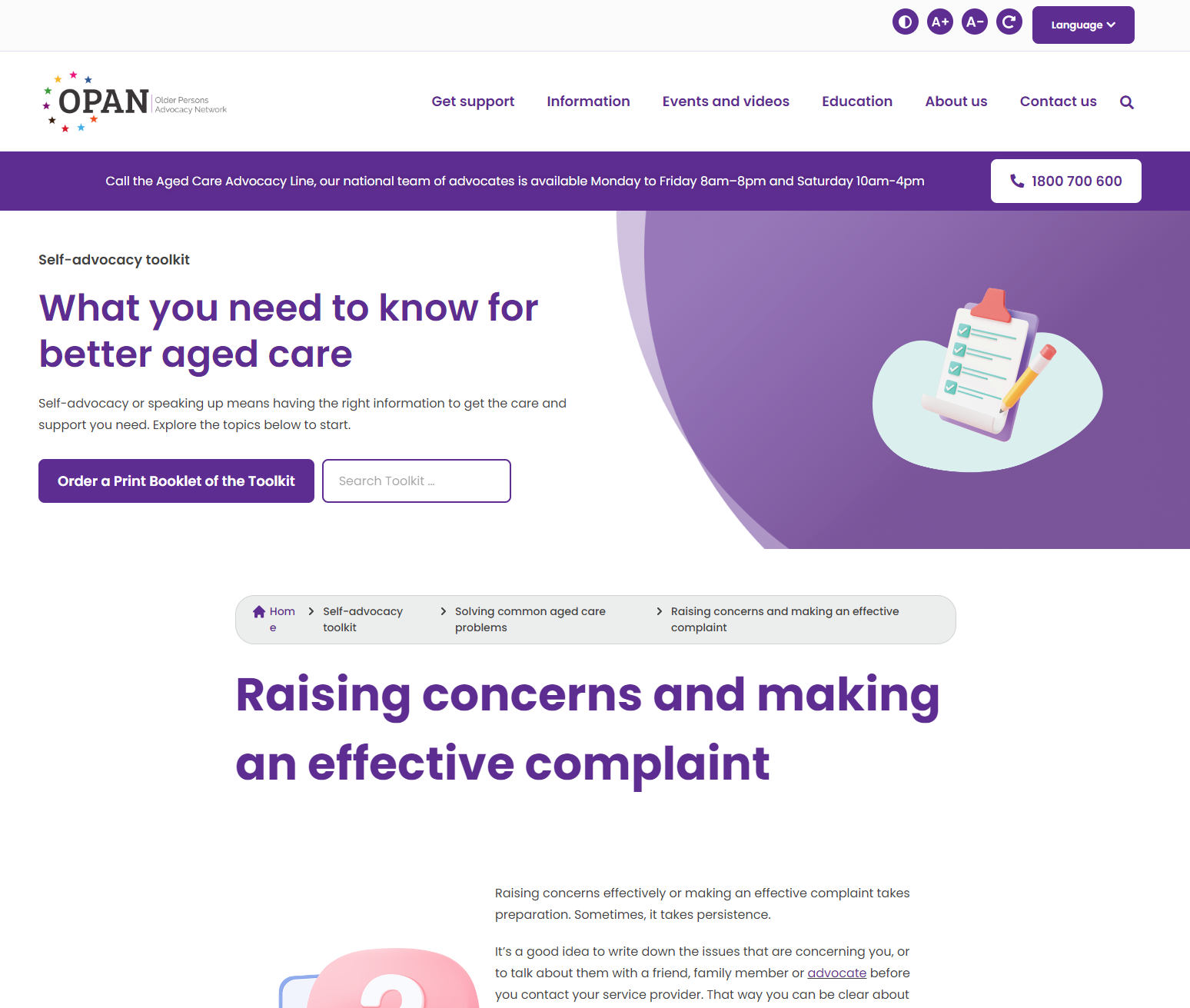
Raising concerns and making an effective complaint
This resource provides guidance on how to raise concerns and make an effective complaint in aged care. It offers practical tips, a checklist, and tools to help people clearly communicate their issues with service providers. It also explains how to escalate complaints to the Aged Care Quality and Safety Commission if necessary. This resource may refer to information that will be updated from 1 November 2025 to align with the new Aged Care Act and Quality Standards.
Older Persons Advocacy Network
This resource provides information on aged care advocacy services, offering free and confidential support to older people receiving government-funded aged care. It includes resources to help people understand their rights, navigate the aged care system, and access advocacy for issues such as care quality, decision-making, and protection from harm.
This resource may refer to information that will be updated from 1 November 2025 to align with the new Aged Care Act and Quality Standards.
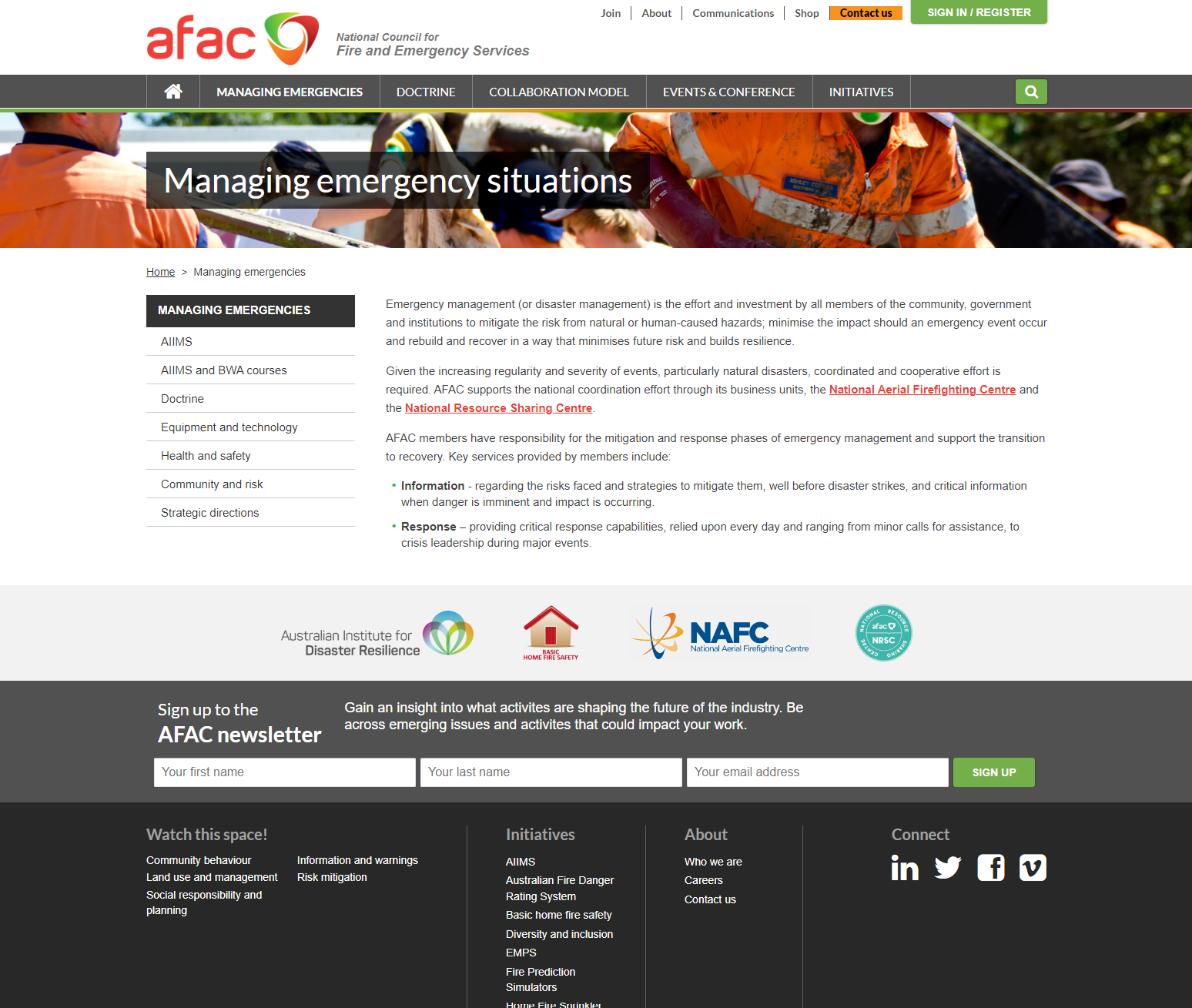
Managing emergency situations
This resource outlines strategies for managing emergency situations, focusing on risk mitigation, preparedness, response, and recovery. It includes guidelines on emergency planning, crisis leadership, and community engagement, emphasising coordinated efforts across various sectors to handle natural or human-caused disasters.
Guidance and requirements may differ across states and territories. Users are responsible for considering their individual circumstances and specific state-based regulations and legislation.
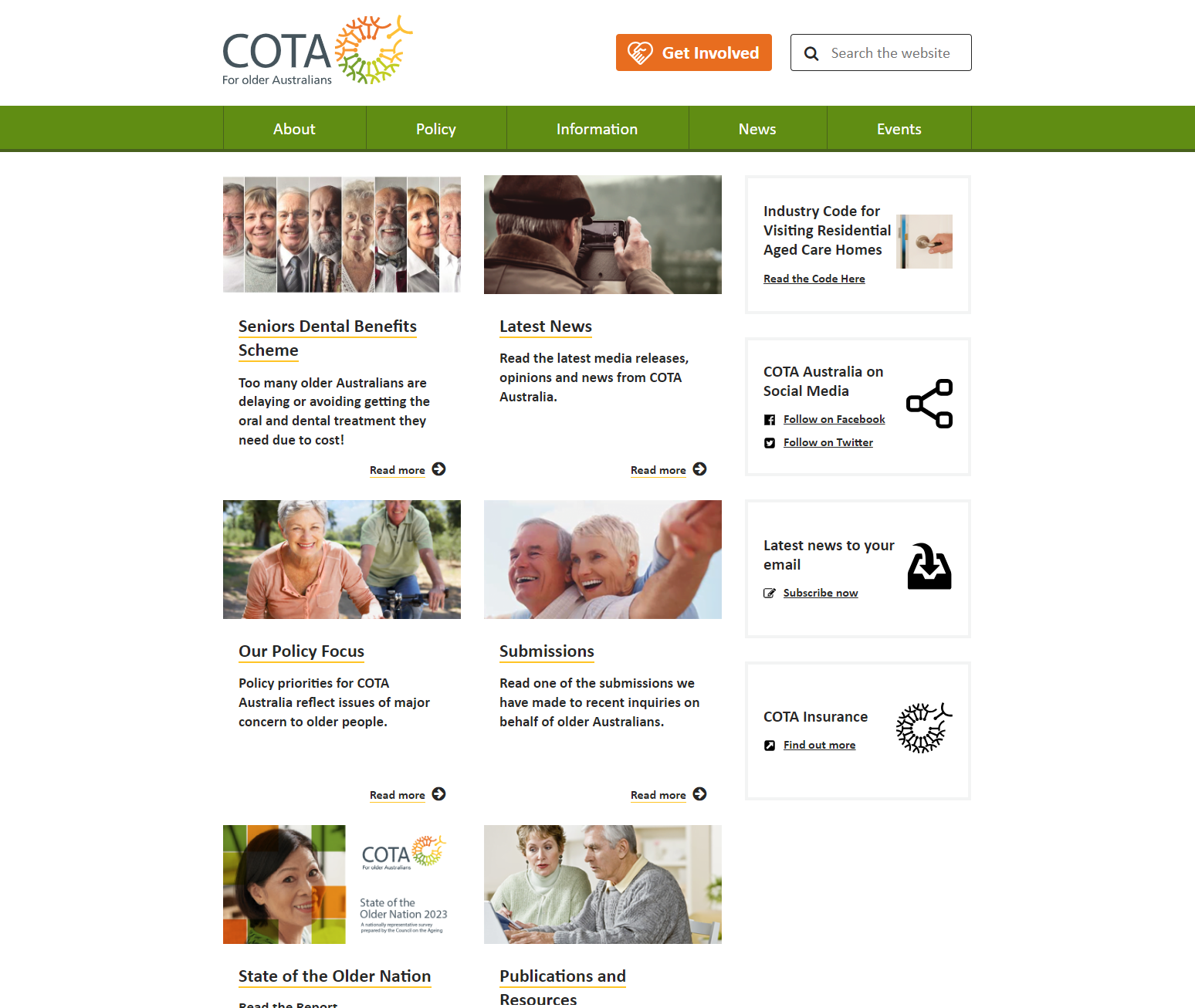
COTA - Council on the Ageing
This resource provides information on the Council on the Ageing (COTA) Australia's work, including advocacy, policy priorities, and resources for older adults. It highlights key areas such as dental care affordability, aged care reform, and independence for seniors. The site offers publications, submissions to inquiries, and the Aged Care Visitors Code, relevant for aged care providers and consumers.
Seeking support from an advocate
This resource describes the advocacy support available for people receiving government-funded aged care, provided through the National Aged Care Advocacy Program. It outlines the role of advocates in assisting with understanding services, managing rights, addressing concerns, and learning self-advocacy skills, supporting respectful and fair treatment in aged care.
Better Practice Complaint Handling Guide
This resource provides best practice guidance for handling complaints within public service agencies and private providers. It outlines the principles for creating an effective, customer-focused complaint system, including steps for logging, resolving, and communicating complaints. The guide also provides insights on staff training, performance benchmarks, and systemic improvement to enhance service quality and public trust, with relevance for aged care providers ensuring fair and transparent complaint resolution processes.