The Quality Standards Resource Centre helps extend understanding of the strengthened Aged Care Quality Standards, which take effect from 1 November 2025. The Resource Centre will be updated to reflect key changes made to the draft strengthened Standards. You can search for resources by using keywords, or filtering by standard, outcome, audience and theme. Before using the Resource Centre, please read the terms of use.
NSW Fall Prevention and Healthy Ageing Network - Resources
This resource provides a comprehensive library of best-practice resources for falls prevention and healthy ageing across various care settings. It offers materials tailored to hospital, residential, community, and dementia care environments, supporting safe and active ageing
This resource was developed by a state/territory government or organisation and therefore its applicability and usefulness may be limited.
Food and Nutrition Manual for Aged Care Homes - Swallowing and food textures
This resource provides guidelines on managing swallowing difficulties in aged care by using texture-modified diets and thickened fluids. It explains various food texture levels and fluid consistencies for safe swallowing, offers practical meal preparation tips, and highlights the importance of regular reassessment by a speech pathologist
This resource was developed by a state/territory government or organisation and therefore its applicability and usefulness may be limited.
Best Practice Food and Nutrition Manual for Aged Care
This manual offers practical guidelines on food and nutrition best practices in aged care homes, covering menu planning, meal enjoyment, hydration, and malnutrition prevention. It includes checklists, screening tools, and dietary considerations tailored to the needs of older people.
This resource was developed by a state/territory government or organisation and therefore its applicability and usefulness may be limited.
Standardised care processes
This resource offers evidence-based standardised care processes for aged care providers, covering high-risk clinical areas such as falls, pain, incontinence, and dehydration. It provides structured guidelines to support best practices, ensuring consistent and safe care for older people in residential settings.
This resource was developed by a state/territory government or organisation and therefore its applicability and usefulness may be limited.
Participating with consumers
This resource provides information sheets for residents, families, and carers to support decision-making in residential aged care. Covering topics such as pain management, falls, and medicines, it promotes health literacy, enabling consumers to engage in discussions and report care issues effectively.
This resource was developed by a state/territory government or organisation and therefore its applicability and usefulness may be limited.
Maintaining personal identity
This resource offers guidance on maintaining personal identity for people with dementia by fostering respect, independence, and communication. It suggests environmental and social modifications to enhance dignity, such as personalising spaces, supporting mobility, and addressing unmet needs.
This resource was developed by a state/territory government or organisation, and therefore its applicability and usefulness may be limited.
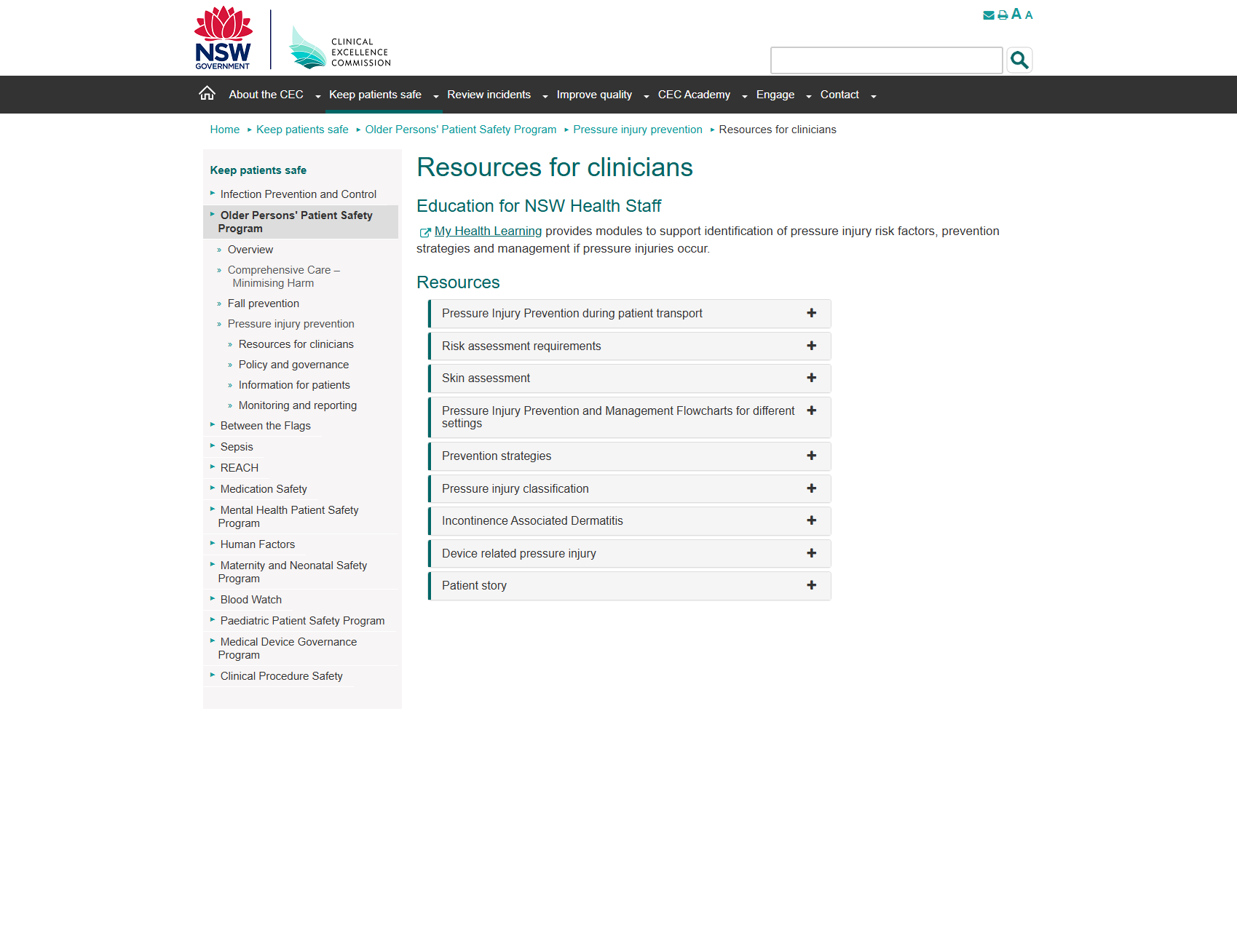
Pressure injury prevention - Resources for clinicians
This resource provides education and tools for clinicians on pressure injury prevention, including risk assessment, prevention strategies, and management protocols. It offers flowcharts, classifications, and case examples to support consistent care. This resource applies to healthcare contexts outside of aged care.
This resource was developed by a state/territory government or organisation and therefore its applicability and usefulness may be limited.
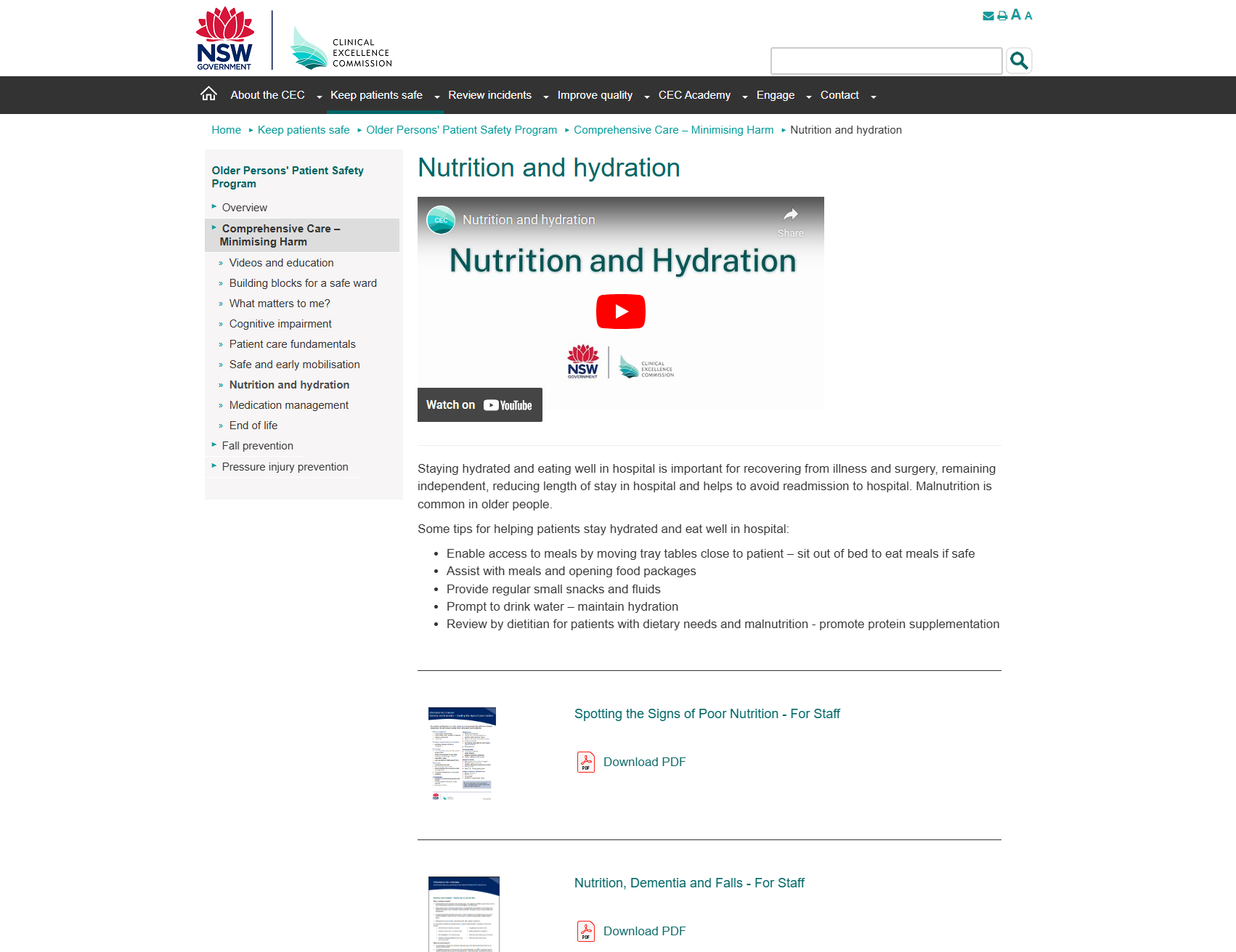
Nutrition and hydration - Eating well to prevent falls
This resource provides specifications for adult diets tailored to inpatient use in NSW hospitals, including allergy-specific and therapeutic requirements. Although intended for inpatients, it can serve as general guidance for dietitians and food service providers in creating meal plans for diverse health needs. This resource applies to healthcare contexts outside of aged care.
This resource was developed by a state/territory government or organisation and therefore its applicability and usefulness may be limited.
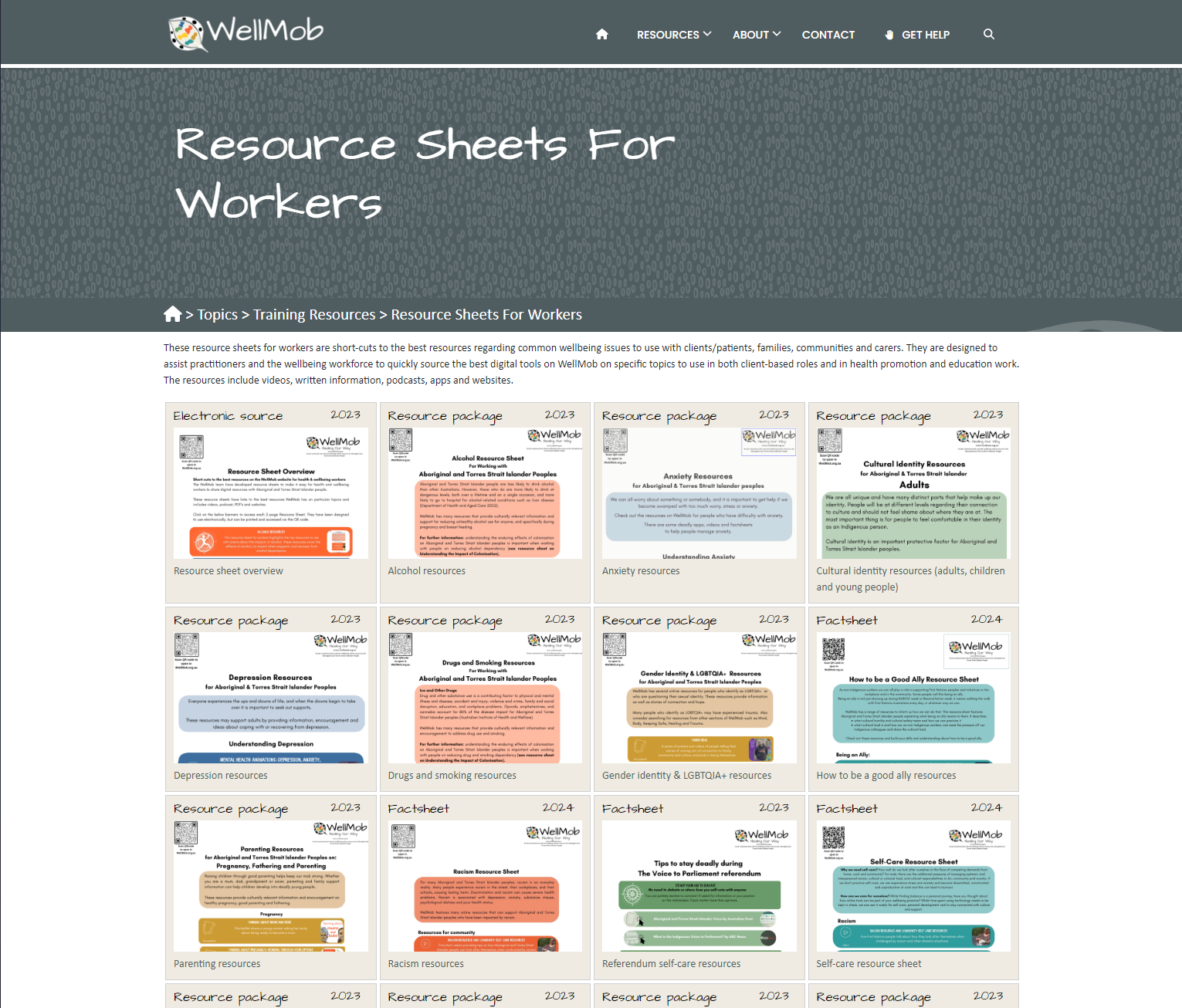
Resource sheets for workers – Social, emotional and cultural wellbeing online resources for Aboriginal and Torres Strait Islander People
This resource offers a collection of topic-based resource sheets for workers, covering wellbeing issues relevant to Aboriginal and Torres Strait Islander communities. It includes information on topics like alcohol, anxiety, cultural identity, depression, and trauma. The resources consist of videos, fact sheets, podcasts, apps, and websites to support practitioners and the wellbeing workforce.
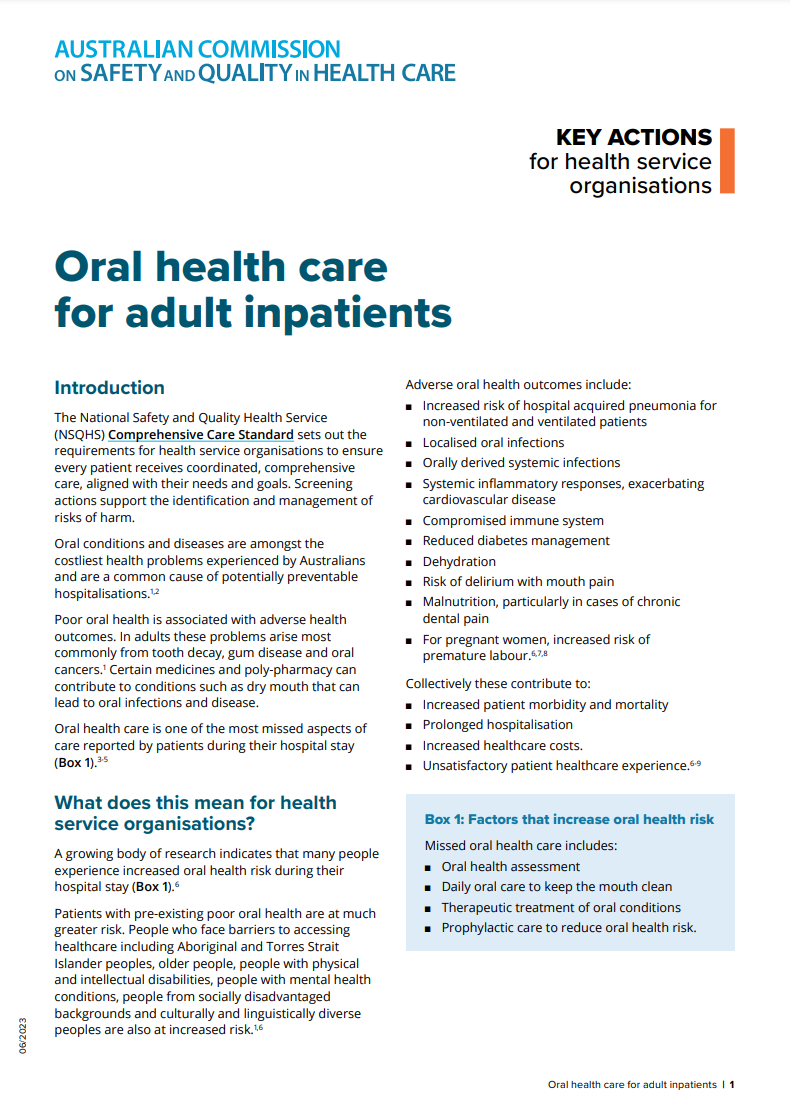
Fact sheet - Oral health care for adult inpatients
This resource provides guidance on oral health care for adult inpatients, aligning with the Comprehensive Care Standard. It outlines the importance of oral health assessment, daily care, infection control, and discharge planning to prevent adverse outcomes such as infections, dehydration, and malnutrition, enhancing patient experience and care quality.
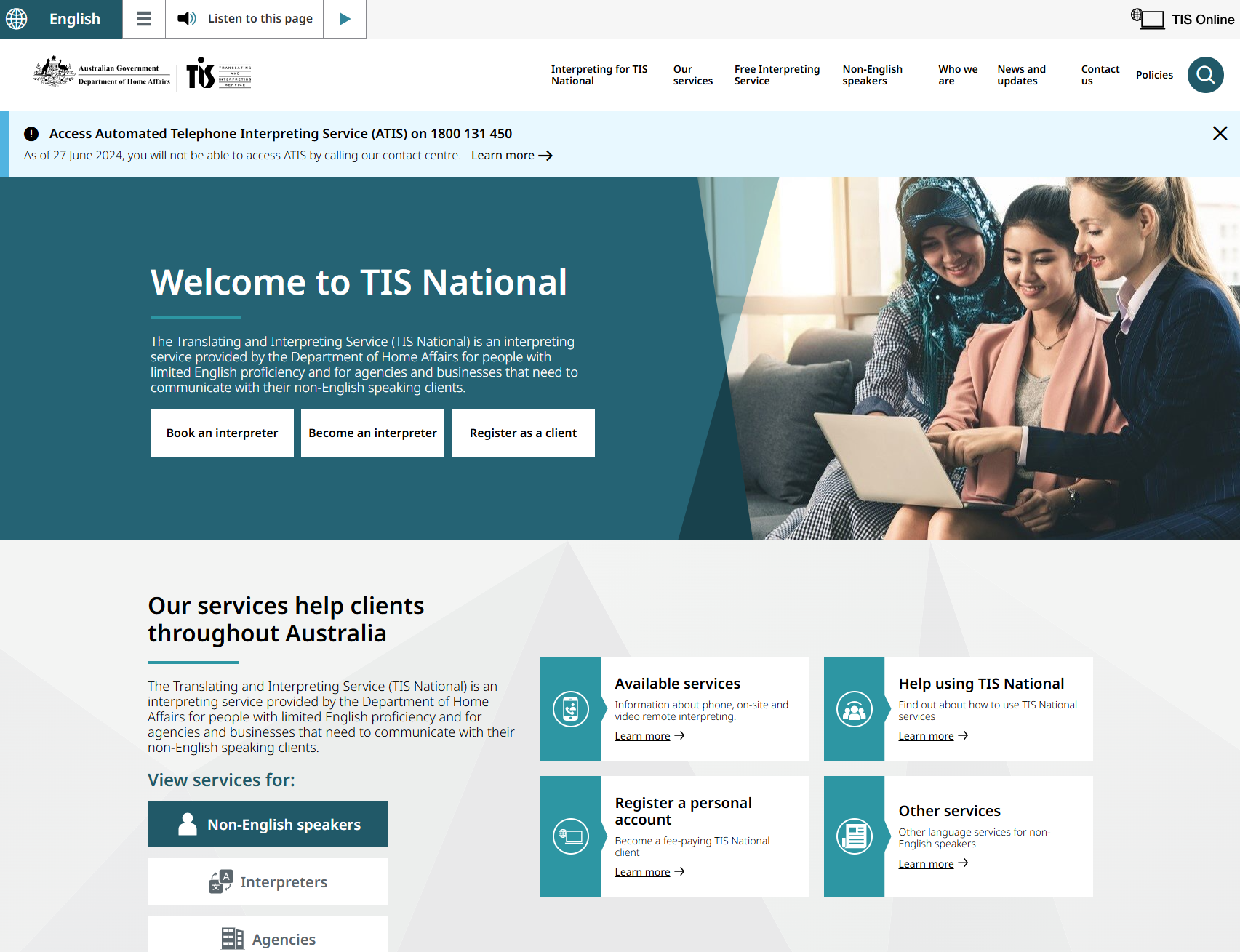
Translating and Interpreting Service (TIS National)
The Translating and Interpreting Service (TIS National) provides interpreting support for people with limited English proficiency and agencies requiring assistance to communicate with non-English-speaking clients. Services include telephone, on-site, and video interpreting, with options for both government and fee-paying clients across Australia.
Older people and falls
This resource provides information on the causes, treatments, and prevention of falls in older people. It outlines risk factors, such as home hazards and health conditions, and offers practical tips for reducing falls, including lifestyle changes, home modifications, and medical assessments. The document emphasises the importance of fall prevention in aged care settings.
LGBTIQ+ Health Australia - Knowledge Hub
This resource hub provides advocacy, workforce, and community resources tailored to support the health and wellbeing of LGBTIQ+ people. It offers tools, reports, and guidance for providers to deliver inclusive, culturally sensitive care and to address the specific health needs of LGBTIQ+ communities.
This resource may apply to healthcare contexts outside of aged care. Please consider the applicability of this resource to your care setting.
Chronic Obstructive Pulmonary Disease Clinical Care Standard
This Australian Commission on Safety and Quality in Health Care clinical care standards provides guidelines for managing chronic obstructive pulmonary disease (COPD) to reduce hospitalisations and improve outcomes. It includes quality statements, care indicators, and palliative care considerations to support best practices and enhance the quality of life for people with COPD. This resource may apply to healthcare contexts outside of aged care.
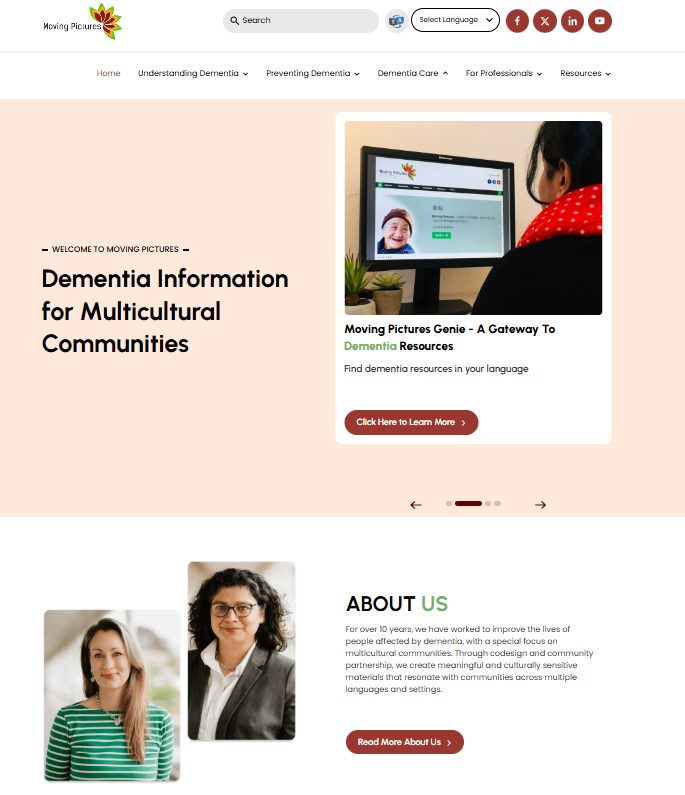
Dementia information for multicultural communities
This resource provides dementia information and resources for multicultural communities, offering animations, videos, and materials in multiple languages. It aims to improve understanding of dementia and its prevention in diverse cultural groups, supporting awareness and early intervention.
This resource may apply to healthcare contexts outside of aged care. Please consider the applicability of this resource to your care setting.
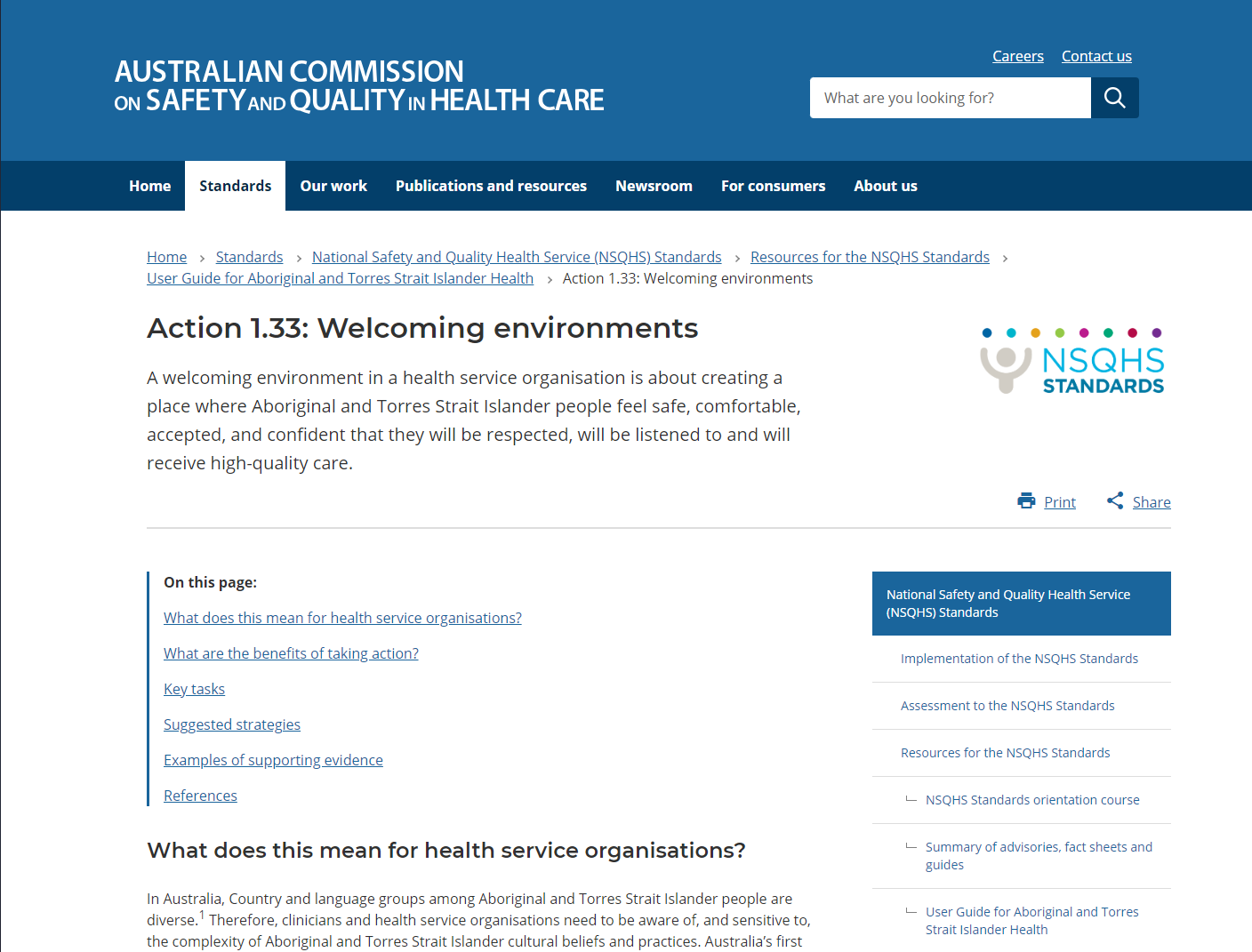
Action 1.33: Welcoming environments
This resource provides guidance on creating welcoming environments in healthcare services, including aged care, to make sure Aboriginal and Torres Strait Islander people feel safe, respected, and supported. It outlines strategies for cultural safety, collaboration with communities, and improving access to care through inclusive design, training, and environmental changes.
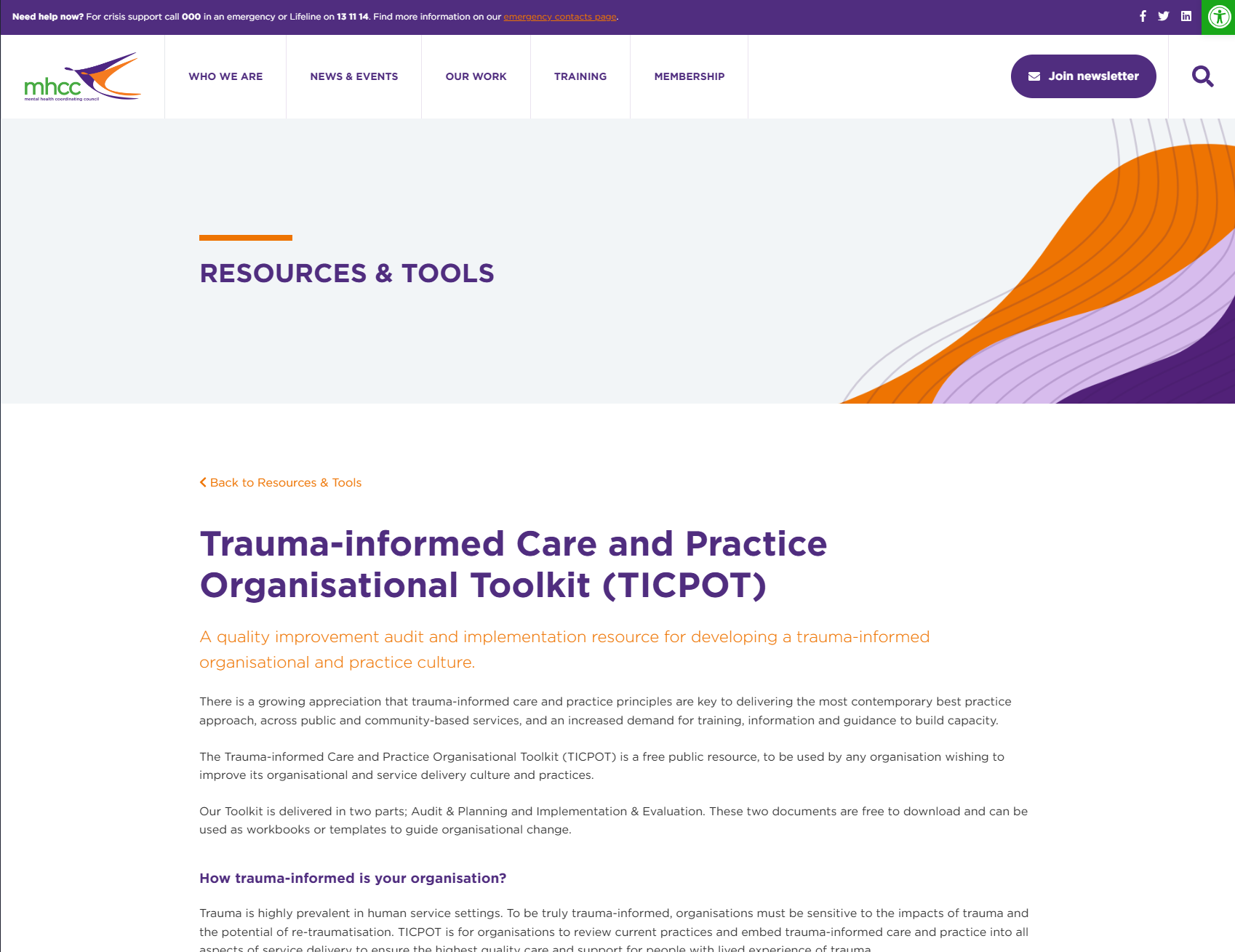
Trauma-informed Care and Practice Organisational Toolkit
This toolkit provides guidance for organisations on implementing trauma-informed care practices, aiming to improve safety, trust, and empowerment in care settings. It outlines strategies to adapt policies, environments, and staff approaches to better support people with trauma histories in various care environments.
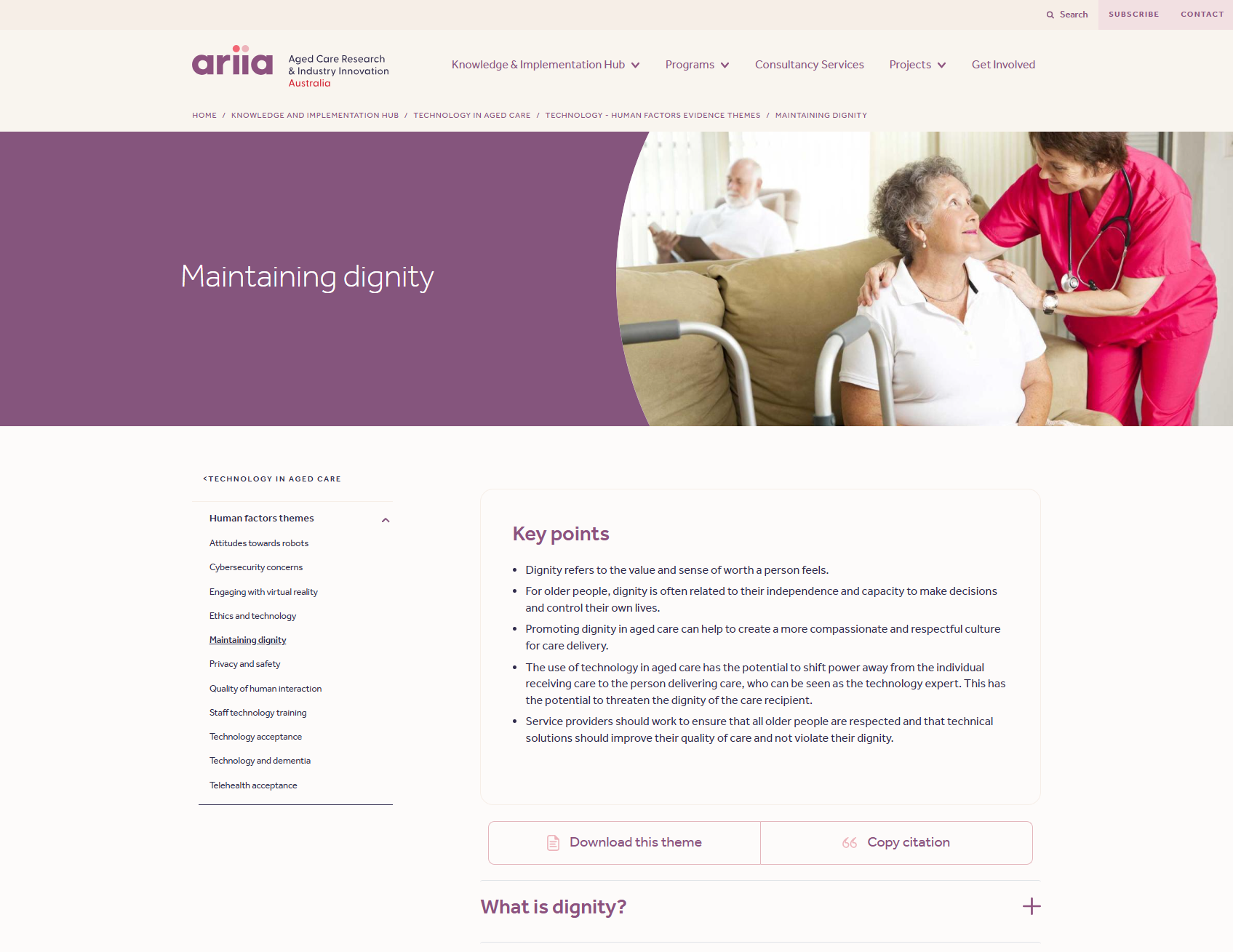
Maintaining dignity
This resource highlights the importance of maintaining dignity for older people in aged care, focusing on how technology use can impact their sense of autonomy and respect. It advises service providers to make sure technological solutions enhance care quality without compromising the dignity of those receiving care.
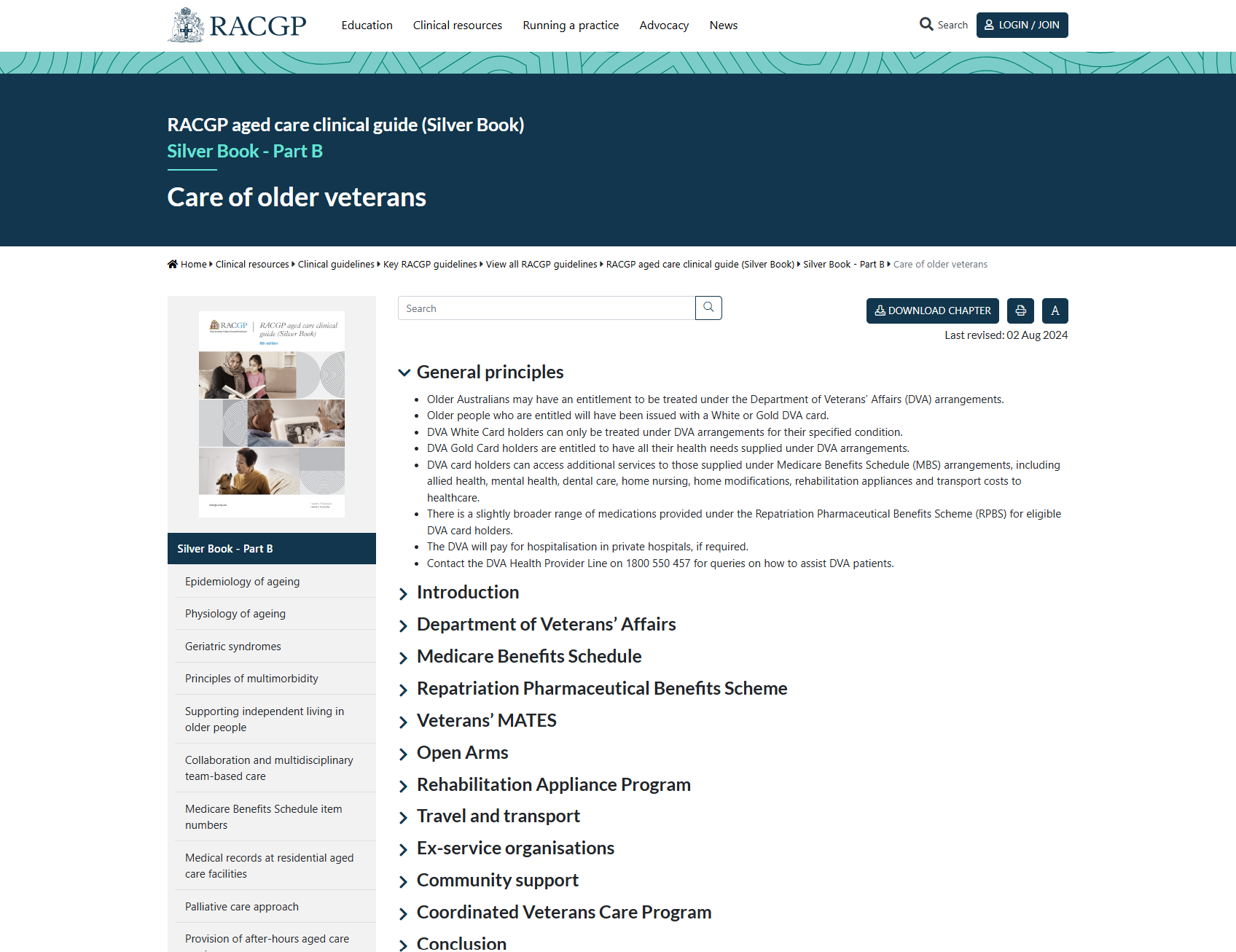
RACGP aged care clinical guide (Silver Book) - Part B - Care of older veterans
This resource provides guidelines on caring for older veterans, focusing on areas such as multimorbidity, medication management, and palliative care. It highlights unique healthcare entitlements and support structures available to veterans, supporting aged care providers in delivering comprehensive, person-centred care.
Person-centred care case studies
This resource provides case studies on person-centred care approaches used by Australian and international healthcare organisations. It highlights strategies for engaging and partnering with consumers, offering guidance to organisations aiming to implement person-centred practices. Providers can be explored and consider aspects applicable in the aged care setting. This resource may apply to healthcare contexts outside of aged care. Please consider the applicability of this resource to your care setting.