The Quality Standards Resource Centre helps extend understanding of the strengthened Aged Care Quality Standards, which take effect from 1 November 2025. The Resource Centre will be updated to reflect key changes made to the draft strengthened Standards. You can search for resources by using keywords, or filtering by standard, outcome, audience and theme. Before using the Resource Centre, please read the terms of use.
Standardised care processes
This resource offers evidence-based standardised care processes for aged care providers, covering high-risk clinical areas such as falls, pain, incontinence, and dehydration. It provides structured guidelines to support best practices, ensuring consistent and safe care for older people in residential settings.
This resource was developed by a state/territory government or organisation and therefore its applicability and usefulness may be limited.
Participating with consumers
This resource provides information sheets for residents, families, and carers to support decision-making in residential aged care. Covering topics such as pain management, falls, and medicines, it promotes health literacy, enabling consumers to engage in discussions and report care issues effectively.
This resource was developed by a state/territory government or organisation and therefore its applicability and usefulness may be limited.
Maintaining personal identity
This resource offers guidance on maintaining personal identity for people with dementia by fostering respect, independence, and communication. It suggests environmental and social modifications to enhance dignity, such as personalising spaces, supporting mobility, and addressing unmet needs.
This resource was developed by a state/territory government or organisation, and therefore its applicability and usefulness may be limited.
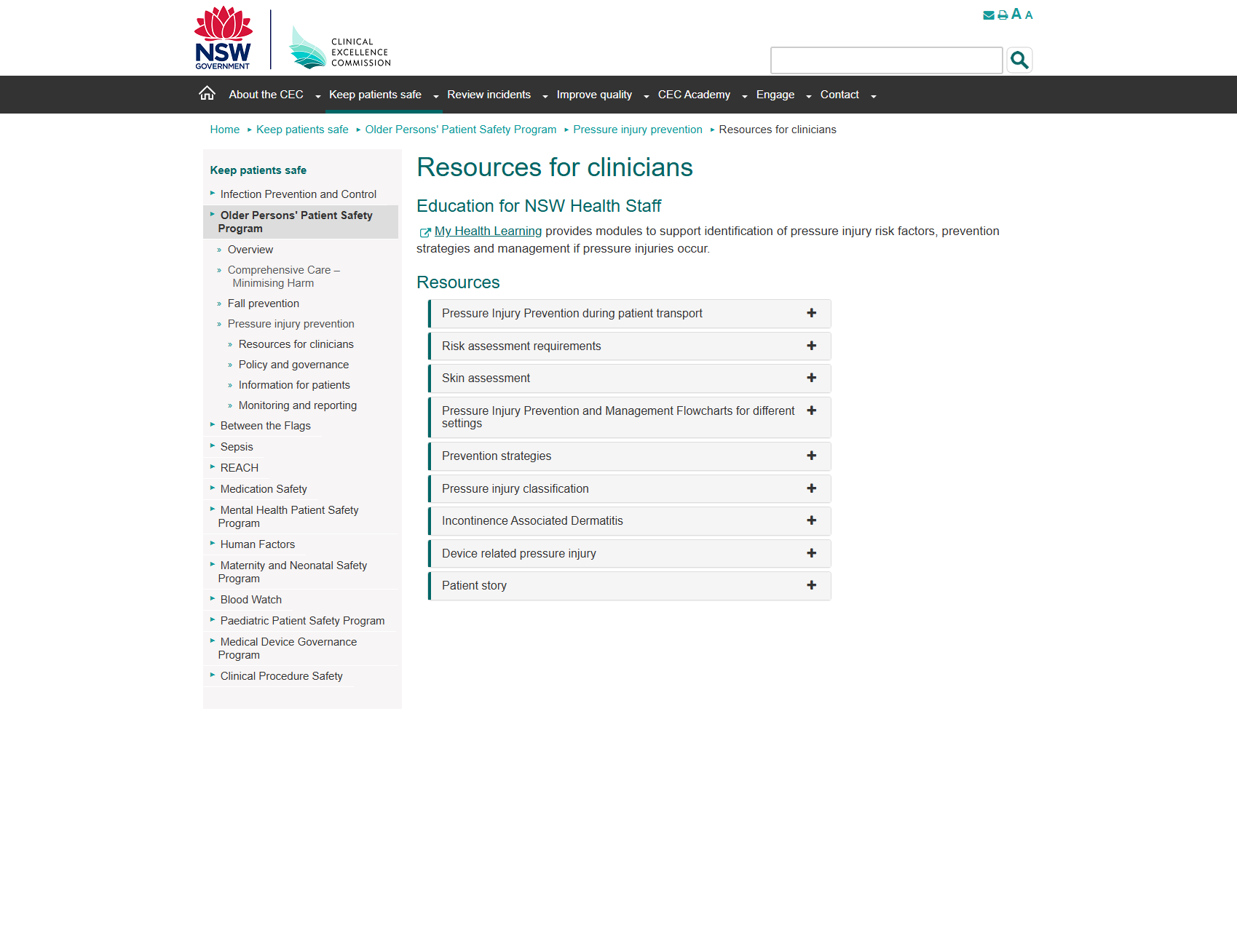
Pressure injury prevention - Resources for clinicians
This resource provides education and tools for clinicians on pressure injury prevention, including risk assessment, prevention strategies, and management protocols. It offers flowcharts, classifications, and case examples to support consistent care. This resource applies to healthcare contexts outside of aged care.
This resource was developed by a state/territory government or organisation and therefore its applicability and usefulness may be limited.
Nutrition and hydration - Eating well to prevent falls
This resource provides specifications for adult diets tailored to inpatient use in NSW hospitals, including allergy-specific and therapeutic requirements. Although intended for inpatients, it can serve as general guidance for dietitians and food service providers in creating meal plans for diverse health needs. This resource applies to healthcare contexts outside of aged care.
This resource was developed by a state/territory government or organisation and therefore its applicability and usefulness may be limited.
Bedrooms and privacy
This resource offers guidance on maintaining personal identity for people with dementia by fostering respect, independence, and communication. It suggests environmental and social modifications to enhance dignity, such as personalising spaces, supporting mobility, and addressing unmet needs.
This resource was developed by a state/territory government or organisation, and therefore its applicability and usefulness may be limited.
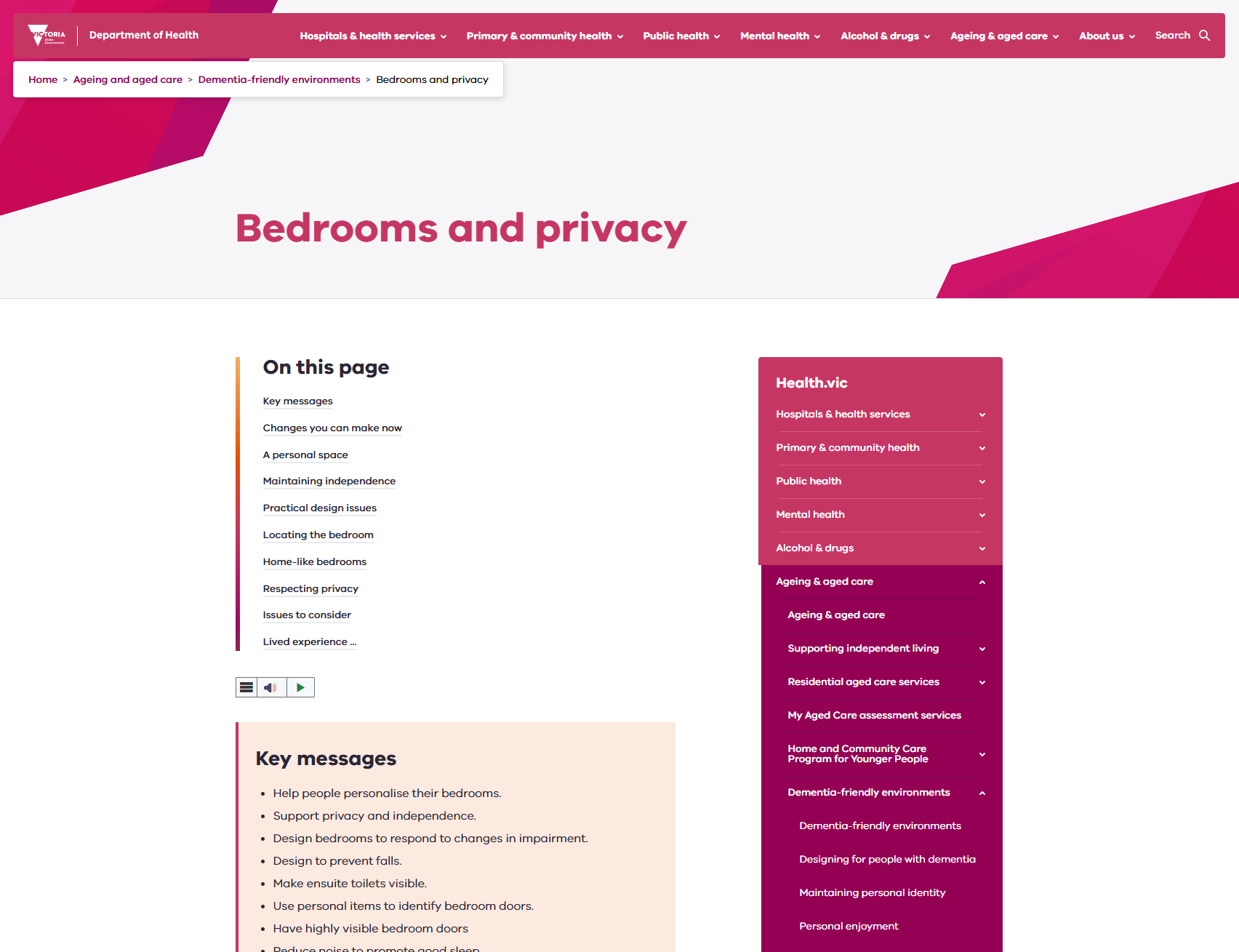
Resource sheets for workers – Social, emotional and cultural wellbeing online resources for Aboriginal and Torres Strait Islander People
This resource offers a collection of topic-based resource sheets for workers, covering wellbeing issues relevant to Aboriginal and Torres Strait Islander communities. It includes information on topics like alcohol, anxiety, cultural identity, depression, and trauma. The resources consist of videos, fact sheets, podcasts, apps, and websites to support practitioners and the wellbeing workforce.
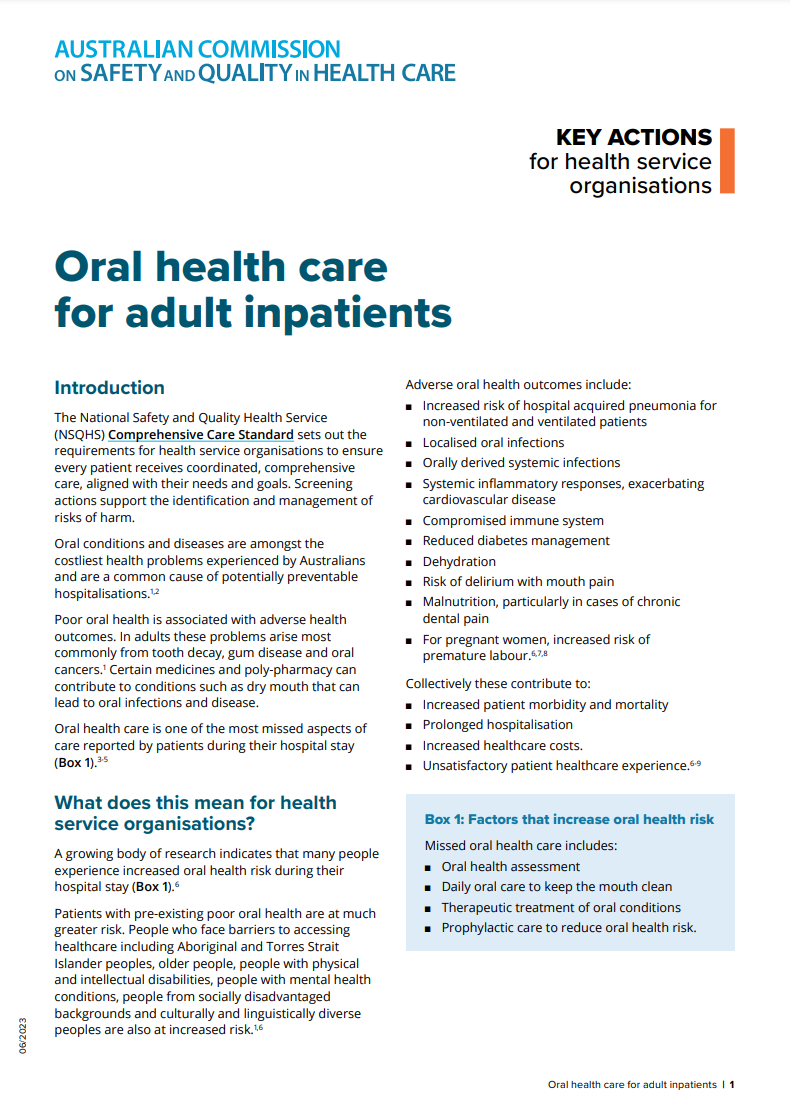
Fact sheet - Oral health care for adult inpatients
This resource provides guidance on oral health care for adult inpatients, aligning with the Comprehensive Care Standard. It outlines the importance of oral health assessment, daily care, infection control, and discharge planning to prevent adverse outcomes such as infections, dehydration, and malnutrition, enhancing patient experience and care quality.
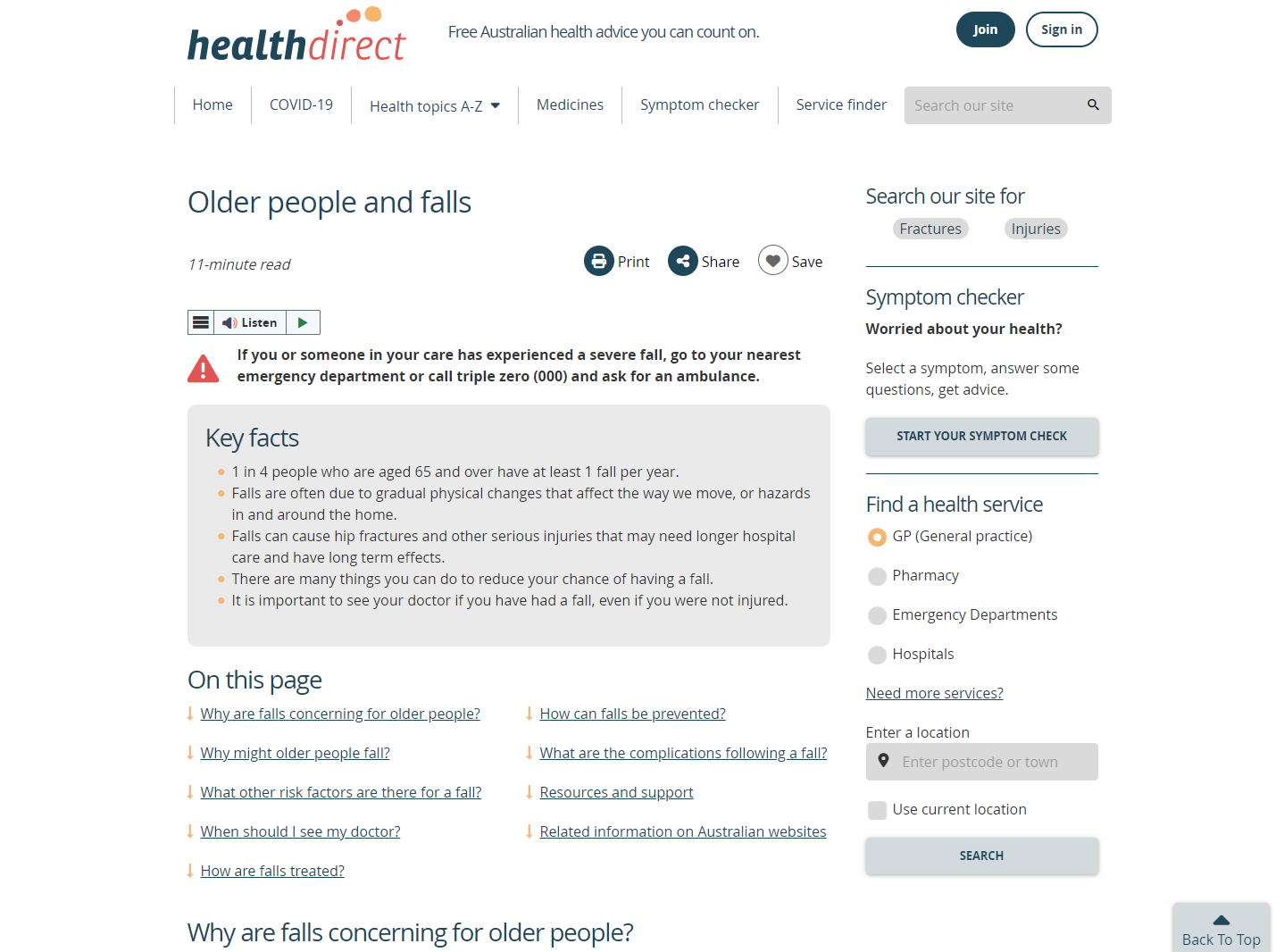
Older people and falls
This resource provides information on the causes, treatments, and prevention of falls in older people. It outlines risk factors, such as home hazards and health conditions, and offers practical tips for reducing falls, including lifestyle changes, home modifications, and medical assessments. The document emphasises the importance of fall prevention in aged care settings.
Chronic Obstructive Pulmonary Disease Clinical Care Standard
This Australian Commission on Safety and Quality in Health Care clinical care standards provides guidelines for managing chronic obstructive pulmonary disease (COPD) to reduce hospitalisations and improve outcomes. It includes quality statements, care indicators, and palliative care considerations to support best practices and enhance the quality of life for people with COPD. This resource may apply to healthcare contexts outside of aged care.
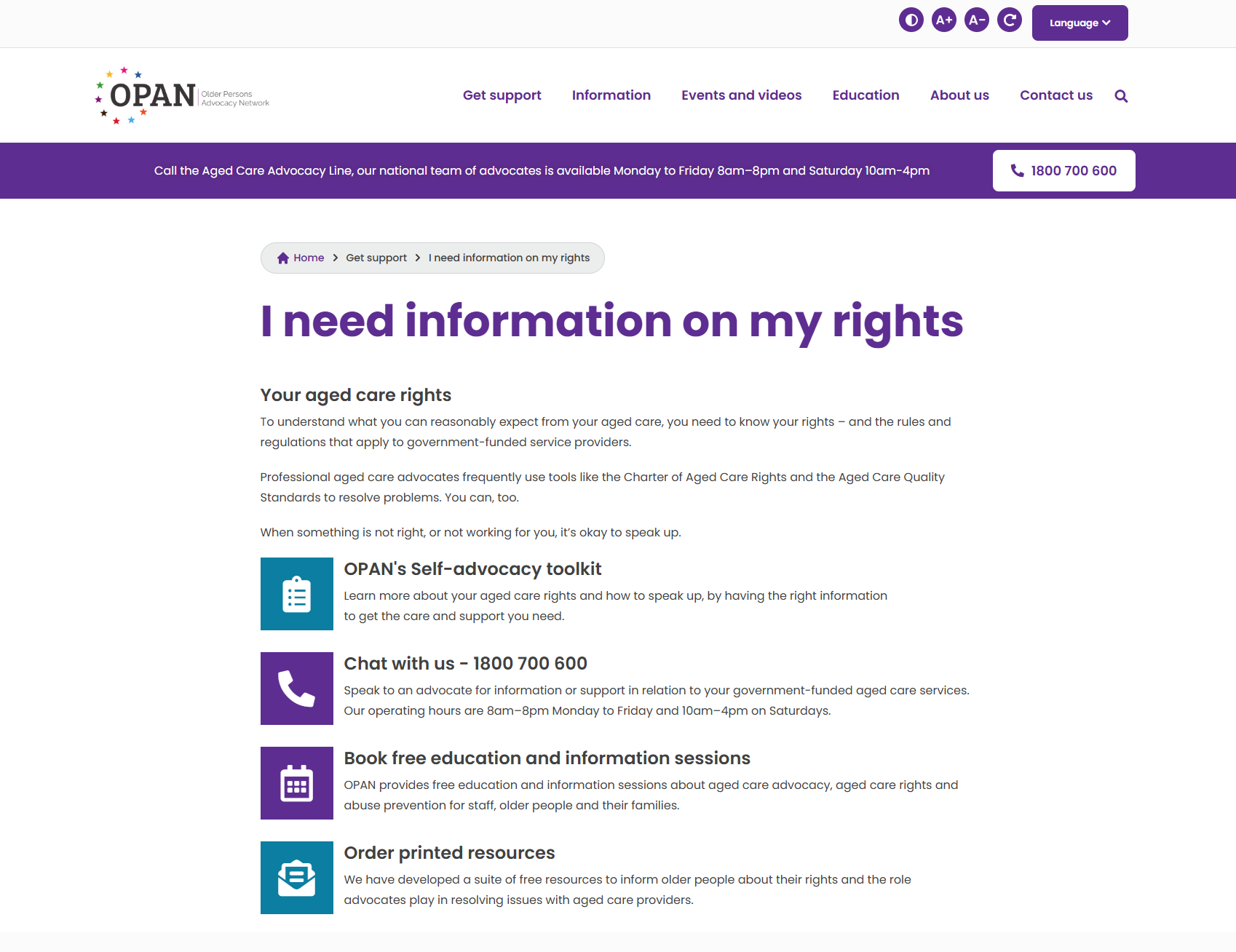
I need information on my rights
This resource provides information on aged care rights, including guidance on self-advocacy and accessing support. It offers resources, free educational sessions, and access to advocates for assistance with government-funded aged care services, empowering people to address concerns and understand their entitlements.
Protecting the Rights of Older Australians
This resource provides an overview of Australia’s approach to addressing the abuse of older people, including the National Plan, specialist services, awareness campaigns, and legal reforms. It aims to increase awareness, support prevention efforts, and offer accessible resources for those experiencing or at risk of abuse.
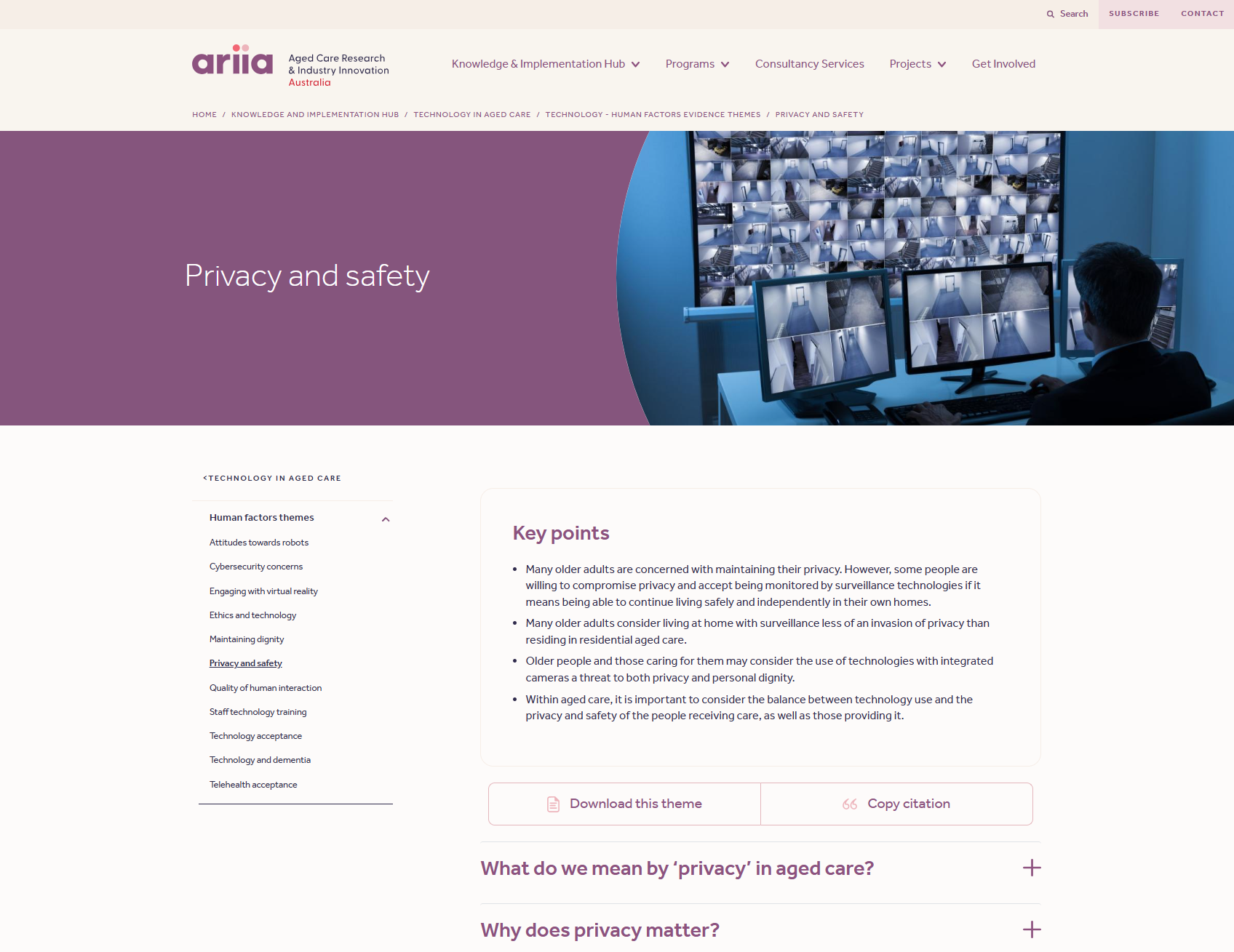
Privacy and safety
This resource addresses balancing privacy and safety for older people using technology in aged care. It highlights the importance of making sure surveillance technology supports independent living while respecting personal dignity, and it explores considerations for safety and privacy in care settings.
Wounds Australia
This resource provides information and resources on wound prevention and management. It offers clinical guidelines, educational materials, and support for health professionals, caregivers, and people affected by wounds. The focus is on best practices, evidence-based care, and promoting awareness to improve wound healing outcomes across various settings.
Vision Australia - Clinical tools and resources
This resource offers tools and information for clinicians supporting people with blindness or low vision across a range of settings including aged care. It includes free patient materials, brochures in multiple languages, fact sheets on eye conditions, case studies, tips on communication, assistive technology recommendations, and professional development webinars to enhance patient care and referral processes. This resource may apply to healthcare contexts outside of aged care. Please consider the applicability of this resource to your care setting.”
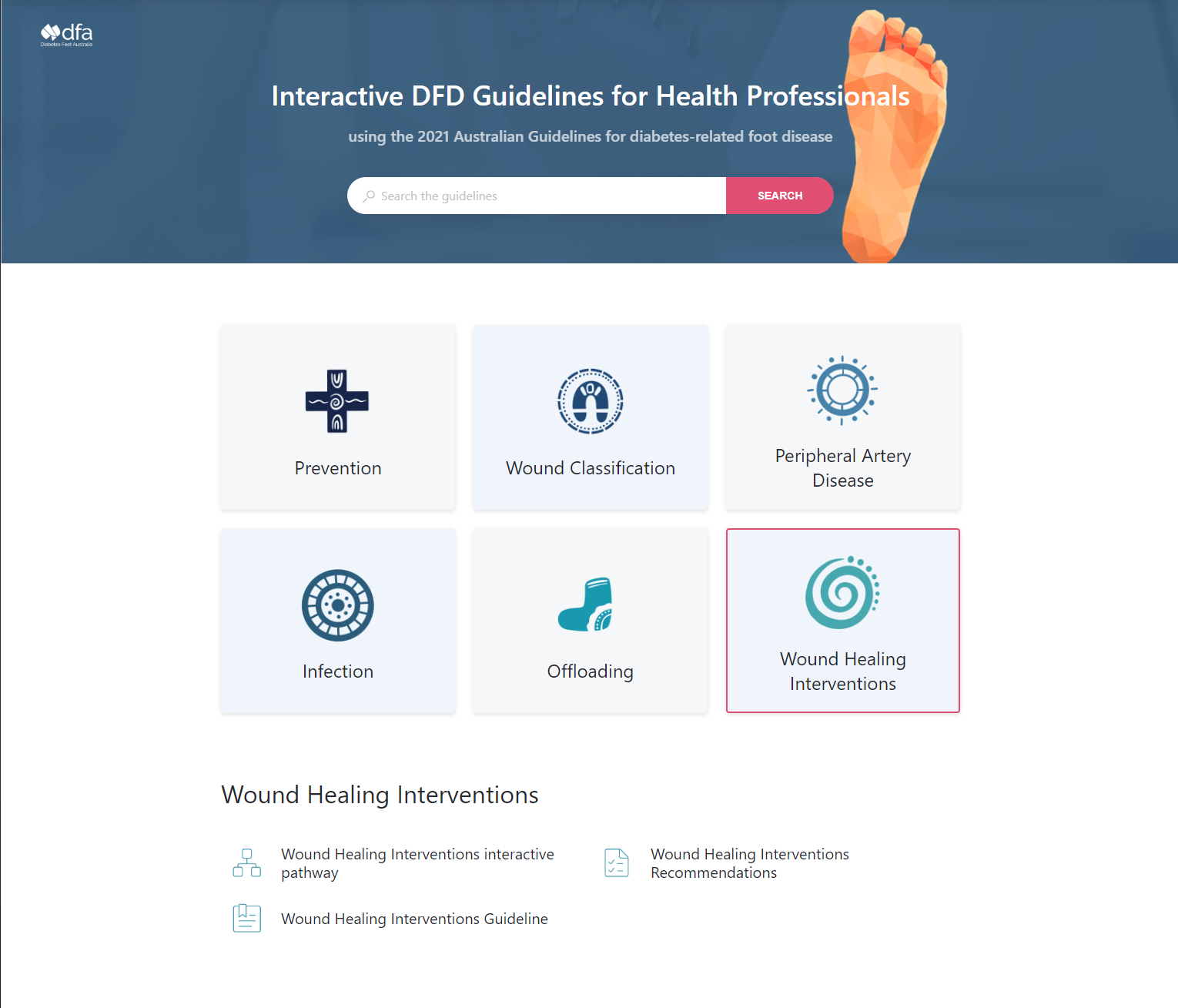
Wound Healing Interventions
This resource provides the 2021 Australian guidelines on wound healing interventions for diabetic foot disease (DFD) and foot ulcers (DFU). It includes evidence-based recommendations for healthcare professionals on appropriate practices, such as sharp debridement, exudate control, adjunctive treatments, and decision-making pathways to enhance wound healing and improve patient outcomes.
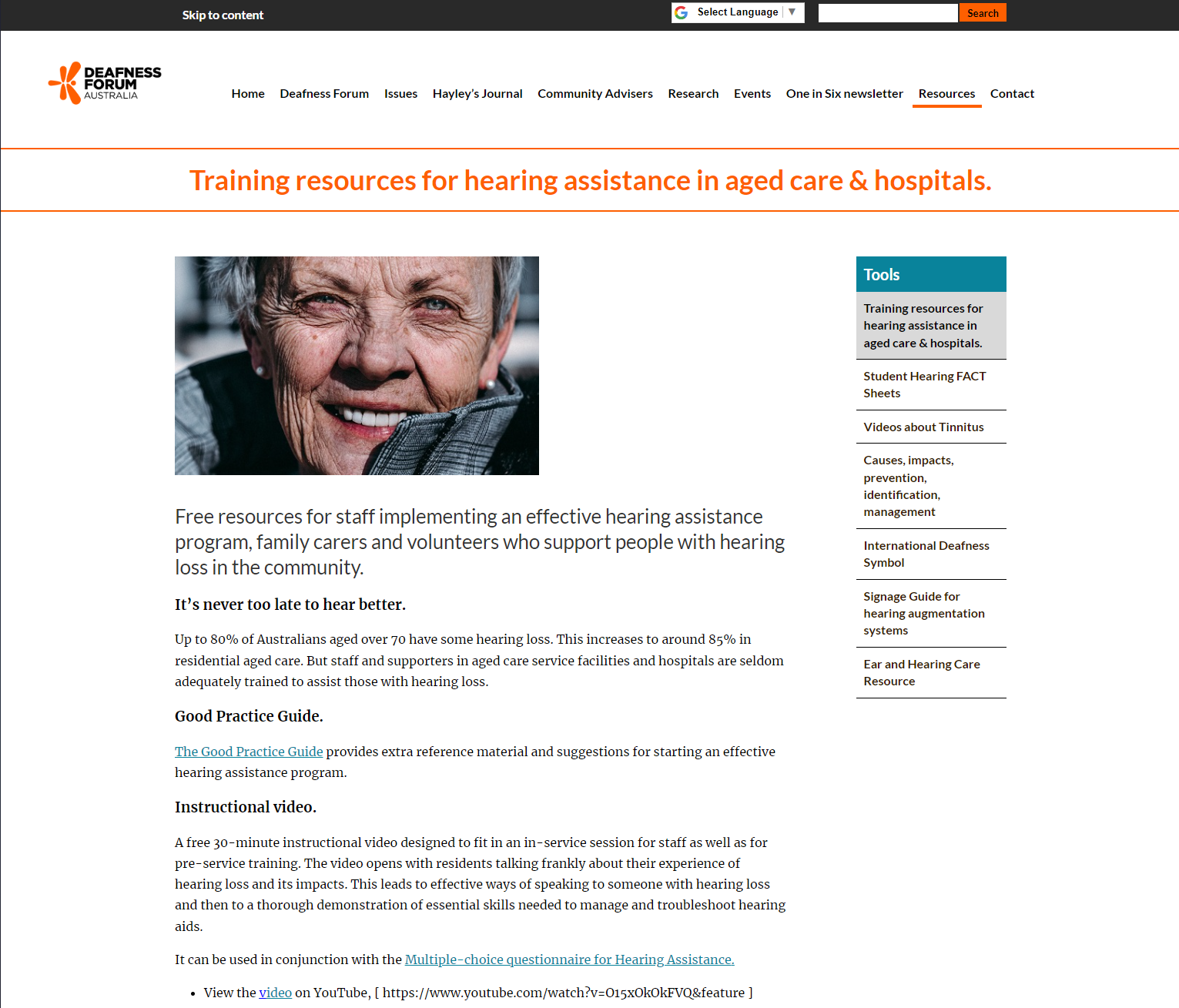
Training resources for hearing assistance in aged care & hospitals
This resource provides free training materials for hearing assistance in aged care and hospital settings. It includes a Good Practice Guide, instructional video, poster series, and training modules. The resources aim to equip staff, volunteers, and family carers with knowledge to support people with hearing loss effectively.
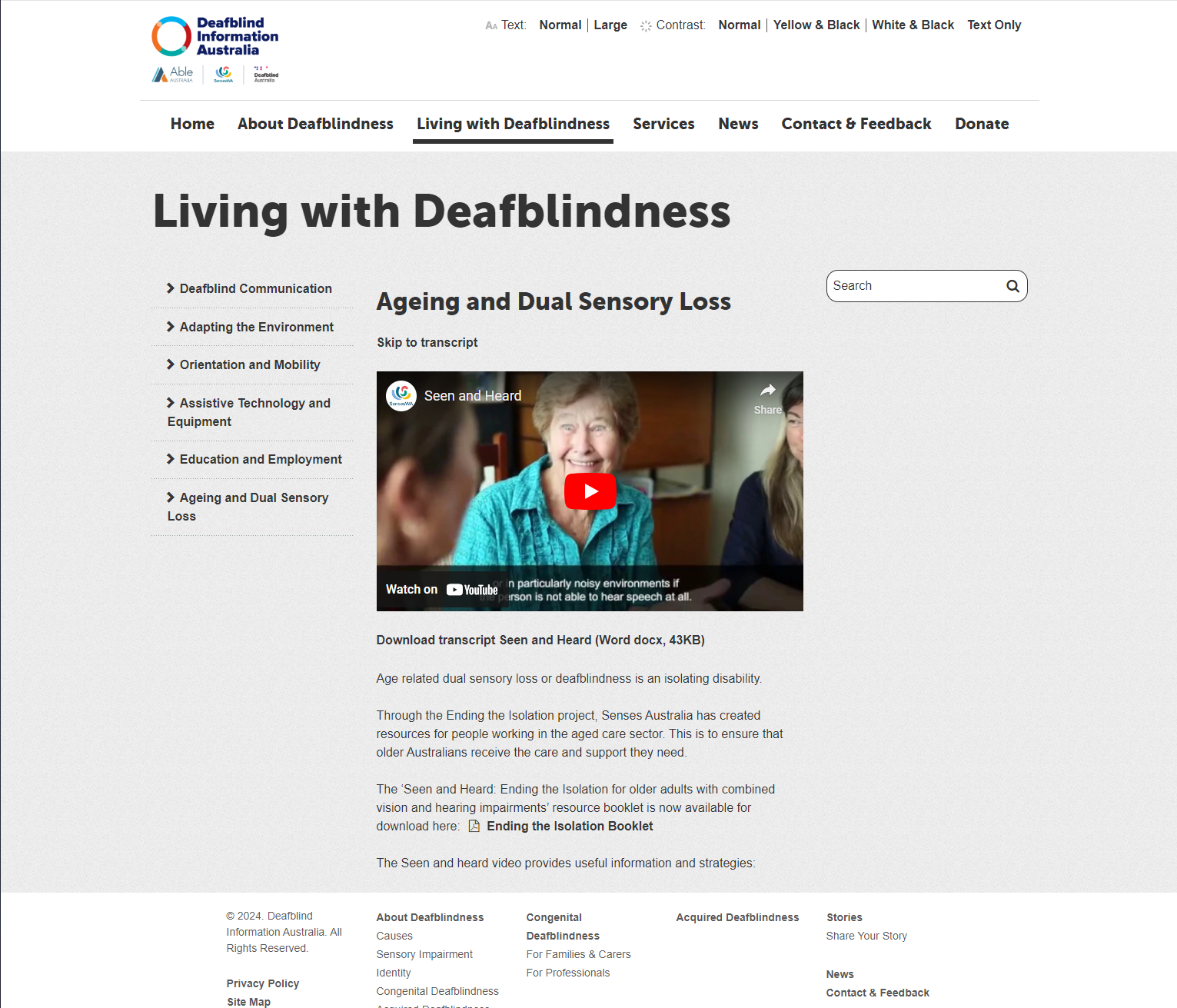
Ageing and dual sensory loss
This resource provides information and strategies for supporting older adults with age-related dual sensory loss or deafblindness. It includes a resource booklet and video developed to help aged care workers understand and address the needs of people with combined vision and hearing impairments to reduce isolation and enhance care.
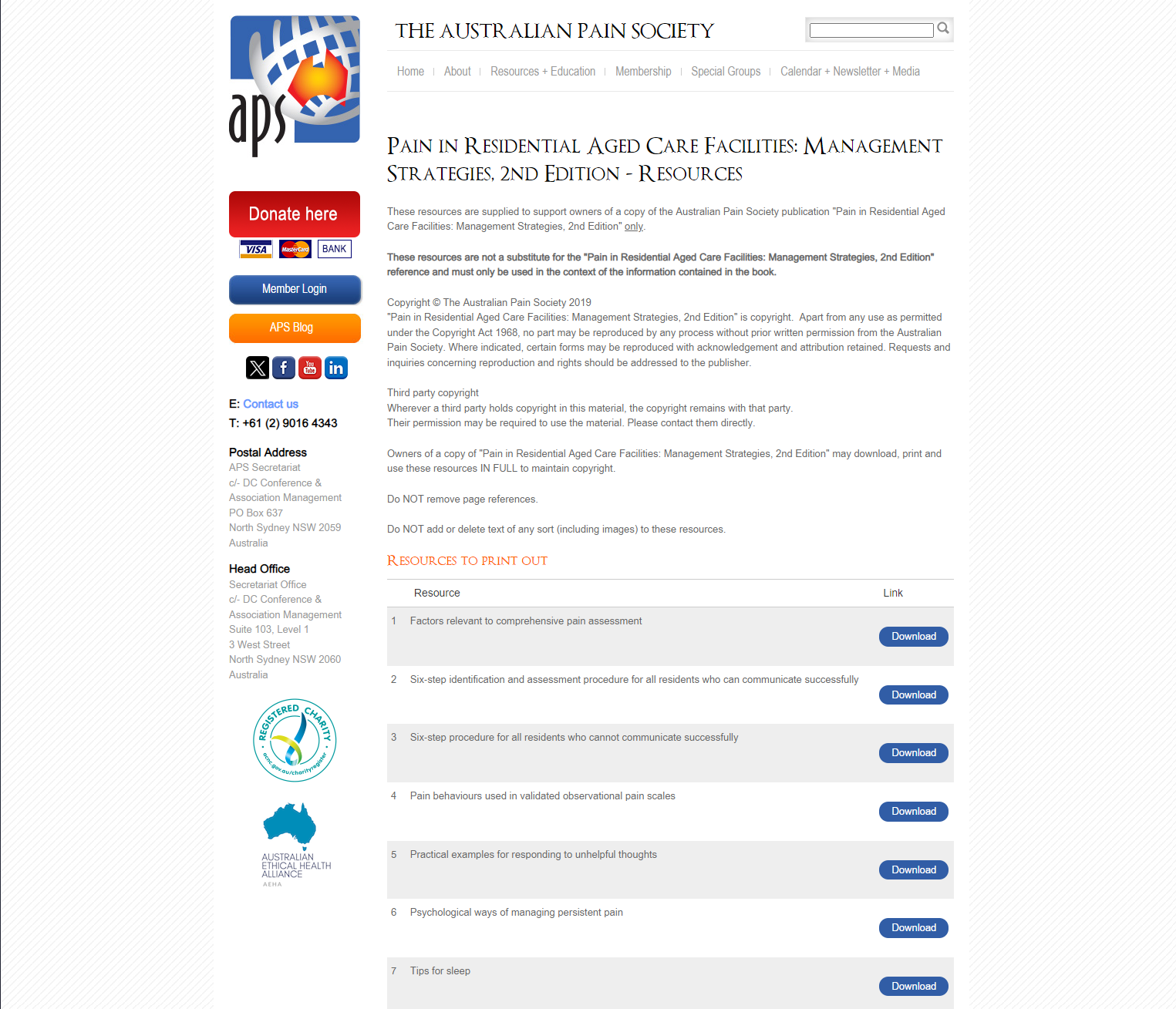
Pain in Residential Aged Care Facilities: Management Strategies - Resources
This resource provides downloadable tools to support the management of pain in residential aged care facilities. It covers comprehensive pain assessment, pain management strategies for communicative and non-communicative residents, complementary therapies, opioid considerations, and quality indicators, aiming to enhance care practices and improve residents' quality of life.
Mob Smiles - Resources and articles created for Aboriginal and Torres Strait Islander Australians
This resource, Mob Smiles, provides culturally appropriate oral health information for Aboriginal and Torres Strait Islander people. It includes brochures, posters, and fact sheets tailored for different life stages such as children, teenagers, elders, and pregnant women. The content focuses on dental care, healthy habits, and oral health education.