The Quality Standards Resource Centre helps extend understanding of the strengthened Aged Care Quality Standards, which take effect from 1 November 2025. The Resource Centre will be updated to reflect key changes made to the draft strengthened Standards. You can search for resources by using keywords, or filtering by standard, outcome, audience and theme. Before using the Resource Centre, please read the terms of use.
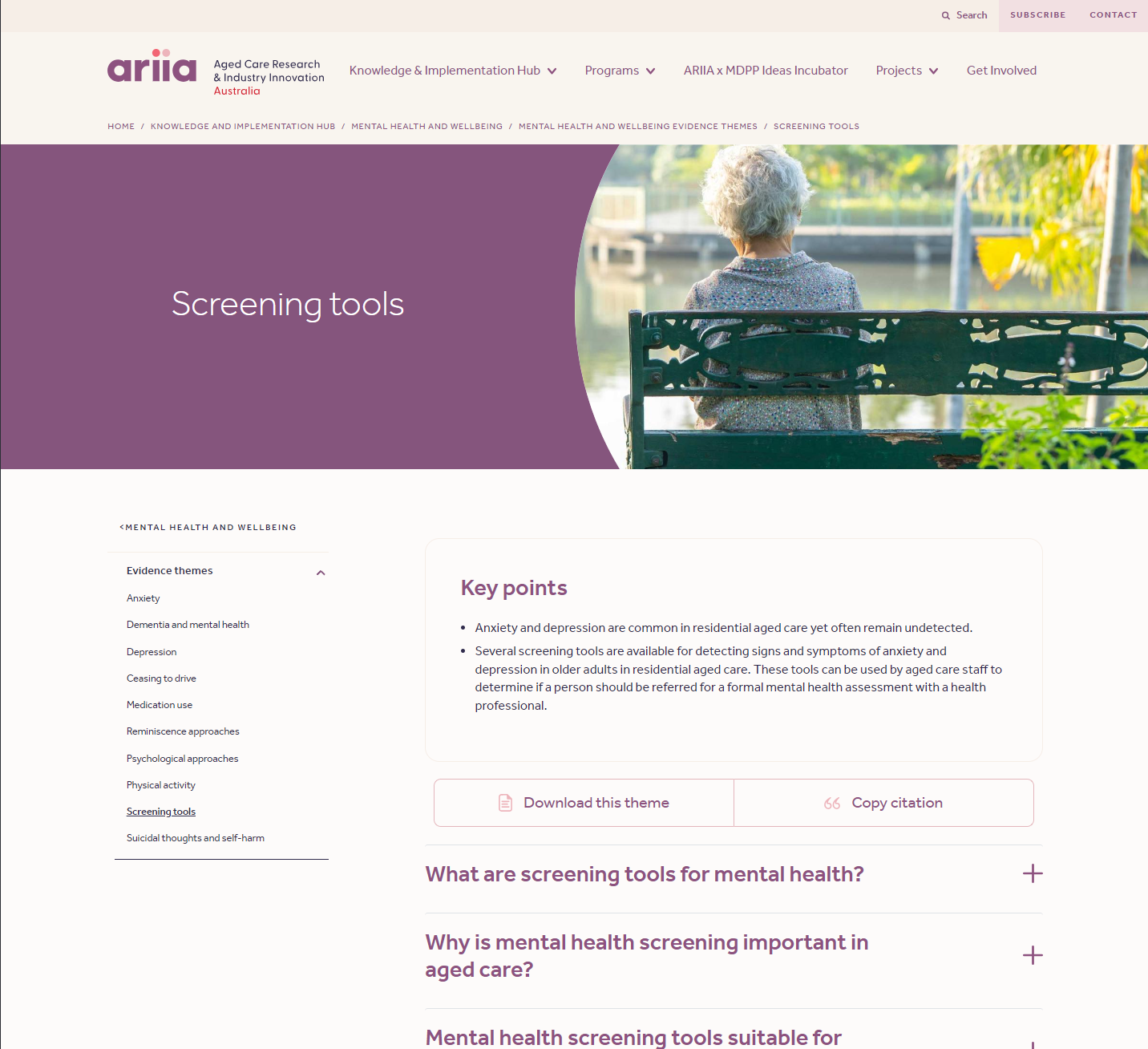
Mental health and wellbeing - Screening tools
This resource covers screening tools for detecting anxiety and depression in older adults, especially in residential aged care. It discusses the importance of mental health screening, steps individuals and organisations can take, choosing appropriate tools, and highlights tools such as the Geriatric Depression Scale and Cornell Scale for Depression in Dementia. It emphasises early detection and routine mental health screening in aged care.
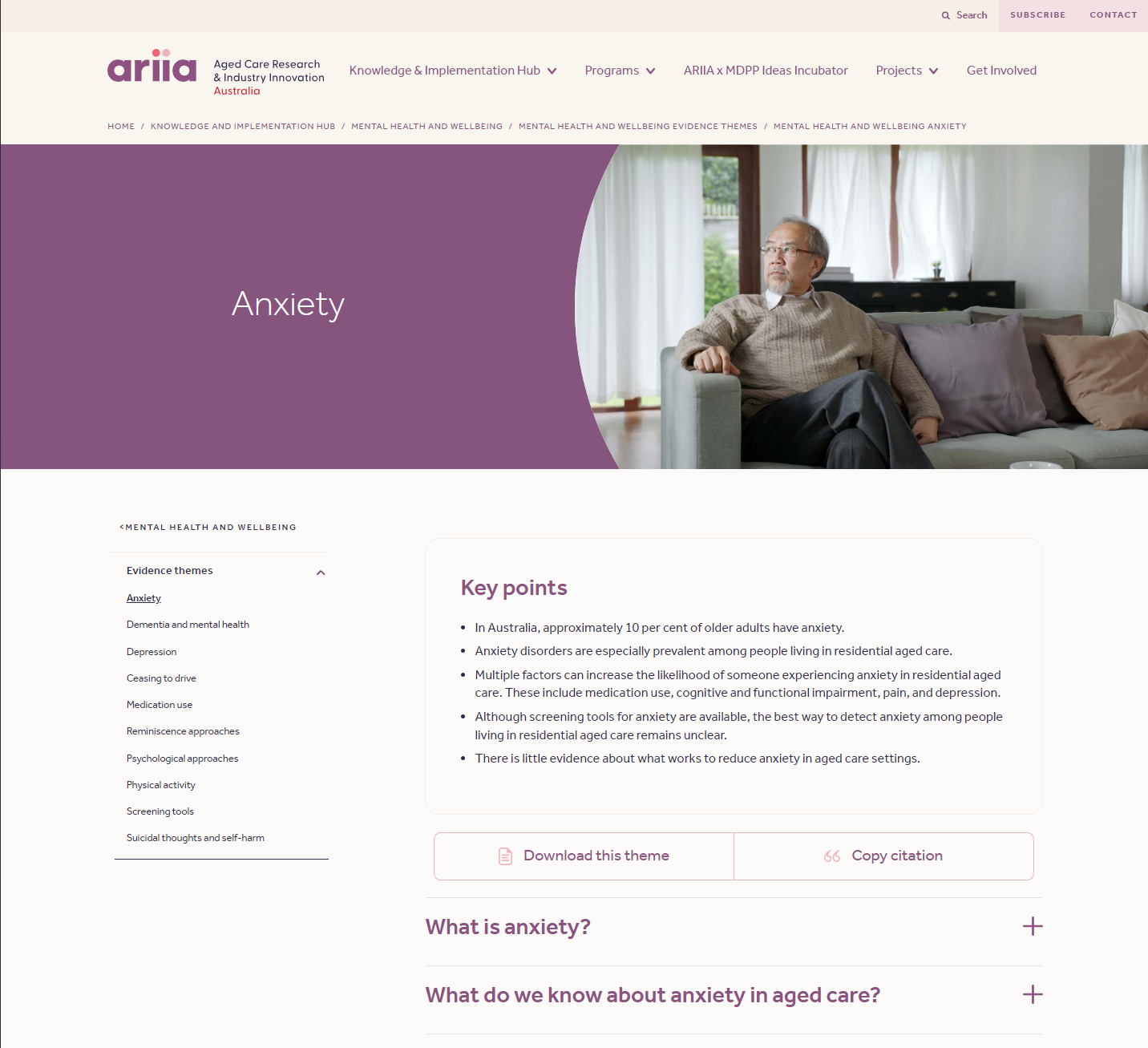
Mental health and wellbeing - Anxiety
This resource provides information on anxiety among older adults, especially those in residential aged care. It outlines risk factors, detection tools, and effectiveness of non-pharmacological interventions such as reminiscence therapy and cognitive behavioural therapy. It also provides guidance on what both individuals and organisations can do to prevent and manage anxiety effectively.
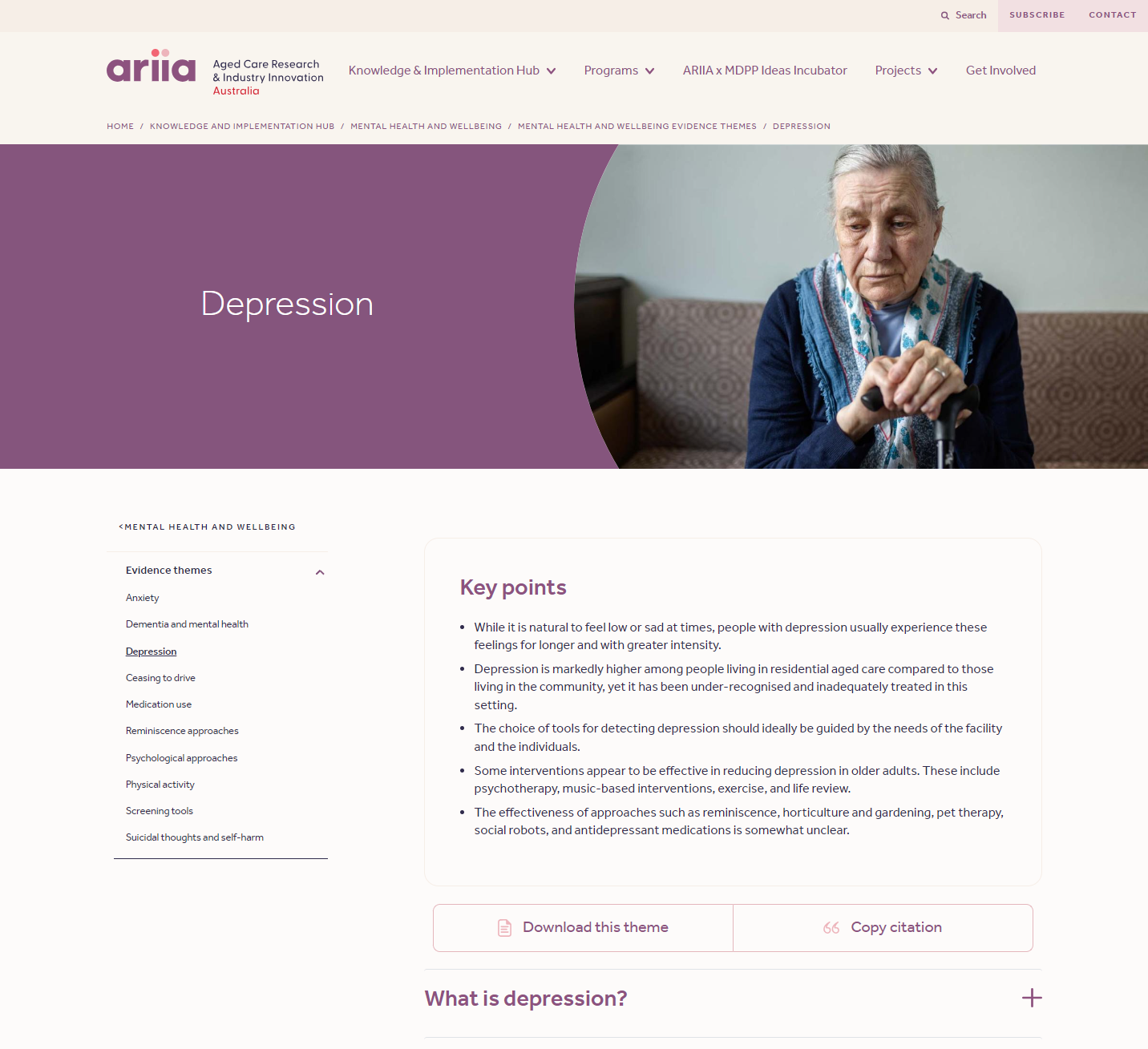
Mental health and wellbeing - Depression
This resource provides information on depression in older adults, particularly in residential aged care. It discusses risk factors, detection tools, and treatment approaches, including psychotherapy, music-based interventions, and exercise. It also provides guidance on what both individuals and organisations can do to prevent and manage depression effectively.
Diet and nutrition health advice
This resource provides evidence-based diet and nutrition advice to support healthy communities. It includes articles on various diets, managing health conditions, and guidelines for healthy eating across different life stages. The resource also offers guidance on when to consult a dietitian for personalised nutrition planning and support.
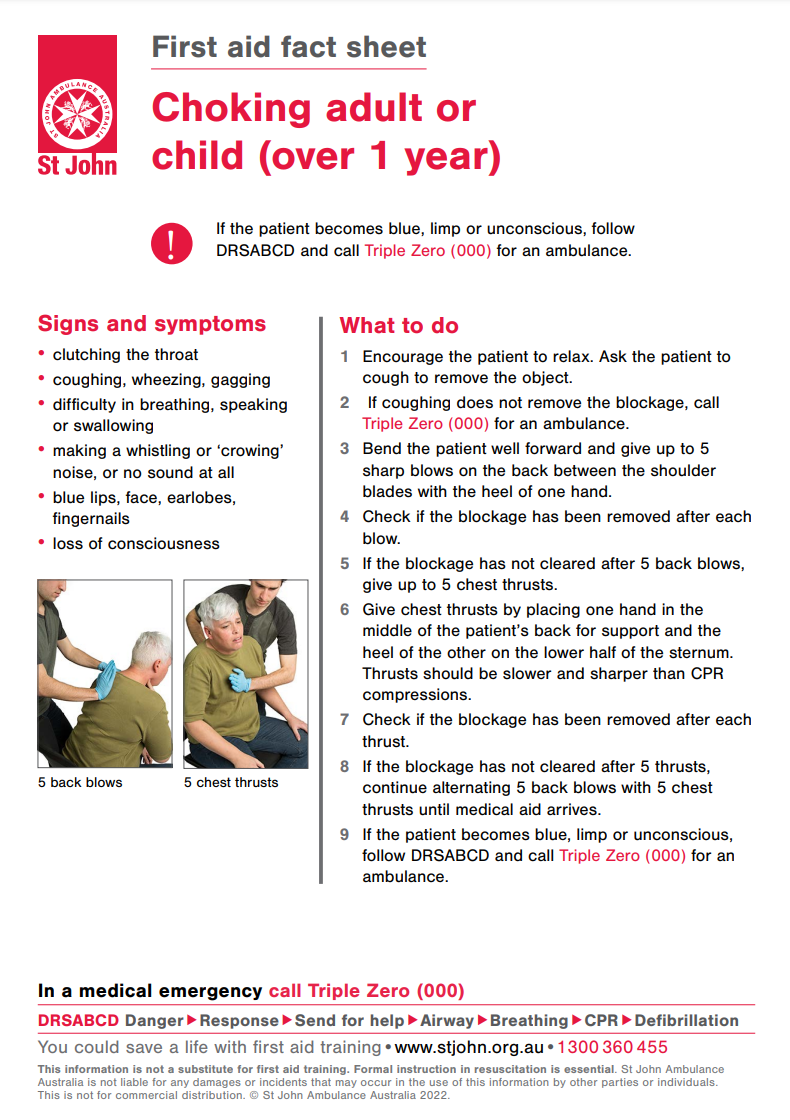
First aid fact sheet - Choking adult or child (over 1 year)
This fact sheet provides first aid instructions for choking in adults or children over one year. It details recognising choking symptoms and steps for emergency care and guidance to call emergency services if necessary.
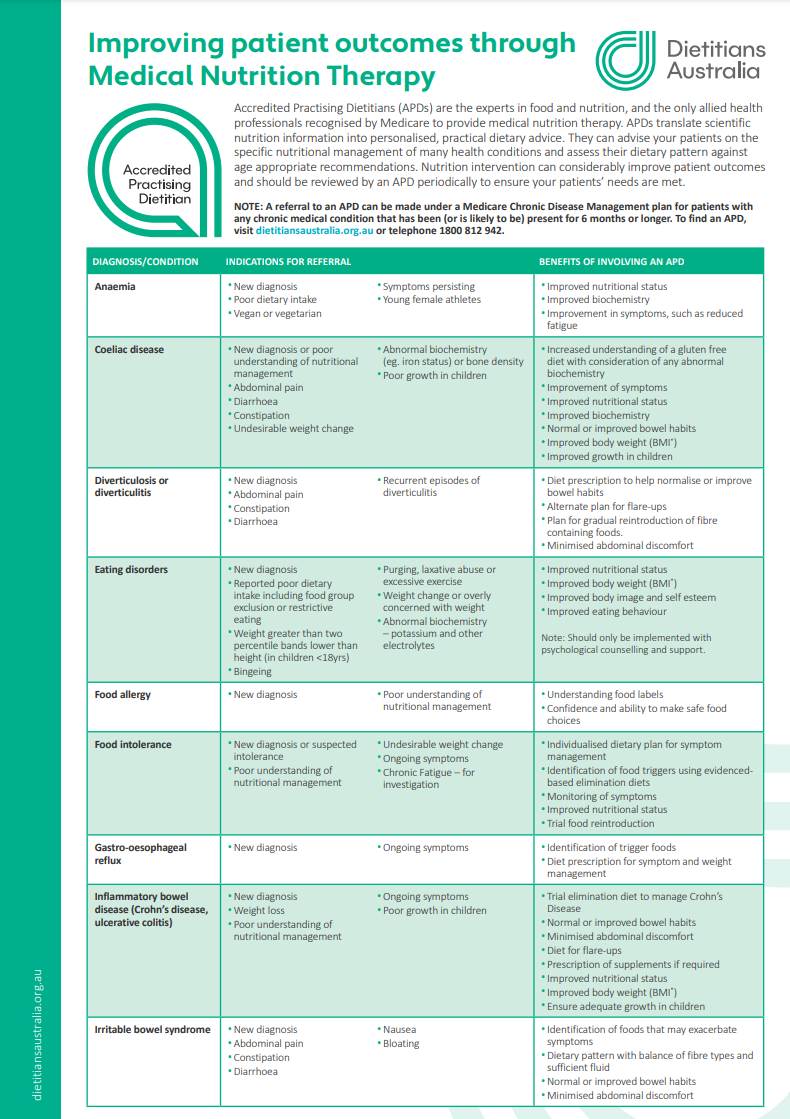
Improving patient outcomes through Medical Nutrition Therapy
This resource outlines the role of Accredited Practising Dietitians (APDs) in medical nutrition therapy across various health conditions, including those common in aged care. It includes indications for referral to an APD and highlights benefits such as improved nutritional status, symptom management, and enhanced health outcomes. This resource may apply to healthcare contexts outside of aged care. Please consider the applicability of this resource to your care setting.
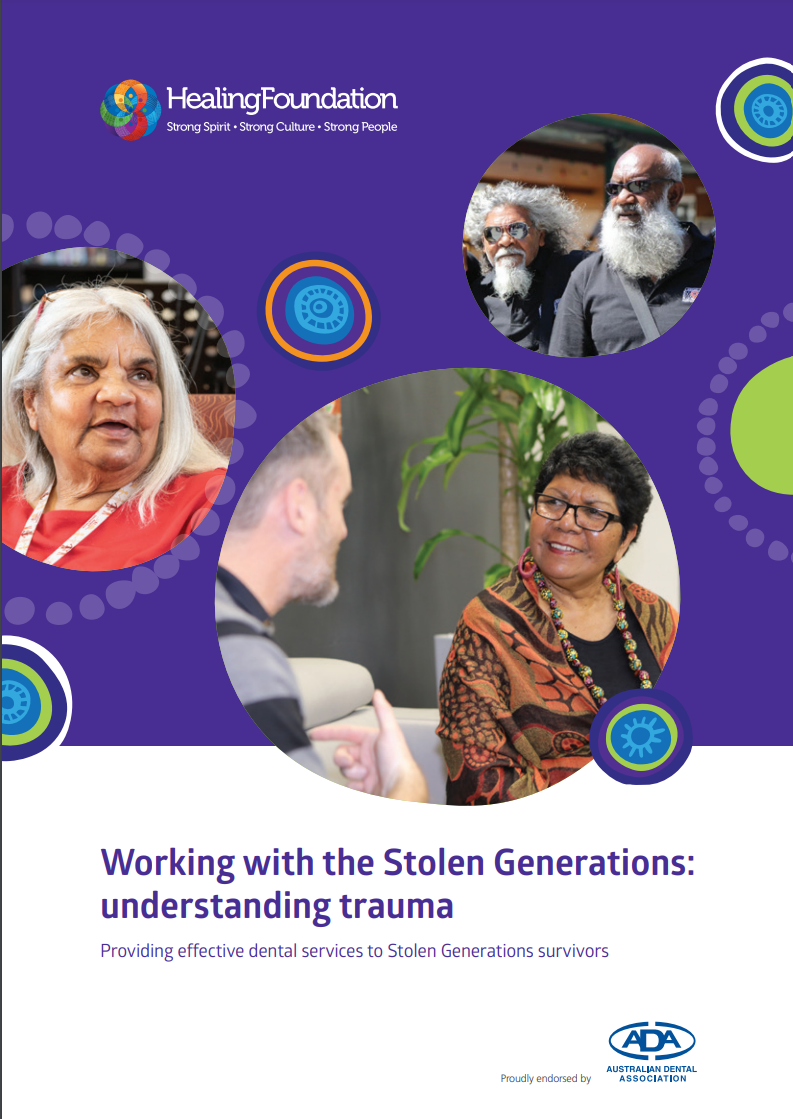
Working with the Stolen Generations: understanding trauma - Providing effective dental services to Stolen Generation survivors
This resource is a fact sheet providing guidance for dental staff when working with Stolen Generations survivors. It discusses understanding trauma, effective communication, addressing potential triggers in clinical settings, and respecting cultural sensitivities. It includes practical tips on culturally safe practices to support the specific needs of this community.
Resources for Aboriginal and Torres Strait Islander Mental Health and Wellbeing
This resource provides a variety of documents and resources to support the mental health and wellbeing of Aboriginal and Torres Strait Islander peoples. It covers topics including leadership in mental health, culturally safe practices, social and emotional wellbeing, suicide prevention, and strategic policy frameworks, offering tools for health professionals and communities.
Abbey Pain Scale
This resource introduces the Abbey Pain Scale, a non-verbal pain assessment tool designed for identifying pain in people living with dementia. It aids healthcare professionals in recognising pain behaviours in those unable to communicate their needs effectively, supporting timely and appropriate pain management interventions.
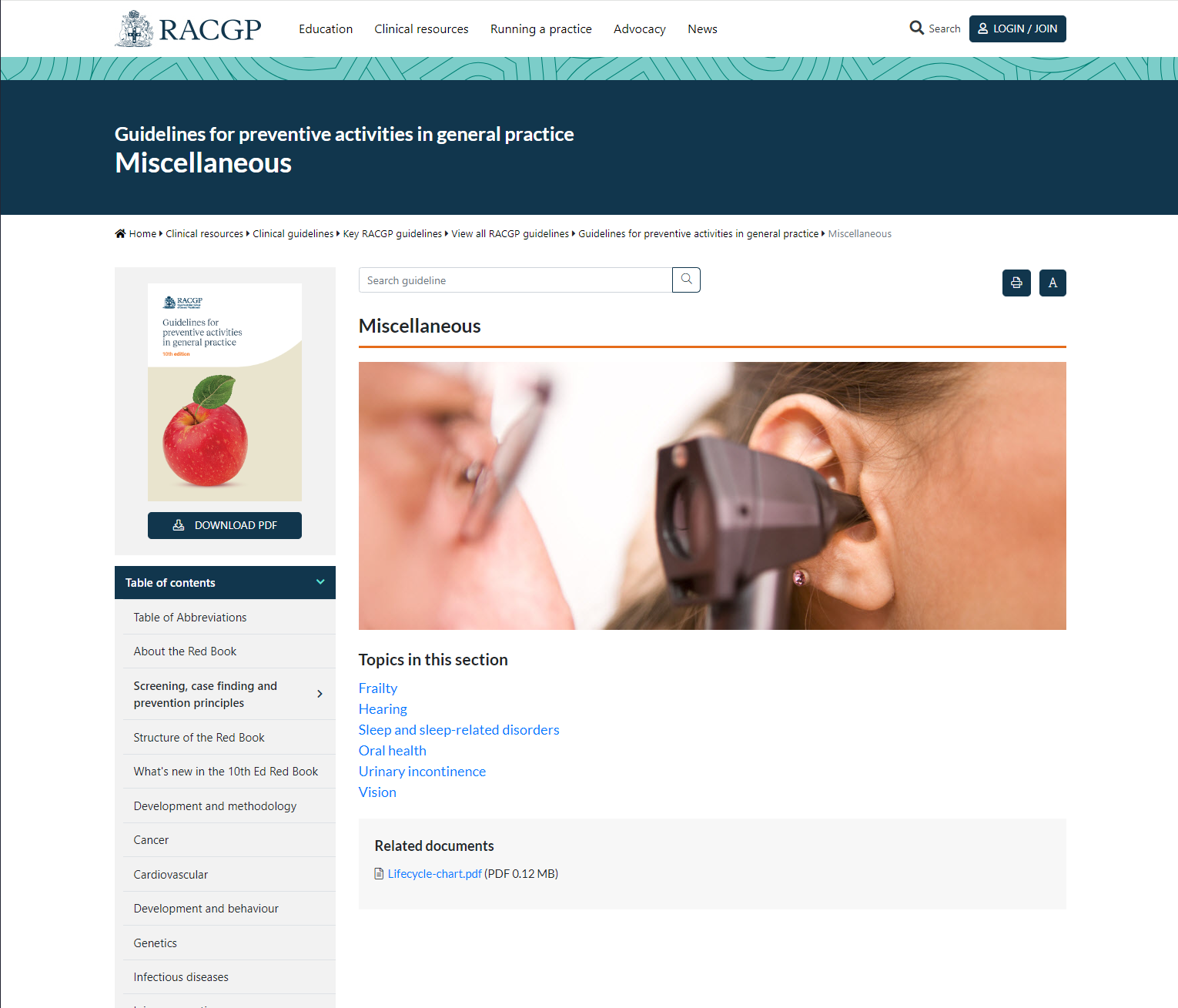
RACGP Guidelines for preventive activities in general practice - Miscellaneous
This resource provides guidelines for preventive activities in general practice, covering frailty, hearing, sleep disorders, oral health, urinary incontinence, and vision.
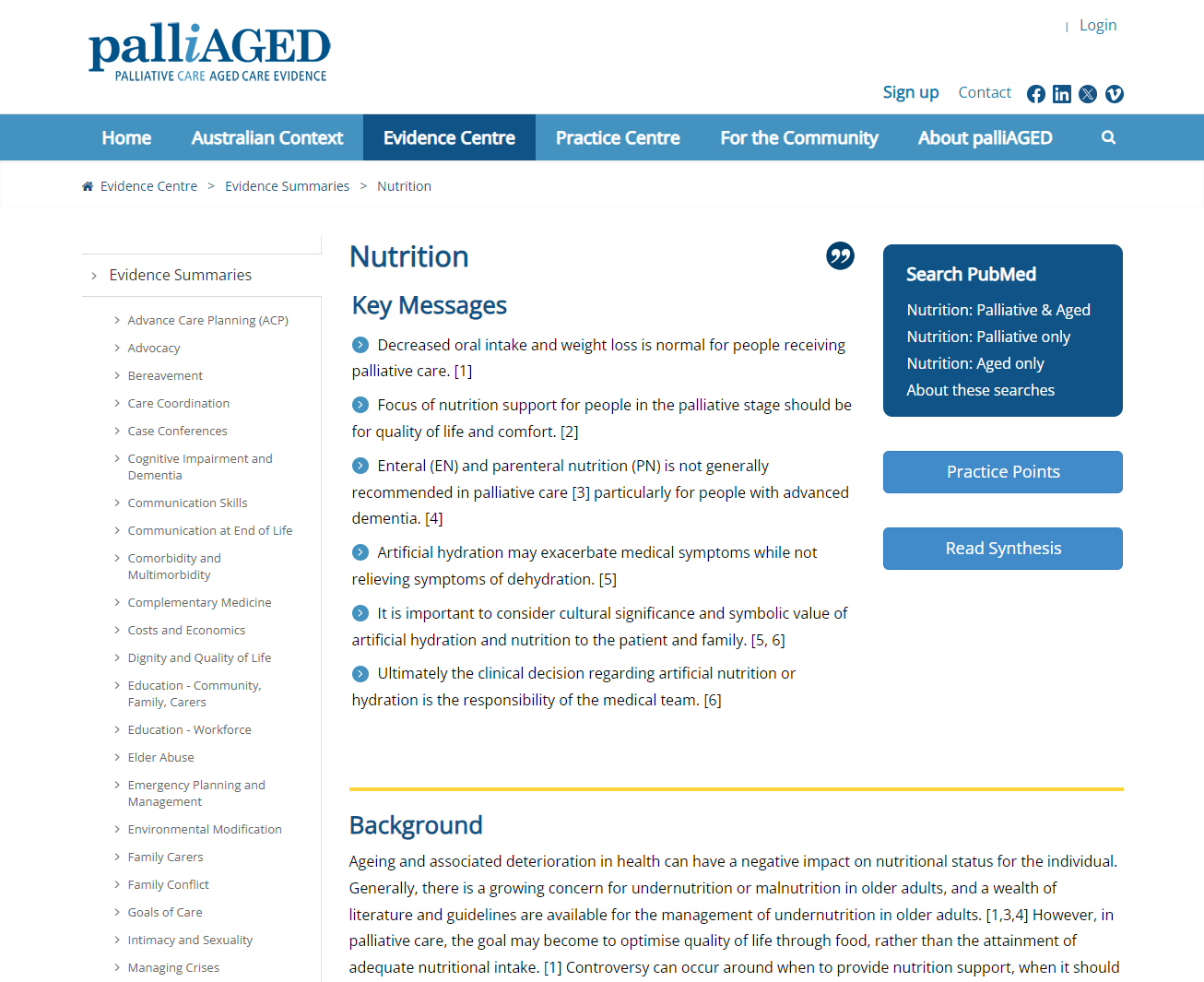
Nutrition
This resource provides guidance on nutrition for people in palliative care. It highlights the importance of prioritising comfort and quality of life over nutritional intake. It discusses oral intake, artificial hydration, and medically assisted nutrition, emphasising communication with families and cultural considerations when managing nutrition and hydration at the end of life.
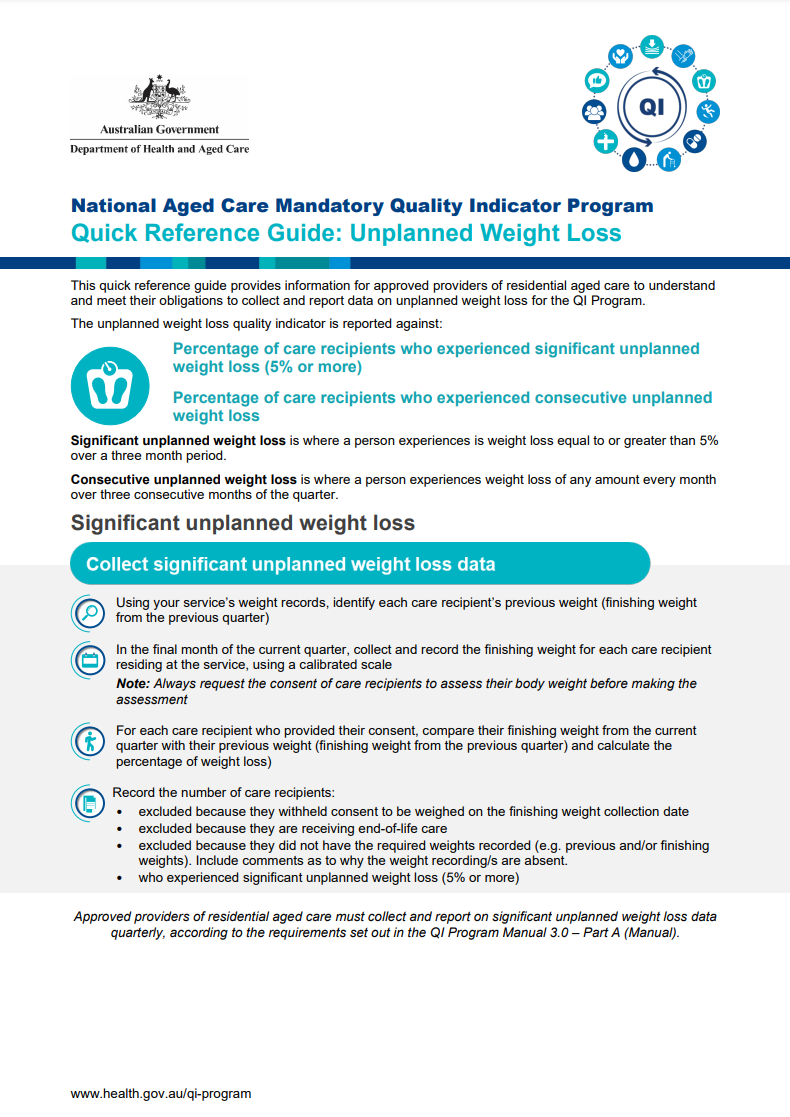
QI Program quick reference guide – Unplanned weight loss
This resource provides a quick reference guide for approved aged care providers on collecting and reporting data related to unplanned weight loss as part of the National Aged Care Mandatory Quality Indicator Program. It outlines reporting requirements for significant and consecutive unplanned weight loss and offers guidance on how to track and submit data quarterly. This resource may refer to information that will be updated from 1 November 2025 to align with the new Aged Care Act and Quality Standards.
NSQMHCMO Standards Guide for Service Providers
This guide helps service providers implement the National Safety and Quality Mental Health Standards for Community Managed Organisations. It covers governance, care models, and quality systems. While focused on mental health services, elements like governance and quality may be relevant to aged care. This resource may refer to information that will be updated from 1 November 2025 to align with the new Aged Care Act and Quality Standards.
Aboriginal and Torres Strait Islander mental health program
This resource provides information on a mental health program for Aboriginal and Torres Strait Islander people. It includes funding for culturally appropriate mental health services, offering psychological therapies, complex care, and clinical coordination. The program integrates with other services such as drug and alcohol support and suicide prevention initiatives.
This resource may refer to information that will be updated from 1 July 2025 to align with the new Aged Care Act and Quality Standards.
RACGP aged care clinical guide (Silver Book) - Part A - Infection and sepsis
This guide provides information on preventing and managing infections and sepsis in aged care settings. It includes recommendations on vaccination, antibiotic stewardship, recognising symptoms, and managing conditions such as respiratory, urinary tract, skin, and gastrointestinal infections. It also covers risk assessment, treatment considerations, and the role of general practitioners in infection control.
Aseptic technique
This resource provides information on aseptic techniques to support service provides adapt practices to protect patients from healthcare-associated infections and healthcare workers from contact with blood, body fluid and body tissue. It provides guides for implementation, principles of aseptic technique and safe use of chlorhexidine.
This resource may refer to information that will be updated from 1 July 2025 to align with the new Aged Care Act and Quality Standards.
AMR - Antimicrobial resistance
The AMR provides information on antimicrobial resistance and it's threats to human and animal health. It contains information on how to reduce it's spread, news, AMR resources and other resources on antimicrobial resistance.
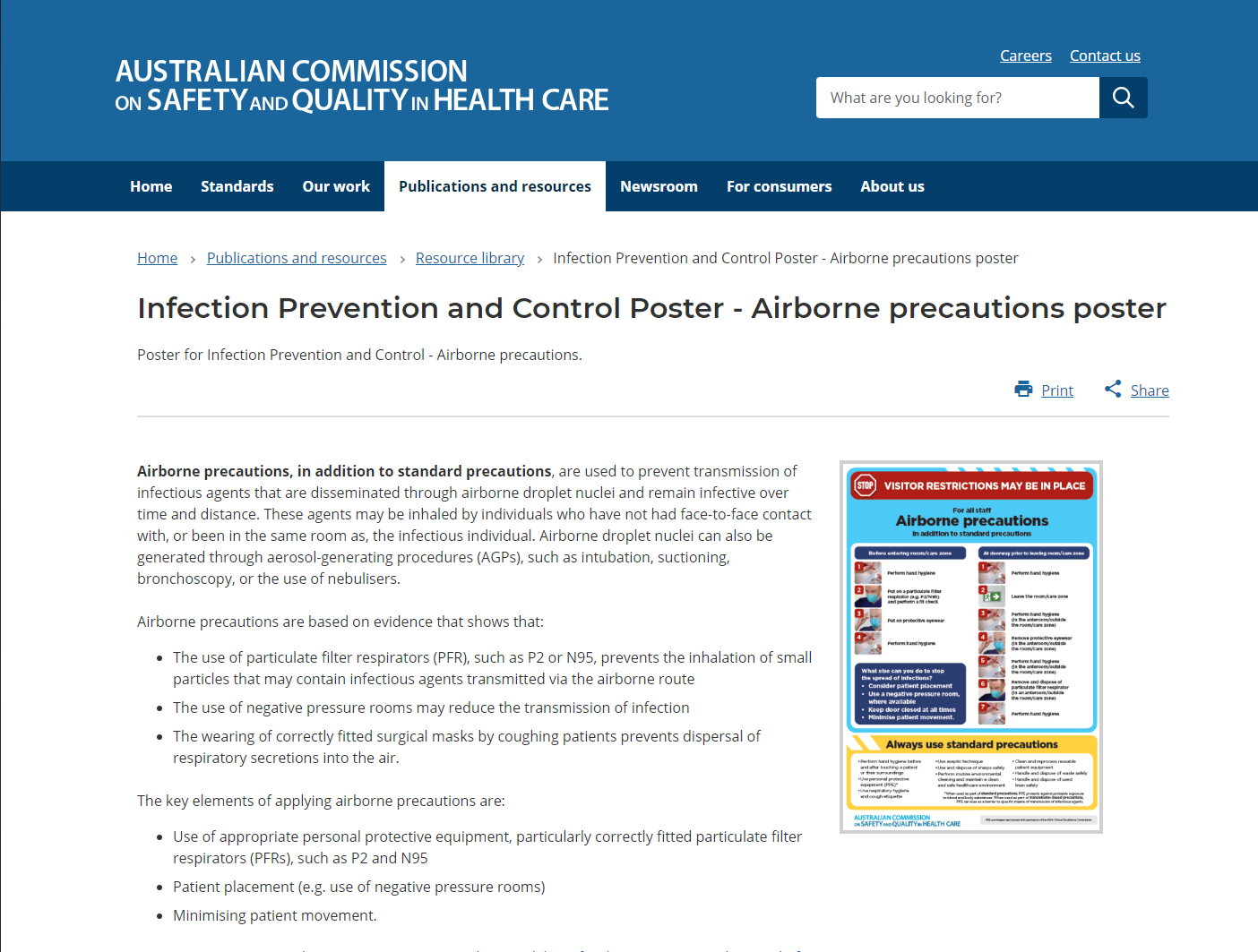
Infection Prevention and Control Poster - Airborne precautions poster
This poster outlines airborne precautions, in addition to standard precautions, for infection prevention and control. It provides guidance on preventing transmission of infectious agents through airborne droplet nuclei using personal protective equipment (PPE), negative pressure rooms, and limiting patient movement to reduce infection risks.
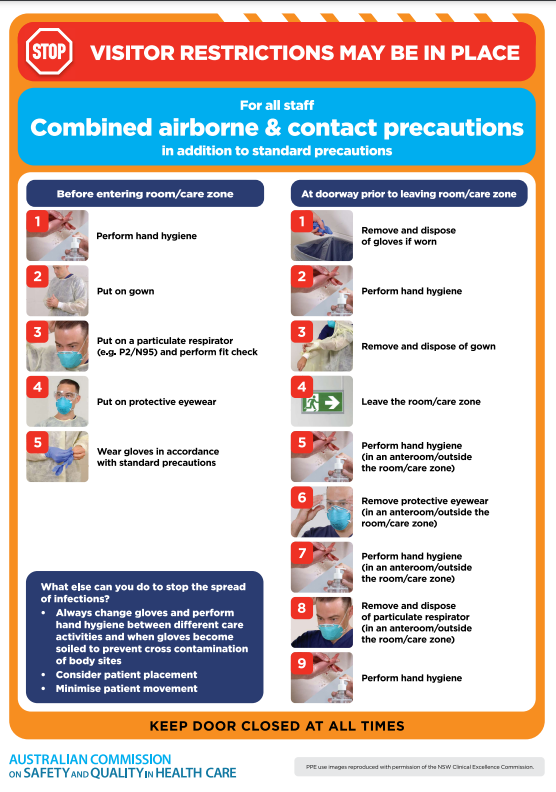
Infection Prevention and Control Poster – Combined airborne and contact precautions
This poster provides guidance on combined airborne and contact precautions for infection prevention and control. It includes information on using personal protective equipment (PPE) and other measures to minimise the spread of infectious agents transmitted through both airborne particles and direct contact.
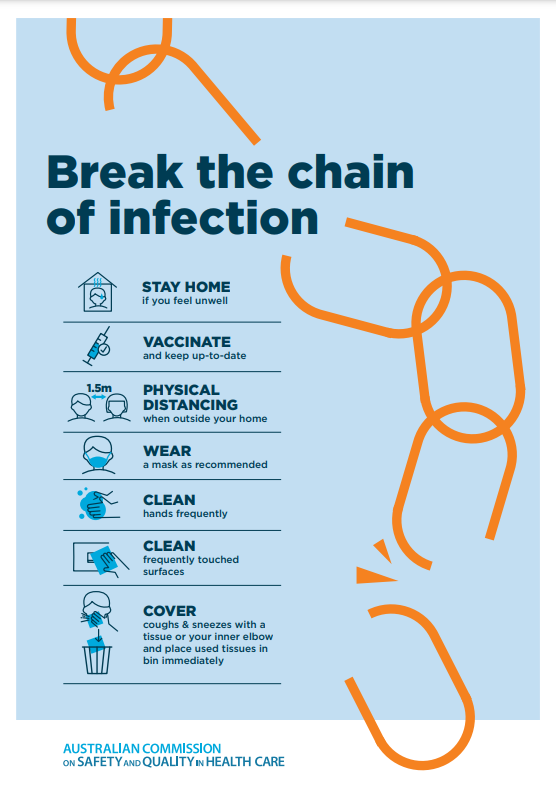
Break The Chain of Infection Poster
This poster outlines key steps to break the chain of infection, including staying home if unwell, physical distancing, frequent handwashing, cleaning surfaces, and covering coughs or sneezes. It aims to prevent the spread of respiratory infections and supports infection prevention practices in healthcare settings.