The Quality Standards Resource Centre helps extend understanding of the strengthened Aged Care Quality Standards, which take effect from 1 November 2025. The Resource Centre will be updated to reflect key changes made to the draft strengthened Standards. You can search for resources by using keywords, or filtering by standard, outcome, audience and theme. Before using the Resource Centre, please read the terms of use.
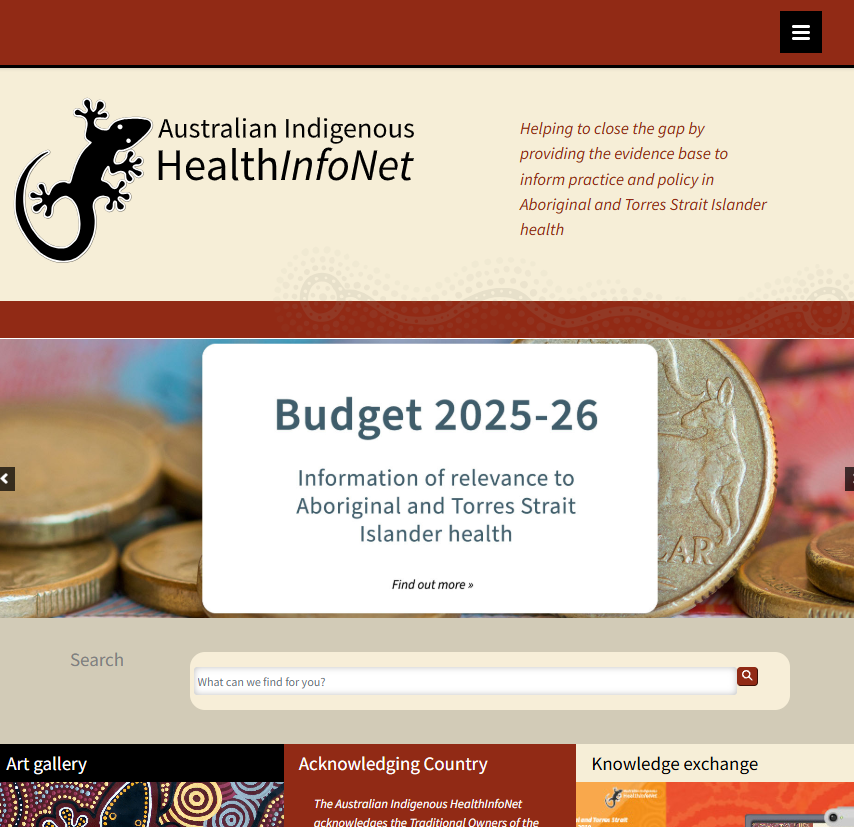
Australian Indigenous HealthInfoNet
This resource is the Australian Indigenous HealthInfoNet website. The website provides access to resources and workforce information to inform practice and policy in Aboriginal and Torres Strait Islander health. The website also provides portals to collections of information by theme, including social and emotional wellbeing, cultural safety, end-of-life care, diabetes and respiratory health.
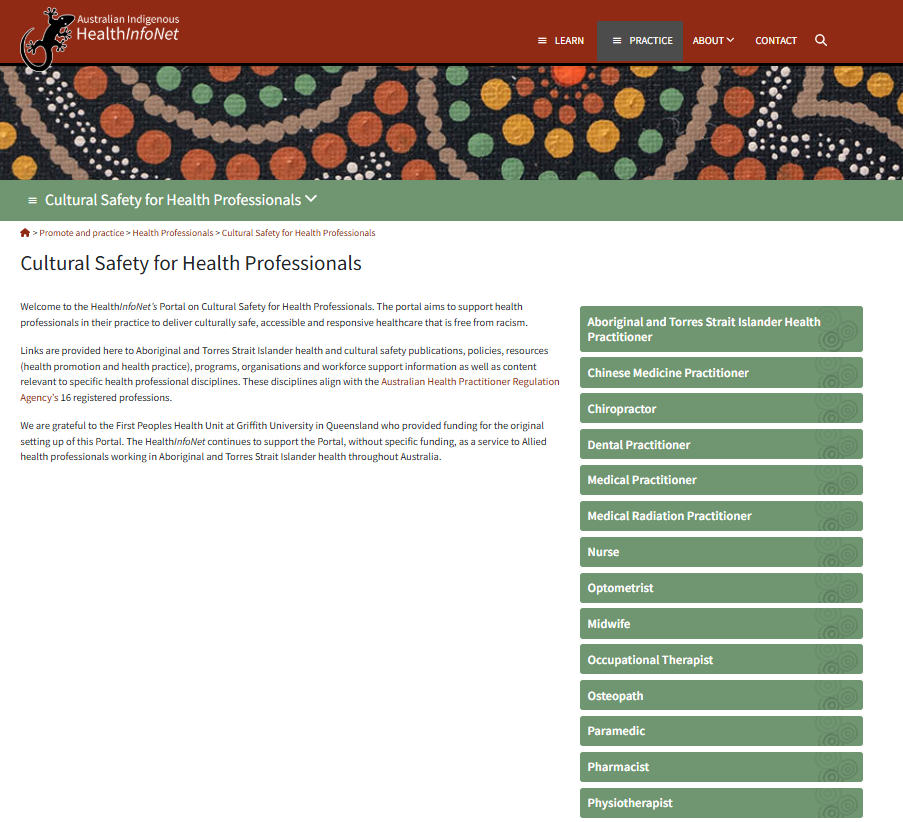
Cultural Safety for Health Professionals
This portal provides links to Aboriginal and Torres Strait Islander health and cultural safety publications, policies, resources and programs. It also providers workforce support information and content relevant to specific health professional roles. The information supports health professionals to deliver culturally safe and responsive care.
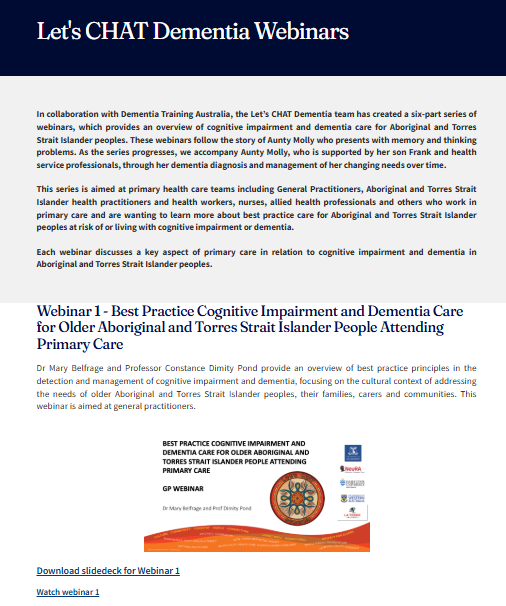
Let's CHAT Dementia Webinars - overview of cognitive impairment and dementia care for Aboriginal and Torres Strait Islander peoples
This resource offers a series of webinars on cognitive impairment and dementia care for Aboriginal and Torres Strait Islander peoples. It is designed for primary health care teams including General Practitioners, Aboriginal and Torres Strait Islander health practitioners and health workers, nurses, allied health professionals and others who work in primary care. The webinar series has been developed in collaboration with Dementia Training Australia.
Meaningful lifestyle activities
This resource discusses the importance of engagement in meaningful lifestyle activities for people living in aged care. It includes information about understanding meaningful lifestyle activities and links to a collection of resources collated by ARIIA that are relevant to this theme.
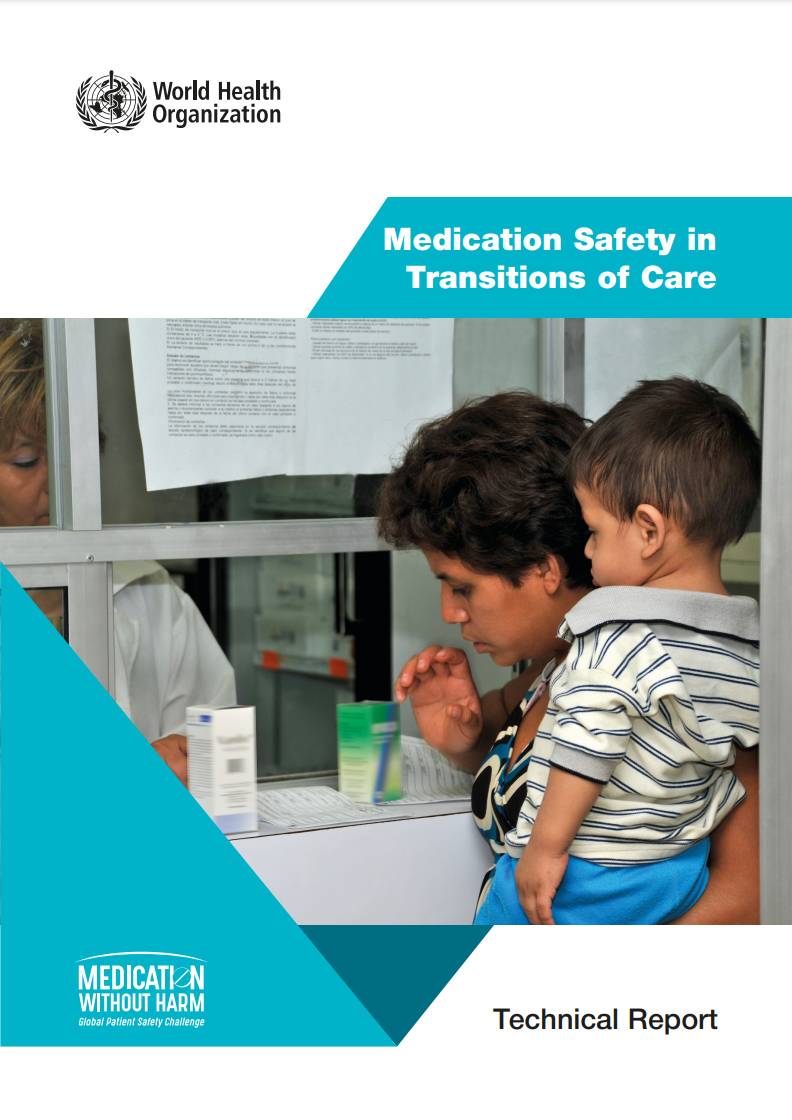
Medication safety in transitions of care: technical report
This resource outlines key actions to improve medication safety during transitions of care, focusing on reducing medication discrepancies and patient harm. It emphasises structured reconciliation, workforce training, patient engagement, and enhanced information systems.
This resource was developed internationally and therefore its applicability and usefulness may be limited.
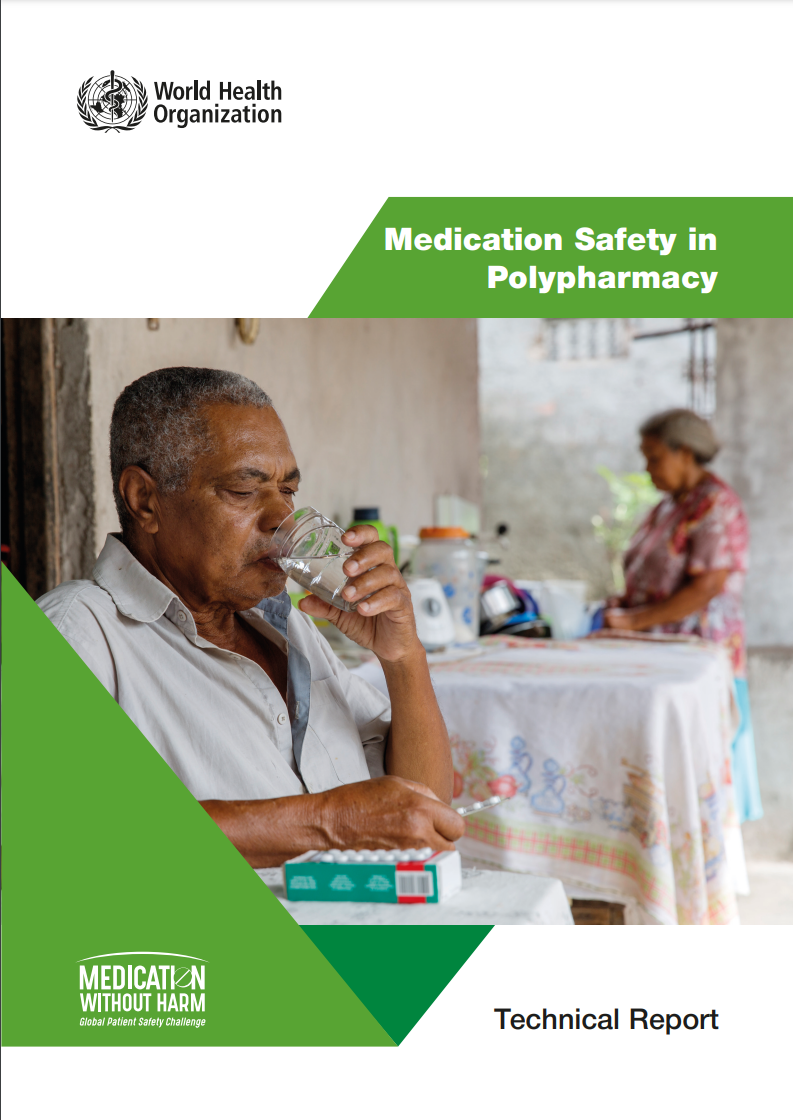
Medication safety in polypharmacy: technical report
This resource provides guidance on safe medication management in polypharmacy, focusing on patient-centred approaches, team collaboration, and systematic reviews for people with long-term conditions. It includes tools and case studies to support health professionals.
This resource was developed internationally and therefore its applicability and usefulness may be limited.
5 moments for medication safety
This tool helps patients, caregivers, and health professionals manage medication safety by focusing on 5 critical moments to reduce harm: starting, taking, adding, reviewing, and stopping medications. It aims to empower patients in safe medication practices through engagement and collaboration with health professionals.
This resource was developed internationally and therefore its applicability and usefulness may be limited.
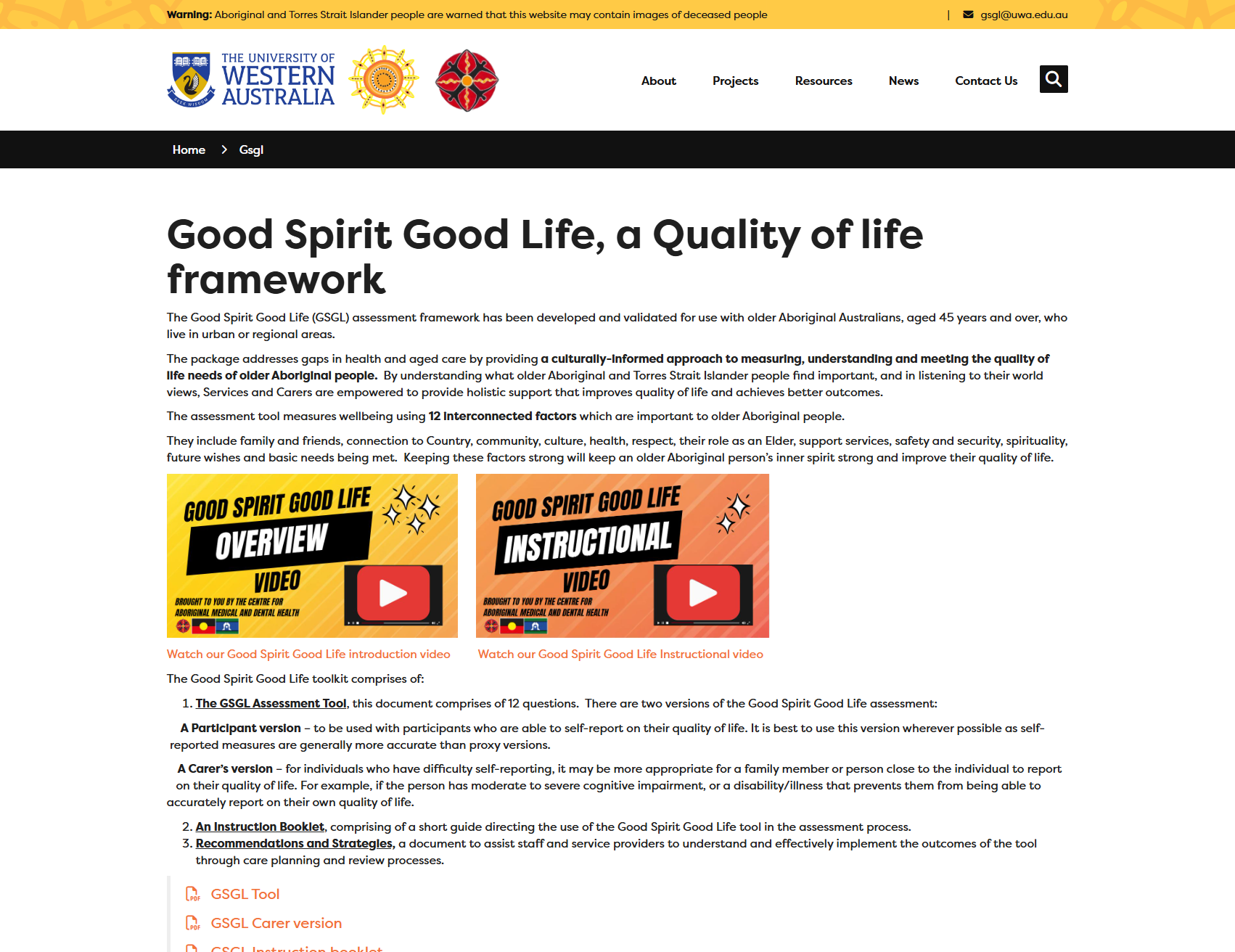
Good Spirit Good Life - a Quality of life framework
This resource describes the Good Spirit Good Life (GSGL) framework for assessing the quality of life of older Aboriginal people, focusing on culturally important factors such as connection to Country, family, and spirituality. It includes tools for both self-reporting and carer-assisted reporting.
This resource was developed by a state/territory government or organisation and therefore its applicability and usefulness may be limited.
Integrated Trauma-Informed Care Framework: My story, my health, my future
This framework integrates trauma-informed care across NSW Health services, enhancing support for clients, families, and carers by guiding staff in trauma-sensitive practices and systemic change. It focuses on preventing re-traumatisation and fostering healing, especially for vulnerable populations.
This resource was developed by a state/territory government or organisation and therefore its applicability and usefulness may be limited.
Better Together: A practical guide to effective engagement with older people
This resource offers practical guidance on effective engagement with older people, highlighting diverse communication methods, cultural sensitivity, and inclusive strategies to capture meaningful input. It supports collaborative relationships and respectful dialogue with older people in decision-making processes.
This resource was developed by a state/territory government or organisation and therefore its applicability and usefulness may be limited.
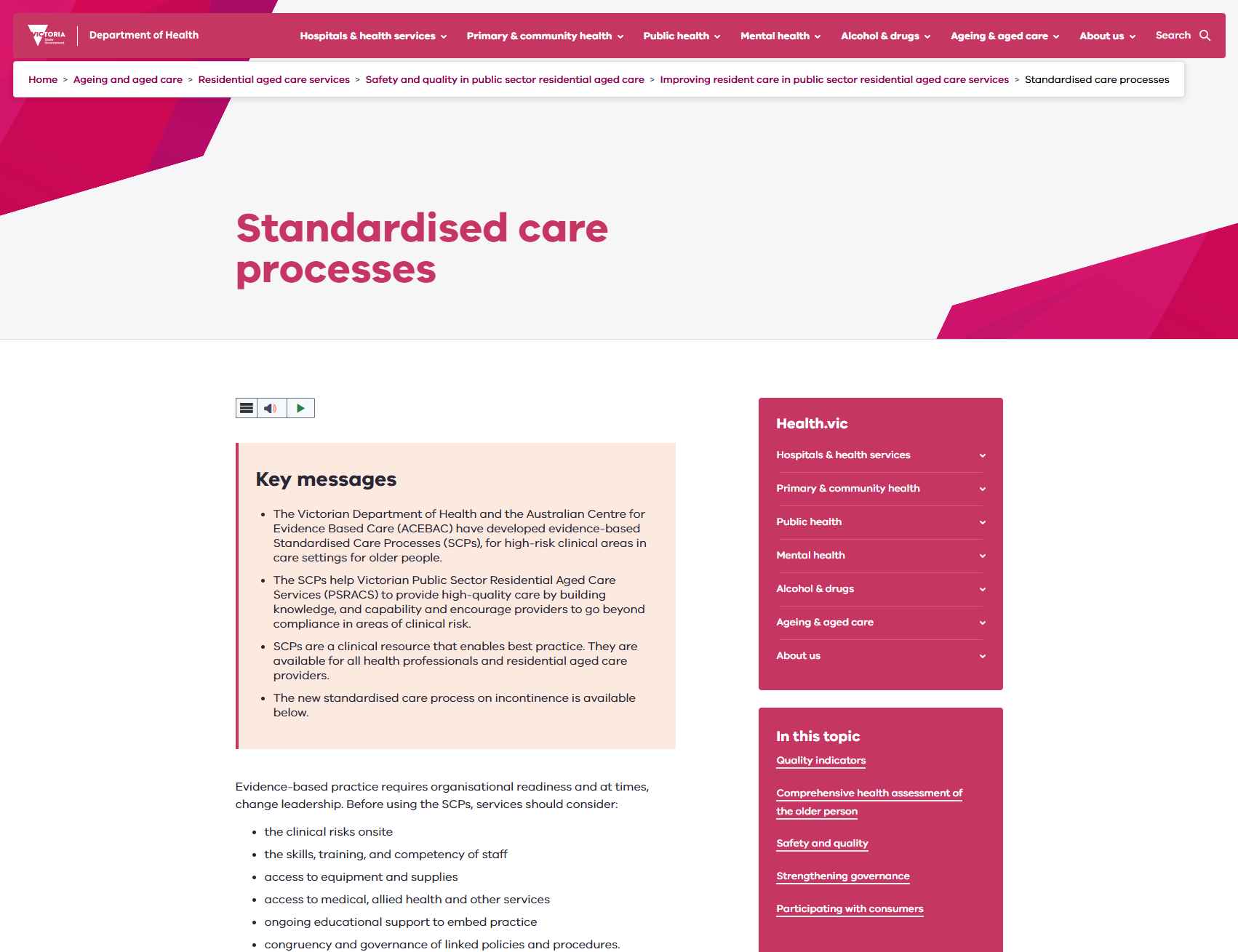
Standardised care processes
This resource offers evidence-based standardised care processes for aged care providers, covering high-risk clinical areas such as falls, pain, incontinence, and dehydration. It provides structured guidelines to support best practices, ensuring consistent and safe care for older people in residential settings.
This resource was developed by a state/territory government or organisation and therefore its applicability and usefulness may be limited.
Participating with consumers
This resource provides information sheets for residents, families, and carers to support decision-making in residential aged care. Covering topics such as pain management, falls, and medicines, it promotes health literacy, enabling consumers to engage in discussions and report care issues effectively.
This resource was developed by a state/territory government or organisation and therefore its applicability and usefulness may be limited.
Maintaining personal identity
This resource offers guidance on maintaining personal identity for people with dementia by fostering respect, independence, and communication. It suggests environmental and social modifications to enhance dignity, such as personalising spaces, supporting mobility, and addressing unmet needs.
This resource was developed by a state/territory government or organisation, and therefore its applicability and usefulness may be limited.
Resource sheets for workers – Social, emotional and cultural wellbeing online resources for Aboriginal and Torres Strait Islander People
This resource offers a collection of topic-based resource sheets for workers, covering wellbeing issues relevant to Aboriginal and Torres Strait Islander communities. It includes information on topics like alcohol, anxiety, cultural identity, depression, and trauma. The resources consist of videos, fact sheets, podcasts, apps, and websites to support practitioners and the wellbeing workforce.
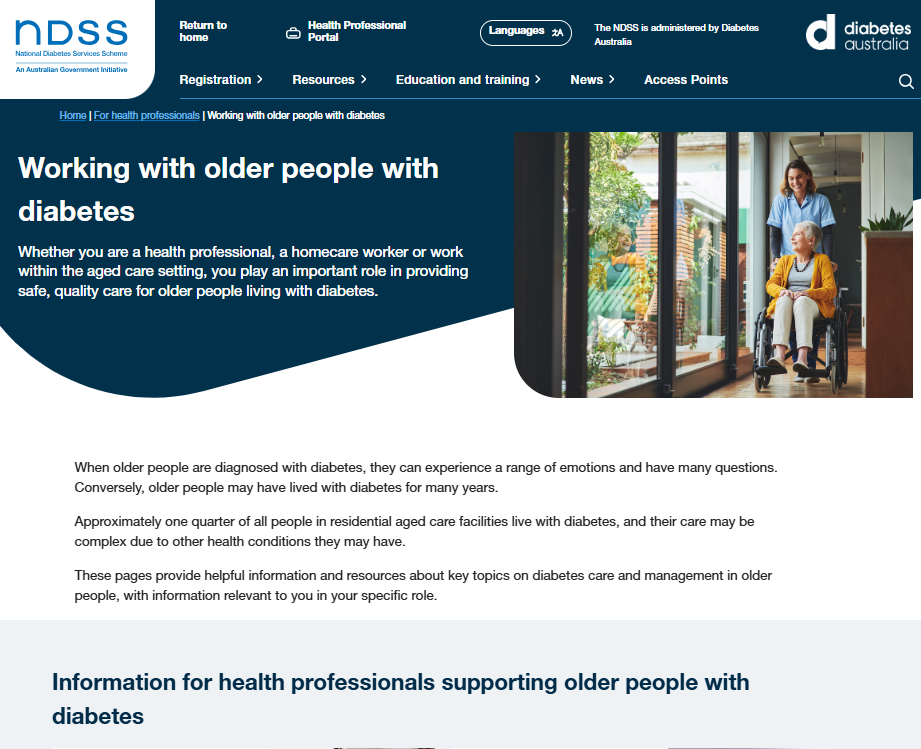
Working with older people with diabetes
This resource provides materials for health professionals supporting older people with diabetes. Resources cover diabetes symptoms and management, blood glucose monitoring, diabetes medication, healthy eating, and more, aiming to improve quality care.
Medicine safety: Aged care
This report highlights medicine safety issues in aged care settings, detailing the prevalence of medicine-related problems, inappropriate prescribing, underuse of medicines, medicine regimen complexities, administration errors, and challenges during transitions of care. It provides opportunities for improvements and emphasises the need for safer medication practices, improved pharmacist involvement, and better regulatory frameworks to protect older people from medication harm.
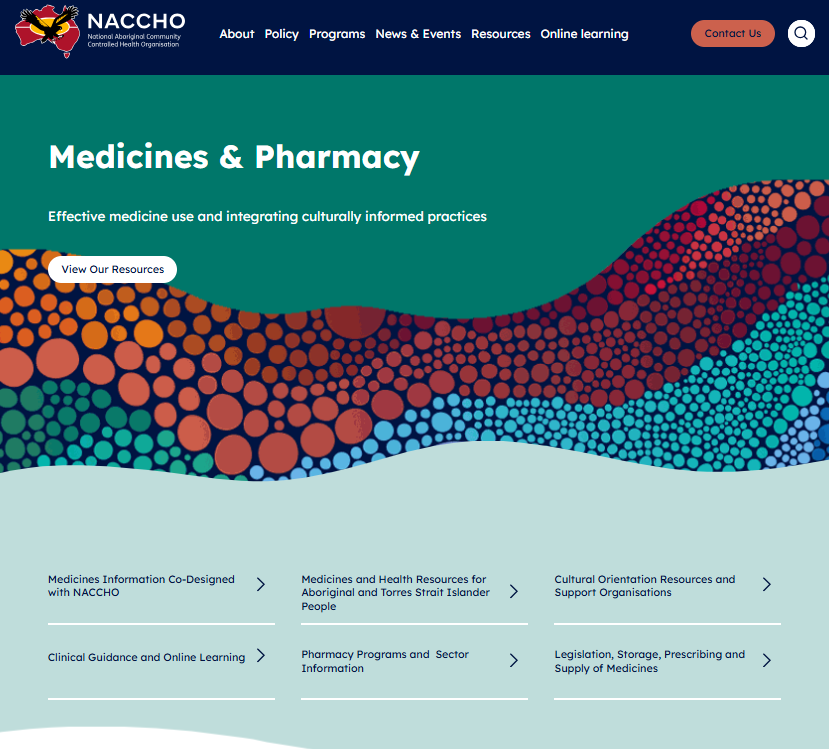
National Aboriginal Community Controlled Health Organisation - Medicines & Pharmacy
This resources provides information for Aboriginal Community Controlled Health Organisations (ACCHOs) and other communities related to medicine use and management. It includes a collection of resources for health workers involved in prescribing and supplying medicines in these settings.
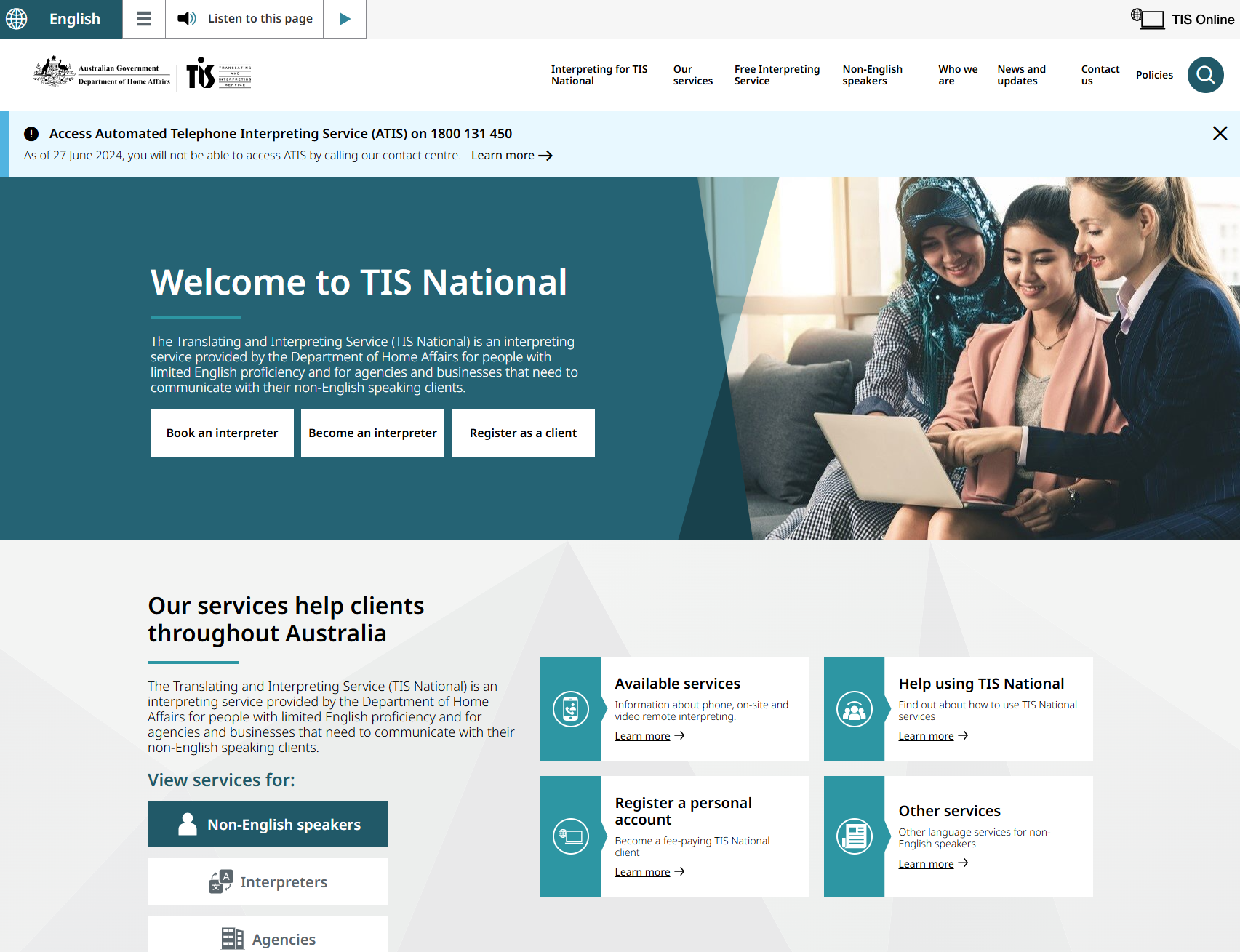
Translating and Interpreting Service (TIS National)
The Translating and Interpreting Service (TIS National) provides interpreting support for people with limited English proficiency and agencies requiring assistance to communicate with non-English-speaking clients. Services include telephone, on-site, and video interpreting, with options for both government and fee-paying clients across Australia.
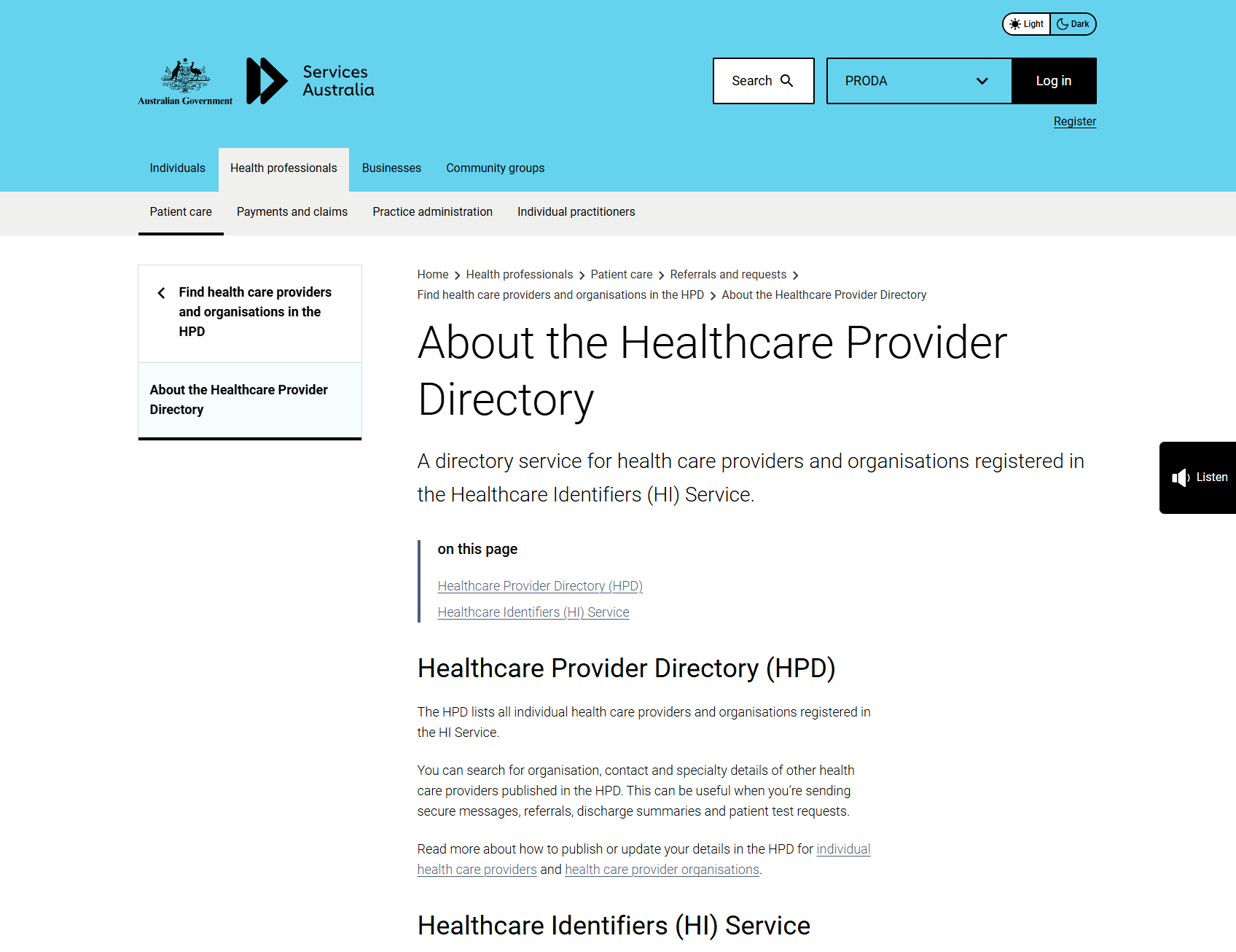
Healthcare Provider Directory (HPD)
This resource explains the Healthcare Provider Directory (HPD), a service listing registered health care providers and organisations in the Healthcare Identifiers (HI) Service. It enables health professionals to access contact and specialty information for secure messaging, referrals, and discharge summaries.
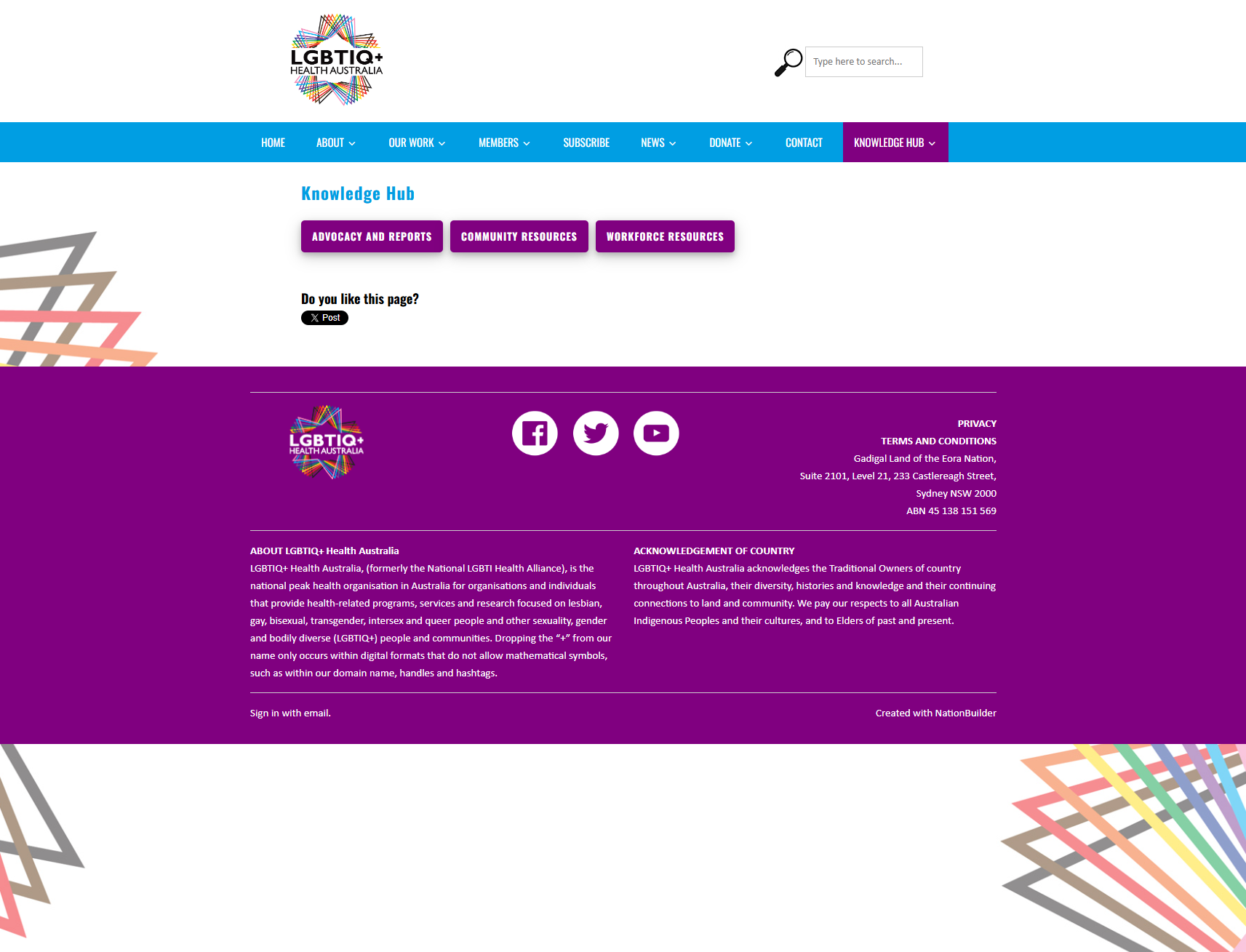
LGBTIQ+ Health Australia - Knowledge Hub
This resource hub provides advocacy, workforce, and community resources tailored to support the health and wellbeing of LGBTIQ+ people. It offers tools, reports, and guidance for providers to deliver inclusive, culturally sensitive care and to address the specific health needs of LGBTIQ+ communities.
This resource may apply to healthcare contexts outside of aged care. Please consider the applicability of this resource to your care setting.