Aged care laws in Australia have now changed. The new Aged Care Act 2024 and Aged Care Rules 2025 now apply. While we complete updating of our website, including draft guidance and other materials, to align with the new laws, providers are advised to refer to the new Act and Rules for any required clarification of their obligations and legal responsibilities. Thank you for your patience.

Quality Standards Resource Centre

The Quality Standards Resource Centre helps extend understanding of the strengthened Aged Care Quality Standards, which take effect from 1 November 2025. The Resource Centre will be updated to reflect key changes made to the draft strengthened Standards. You can search for resources by using keywords, or filtering by standard, outcome, audience and theme. Before using the Resource Centre, please read the terms of use.

Displaying 1 to 20 of 21 result(s)
/quality-standards/maintaining-personal-identity

Maintaining personal identity

Guidance
Last Updated

This resource offers guidance on maintaining personal identity for people with dementia by fostering respect, independence, and communication. It suggests environmental and social modifications to enhance dignity, such as personalising spaces, supporting mobility, and addressing unmet needs.

This resource was developed by a state/territory government or organisation, and therefore its applicability and usefulness may be limited.
Author
External resource
Key Theme
Person-centred care, Dignity, respect and privacy, Choice, independence and quality of life
Standard
1: The Individual
Outcomes
1.1: Person-centred care, 1.2: Dignity, respect and privacy, 1.3: Choice, independence and quality of life
Maintaining personal identity
/quality-standards/informed-consent-health-direct

Informed consent - Health Direct

Guidance
Last Updated

This resource explains the legal requirements and processes for obtaining informed consent for medical treatments, procedures, and care. It is relevant to aged care by ensuring that people understand their healthcare options, risks, and benefits, supporting their ability to make informed decisions about their health and wellbeing.

Author
External resource
Key Theme
Choice, independence and quality of life, Assessment and planning, Care coordination and transitions
Standard
1: The Individual, 3: The Care and Services, 7: The Residential Community
Outcomes
1.3: Choice, independence and quality of life, 3.1 Assessment and planning, 7.2: Transitions
Informed consent
/quality-standards/communication-matters

Communication Matters

Video
Published date

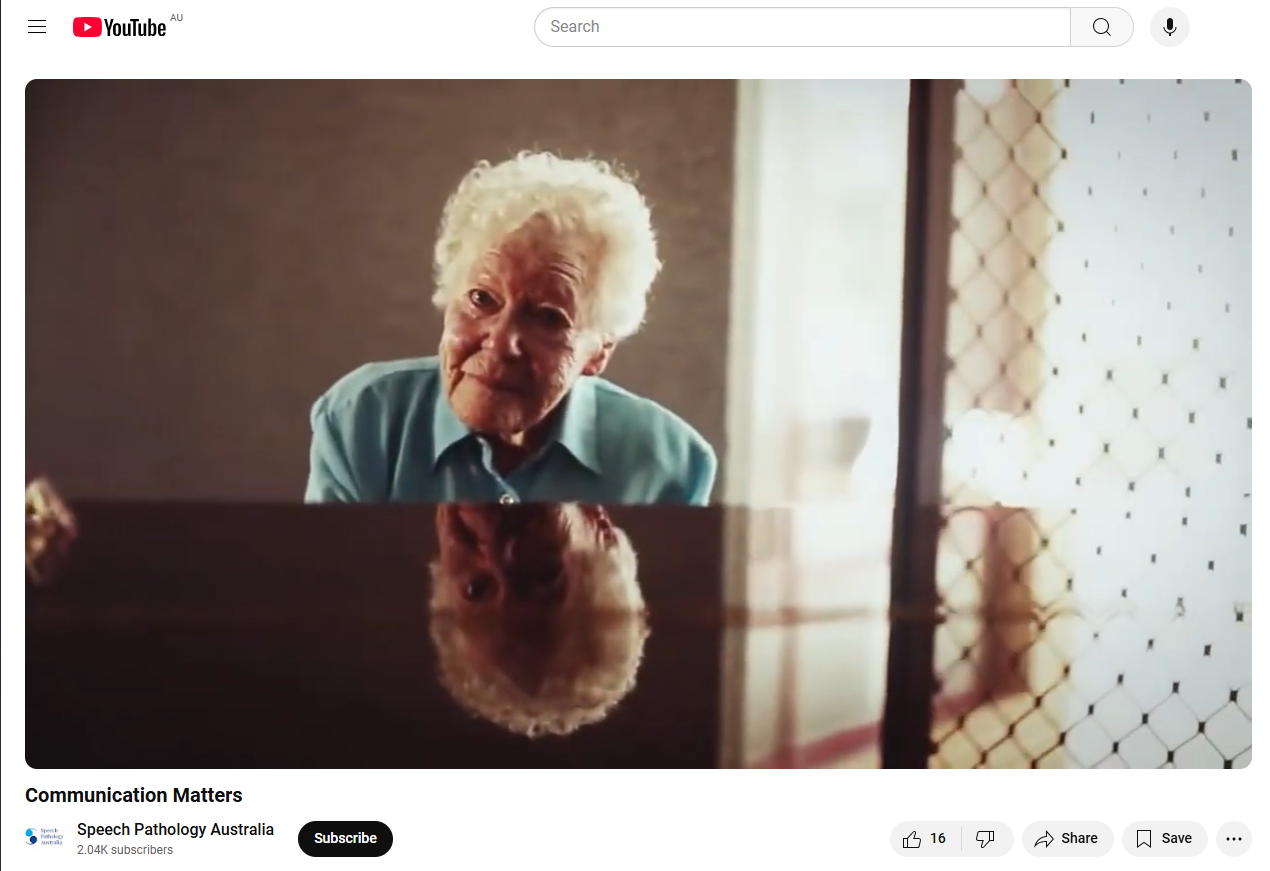
This You Tube video emphasises the importance of communication for people in aged care, especially those with impairments. It advocates using varied methods, such as gestures and expressions, to make sure everyone can connect meaningfully, supporting dignity and autonomy.
Author
External resource
Key Theme
Choice, independence and quality of life
Standard
1: The Individual
Outcomes
1.3: Choice, independence and quality of life
Communication Matters
/quality-standards/informed-consent

Informed consent

Guidance
Last Updated

This resource provides guidance on ensuring informed consent in healthcare settings. It outlines legal, ethical, and professional requirements for obtaining consent, supports person-centred care, and ensures compliance with Australian healthcare standards. It highlights the importance of providing accurate information about interventions and alternatives, ensuring people have sufficient knowledge of potential risks and benefits. 
Author
Australian Commission On Safety And Quality In Health Care
Key Theme
Choice, independence and quality of life, Assessment and planning, Care coordination and transitions
Standard
1: The Individual, 3: The Care and Services, 7: The Residential Community
Outcomes
1.3: Choice, independence and quality of life, 3.1 Assessment and planning, 7.2: Transitions
Informed consent
/quality-standards/what-dignity-risk-consumer-resources

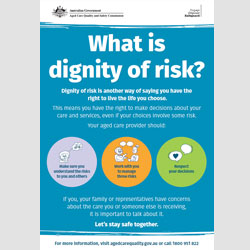
What is dignity of risk? consumer resources

Guidance, Guides, Poster
Published date

The Commission has developed a number of resources to help aged care consumers understand what dignity of risk is and what actions you should expect from your provider. The dignity of risk is another way of saying you have the right to live the life you choose.

Author
Aged Care Quality & Safety Commission
Key Theme
Choice, independence and quality of life, Delivering comprehensive care and services
Standard
1: The Individual, 7: The Residential Community
Outcomes
1.3: Choice, independence and quality of life, 7.1: Daily living
3 circles(purple an elderly lady with a thinking bubble which says make sure you understand the risks to you and others, orange circle with 2 ladies with speech bubbles wit the words work with you to manage those risks, yellow green circle with a speech bubble one of them has a heart and the other is a blank speech bubble and has the words respect your decision) with on a teal background .
/quality-standards/dignity-risk

Dignity of Risk

Guidance
Last Updated

This resource provides guidance on the concept of dignity of risk. It includes information about how to reframe thinking and ways you can support dignity of risk. The resource highlights the importance of choice and independence, and supporting someone to do what they want safely.

This resource may refer to information that will be updated from 1 November 2025 to align with the new Aged Care Act and Quality Standards.
Author
External resource
Key Theme
Choice, independence and quality of life, Delivering comprehensive care and services
Standard
1: The Individual, 7: The Residential Community
Outcomes
1.3: Choice, independence and quality of life, 7.1: Daily living
Dignity of Risk
/quality-standards/essential-element-2-identifying-goals-care

Essential element 2: Identifying goals of care

Guidance
Last Updated

This resource guides providers in identifying and setting goals of care with patients through shared decision-making. It fosters collaboration between patients, family, and healthcare teams to clarify expectations and establish personalised clinical and personal care objectives.

This resource may apply to healthcare contexts outside of aged care. Please consider the applicability of this resource to your care setting. This resource may refer to information that will be updated from 1 November 2025 to align with the new Aged Care Act and Quality Standards.
Author
Australian Commission On Safety And Quality In Health Care
Key Theme
Choice, independence and quality of life, Delivering comprehensive care and services, Assessment and planning, Care coordination and transitions
Standard
1: The Individual, 3: The Care and Services, 5: Clinical Care
Outcomes
1.3: Choice, independence and quality of life, 3.2: Delivery of funded aged care services, 5.4: Comprehensive care
Essential element 2: Identifying goals of care
/quality-standards/care-management-home-care-packages

Care management for Home Care Packages

Guidance
Last Updated

This resource details requirements for managing Home Care Packages, including creating care plans, maintaining Home Care Agreements, and conducting ongoing care discussions. Providers must align services with the person’s needs, goals, and preferences, ensuring high-quality care that is culturally safe and compliant with quality standards. 

This resource may refer to information that will be updated from 1 November 2025 to align with the new Aged Care Act and Quality Standards.
Author
Department of Health, Disability and Ageing
Key Theme
Choice, independence and quality of life
Standard
1: The Individual
Outcomes
1.3: Choice, independence and quality of life
Care management for Home Care Packages
/quality-standards/supporting-dining-experience-people-living-dementia-providers-and-workers-guide

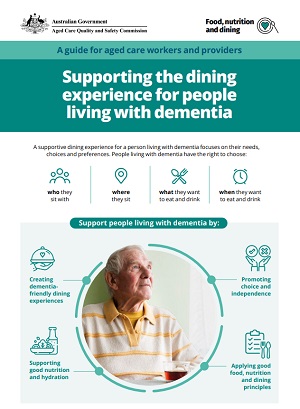
Supporting the dining experience for people living with dementia – Providers and workers guide

Guidance, Guides
Published date

This guide is about how to support people living with dementia to maintain good nutrition and enjoy positive dining experiences. 

This resource may refer to information that will be updated from 1 November 2025 to align with the new Aged Care Act and Quality Standards.
Author
Aged Care Quality & Safety Commission
Key Theme
Choice, independence and quality of life, Food and nutrition
Standard
1: The Individual, 6: Food and Nutrition
Outcomes
1.3: Choice, independence and quality of life, 6.4: Dining experience
Supporting the dining experience guide thumbnail
/quality-standards/nutrition-informed-choice

Nutrition - Informed choice

Guidance
Last Updated

This resource discusses the importance of informed choice in aged care dining, emphasising a person-centred approach. It highlights the benefits of offering choice in meals and mealtimes, outlines how to manage decisions that involve risk, and provides tools for aged care workers to support resident autonomy while ensuring safety and satisfaction. 

This resource may refer to information that will be updated from 1 November 2025 to align with the new Aged Care Act and Quality Standards.
Author
External resource
Key Theme
Choice, independence and quality of life, Food and nutrition, Delivering comprehensive care and services
Standard
1: The Individual, 6: Food and Nutrition, 7: The Residential Community
Outcomes
1.3: Choice, independence and quality of life, 6.3: Provision of food and drinks, 7.1: Daily living
Nutrition - Informed choice
/quality-standards/nsqhs-standards-user-guide-health-care-people-intellectual-disability

NSQHS Standards User Guide for the Health Care of People with Intellectual Disability

Guidance
Published date

This resource provides guidance for the health care of people with intellectual disability. The user guide is part of the Australian Commission on Safety and Quality in Health Care's National Safety and Quality Health Service (NSQHS) Standards. The resource was developed in response to significant evidence of poor health outcomes for people with intellectual disability in Australia’s health system. 

This resource may refer to information that will be updated from 1 November 2025 to align with the new Aged Care Act and Quality Standards.
Author
Australian Commission On Safety And Quality In Health Care
Key Theme
Person-centred care, Choice, independence and quality of life, Delivering comprehensive care and services
Standard
1: The Individual, 5: Clinical Care
Outcomes
1.1: Person-centred care, 1.3: Choice, independence and quality of life, 5.6 Cognitive impairment  
NSQHS Standards User Guide for the Health Care of People with Intellectual Disability
/quality-standards/older-persons-advocacy-network

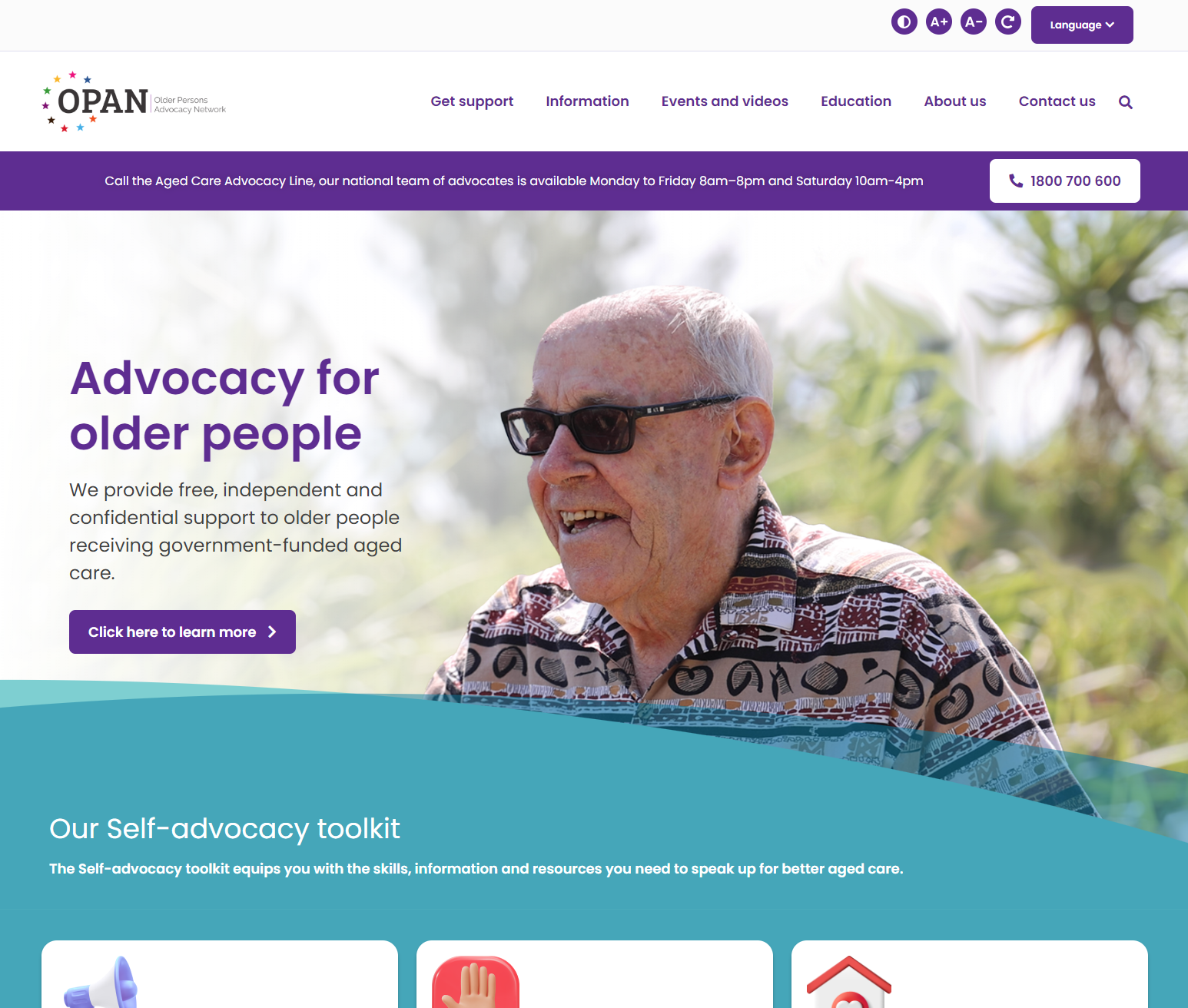
Older Persons Advocacy Network

Guidance

This resource provides information on aged care advocacy services, offering free and confidential support to older people receiving government-funded aged care. It includes resources to help people understand their rights, navigate the aged care system, and access advocacy for issues such as care quality, decision-making, and protection from harm. 

This resource may refer to information that will be updated from 1 November 2025 to align with the new Aged Care Act and Quality Standards.

Author
External resource
Key Theme
Choice, independence and quality of life, Feedback and complaints management system
Standard
1: The Individual, 2: The Organisation
Outcomes
1.3: Choice, independence and quality of life, 2.6b: Complaints and feedback management for individuals
Older Persons Advocacy Network
/quality-standards/how-support-everyday-decision-making-people-living-dementia-residential-aged-care-guide-care-workers

How to support everyday decision-making for people living with dementia in residential aged care: A guide for care workers

Guidance
Published date

This guide offers practical strategies for care workers to support people with dementia in making everyday decisions within residential aged care settings. It covers communication techniques, promoting choice in personal care and daily activities, understanding body language, and emphasises person-centred care while respecting residents' preferences, dignity, and rights.

Author
External resource
Key Theme
Assessment and planning, Delivering comprehensive care and services, Choice, independence and quality of life
Standard
3: The Care and Services, 5: Clinical Care, 1: The Individual
Outcomes
1.1: Person-centred care, 5.6 Cognitive impairment  , 1.3: Choice, independence and quality of life
How to support everyday decision-making for people living with dementia in residential aged care: A guide for care workers
/quality-standards/tips-careworkers-culturally-responsive-care-communication

Tips for Careworkers: Culturally Responsive Care - Communication

Guidance
Last Updated

This resource provides practice tip sheets for care workers, focusing on culturally responsive care for people from culturally and linguistically diverse backgrounds. It outlines communication strategies, emphasising person-centred care, cultural sensitivity, and effective interaction with patients and families, especially at the end of life.

Author
External resource
Key Theme
Choice, independence and quality of life, Delivering comprehensive care and services, Person-centred care
Standard
3: The Care and Services, 1: The Individual
Outcomes
1.3: Choice, independence and quality of life, 3.2: Delivery of funded aged care services, 3.3: Communicating for safety and quality, 1.1: Person-centred care
Tips for Careworkers: Culturally Responsive Care - Communication
/quality-standards/half-story-guide-meaningful-consultation-people-living-dementia-families-and-carers

Half the story: A guide to meaningful consultation with people living with dementia, families and carers

Guidance
Published date

This resource is a guide for meaningful consultation with people living with dementia, their families, and carers. It covers planning, ethical considerations, communication methods, and ways to improve accessibility. The guide offers strategies to ensure the voices of those living with dementia are respected, valued, and effectively integrated into decision-making processes.

Author
External resource
Key Theme
Choice, independence and quality of life, Corporate and clinical governance, Assessment and planning
Standard
1: The Individual, 2: The Organisation, 3: The Care and Services
Outcomes
1.3: Choice, independence and quality of life, 2.1: Partnering with individuals, 3.1 Assessment and planning
Half the story: A guide to meaningful consultation with people living with dementia, families and carers
/quality-standards/tips-careworkers-first-australians-communication

Tips for Careworkers: First Australians – Communication

Guidance
Last Updated

This resource offers guidance on culturally appropriate communication with Aboriginal and Torres Strait Islander people in aged care. It highlights the importance of respecting cultural identity, involving family, and providing person-centred care. The resource provides practical tips for careworkers to ensure culturally sensitive and respectful communication.

Author
External resource
Key Theme
Choice, independence and quality of life, Delivering comprehensive care and services, Person-centred care
Standard
1: The Individual, 3: The Care and Services
Outcomes
1.3: Choice, independence and quality of life, 3.2: Delivery of funded aged care services, 3.3: Communicating for safety and quality, 1.1: Person-centred care
Tips for Careworkers: First Australians – Communication
/quality-standards/cota-council-ageing

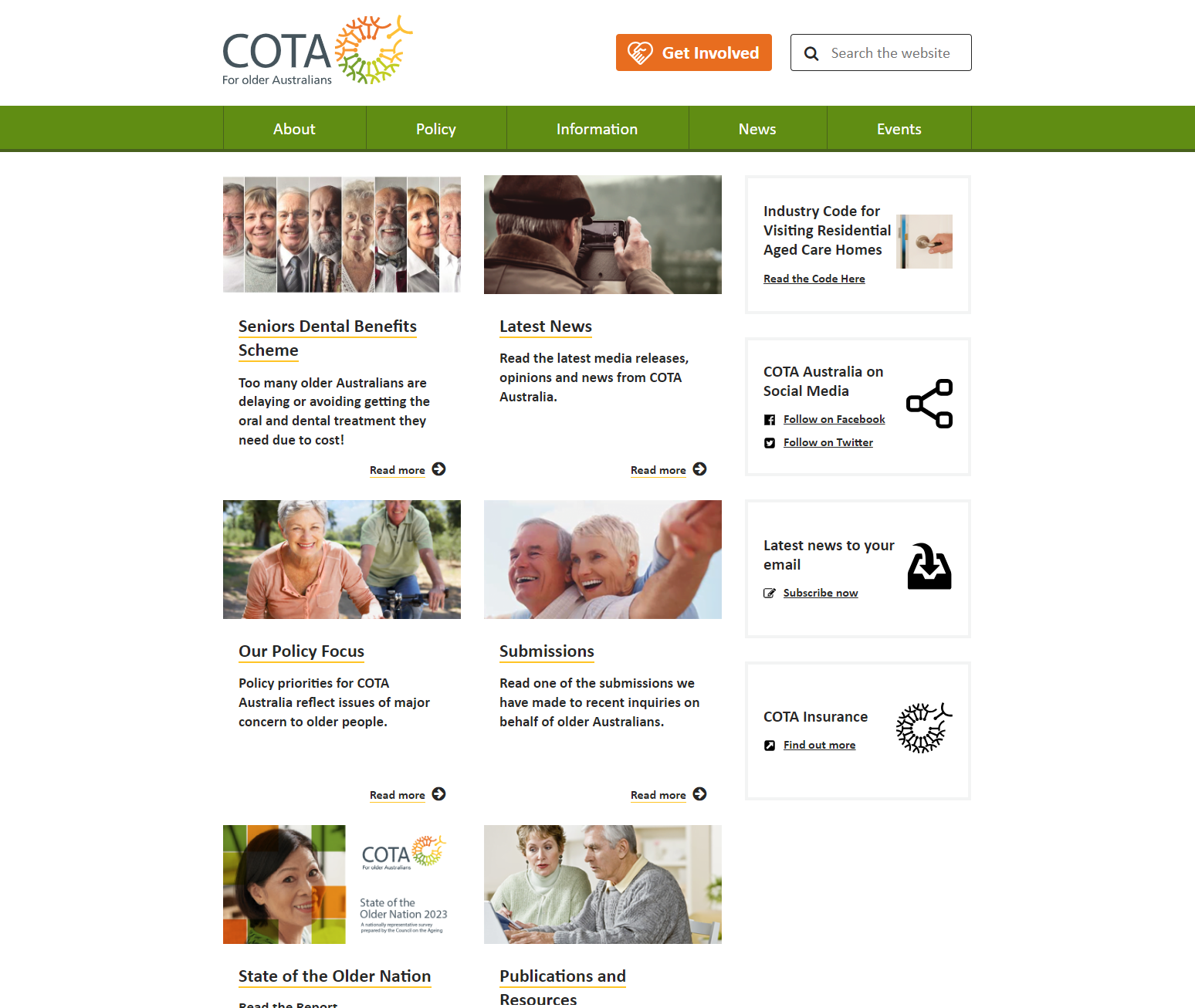
COTA - Council on the Ageing

Guidance

This resource provides information on the Council on the Ageing (COTA) Australia's work, including advocacy, policy priorities, and resources for older adults. It highlights key areas such as dental care affordability, aged care reform, and independence for seniors. The site offers publications, submissions to inquiries, and the Aged Care Visitors Code, relevant for aged care providers and consumers.
Author
External resource
Key Theme
Choice, independence and quality of life, Feedback and complaints management system
Standard
1: The Individual, 2: The Organisation
Outcomes
1.3: Choice, independence and quality of life, 2.6b: Complaints and feedback management for individuals
COTA - Council on the Ageing
/quality-standards/dignity-risk-introduction-aged-care-video

Dignity of risk – Introduction to aged care video

Video
Last Updated

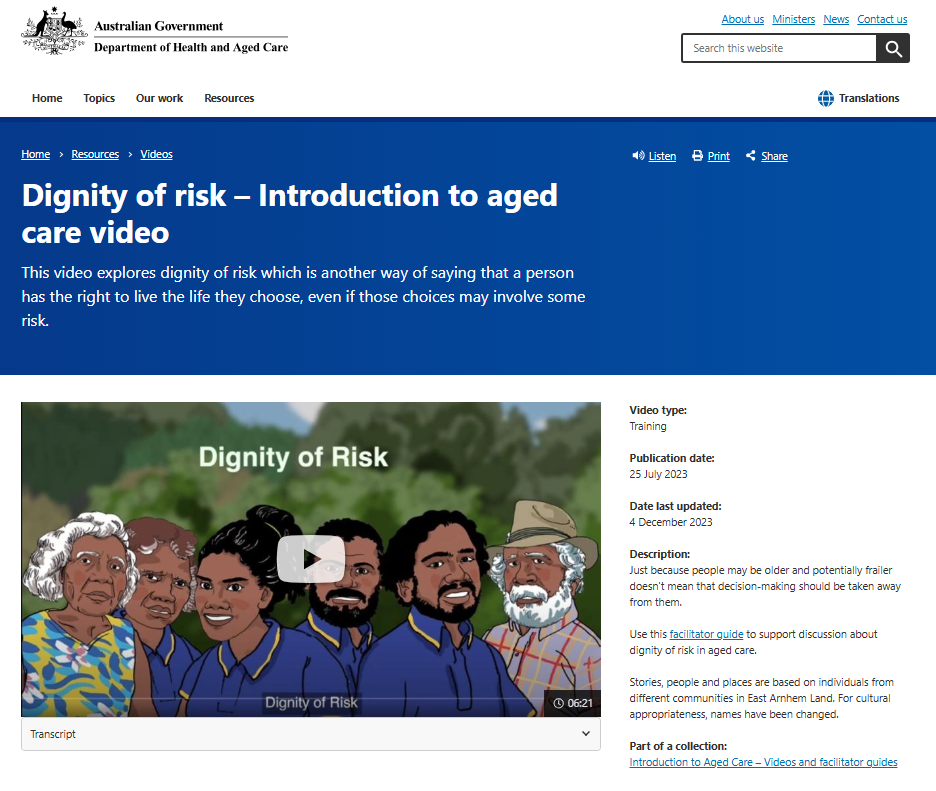
This video explains the concept of dignity of risk in aged care, emphasising that older people have the right to make their own choices, even when those choices involve risks. It provides examples of how care providers can support decision-making while promoting safety and respect for individual autonomy. 

This resource may refer to information that will be updated from 1 November 2025 to align with the new Aged Care Act and Quality Standards.
Author
Department of Health, Disability and Ageing
Key Theme
Choice, independence and quality of life, Delivering comprehensive care and services
Standard
1: The Individual, 7: The Residential Community
Outcomes
1.3: Choice, independence and quality of life, 7.1: Daily living
Dignity of risk – Introduction to aged care video
/quality-standards/seeking-support-advocate

Seeking support from an advocate

Guidance

This resource describes the advocacy support available for people receiving government-funded aged care, provided through the National Aged Care Advocacy Program. It outlines the role of advocates in assisting with understanding services, managing rights, addressing concerns, and learning self-advocacy skills, supporting respectful and fair treatment in aged care.
Author
External resource
Key Theme
Choice, independence and quality of life, Feedback and complaints management system
Standard
1: The Individual, 2: The Organisation
Outcomes
1.3: Choice, independence and quality of life, 2.6b: Complaints and feedback management for individuals
Seeking support from an advocate
/quality-standards/common-barriers

Common barriers

Guidance

This resource outlines common barriers faced by diverse groups in accessing aged care services, including communication challenges, social isolation, experiences of trauma, grief and loss, and social exclusion. It provides guidance on addressing these issues to make sure equitable access to services for all older people.
Author
External resource
Key Theme
Person-centred care, Choice, independence and quality of life
Standard
1: The Individual
Outcomes
1.1: Person-centred care, 1.3: Choice, independence and quality of life
Common barriers