The Quality Standards Resource Centre helps extend understanding of the strengthened Aged Care Quality Standards, which take effect from 1 November 2025. The Resource Centre will be updated to reflect key changes made to the draft strengthened Standards. You can search for resources by using keywords, or filtering by standard, outcome, audience and theme. Before using the Resource Centre, please read the terms of use.
National Strategic Framework for Rural and Remote Health
This framework addresses health service challenges in rural and remote areas, aiming to improve access, workforce sustainability, and care models through coordinated strategies. It guides policymakers and providers on adapting health services for rural contexts, fostering collaboration, and enhancing infrastructure, with a focus on equitable and culturally relevant care.
This resource may apply to healthcare contexts outside of aged care.
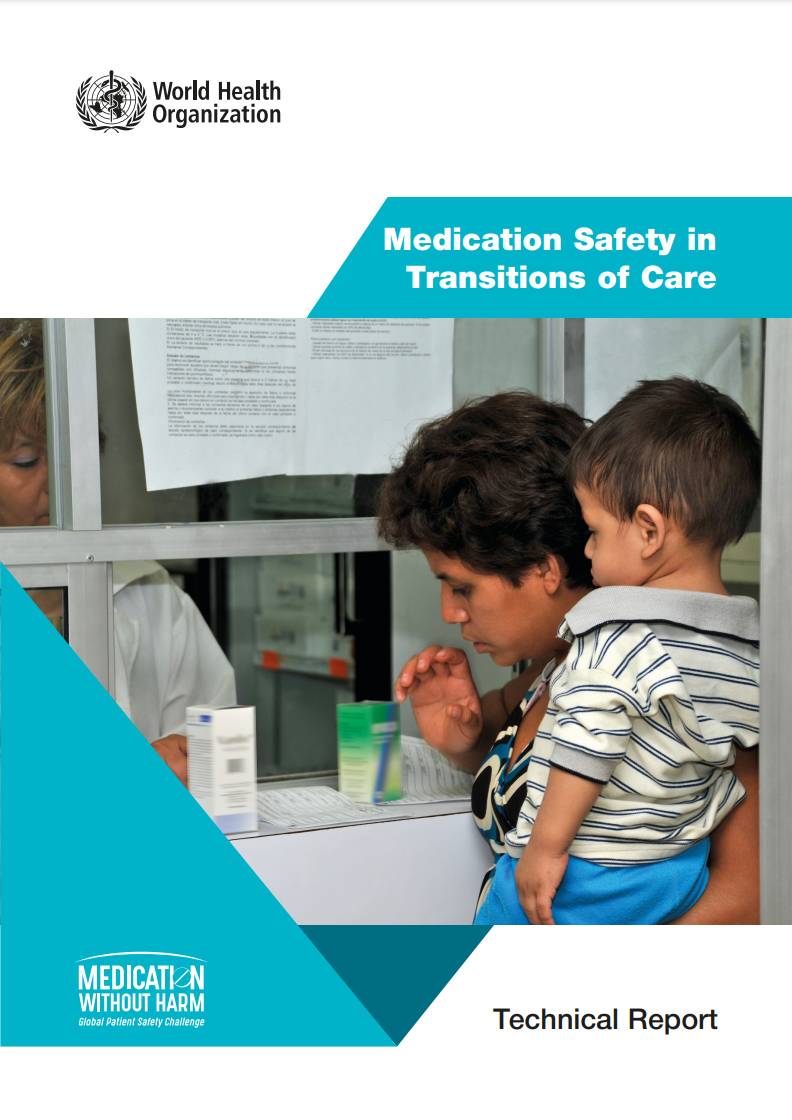
Medication safety in transitions of care: technical report
This resource outlines key actions to improve medication safety during transitions of care, focusing on reducing medication discrepancies and patient harm. It emphasises structured reconciliation, workforce training, patient engagement, and enhanced information systems.
This resource was developed internationally and therefore its applicability and usefulness may be limited.
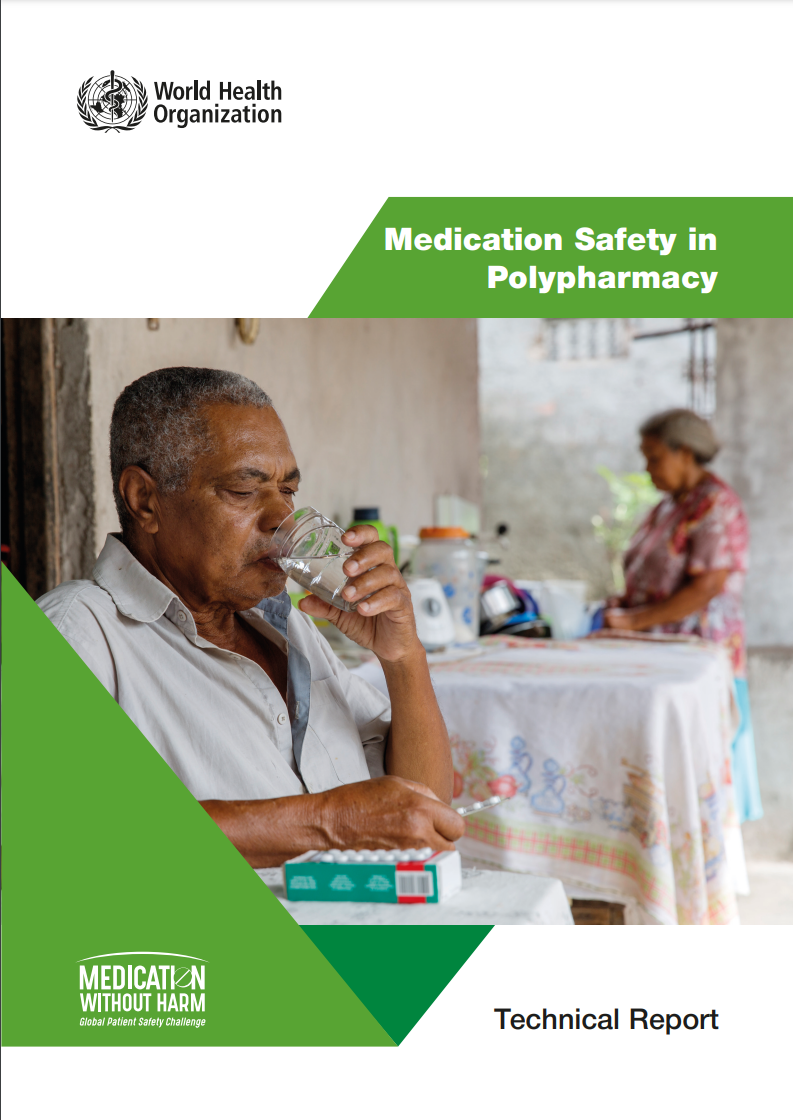
Medication safety in polypharmacy: technical report
This resource provides guidance on safe medication management in polypharmacy, focusing on patient-centred approaches, team collaboration, and systematic reviews for people with long-term conditions. It includes tools and case studies to support health professionals.
This resource was developed internationally and therefore its applicability and usefulness may be limited.
5 moments for medication safety
This tool helps patients, caregivers, and health professionals manage medication safety by focusing on 5 critical moments to reduce harm: starting, taking, adding, reviewing, and stopping medications. It aims to empower patients in safe medication practices through engagement and collaboration with health professionals.
This resource was developed internationally and therefore its applicability and usefulness may be limited.
Standardised care processes
This resource offers evidence-based standardised care processes for aged care providers, covering high-risk clinical areas such as falls, pain, incontinence, and dehydration. It provides structured guidelines to support best practices, ensuring consistent and safe care for older people in residential settings.
This resource was developed by a state/territory government or organisation and therefore its applicability and usefulness may be limited.
Participating with consumers
This resource provides information sheets for residents, families, and carers to support decision-making in residential aged care. Covering topics such as pain management, falls, and medicines, it promotes health literacy, enabling consumers to engage in discussions and report care issues effectively.
This resource was developed by a state/territory government or organisation and therefore its applicability and usefulness may be limited.
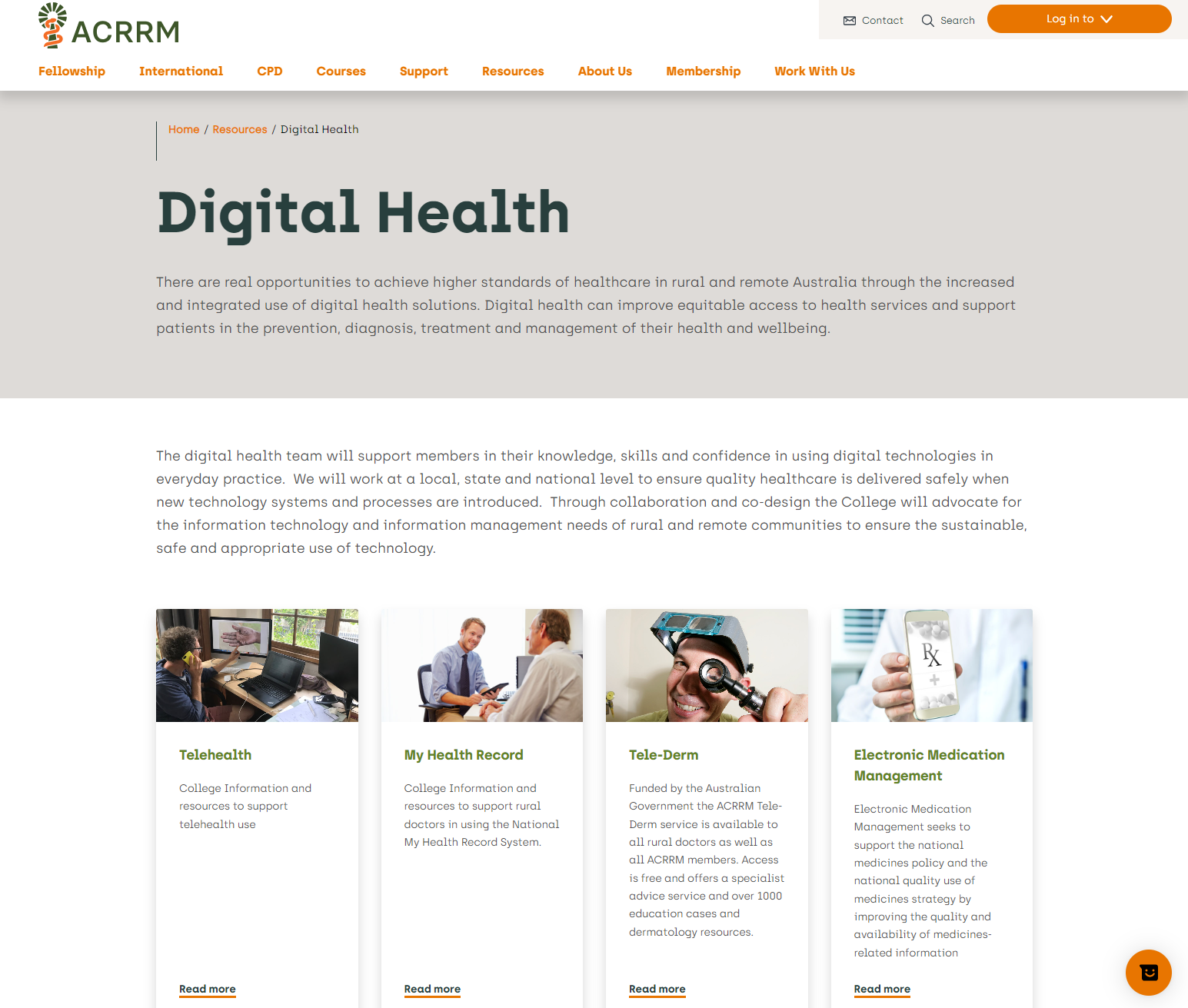
Digital Health
This resource outlines how digital health technologies, including telehealth, electronic medication management, and My Health Record, can improve healthcare delivery. It focuses on enhancing communication, reducing readmissions, and providing better access to care, especially in remote areas.
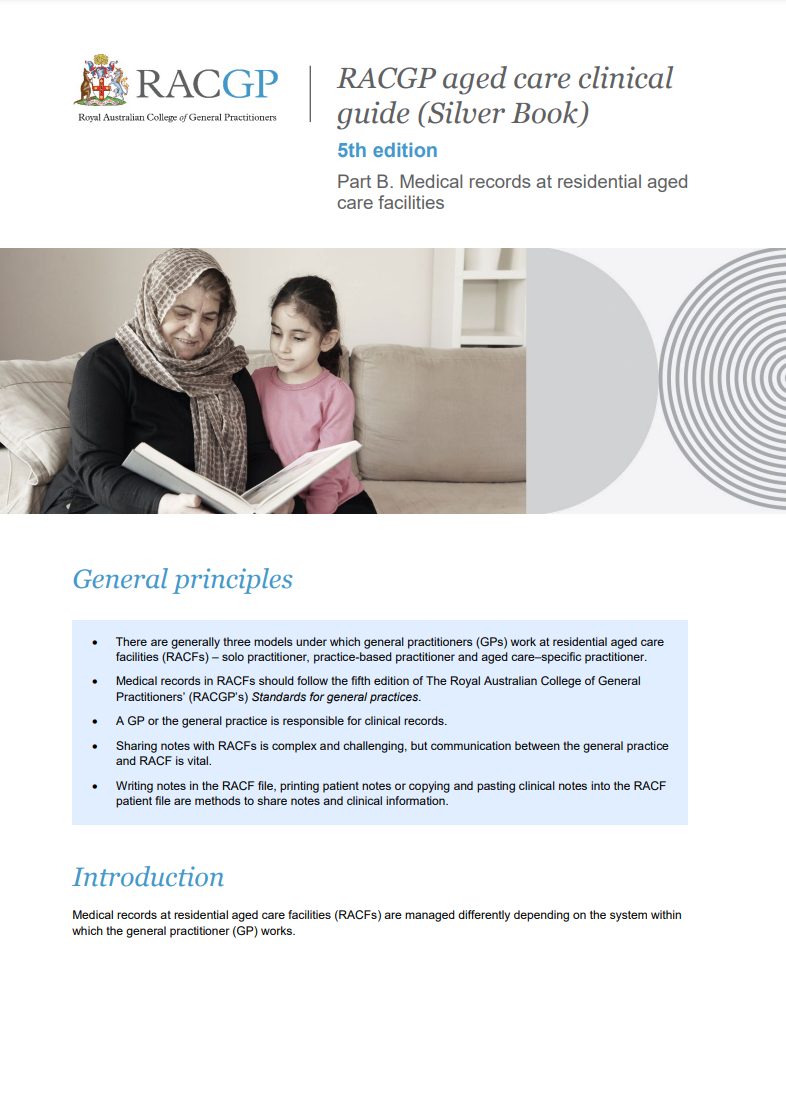
RACGP aged care clinical guide (Silver Book) - Part B - Medical records at residential aged care facilities
This guide covers managing medical records in residential aged care facilities (RACFs). It describes different practitioner models (solo, practice-based, aged care-specific) and provides standards for record-keeping, sharing notes, and maintaining clinical governance. The guide suggests methods for transferring medical information to RACF staff, including printing, electronic sharing, and handover notes.
Working with older people with diabetes
This resource provides materials for health professionals supporting older people with diabetes. Resources cover diabetes symptoms and management, blood glucose monitoring, diabetes medication, healthy eating, and more, aiming to improve quality care.
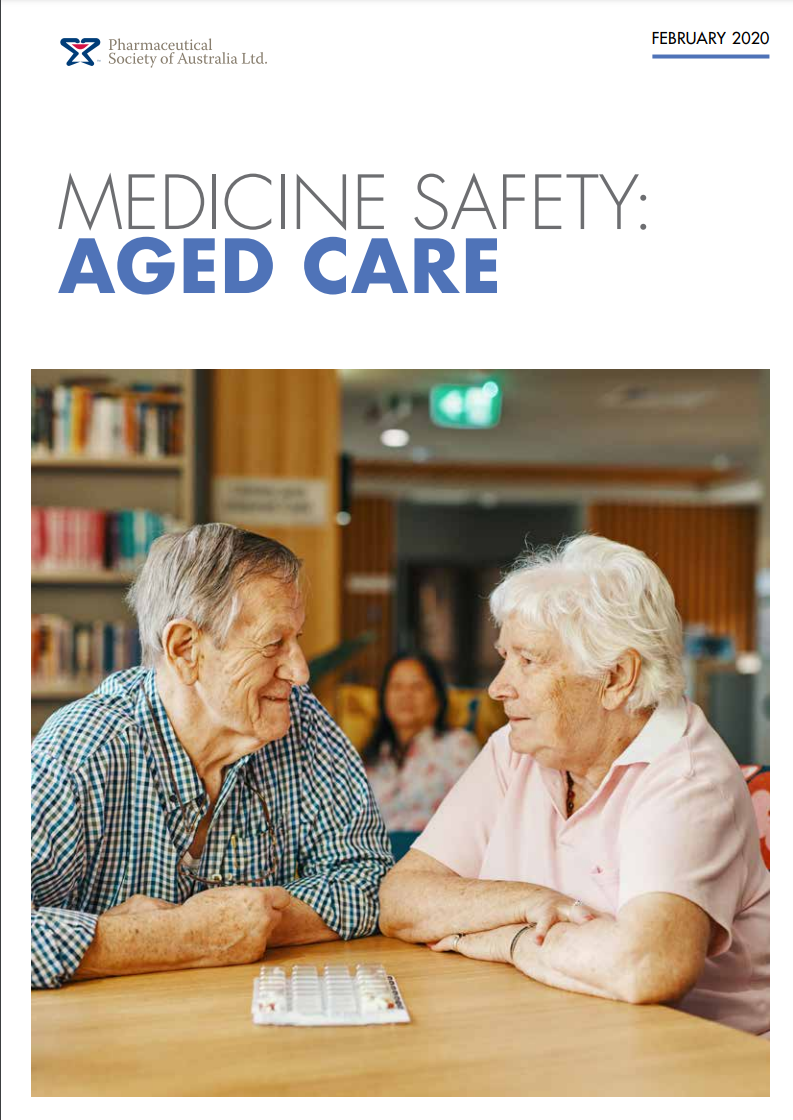
Medicine safety: Aged care
This report highlights medicine safety issues in aged care settings, detailing the prevalence of medicine-related problems, inappropriate prescribing, underuse of medicines, medicine regimen complexities, administration errors, and challenges during transitions of care. It provides opportunities for improvements and emphasises the need for safer medication practices, improved pharmacist involvement, and better regulatory frameworks to protect older people from medication harm.
National Aboriginal Community Controlled Health Organisation - Medicines & Pharmacy
This resources provides information for Aboriginal Community Controlled Health Organisations (ACCHOs) and other communities related to medicine use and management. It includes a collection of resources for health workers involved in prescribing and supplying medicines in these settings.
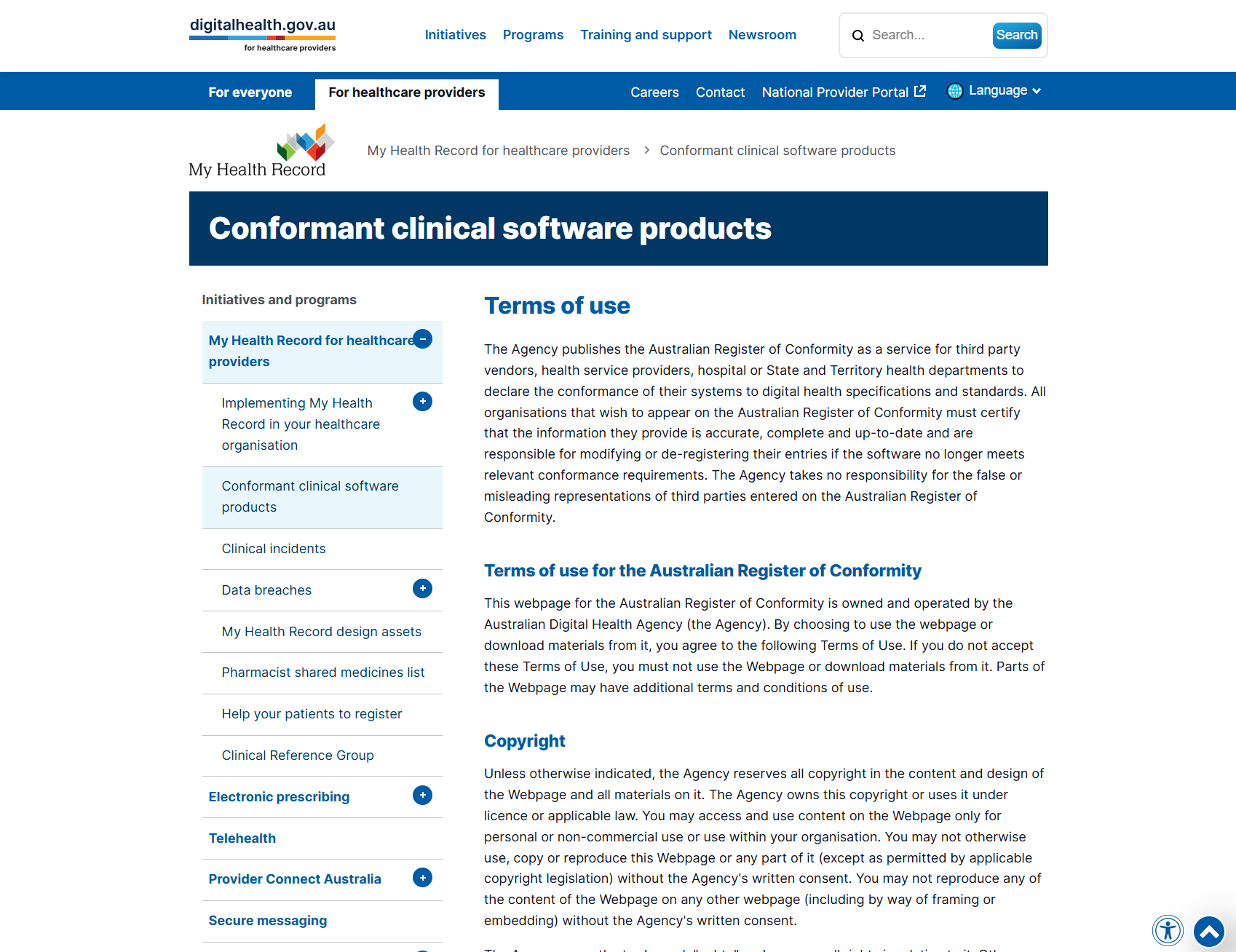
Conformant clinical software products
This resource provides a register of conformant clinical software products that meet national digital health requirements, enabling functions like My Health Record access, health summary uploads, and prescription management. Organisations using the register should verify entries’ currency and accuracy as updates depend on software developers.
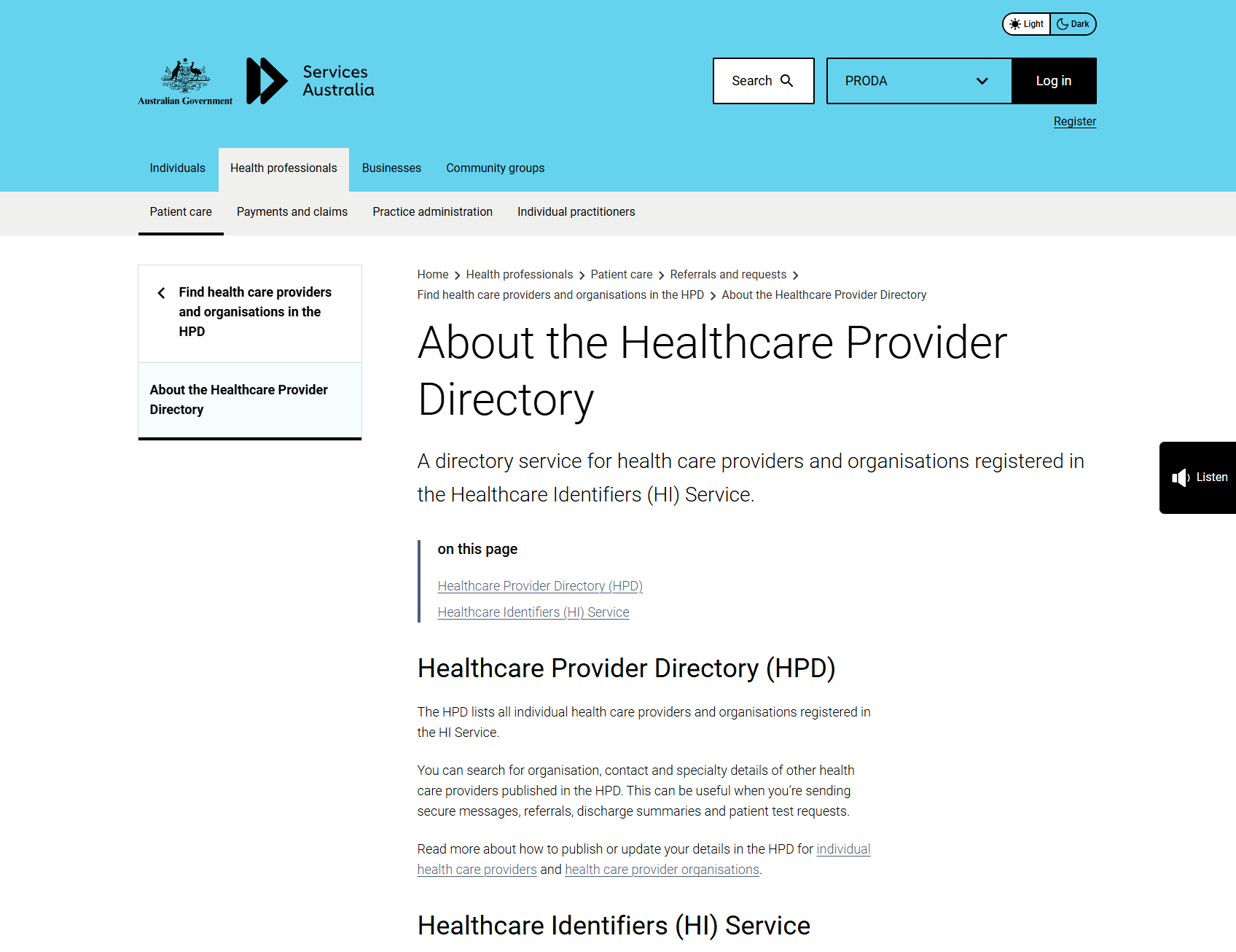
Healthcare Provider Directory (HPD)
This resource explains the Healthcare Provider Directory (HPD), a service listing registered health care providers and organisations in the Healthcare Identifiers (HI) Service. It enables health professionals to access contact and specialty information for secure messaging, referrals, and discharge summaries.
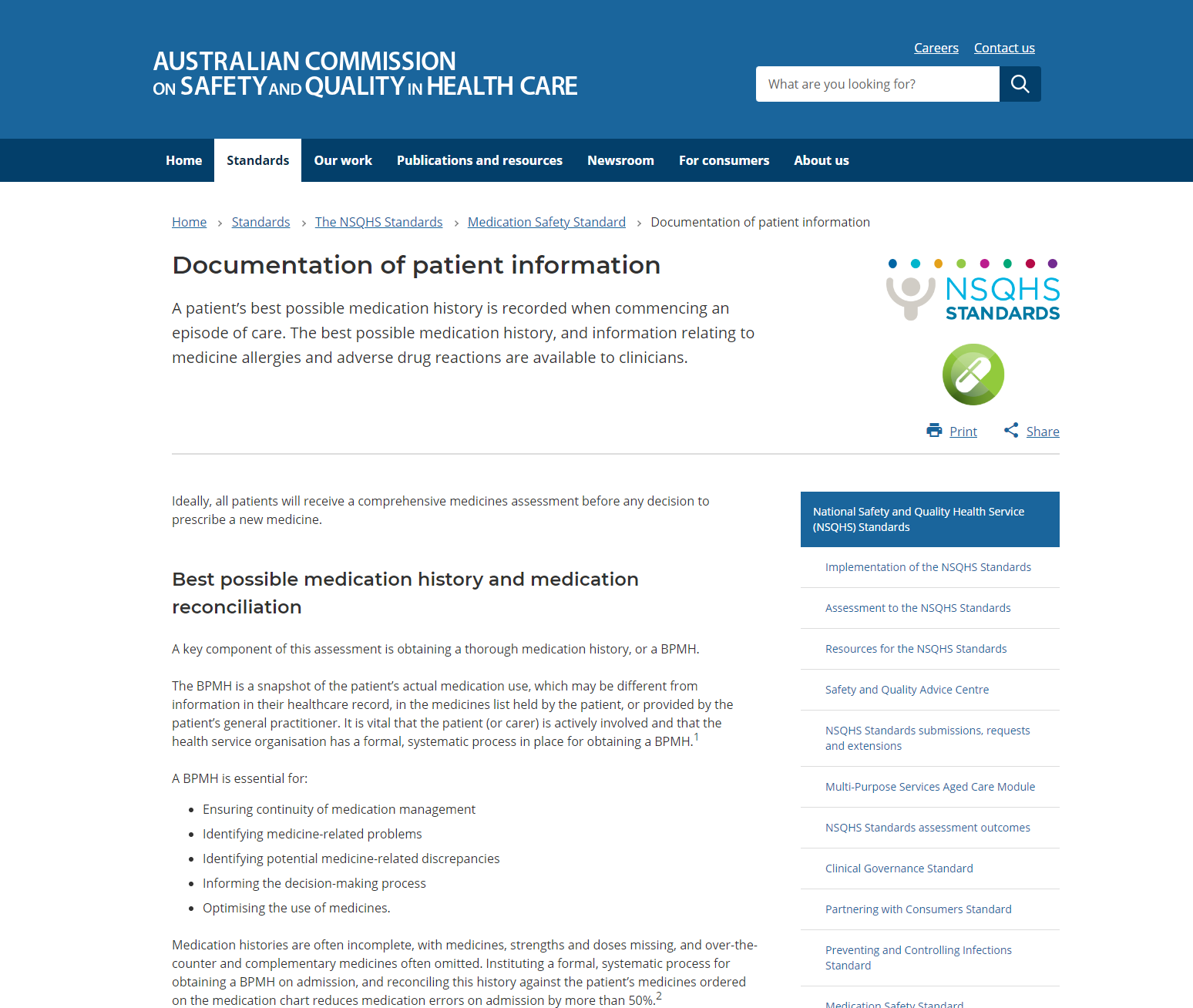
Documentation of patient information
This resource outlines best practices for documenting patient information related to medication history and adverse drug reactions. It provides guidance on obtaining the best possible medication history (BPMH), reconciling medications at care transitions, and recording known allergies. The resource helps aged care providers ensure accurate medication management, reduce errors, and prevent harm from adverse drug events.
This resource may apply to healthcare contexts outside of aged care. Please consider the applicability of this resource to your care setting.
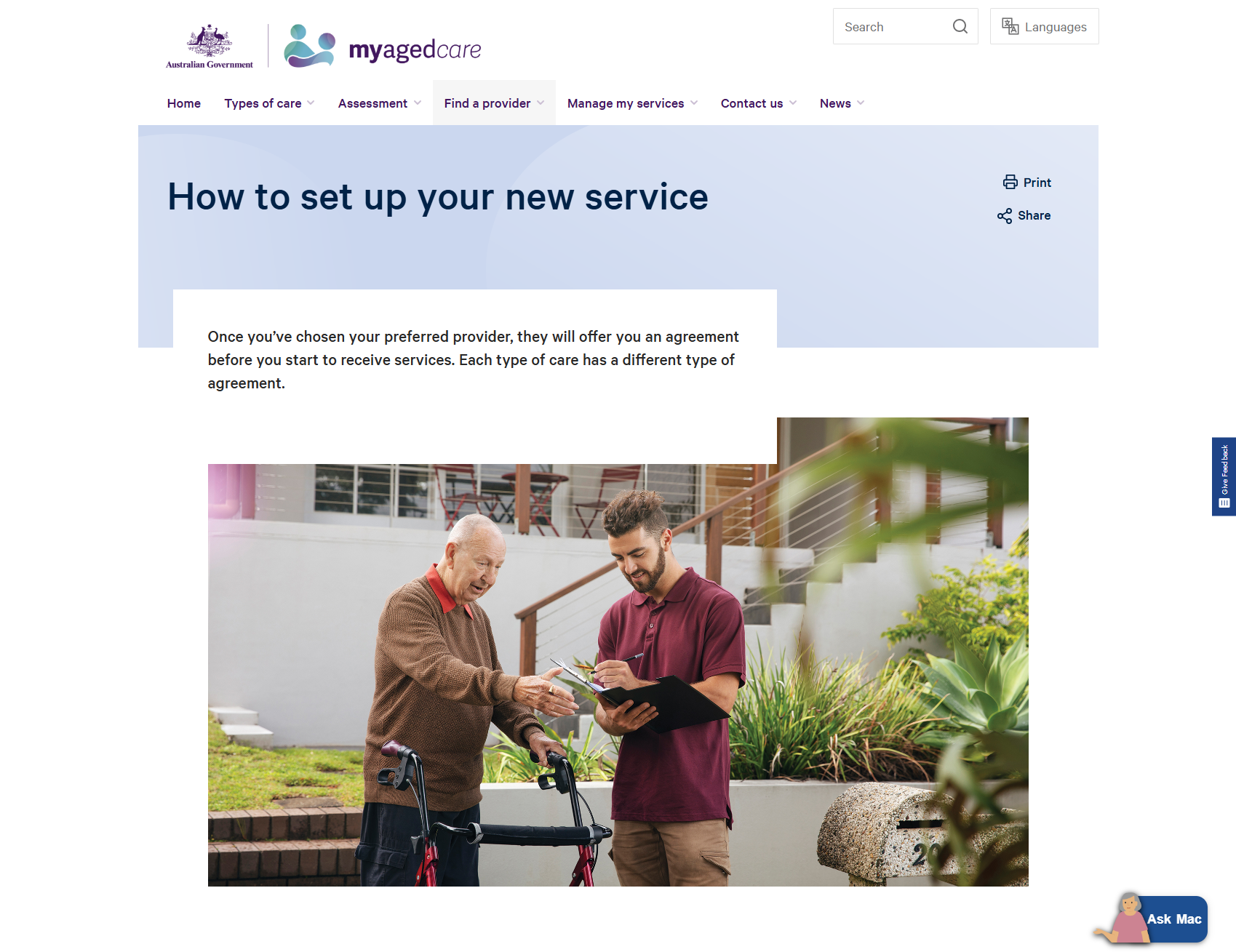
How to set up your new service
This resource guides users through setting up new aged care services, covering essential agreements for care plans, services, and fees. It outlines various agreement types, such as Home Care Packages and respite care, and provides support options, including advocacy services, to make sure rights and preferences are respected in care arrangements.
Aged Care Data and Digital Strategy 2024–2029
The Aged Care Data and Digital Strategy 2024–2029 outlines a framework for leveraging data and digital innovation to improve aged care services. It focuses on enhancing care delivery, reducing administrative burdens, and empowering older people through better access to information and services. The strategy supports collaboration across the aged care sector and promotes continual improvement through digital transformation.
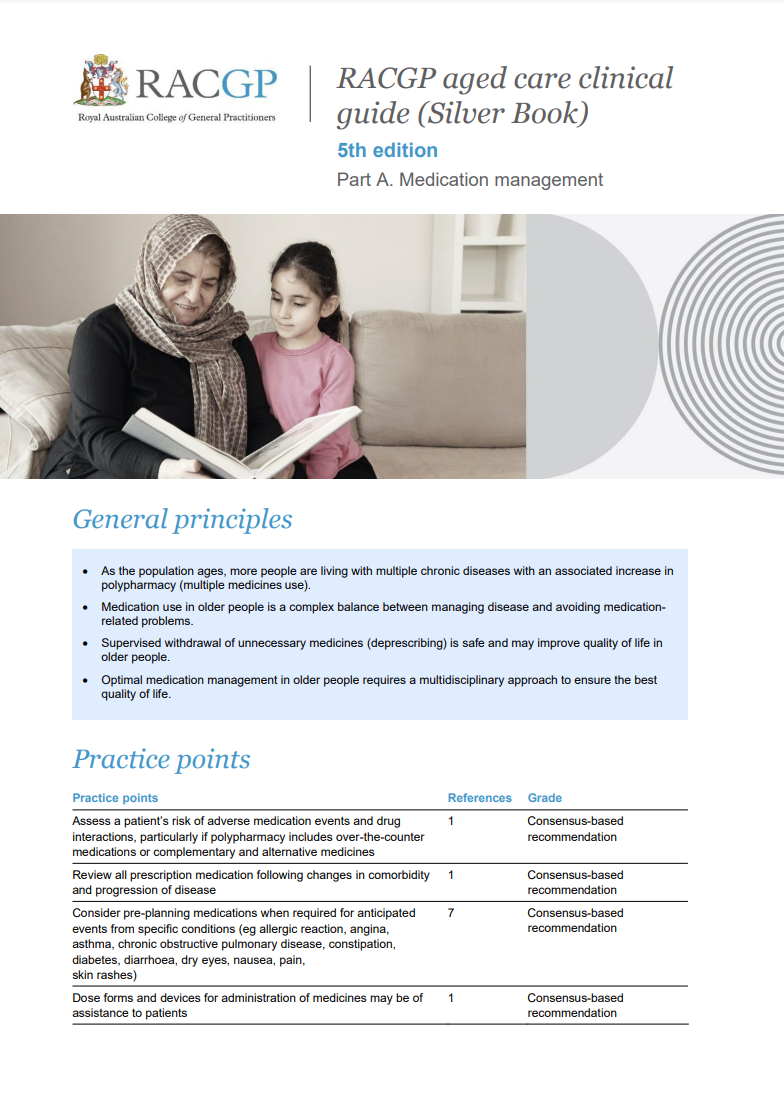
RACGP aged care clinical guide (Silver Book) - Part A - Medication management
This guide covers medication management in aged care, addressing the use of multiple medications, reviewing prescriptions, and the role of multidisciplinary teams. It outlines principles for safe medication practices, deprescribing, administering medication, managing adverse events, and conducting medication reviews. It also provides guidelines for storage, disposal, and modification of medications.
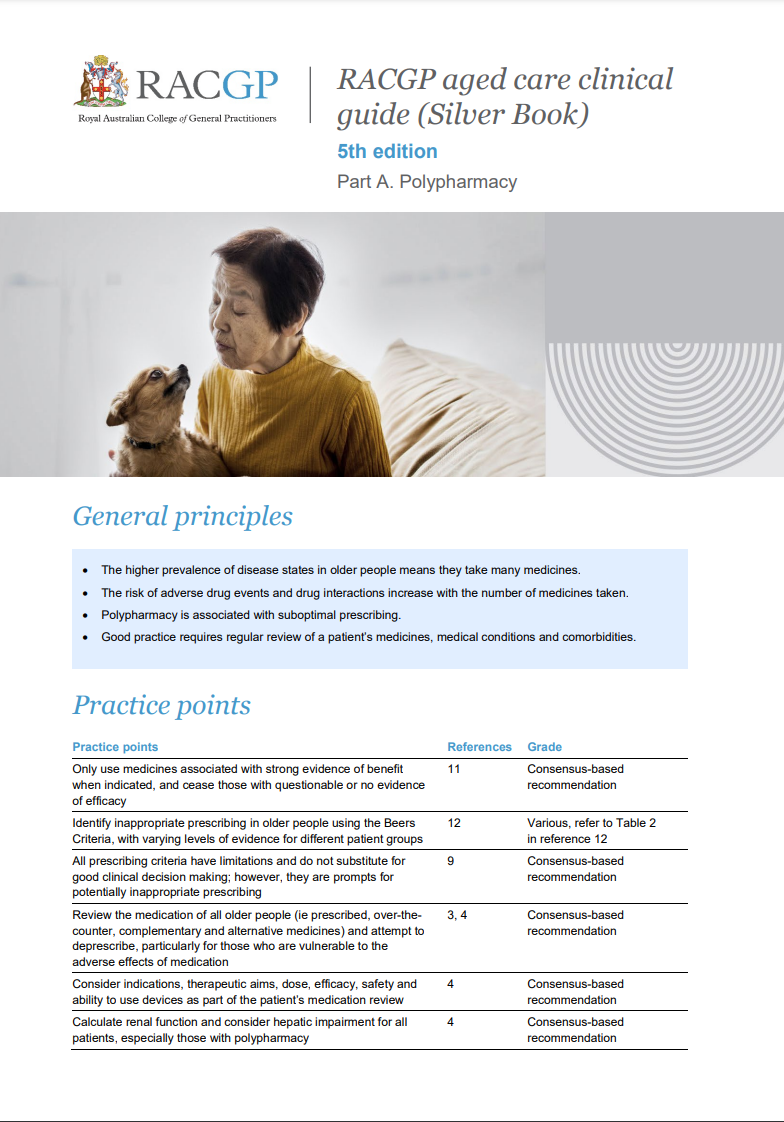
RACGP aged care clinical guide (Silver Book) - Part A - Polypharmacy
This guide addresses polypharmacy in aged care, focusing on identifying inappropriate prescribing and reviewing all medications, including prescription, over-the-counter and complementary and alternative medicines. It includes recommendations for reducing medication use through deprescribing, ensuring medication safety, and regular review of renal and hepatic functions. Tools such as Beers Criteria and other screening frameworks are provided to support optimal medication management in older adults.
RACGP aged care clinical guide (Silver Book) - Part A - Deprescribing
This guide focuses on deprescribing in aged care, aiming to reduce unnecessary or potentially harmful medications. It provides a framework for reviewing medication, assessing risks and benefits, developing tapering plans, and involving multidisciplinary teams. It provides recommendations including; patient-cantered communication, establishing written plans for medication withdrawal, and monitoring outcomes to improve quality of life.
Home Medicines Review
This resource provides information on the Home Medicines Review (HMR) program, designed to support the safe and effective use of medicines for patients at home. It outlines the process, eligibility criteria, program variations, claiming and payments, rural loading allowance, and guidance for pharmacists and healthcare providers involved in medication reviews