The Quality Standards Resource Centre helps extend understanding of the strengthened Aged Care Quality Standards, which took effect from 1 November 2025. You can search for resources by using keywords, or filtering by standard, outcome and audience. Before using the Resource Centre, please read the terms of use.
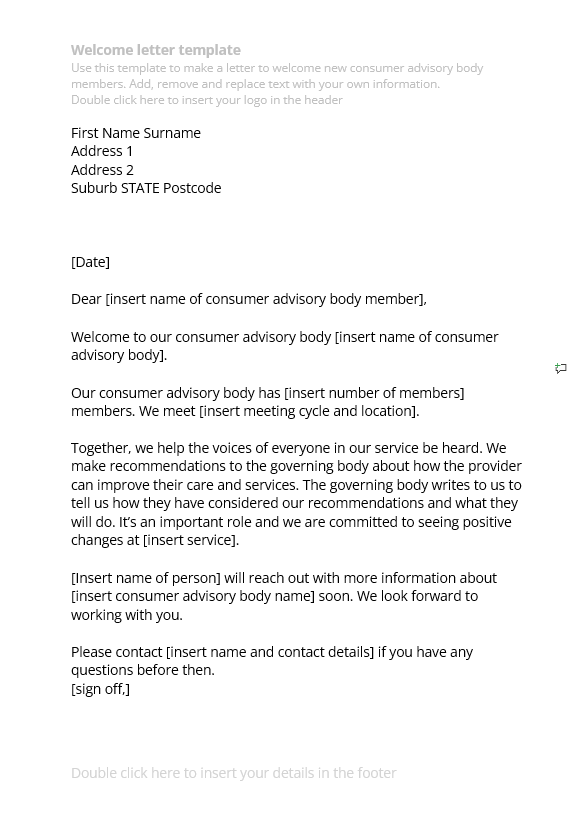
Raising concerns and making an effective complaint
This resource provides guidance on how to raise concerns and make an effective complaint in aged care. It offers practical tips, a checklist, and tools to help people clearly communicate their issues with service providers. It also explains how to escalate complaints to the Aged Care Quality and Safety Commission if necessary. This resource may refer to information that will be updated from 1 November 2025 to align with the new Aged Care Act and Quality Standards.
Older Persons Advocacy Network
This resource provides information on aged care advocacy services, offering free and confidential support to older people receiving government-funded aged care. It includes resources to help people understand their rights, navigate the aged care system, and access advocacy for issues such as care quality, decision-making, and protection from harm.
This resource may refer to information that will be updated from 1 November 2025 to align with the new Aged Care Act and Quality Standards.
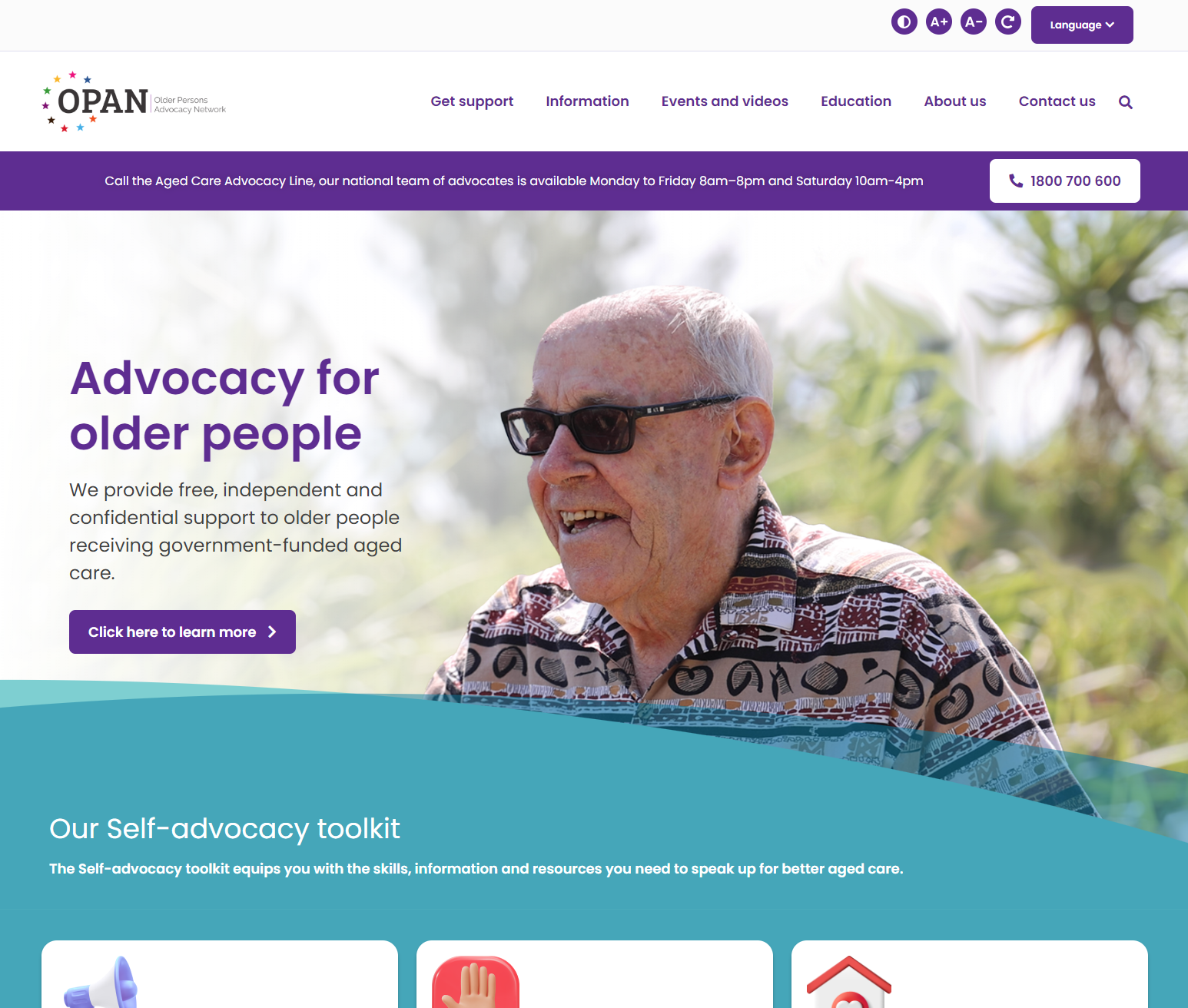
First Nations - Visual information sheet - Your rights when accessing aged care
 Yarning about your aged care (PDF 645.07 KB)
What is open disclosure? - video
This video explains open disclosure and what older people can expect from their registered provider during the process. It highlights key aspects such as communication, transparency, and how concerns will be addressed.

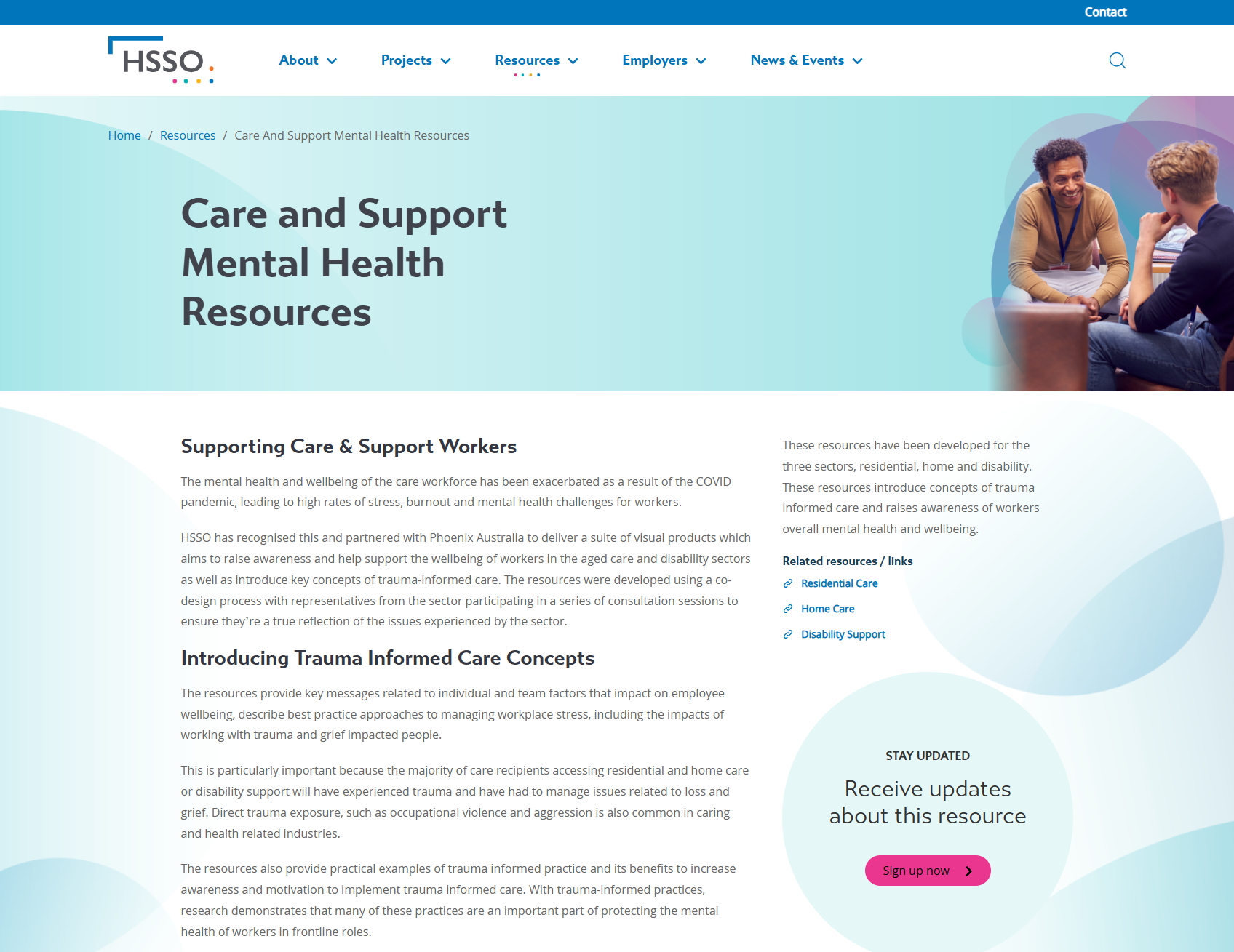
Care and Support Mental Health Resources
This resource offers mental health and trauma-informed care materials to support aged care, home care, and disability support workers. Developed with industry consultation, it provides strategies to improve worker wellbeing, manage workplace stress, and integrate trauma-informed practices, addressing common challenges like burnout and occupational stress.
Effective incident management education pack
The Effective incident management education pack is designed for providers to deliver to their own staff. It can be delivered in full or delivered as a series of shorter sessions where you can focus on the sections that are most relevant to your setting or the time you have available.
This pack will support your staff to understand the role they play in effectively managing incidents at your aged care service and help them understand what an incident management system is and its key elements.

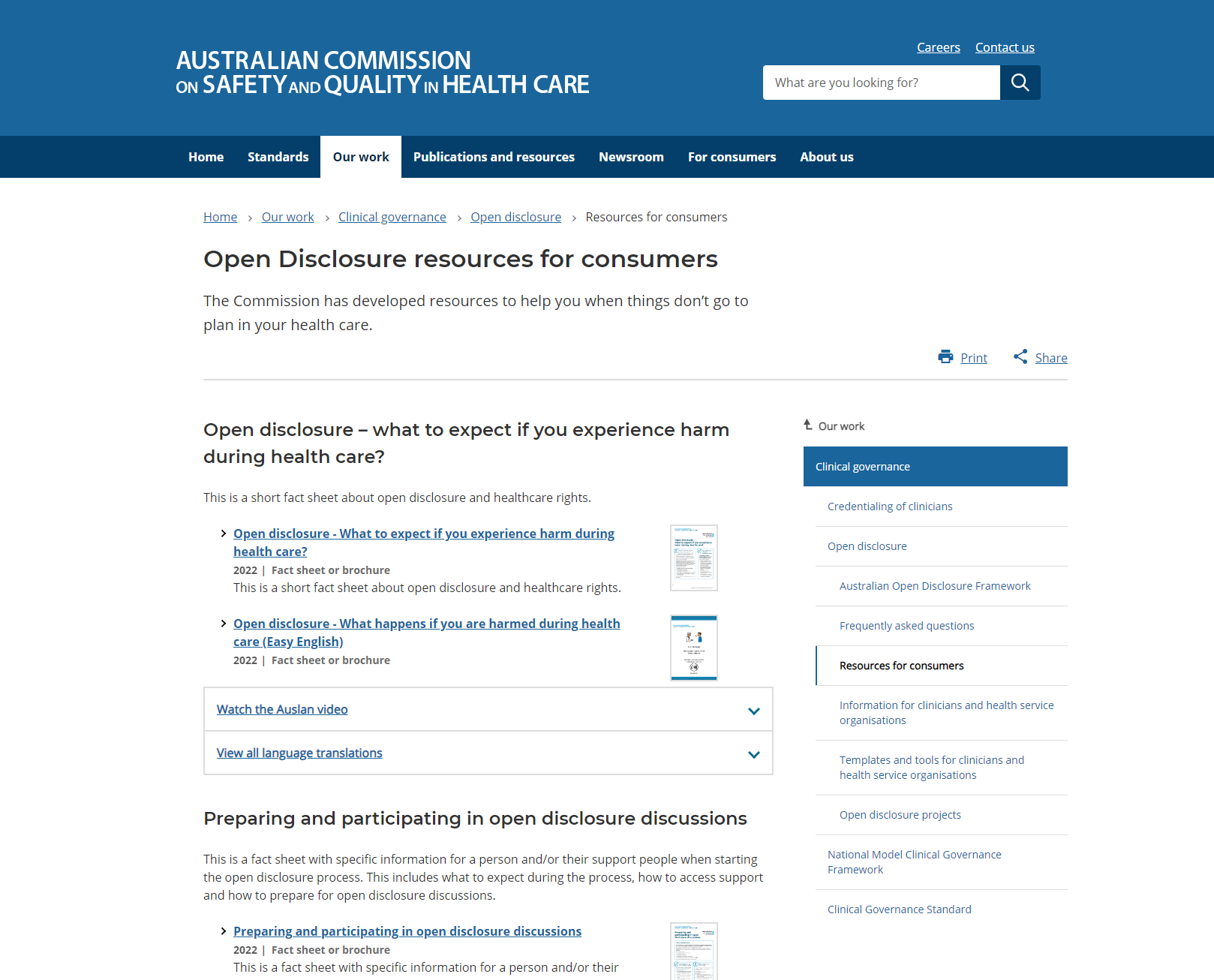
Open Disclosure resources for consumers
This resource provides information on open disclosure in healthcare, explaining what people should expect if harm occurs during care. It includes fact sheets in various languages and outlines how to prepare for open disclosure discussions. The resource aims to support transparent communication and improve care safety across healthcare settings, including aged care. This resource may refer to information that will be updated from 1 November 2025 to align with the new Aged Care Act and Quality Standards.
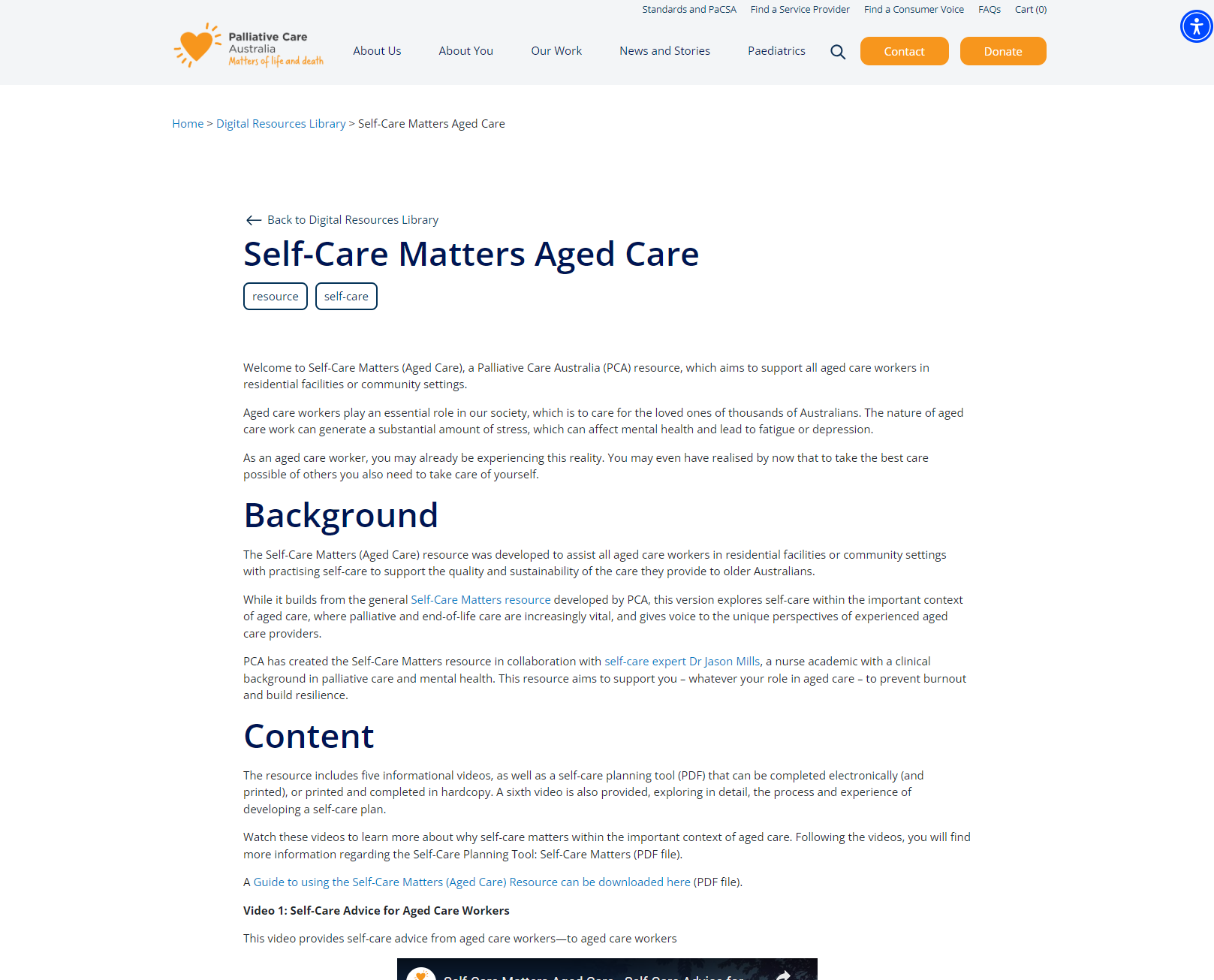
Self-Care Matters Aged Care
This resource supports aged care workers in managing stress and maintaining mental and physical wellbeing. It includes videos and tools focused on self-care strategies, such as mindfulness, relaxation, and personalised self-care planning. The resource is designed to help prevent burnout and promote resilience in delivering high-quality care in aged care settings.
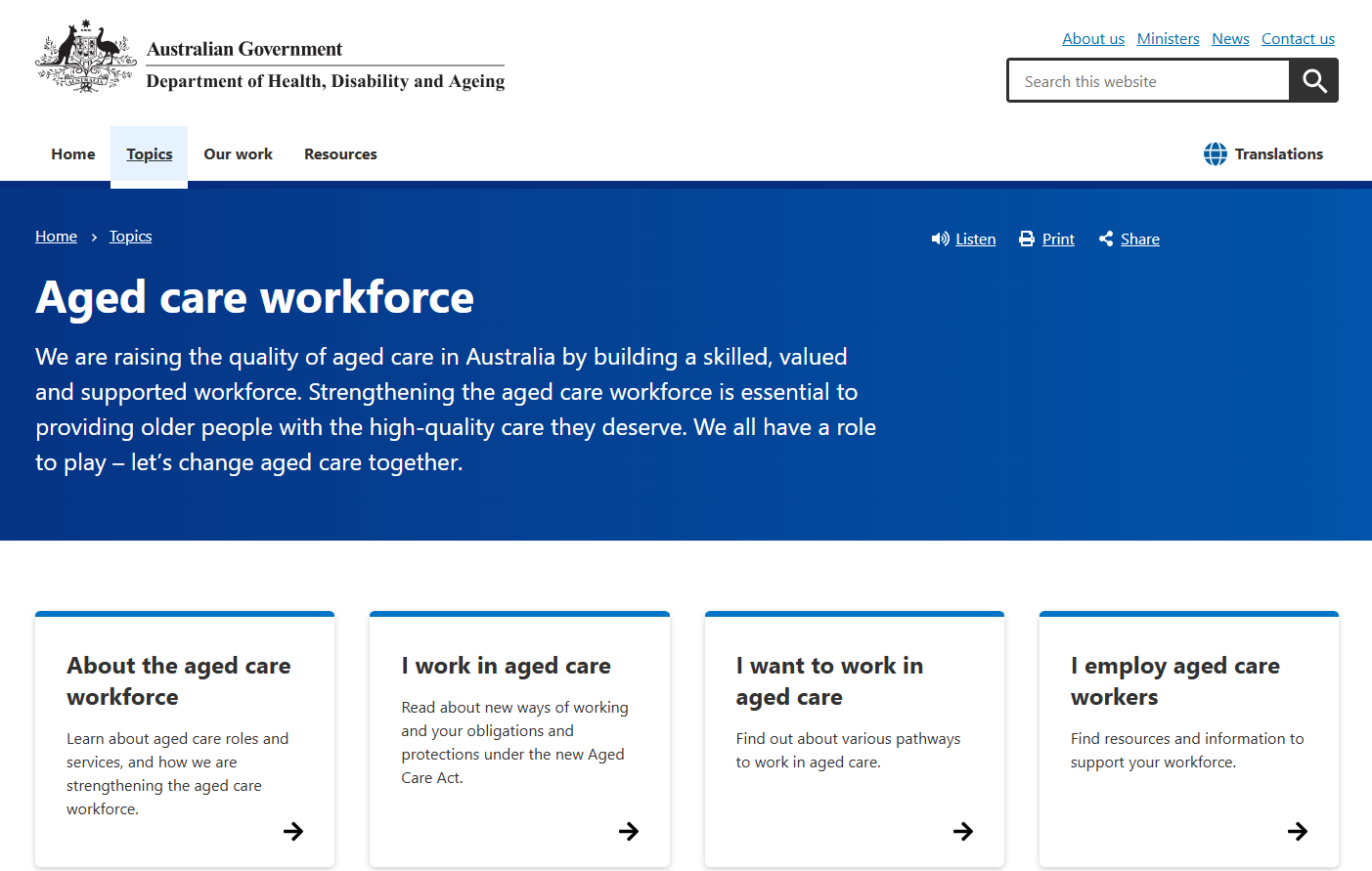
Aged care workforce
This resource provides information about the aged care workforce, highlighting opportunities for those interested in joining the sector. It details available programs such as scholarships, training, and clinical placements for nurses and aged care workers. It also includes initiatives to support the growth, training, and development of the aged care workforce to ensure quality care for older adults.
This resource may refer to information that will be updated from 1 July 2025 to align with the new Aged Care Act and Quality Standards.
COTA - Council on the Ageing
This resource provides information on the Council on the Ageing (COTA) Australia's work, including advocacy, policy priorities, and resources for older adults. It highlights key areas such as dental care affordability, aged care reform, and independence for seniors. The site offers publications, submissions to inquiries, and the Aged Care Visitors Code, relevant for aged care providers and consumers.
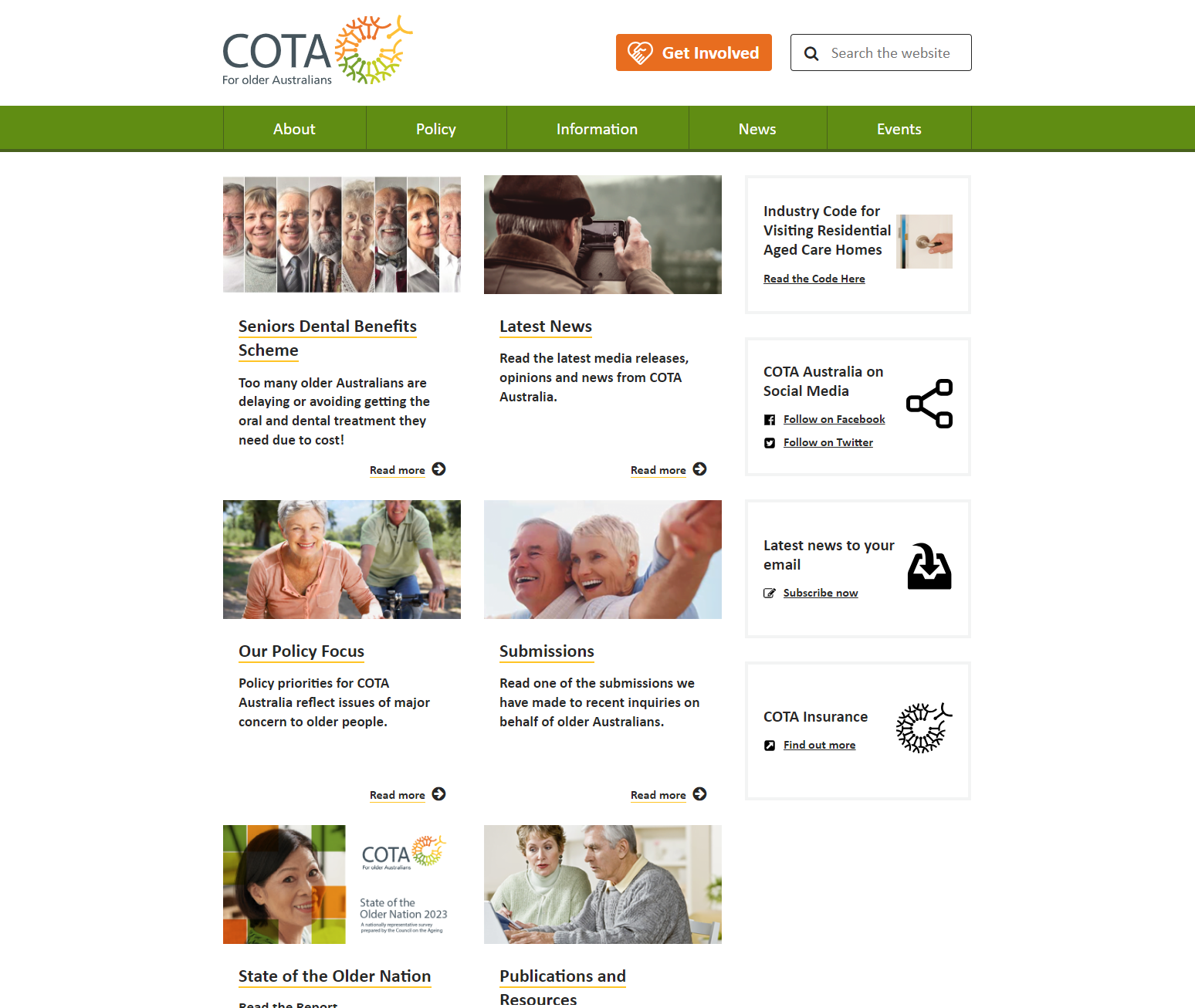
Code of conduct
This resource provides the National Boards' Code of Conduct, outlining the expected professional behaviour and ethical standards for registered health practitioners. It serves as a regulatory framework to ensure safe, ethical care, helping practitioners understand their responsibilities. The document is important for all registered practitioners to ensure they comply with these standards across healthcare settings.
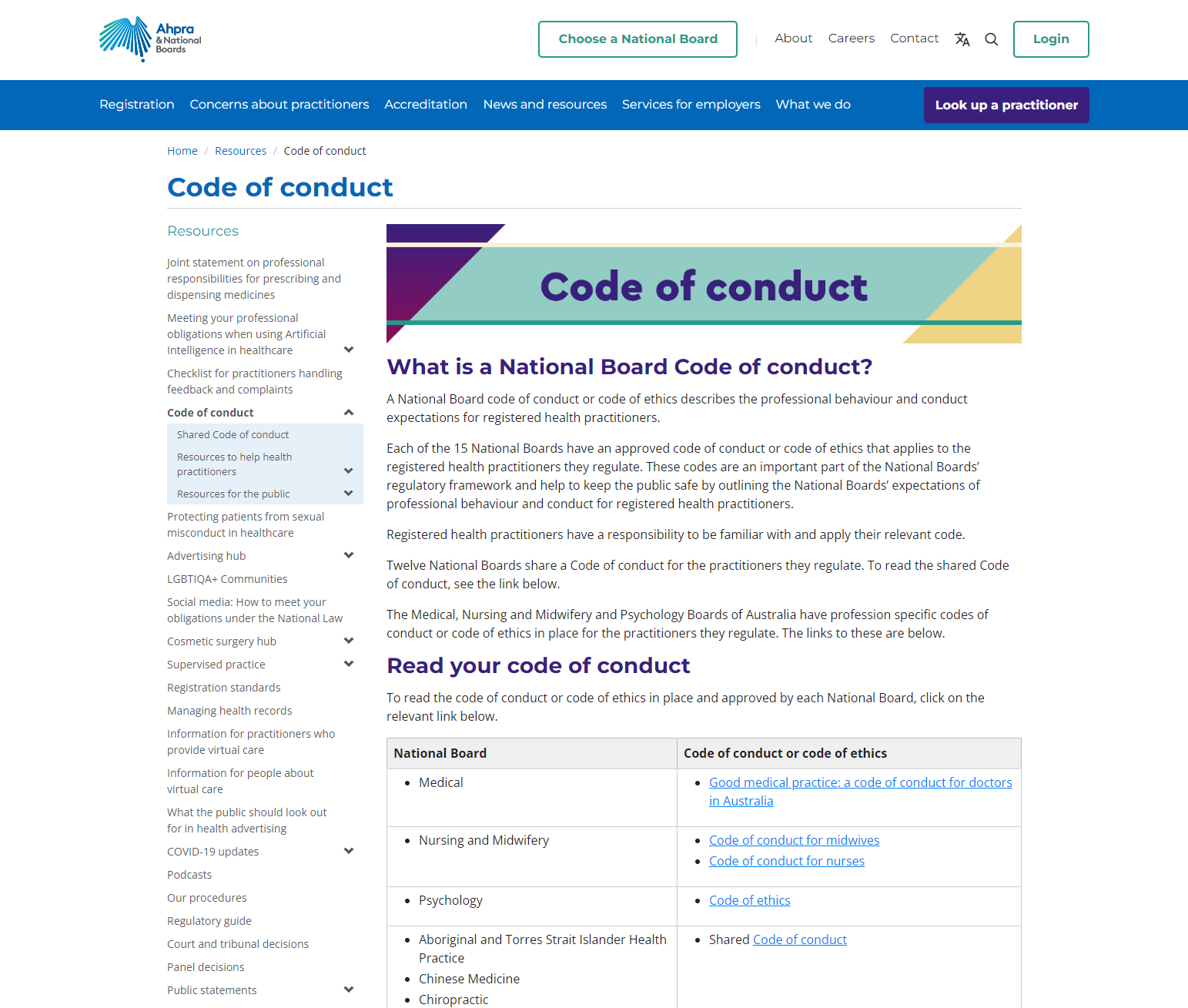
RACGP aged care clinical guide (Silver Book) - Part B - Older people in rural and remote communities
This guide discusses providing aged care in rural and remote communities, focusing on the unique needs of older residents, the role of GPs in care coordination, and overcoming challenges like limited services and workforce shortages. It covers building telehealth connections, establishing collaborative care models, and offers a checklist for newly arrived GPs to support quality care for older adults.
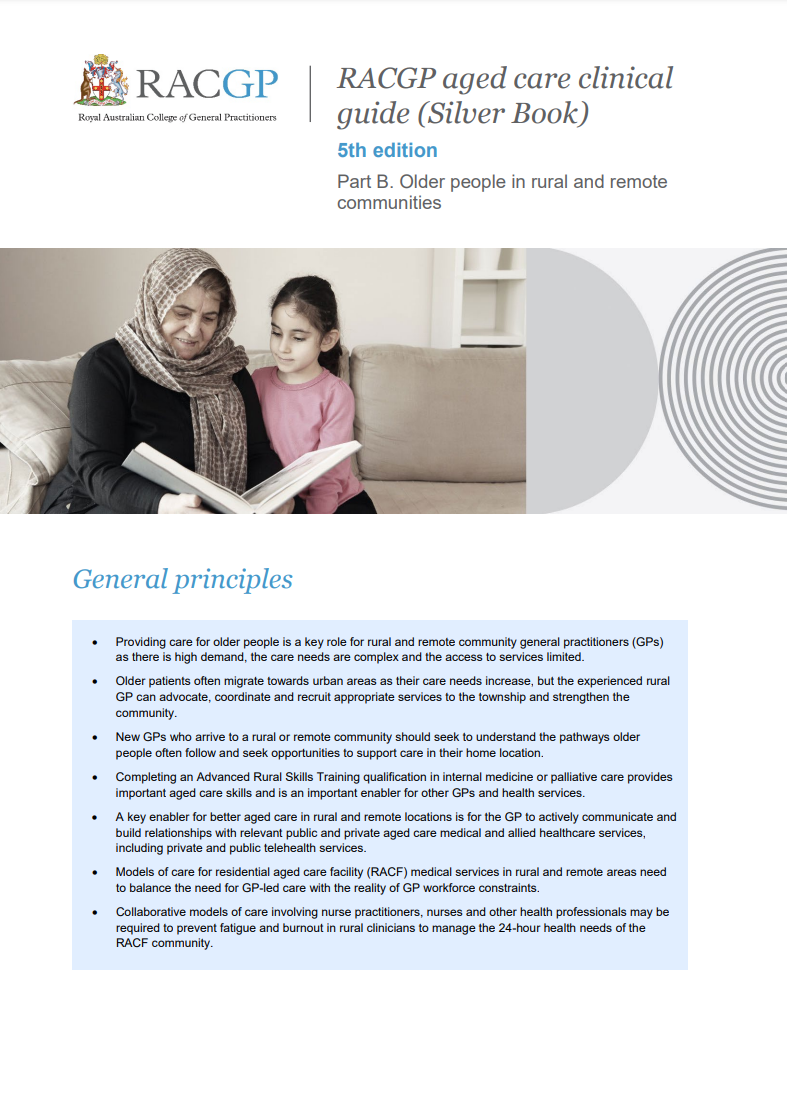
Seeking support from an advocate
This resource describes the advocacy support available for people receiving government-funded aged care, provided through the National Aged Care Advocacy Program. It outlines the role of advocates in assisting with understanding services, managing rights, addressing concerns, and learning self-advocacy skills, supporting respectful and fair treatment in aged care.
First Nations - YouTube videos
This resource includes a series of YouTube videos developed by the Aged Care Quality and Safety Commission. Australian First Nations older people discuss good quality, culturally appropriate and safe aged care, including person-centred care, rights and how to speak up about care. This resource may refer to information that will be updated from 1 November 2025 to align with the new Aged Care Act and Quality Standards.

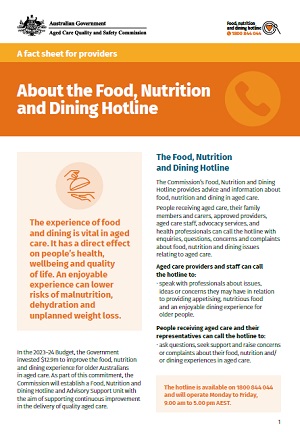
About the Food, Nutrition and Dining Hotline – provider and worker fact sheet
This resource provides information about the Food, Nutrition, and Dining Hotline, which offers advice and addresses concerns regarding food and dining in aged care. It allows aged care providers, staff, residents, families, and carers to raise issues about nutrition, menu planning, and dining experiences to improve quality and care outcomes. This resource may refer to information that will be updated from 1 November 2025 to align with the new Aged Care Act and Quality Standards.
First Nations - Digital Flipchart - Your rights in aged care
A visual guide for conversations between providers/workers and older people about aged care. It includes notes for providers/workers to help guide the conversation.

How an aged care advocate can help you
If you are concerned about the quality of the aged care service you or the person you represent is receiving, an advocacy service may be able to help.
How an aged care advocate can help you – fact sheet (PDF 267.87 KB)
Better Practice Complaint Handling Guide
This resource provides best practice guidance for handling complaints within public service agencies and private providers. It outlines the principles for creating an effective, customer-focused complaint system, including steps for logging, resolving, and communicating complaints. The guide also provides insights on staff training, performance benchmarks, and systemic improvement to enhance service quality and public trust, with relevance for aged care providers ensuring fair and transparent complaint resolution processes.
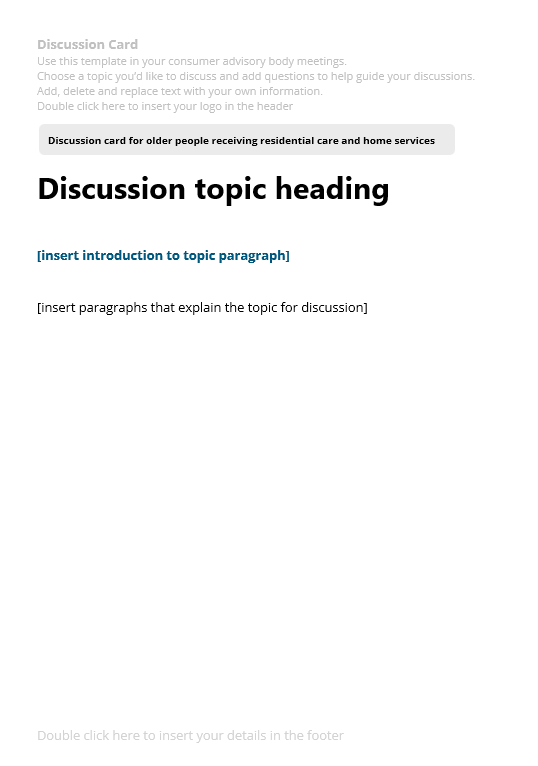
Consumer advisory body discussion card template
A discussion card template that consumer advisory body members can use to write their own topics and questions to prompt discussion about any concerns older people receiving care may have.
 Consumer advisory body discussion card template (DOCX 3.08 MB)
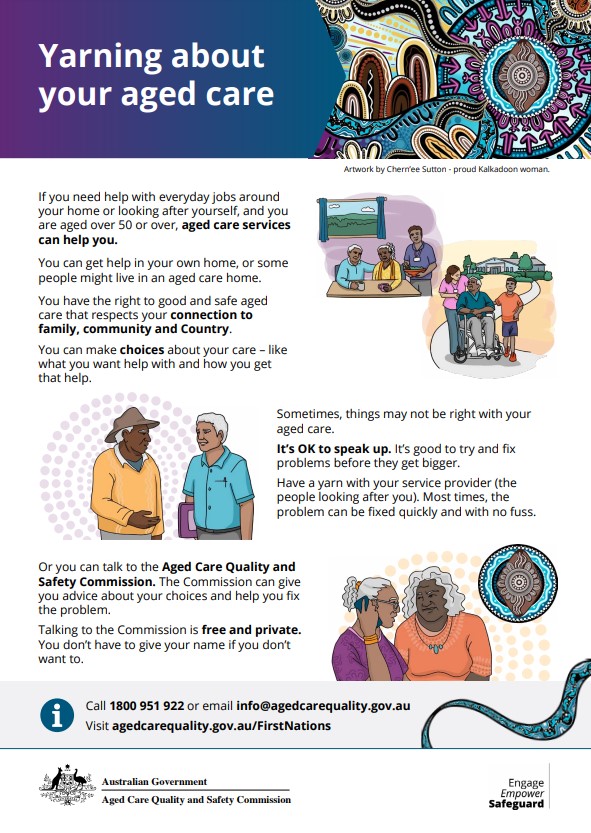
Consumer advisory body welcome letter template
A welcome letter template that consumer advisory body members can use to communicate with new members.
Consumer advisory body welcome letter template (DOCX 3.8 MB)