The Quality Standards Resource Centre helps extend understanding of the strengthened Aged Care Quality Standards, which took effect from 1 November 2025. You can search for resources by using keywords, or filtering by standard, outcome and audience. Before using the Resource Centre, please read the terms of use.
Clinical governance
This page provides information about clinical governance. It includes links to topics including infection and prevention control, dealing with infectious outbreaks, medication management, wound care and restrictive practices. This resource may refer to information that will be updated from 1 November 2025 to align with the new Aged Care Act and Quality Standards.
Managing worker risk policy
Our Managing Worker Risk Policy explains our approach in detecting, assessing and responding to risks arising from the actions, inactions and behaviours of workers.
This policy includes information about:
 Managing worker risk policy (PDF 386.18 KB)
Infection prevention and control in aged care - Cognitive decline and dementia
How to create an environment with strong infection prevention and control practices while continuing to provide a positive experience for people with cognitive decline and dementia.
This resource may refer to information that will be updated from 1 November 2025 to align with the new Aged Care Act and Quality Standards
Antimicrobial stewardship
This resource addresses antimicrobial stewardship (AMS) in aged care, focusing on optimising antimicrobial use to combat antimicrobial resistance. It includes tools, self-assessment guides, and quality improvement strategies to reduce inappropriate antibiotic use, particularly for urinary tract infections. It supports providers in improving infection prevention and control within their services.
This resource may refer to information that will be updated from 1 November 2025 to align with the new Aged Care Act and Quality Standards.
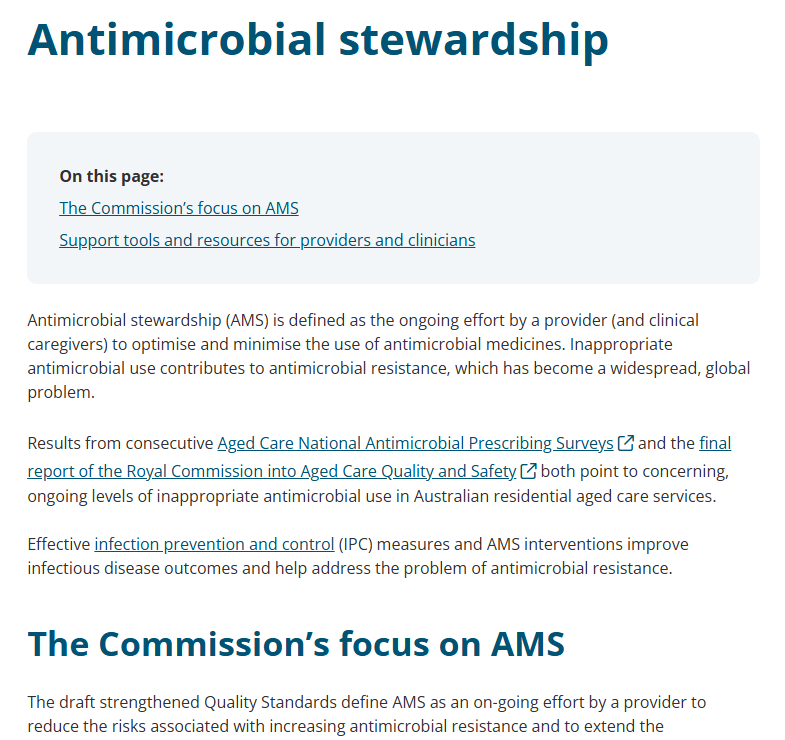
Wound management
This resource provides information about wound management, including wound management mistakes. It contains treatment plan information and highlights the importance of monitoring and analysing data under the National Mandatory Quality Indicator Program.
This resource may refer to information that will be updated from 1 November 2025 to align with the new Aged Care Act and Quality Standards.
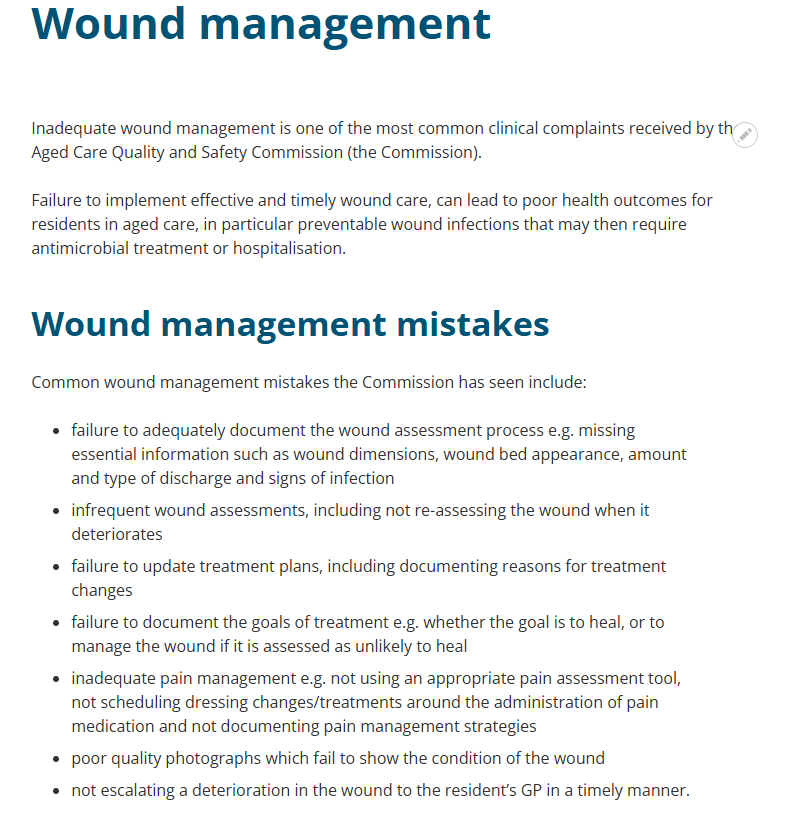
Statement of Rights - Workers
This resource provides information for providers about the Statement of Rights. The Statement of Rights promote quality and safe care for older persons accessing, or seeking to access, funded aged care services. The rights help to ensure that older people and their needs are at the centre of the new aged care system.
This page includes information about what the Statement of Rights means for providers, and has links to additional resources about the rights, including videos and fact sheets.
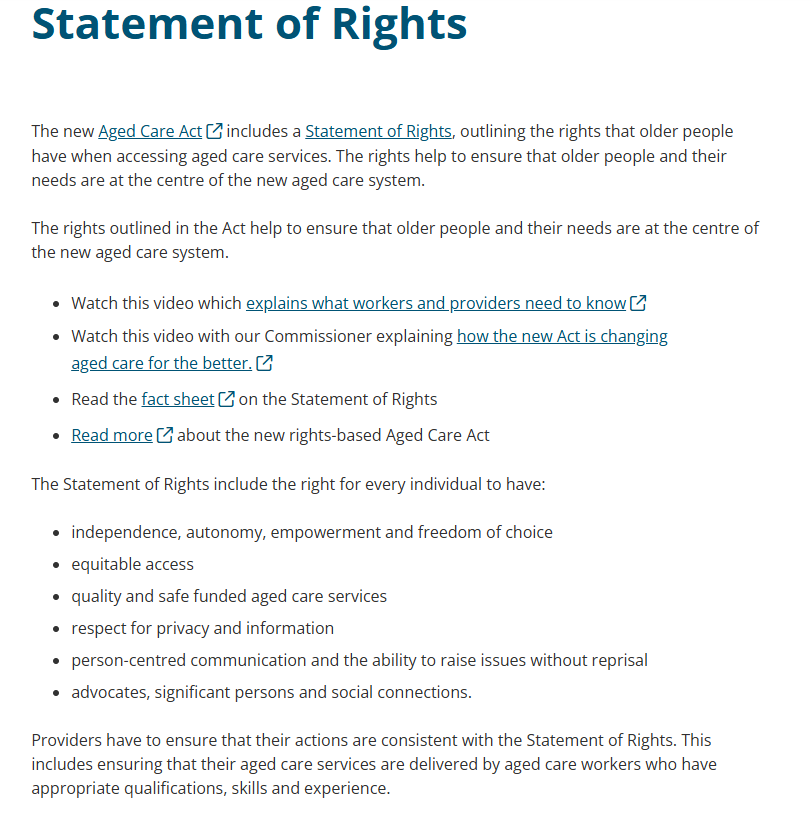
Better practice guide to complaints handling in aged care services
This booklet aims to give guidance on how to:
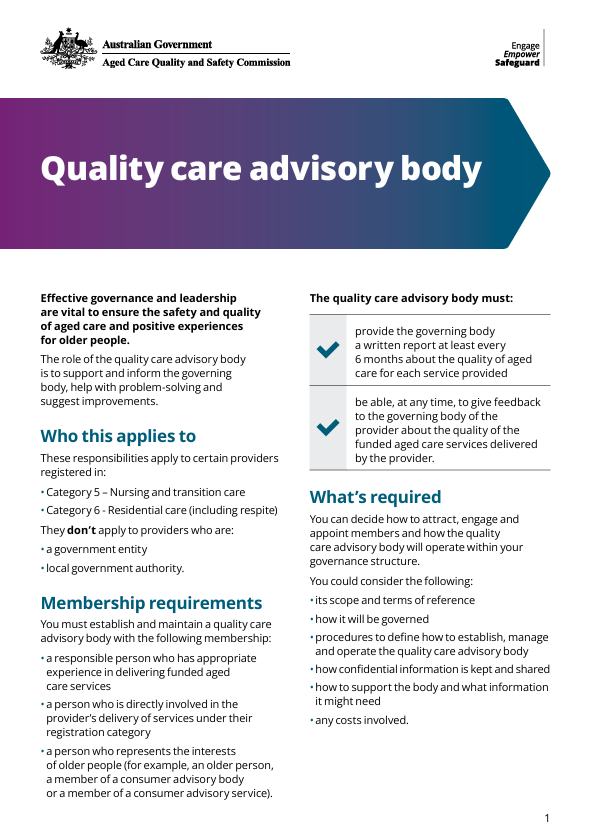
Quality care advisory body fact sheet
Explains the quality care advisory body obligations, including who must be on the advisory body and what actions, reports and feedback are required.
Quality care advisory body fact sheet (PDF 196.24 KB)
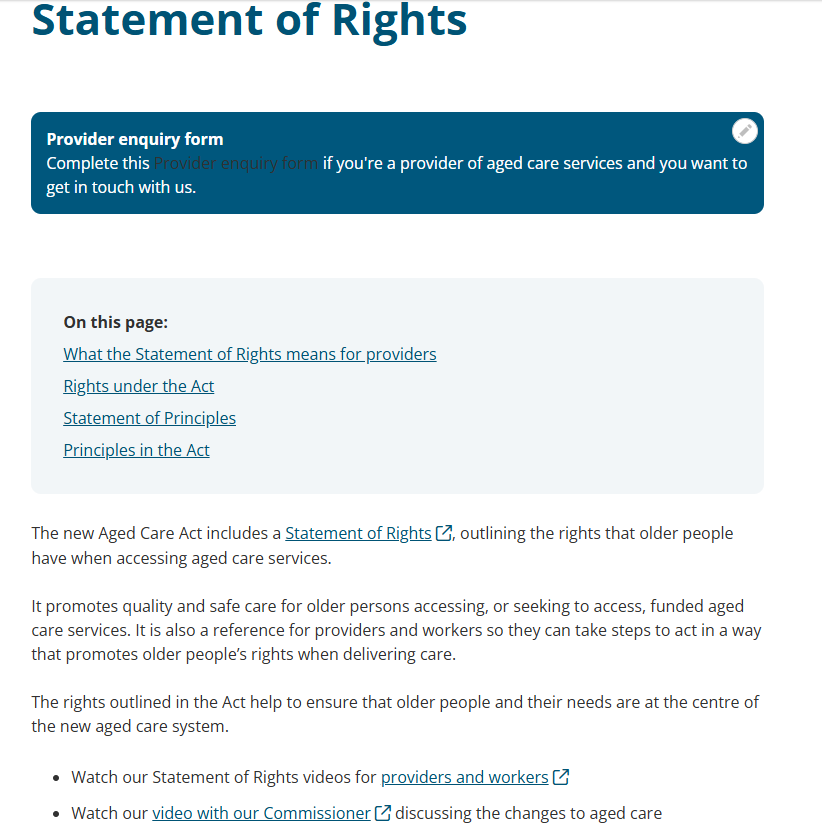
Statement of Rights - Providers
This resource provides information for providers about the Statement of Rights. The Statement of Rights promote quality and safe care for older persons accessing, or seeking to access, funded aged care services. The rights help to ensure that older people and their needs are at the centre of the new aged care system.
This page includes information about what the Statement of Rights means for providers, and has links to additional resources about the rights, including videos and fact sheets.
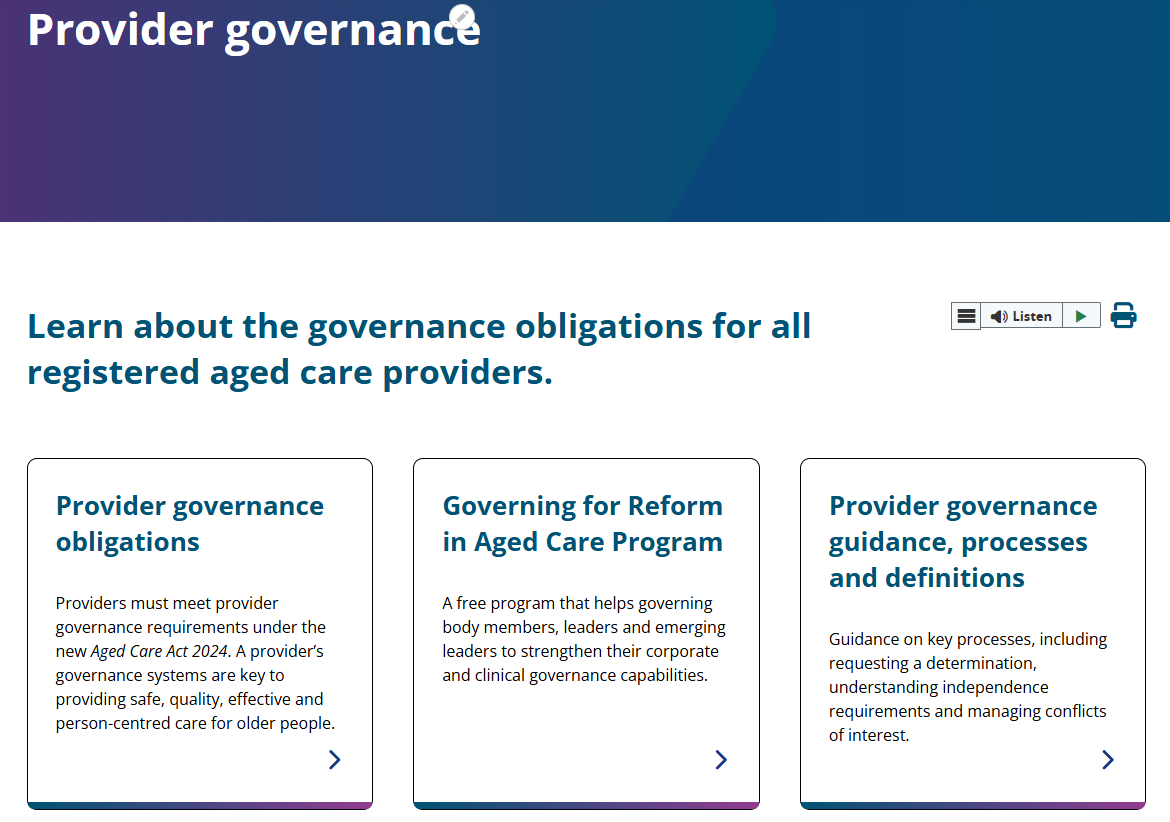
Provider governance
This page outlines governance requirements for registered aged care providers. It includes governance obligations, information about the Governing for Reform in Aged Care Program and guidance on key processes and definitions.
This resource may refer to information that will be updated from 1 November 2025 to align with the new Aged Care Act and Quality Standards.
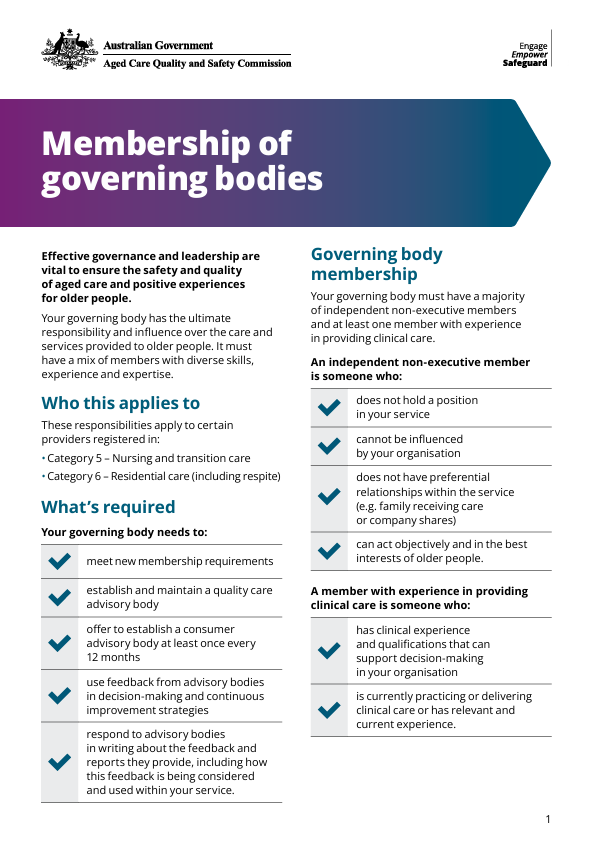
Membership of governing bodies fact sheet
Explains the governing body membership requirements, including what ‘independent non-executive’ and ‘clinical care experience’ mean, and how to apply for a determination if you can’t meet one or both requirements.
Membership of governing bodies fact sheet (PDF 214.43 KB)
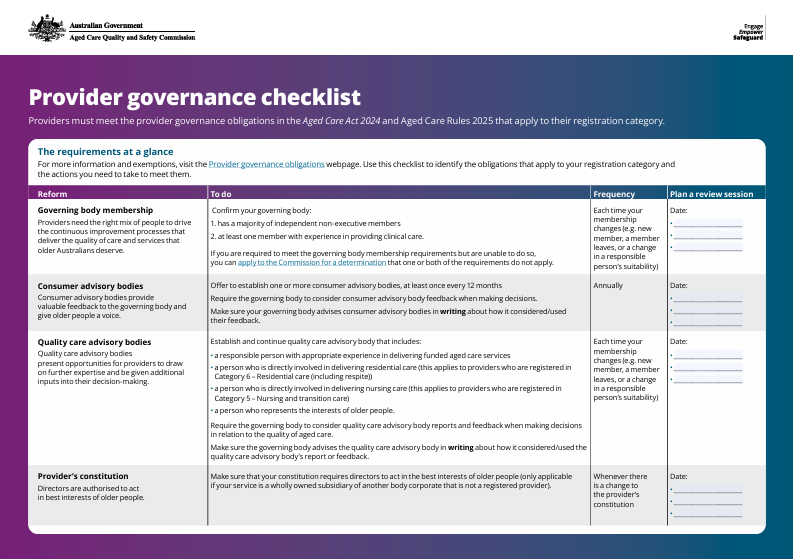
Provider governance checklist
Provides a way for you to identify which governance obligations apply to your registration category, and to plan and record the actions and review dates you need to meet them.
Provider governance checklist (PDF 370.5 KB)
RACGP aged care clinical guide (Silver Book) - Part C - Organisational approaches to aged care
This guide provides guidance on different systems and tools that can be used in residential aged care and community settings. It includes topics such as clinical handover and continuity of care (medication management), information technology systems, My Aged Care, quality improvement, and more. This resource complements Part A: Common clinical conditions in aged care and Part B: General approaches to aged care of the RACGP aged care clinical guide (Silver Book).

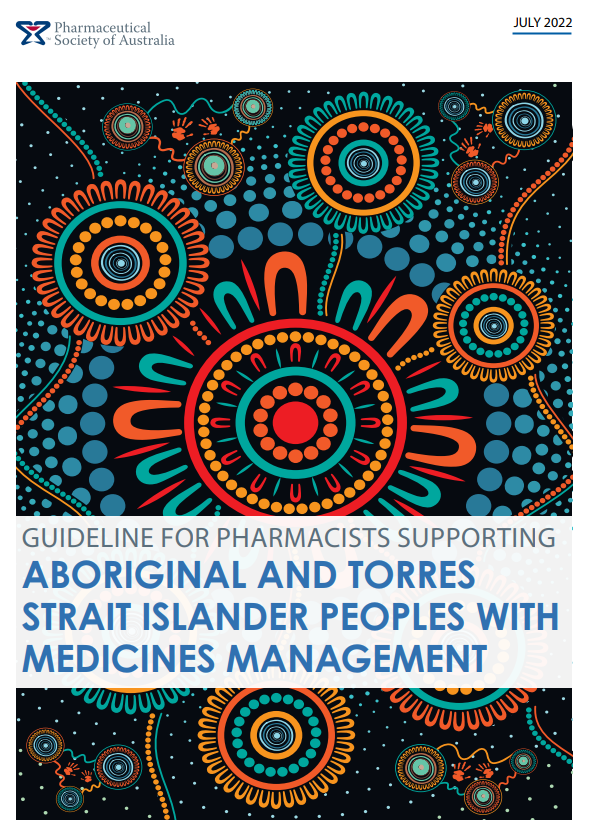
Guidelines for pharmacists supporting Aboriginal and Torres Strait Islander peoples with medicines management
This resource describes the professional obligations of pharmacists when supporting Aboriginal and Torres Strait Islander peoples with culturally safe and responsive care and medicines management. It includes information about appropriate and effective processes, desired behaviour or minimum standards of good practice and information about duties and responsibilities.
This resource may refer to information that will be updated from 1 November 2025 to align with the new Aged Care Act and Quality Standards.
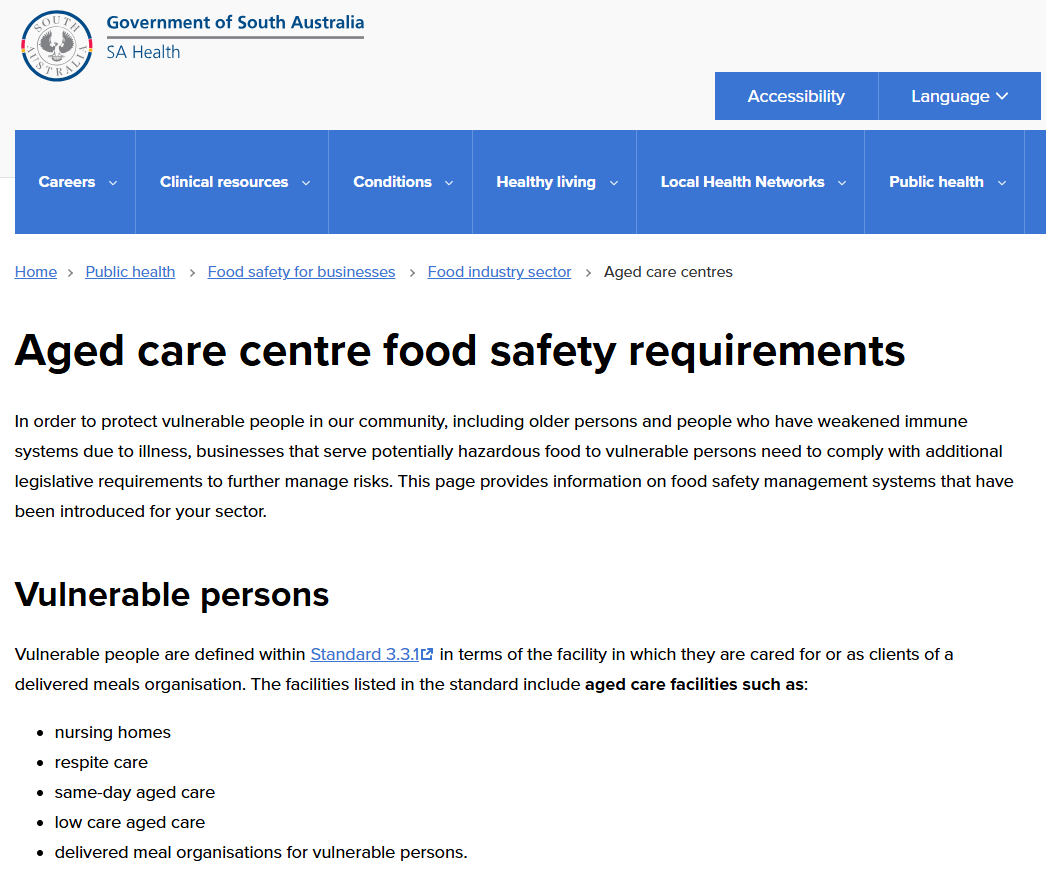
Aged care centre food safety requirements
This resource details food safety requirements for aged care centres, highlighting guidelines for managing risks with potentially hazardous foods. It includes standards for food safety programs, compliance templates, and regulatory guidance to protect vulnerable people.
This resource was developed by a state/territory government or organisation and therefore its applicability and usefulness may be limited.
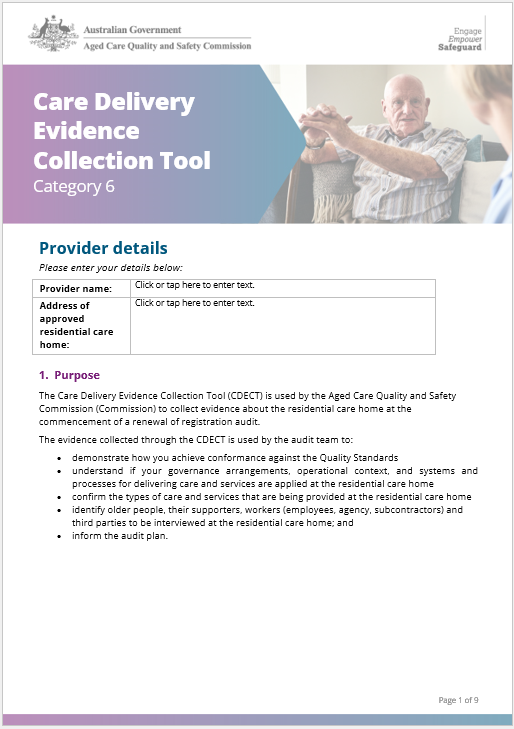
Care Delivery Evidence Collection Tool (CDECT) – Residential (Category 6)
Providers must complete this tool as part of a renewal audit in registration category 6.
The CDECT – Residential must be completed once for each category 6 service.
We use this tool to collect evidence about the residential care home.

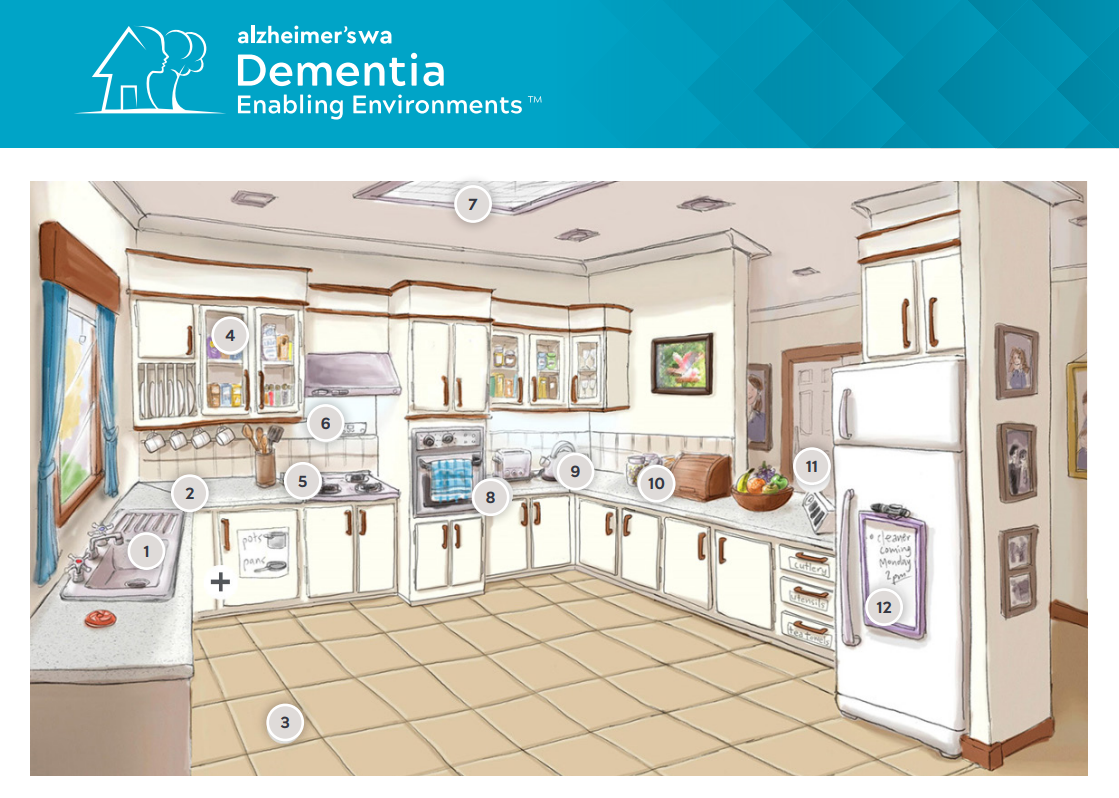
Dementia enabling environments - Adapt a home: Kitchen
This resource, developed by Alzheimer's WA, is a Dementia Enabling Environments illustration information sheet about adapting a home, focusing on the kitchen. It includes principles to integrate enabling design and make changes within the physical environment to maximise enablement and wellbeing for people living with dementia.
This resource was developed by a state/territory government or organisation and therefore its applicability and usefulness may be limited.
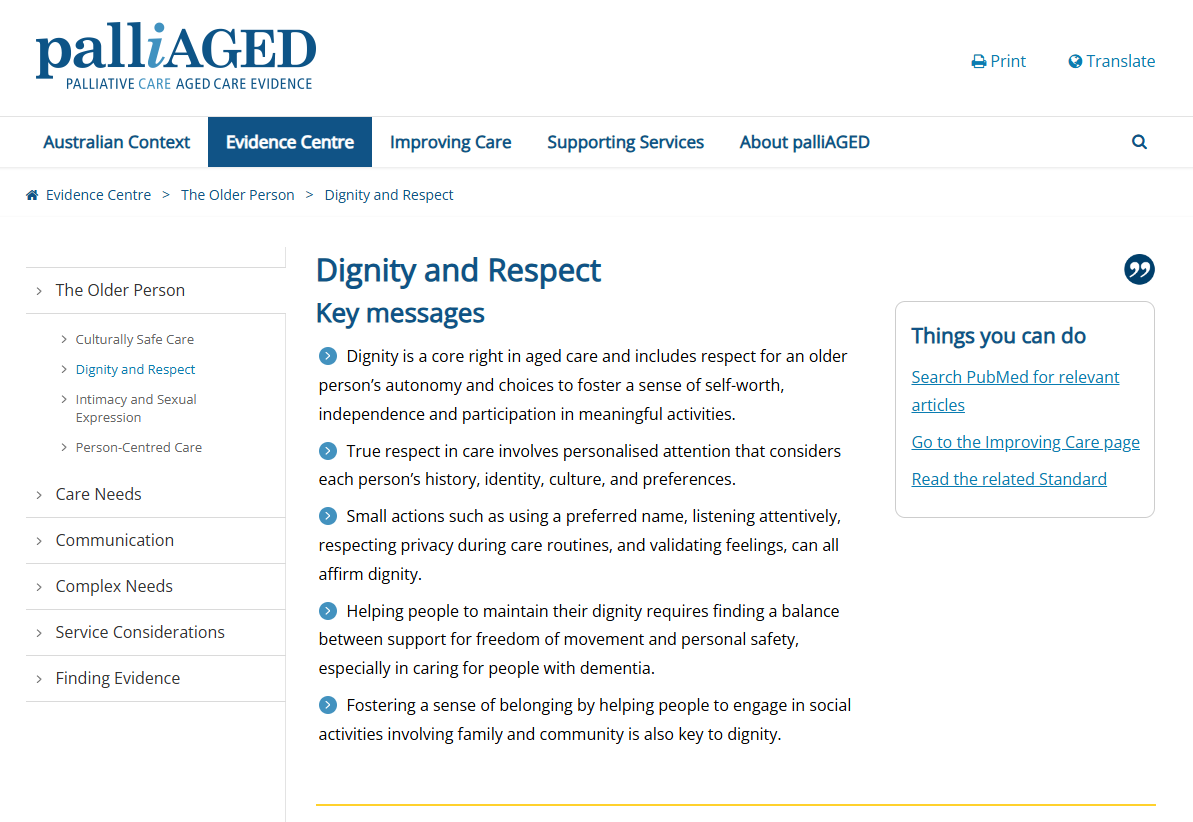
Dignity and Respect
This resource provides information about dignity and respect in aged care, including information about what it means and why it is important. It provides evidence-informed information about dignity and respect in the context of care policies, social inclusion and meaningful engagement, autonomy and dignity of risk, privacy and personal space, and more.
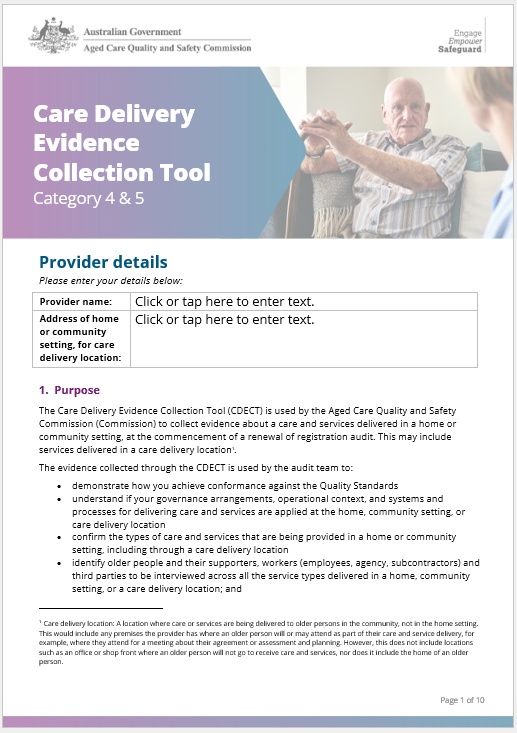
Care Delivery Evidence Collection Tool (CDECT) – Care delivery location (Category 4 & 5)
Providers must complete this tool as part of a renewal audit in registration categories 4 and 5.
We will identify a targeted sample of care delivery locations (Category 4 & 5). You will be notified of this sample and the CDECT – Care delivery location must only be completed for these targeted sample locations.
We use this tool to collect evidence about care and services delivered in a home or community setting.
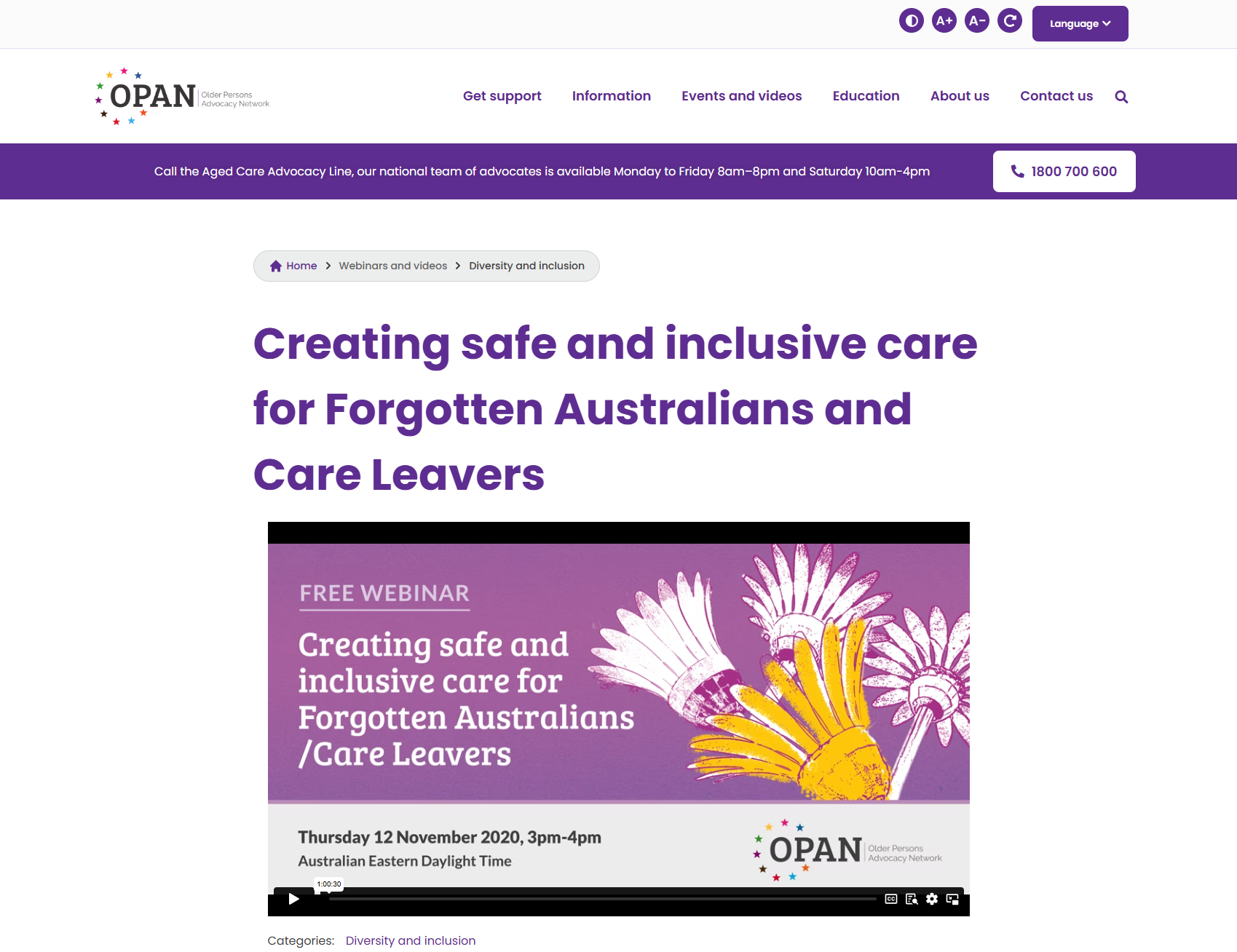
Creating safe and inclusive care for Forgotten Australians and Care Leavers
This resource provides guidance for creating safe, inclusive aged care for Forgotten Australians and Care Leavers, focusing on trauma-informed practices. It supports providers in recognising unique needs, avoiding re-traumatisation, and promoting respect and sensitivity in care environments.