The Quality Standards Resource Centre helps extend understanding of the strengthened Aged Care Quality Standards, which take effect from 1 November 2025. The Resource Centre will be updated to reflect key changes made to the draft strengthened Standards. You can search for resources by using keywords, or filtering by standard, outcome, audience and theme. Before using the Resource Centre, please read the terms of use.
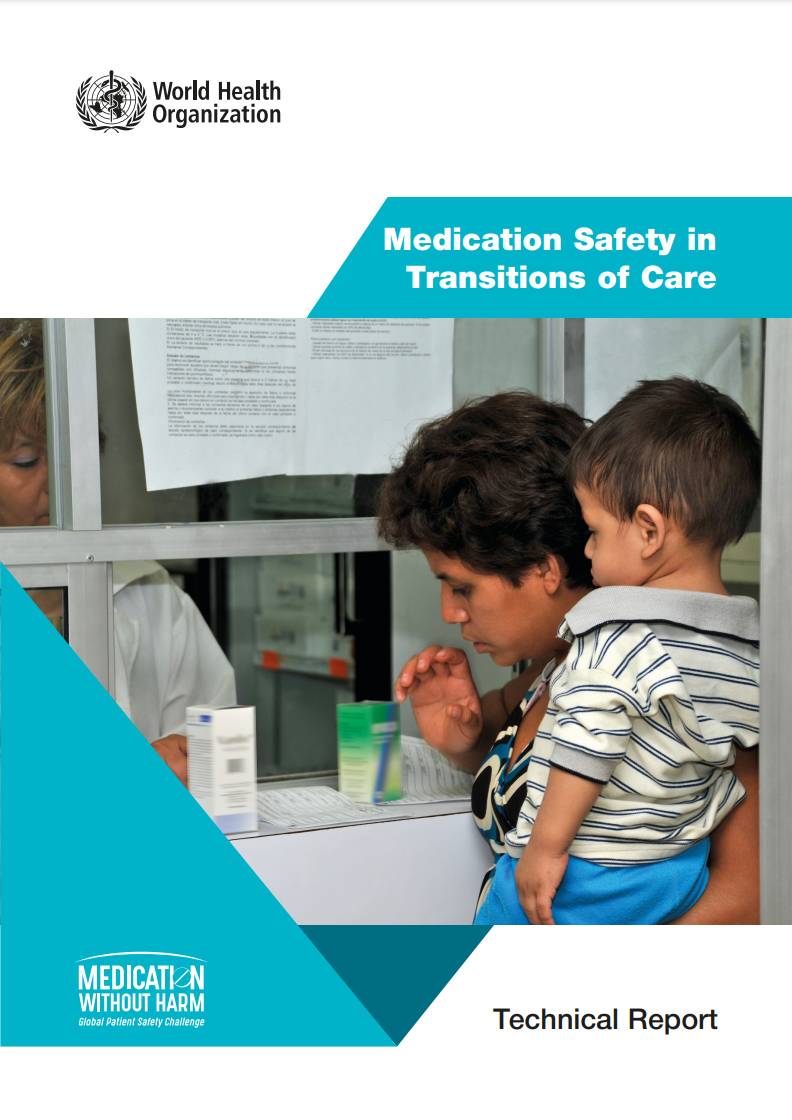
Medication safety in transitions of care: technical report
This resource outlines key actions to improve medication safety during transitions of care, focusing on reducing medication discrepancies and patient harm. It emphasises structured reconciliation, workforce training, patient engagement, and enhanced information systems.
This resource was developed internationally and therefore its applicability and usefulness may be limited.
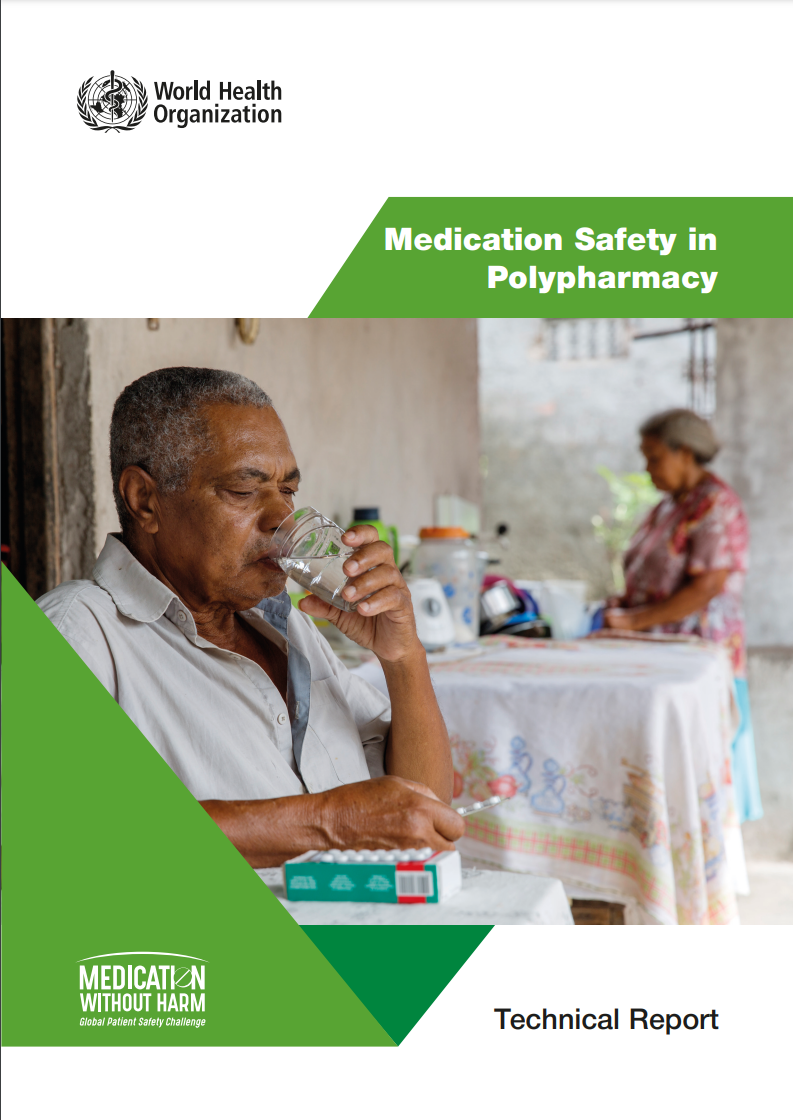
Medication safety in polypharmacy: technical report
This resource provides guidance on safe medication management in polypharmacy, focusing on patient-centred approaches, team collaboration, and systematic reviews for people with long-term conditions. It includes tools and case studies to support health professionals.
This resource was developed internationally and therefore its applicability and usefulness may be limited.
5 moments for medication safety
This tool helps patients, caregivers, and health professionals manage medication safety by focusing on 5 critical moments to reduce harm: starting, taking, adding, reviewing, and stopping medications. It aims to empower patients in safe medication practices through engagement and collaboration with health professionals.
This resource was developed internationally and therefore its applicability and usefulness may be limited.
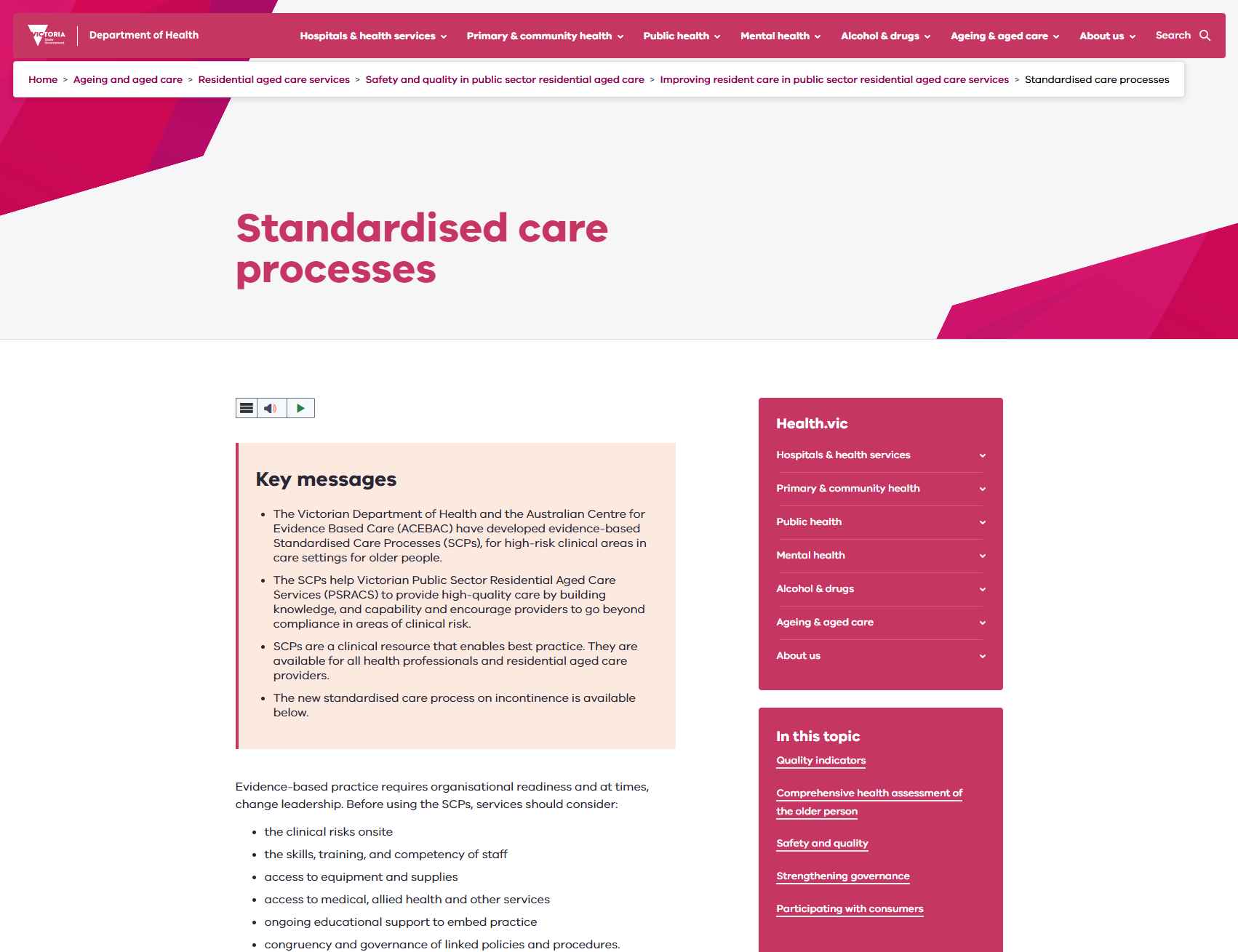
Standardised care processes
This resource offers evidence-based standardised care processes for aged care providers, covering high-risk clinical areas such as falls, pain, incontinence, and dehydration. It provides structured guidelines to support best practices, ensuring consistent and safe care for older people in residential settings.
This resource was developed by a state/territory government or organisation and therefore its applicability and usefulness may be limited.
Participating with consumers
This resource provides information sheets for residents, families, and carers to support decision-making in residential aged care. Covering topics such as pain management, falls, and medicines, it promotes health literacy, enabling consumers to engage in discussions and report care issues effectively.
This resource was developed by a state/territory government or organisation and therefore its applicability and usefulness may be limited.
Maintaining personal identity
This resource offers guidance on maintaining personal identity for people with dementia by fostering respect, independence, and communication. It suggests environmental and social modifications to enhance dignity, such as personalising spaces, supporting mobility, and addressing unmet needs.
This resource was developed by a state/territory government or organisation, and therefore its applicability and usefulness may be limited.
Informed consent - Health Direct
This resource explains the legal requirements and processes for obtaining informed consent for medical treatments, procedures, and care. It is relevant to aged care by ensuring that people understand their healthcare options, risks, and benefits, supporting their ability to make informed decisions about their health and wellbeing.
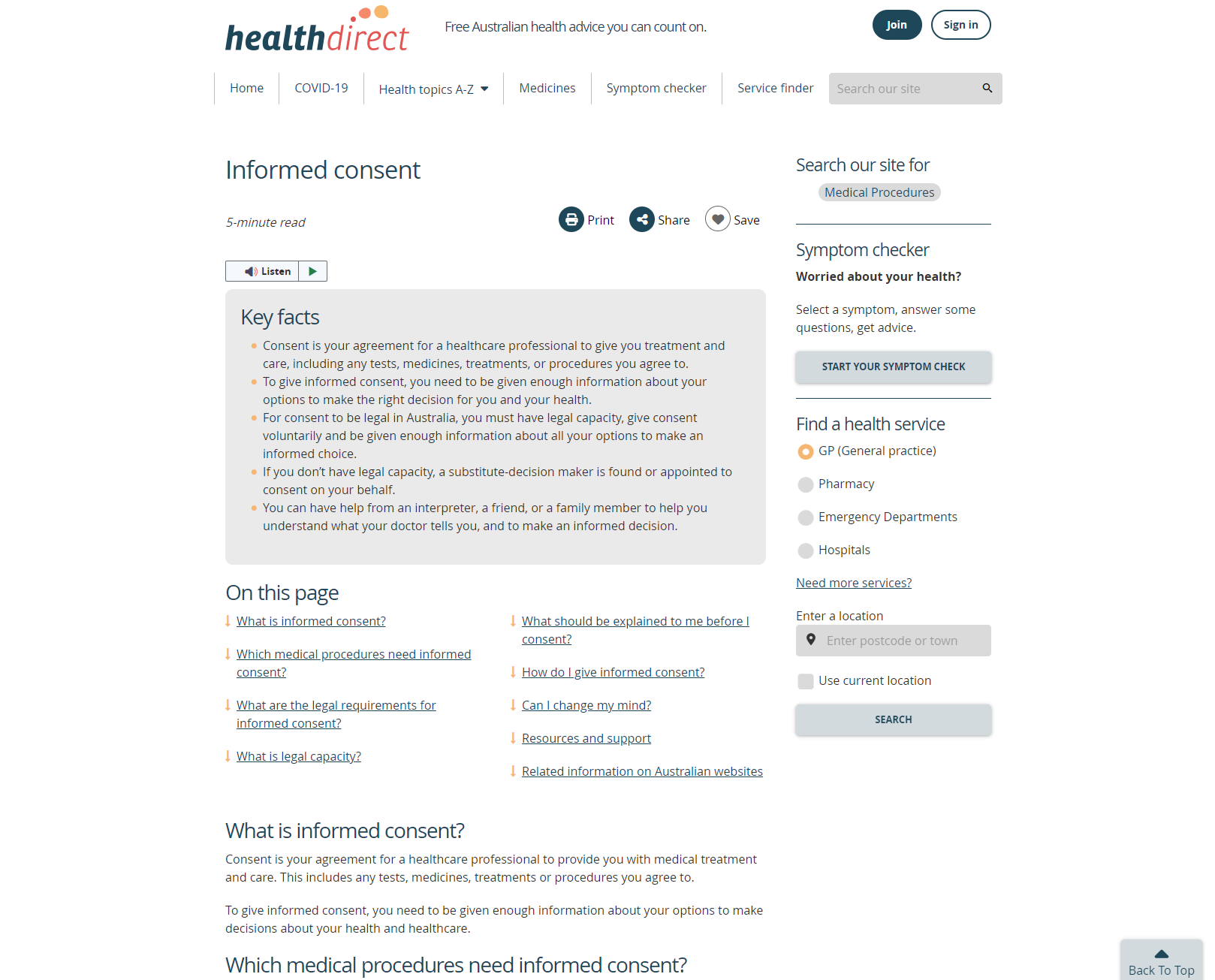
Working with older people with diabetes
This resource provides materials for health professionals supporting older people with diabetes. Resources cover diabetes symptoms and management, blood glucose monitoring, diabetes medication, healthy eating, and more, aiming to improve quality care.
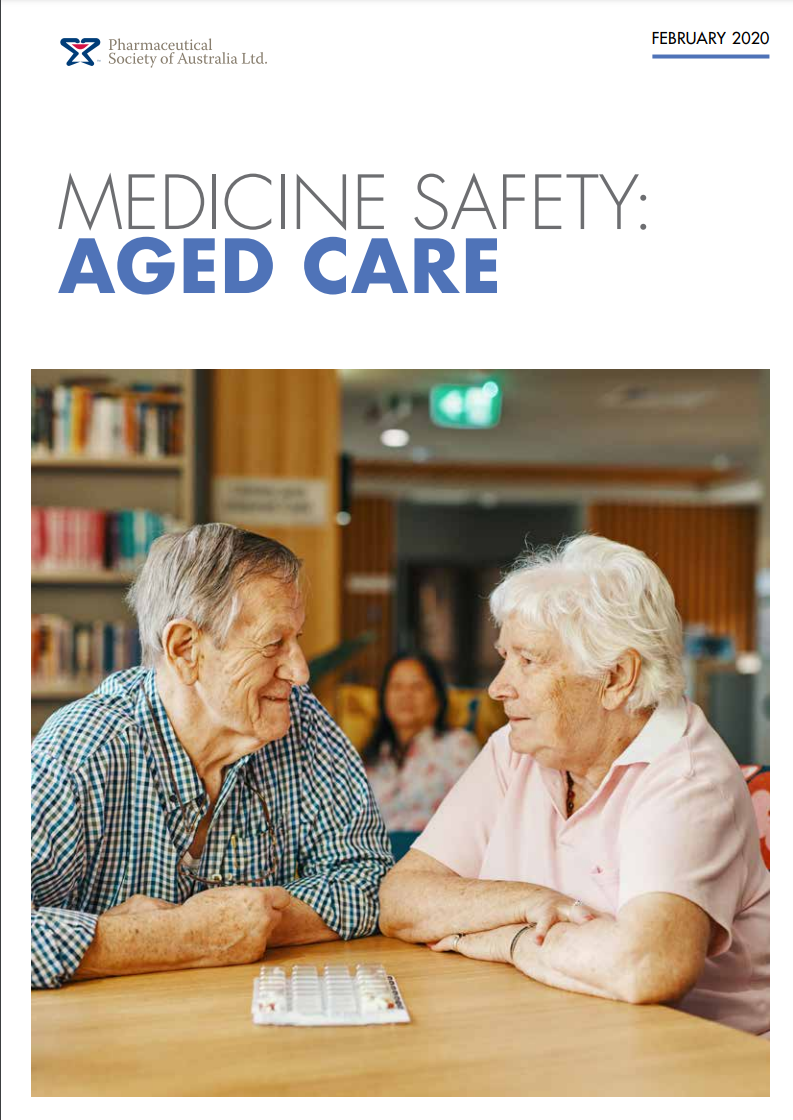
Medicine safety: Aged care
This report highlights medicine safety issues in aged care settings, detailing the prevalence of medicine-related problems, inappropriate prescribing, underuse of medicines, medicine regimen complexities, administration errors, and challenges during transitions of care. It provides opportunities for improvements and emphasises the need for safer medication practices, improved pharmacist involvement, and better regulatory frameworks to protect older people from medication harm.
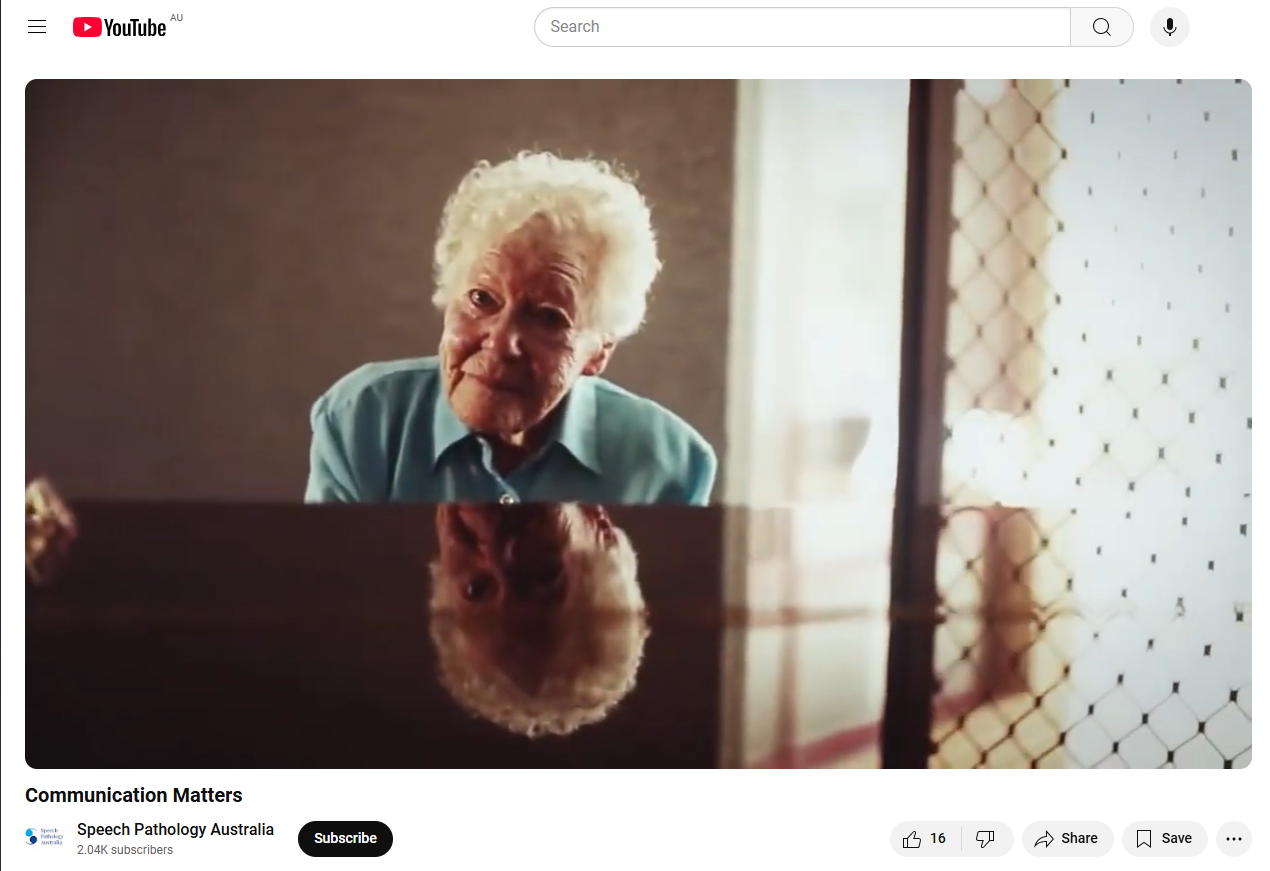
Communication Matters
This You Tube video emphasises the importance of communication for people in aged care, especially those with impairments. It advocates using varied methods, such as gestures and expressions, to make sure everyone can connect meaningfully, supporting dignity and autonomy.
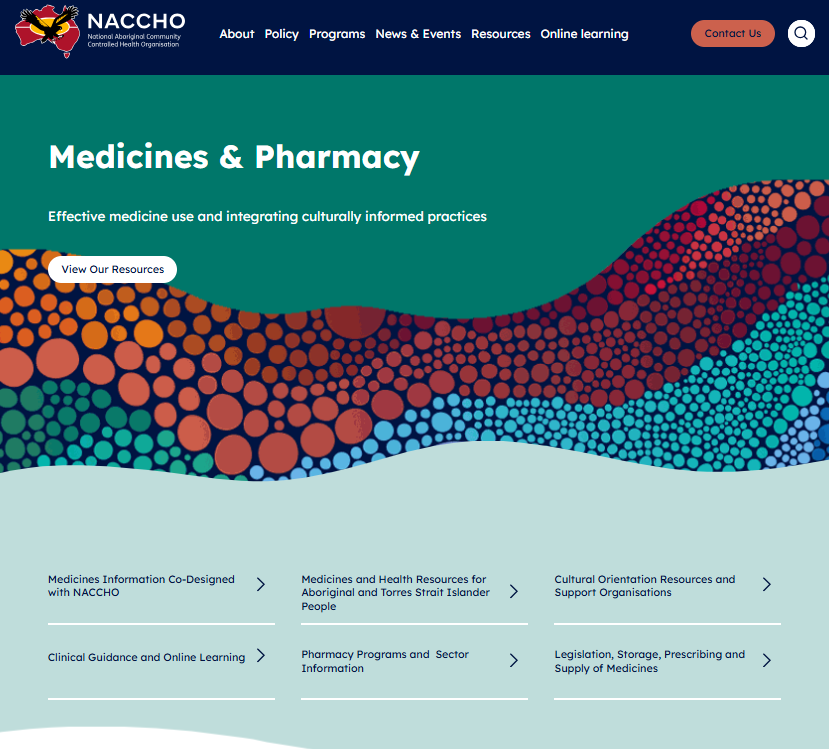
National Aboriginal Community Controlled Health Organisation - Medicines & Pharmacy
This resources provides information for Aboriginal Community Controlled Health Organisations (ACCHOs) and other communities related to medicine use and management. It includes a collection of resources for health workers involved in prescribing and supplying medicines in these settings.
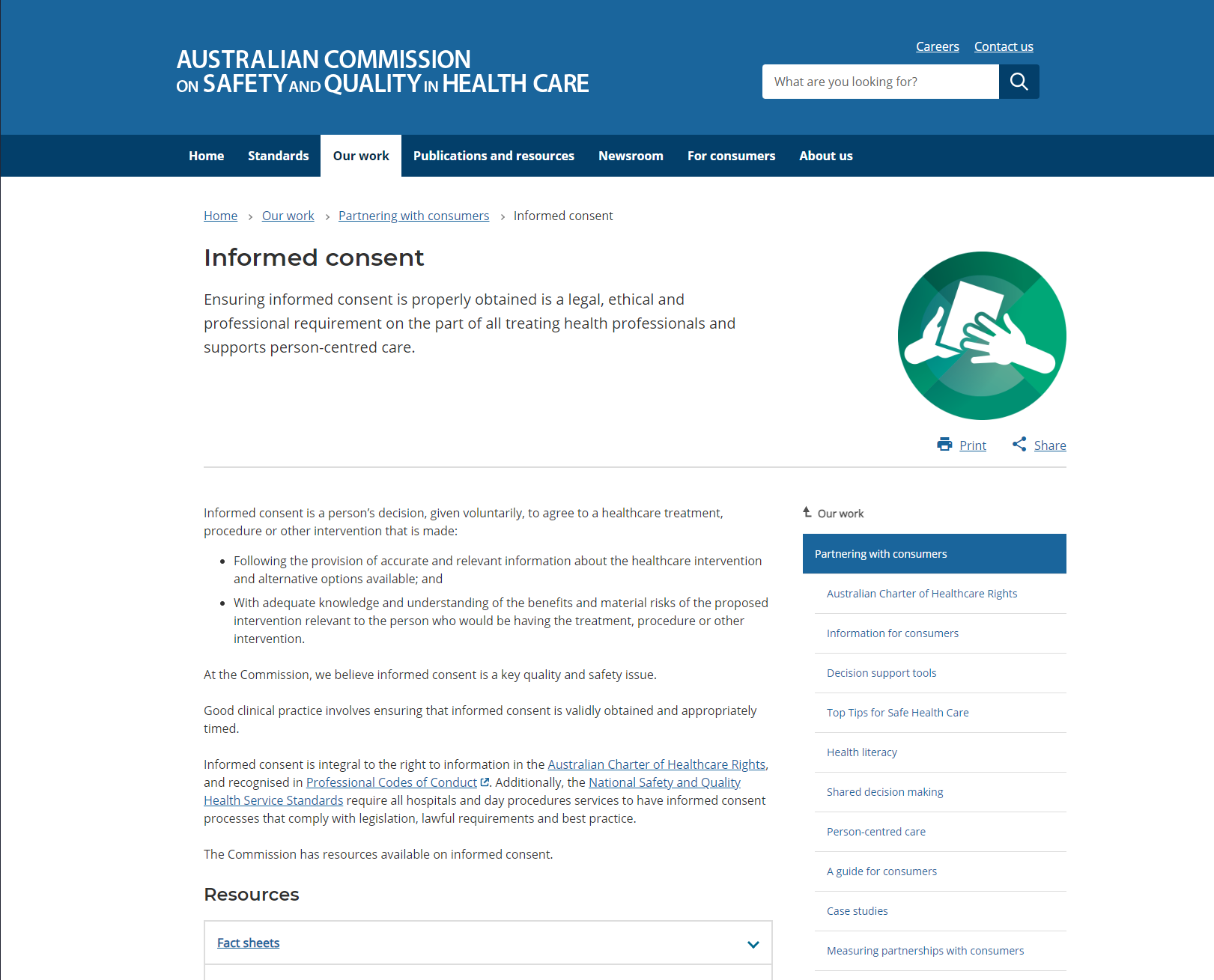
Informed consent
This resource provides guidance on ensuring informed consent in healthcare settings. It outlines legal, ethical, and professional requirements for obtaining consent, supports person-centred care, and ensures compliance with Australian healthcare standards. It highlights the importance of providing accurate information about interventions and alternatives, ensuring people have sufficient knowledge of potential risks and benefits.
Documentation of patient information
This resource outlines best practices for documenting patient information related to medication history and adverse drug reactions. It provides guidance on obtaining the best possible medication history (BPMH), reconciling medications at care transitions, and recording known allergies. The resource helps aged care providers ensure accurate medication management, reduce errors, and prevent harm from adverse drug events.
This resource may apply to healthcare contexts outside of aged care. Please consider the applicability of this resource to your care setting.
Ageing and Communication
This resource discusses age-related communication changes, covering sensory, speech, language, and cognitive adjustments. It offers strategies for improving communication, such as using hearing aids, choosing quiet settings, and involving speech pathologists, helping older people and their families maintain effective and enjoyable communication.
Supported decision-making
This resource explains supported decision-making, a process that helps people retain control over choices in their lives, even with cognitive challenges. It outlines how aged care providers can support people’s decisions, providing information in accessible formats and respecting autonomy, as endorsed by national and international rights frameworks.
ELDAC Managing Risk Toolkit
This resource provides the Managing Risk Toolkit designed for health professionals and care staff involved in palliative care and advance care planning for older people in residential care. It offers guidance on managing risks in areas such as nutrition, hydration, medication management, and care transitions at the end of life. The toolkit includes fact sheets, practical tips, and downloadable materials to support safe, effective care.
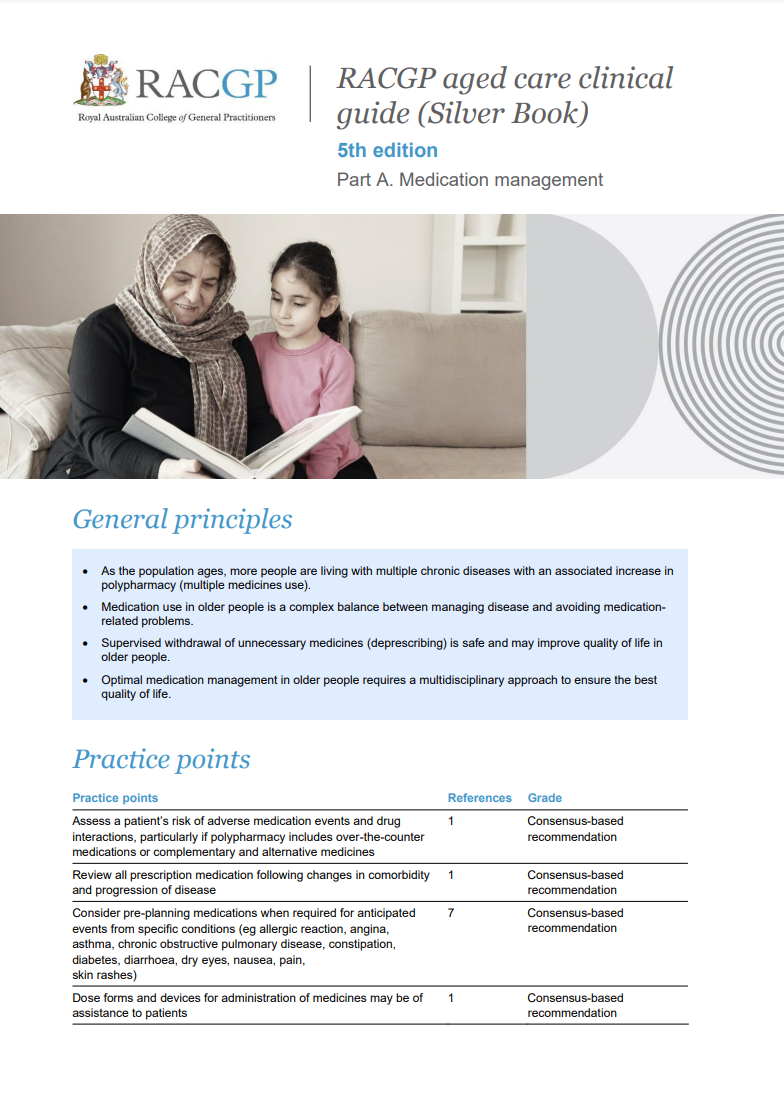
RACGP aged care clinical guide (Silver Book) - Part A - Medication management
This guide covers medication management in aged care, addressing the use of multiple medications, reviewing prescriptions, and the role of multidisciplinary teams. It outlines principles for safe medication practices, deprescribing, administering medication, managing adverse events, and conducting medication reviews. It also provides guidelines for storage, disposal, and modification of medications.
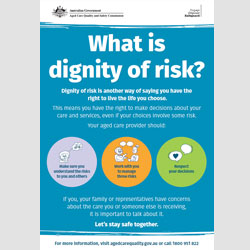
What is dignity of risk? consumer resources
The Commission has developed a number of resources to help aged care consumers understand what dignity of risk is and what actions you should expect from your provider. The dignity of risk is another way of saying you have the right to live the life you choose.
 A3 poster — What is dignity of risk? (PDF 351.01 KB)
A4 guide — What is dignity of risk? (PDF 404.72 KB)
A3 poster — What is dignity of risk? (PDF 351.01 KB)
A4 guide — What is dignity of risk? (PDF 404.72 KB)
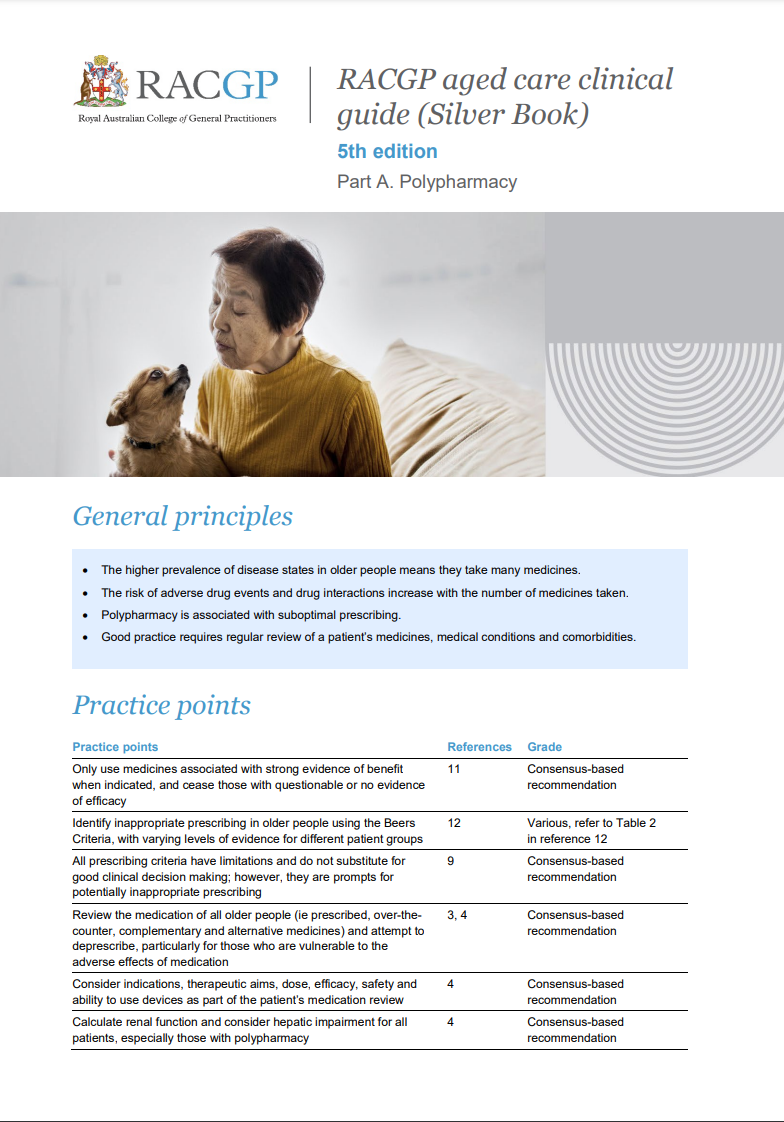
RACGP aged care clinical guide (Silver Book) - Part A - Polypharmacy
This guide addresses polypharmacy in aged care, focusing on identifying inappropriate prescribing and reviewing all medications, including prescription, over-the-counter and complementary and alternative medicines. It includes recommendations for reducing medication use through deprescribing, ensuring medication safety, and regular review of renal and hepatic functions. Tools such as Beers Criteria and other screening frameworks are provided to support optimal medication management in older adults.
RACGP aged care clinical guide (Silver Book) - Part A - Deprescribing
This guide focuses on deprescribing in aged care, aiming to reduce unnecessary or potentially harmful medications. It provides a framework for reviewing medication, assessing risks and benefits, developing tapering plans, and involving multidisciplinary teams. It provides recommendations including; patient-cantered communication, establishing written plans for medication withdrawal, and monitoring outcomes to improve quality of life.