The Quality Standards Resource Centre helps extend understanding of the strengthened Aged Care Quality Standards, which took effect from 1 November 2025. You can search for resources by using keywords, or filtering by standard, outcome and audience. Before using the Resource Centre, please read the terms of use.
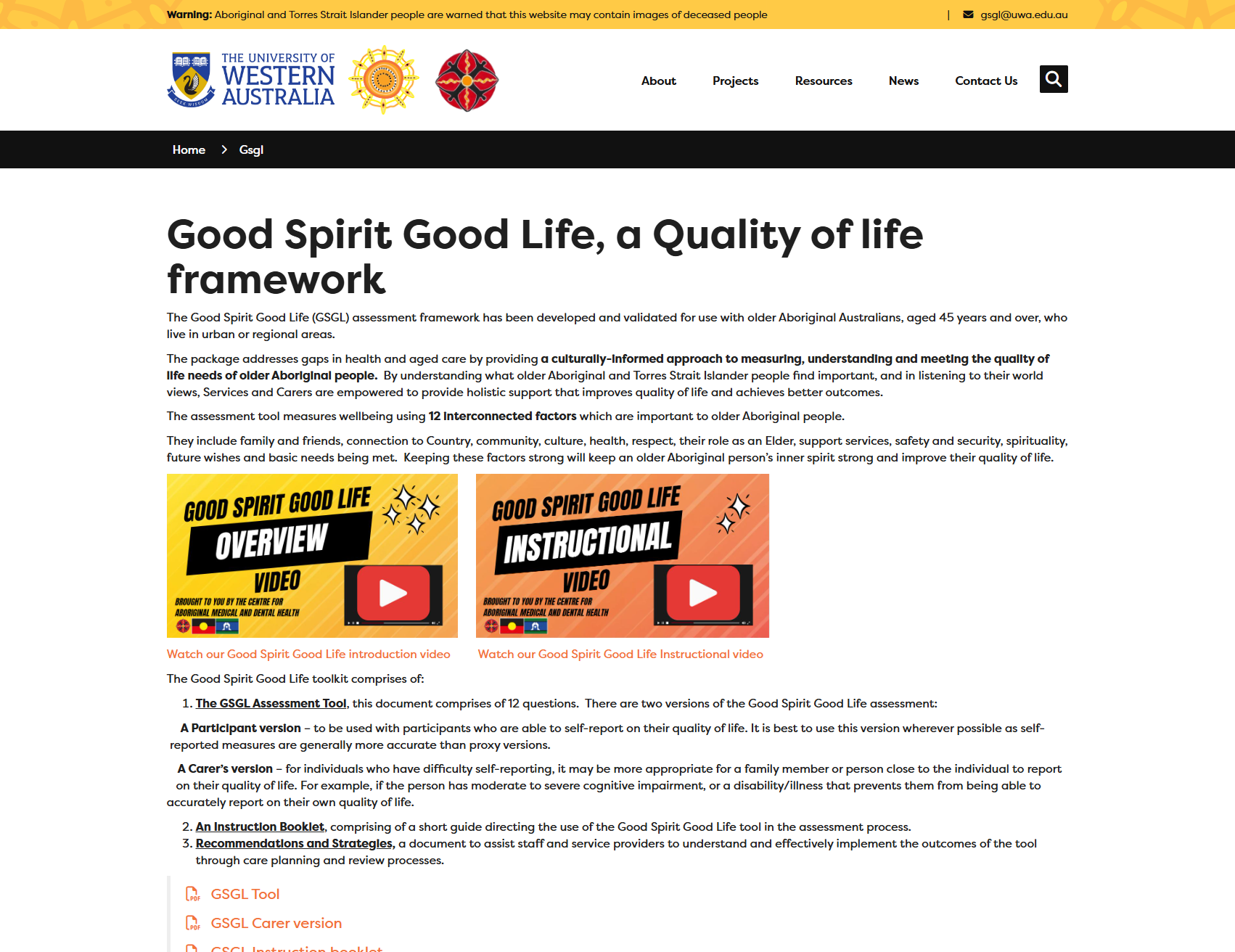
Good Spirit Good Life - a Quality of life framework
This resource describes the Good Spirit Good Life (GSGL) framework for assessing the quality of life of older Aboriginal people, focusing on culturally important factors such as connection to Country, family, and spirituality. It includes tools for both self-reporting and carer-assisted reporting.
This resource was developed by a state/territory government or organisation and therefore its applicability and usefulness may be limited.
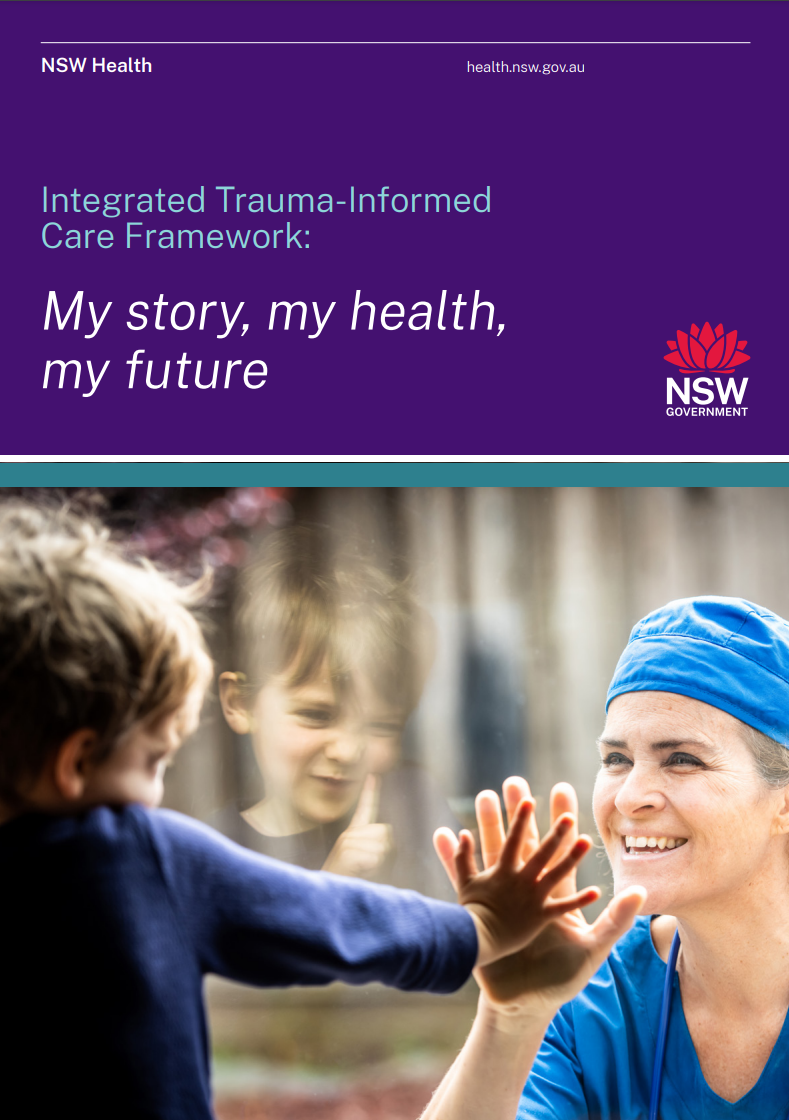
Integrated Trauma-Informed Care Framework: My story, my health, my future
This framework integrates trauma-informed care across NSW Health services, enhancing support for clients, families, and carers by guiding staff in trauma-sensitive practices and systemic change. It focuses on preventing re-traumatisation and fostering healing, especially for vulnerable populations.
This resource was developed by a state/territory government or organisation and therefore its applicability and usefulness may be limited.
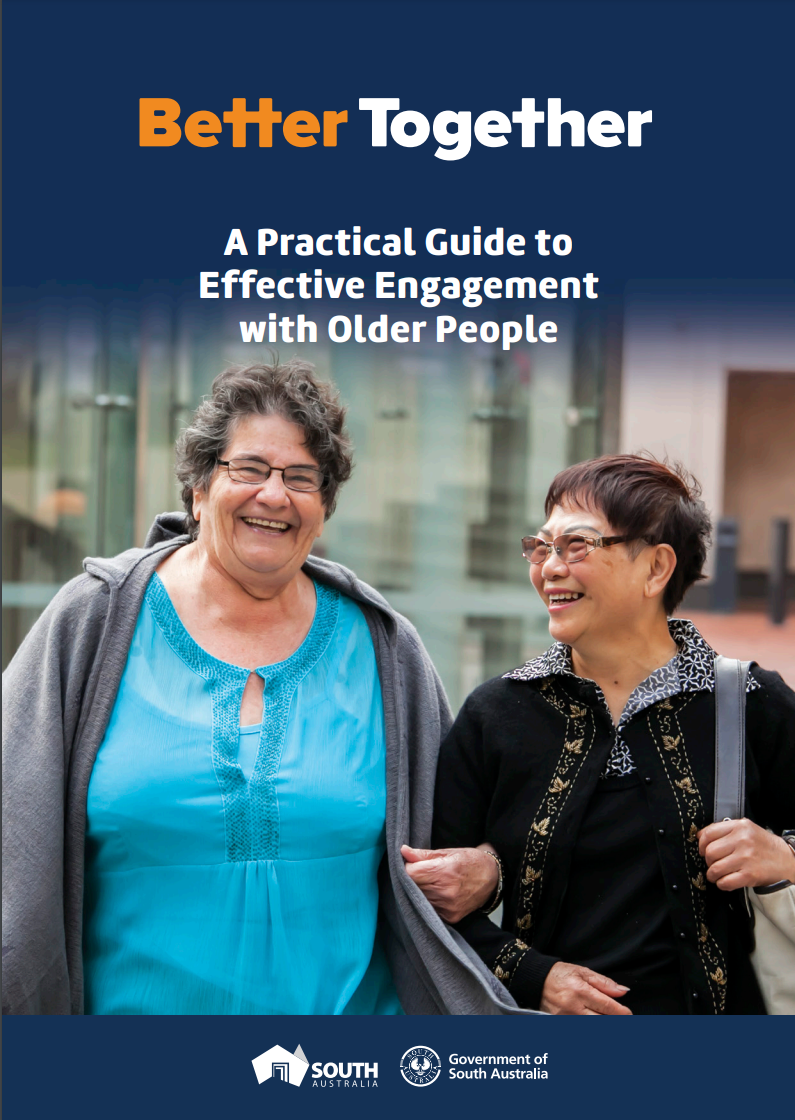
Better Together: A practical guide to effective engagement with older people
This resource offers practical guidance on effective engagement with older people, highlighting diverse communication methods, cultural sensitivity, and inclusive strategies to capture meaningful input. It supports collaborative relationships and respectful dialogue with older people in decision-making processes.
This resource was developed by a state/territory government or organisation and therefore its applicability and usefulness may be limited.
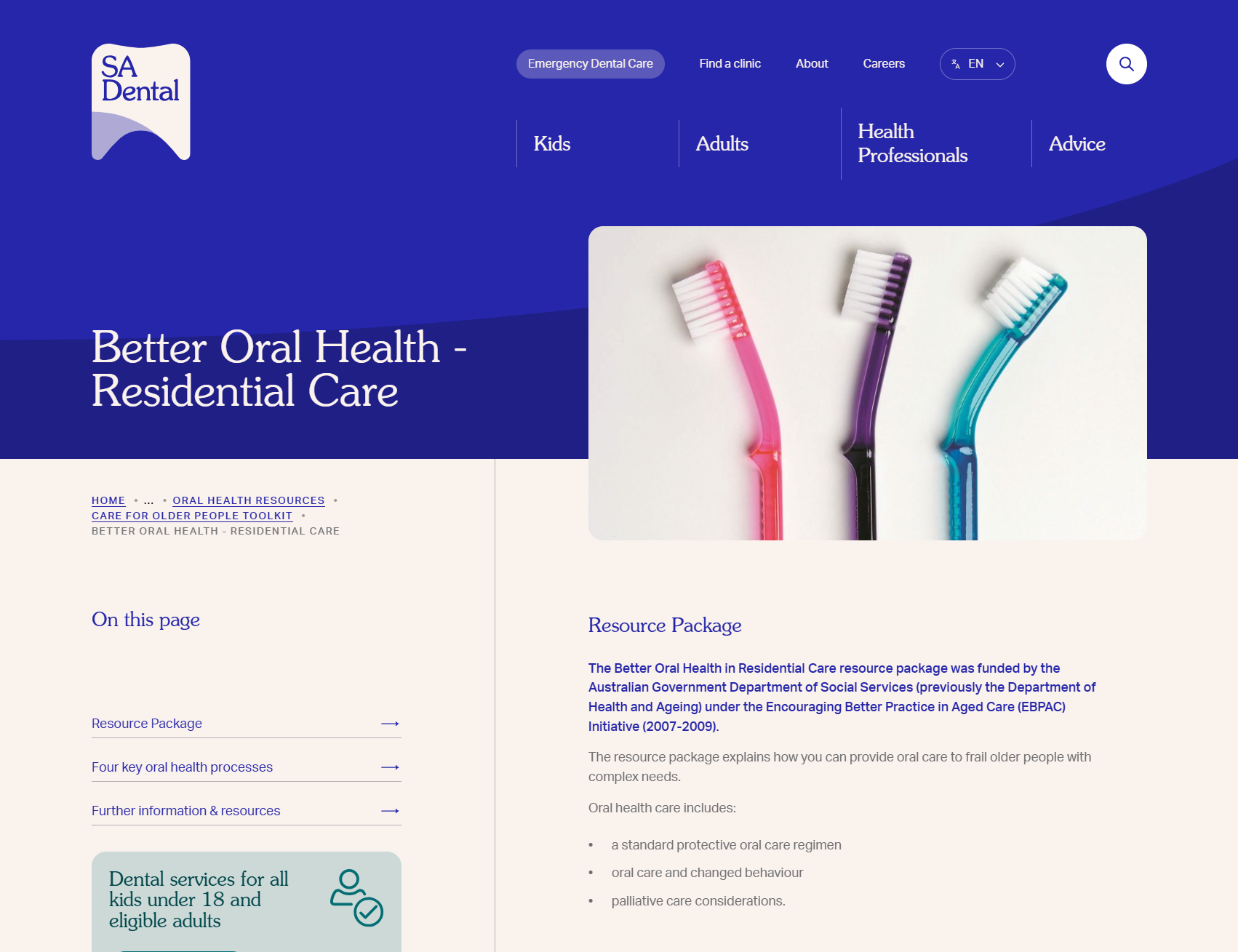
Better Oral Health - Residential Care
This resource provides a structured approach to oral health care in residential aged care, including assessment, care planning, daily oral care, and referral pathways. It includes training, guidelines, and tools to support staff in promoting oral health for older people with complex needs.
This resource was developed by a state/territory government or organisation and therefore its applicability and usefulness may be limited.
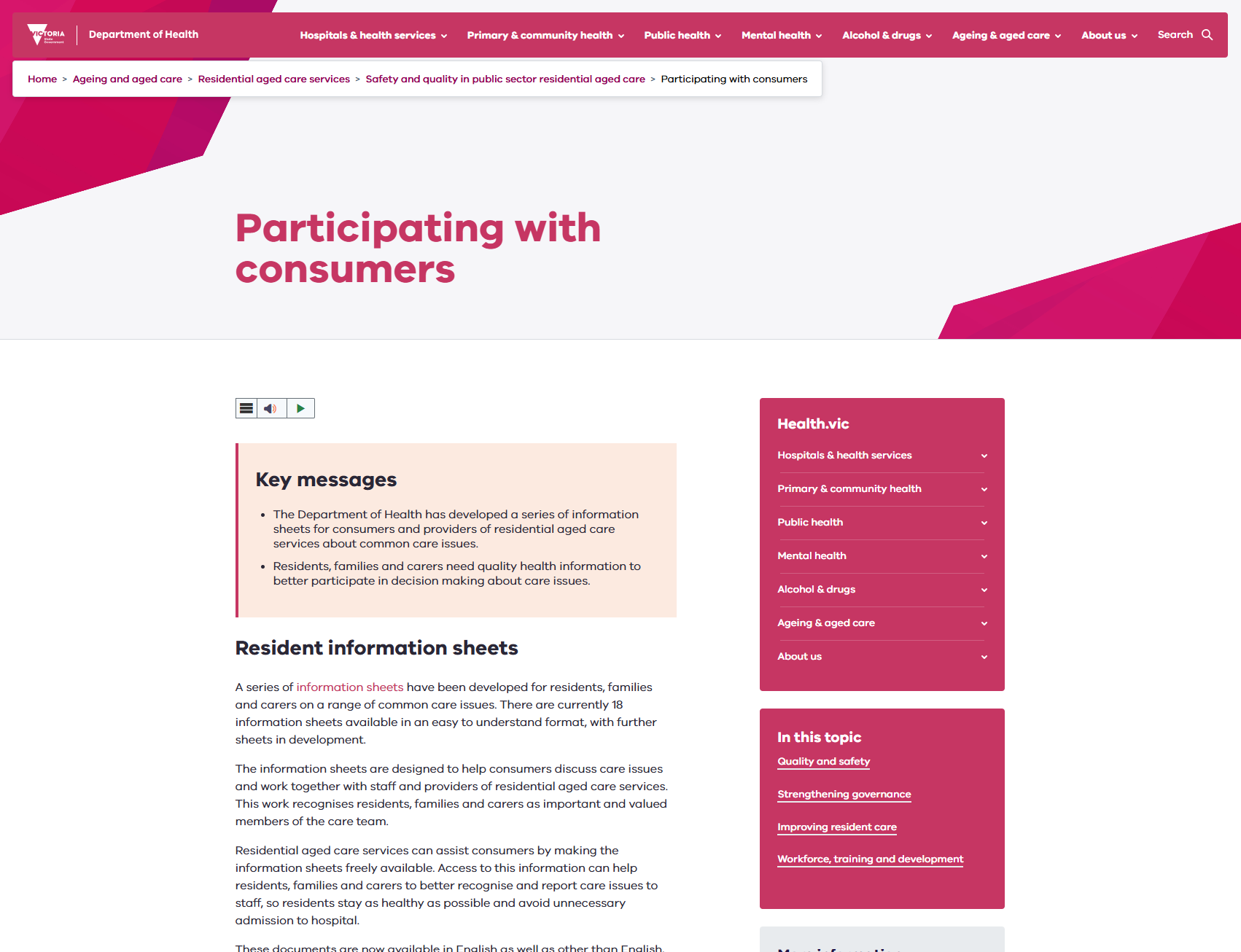
Participating with consumers
This resource provides information sheets for residents, families, and carers to support decision-making in residential aged care. Covering topics such as pain management, falls, and medicines, it promotes health literacy, enabling consumers to engage in discussions and report care issues effectively.
This resource was developed by a state/territory government or organisation and therefore its applicability and usefulness may be limited.
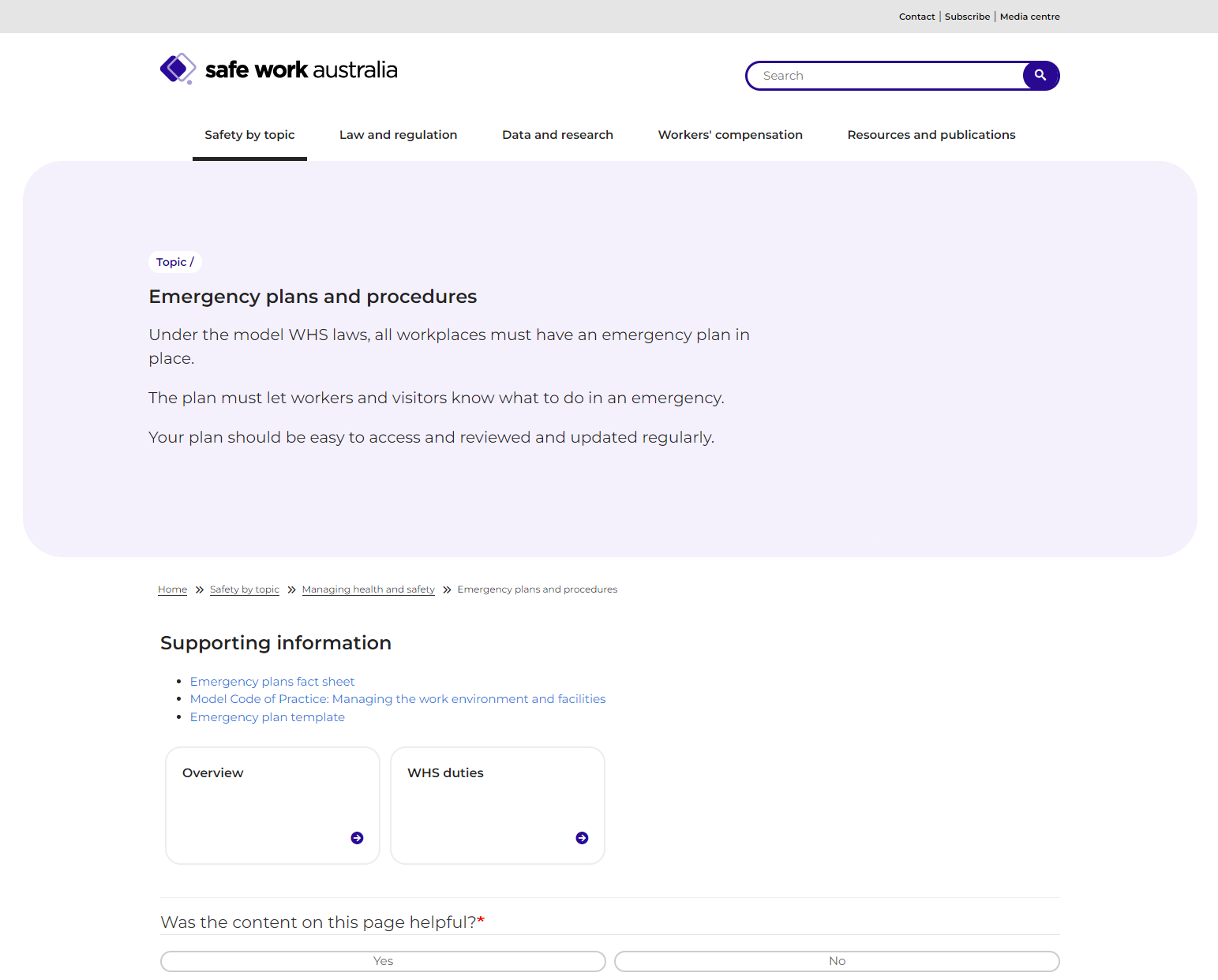
Emergency plans and procedures
This resource outlines the requirement for all workplaces, including aged care facilities, to have an emergency plan under the model WHS laws. The plan must inform workers and visitors about what to do in emergencies, be easily accessible, and be regularly reviewed and updated to ensure effectiveness.
Guidance and requirements may differ across states and territories. Users are responsible for considering their individual circumstances and specific state-based regulations and legislation.
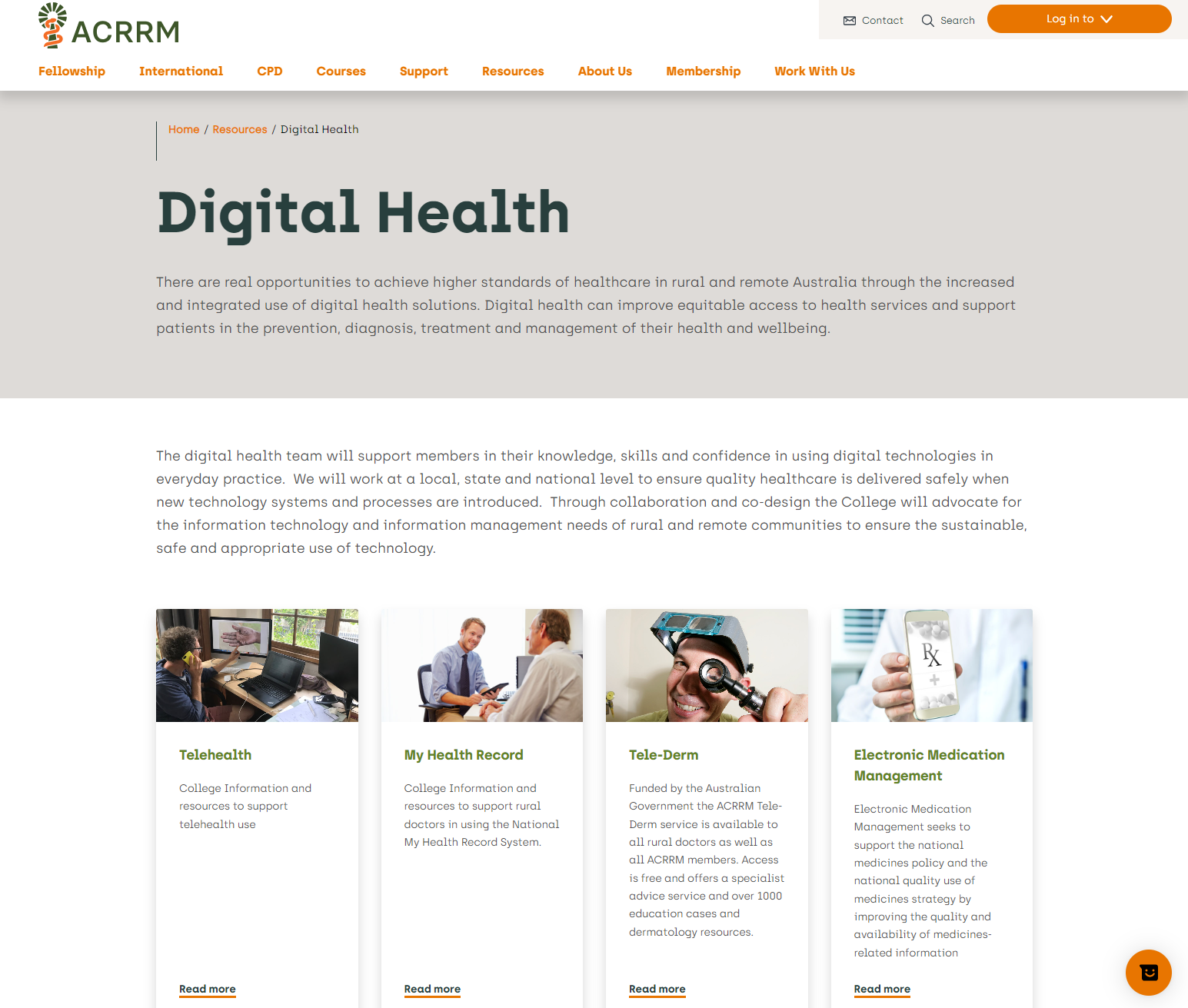
Digital Health
This resource outlines how digital health technologies, including telehealth, electronic medication management, and My Health Record, can improve healthcare delivery. It focuses on enhancing communication, reducing readmissions, and providing better access to care, especially in remote areas.
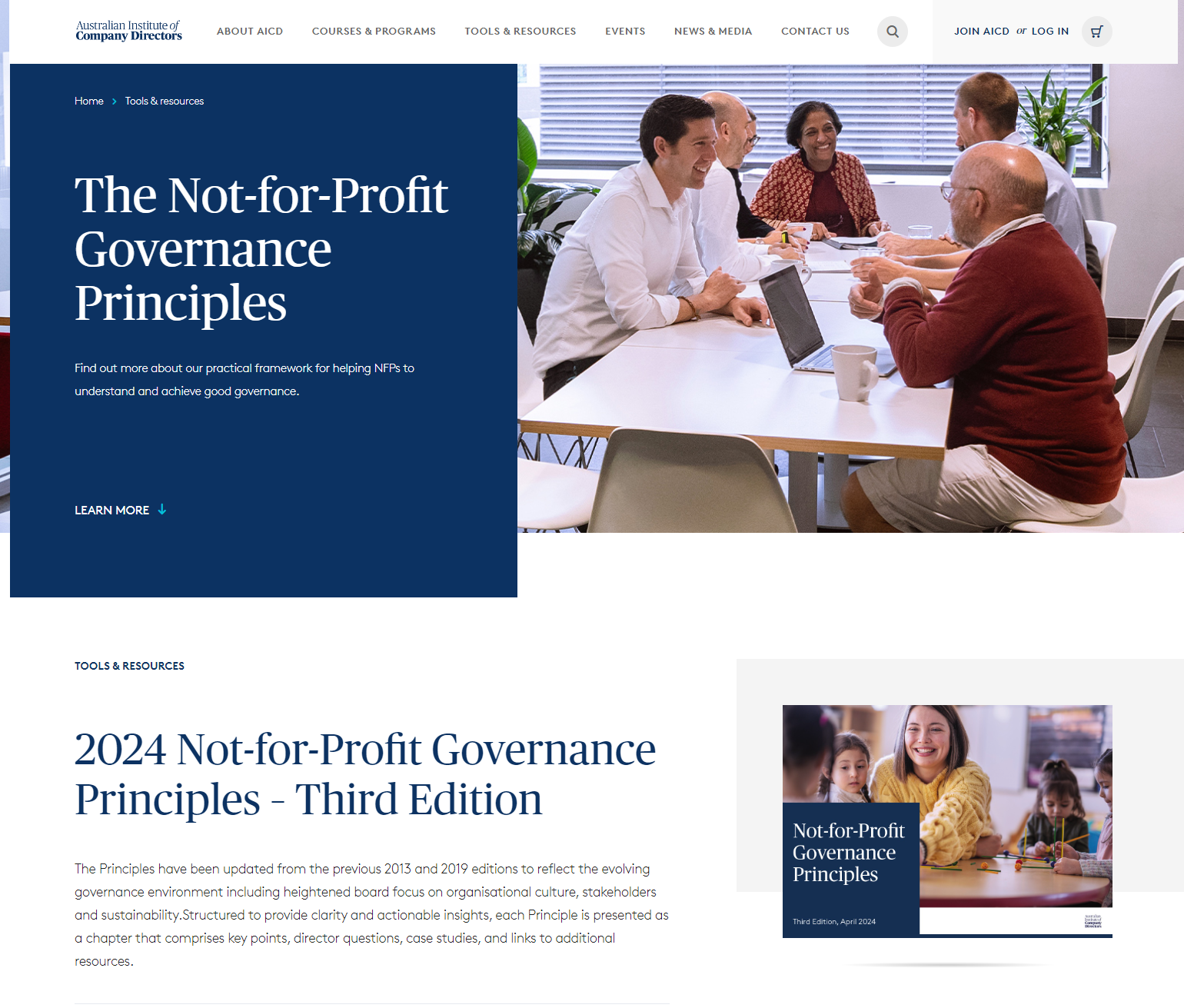
Not-for-Profit Governance Principles
This resource outlines the Not-for-Profit Governance Principles, a framework designed to help not-for-profit organisations, including aged care providers, achieve good governance. It covers key areas such as board roles, stakeholder engagement, risk management, and organisational culture. The principles provide practical guidance to improve governance practices, ensuring accountability and sustainability in the sector.
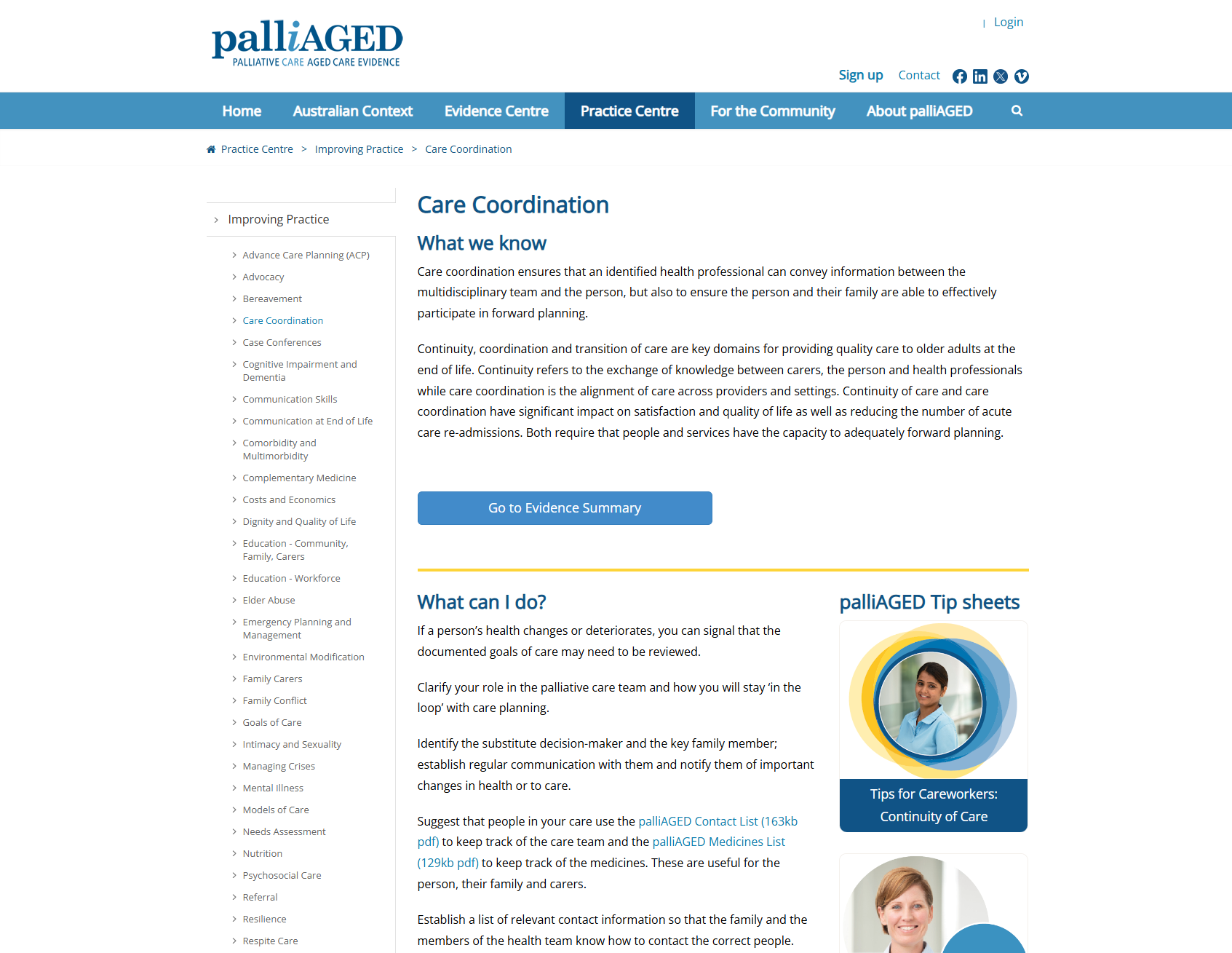
Care Coordination
This resource offers practical guidance on effective care coordination, focusing on communication within multidisciplinary teams, continuity of care, and transition management. It provides tools for involving families in care planning and supports strategies for optimising palliative care and improving outcomes for people in aged care settings.
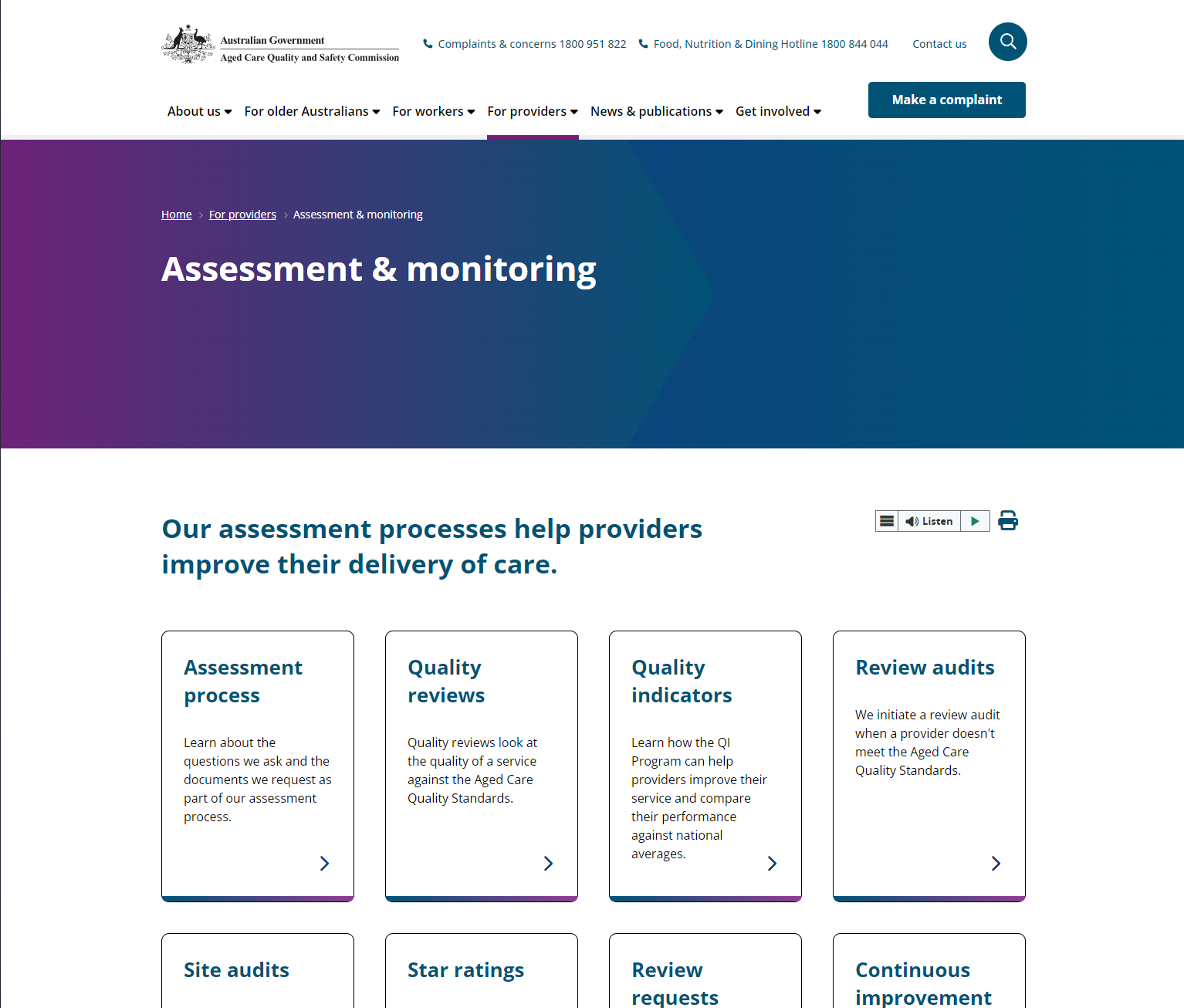
Assessment & monitoring
This resource provides an overview of the assessment and monitoring processes for aged care providers. It explains quality reviews, site audits, and the use of quality indicators to help improve services. It also covers continuous improvement plans and the importance of self-assessment to ensure compliance with the Aged Care Quality Standards.
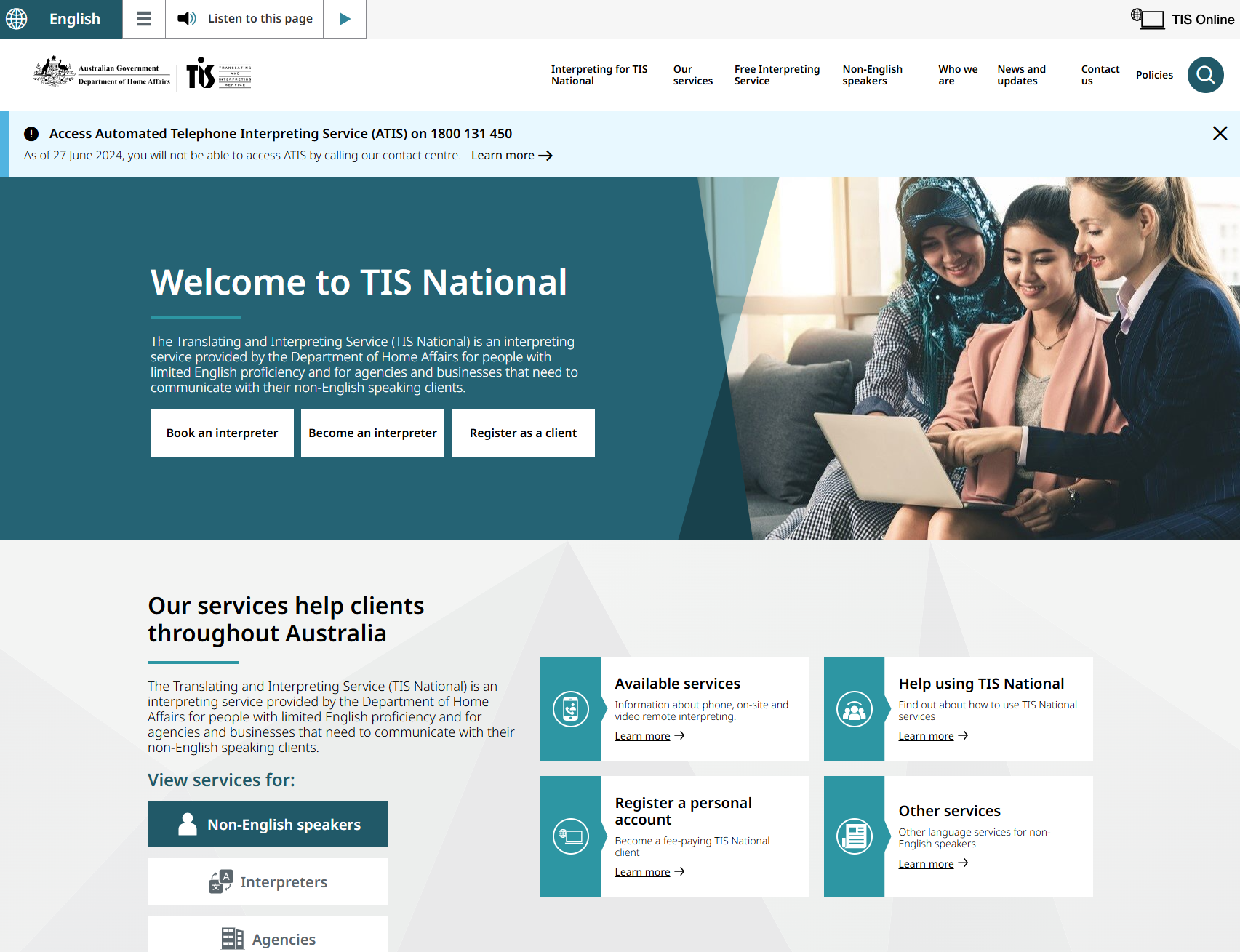
Translating and Interpreting Service (TIS National)
The Translating and Interpreting Service (TIS National) provides interpreting support for people with limited English proficiency and agencies requiring assistance to communicate with non-English-speaking clients. Services include telephone, on-site, and video interpreting, with options for both government and fee-paying clients across Australia.
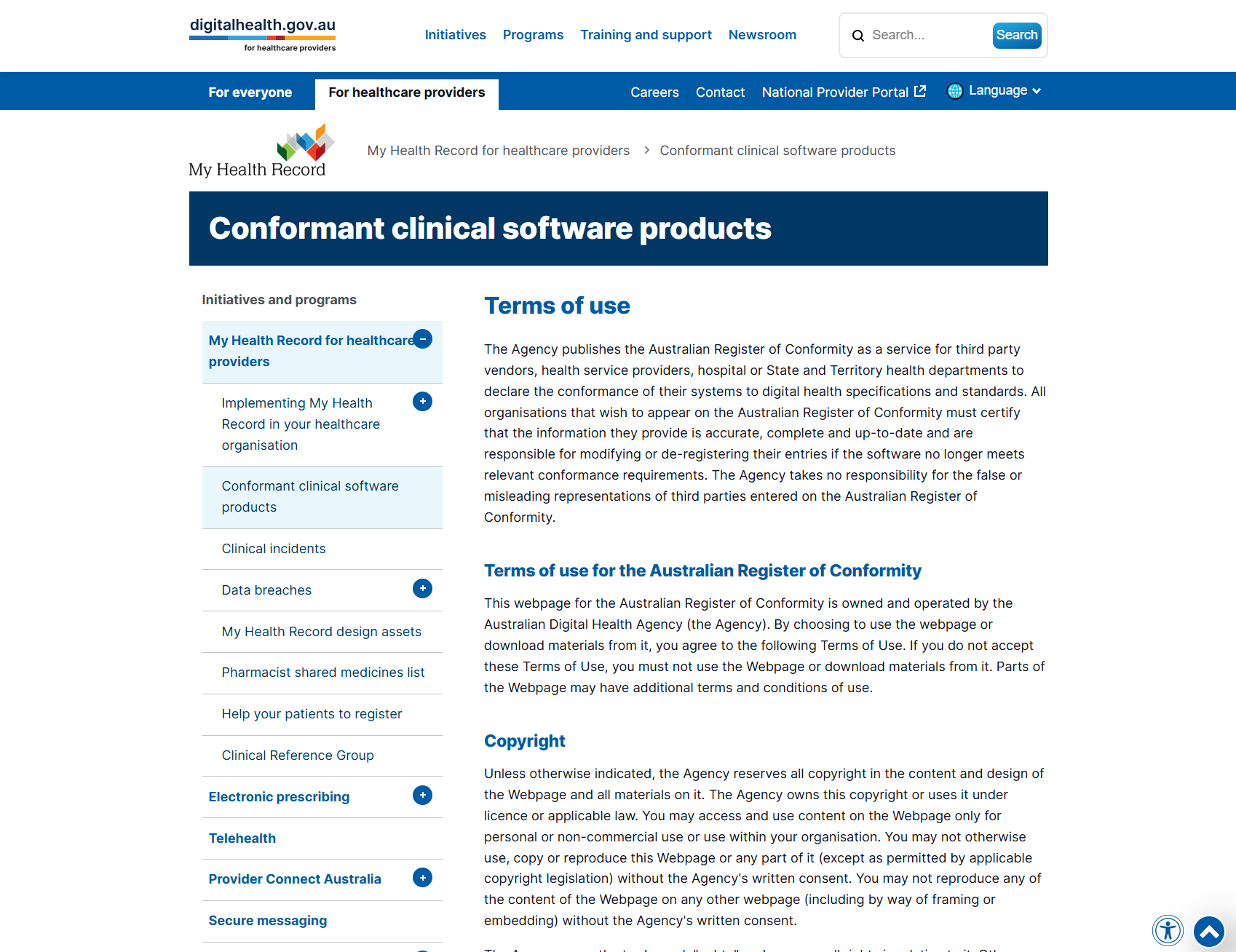
Conformant clinical software products
This resource provides a register of conformant clinical software products that meet national digital health requirements, enabling functions like My Health Record access, health summary uploads, and prescription management. Organisations using the register should verify entries’ currency and accuracy as updates depend on software developers.
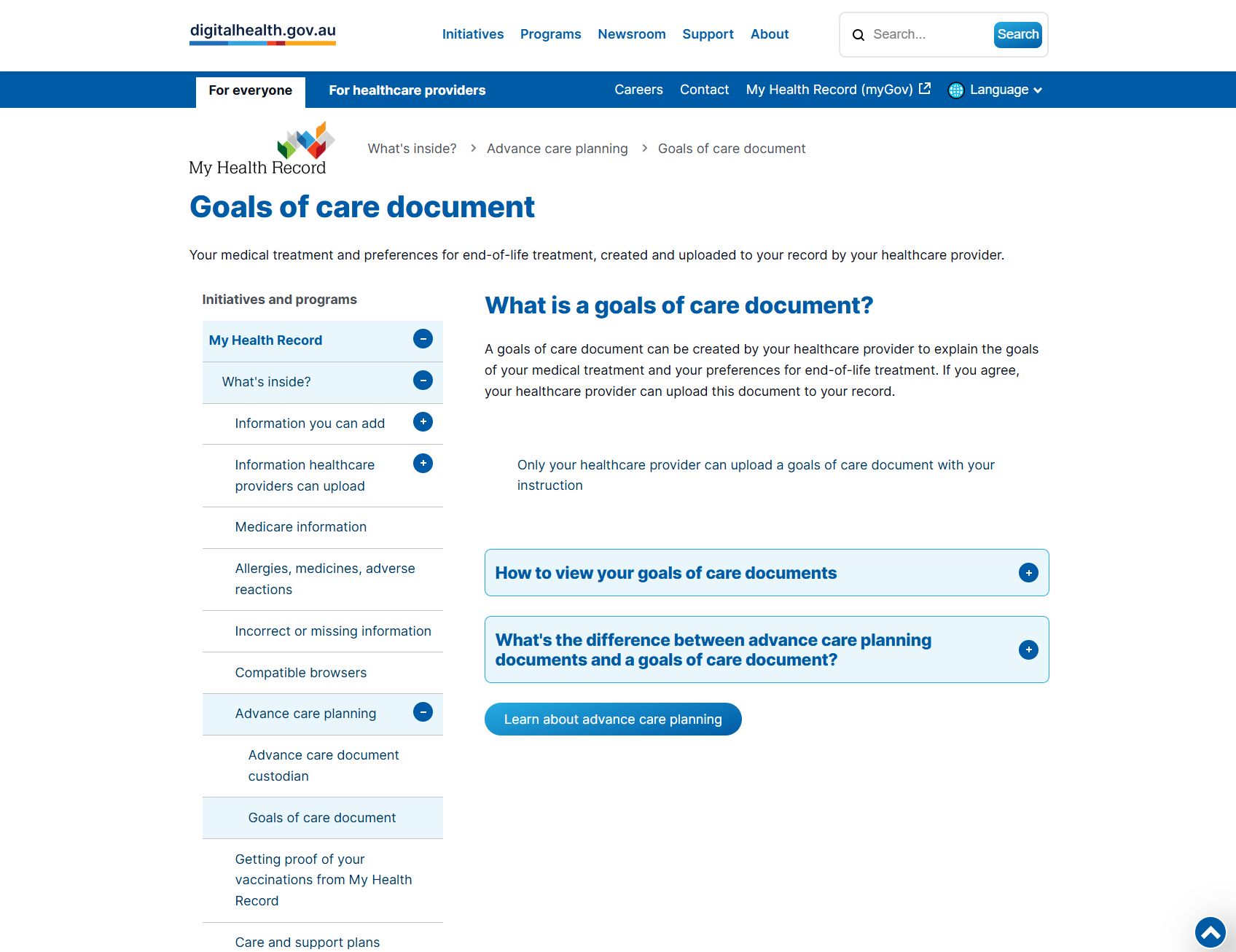
Goals of care document
This resource explains the purpose of a goals of care document, which outlines a person’s medical treatment goals and end of life care preferences. It describes how healthcare providers create and upload these documents to health records, supporting informed decision-making and access to care preferences.
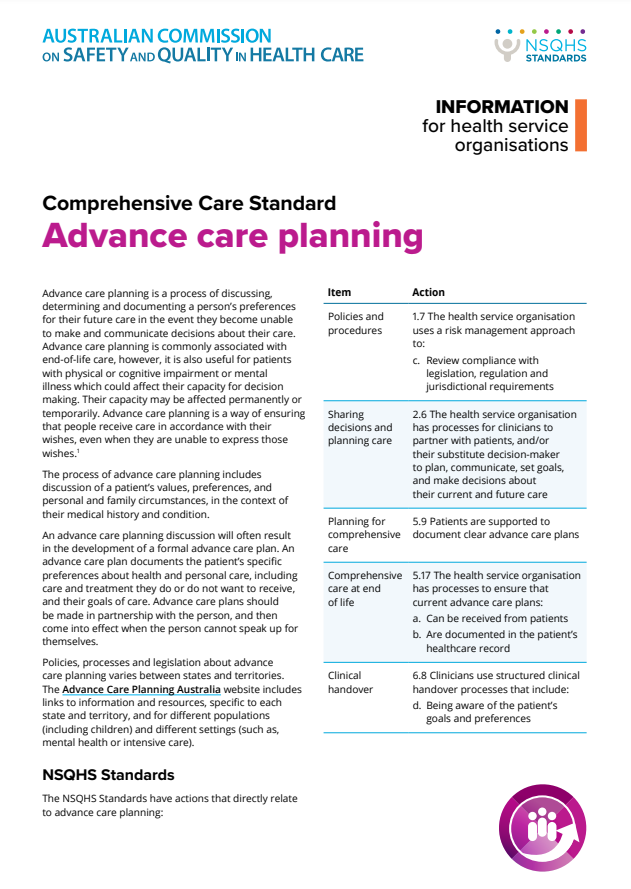
Advance care planning - Information for health service organisations
This resource outlines how health service organisations can support advance care planning within the Comprehensive Care Standard (National Safety and Quality Health Service Standards). It highlights the importance of documenting a patient’s preferences for future care and ensuring systems are in place to act on these plans. It also provides actions related to policies, sharing decisions, comprehensive care, and clinical handover.
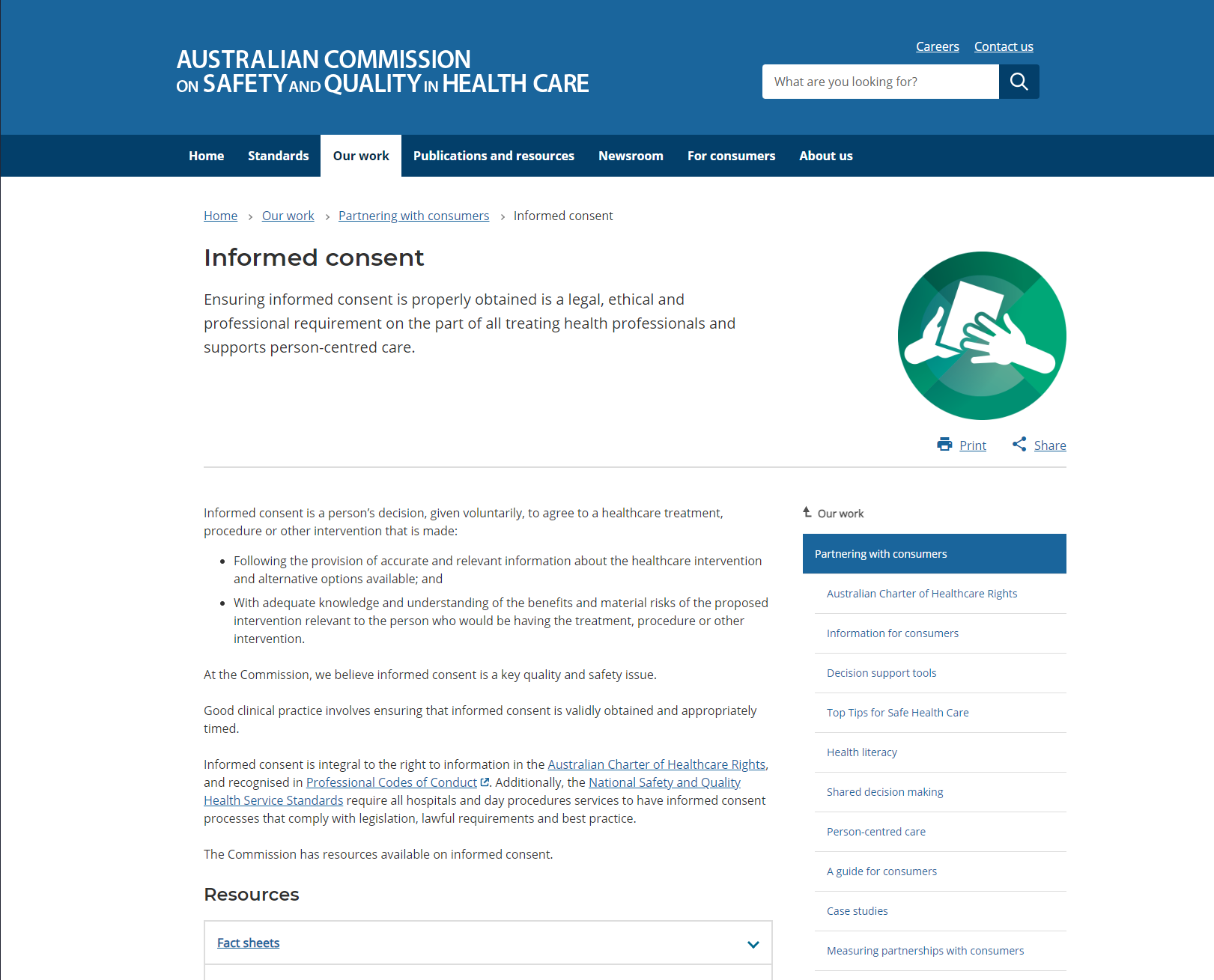
Informed consent
This resource provides guidance on ensuring informed consent in healthcare settings. It outlines legal, ethical, and professional requirements for obtaining consent, supports person-centred care, and ensures compliance with Australian healthcare standards. It highlights the importance of providing accurate information about interventions and alternatives, ensuring people have sufficient knowledge of potential risks and benefits.
Trauma-informed Care and Practice Organisational Toolkit
This toolkit provides guidance for organisations on implementing trauma-informed care practices, aiming to improve safety, trust, and empowerment in care settings. It outlines strategies to adapt policies, environments, and staff approaches to better support people with trauma histories in various care environments.
Supported decision-making
This resource explains supported decision-making, a process that helps people retain control over choices in their lives, even with cognitive challenges. It outlines how aged care providers can support people’s decisions, providing information in accessible formats and respecting autonomy, as endorsed by national and international rights frameworks.
Aged Care Data and Digital Strategy 2024–2029
The Aged Care Data and Digital Strategy 2024–2029 outlines a framework for leveraging data and digital innovation to improve aged care services. It focuses on enhancing care delivery, reducing administrative burdens, and empowering older people through better access to information and services. The strategy supports collaboration across the aged care sector and promotes continual improvement through digital transformation.
Aged care legislation
This resource is the Federal Register of Legislation, an authorised platform for accessing Commonwealth legislation and related documents. It provides the full text of laws, amendments, and instruments, along with the lifecycle of each. It allows users to search, browse, and receive updates on legal developments, ensuring aged care providers stay compliant with legislative requirements.
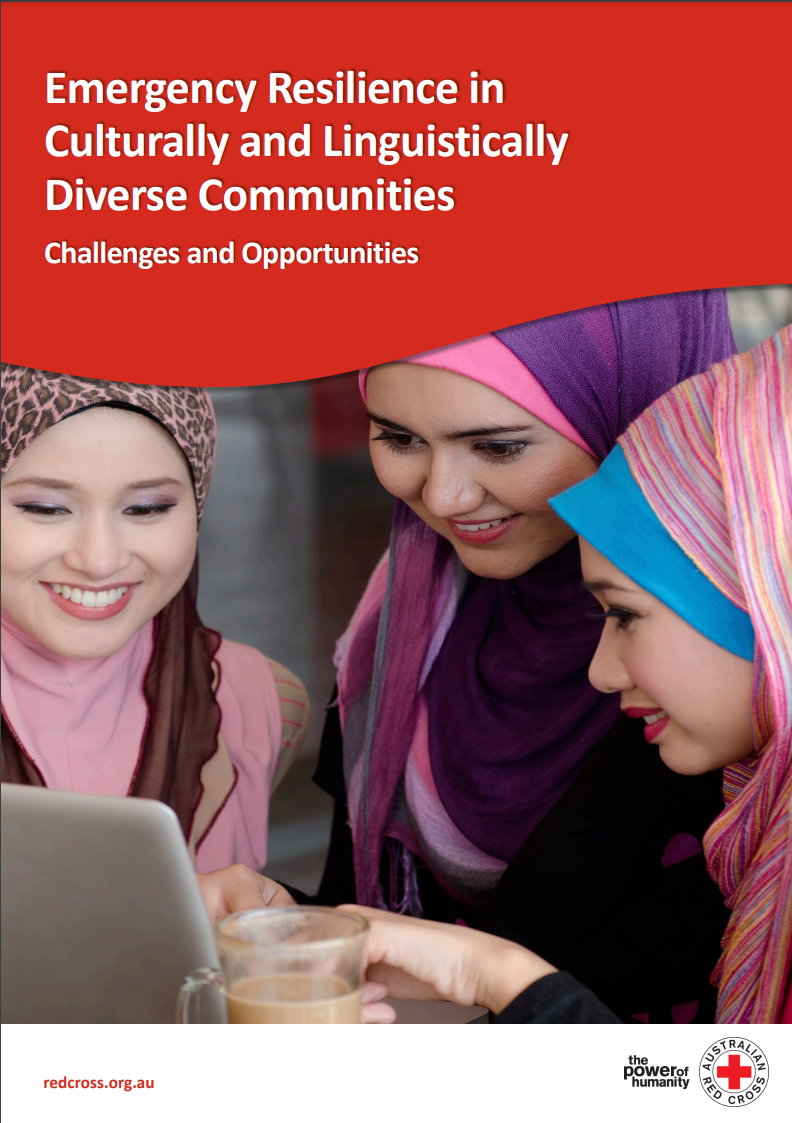
Emergency Resilience in Culturally and Linguistically Diverse Communities
This resource provides insight into the resilience of culturally and linguistically diverse (CALD) communities in the face of emergencies and disasters. It explores key challenges and opportunities for enhancing resilience, such as the impact of migration, social capital, and communication barriers. It aims to equip stakeholders with actionable strategies to support resilience within these communities during crises.