The Quality Standards Resource Centre helps extend understanding of the strengthened Aged Care Quality Standards, which took effect from 1 November 2025. You can search for resources by using keywords, or filtering by standard, outcome and audience. Before using the Resource Centre, please read the terms of use.
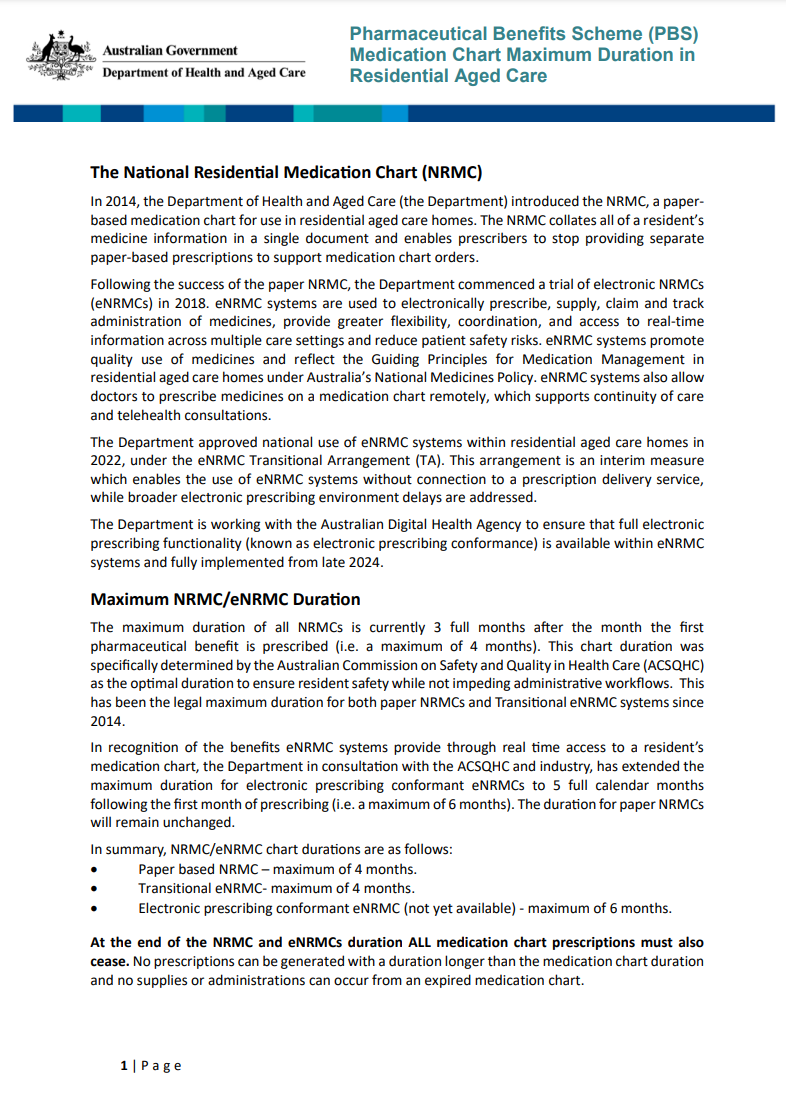
Preventing infections – aged care consumer fact sheet
This fact sheet provides essential tips for older people on how to prevent infections. It covers hand hygiene, vaccinations, home cleaning, proper disposal of needles, and mental health care. The resource is designed to support infection prevention practices in both community and aged care settings.
This resource may refer to information that will be updated from 1 November 2025 to align with the new Aged Care Act and Quality Standards.
Preventing falls in residential aged care services - Fact sheet
This fact sheet supports the Falls Guidelines for Australian Residential Aged Care Services. It includes recommendations from the falls guidelines about multifaceted interventions, exercise, hip protectors, dairy food provision, vitamin D supplements, and osteoporosis medicines.
This resource may refer to information that will be updated from 1 November 2025 to align with the new Aged Care Act and Quality Standards.
Preventing falls in community care - Fact sheet
This fact sheet supports the Falls Guidelines for Community Care. It includes recommendations from the falls guidelines including exercise to prevent falls, home safety interventions, multi component interventions, and single interventions for specific risk factors.
This resource may refer to information that will be updated from 1 November 2025 to align with the new Aged Care Act and Quality Standards.
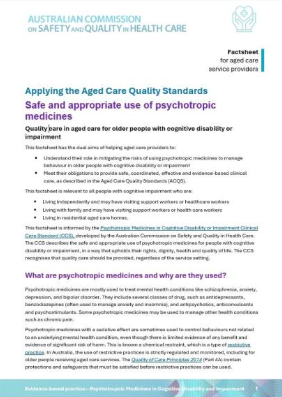
Safe and appropriate use of psychotropic medicines for aged care - Fact sheet
This fact sheet is informed by the Psychotropic Medicines in Cognitive Disability or Impairment Clinical Care Standard (CCS), developed by the Australian Commission on Safety and Quality in Health Care. The CCS describes the safe and appropriate use of psychotropic medicines for people with cognitive disability or impairment, in a way that upholds their rights, dignity, health and quality of life.
This resource may refer to information that will be updated from 1 November 2025 to align with the new Aged Care Act and Quality Standards.
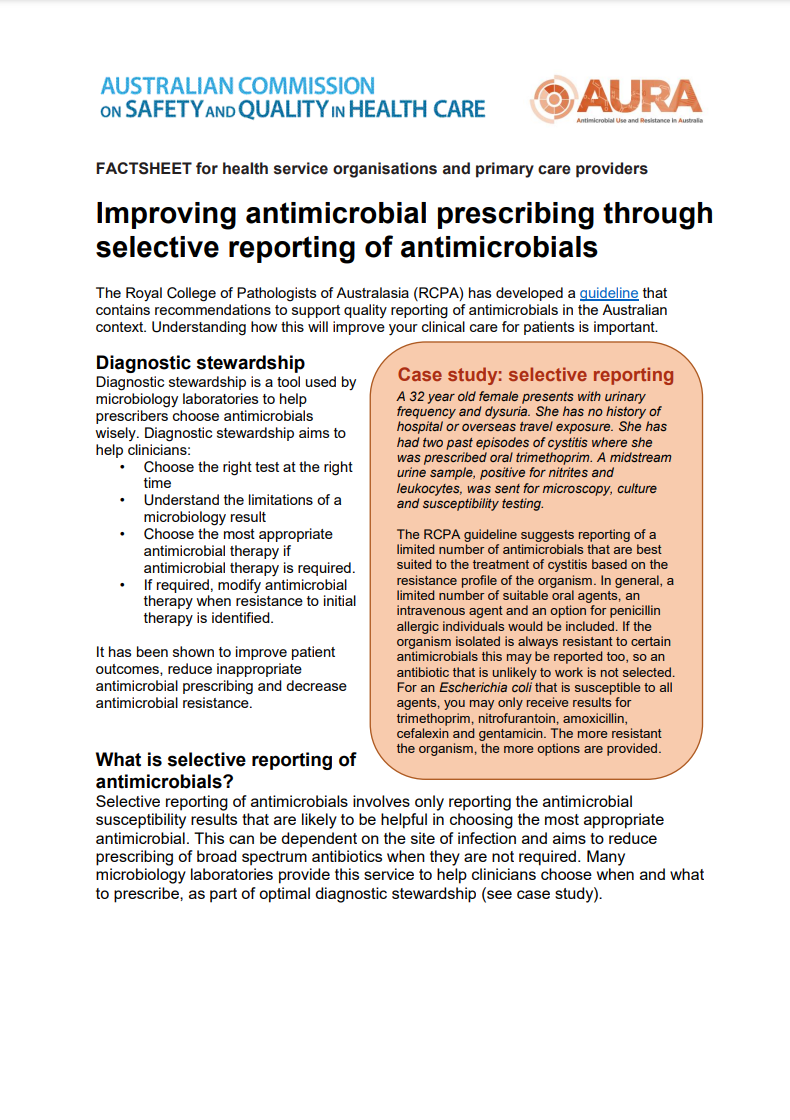
Fact sheet - Improving antimicrobial prescribing through selective reporting of antimicrobials
This fact sheet provides guidance on improving antimicrobial prescribing through selective reporting of antimicrobials for health service organisations and primary care providers. It includes information on diagnostic stewardship, definitions and the importance of selective reporting and other relevant information to support organisations and providers.
This resource may refer to information that will be updated from 1 November 2025 to align with the new Aged Care Act and Quality Standards.
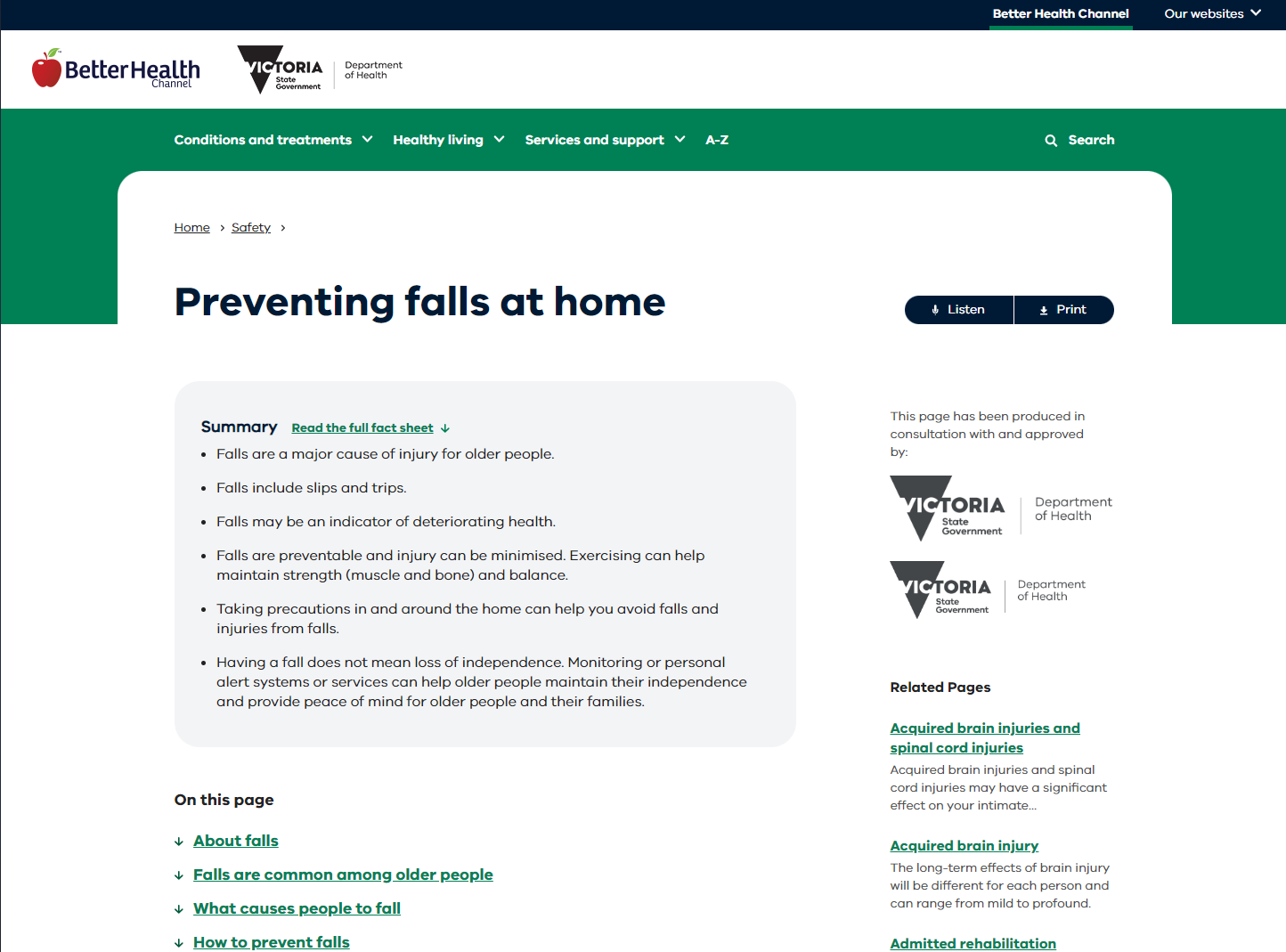
Preventing falls at home
This resource provides information on preventing falls at home for older people. It explains common causes of falls, such as poor lighting and slippery surfaces, and offers practical solutions like home modifications, exercise, and footwear adjustments. The document emphasises maintaining safety in and around the home to reduce the risk of falls.
This resource was developed by a state/territory government or organisation and therefore its applicability and usefulness may be limited.
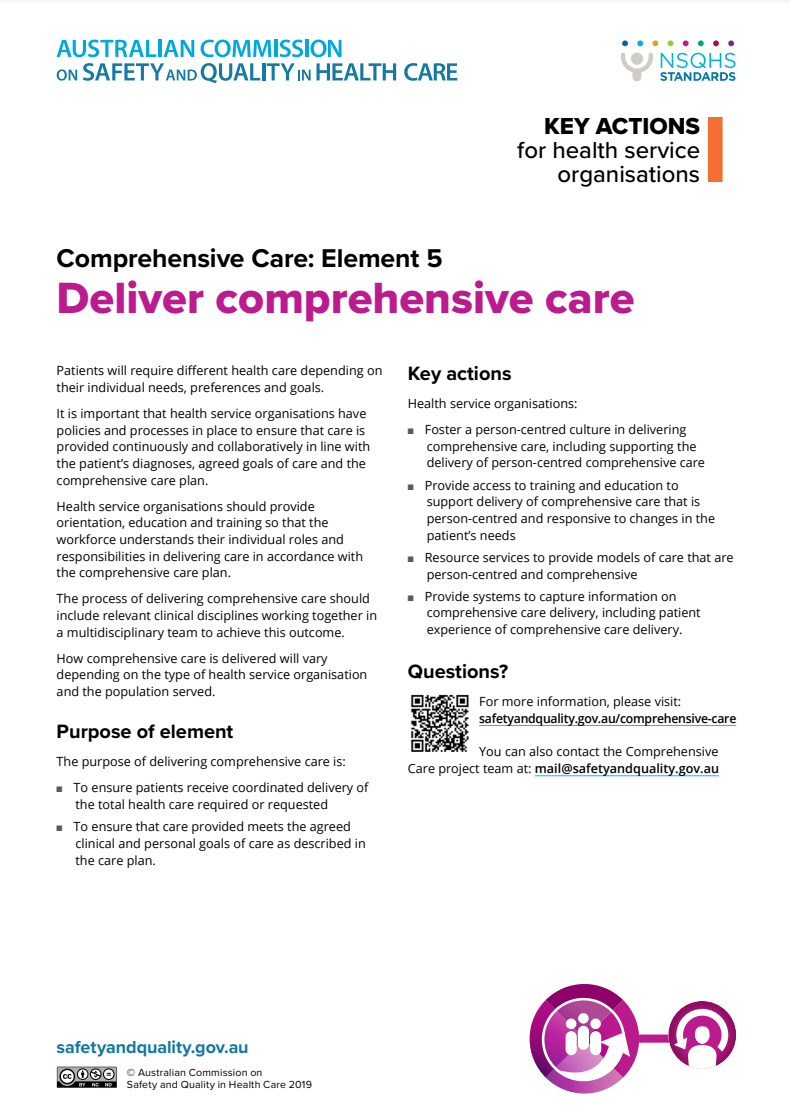
Comprehensive Care - Element 5: Deliver comprehensive care - Actions for health service organisations
This resource outlines the key actions for health service organisations to deliver comprehensive care. It ensures care is provided continuously and collaboratively, aligning with the patient’s diagnoses, goals, and care plan. It promotes a person-centred, multidisciplinary approach, with staff training to support comprehensive care delivery. Applicable to multiple settings, including aged care.
This resource may refer to information that will be updated from 1 November 2025 to align with the new Aged Care Act and Quality Standards.
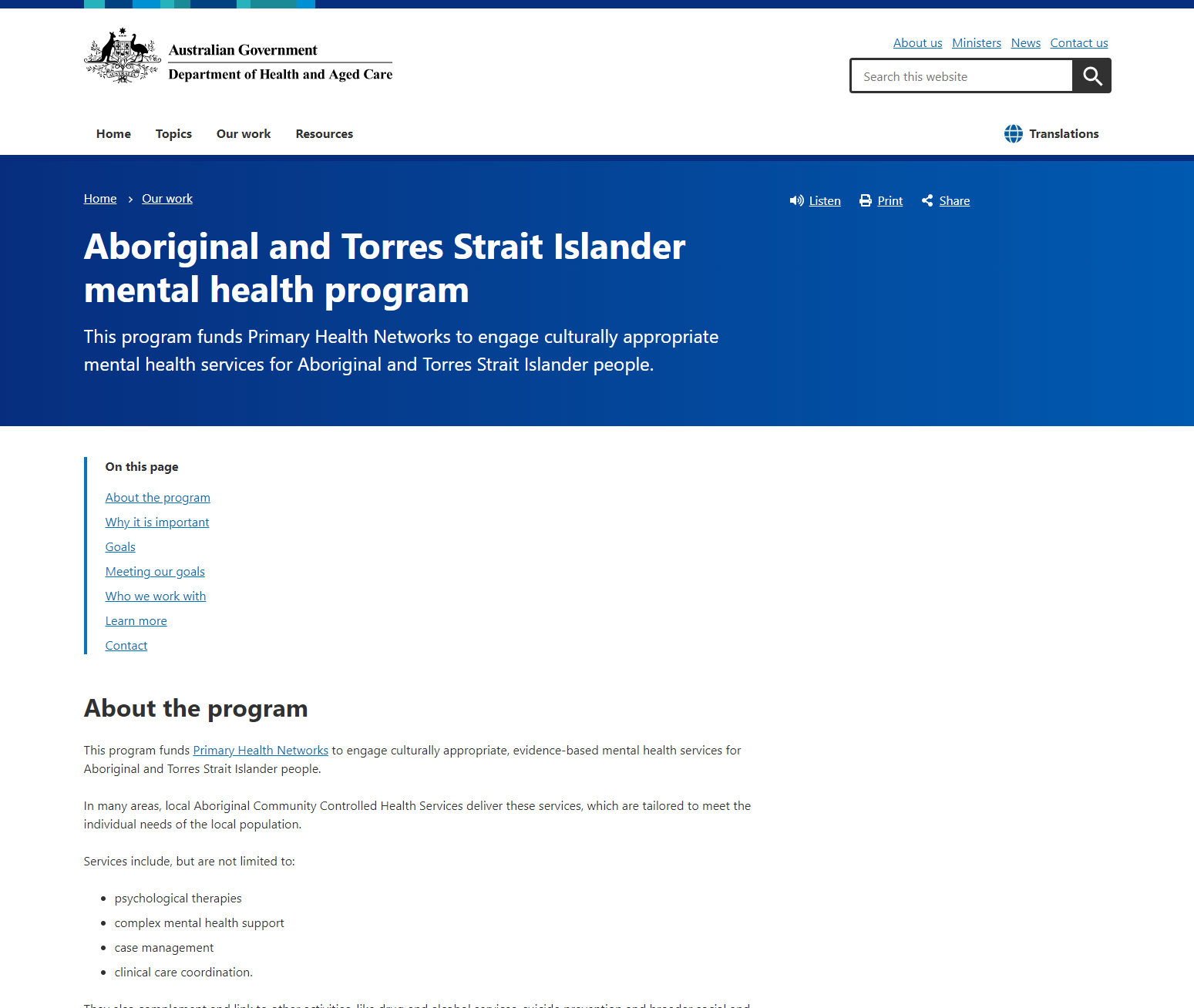
Aboriginal and Torres Strait Islander mental health program
This resource provides information on a mental health program for Aboriginal and Torres Strait Islander people. It includes funding for culturally appropriate mental health services, offering psychological therapies, complex care, and clinical coordination. The program integrates with other services such as drug and alcohol support and suicide prevention initiatives.
This resource may refer to information that will be updated from 1 July 2025 to align with the new Aged Care Act and Quality Standards.
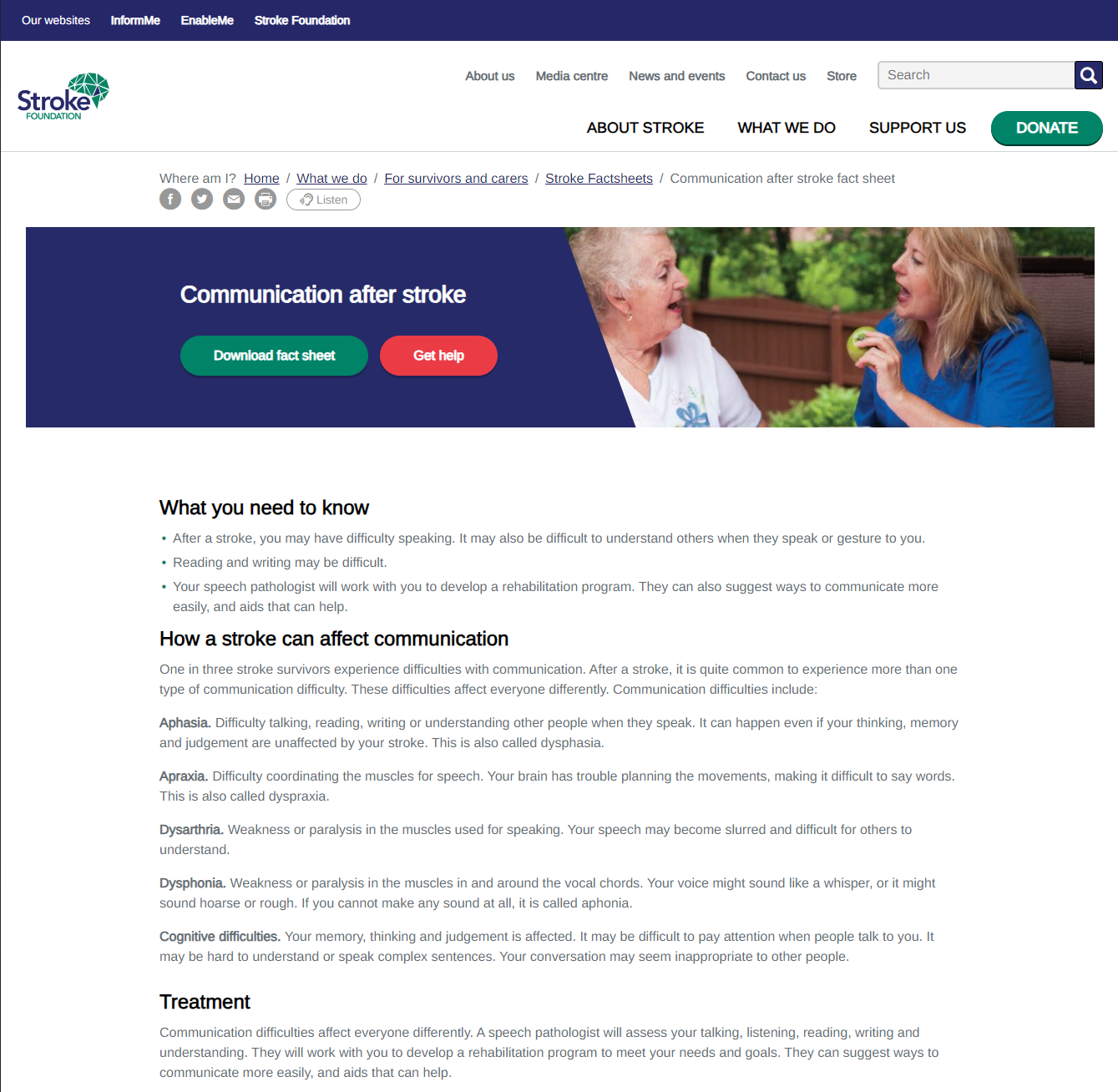
Communication after stroke
This resource provides information on communication difficulties an person may encounter after experiencing a stroke. It discusses how strokes can affect communication, treatment to assist with communication, information on recovery, communication tips for family and friends and help resources for individuals.
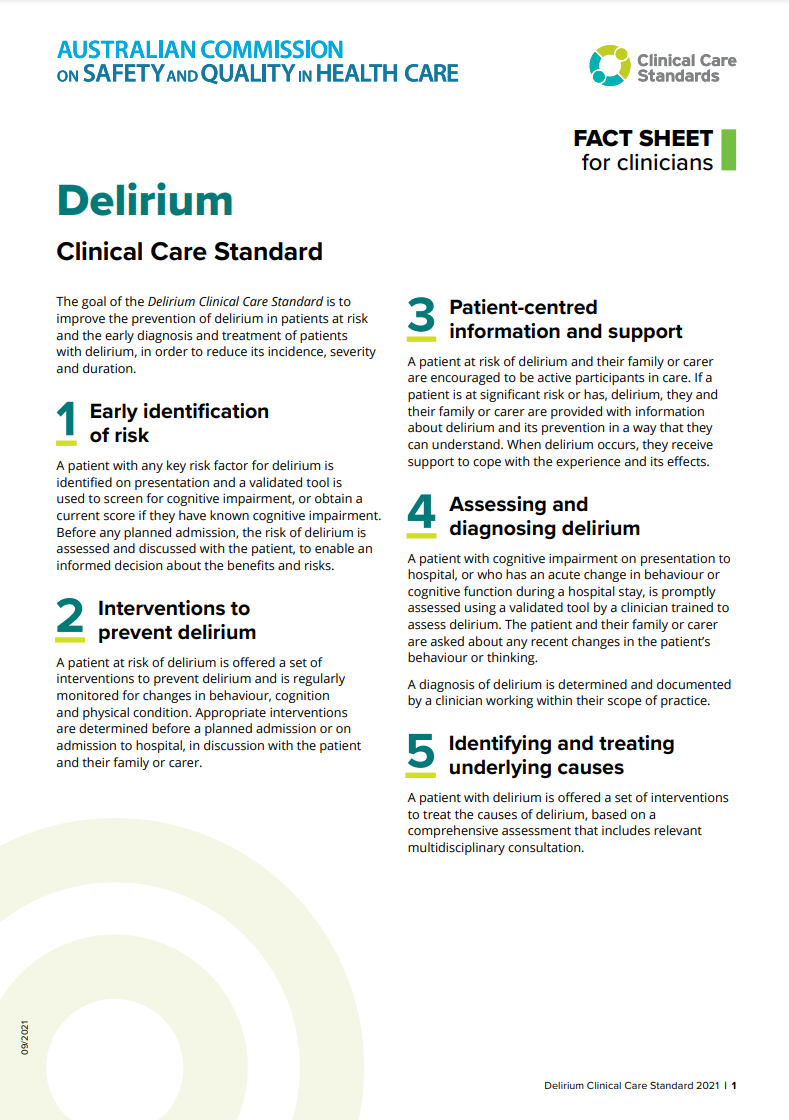
Delirium Clinical Care Standard
This resource outlines the Australian Commission on Safety and Quality in Health Care's Delirium Clinical Care Standard, which aims to improve the prevention, early diagnosis, and treatment of delirium. It includes 8 evidence-based quality statements and indicators for safe care. The standard helps clinicians and healthcare organisations manage cognitive impairment, with relevance to both hospital and aged care settings.
This resource may refer to information that will be updated from 1 November 2025 to align with the new Aged Care Act and Quality Standards.
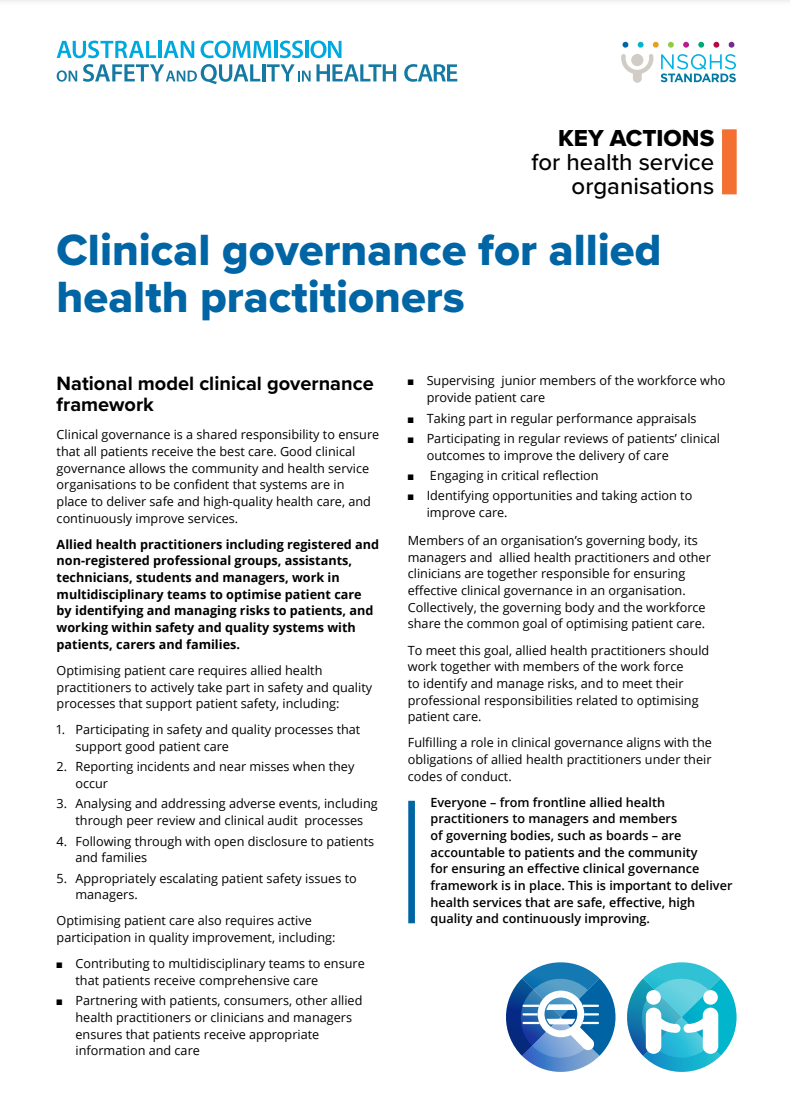
Clinical governance for allied health practitioners
This fact sheet identifies the clinical governance and roles and responsibilities of allied health practitioners. It provides information on the National Model Clinical Governance Framework and lists the roles and responsibilities across Governance, leadership and culture, patient safety and quality systems, clinical performance and effectiveness and safe environment for the delivery of care.
This resource may refer to information that will be updated from 1 November 2025 to align with the new Aged Care Act and Quality Standards.
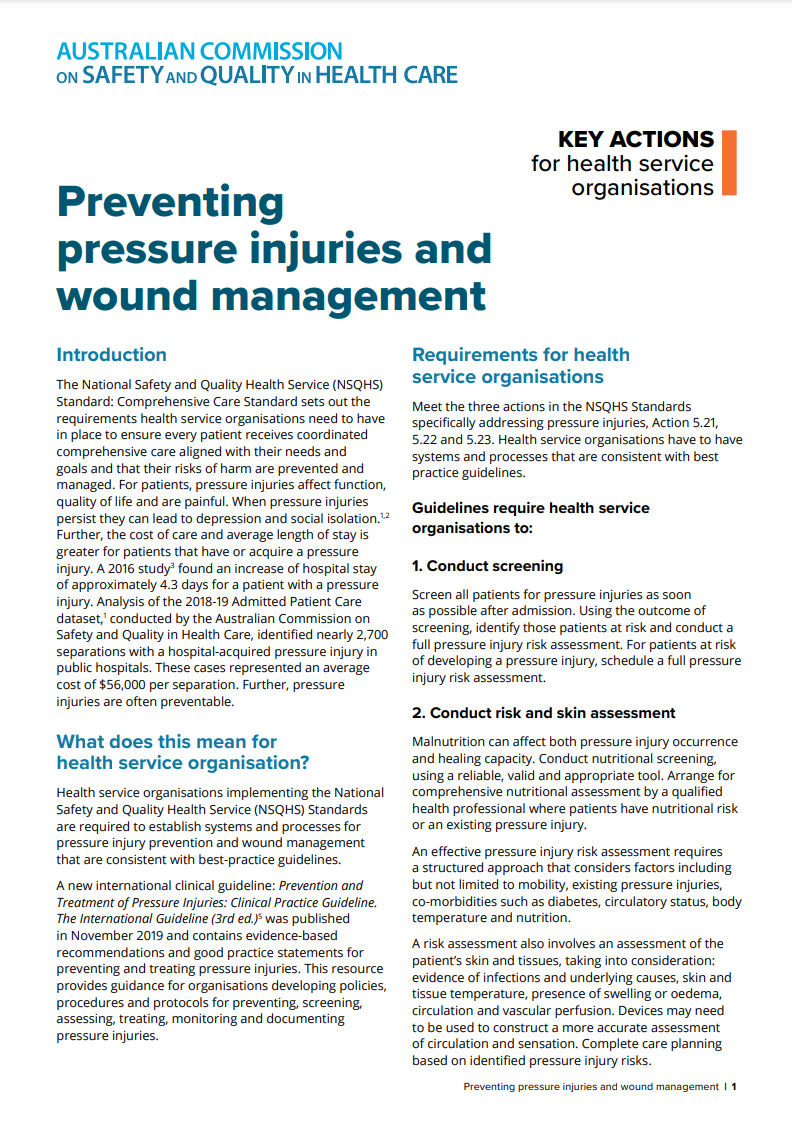
NSQHS Standards - Preventing pressure injuries and wound management
This resource provides guidance for organisations developing policies, procedures and protocols for preventing, screening, assessing, treating, monitoring and documenting pressure injuries. The fact sheet also provides a pressure injury flowchart for adult hospital admissions.
This resource may refer to information that will be updated from 1 November 2025 to align with the new Aged Care Act and Quality Standards.
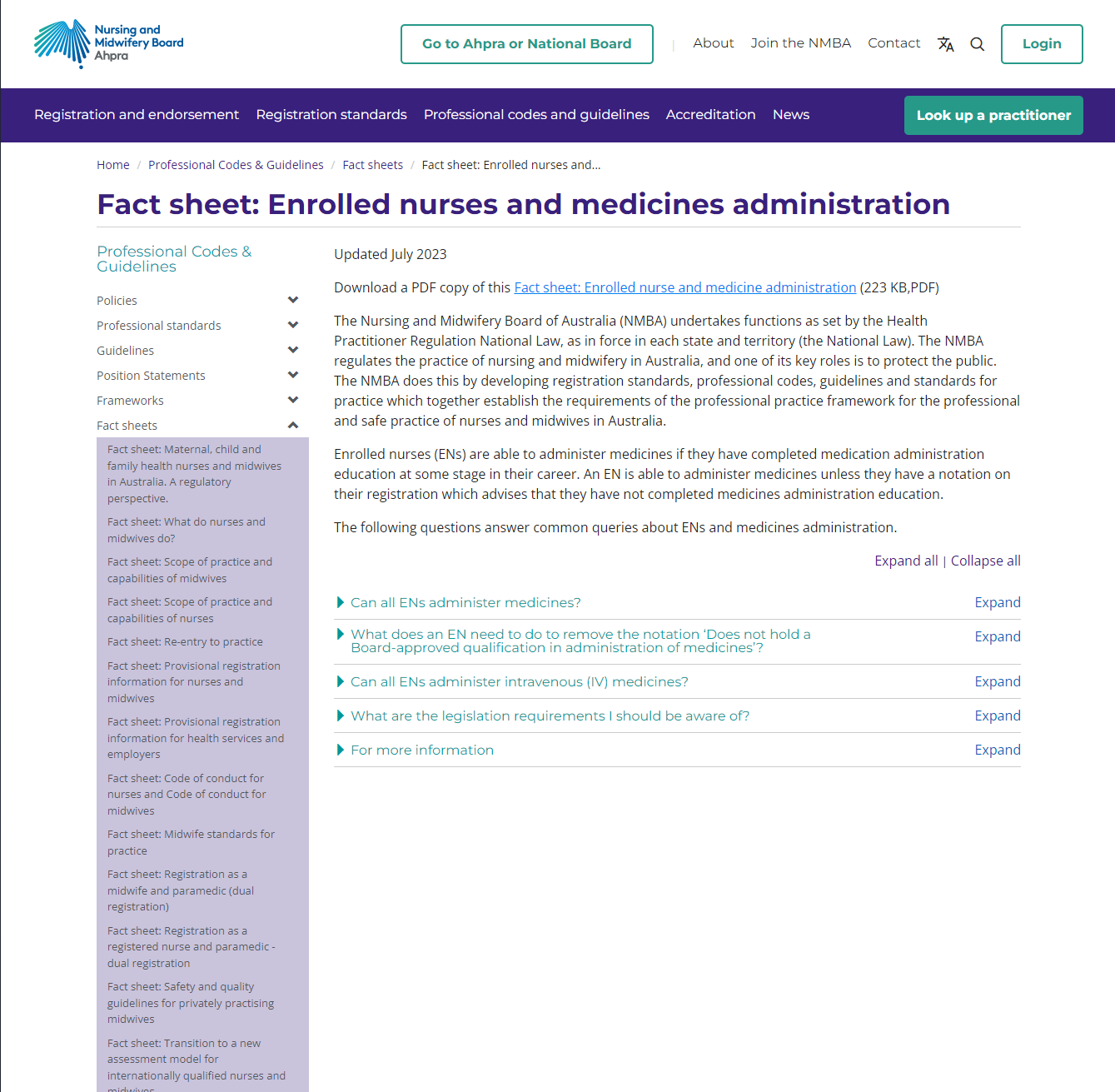
Fact sheet - Enrolled nurses and medicines administration
This fact sheet outlines the requirements for enrolled nurses (ENs) in Australia regarding the administration of medicines. It details the education and qualifications needed to administer medications, the specific conditions under which ENs may administer intravenous medicines, and guidance on removing any limitations from their registration. The document also emphasises adherence to legislation, policies, and safe practices.
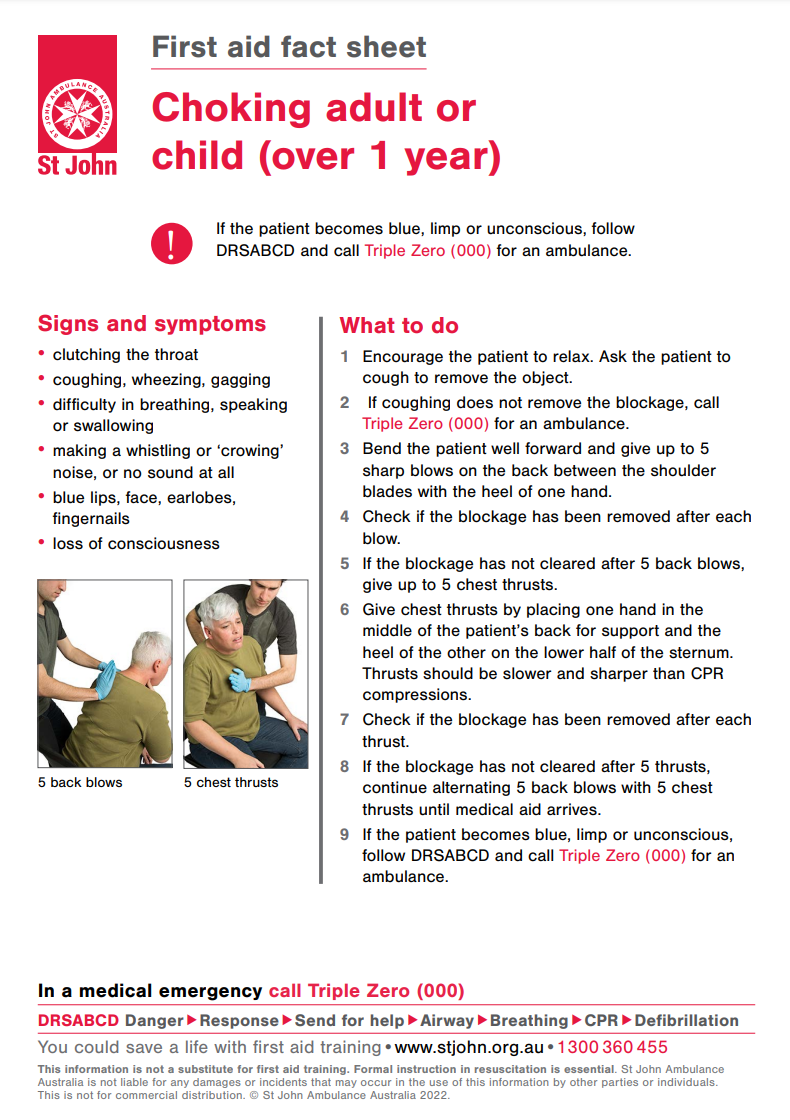
First aid fact sheet - Choking adult or child (over 1 year)
This fact sheet provides first aid instructions for choking in adults or children over one year. It details recognising choking symptoms and steps for emergency care and guidance to call emergency services if necessary.
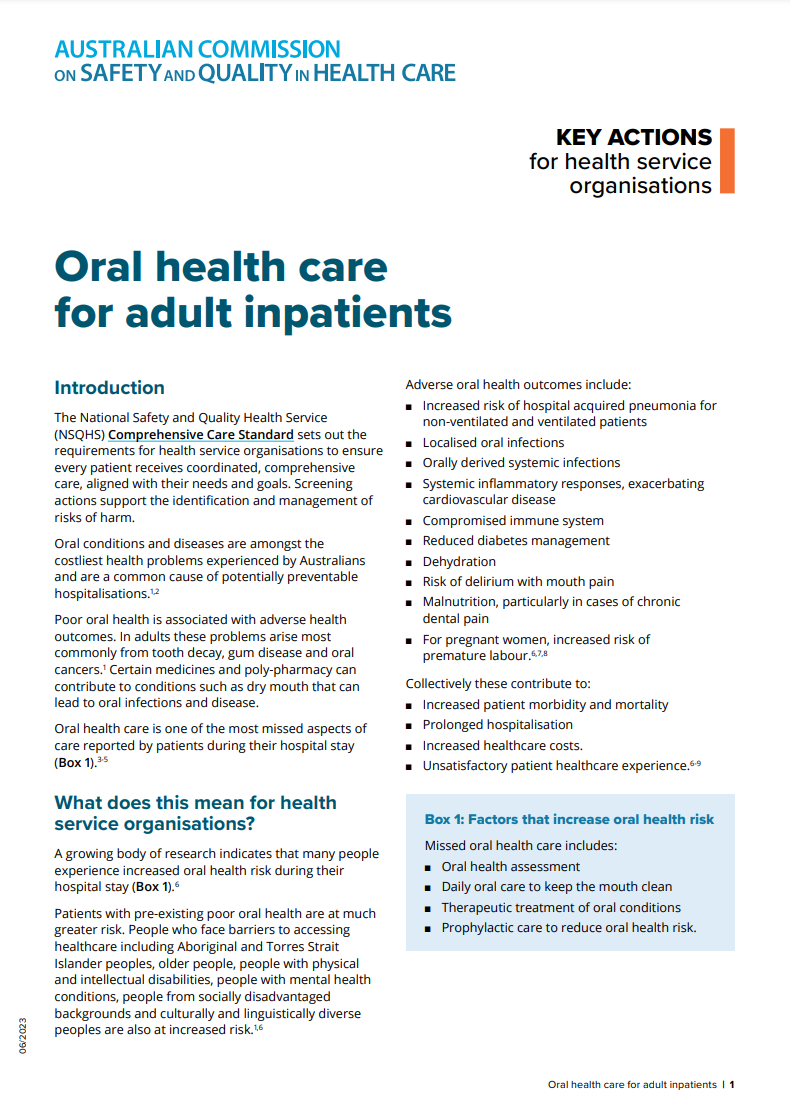
Fact sheet - Oral health care for adult inpatients
This resource provides guidance on oral health care for adult inpatients, aligning with the Comprehensive Care Standard. It outlines the importance of oral health assessment, daily care, infection control, and discharge planning to prevent adverse outcomes such as infections, dehydration, and malnutrition, enhancing patient experience and care quality.
Advance care planning - Information for clinicians
This resource guides clinicians on the importance of advance care planning, particularly for those with life-limiting illnesses, chronic conditions, or cognitive impairment. It outlines the need for early conversations about patient preferences and comprehensive care, ensuring decisions are documented, shared, and align with clinical handover processes to respect patient autonomy and improve care outcomes.
This resource may refer to information that will be updated from 1 November 2025 to align with the new Aged Care Act and Quality Standards.
End-of-life care - clinical basics
This resource provides key actions for clinicians delivering end-of-life care. It highlights the shift from curative to palliative approaches, emphasising communication, patient dignity, symptom management, medication review, and decision-making. It includes strategies for managing common symptoms and minimising risks to ensure safe, high-quality care in the last days of life.
This resource may refer to information that will be updated from 1 November 2025 to align with the new Aged Care Act and Quality Standards.
End-of-life care - Last days of life
This resource provides guidance on end-of-life care during the last days of life, relevant for aged care settings. It focuses on maintaining comfort, managing symptoms, and reducing unnecessary interventions. Clinicians are supported in offering compassionate care, addressing potential emergencies, and involving family members while ensuring that older people are treated with dignity during their final days.
This resource may refer to information that will be updated from 1 November 2025 to align with the new Aged Care Act and Quality Standards.
Pharmaceutical Benefits Scheme (PBS) medication chart maximum duration in residential aged care
This resource outlines the Pharmaceutical Benefits Scheme (PBS) medication chart's maximum duration in residential aged care. It explains the use of both paper-based and electronic National Residential Medication Charts (NRMC), highlighting their role in managing prescriptions, medication supply, and administration. The document provides guidance on compliance, chart expiry, and medication safety within aged care facilities.
This resource may refer to information that will be updated from 1 November 2025 to align with the new Aged Care Act and Quality Standards.