The Quality Standards Resource Centre helps extend understanding of the strengthened Aged Care Quality Standards, which took effect from 1 November 2025. You can search for resources by using keywords, or filtering by standard, outcome and audience. Before using the Resource Centre, please read the terms of use.
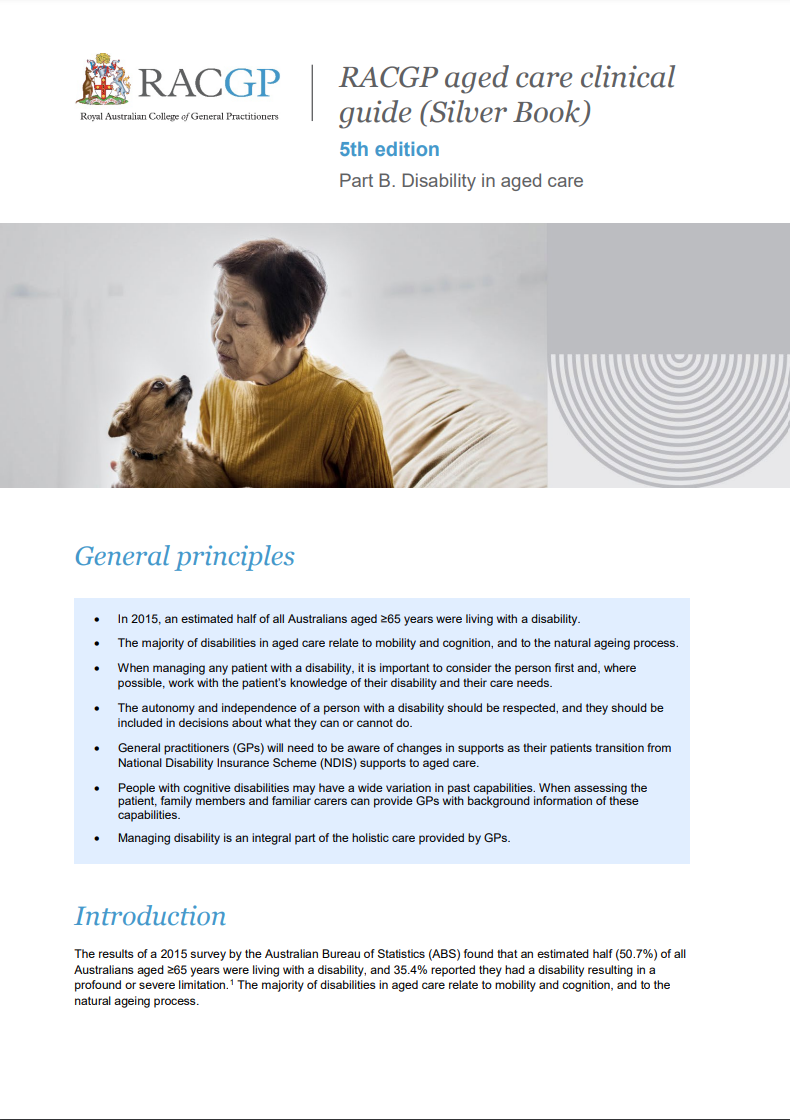
RACGP aged care clinical guide (Silver Book) - Part B - Disability in aged care
This guide addresses the management of disabilities in older adults, including mobility, cognitive impairments, developmental disabilities, hearing and visual impairment, psychiatric conditions, and neurodegenerative disorders. It outlines approaches for general practitioners to provide holistic care, monitor health risks, adapt support systems, and coordinate with allied health professionals in residential aged care settings.
RACGP aged care clinical guide (Silver Book) - Part B - Collaboration and multidisciplinary team-based care
This guide focuses on collaboration and multidisciplinary care for older adults, particularly in residential aged care. It outlines the benefits of team-based care, effective team structures, shared goals, defined roles, building trust, communication, and measurable processes to improve health outcomes. It provides practical tips for effective teamwork and highlights the importance of coordinating care among various healthcare professionals.
Cognitive impairment resources
This resource provides a range of materials developed to improve the safety and quality of healthcare for people with cognitive impairment or at risk of delirium. It includes guides, fact sheets, and standards for consumers, clinicians, and health service organisations, supporting the implementation of best practice and quality care.
This resource may refer to information that will be updated from 1 November 2025 to align with the new Aged Care Act and Quality Standards.
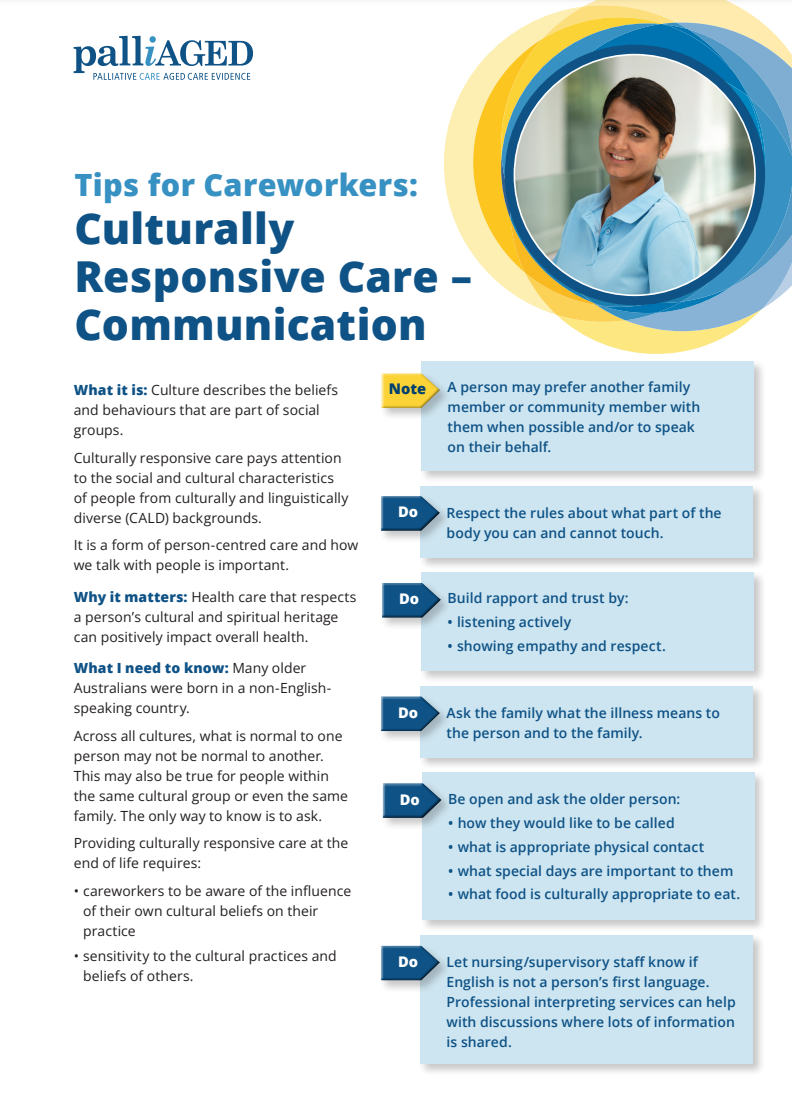
Tips for Careworkers: Culturally Responsive Care - Communication
This resource provides practice tip sheets for care workers, focusing on culturally responsive care for people from culturally and linguistically diverse backgrounds. It outlines communication strategies, emphasising person-centred care, cultural sensitivity, and effective interaction with patients and families, especially at the end of life.
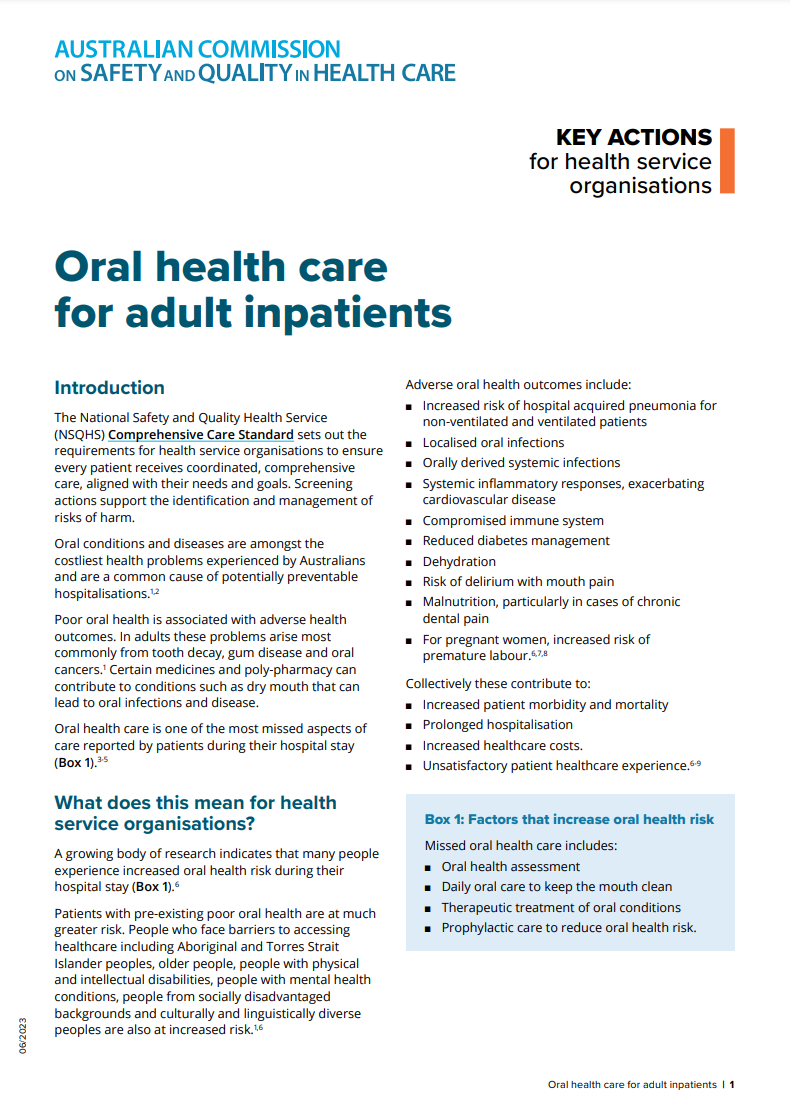
Fact sheet - Oral health care for adult inpatients
This resource provides guidance on oral health care for adult inpatients, aligning with the Comprehensive Care Standard. It outlines the importance of oral health assessment, daily care, infection control, and discharge planning to prevent adverse outcomes such as infections, dehydration, and malnutrition, enhancing patient experience and care quality.
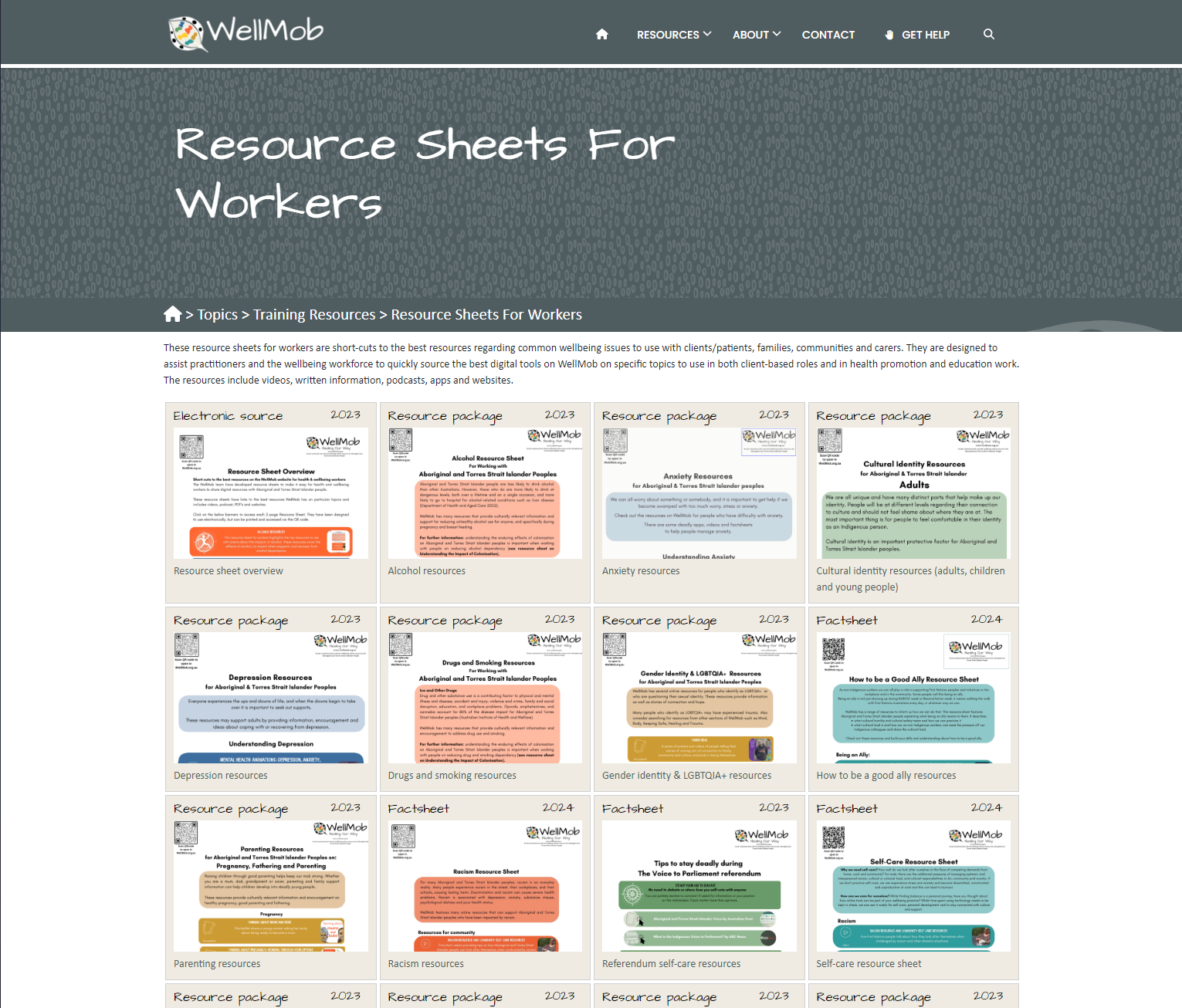
Resource sheets for workers – Social, emotional and cultural wellbeing online resources for Aboriginal and Torres Strait Islander People
This resource offers a collection of topic-based resource sheets for workers, covering wellbeing issues relevant to Aboriginal and Torres Strait Islander communities. It includes information on topics like alcohol, anxiety, cultural identity, depression, and trauma. The resources consist of videos, fact sheets, podcasts, apps, and websites to support practitioners and the wellbeing workforce.
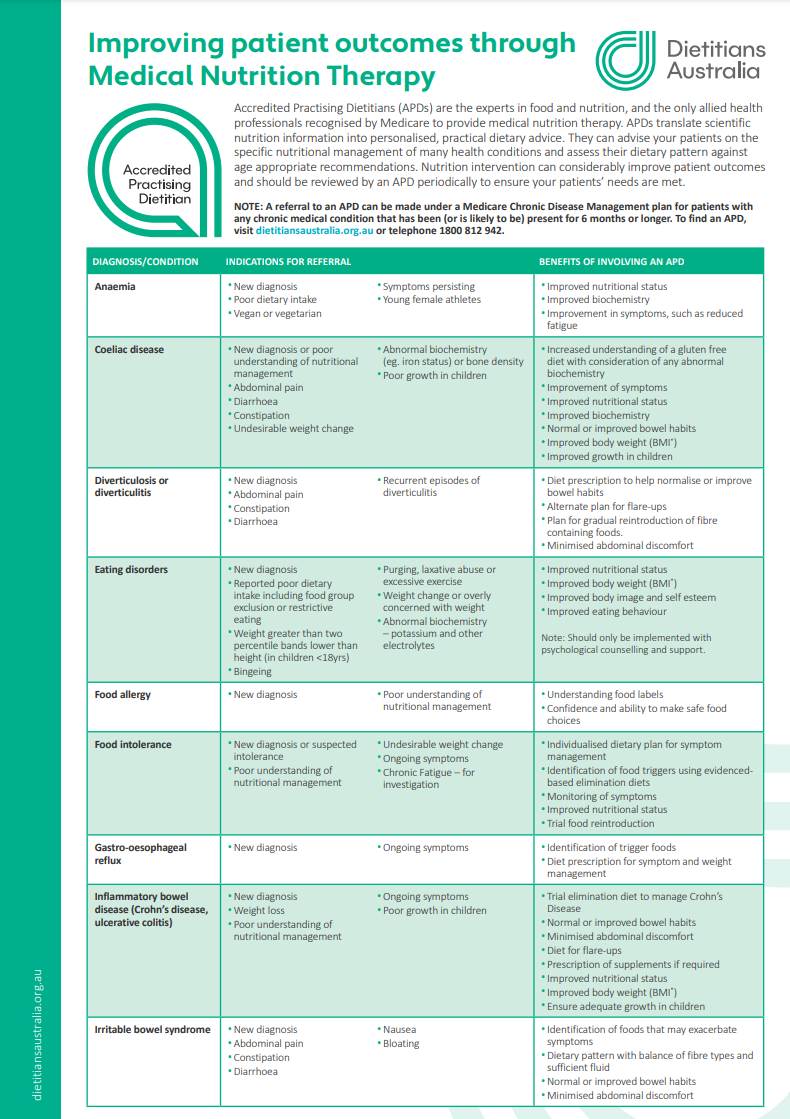
Improving patient outcomes through Medical Nutrition Therapy
This resource outlines the role of Accredited Practising Dietitians (APDs) in medical nutrition therapy across various health conditions, including those common in aged care. It includes indications for referral to an APD and highlights benefits such as improved nutritional status, symptom management, and enhanced health outcomes. This resource may apply to healthcare contexts outside of aged care. Please consider the applicability of this resource to your care setting.
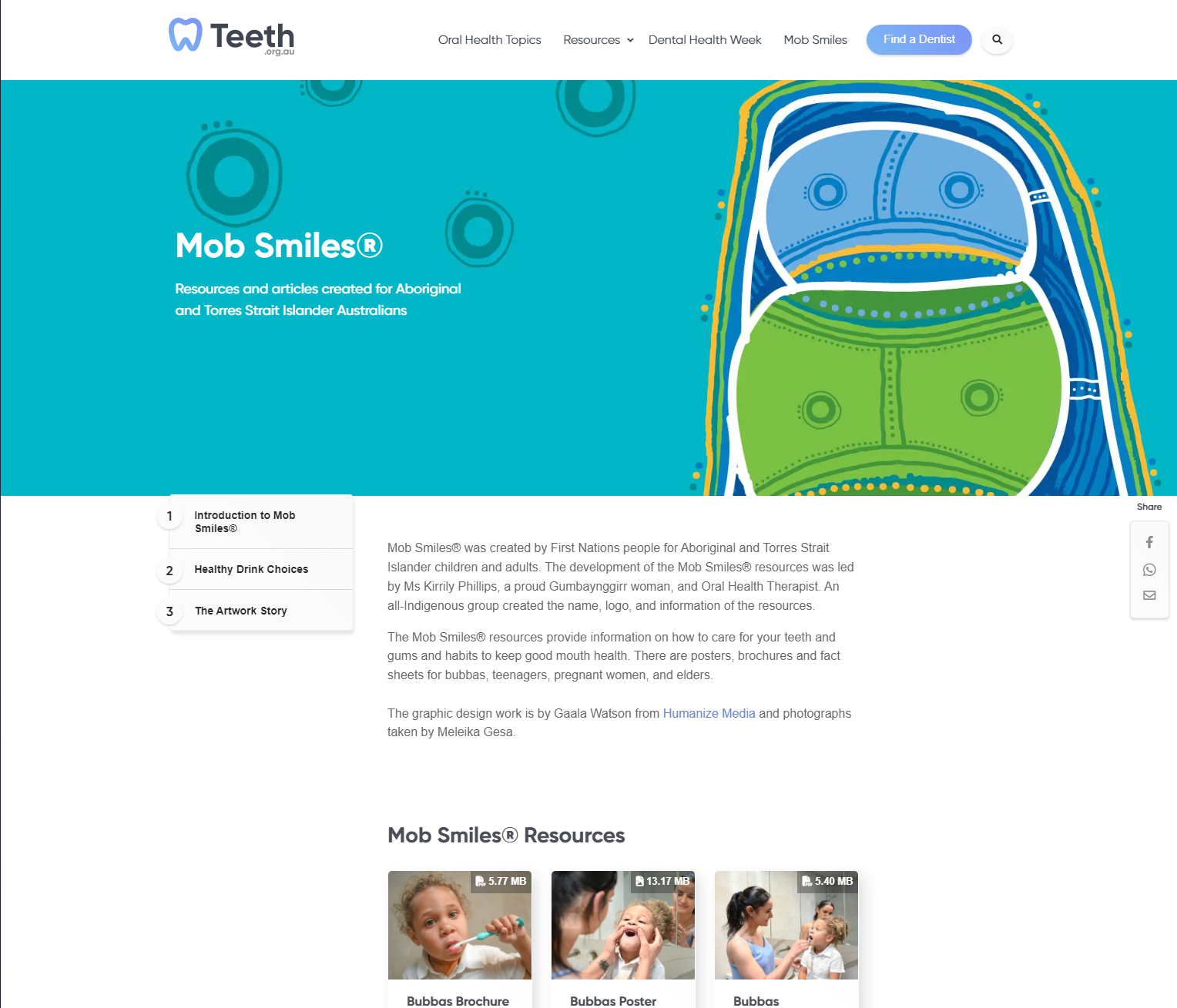
Mob Smiles - Resources and articles created for Aboriginal and Torres Strait Islander Australians
This resource, Mob Smiles, provides culturally appropriate oral health information for Aboriginal and Torres Strait Islander people. It includes brochures, posters, and fact sheets tailored for different life stages such as children, teenagers, elders, and pregnant women. The content focuses on dental care, healthy habits, and oral health education.
Resources for Aboriginal and Torres Strait Islander Mental Health and Wellbeing
This resource provides a variety of documents and resources to support the mental health and wellbeing of Aboriginal and Torres Strait Islander peoples. It covers topics including leadership in mental health, culturally safe practices, social and emotional wellbeing, suicide prevention, and strategic policy frameworks, offering tools for health professionals and communities.
RACGP Guidelines for preventive activities in general practice - Miscellaneous
This resource provides guidelines for preventive activities in general practice, covering frailty, hearing, sleep disorders, oral health, urinary incontinence, and vision.
Healthy mouths, healthy lives - Australia's National Oral Health Plan 2015-2024
This resource outlines Australia’s National Oral Health Plan 2015-2024, aiming to improve oral health and reduce inequalities. It includes strategic directions, guiding principles, foundation areas for action, and focus on priority populations. It addresses access to services, workforce development, safety, quality, promotion, and integrated health systems to enhance overall wellbeing.
This resource may refer to information that will be updated from 1 November 2025 to align with the new Aged Care Act and Quality Standards.
Vision Australia - Clinical tools and resources
This resource offers tools and information for clinicians supporting people with blindness or low vision across a range of settings including aged care. It includes free patient materials, brochures in multiple languages, fact sheets on eye conditions, case studies, tips on communication, assistive technology recommendations, and professional development webinars to enhance patient care and referral processes. This resource may apply to healthcare contexts outside of aged care. Please consider the applicability of this resource to your care setting.”
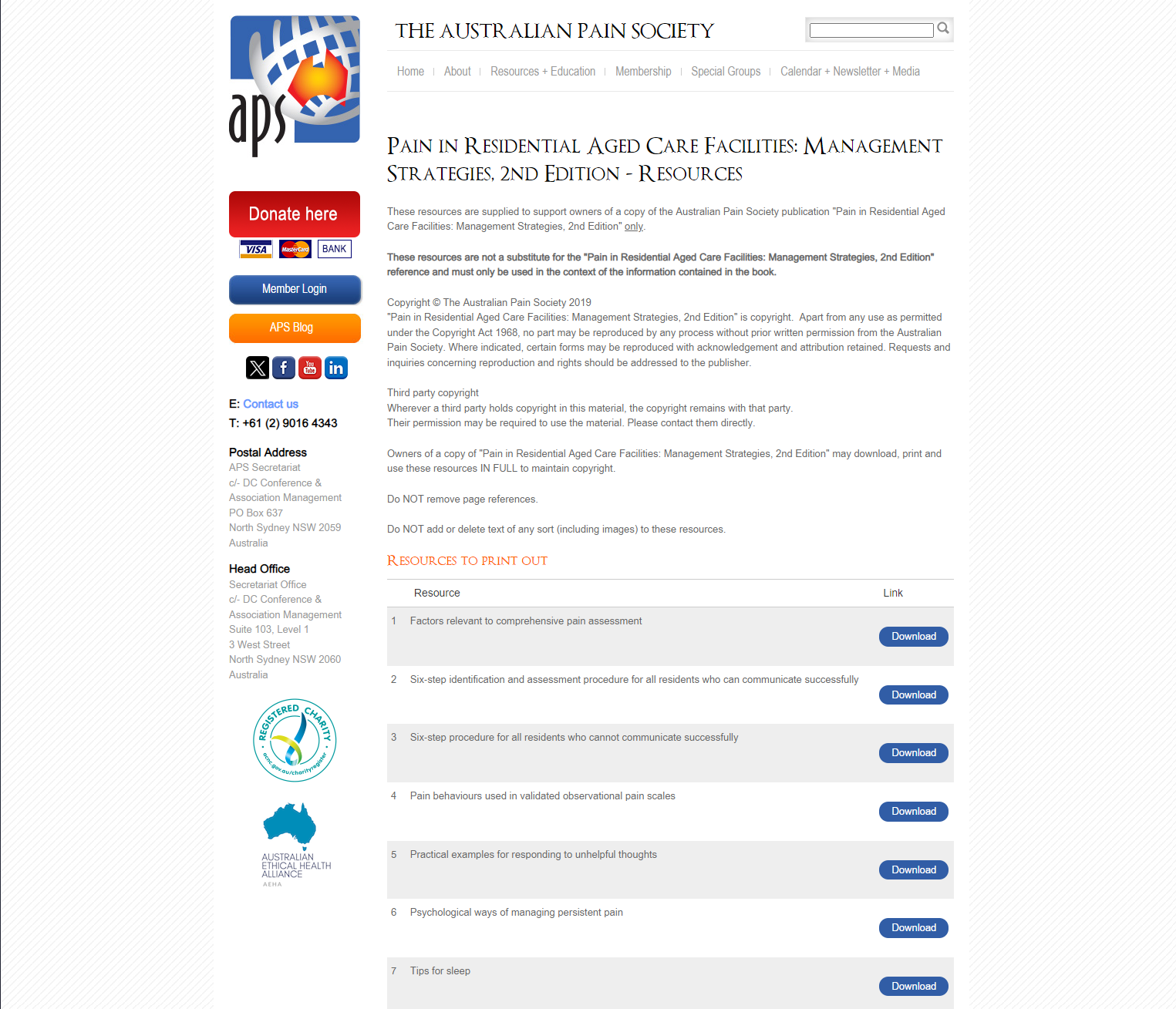
Pain in Residential Aged Care Facilities: Management Strategies - Resources
This resource provides downloadable tools to support the management of pain in residential aged care facilities. It covers comprehensive pain assessment, pain management strategies for communicative and non-communicative residents, complementary therapies, opioid considerations, and quality indicators, aiming to enhance care practices and improve residents' quality of life.
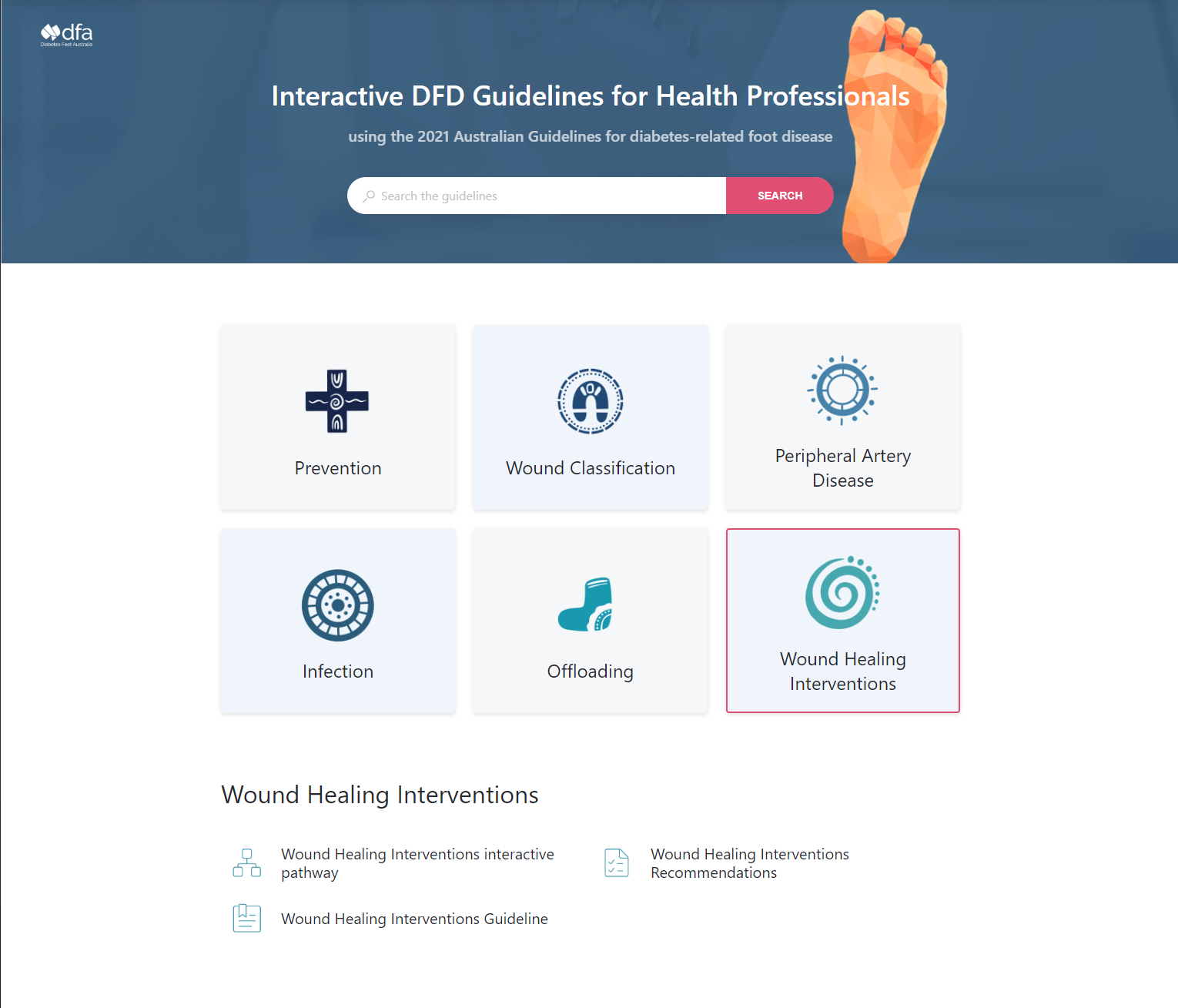
Wound Healing Interventions
This resource provides the 2021 Australian guidelines on wound healing interventions for diabetic foot disease (DFD) and foot ulcers (DFU). It includes evidence-based recommendations for healthcare professionals on appropriate practices, such as sharp debridement, exudate control, adjunctive treatments, and decision-making pathways to enhance wound healing and improve patient outcomes.
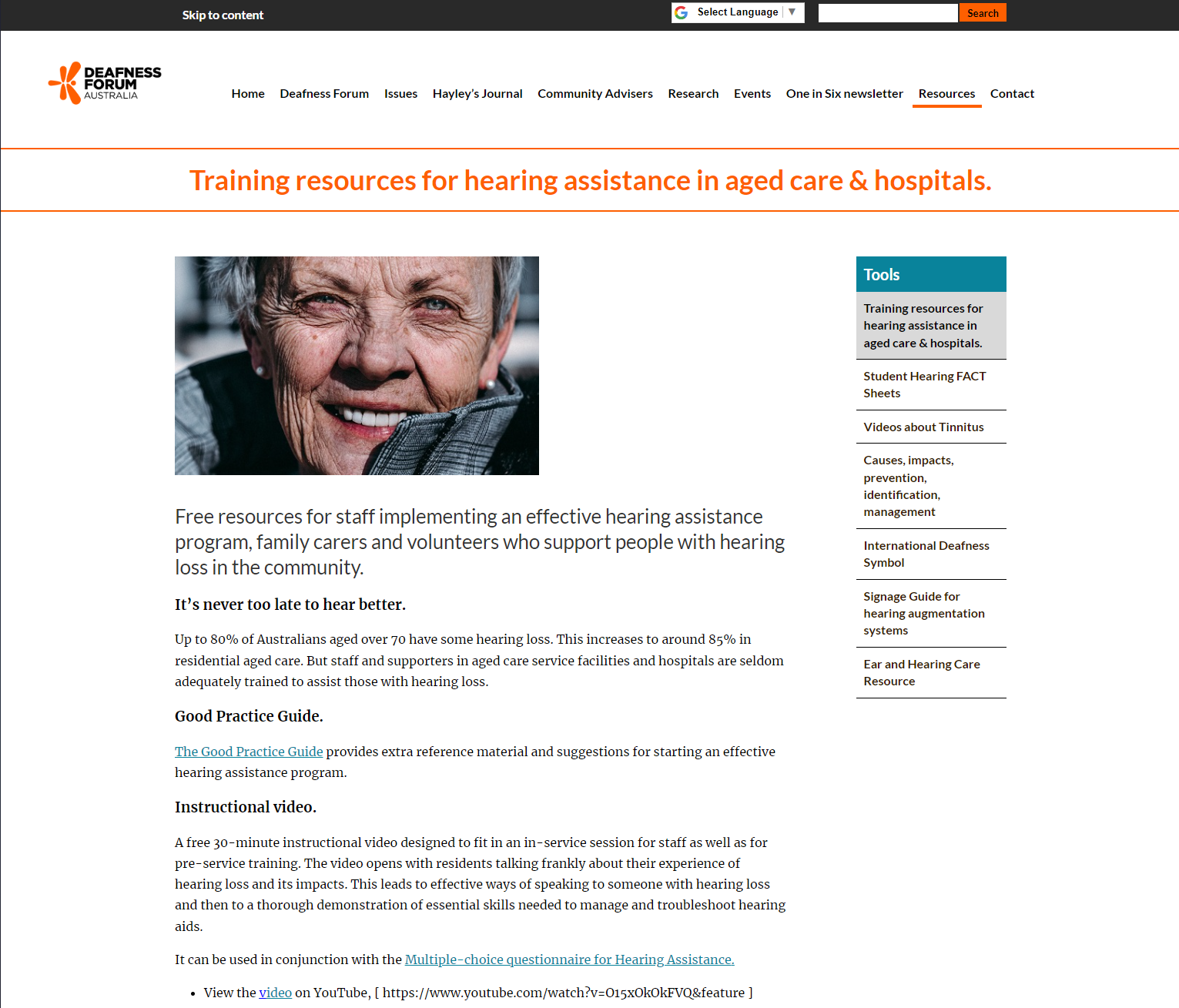
Training resources for hearing assistance in aged care & hospitals
This resource provides free training materials for hearing assistance in aged care and hospital settings. It includes a Good Practice Guide, instructional video, poster series, and training modules. The resources aim to equip staff, volunteers, and family carers with knowledge to support people with hearing loss effectively.
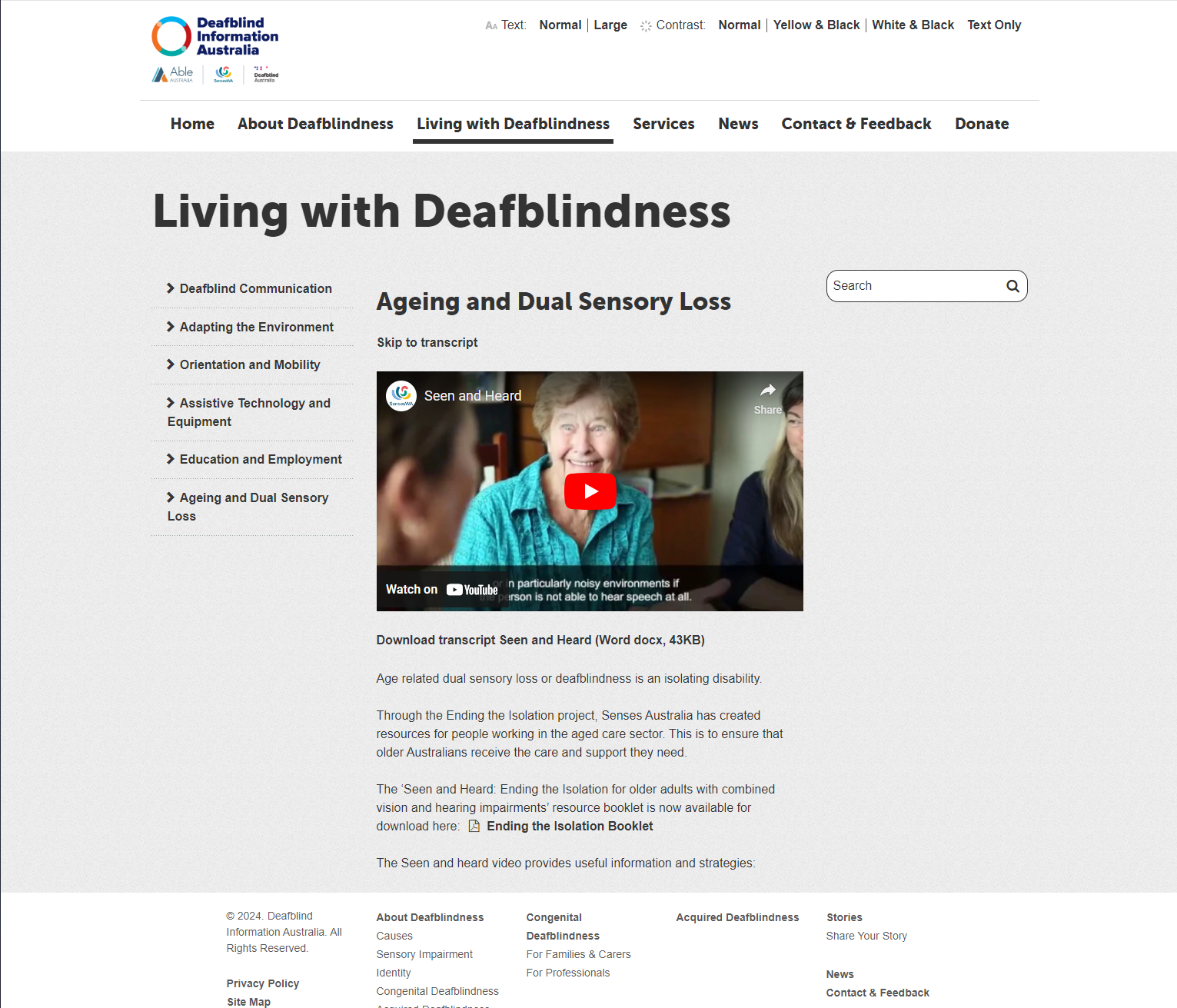
Ageing and dual sensory loss
This resource provides information and strategies for supporting older adults with age-related dual sensory loss or deafblindness. It includes a resource booklet and video developed to help aged care workers understand and address the needs of people with combined vision and hearing impairments to reduce isolation and enhance care.
Abbey Pain Scale
This resource introduces the Abbey Pain Scale, a non-verbal pain assessment tool designed for identifying pain in people living with dementia. It aids healthcare professionals in recognising pain behaviours in those unable to communicate their needs effectively, supporting timely and appropriate pain management interventions.
Cognitive impairment and dementia care for Aboriginal and Torres Strait Islander people
This resource is a best-practice guide to cognitive impairment and dementia care for Aboriginal and Torres Strait Islander people attending primary health care. It combines clinical evidence with cultural principles, addressing health promotion, prevention, detection, and management of dementia, while also providing culturally informed recommendations on end-of-life care and support for carers within the context of primary care services.
Health care for people with cognitive disability
This resource addresses the challenges people with cognitive disabilities face when accessing healthcare, such as communication barriers, limited access to quality services, over-prescription, and restrictive practices. It invites feedback on how to improve care quality and ensure the human rights of those with disabilities are upheld, incorporating considerations for different cultural and demographic groups.
Dementia and Aboriginal and Torres Strait Islander people
This resource provides information on dementia tailored specifically for Aboriginal and Torres Strait Islander people. It offers culturally appropriate materials, guidance for health professionals, and support services tailored to the needs of Indigenous communities, promoting awareness, diagnosis, and management of dementia in these populations.