The Quality Standards Resource Centre helps extend understanding of the strengthened Aged Care Quality Standards, which took effect from 1 November 2025. You can search for resources by using keywords, or filtering by standard, outcome and audience. Before using the Resource Centre, please read the terms of use.
How to support everyday decision-making for people living with dementia in residential aged care: A guide for care workers
This guide offers practical strategies for care workers to support people with dementia in making everyday decisions within residential aged care settings. It covers communication techniques, promoting choice in personal care and daily activities, understanding body language, and emphasises person-centred care while respecting residents' preferences, dignity, and rights.
Cognitive impairment and dementia care for Aboriginal and Torres Strait Islander people
This resource is a best-practice guide to cognitive impairment and dementia care for Aboriginal and Torres Strait Islander people attending primary health care. It combines clinical evidence with cultural principles, addressing health promotion, prevention, detection, and management of dementia, while also providing culturally informed recommendations on end-of-life care and support for carers within the context of primary care services.
Half the story: A guide to meaningful consultation with people living with dementia, families and carers
This resource is a guide for meaningful consultation with people living with dementia, their families, and carers. It covers planning, ethical considerations, communication methods, and ways to improve accessibility. The guide offers strategies to ensure the voices of those living with dementia are respected, valued, and effectively integrated into decision-making processes.
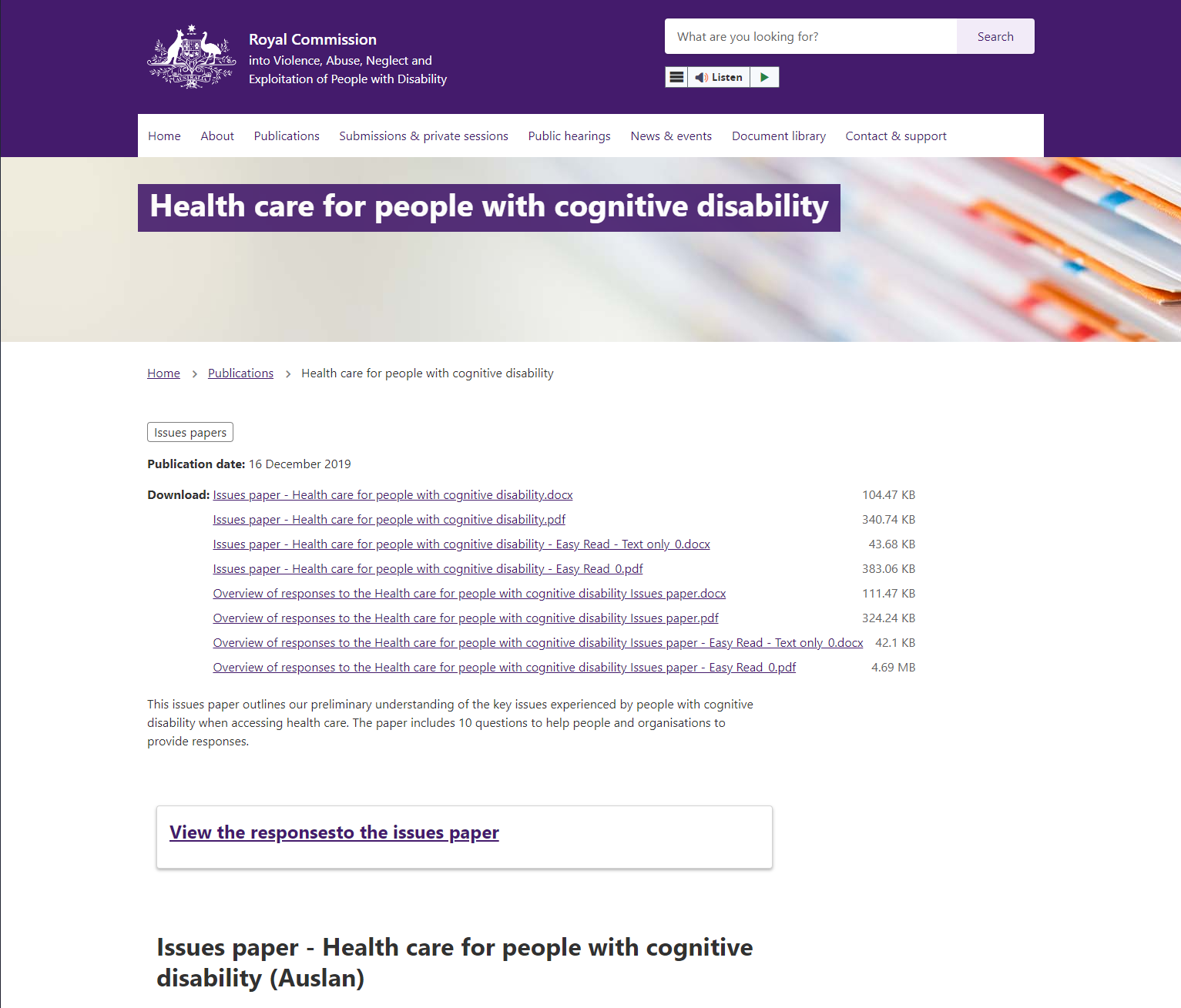
Health care for people with cognitive disability
This resource addresses the challenges people with cognitive disabilities face when accessing healthcare, such as communication barriers, limited access to quality services, over-prescription, and restrictive practices. It invites feedback on how to improve care quality and ensure the human rights of those with disabilities are upheld, incorporating considerations for different cultural and demographic groups.
Dementia and Aboriginal and Torres Strait Islander people
This resource provides information on dementia tailored specifically for Aboriginal and Torres Strait Islander people. It offers culturally appropriate materials, guidance for health professionals, and support services tailored to the needs of Indigenous communities, promoting awareness, diagnosis, and management of dementia in these populations.
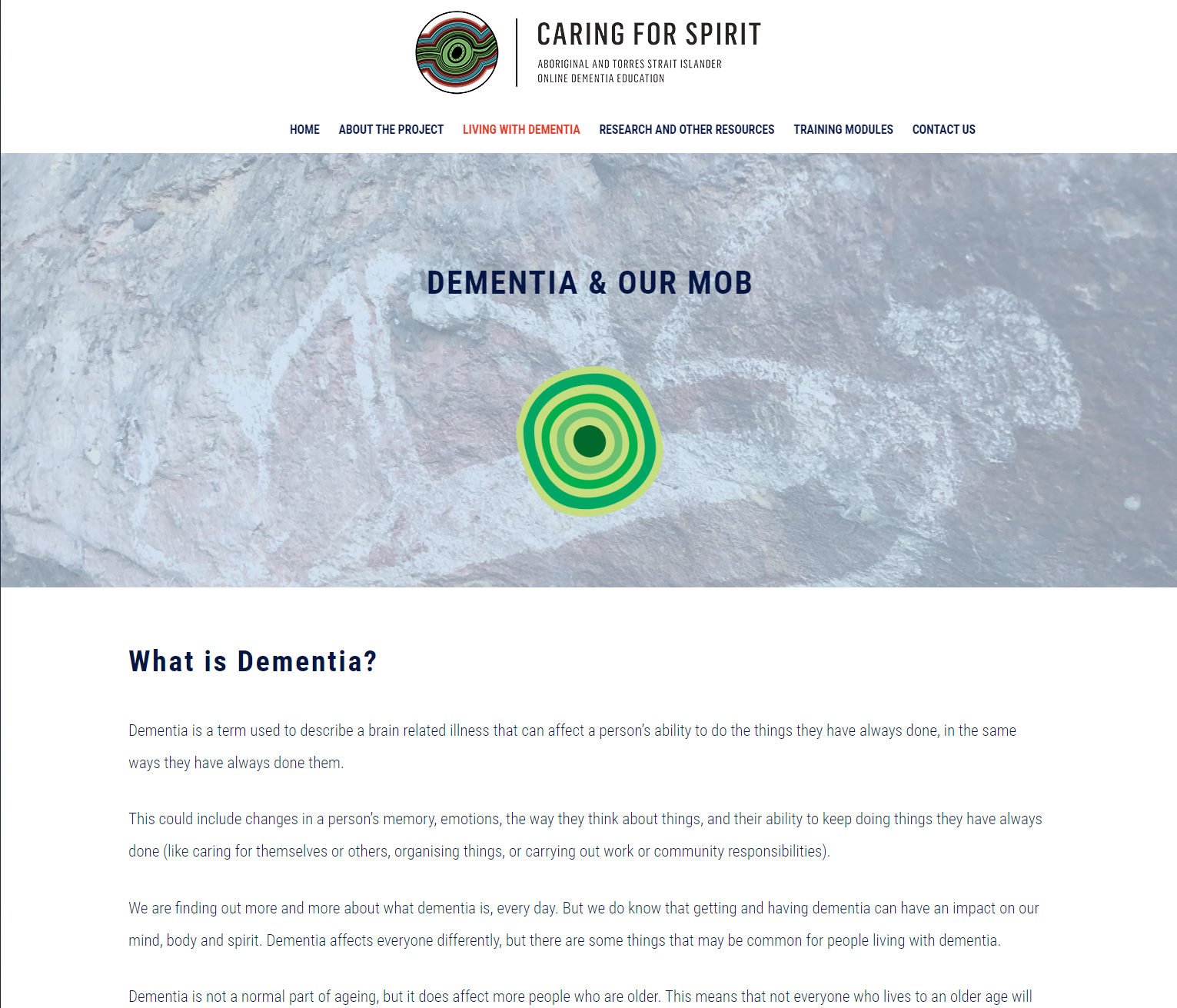
Dementia & Our Mob
This resource provides information about dementia in Aboriginal and Torres Strait Islander communities. It covers the effects on mind, body, and spirit, the prevalence among older and younger people, risk factors like genetics and lifestyle, and the types of dementia most common in these communities. It emphasises the importance of cultural understanding in dementia care.
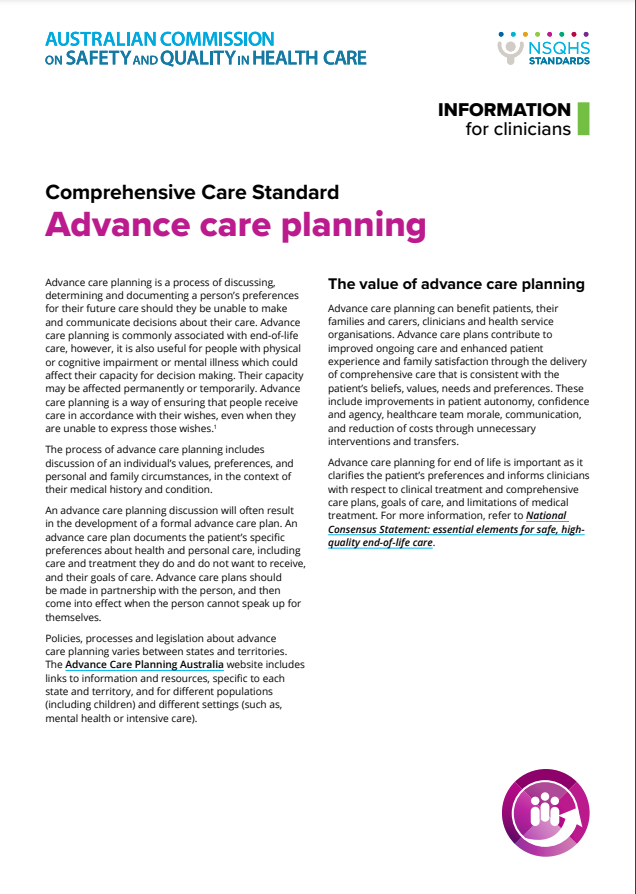
Advance care planning - Information for clinicians
This resource guides clinicians on the importance of advance care planning, particularly for those with life-limiting illnesses, chronic conditions, or cognitive impairment. It outlines the need for early conversations about patient preferences and comprehensive care, ensuring decisions are documented, shared, and align with clinical handover processes to respect patient autonomy and improve care outcomes.
This resource may refer to information that will be updated from 1 November 2025 to align with the new Aged Care Act and Quality Standards.
National framework for advance care planning documents
This resource provides a nationally consistent framework for advance care planning documents in Australia. It outlines principles, ethical considerations, and best practices for creating, implementing, and accessing advance care plans, including Advance Care Directives. It aims to guide policymakers, administrators, and healthcare providers in recognising people’s values, preferences, and rights regarding future care.
This resource may refer to information that will be updated from 1 November 2025 to align with the new Aged Care Act and Quality Standards.
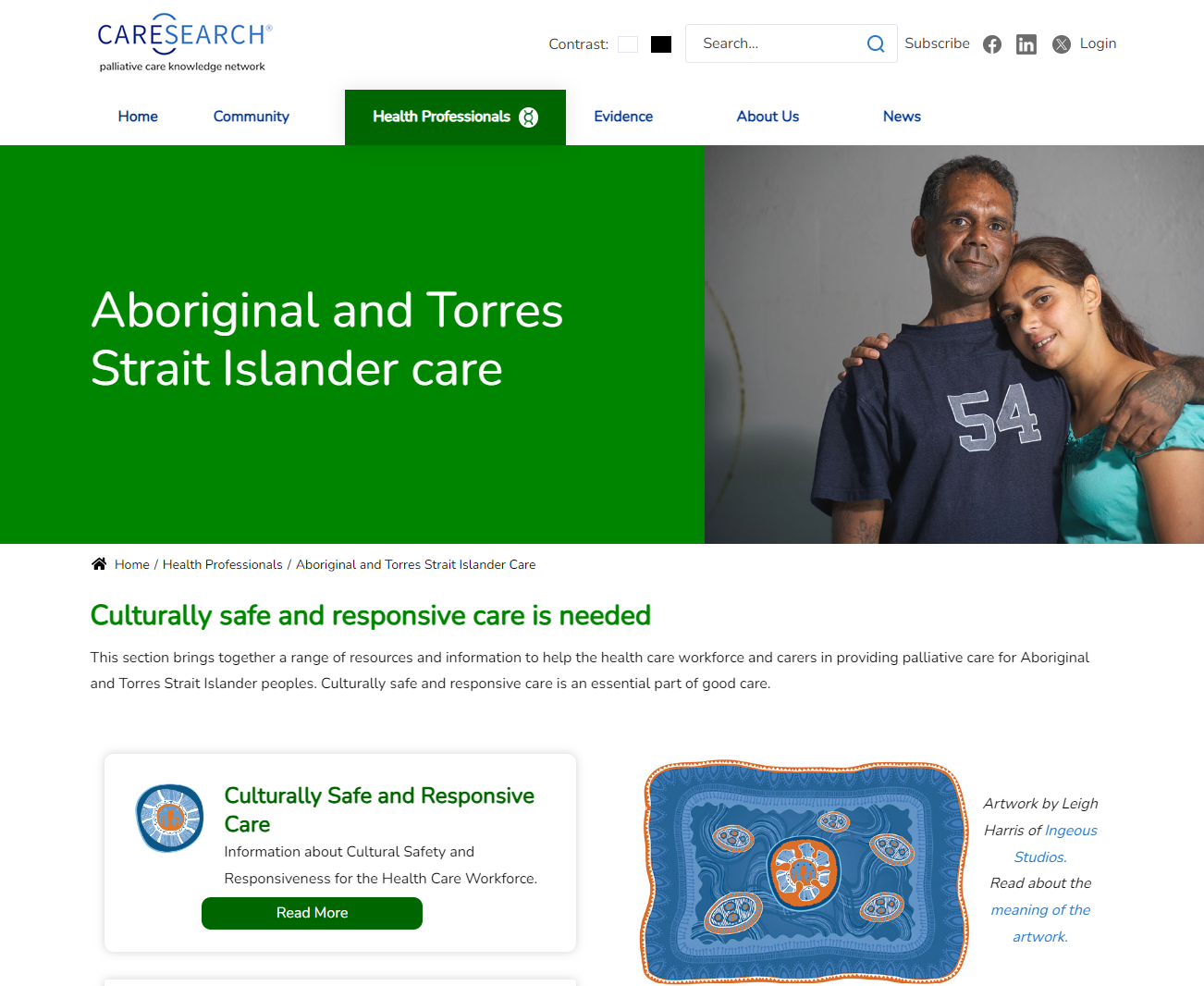
Palliative care knowledge network - Aboriginal and Torres Strait Islander care
This resource provides culturally safe and responsive palliative care information for Aboriginal and Torres Strait Islander peoples. It includes guidance for health professionals on culturally appropriate care, patient and family journeys, and relevant research and practices to support respectful and effective healthcare for Indigenous communities.
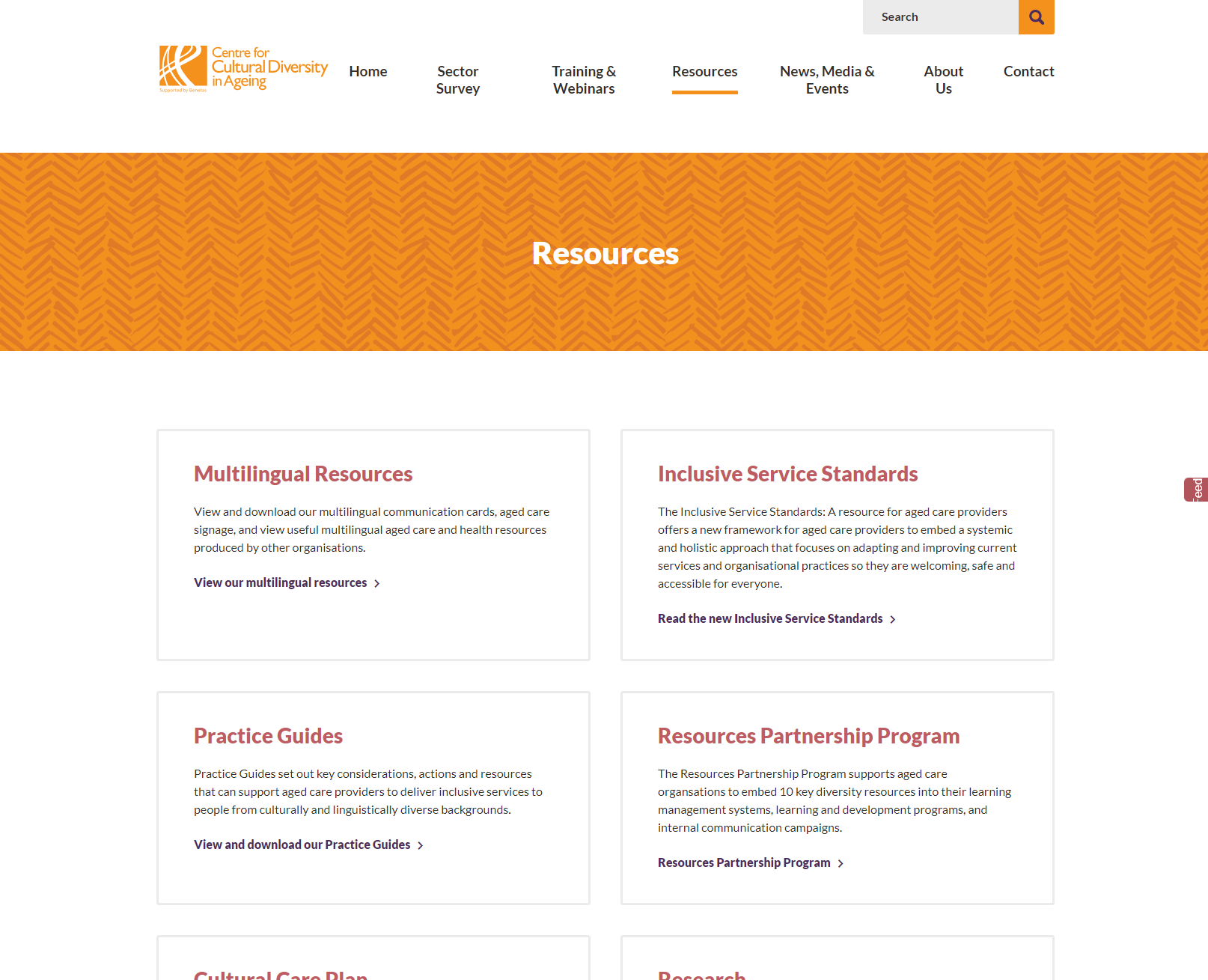
Centre for Cultural Diversity in Ageing - Resources
This webpage supports aged care providers to address the needs of older people from culturally and linguistically diverse backgrounds. It contains training and webinars, sector development and resources. The resources include multilingual communication cards, cultural care plans, and practice guides that help address the cultural, linguistic, and spiritual needs of people in care. The resources make sure aged care services are accessible, safe, and appropriate for culturally and linguistically diverse populations.
NSQHS Standards User guide for Aboriginal and Torres Strait Islander health
The resource provides a guide for health service organisations to improve care for Aboriginal and Torres Strait Islander people, focusing on 6 specific actions. It highlights strategies to build partnerships, enhance cultural competency, and ensure equitable, safe, and high-quality care.
This resource may refer to information that will be updated from 1 November 2025 to align with the new Aged Care Act and Quality Standards.
Cultural Respect Framework 2016-2026 for Aboriginal and Torres Strait Islander health
This resource outlines a national approach to building a culturally respectful health system for Aboriginal and Torres Strait Islander people. It focuses on 6 domains, including communication, workforce development, and data evaluation, to ensure culturally safe, accessible care. It is applicable to aged care, helping providers meet cultural safety standards and improve health outcomes for Aboriginal and Torres Strait Islander people.
Healing Foundation - Resources
This resource provides access to a range of materials aimed at promoting healing within Aboriginal and Torres Strait Islander communities. It includes documents on trauma, healing projects, and initiatives like the Stolen Generations redress schemes. Providers can use these resources to understand historical and ongoing trauma and support culturally sensitive care within aged care environments, fostering healing and resilience.
Trauma & Aged Care - Support and Information Hub
This resource provides information and support for aged care providers, workers, and people in aged care who may have experienced trauma. It offers resources to address trauma-related issues, both for those affected and for those providing care. It also provides guidance for aged care managers and the workforce to ensure trauma-informed care practices are integrated into aged care services.
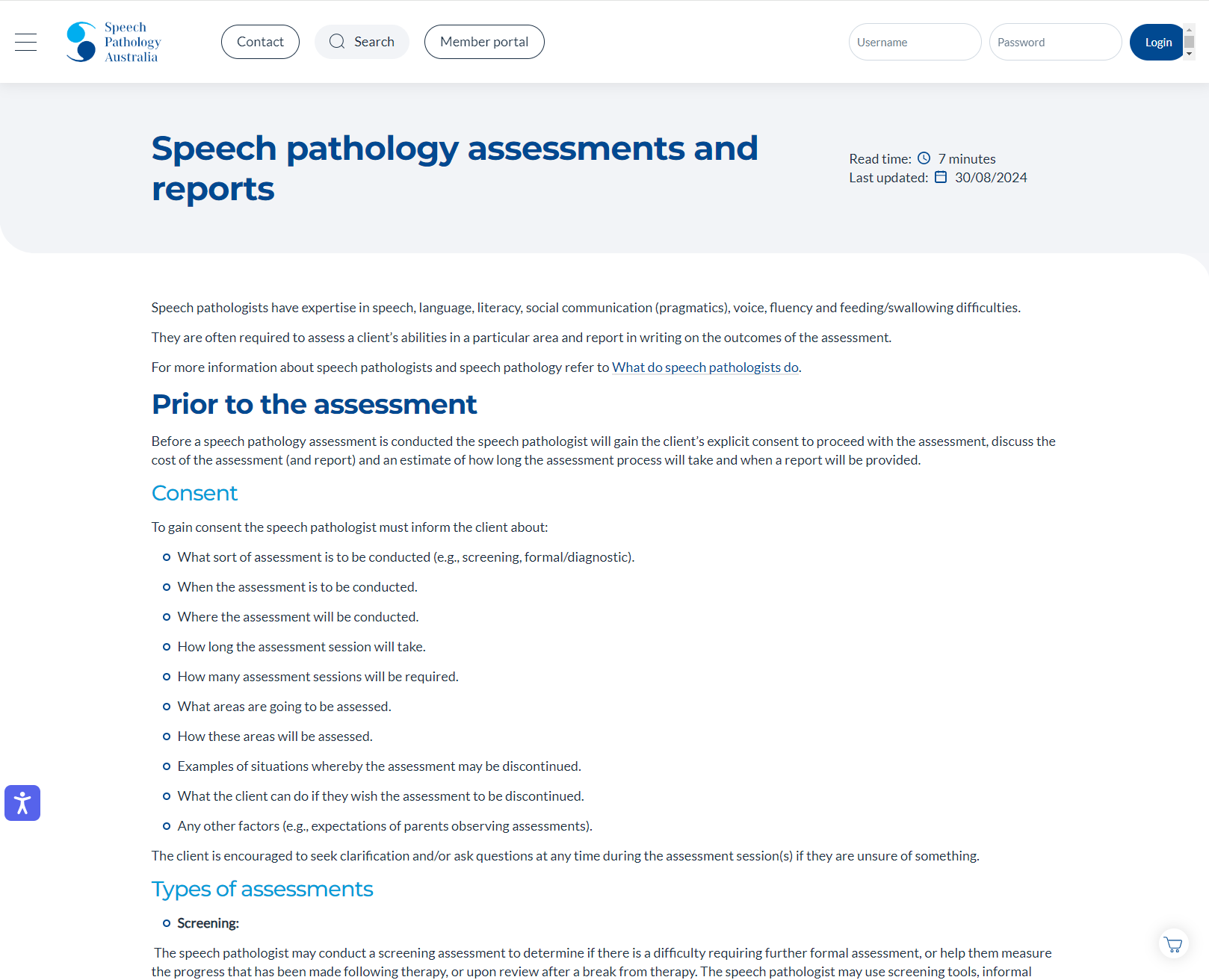
Speech pathology assessments and reports
This resource outlines the process for speech pathology assessments and reports, which evaluate speech, language, and swallowing abilities. It is relevant to aged care for assessing communication and feeding challenges, guiding appropriate interventions, and supporting care plans. It ensures accurate reporting and informed decision-making in care settings.
Informed consent - Health Direct
This resource explains the legal requirements and processes for obtaining informed consent for medical treatments, procedures, and care. It is relevant to aged care by ensuring that people understand their healthcare options, risks, and benefits, supporting their ability to make informed decisions about their health and wellbeing.
Draft National Consumer Engagement Strategy for Health and Wellbeing
This resource presents the Draft National Consumer Engagement Strategy for Health and Wellbeing, which aims to foster partnerships between health policymakers and communities. It is designed to involve people and communities in the development and implementation of preventive health policies. The strategy supports policymakers and program developers in engaging effectively with consumers to achieve improved health outcomes across Australia.
Tips for Careworkers: First Australians – Communication
This resource offers guidance on culturally appropriate communication with Aboriginal and Torres Strait Islander people in aged care. It highlights the importance of respecting cultural identity, involving family, and providing person-centred care. The resource provides practical tips for careworkers to ensure culturally sensitive and respectful communication.
Consumer and carer engagement: A practical guide
This resource provides a guide for engaging consumers and carers in mental health services. It outlines steps for involving people in decision-making, service design, and evaluation. The guide emphasises co-design, leadership, and dedicated resources to create a person-centred approach that improves care and service outcomes.
National Aboriginal and Torres Strait Islander Health Plan 2021–2031
This resource outlines the National Aboriginal and Torres Strait Islander Health Plan 2021–2031, which focuses on improving health outcomes through culturally safe, prevention-focused care. It emphasises addressing cultural and social determinants of health across the life course. The plan supports self-determination, eliminating racism, and fostering partnerships with community-controlled health services to make sure equitable access to health and wellbeing services.