The Quality Standards Resource Centre helps extend understanding of the strengthened Aged Care Quality Standards, which took effect from 1 November 2025. You can search for resources by using keywords, or filtering by standard, outcome and audience. Before using the Resource Centre, please read the terms of use.
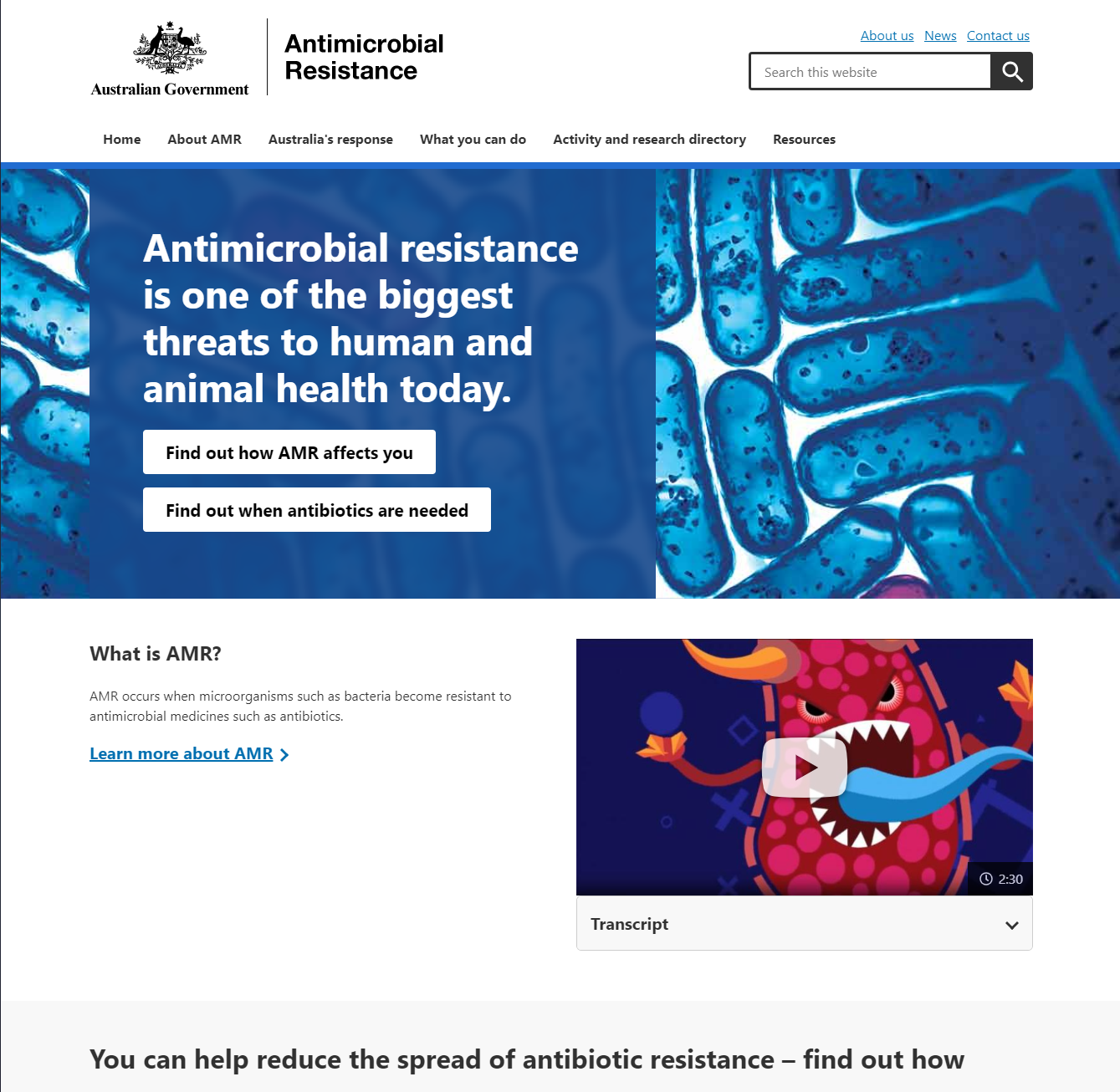
AMR - Antimicrobial resistance
The AMR provides information on antimicrobial resistance and it's threats to human and animal health. It contains information on how to reduce it's spread, news, AMR resources and other resources on antimicrobial resistance.
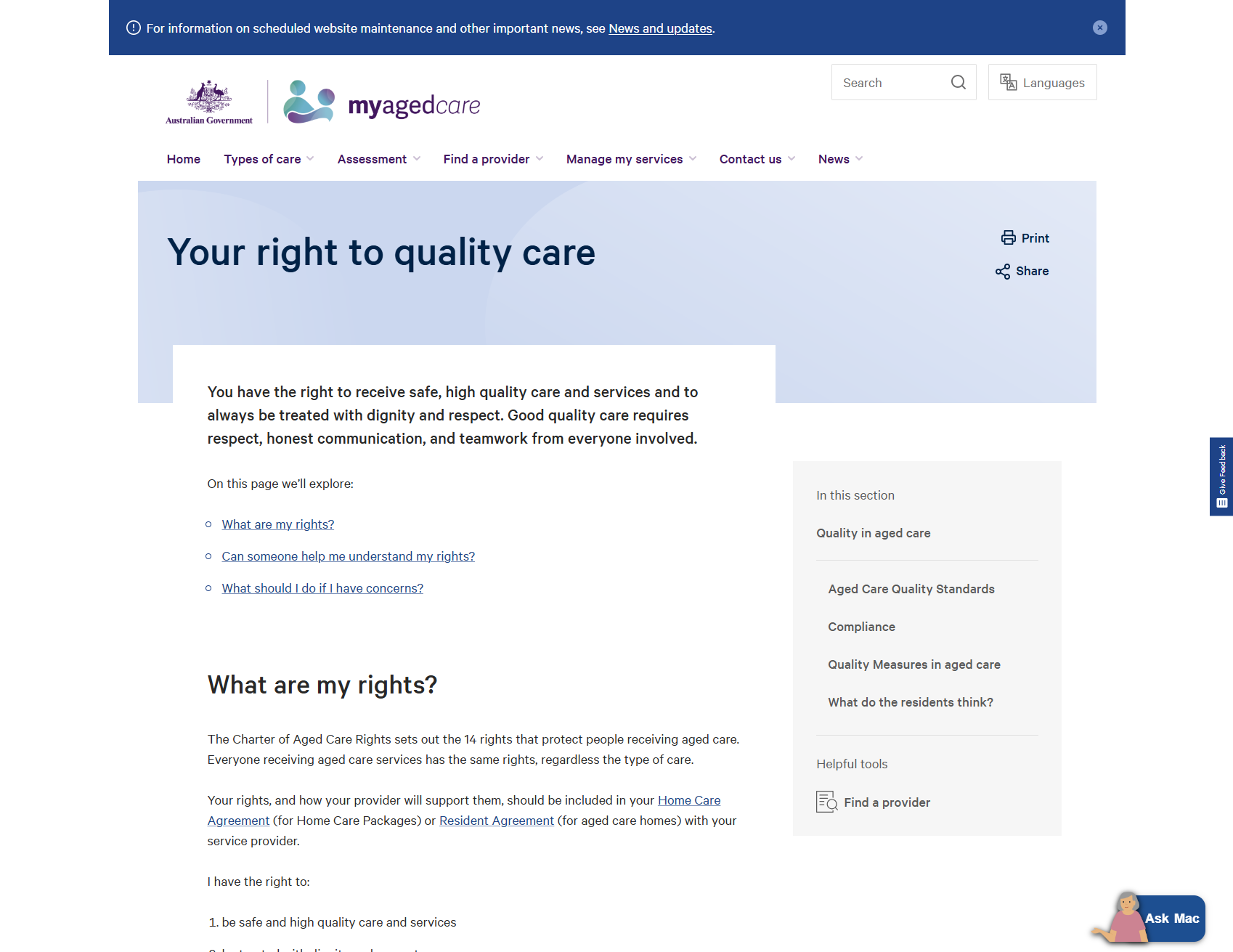
Your right to quality care
This resource outlines the rights of people receiving aged care, including the right to safe, high-quality care, dignity, independence, and privacy. It also covers steps for addressing concerns, accessing advocacy, and using the Charter of Aged Care Rights as a foundation for understanding and exercising these rights.
This resource may refer to information that will be updated from 1 November 2025 to align with the new Aged Care Act and Quality Standards.
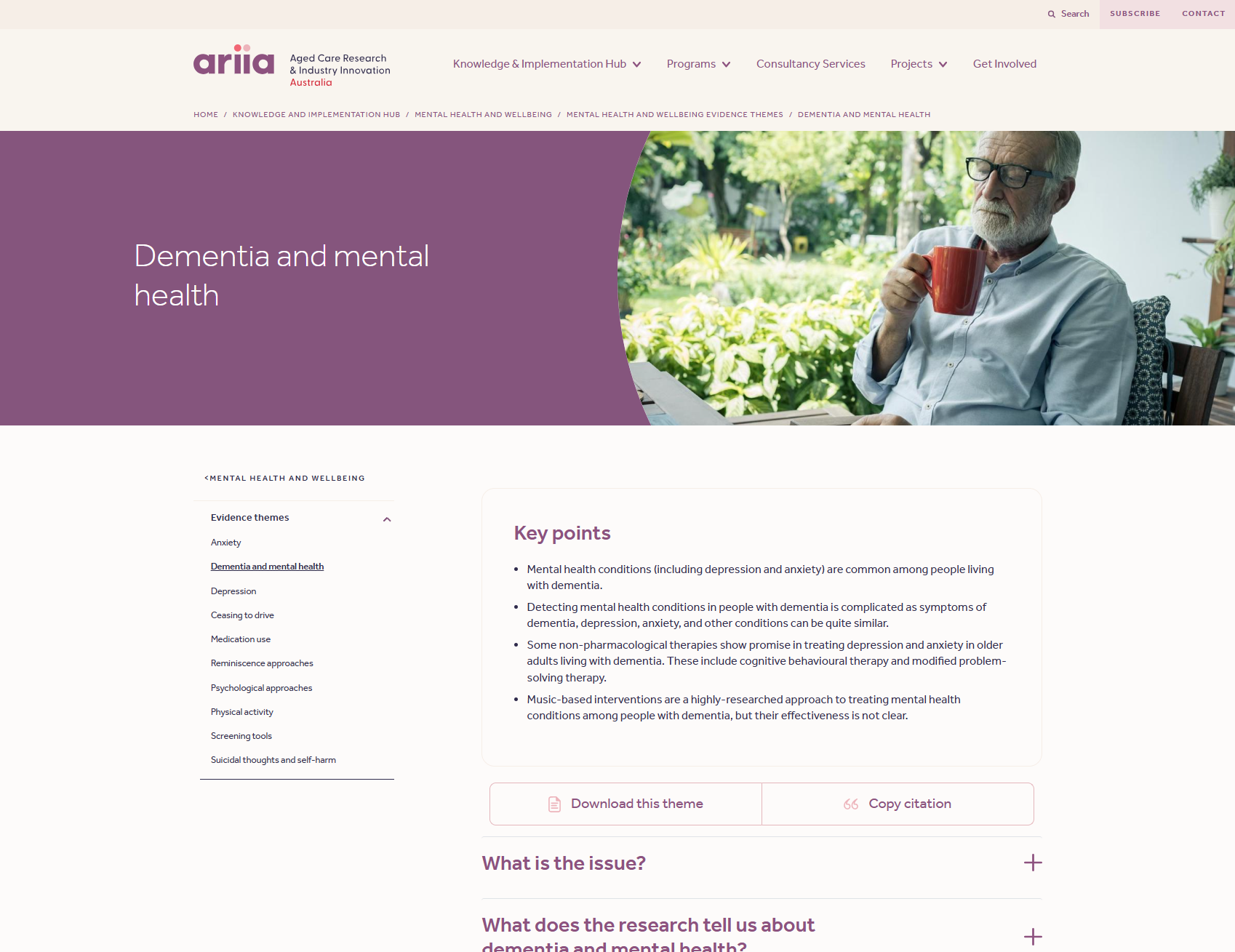
Mental health and wellbeing - Dementia and mental health
This resource examines mental health challenges in people living with dementia, covering complexities in diagnosing conditions like depression and anxiety. It provides evidence-based insights on therapeutic approaches, including music and cognitive therapies, and offers tools to aid aged care providers in supporting mental health in dementia care.
Seeking support from an advocate
This resource describes the advocacy support available for people receiving government-funded aged care, provided through the National Aged Care Advocacy Program. It outlines the role of advocates in assisting with understanding services, managing rights, addressing concerns, and learning self-advocacy skills, supporting respectful and fair treatment in aged care.
Common barriers
This resource outlines common barriers faced by diverse groups in accessing aged care services, including communication challenges, social isolation, experiences of trauma, grief and loss, and social exclusion. It provides guidance on addressing these issues to make sure equitable access to services for all older people.
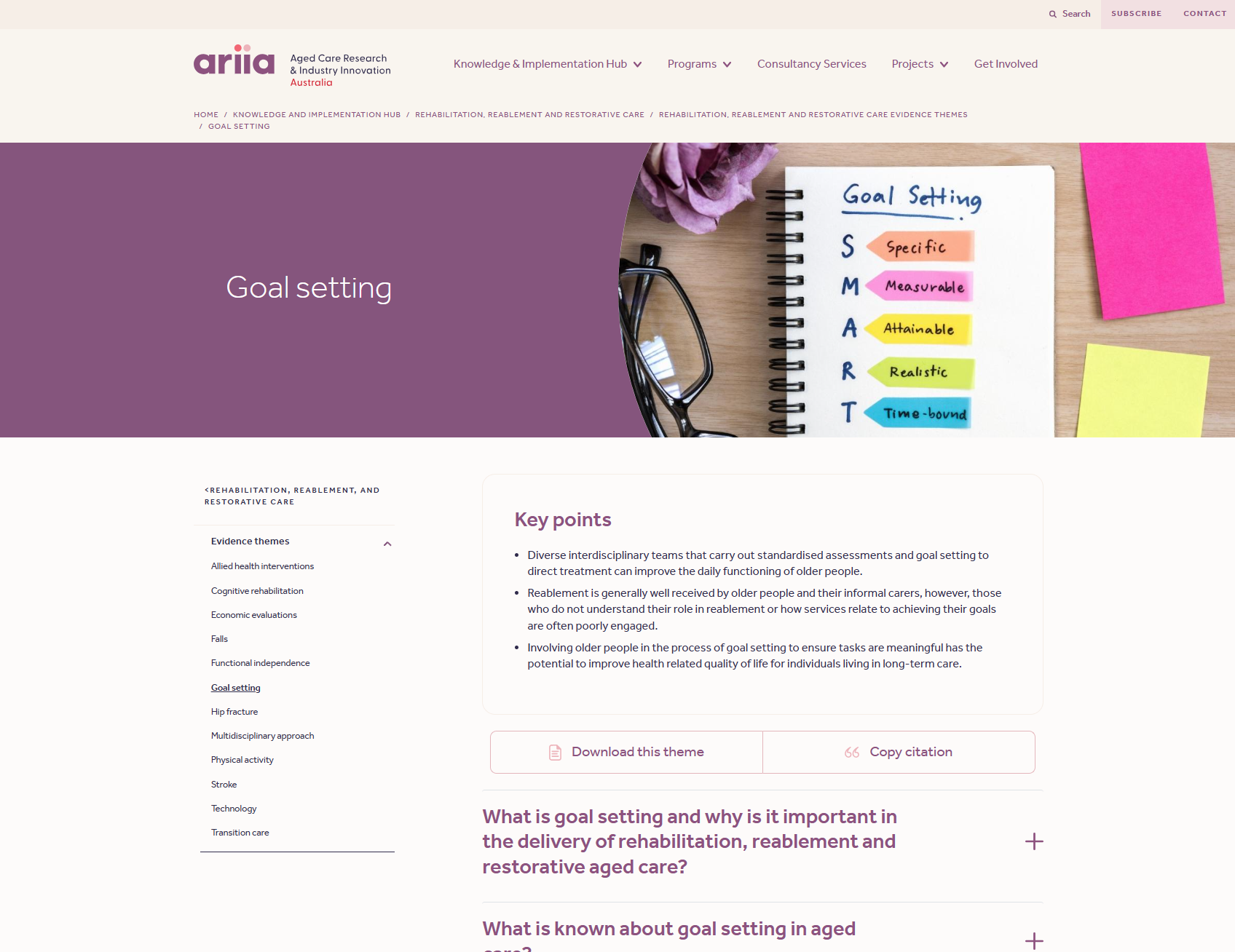
Goal setting
This resource discusses the role of goal setting in enhancing rehabilitation, reablement, and restorative care for older people. It highlights the value of involving older people in defining goals and the positive impact of goal setting on engagement, daily function, and quality of life.
In our care into your hands: Aboriginal stories about approaching the end of life
This 2015 resource shares Aboriginal and Torres Strait Islander stories about approaching end of life, emphasising cultural practices and the role of storytelling in palliative care. It offers insight into supporting culturally sensitive care for people nearing the end of life.
This resource was developed by a state/territory government or organisation and therefore its applicability and usefulness may be limited.
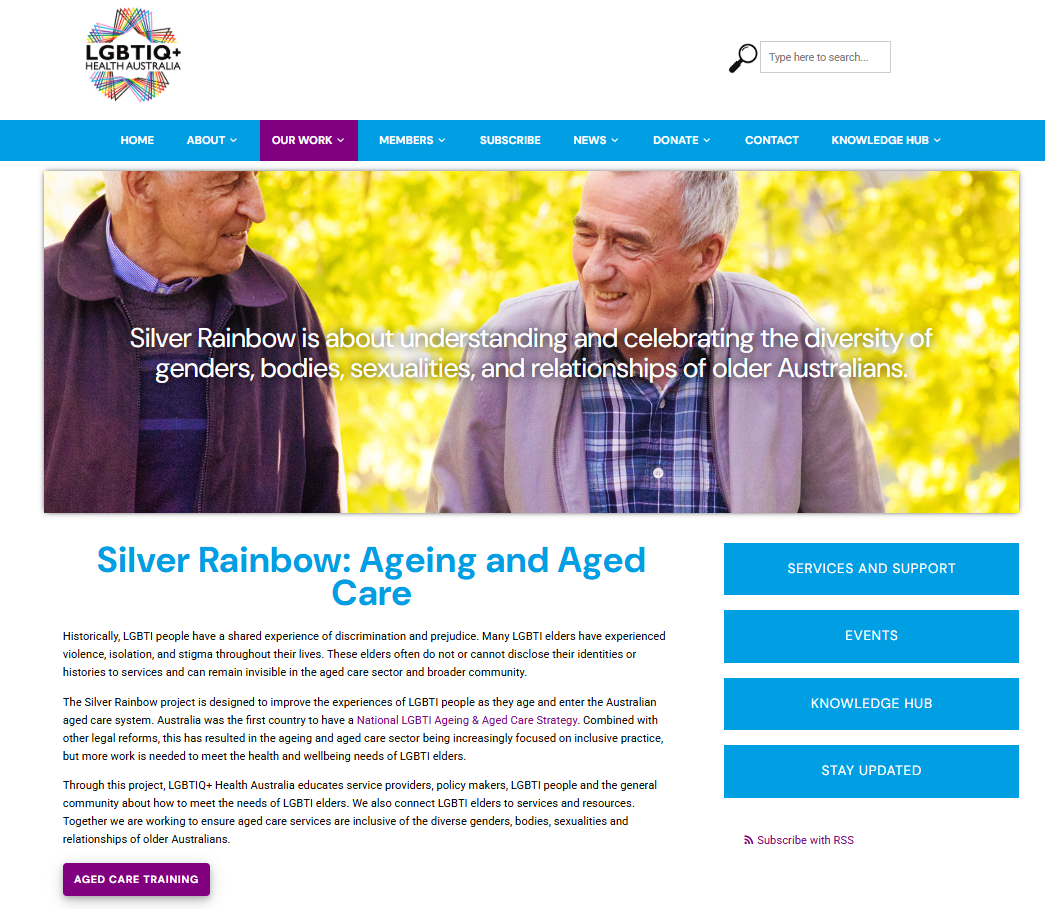
Silver Rainbow: Ageing and Aged Care
This resource is about the Silver Rainbow project to improve the experiences of LGBTI people as they age and enter aged care. The resource offers resources and training information to support the health and wellbeing of LGBTIQ+ older people. It also includes relevant reports and papers, such as government submissions.
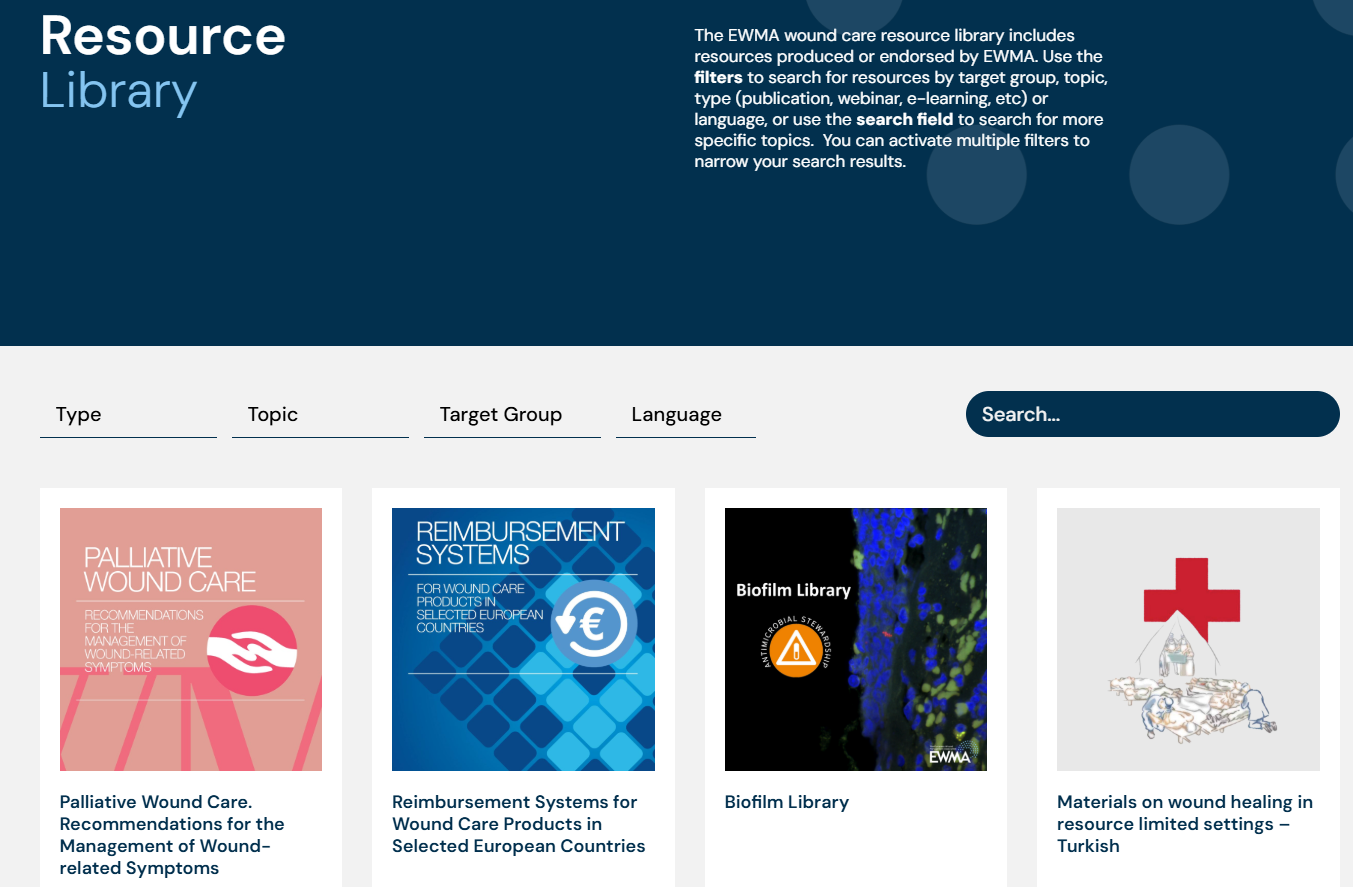
European Wound Management Association - Resource Library
This resource library offers a collection of wound care materials, including publications, webinars, and e-learning modules, covering topics like wound healing, infection management, compression therapy, and advanced treatments. It provides resources for various target groups and is available in multiple languages.
This resource was developed internationally and therefore its applicability and usefulness may be limited.
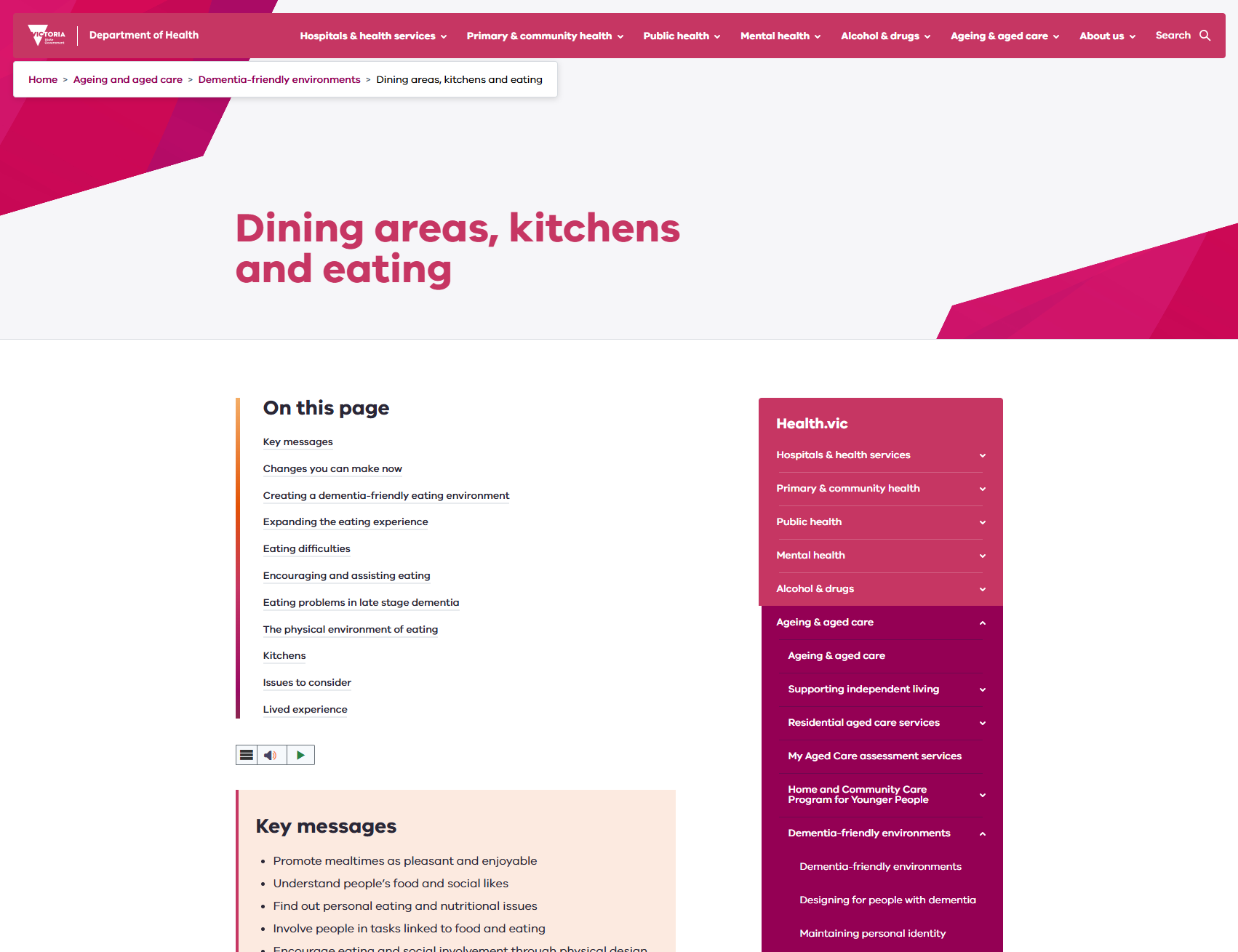
Dementia-friendly environments - Dining areas, kitchens and eating
This resource provides guidelines for creating dementia-friendly dining and kitchen spaces, emphasising sensory engagement, personalised meal experiences, and a home-like environment. It includes practical adjustments for lighting, noise, seating, and social interaction to enhance dining enjoyment.
This resource was developed by a state/territory government or organisation and therefore its applicability and usefulness may be limited.
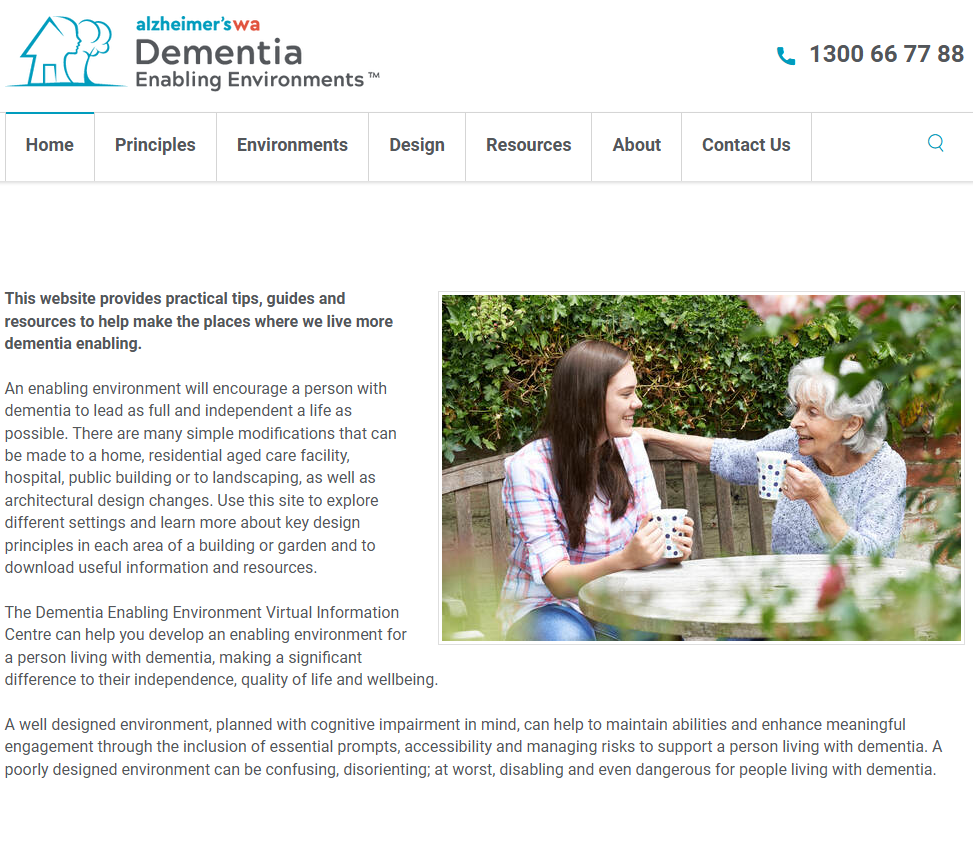
Dementia enabling environments
The Dementia Enabling Environments website, developed by Alzheimer's WA, provides guidance and resources to help create enabling environments for a person living with dementia. It includes design principles for different environment types, include home and residential aged care facilities.
This resource was developed by a state/territory government or organisation and therefore its applicability and usefulness may be limited.
Better Practice Complaint Handling Guide
This resource provides best practice guidance for handling complaints within public service agencies and private providers. It outlines the principles for creating an effective, customer-focused complaint system, including steps for logging, resolving, and communicating complaints. The guide also provides insights on staff training, performance benchmarks, and systemic improvement to enhance service quality and public trust, with relevance for aged care providers ensuring fair and transparent complaint resolution processes.
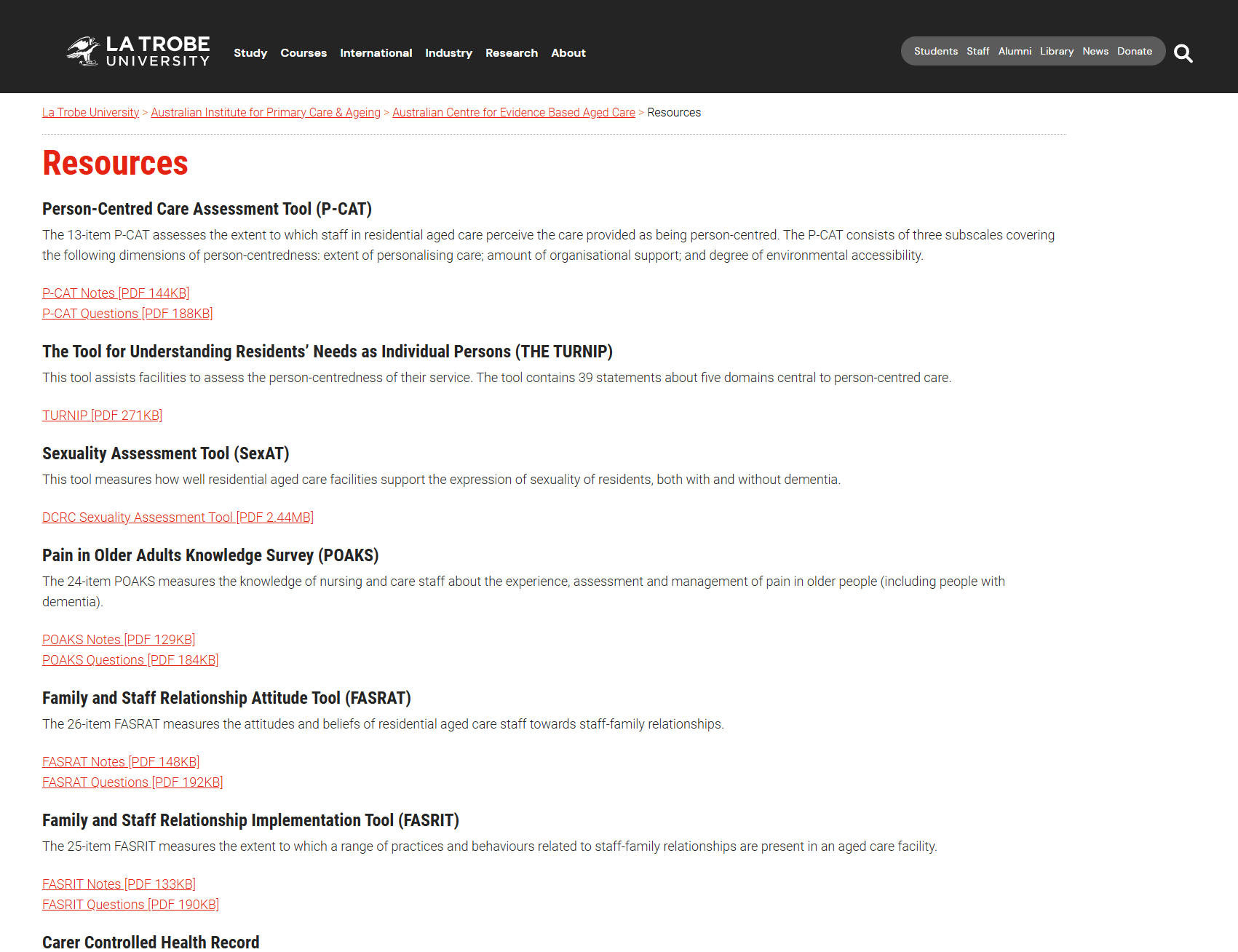
Australian Centre for Evidence Based Aged Care - Resources
This resource provides a collection of tools and guidelines for improving person-centred care in aged care settings. It includes assessments on care personalisation, pain management, staff-family relationships, and support for sexuality and decision-making for people with dementia.
This resource was developed by a state/territory government or organisation and therefore its applicability and usefulness may be limited.
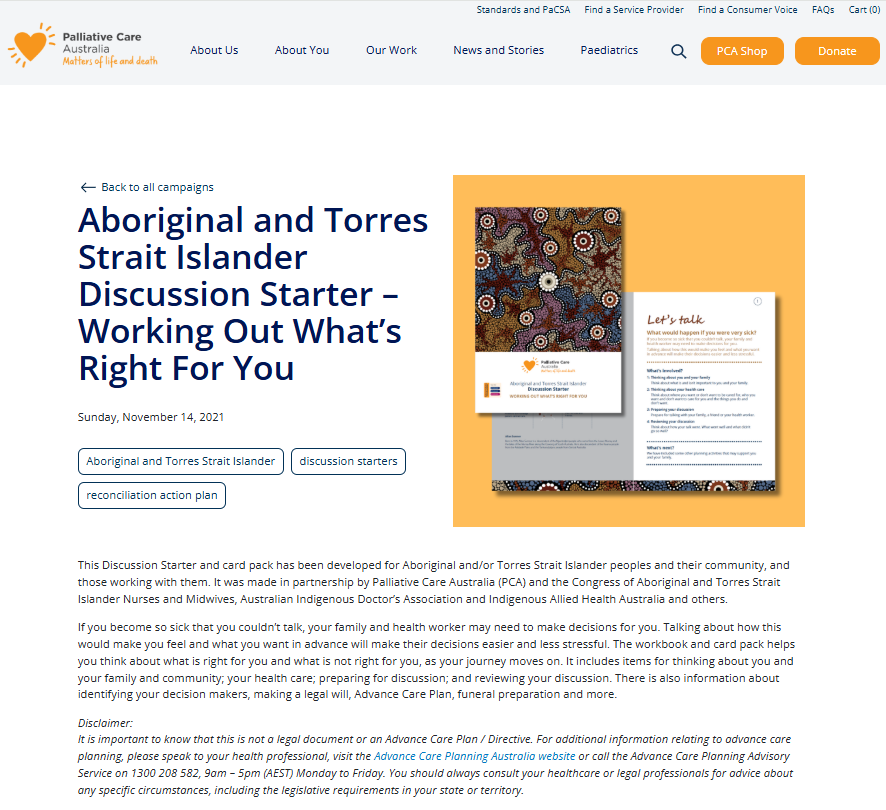
Aboriginal and Torres Strait Islander Discussion Starter – Working Out What’s Right For You
This resource includes information and tools to support thinking and talking about wishes and preferences for care at the end of life. This resource has been developed for Aboriginal and/or Torres Strait Islander peoples, their community, and those working with them. The resource also includes information about identifying decision makers and advance care planning.
RACGP aged care clinical guide (Silver Book) - Part C - Organisational approaches to aged care
This guide provides guidance on different systems and tools that can be used in residential aged care and community settings. It includes topics such as clinical handover and continuity of care (medication management), information technology systems, My Aged Care, quality improvement, and more. This resource complements Part A: Common clinical conditions in aged care and Part B: General approaches to aged care of the RACGP aged care clinical guide (Silver Book).
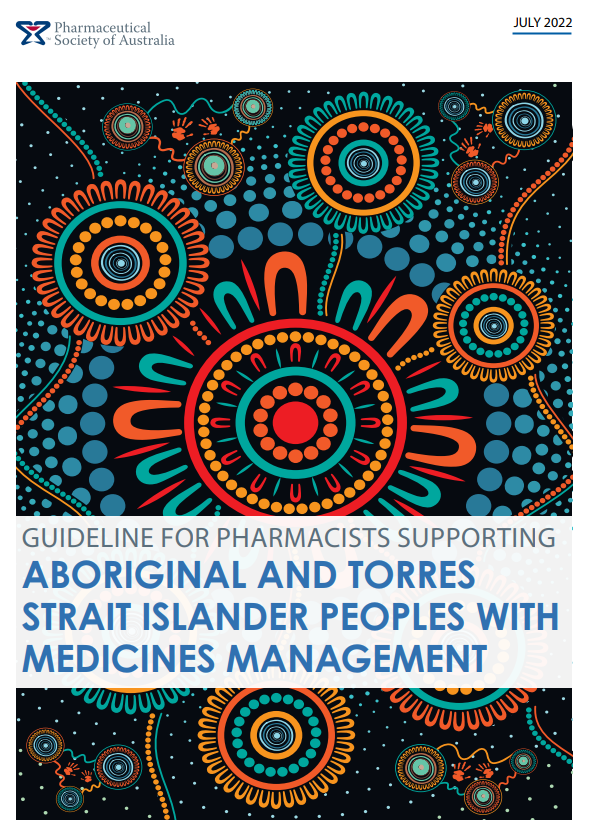
Guidelines for pharmacists supporting Aboriginal and Torres Strait Islander peoples with medicines management
This resource describes the professional obligations of pharmacists when supporting Aboriginal and Torres Strait Islander peoples with culturally safe and responsive care and medicines management. It includes information about appropriate and effective processes, desired behaviour or minimum standards of good practice and information about duties and responsibilities.
This resource may refer to information that will be updated from 1 November 2025 to align with the new Aged Care Act and Quality Standards.
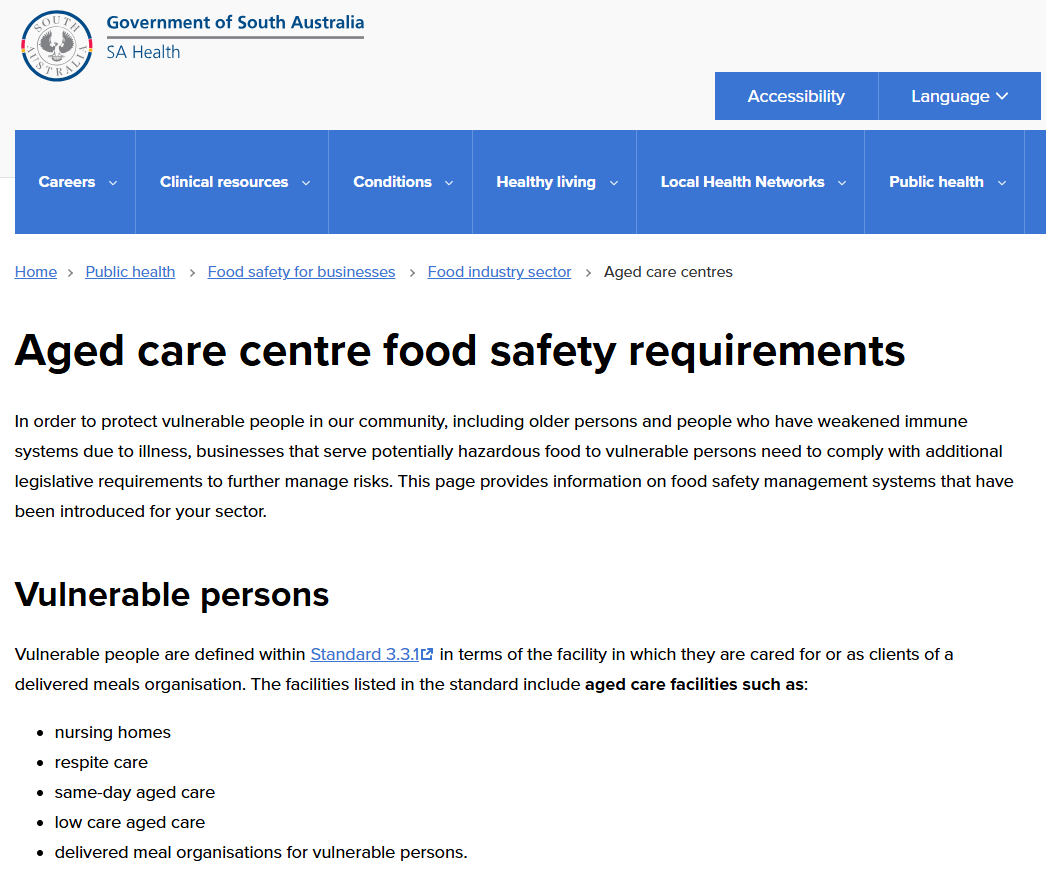
Aged care centre food safety requirements
This resource details food safety requirements for aged care centres, highlighting guidelines for managing risks with potentially hazardous foods. It includes standards for food safety programs, compliance templates, and regulatory guidance to protect vulnerable people.
This resource was developed by a state/territory government or organisation and therefore its applicability and usefulness may be limited.
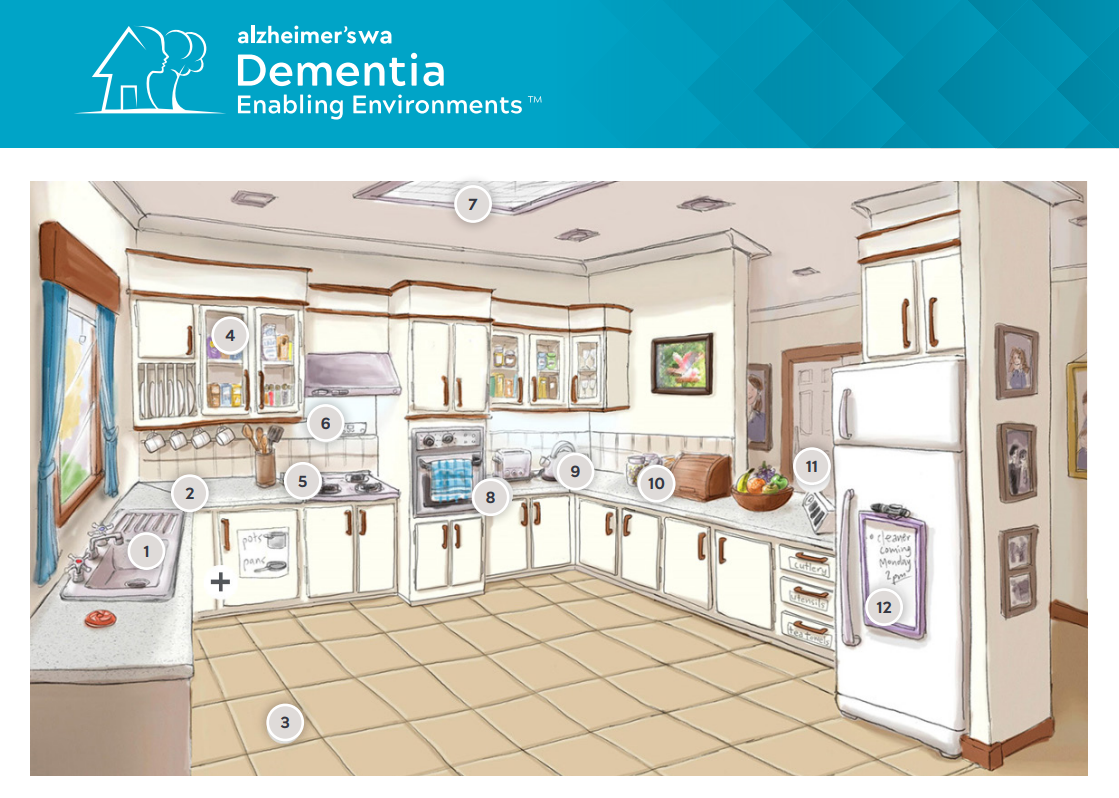
Dementia enabling environments - Adapt a home: Kitchen
This resource, developed by Alzheimer's WA, is a Dementia Enabling Environments illustration information sheet about adapting a home, focusing on the kitchen. It includes principles to integrate enabling design and make changes within the physical environment to maximise enablement and wellbeing for people living with dementia.
This resource was developed by a state/territory government or organisation and therefore its applicability and usefulness may be limited.
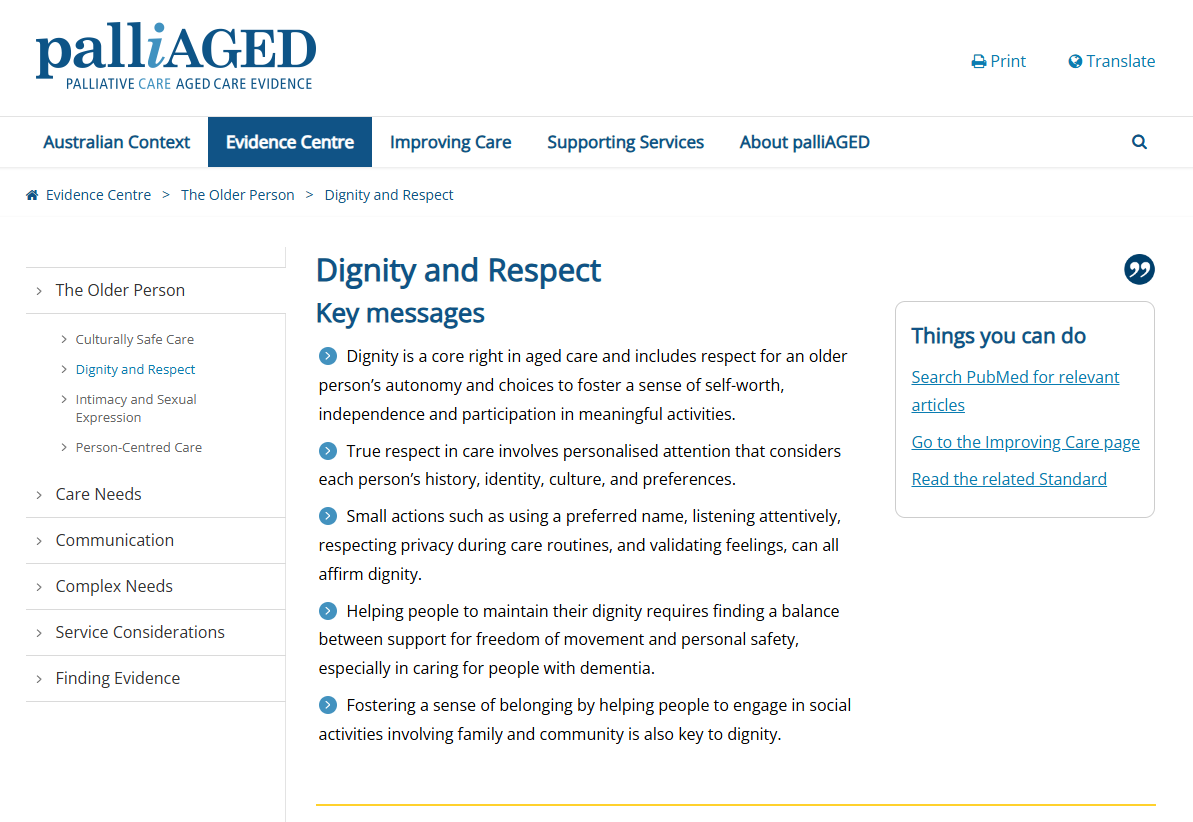
Dignity and Respect
This resource provides information about dignity and respect in aged care, including information about what it means and why it is important. It provides evidence-informed information about dignity and respect in the context of care policies, social inclusion and meaningful engagement, autonomy and dignity of risk, privacy and personal space, and more.
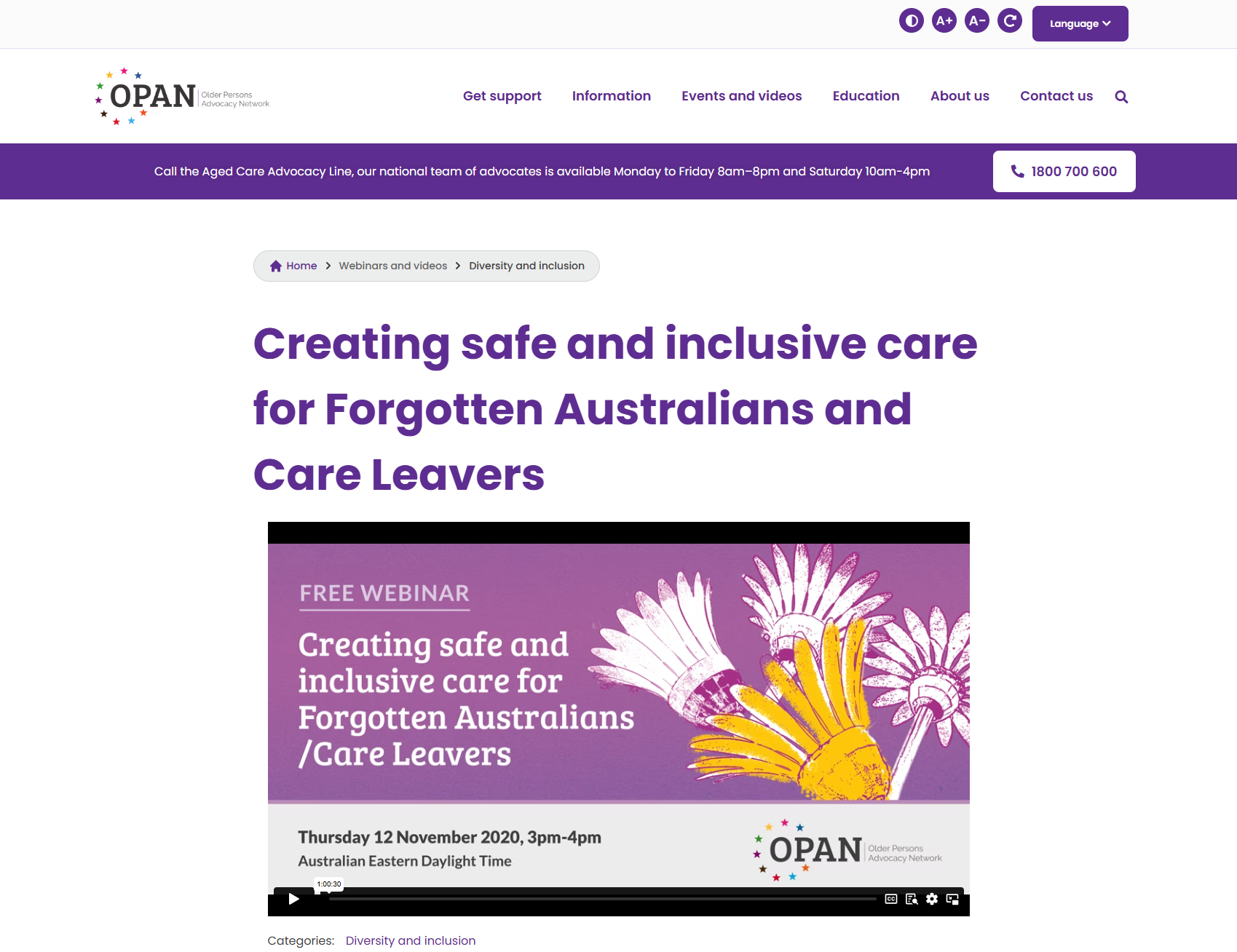
Creating safe and inclusive care for Forgotten Australians and Care Leavers
This resource provides guidance for creating safe, inclusive aged care for Forgotten Australians and Care Leavers, focusing on trauma-informed practices. It supports providers in recognising unique needs, avoiding re-traumatisation, and promoting respect and sensitivity in care environments.