The Quality Standards Resource Centre helps extend understanding of the strengthened Aged Care Quality Standards, which took effect from 1 November 2025. You can search for resources by using keywords, or filtering by standard, outcome and audience. Before using the Resource Centre, please read the terms of use.
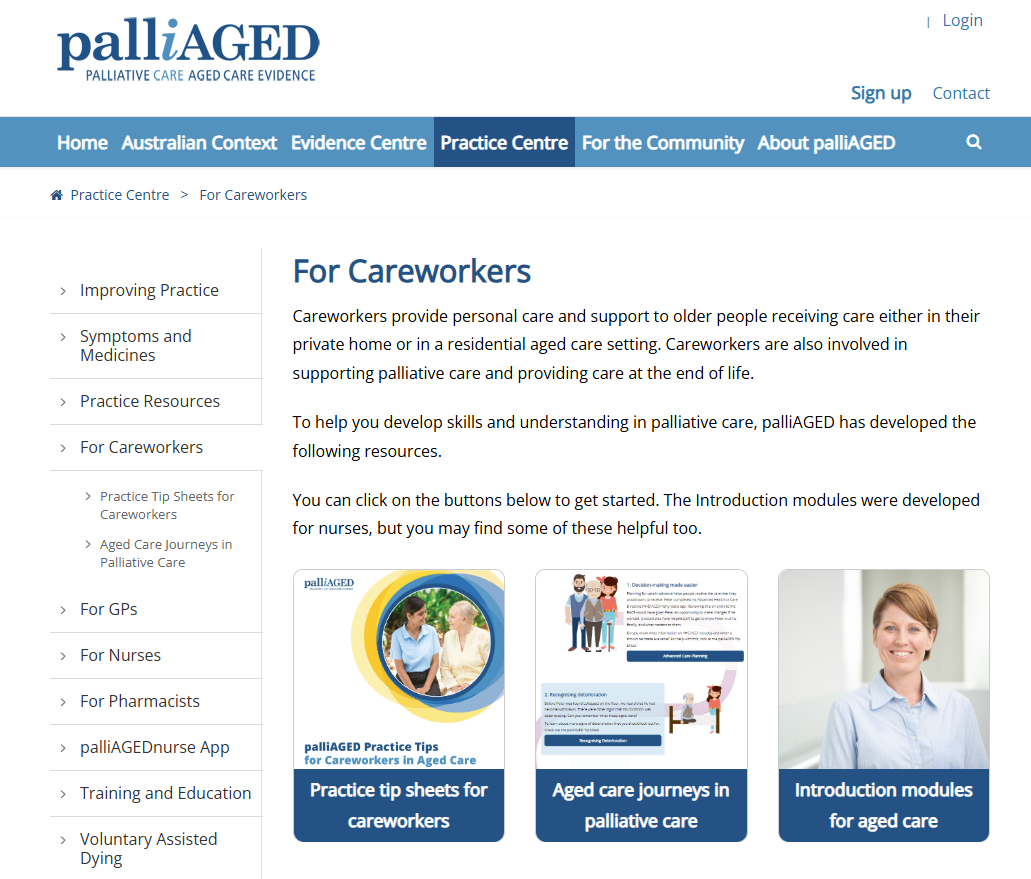
palliAGED - Practice Centre
This resource provides information for care workers about palliative care. The Practice Centre provides links to, and information about, tools and resources to use in practice and improve care and outcomes in palliative care. It includes sections on improving practice, symptoms, medicines and tipsheets.
Palliative Care Australia
This resource is the Palliative Care Australia website. The website contains targeted guidance and resources for service providers and health care professionals. The resource also includes information about the National Palliative Care Standards, which provide guidance on best practice palliative care in different settings.
palliAGED - Evidence Centre
This resource provides evidence-based information for the healthcare sector about palliative care. It includes evidence summaries on topics related to palliative care, such as advance care planning, advocacy, care coordination, goals of care, nutrition and needs assessment.
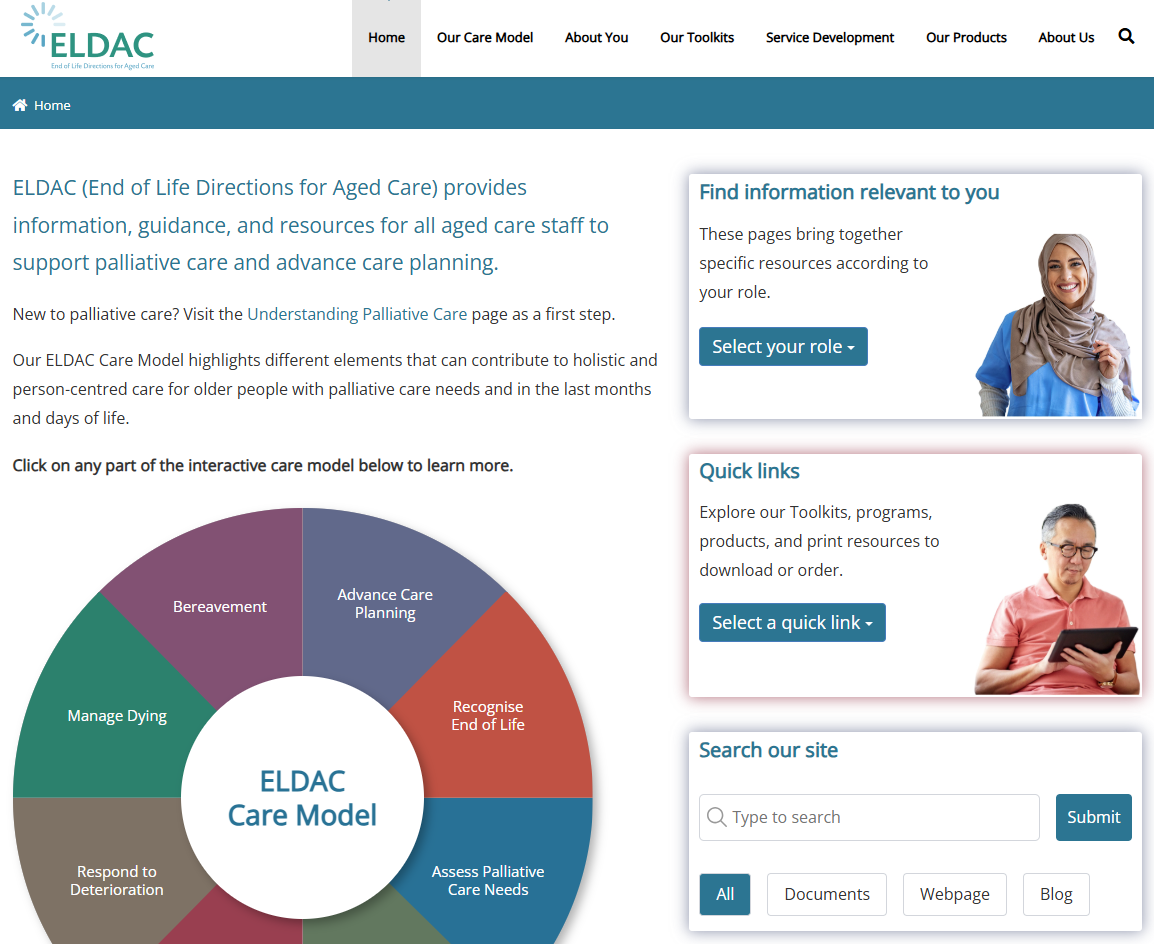
End of Life Directions for Aged Care
This resource is the ELDAC (End of Life Directions for Aged Care) website. It provides information, guidance and resources for aged care providers and staff supporting palliative care and advance care planning. Information can be accessed by selecting a topic from the ELDAC care model, for example, providing palliative care, responding to deterioration and bereavement. Information can also be filtered using search functions such as role type, quick links, resource type and keywords.
National Strategic Framework for Rural and Remote Health
This framework addresses health service challenges in rural and remote areas, aiming to improve access, workforce sustainability, and care models through coordinated strategies. It guides policymakers and providers on adapting health services for rural contexts, fostering collaboration, and enhancing infrastructure, with a focus on equitable and culturally relevant care.
This resource may apply to healthcare contexts outside of aged care.
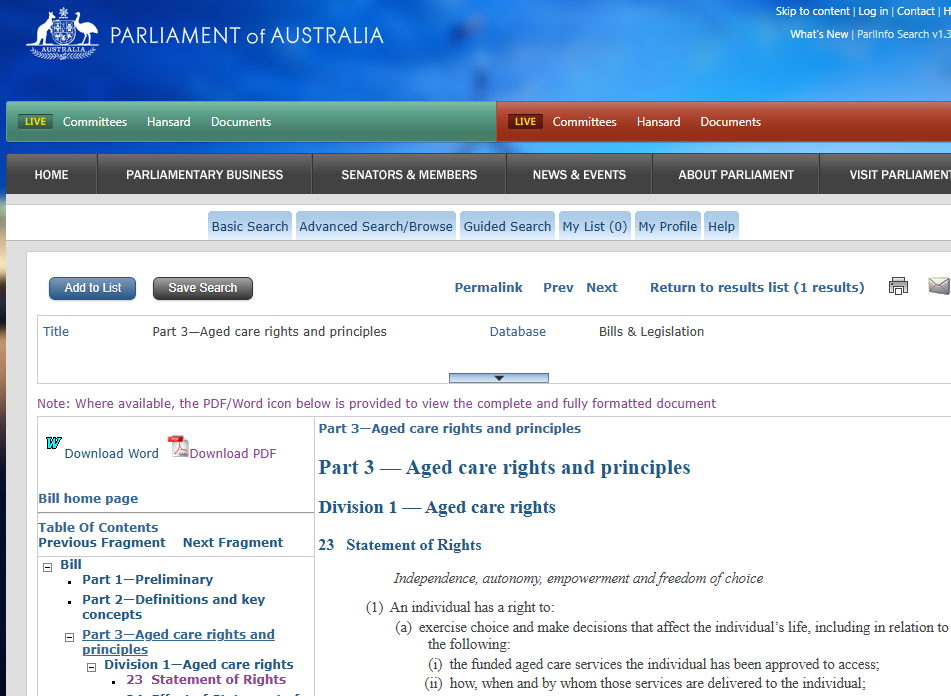
Part 3 - Aged care rights and principles
This resource is available on the Parliament of Australia website. It includes information about aged care rights and principles, including the Statement of Rights. The Statement of Rights outlines the rights that older people will have when accessing aged care services.
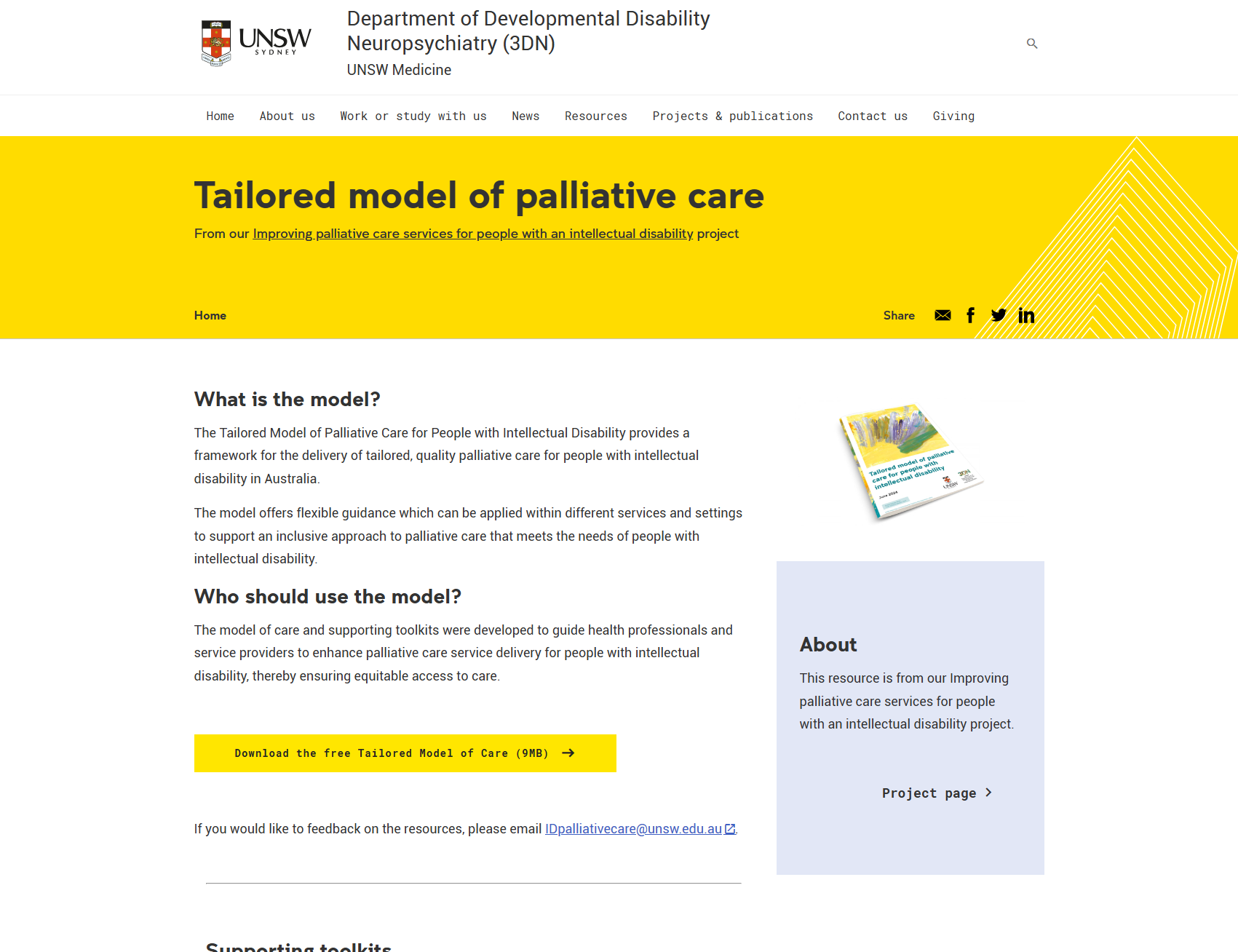
Tailored model of palliative care for people with intellectual disability
This model provides a framework for delivering tailored palliative care for people with intellectual disabilities, aiming for equitable access across various care settings. Supporting toolkits offer resources for health professionals and families to enhance communication and collaborative care.
This resource was developed by a state/territory government or organisation and therefore its applicability and usefulness may be limited.
Improving palliative care - Toolkit for health professionals
This toolkit supports health professionals in delivering palliative care for people with intellectual disabilities by providing resources, guidance on communication, and tailored care strategies. It aims to enhance service quality through understanding specific needs and collaborative care planning.
This resource was developed by a state/territory government or organisation and therefore its applicability and usefulness may be limited.
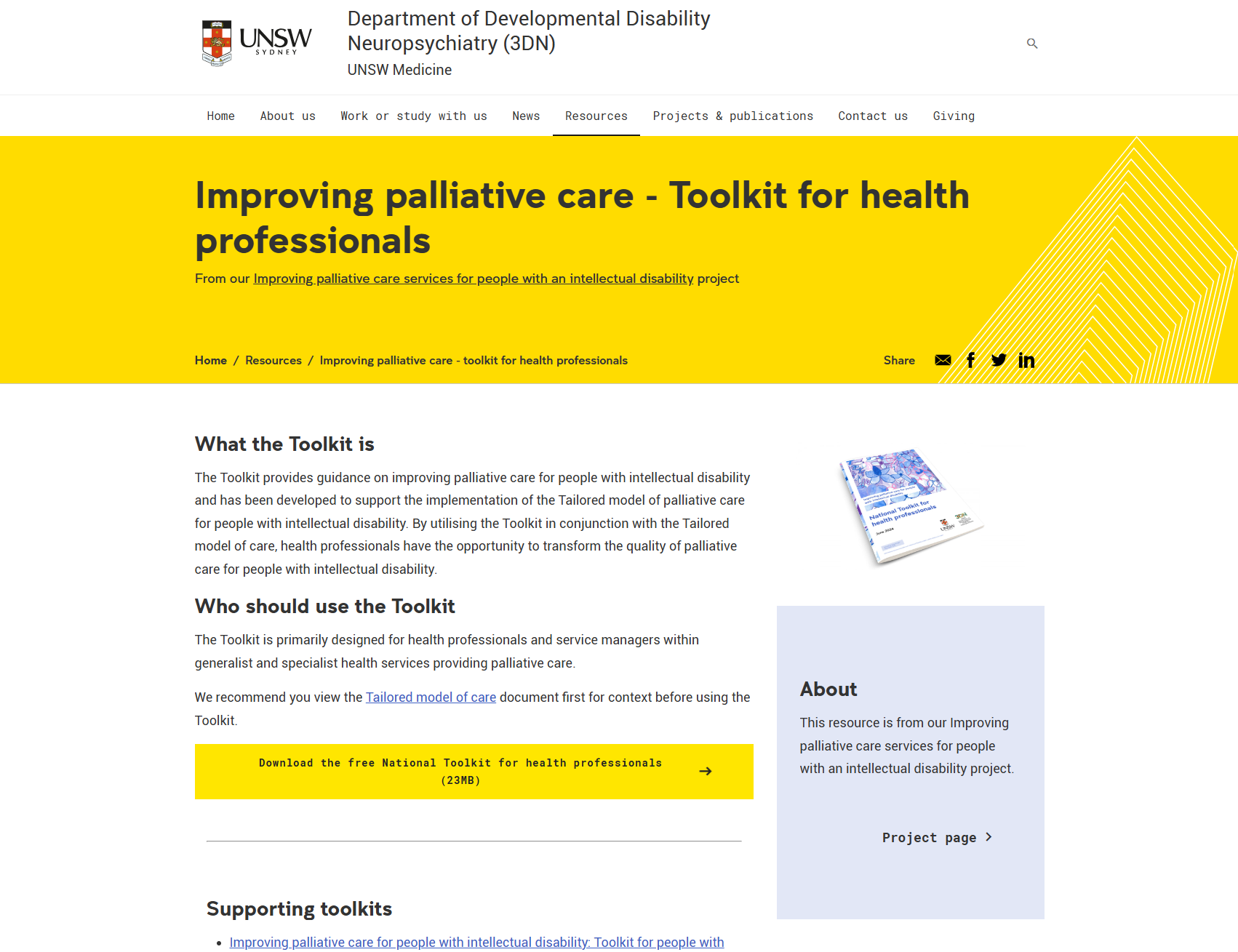
Palliative Aged Care Outcomes Program - Resources
This resource offers tools and guidelines for palliative care outcome measurement, including assessment scales for symptom severity, frailty, and daily living activities. It supports clinicians and managers in implementing standardised data collection to improve care quality in aged care settings.
This resource was developed by a state/territory government or organisation and therefore its applicability and usefulness may be limited.
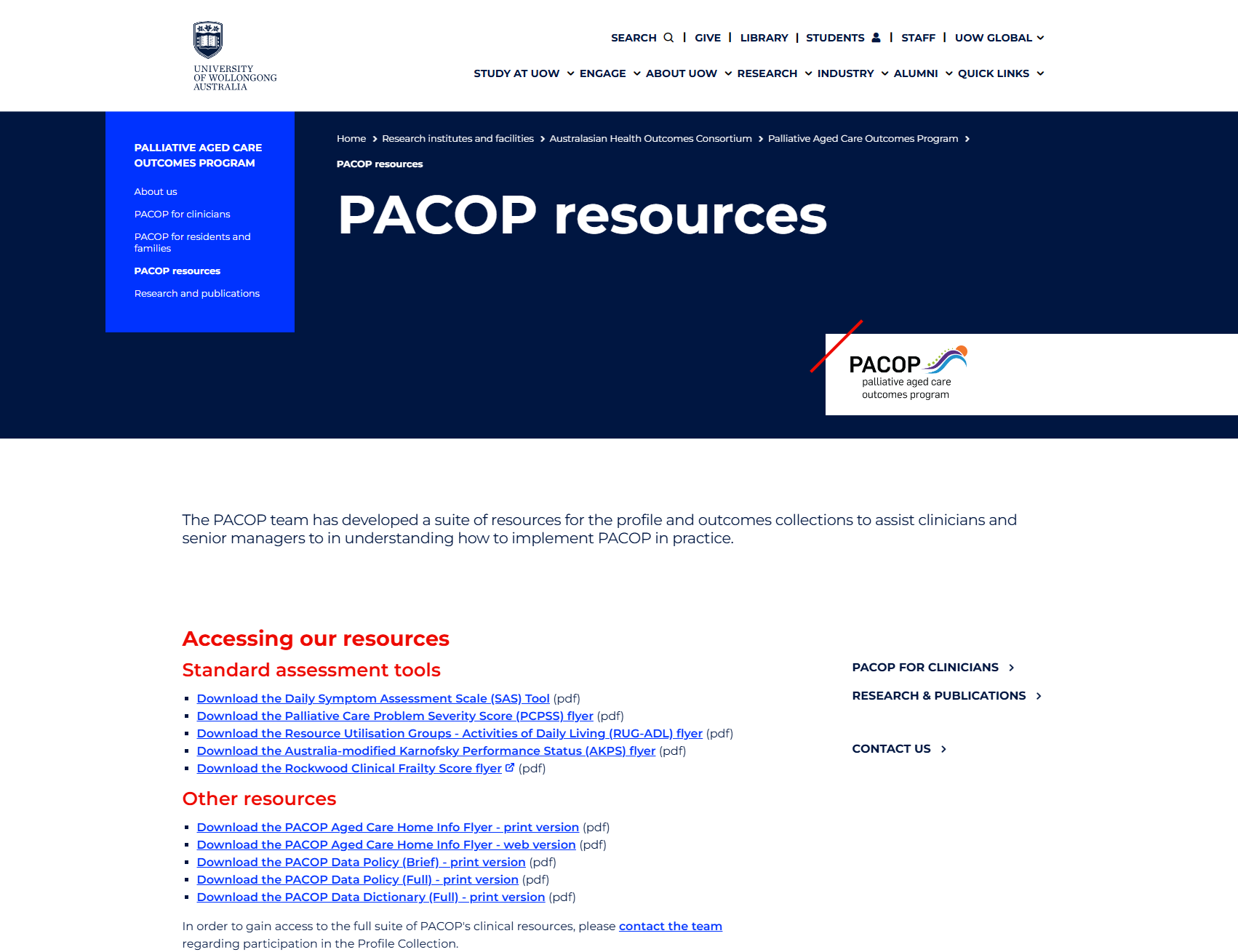
Good Spirit Good Life - a Quality of life framework
This resource describes the Good Spirit Good Life (GSGL) framework for assessing the quality of life of older Aboriginal people, focusing on culturally important factors such as connection to Country, family, and spirituality. It includes tools for both self-reporting and carer-assisted reporting.
This resource was developed by a state/territory government or organisation and therefore its applicability and usefulness may be limited.
Working with older people
This resource offers guidance for working respectfully with older people, challenging stereotypes and promoting their rights to independence, dignity, and fair access to services. It emphasises communication strategies, recognising decision-making capacity, and understanding diverse needs across different groups.
This resource was developed by a state/territory government or organisation and therefore its applicability and usefulness may be limited.
Elder Abuse Prevention
This resource provides community education and awareness programmes to prevent elder abuse, particularly for culturally and linguistically diverse seniors. It includes bilingual training for community educators, in-language resources, and guidance for recognising and addressing elder abuse through culturally appropriate methods.
This resource was developed by a state/territory government or organisation and therefore its applicability and usefulness may be limited.
Standardised care processes
This resource offers evidence-based standardised care processes for aged care providers, covering high-risk clinical areas such as falls, pain, incontinence, and dehydration. It provides structured guidelines to support best practices, ensuring consistent and safe care for older people in residential settings.
This resource was developed by a state/territory government or organisation and therefore its applicability and usefulness may be limited.
Participating with consumers
This resource provides information sheets for residents, families, and carers to support decision-making in residential aged care. Covering topics such as pain management, falls, and medicines, it promotes health literacy, enabling consumers to engage in discussions and report care issues effectively.
This resource was developed by a state/territory government or organisation and therefore its applicability and usefulness may be limited.
Maintaining personal identity
This resource offers guidance on maintaining personal identity for people with dementia by fostering respect, independence, and communication. It suggests environmental and social modifications to enhance dignity, such as personalising spaces, supporting mobility, and addressing unmet needs.
This resource was developed by a state/territory government or organisation, and therefore its applicability and usefulness may be limited.
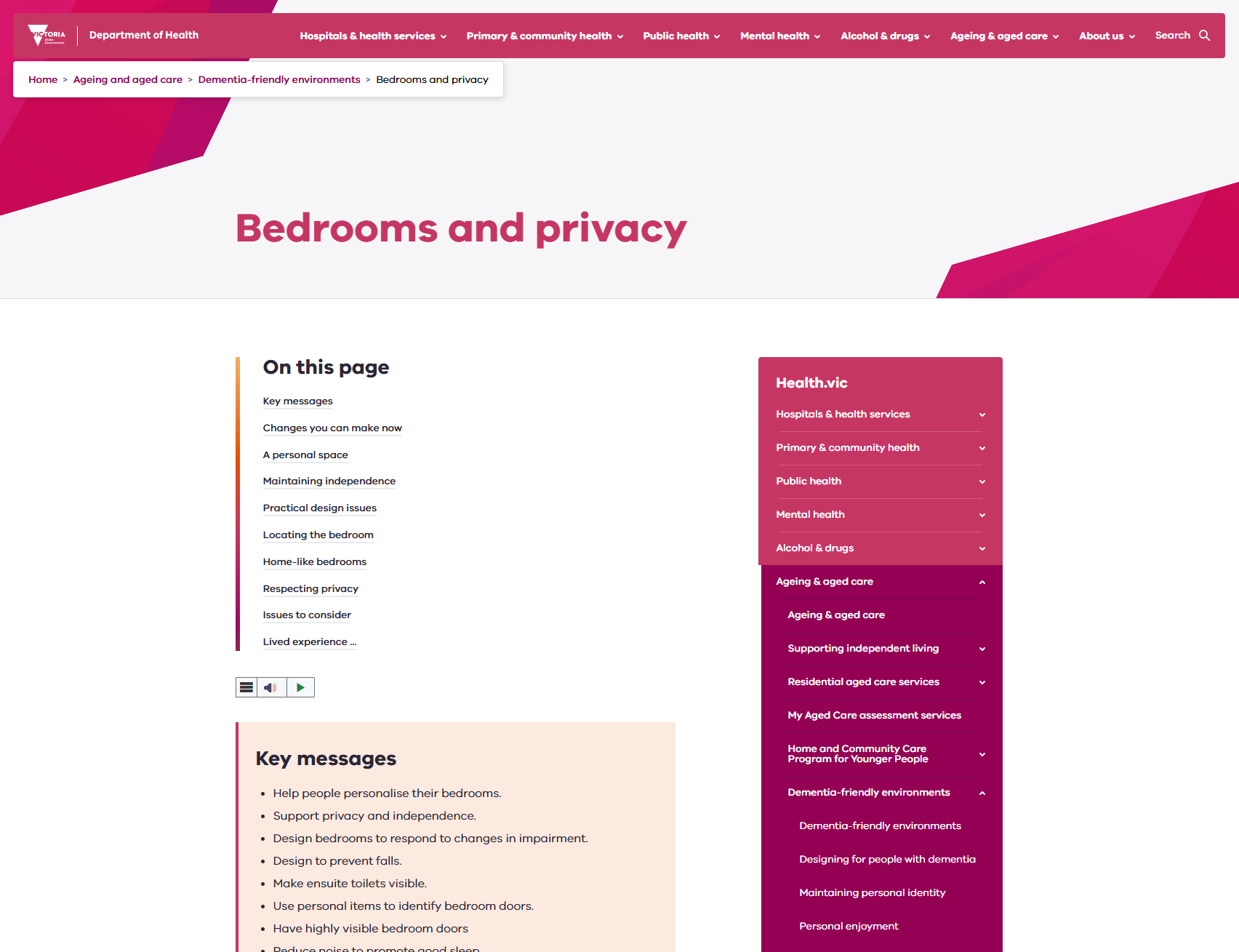
Bedrooms and privacy
This resource offers guidance on maintaining personal identity for people with dementia by fostering respect, independence, and communication. It suggests environmental and social modifications to enhance dignity, such as personalising spaces, supporting mobility, and addressing unmet needs.
This resource was developed by a state/territory government or organisation, and therefore its applicability and usefulness may be limited.
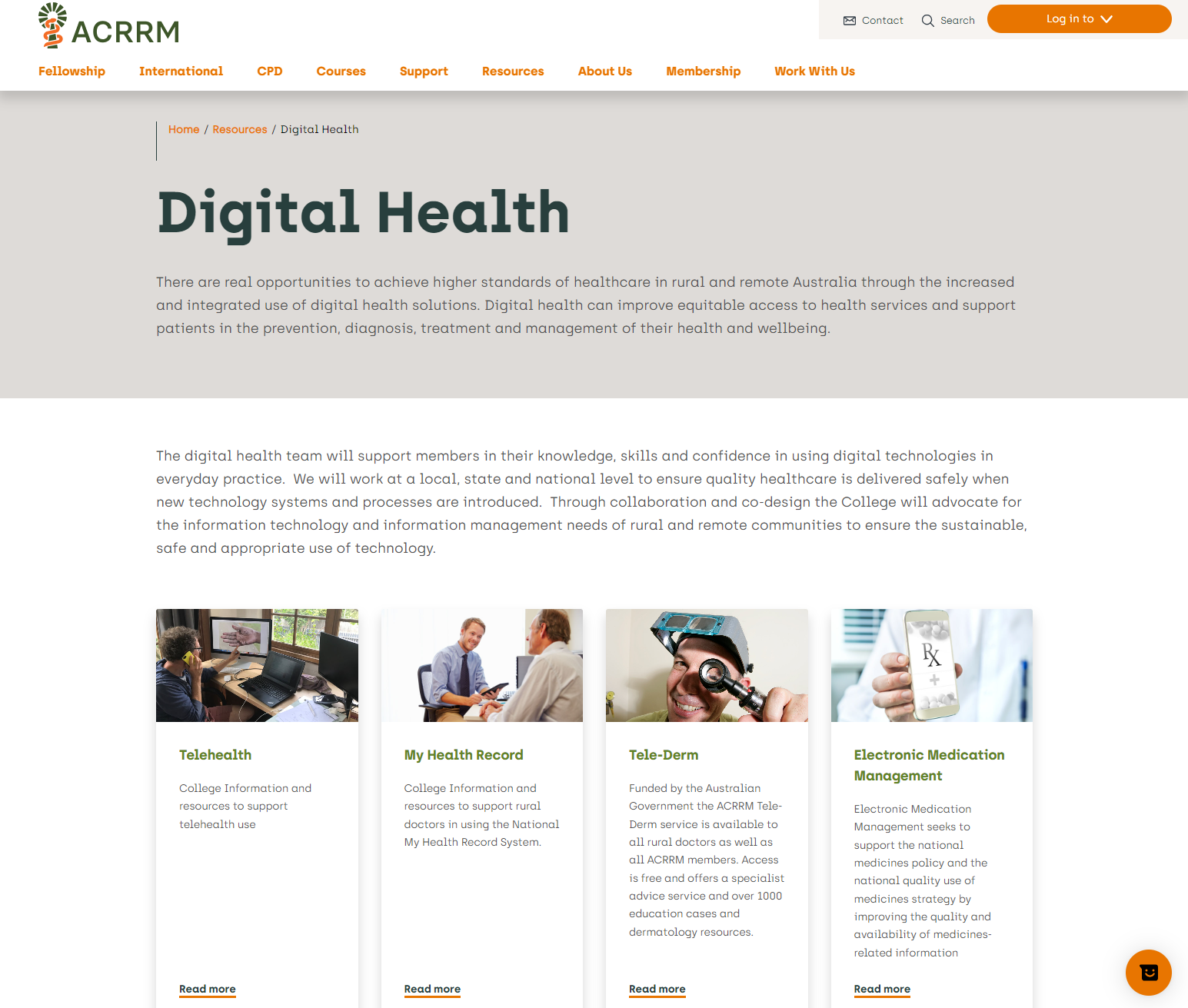
Digital Health
This resource outlines how digital health technologies, including telehealth, electronic medication management, and My Health Record, can improve healthcare delivery. It focuses on enhancing communication, reducing readmissions, and providing better access to care, especially in remote areas.
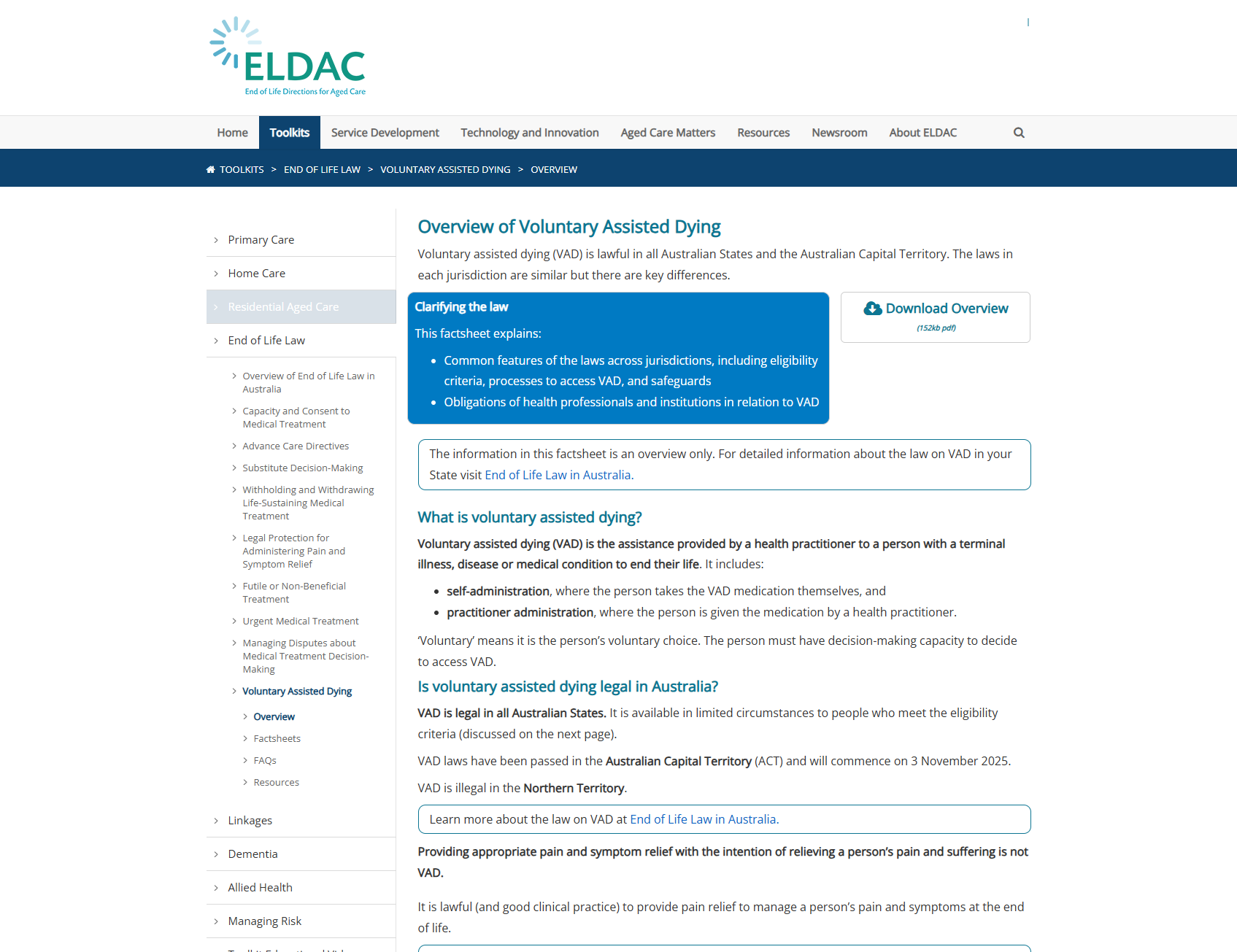
Overview of Voluntary Assisted Dying
This resource provides an overview of voluntary assisted dying (VAD) in Australia, detailing eligibility criteria, procedures, and legal requirements. It covers how VAD laws vary across jurisdictions, safeguards in place, and responsibilities for health professionals and institutions. Health professionals can conscientiously object but may still have legal responsibilities.
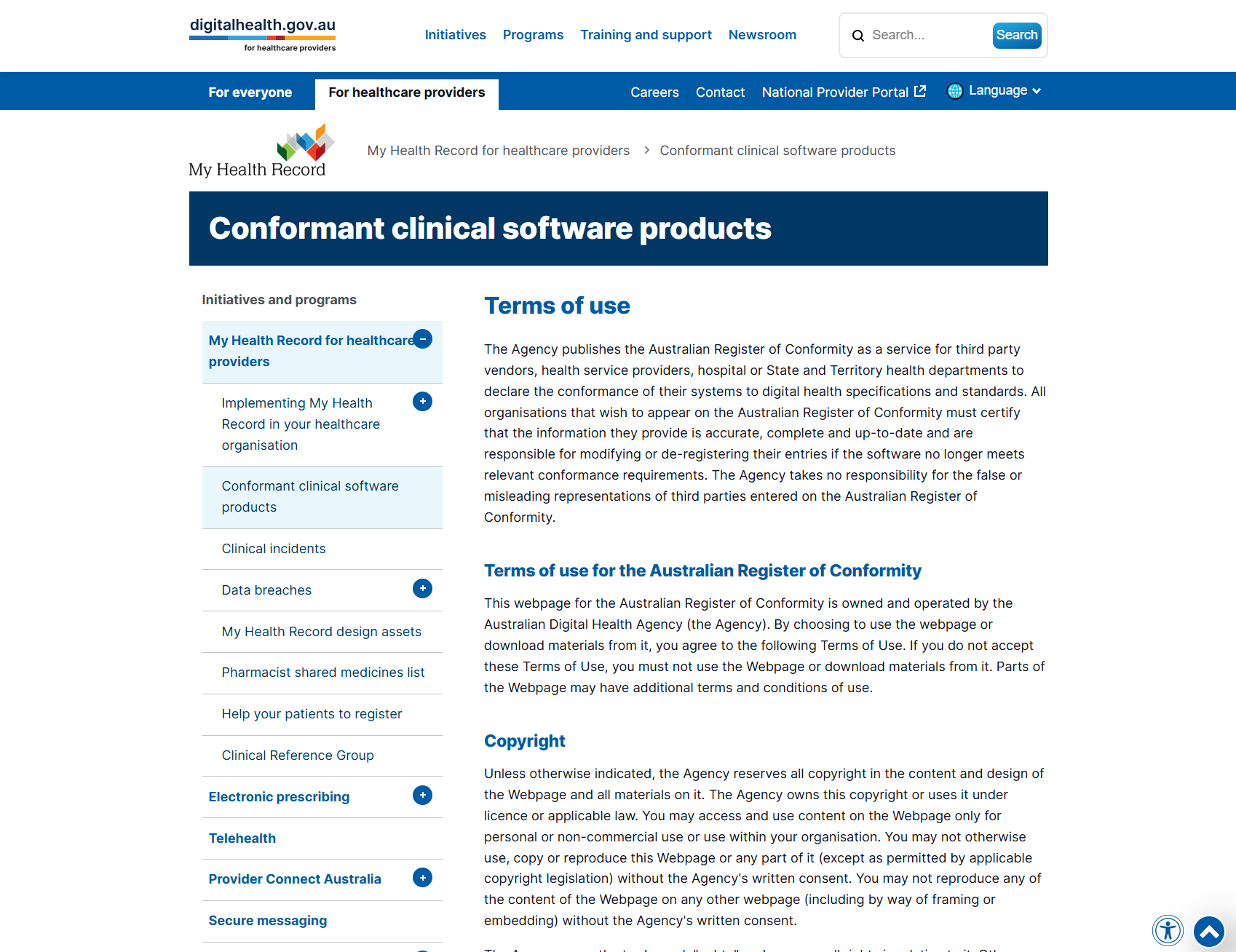
Conformant clinical software products
This resource provides a register of conformant clinical software products that meet national digital health requirements, enabling functions like My Health Record access, health summary uploads, and prescription management. Organisations using the register should verify entries’ currency and accuracy as updates depend on software developers.
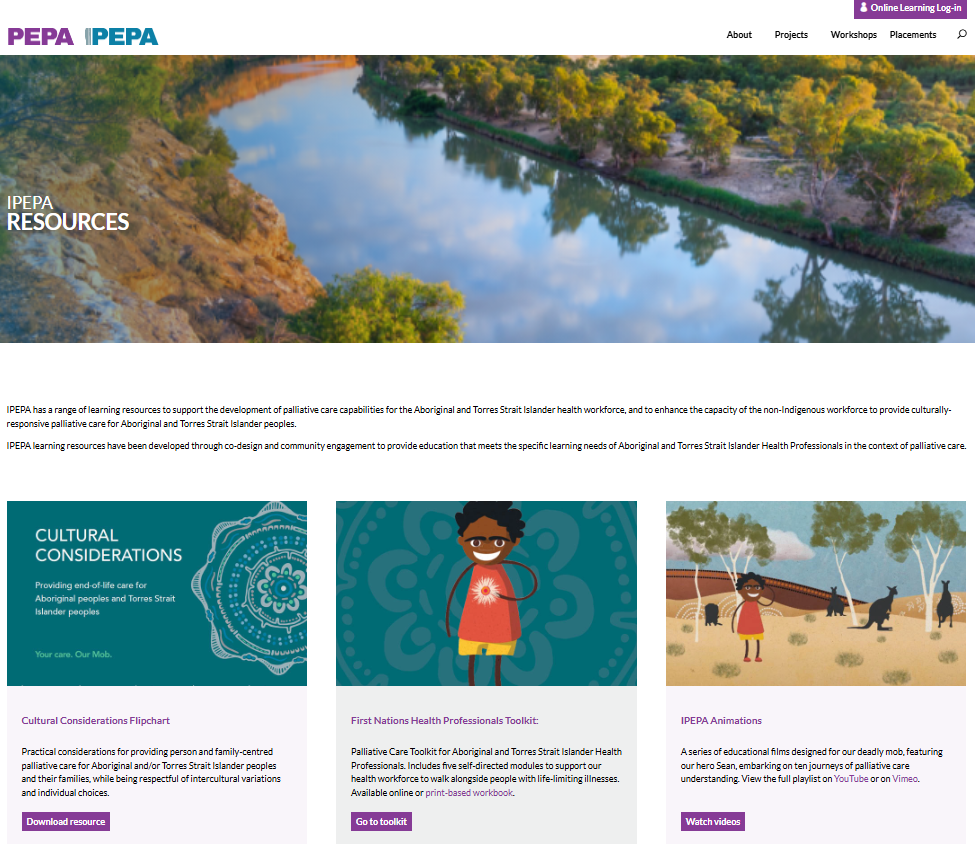
Indigenous Program of Experience in the Palliative Approach
This page provides resources about palliative care for Aboriginal and Torres Strait Islander health workers, and resources to support the non-Indigenous workforce provide culturally-responsive palliative care for Aboriginal and Torres Strait Islander peoples.