The Quality Standards Resource Centre helps extend understanding of the strengthened Aged Care Quality Standards, which took effect from 1 November 2025. You can search for resources by using keywords, or filtering by standard, outcome and audience. Before using the Resource Centre, please read the terms of use.
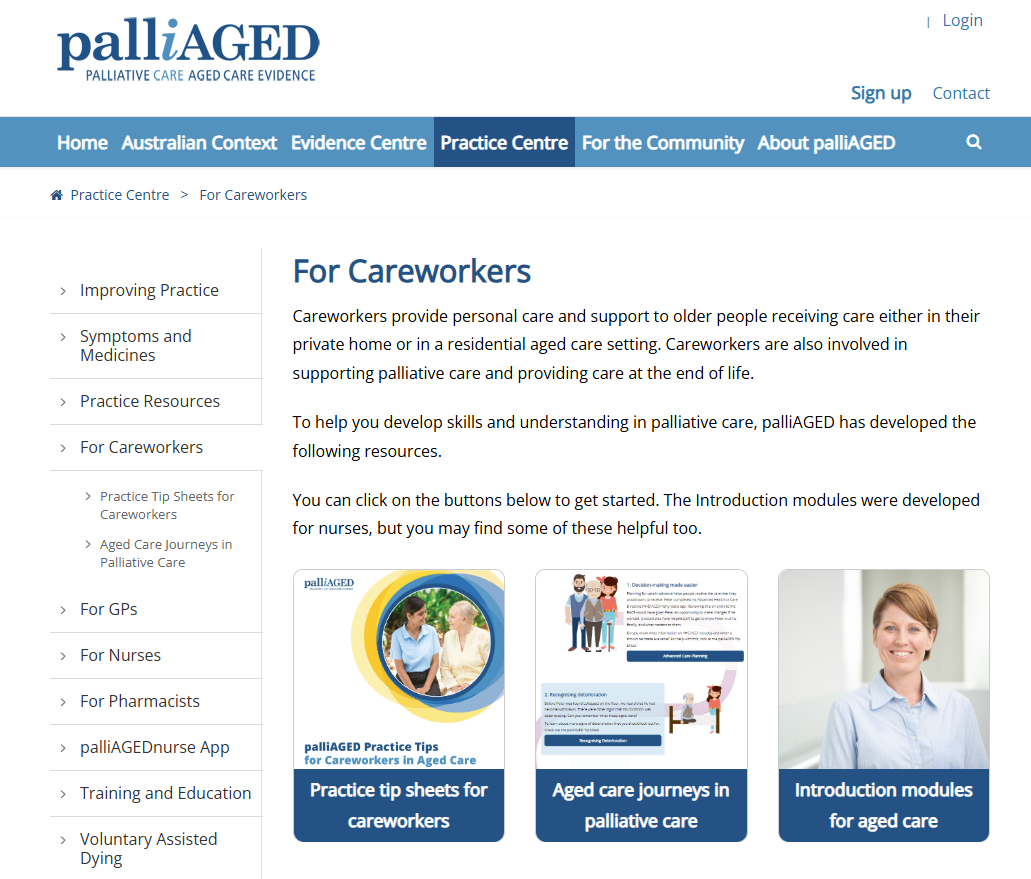
palliAGED - Practice Centre
This resource provides information for care workers about palliative care. The Practice Centre provides links to, and information about, tools and resources to use in practice and improve care and outcomes in palliative care. It includes sections on improving practice, symptoms, medicines and tipsheets.
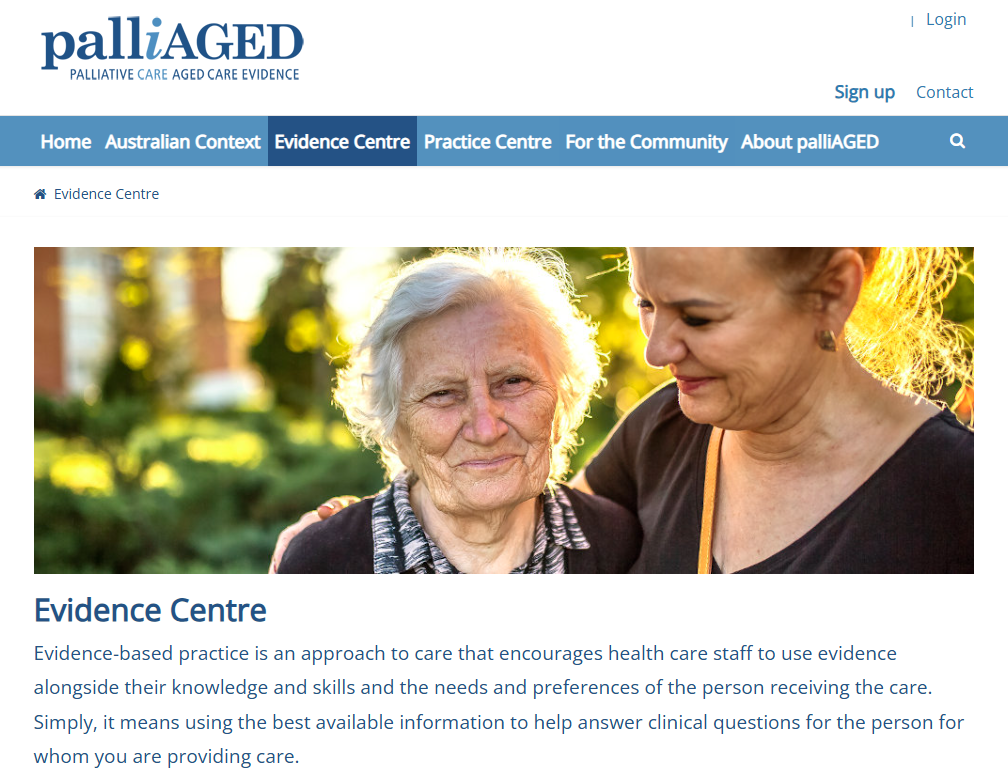
palliAGED - Evidence Centre
This resource provides evidence-based information for the healthcare sector about palliative care. It includes evidence summaries on topics related to palliative care, such as advance care planning, advocacy, care coordination, goals of care, nutrition and needs assessment.
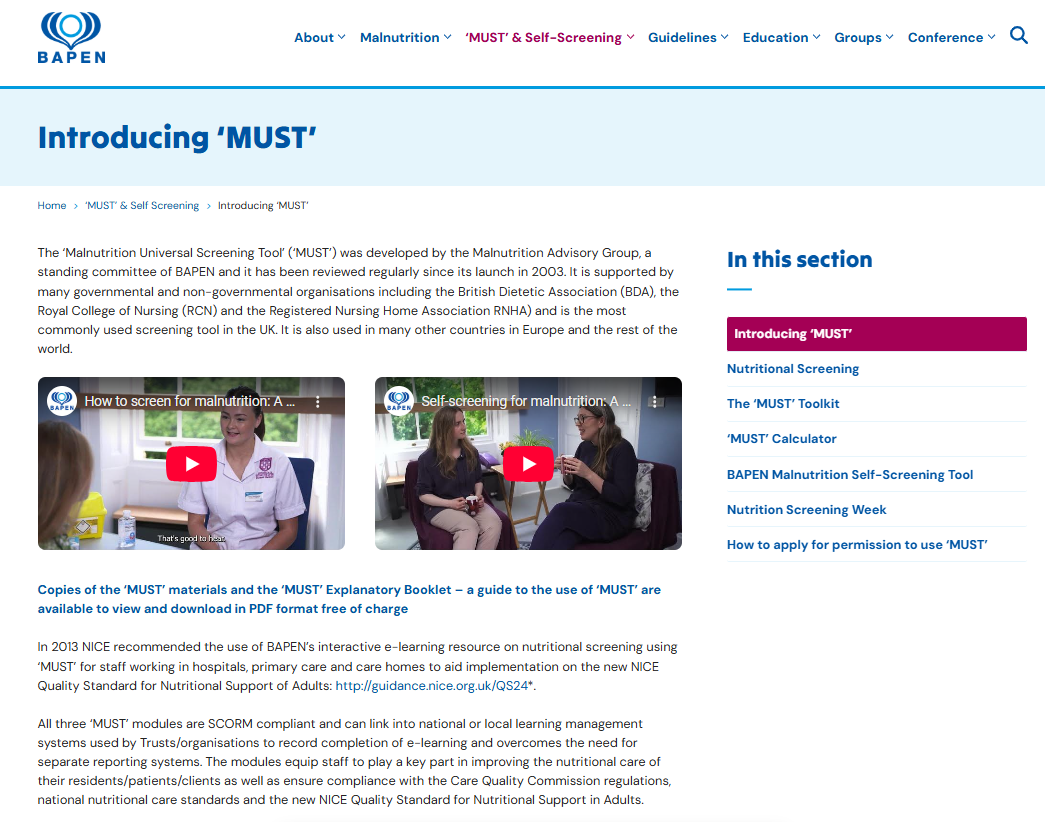
Malnutrition Universal Screening Tool
The ‘Malnutrition Universal Screening Tool’ (‘MUST’) is a widely used tool for identifying malnutrition risk in adults across various settings. It includes interactive e-learning modules with case studies and assessments, helping staff improve nutritional care and meet quality standards.
This resource was developed internationally and therefore its applicability and usefulness may be limited.
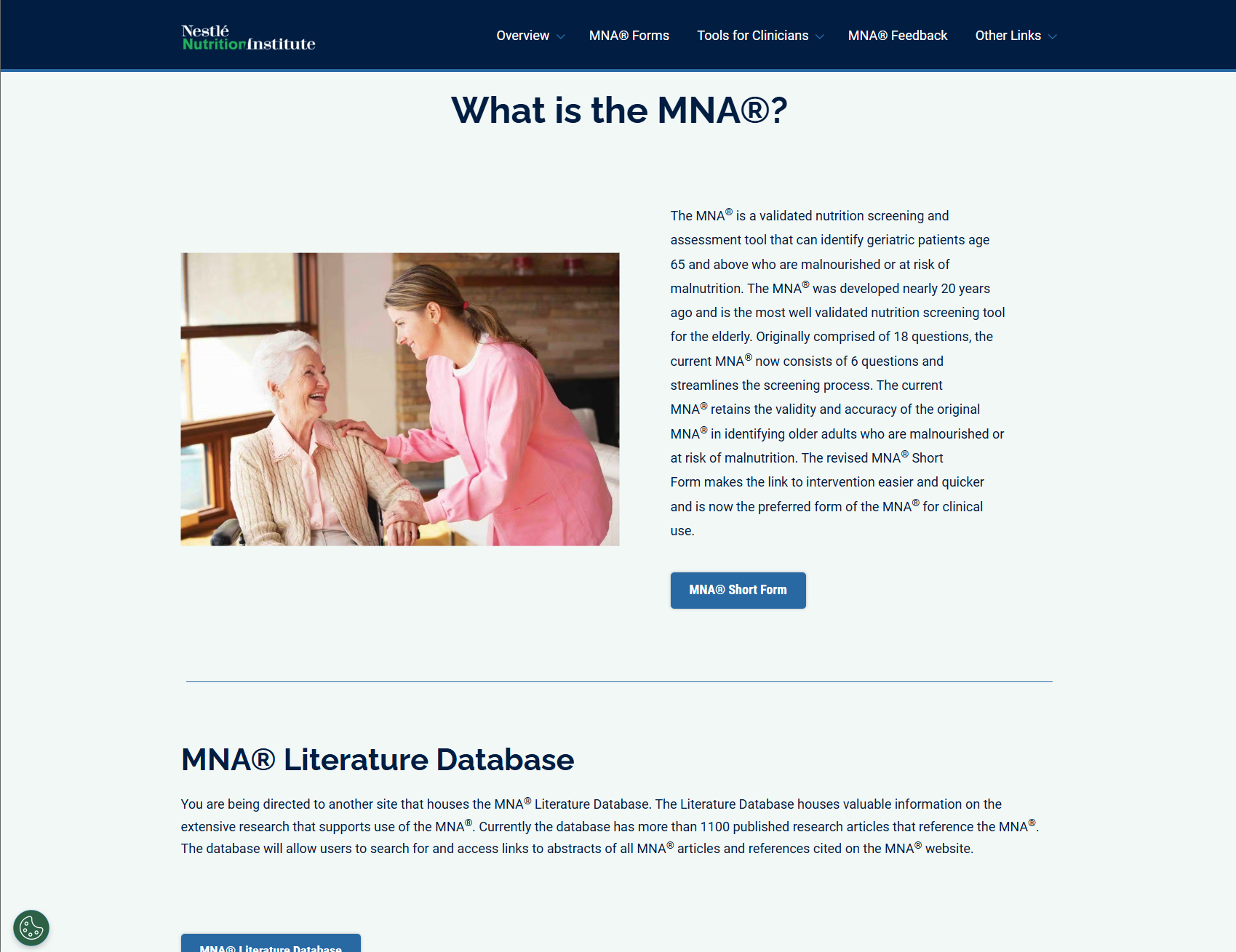
What is the Mini Nutritional Assessment (MNA)?
This resource is a validated nutrition screening and assessment tool to identify malnutrition or risk of malnutrition in people aged 65 and older. It includes an easy-to-use short form for quick identification and intervention planning.
This resource was developed internationally and therefore its applicability and usefulness may be limited.
A guide to completing the Mini Nutritional Assessment – Short Form
This resource is a guide and video for using the Mini Nutritional Assessment (MNA) to identify malnutrition in older people. It explains question scoring, interpretation, and measurement procedures, with a video demonstration.
This resource was developed internationally and therefore its applicability and usefulness may be limited.
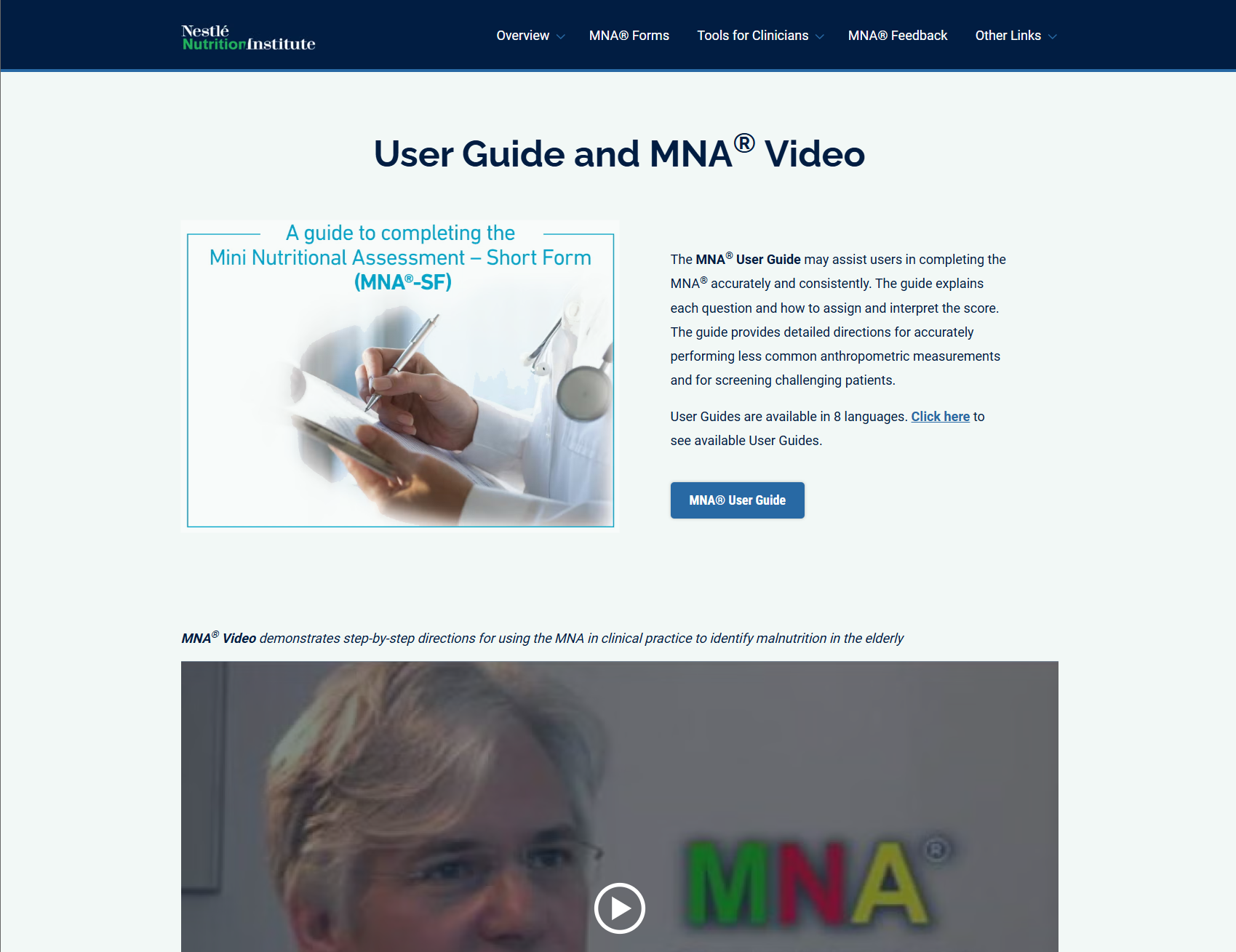
EAT-10: A Swallowing Screening Tool
This resource offers a self-assessment tool to screen for swallowing difficulties by rating various aspects of swallowing function. A score of 3 or higher suggests potential issues that may require discussion with a healthcare provider.
This resource was developed internationally and therefore its applicability and usefulness may be limited.
Medication safety in transitions of care: technical report
This resource outlines key actions to improve medication safety during transitions of care, focusing on reducing medication discrepancies and patient harm. It emphasises structured reconciliation, workforce training, patient engagement, and enhanced information systems.
This resource was developed internationally and therefore its applicability and usefulness may be limited.
Medication safety in polypharmacy: technical report
This resource provides guidance on safe medication management in polypharmacy, focusing on patient-centred approaches, team collaboration, and systematic reviews for people with long-term conditions. It includes tools and case studies to support health professionals.
This resource was developed internationally and therefore its applicability and usefulness may be limited.
5 moments for medication safety
This tool helps patients, caregivers, and health professionals manage medication safety by focusing on 5 critical moments to reduce harm: starting, taking, adding, reviewing, and stopping medications. It aims to empower patients in safe medication practices through engagement and collaboration with health professionals.
This resource was developed internationally and therefore its applicability and usefulness may be limited.
Best Practice Food and Nutrition Manual for Aged Care
This manual offers practical guidelines on food and nutrition best practices in aged care homes, covering menu planning, meal enjoyment, hydration, and malnutrition prevention. It includes checklists, screening tools, and dietary considerations tailored to the needs of older people.
This resource was developed by a state/territory government or organisation and therefore its applicability and usefulness may be limited.
Standardised care processes
This resource offers evidence-based standardised care processes for aged care providers, covering high-risk clinical areas such as falls, pain, incontinence, and dehydration. It provides structured guidelines to support best practices, ensuring consistent and safe care for older people in residential settings.
This resource was developed by a state/territory government or organisation and therefore its applicability and usefulness may be limited.
Participating with consumers
This resource provides information sheets for residents, families, and carers to support decision-making in residential aged care. Covering topics such as pain management, falls, and medicines, it promotes health literacy, enabling consumers to engage in discussions and report care issues effectively.
This resource was developed by a state/territory government or organisation and therefore its applicability and usefulness may be limited.
Documentation of patient information
This resource outlines best practices for documenting patient information related to medication history and adverse drug reactions. It provides guidance on obtaining the best possible medication history (BPMH), reconciling medications at care transitions, and recording known allergies. The resource helps aged care providers ensure accurate medication management, reduce errors, and prevent harm from adverse drug events.
This resource may apply to healthcare contexts outside of aged care. Please consider the applicability of this resource to your care setting.
ELDAC Managing Risk Toolkit
This resource provides the Managing Risk Toolkit designed for health professionals and care staff involved in palliative care and advance care planning for older people in residential care. It offers guidance on managing risks in areas such as nutrition, hydration, medication management, and care transitions at the end of life. The toolkit includes fact sheets, practical tips, and downloadable materials to support safe, effective care.
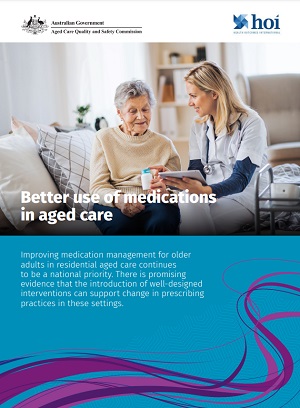
Better use of medications in aged care
This discussion paper explores strategies to improve medication management in aged care, including reducing inappropriate prescriptions and promoting non-pharmacological interventions. It reviews current interventions' effectiveness, highlights the use of psychotropic medications, and identifies areas for improving practices through multifaceted and multidisciplinary approaches for better resident outcomes and healthcare quality.
This resource may refer to information that will be updated from 1 November 2025 to align with the new Aged Care Act and Quality Standards.
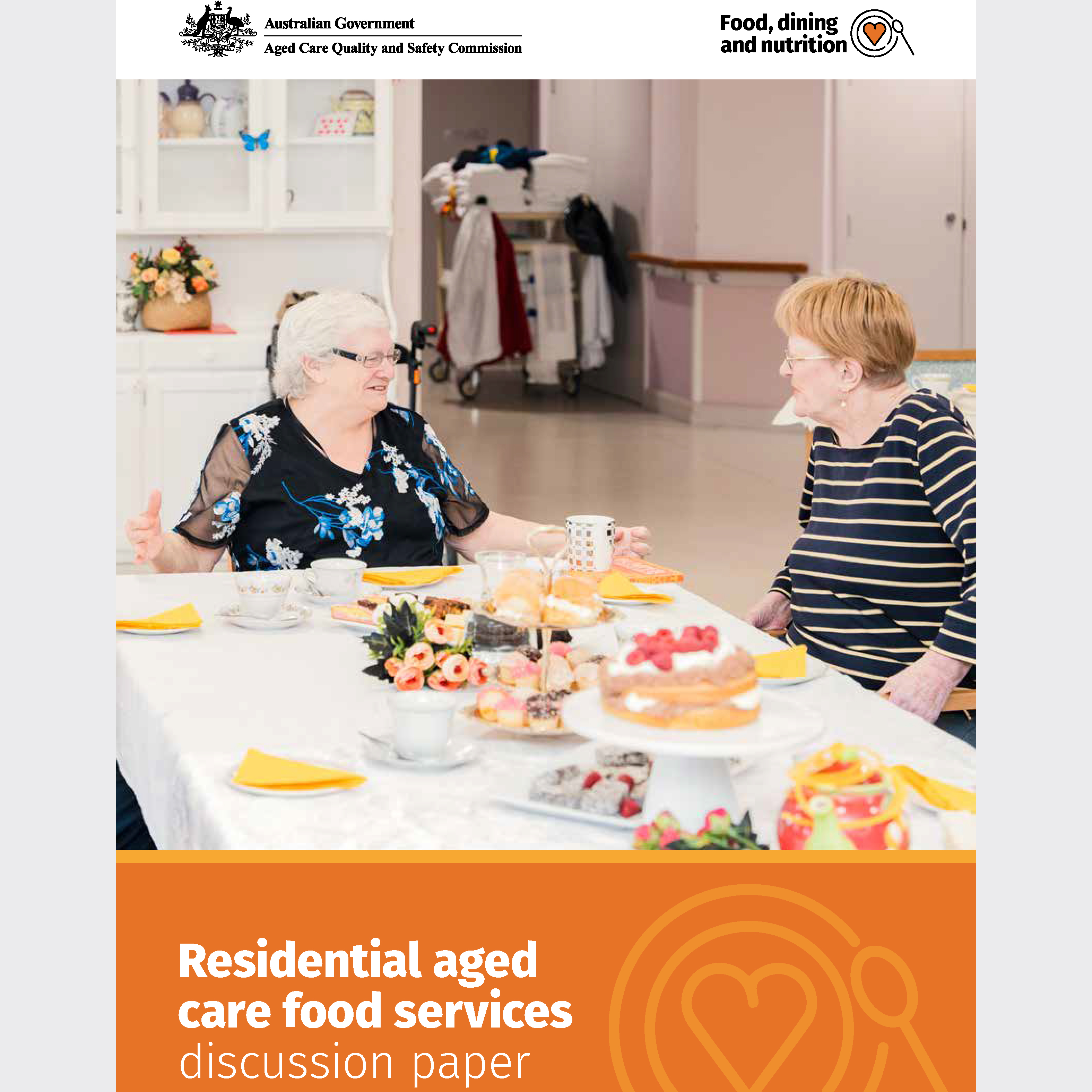
Residential aged care food services discussion paper
This paper presents a high-level overview of contemporary evidence regarding food services in residential aged care settings.
 Residential aged care food services discussion paper (PDF 536.47 KB)
Cultural considerations in Food, Nutrition and Dining
This resource provides guidance on incorporating cultural considerations into food, nutrition, and dining in aged care settings. It highlights the importance of understanding diverse dietary preferences, religious practices, and family dynamics to support person-centred care, improve wellbeing, and promote inclusivity within the aged care environment.
This resource may refer to information that will be updated from 1 November 2025 to align with the new Aged Care Act and Quality Standards.
Food for thought - positive stories
This resource shares positive stories about food, nutrition, and dining improvements in aged care facilities. It highlights initiatives that enhance the dining experience, including resident involvement in meal planning, use of fresh and seasonal ingredients, and creating more social and enjoyable mealtime environments. These stories demonstrate best practices and innovative approaches to improve resident satisfaction and wellbeing.
Food, nutrition & dining: resources for workers
This resource provides aged care workers with tools to enhance food, nutrition, and dining experiences for people in their care. It includes practical guides on offering choice, managing swallowing difficulties, promoting oral health, and creating an enjoyable dining environment, all while ensuring adherence to aged care standards.
This resource may refer to information that will be updated from 1 November 2025 to align with the new Aged Care Act and Quality Standards.
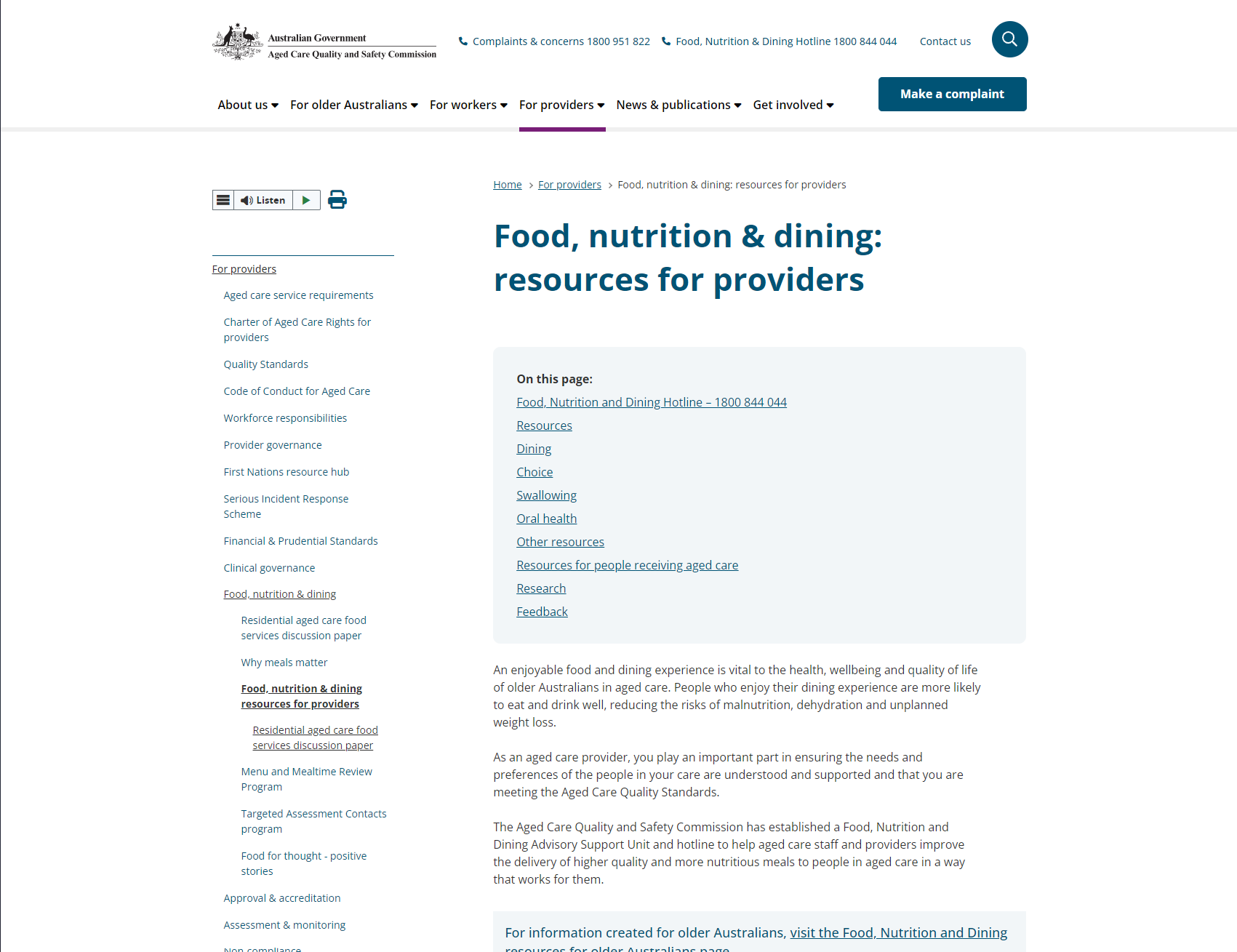
Food, nutrition & dining: resources for providers
This resource provides tools and guidance for aged care providers to ensure quality food, nutrition, and dining experiences. It includes hotlines, resources for dining, choice, swallowing, and oral health, as well as webinars, research findings, and practical tips to support older adults' wellbeing and meet care standards.
This resource may refer to information that will be updated from 1 November 2025 to align with the new Aged Care Act and Quality Standards.