The Quality Standards Resource Centre helps extend understanding of the strengthened Aged Care Quality Standards, which took effect from 1 November 2025. You can search for resources by using keywords, or filtering by standard, outcome and audience. Before using the Resource Centre, please read the terms of use.
Polypharmacy Consumer Perspective - National Medicines Symposium 2024
This is a presentation on Polypharmacy Consumer Perspective. It includes details of a case example, resolution and care management, and key principles related to medicines and goal of care. This resource may refer to information that will be updated from 1 November 2025 to align with the new Aged Care Act and Quality Standards.
Governing for Reform in Aged Care Program
This resource outlines the Governing for Reform in Aged Care Program, designed to strengthen corporate and clinical governance capabilities for aged care leaders. It provides tools, online learning modules, webinars, and podcasts to support governance improvement and help leaders engage in reform efforts.
This resource may refer to information that will be updated from 1 November 2025 to align with the new Aged Care Act and Quality Standards.
Case study - Safe and Appropriate use of Psychotropic Medicines - Residential Aged Care
This resource is a fictional scenario that follows an older person’s care pathway with a residential aged care provider. The resource focuses on the systems and processes to support high-quality care of older people living with cognitive impairment. It includes 4 key priority areas: person-centred care, medication management, managing changed behaviours and transitions of care.
This resource may refer to information that will be updated from 1 November 2025 to align with the new Aged Care Act and Quality Standards.
Case study - Safe and Appropriate use of Psychotropic Medicines - In-home Aged Care
This resource is a fictional scenario that follows an older person’s care pathway with an in-home aged care provider. The resource focuses on the systems and processes to support high-quality care of older people living with dementia. It includes 4 key priority areas: person-centred care, medication management, managing changed behaviours and transitions of care.
This resource may refer to information that will be updated from 1 November 2025 to align with the new Aged Care Act and Quality Standards.
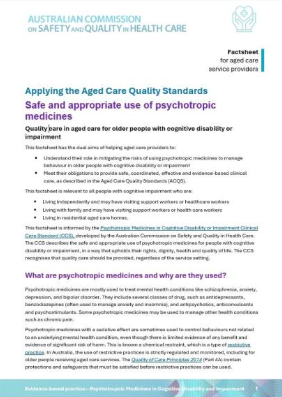
Safe and appropriate use of psychotropic medicines for aged care - Fact sheet
This fact sheet is informed by the Psychotropic Medicines in Cognitive Disability or Impairment Clinical Care Standard (CCS), developed by the Australian Commission on Safety and Quality in Health Care. The CCS describes the safe and appropriate use of psychotropic medicines for people with cognitive disability or impairment, in a way that upholds their rights, dignity, health and quality of life.
This resource may refer to information that will be updated from 1 November 2025 to align with the new Aged Care Act and Quality Standards.
Effective incident management education pack
The Effective incident management education pack is designed for providers to deliver to their own staff. It can be delivered in full or delivered as a series of shorter sessions where you can focus on the sections that are most relevant to your setting or the time you have available.
This pack will support your staff to understand the role they play in effectively managing incidents at your aged care service and help them understand what an incident management system is and its key elements.
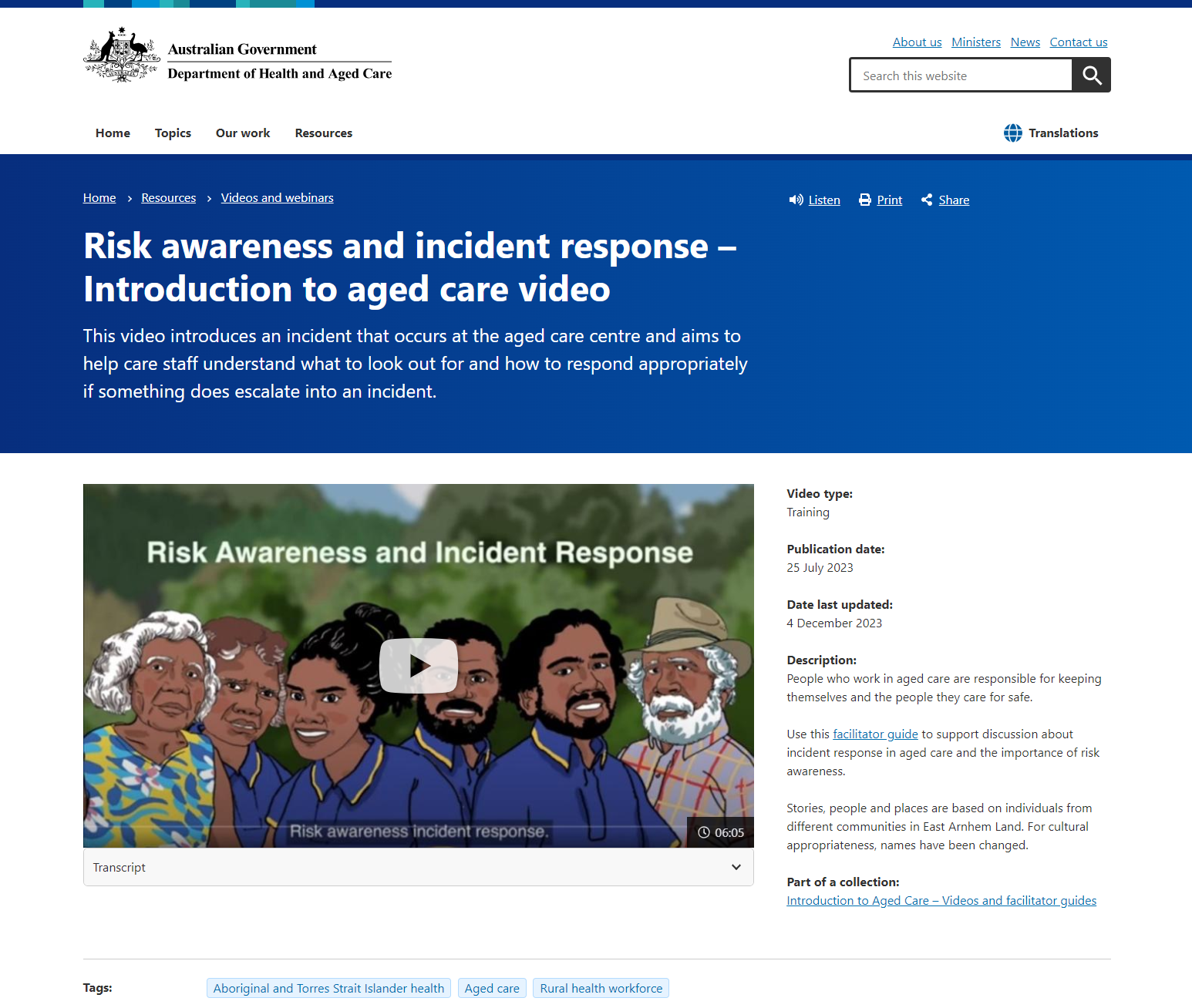
Risk awareness and incident response – Introduction to aged care video
This resource provides a training video for aged care staff on risk awareness and incident response. It demonstrates how to identify potential risks and manage escalating situations effectively in an aged care setting. The video offers practical guidance on maintaining safety for both staff and people in care during incidents, emphasising the importance of calm communication and post-incident reflection. This resource may refer to information that will be updated from 1 November 2025 to align with the new Aged Care Act and Quality Standards.
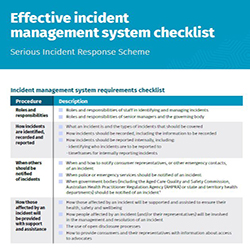
Effective incident management system checklist
This resource provides a checklist to help aged care providers ensure their incident management systems meet regulatory requirements. It outlines key responsibilities, reporting processes, and steps to review and manage incidents effectively, aligning with the Serious Incident Response Scheme (SIRS) guidelines.
This resource may refer to information that will be updated from 1 November 2025 to align with the new Aged Care Act and Quality Standards.
 Effective incident management system checklist (October 2022) (PDF 675.36 KB)
Guidelines for pharmacists supporting Aboriginal and Torres Strait Islander peoples with medicines management
This resource describes the professional obligations of pharmacists when supporting Aboriginal and Torres Strait Islander peoples with culturally safe and responsive care and medicines management. It includes information about appropriate and effective processes, desired behaviour or minimum standards of good practice and information about duties and responsibilities.
This resource may refer to information that will be updated from 1 November 2025 to align with the new Aged Care Act and Quality Standards.
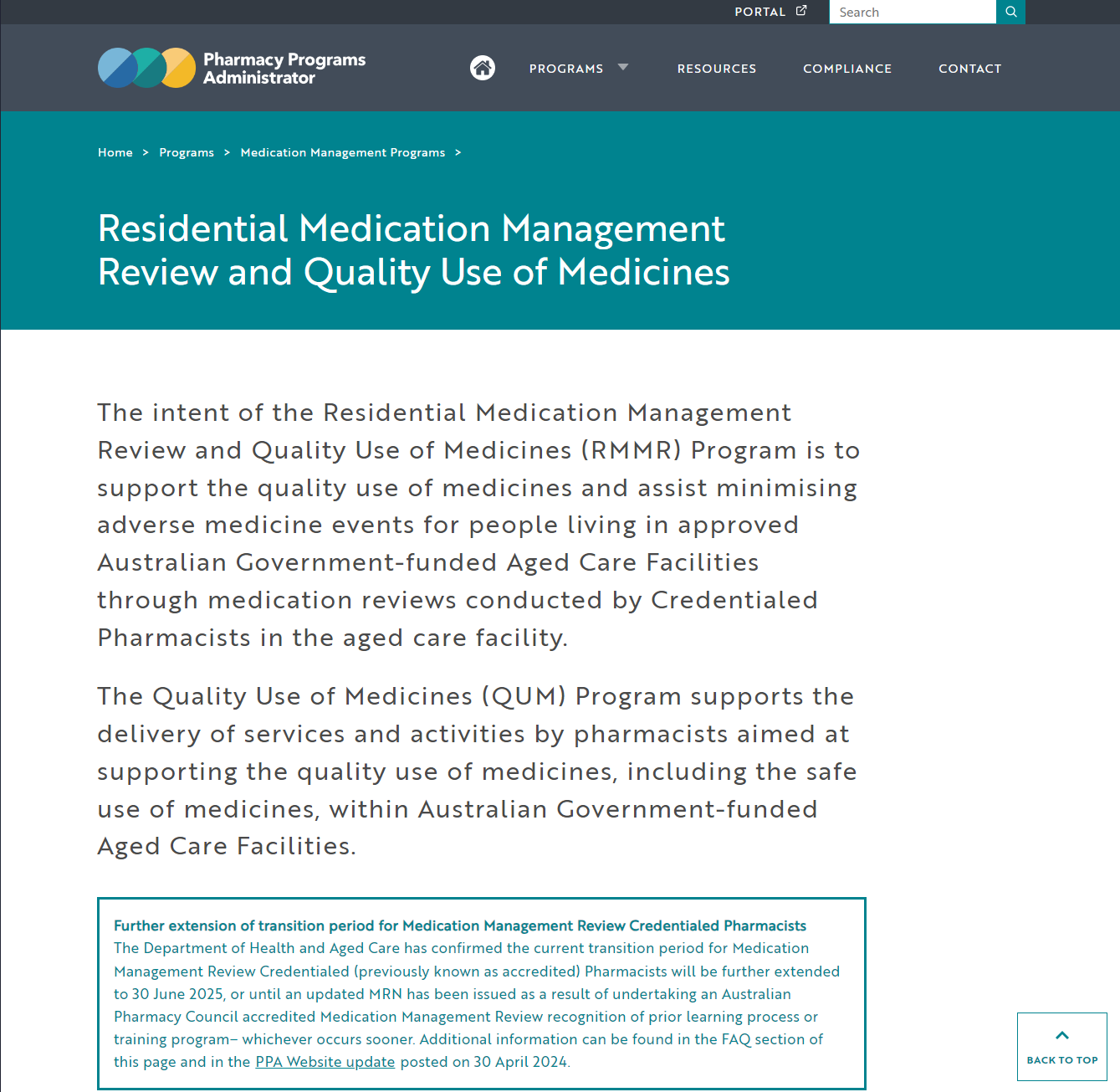
Residential Medication Management Review and Quality Use of Medicines
This page provides information on the intent of the Residential Medication Management Review and Quality Use of Medicines (RMMR) Program. It outlines its purpose, participation requirements, claiming and payment processes, frequently asked questions, program rules, and extra available downloads.
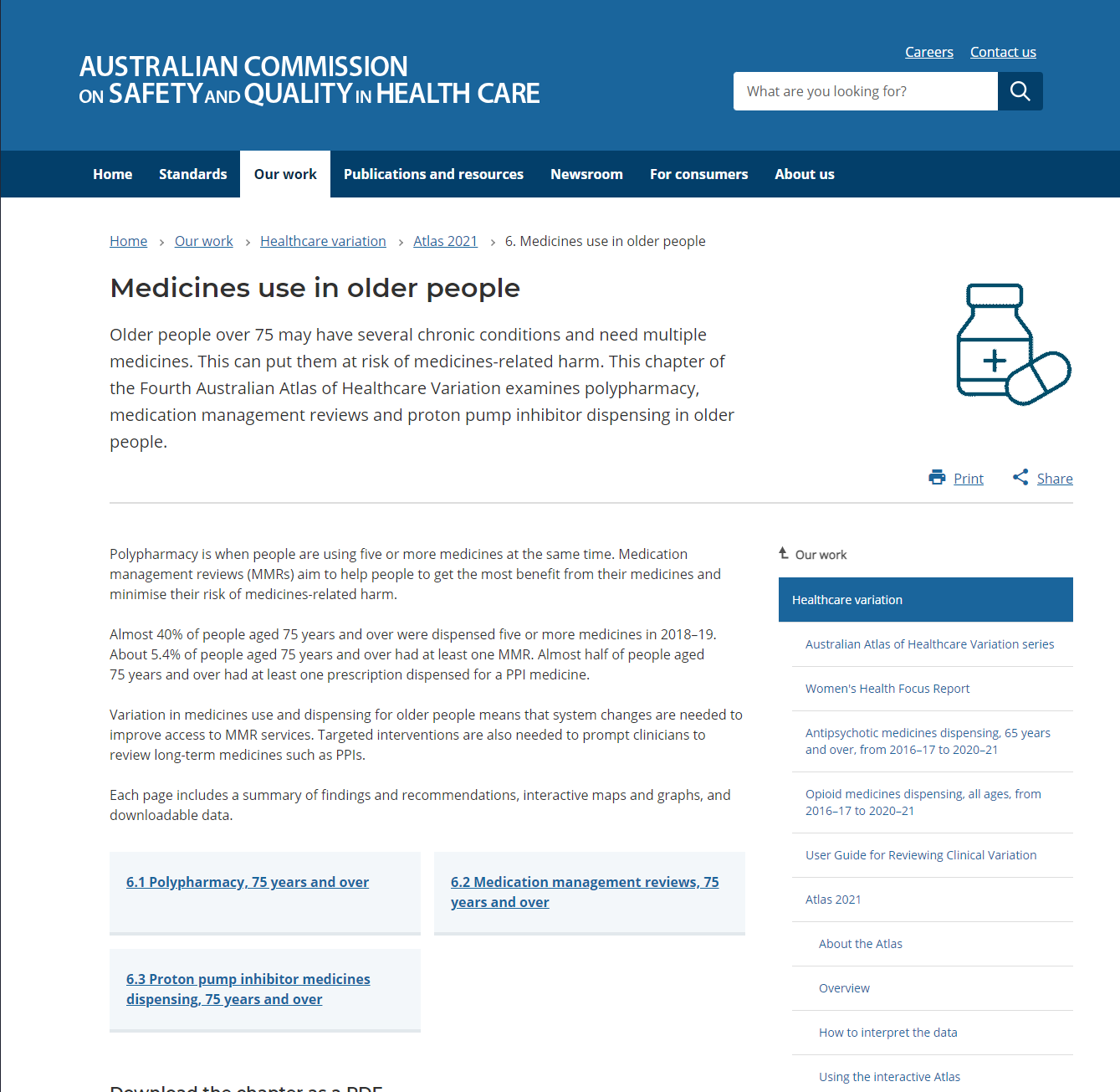
Medicines use in older people
This resource is chapter six of the Fourth Atlas 2021 of Healthcare Variations. The chapter examines medicines use in people aged 75 and over, focusing on polypharmacy, medication management reviews (MMRs), and proton pump inhibitor (PPI) dispensing. It highlights variations in medication use and recommends improving access to MMR services and interventions for safe, effective medication use in older populations.
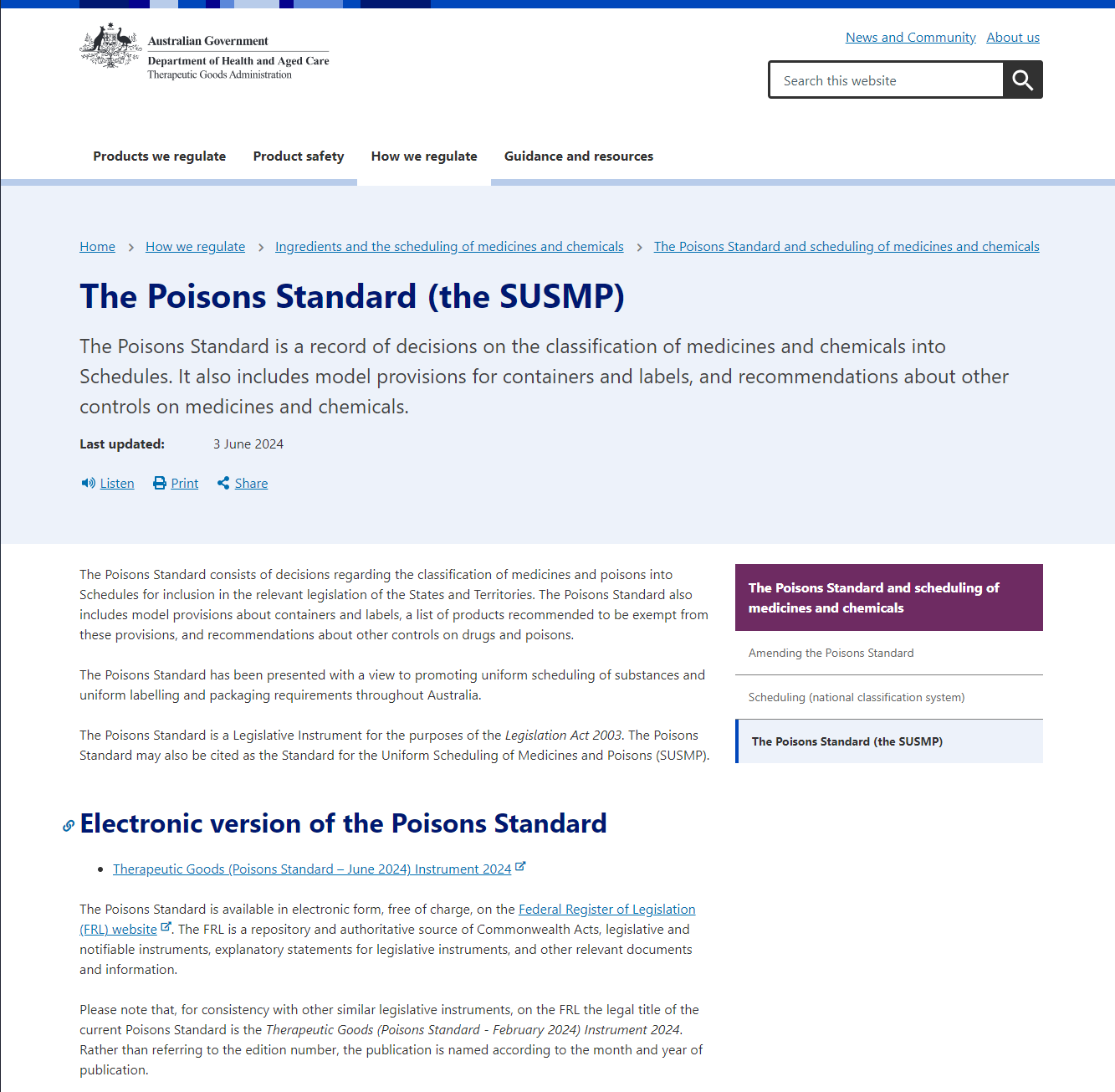
The Poisons Standard (the SUSMP)
The Poisons Standard (SUSMP) is a resource that classifies medicines and chemicals into schedules for regulatory control in Australia. It outlines guidelines for labelling, packaging, and handling of substances. Key points include updates on scheduling decisions, which assist in public safety, healthcare, and chemical management.
This resource may refer to information that will be updated from 1 November 2025 to align with the new Aged Care Act and Quality Standards.
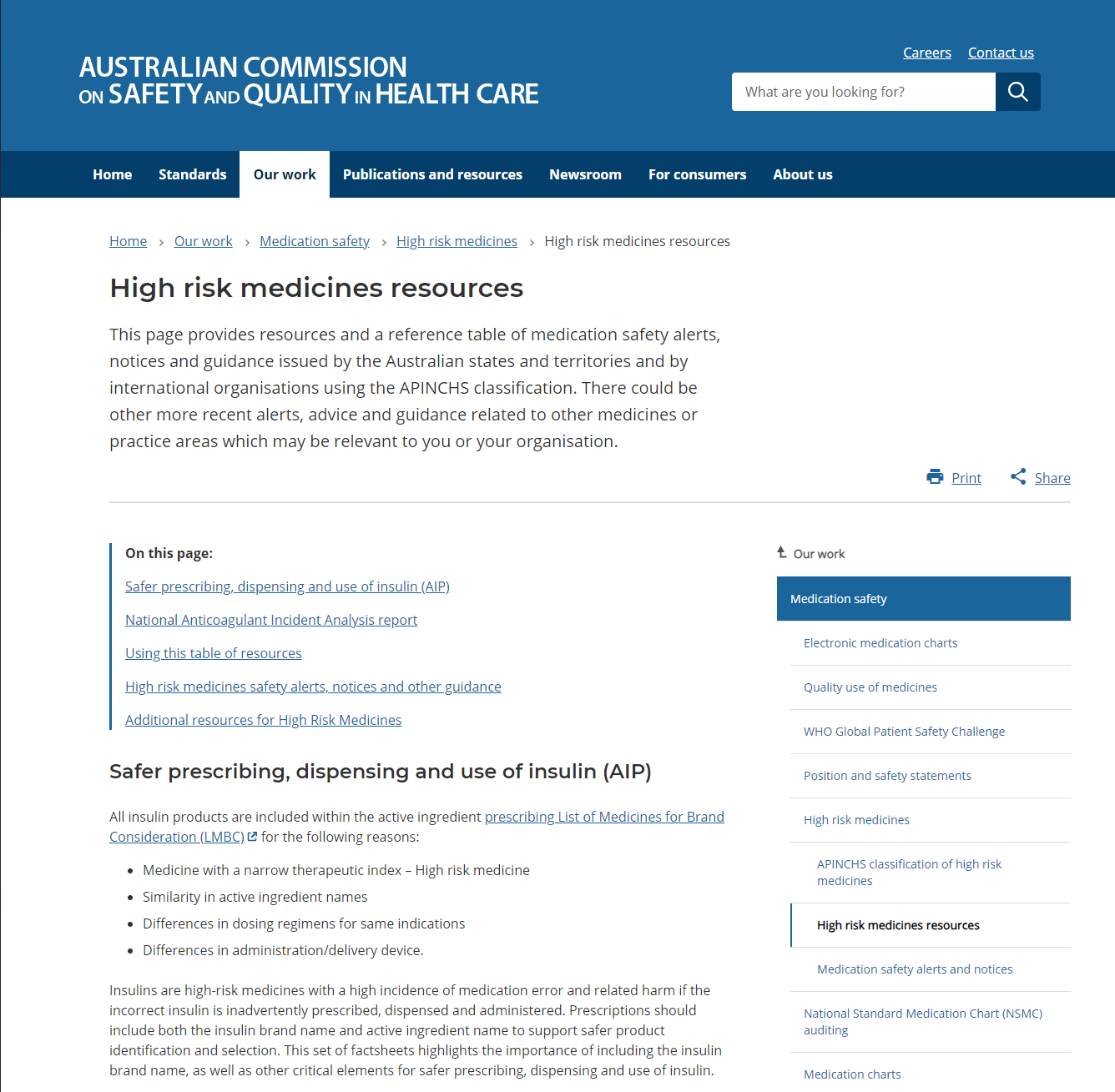
High risk medicines resources
This resource provides guidance on high-risk medicines, including safety alerts, notices, and best practices for safe prescribing, dispensing, and administration. It includes information on insulin and anticoagulant safety, monitoring tools, and best practice recommendations to improve medication safety and reduce harm from high-risk medications across healthcare settings.
This resource may refer to information that will be updated from 1 November 2025 to align with the new Aged Care Act and Quality Standards.
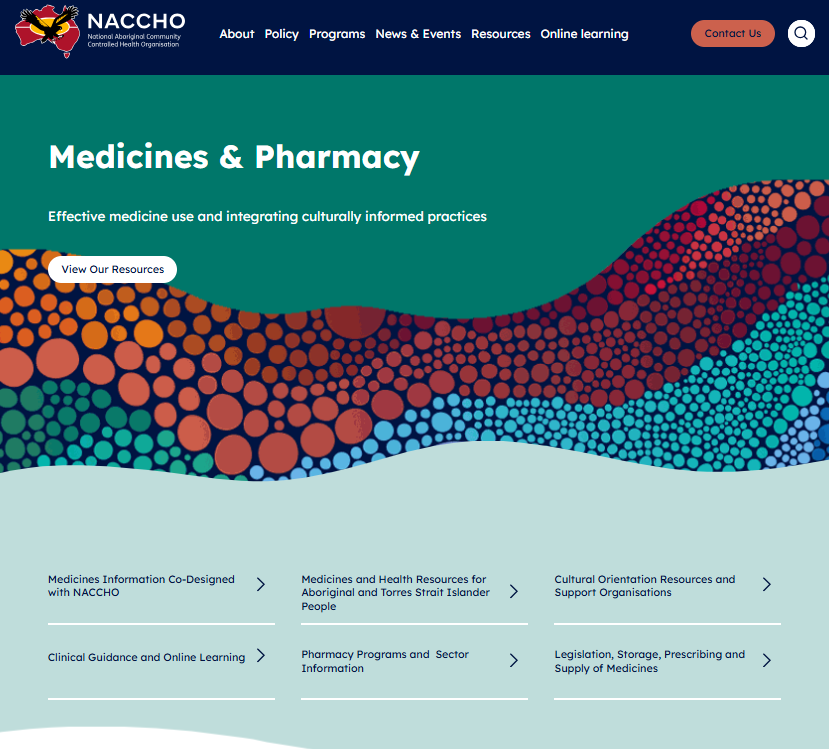
National Aboriginal Community Controlled Health Organisation - Medicines & Pharmacy
This resources provides information for Aboriginal Community Controlled Health Organisations (ACCHOs) and other communities related to medicine use and management. It includes a collection of resources for health workers involved in prescribing and supplying medicines in these settings.
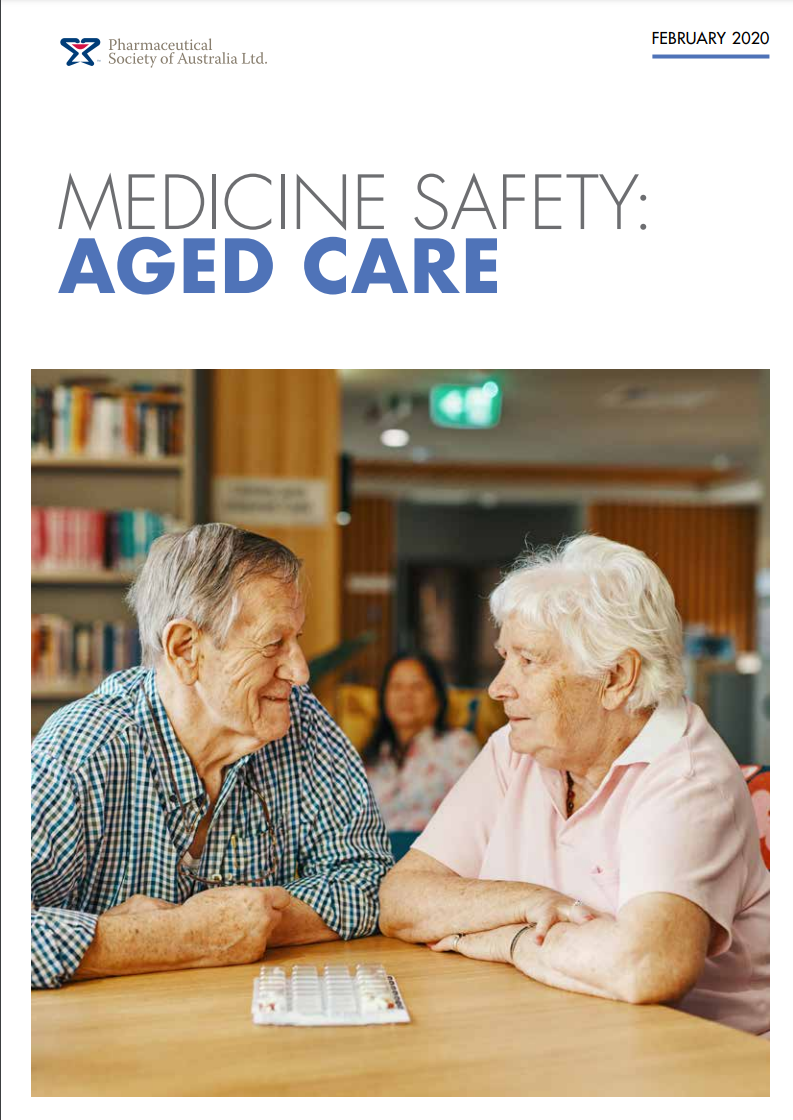
Medicine safety: Aged care
This report highlights medicine safety issues in aged care settings, detailing the prevalence of medicine-related problems, inappropriate prescribing, underuse of medicines, medicine regimen complexities, administration errors, and challenges during transitions of care. It provides opportunities for improvements and emphasises the need for safer medication practices, improved pharmacist involvement, and better regulatory frameworks to protect older people from medication harm.
Fact sheet - Enrolled nurses and medicines administration
This fact sheet outlines the requirements for enrolled nurses (ENs) in Australia regarding the administration of medicines. It details the education and qualifications needed to administer medications, the specific conditions under which ENs may administer intravenous medicines, and guidance on removing any limitations from their registration. The document also emphasises adherence to legislation, policies, and safe practices.
Home Medicines Review
This resource provides information on the Home Medicines Review (HMR) program, designed to support the safe and effective use of medicines for patients at home. It outlines the process, eligibility criteria, program variations, claiming and payments, rural loading allowance, and guidance for pharmacists and healthcare providers involved in medication reviews
Working with older people with diabetes
This resource provides materials for health professionals supporting older people with diabetes. Resources cover diabetes symptoms and management, blood glucose monitoring, diabetes medication, healthy eating, and more, aiming to improve quality care.
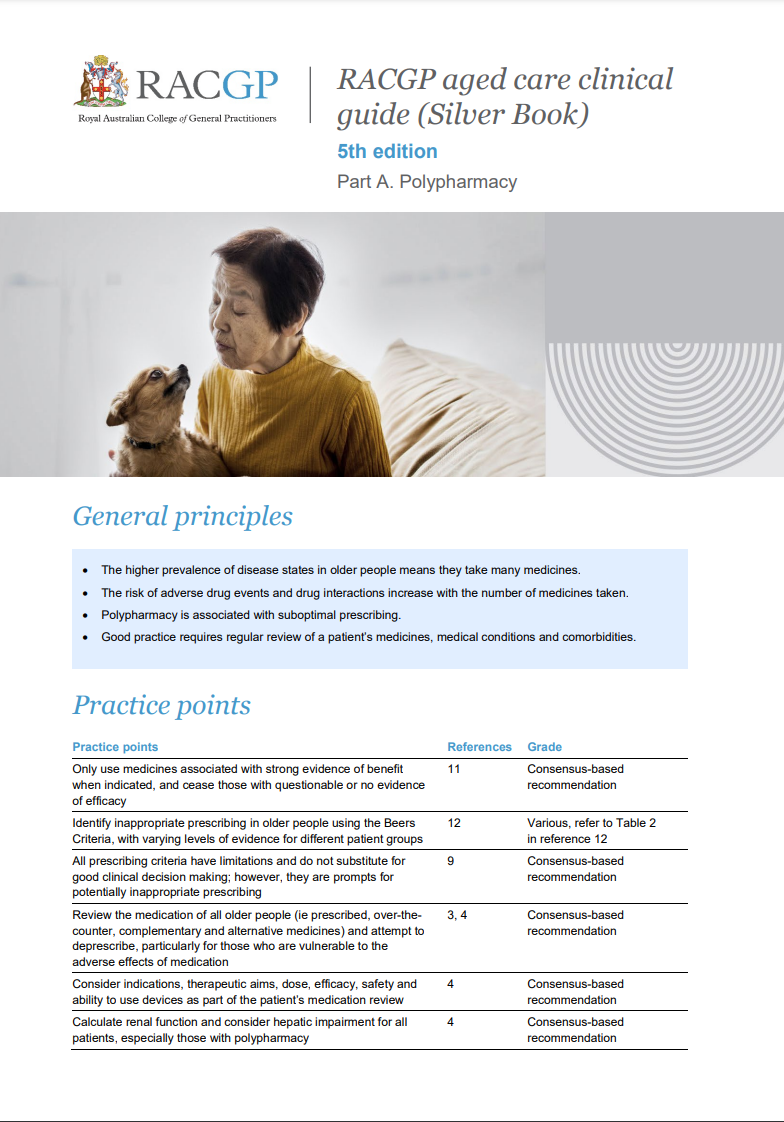
RACGP aged care clinical guide (Silver Book) - Part A - Polypharmacy
This guide addresses polypharmacy in aged care, focusing on identifying inappropriate prescribing and reviewing all medications, including prescription, over-the-counter and complementary and alternative medicines. It includes recommendations for reducing medication use through deprescribing, ensuring medication safety, and regular review of renal and hepatic functions. Tools such as Beers Criteria and other screening frameworks are provided to support optimal medication management in older adults.
RACGP aged care clinical guide (Silver Book) - Part B - Abuse of older people
This resource provides guidance on recognising, assessing, and managing abuse of older people in various settings, including residential aged care. It covers types of abuse (financial, emotional, physical, sexual, neglect), risk factors, barriers to disclosure, and steps for prevention. The document also includes recommendations for safety planning, intervention strategies, and resources for support across Australian states and territories.