Aged care laws in Australia have now changed. The new Aged Care Act 2024 and Aged Care Rules 2025 now apply. While we complete updating of our website, including draft guidance and other materials, to align with the new laws, providers are advised to refer to the new Act and Rules for any required clarification of their obligations and legal responsibilities. Thank you for your patience.

Quality Standards Resource Centre

The Quality Standards Resource Centre helps extend understanding of the strengthened Aged Care Quality Standards, which take effect from 1 November 2025. The Resource Centre will be updated to reflect key changes made to the draft strengthened Standards. You can search for resources by using keywords, or filtering by standard, outcome, audience and theme. Before using the Resource Centre, please read the terms of use.

Displaying 41 to 52 of 52 result(s)
/quality-standards/nutrition

Nutrition

Guidance
Last Updated

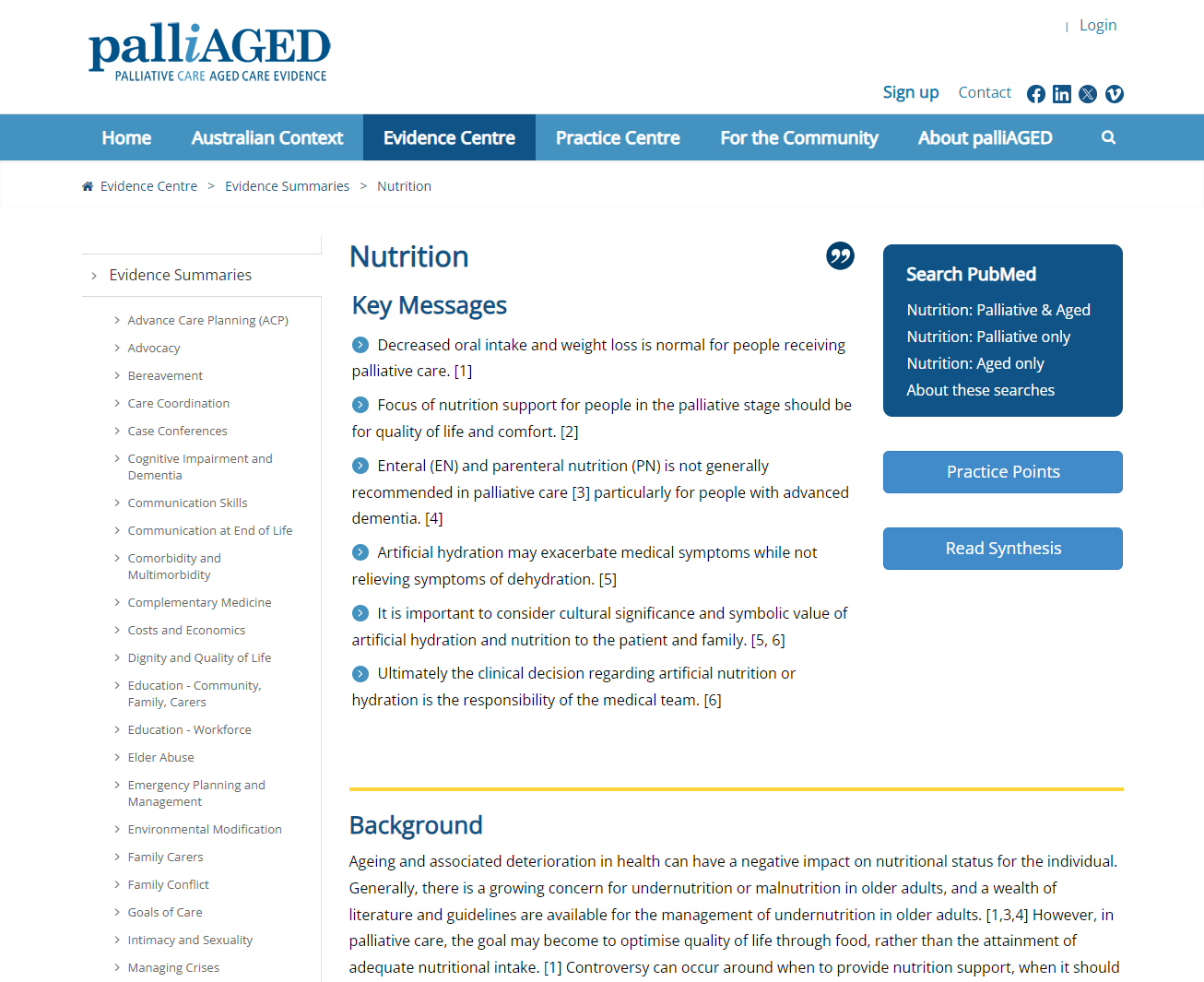
This resource provides guidance on nutrition for people in palliative care. It highlights the importance of prioritising comfort and quality of life over nutritional intake. It discusses oral intake, artificial hydration, and medically assisted nutrition, emphasising communication with families and cultural considerations when managing nutrition and hydration at the end of life.

Author
External resource
Key Theme
Clinical safety, Food and nutrition
Standard
6: Food and Nutrition, 5: Clinical Care
Outcomes
6.2: Assessment of nutritional needs and preferences, 5.5: Safety of clinical care services
Nutrition
/quality-standards/food-and-nutrition-practice-guide

Food and nutrition - Practice guide

Guidance
Last Updated

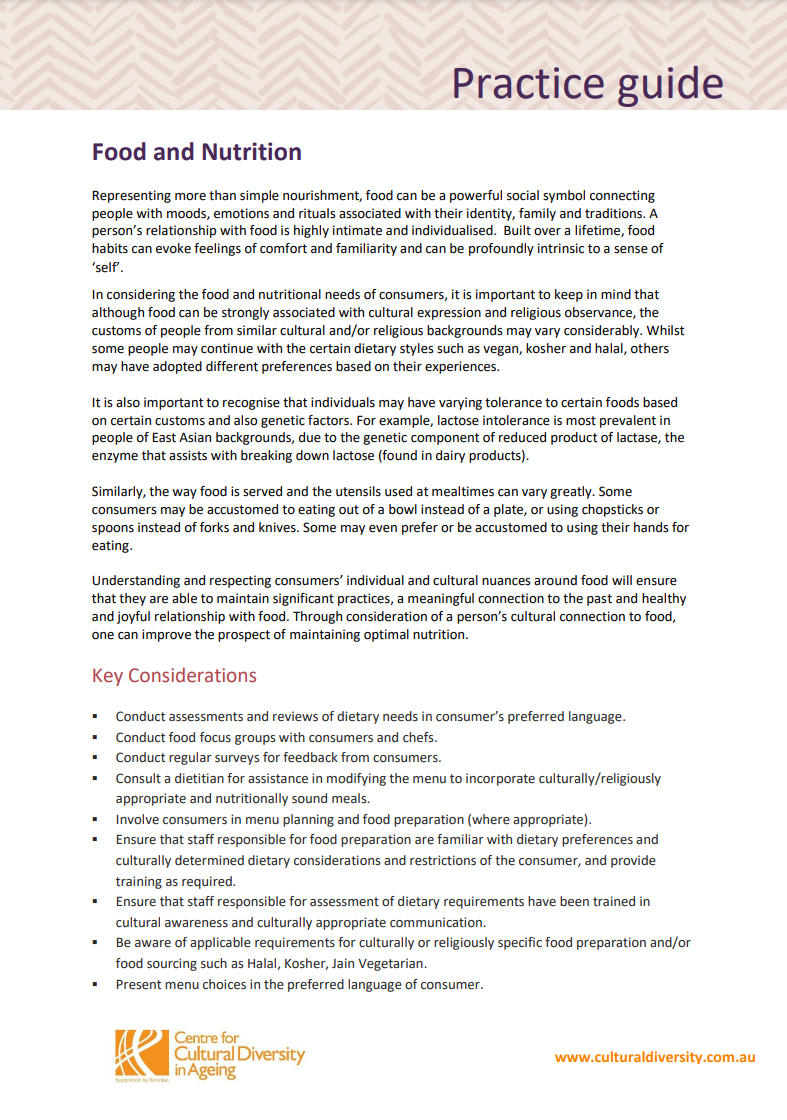
This resource focuses on culturally inclusive food and nutrition practices in aged care settings. It outlines the importance of considering cultural, religious, and personal food preferences when preparing meals. The guide suggests involving people in menu planning, conducting regular dietary assessments, and providing culturally appropriate meals and utensils. The resource also highlights the value of celebrating cultural events and ensuring meals meet both nutritional needs and cultural expectations.

Author
External resource
Key Theme
Food and nutrition
Standard
6: Food and Nutrition
Outcomes
6.4: Dining experience, 6.2: Assessment of nutritional needs and preferences
Food and nutrition - Practice guide
/quality-standards/qi-program-quick-reference-guide-unplanned-weight-loss

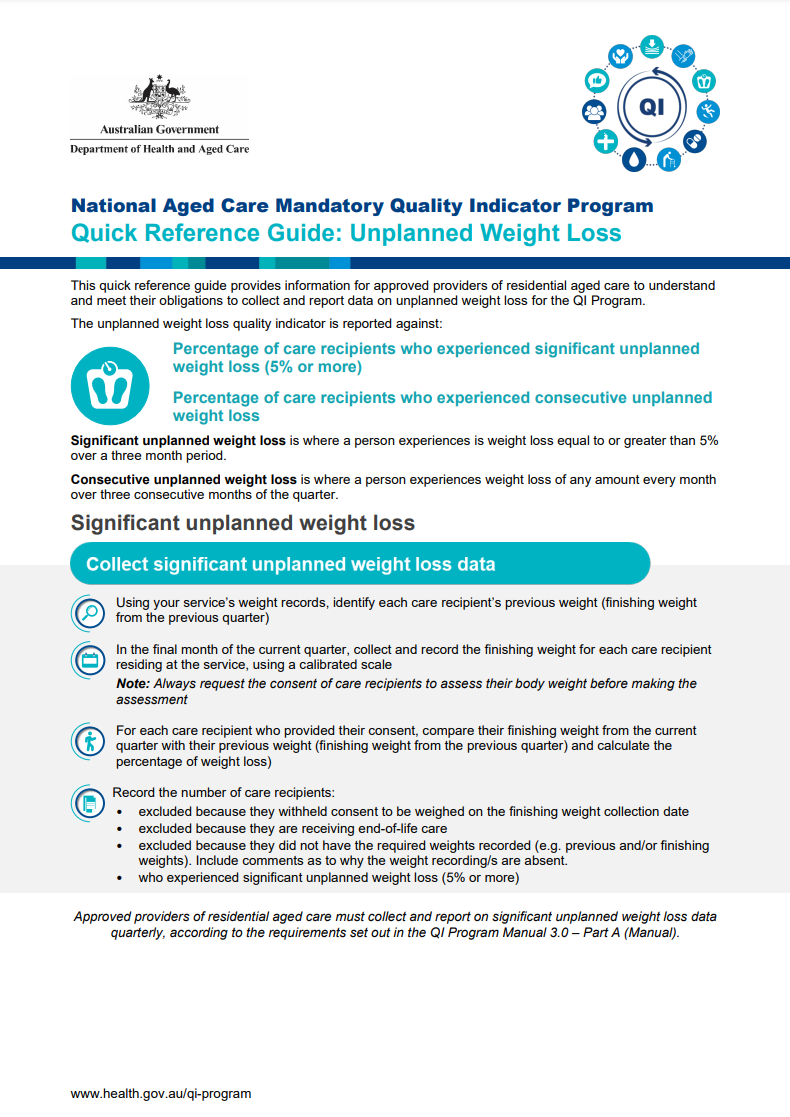
QI Program quick reference guide – Unplanned weight loss

Guidance
Last Updated

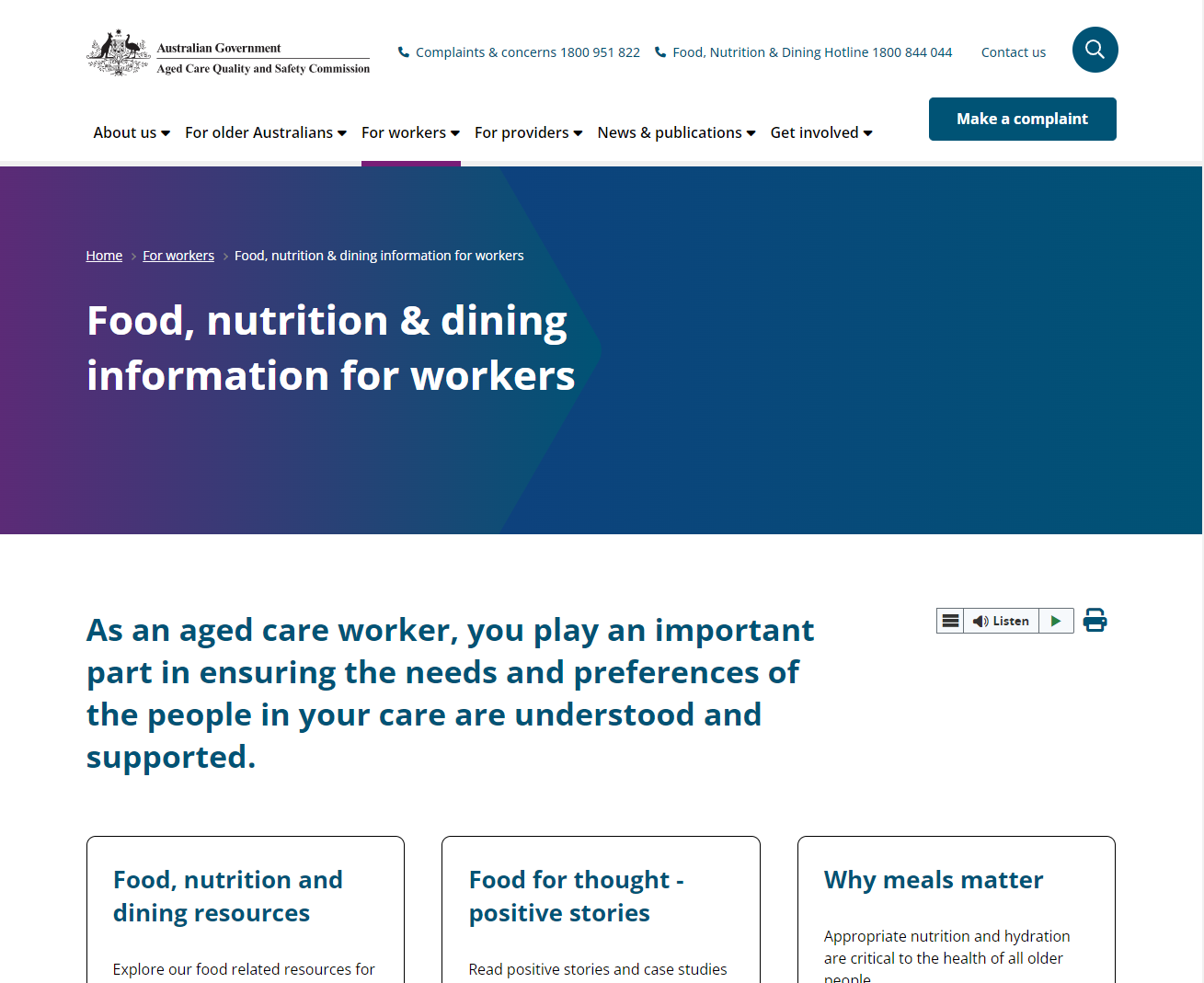
This resource provides a quick reference guide for approved aged care providers on collecting and reporting data related to unplanned weight loss as part of the National Aged Care Mandatory Quality Indicator Program. It outlines reporting requirements for significant and consecutive unplanned weight loss and offers guidance on how to track and submit data quarterly. This resource may refer to information that will be updated from 1 November 2025 to align with the new Aged Care Act and Quality Standards.
Author
Department of Health, Disability and Ageing
Key Theme
Food and nutrition, Clinical safety
Standard
6: Food and Nutrition, 5: Clinical Care
Outcomes
6.2: Assessment of nutritional needs and preferences, 5.5: Safety of clinical care services
QI Program quick reference guide – Unplanned weight loss
/quality-standards/maggie-beer-foundation-online-training-modules

Maggie Beer Foundation - Online Training Modules

Guidance

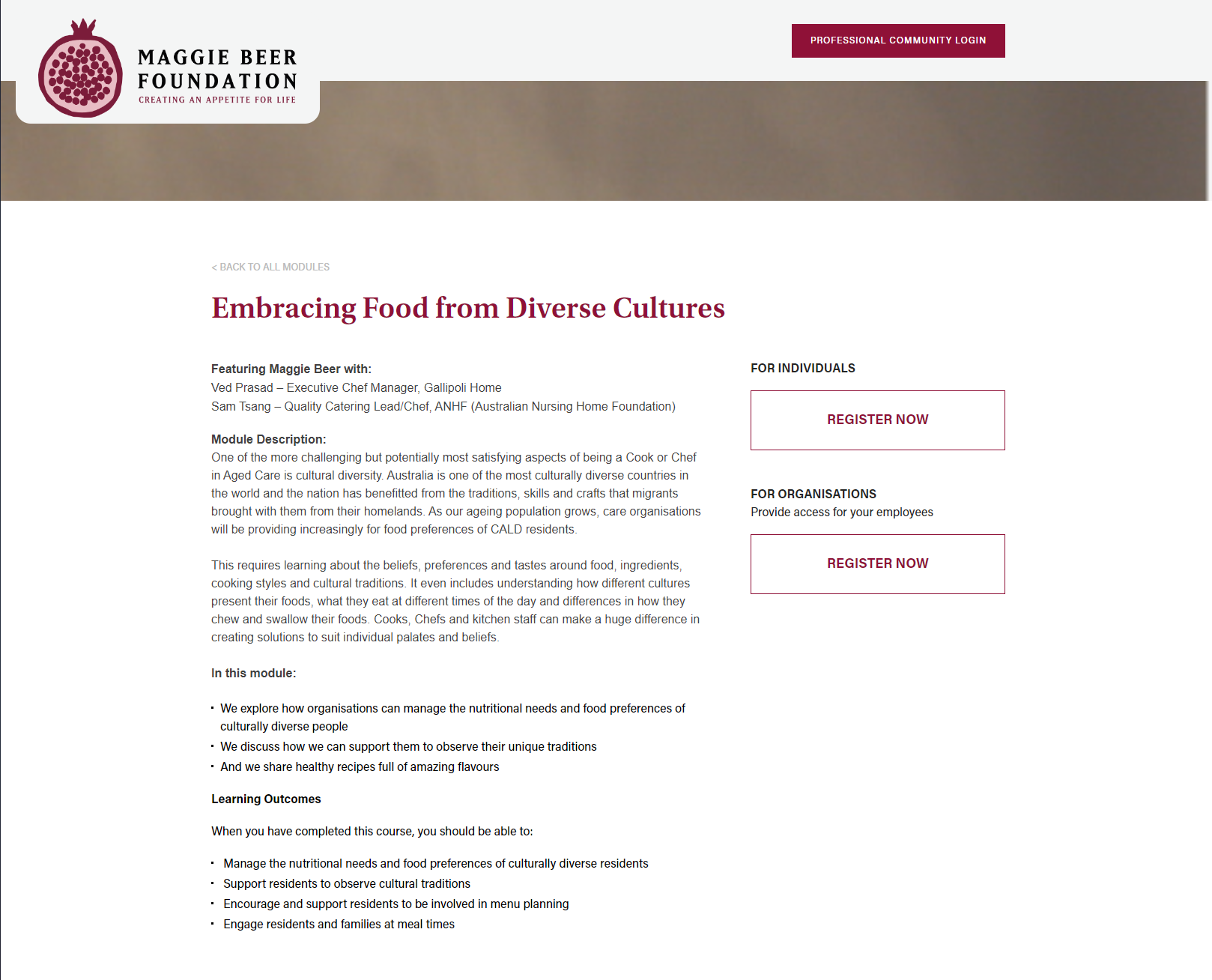
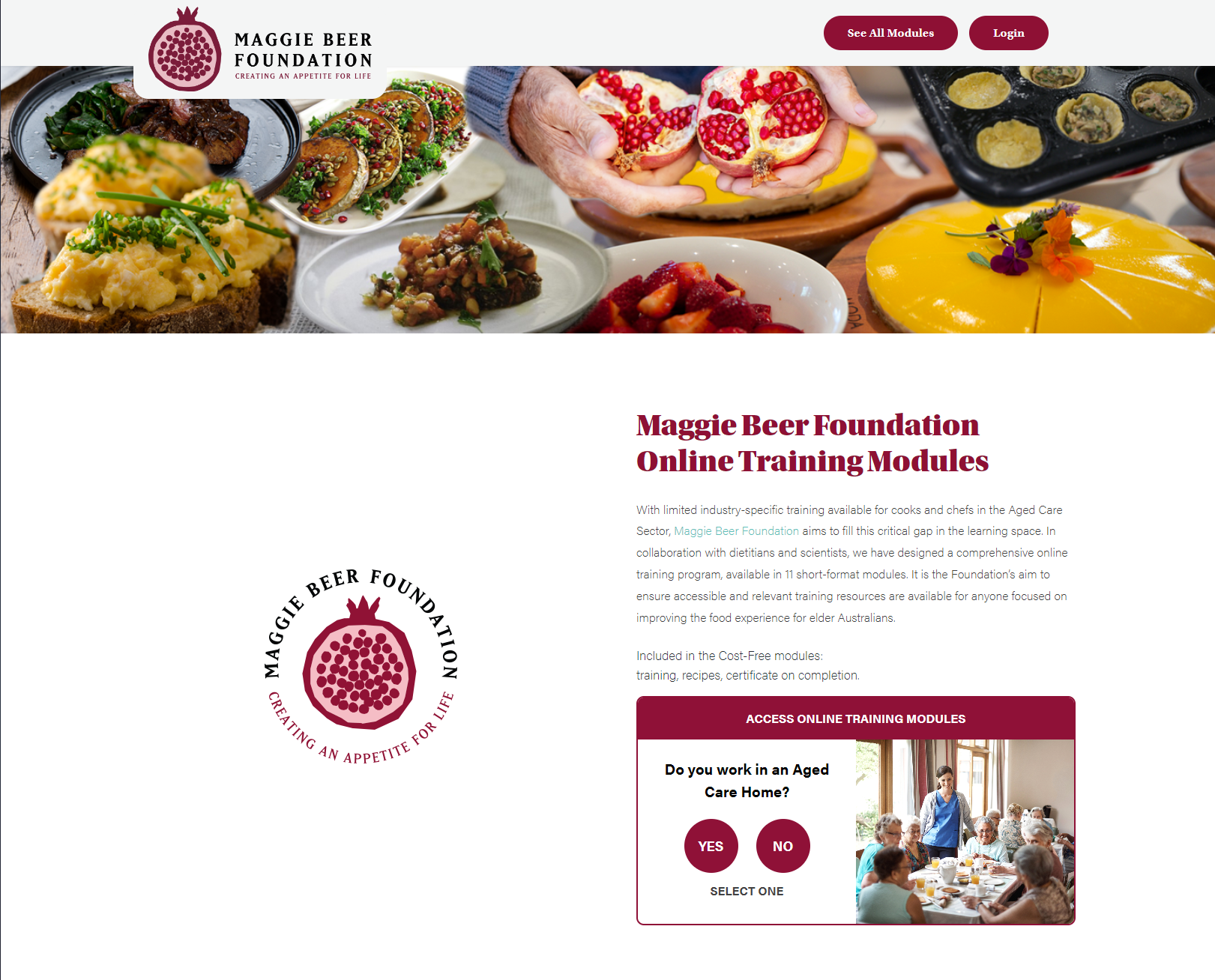
This resource offers free online training modules designed to improve food experiences for older people in aged care. The modules cover topics such as creating appetising meals, food presentation, and supporting nutrition and hydration. The program is intended for cooks, chefs, and aged care providers to enhance the quality of food service in care settings.

Author
External resource
Key Theme
Food and nutrition
Standard
6: Food and Nutrition
Outcomes
6.3: Provision of food and drinks, 6.2: Assessment of nutritional needs and preferences
Maggie Beer Foundation - Online Training Modules
/quality-standards/racgp-aged-care-clinical-guide-silver-book-part-b-anticipatory-care

RACGP aged care clinical guide (Silver Book) - Part B - Anticipatory care

Guidance
Last Updated

This guide outlines anticipatory care planning for older adults, focusing on proactive and person-centred approaches. It details triggers for care planning, identifying vulnerability, medication management, and the use of 'as needed' (PRN) medicines for various conditions like allergic reactions, asthma, diabetes, falls, and palliative care. It includes specific recommendations for developing individualised care plans and appropriate interventions for maintaining health and quality of life.

Author
External resource
Key Theme
Environment, Delivering comprehensive care and services, Assessment and planning, Care coordination and transitions, Delivering comprehensive care and services
Standard
5: Clinical Care, 3: The Care and Services, 4: The Environment
Outcomes
4.1a: Environment – services delivered in the individual’s home, 3.2: Delivery of funded aged care services, 5.4: Comprehensive care
RACGP aged care clinical guide (Silver Book) - Part B - Anticipatory care
/quality-standards/food-nutrition-and-dining-stand-discussion-notes

Food, nutrition and dining stand-up discussion notes

Presentations
Published date
Last Updated

This resource provides discussion notes to improve the food, nutrition, and dining experience in aged care settings. It includes reflective questions for corporate teams and care staff, focusing on governance, resident choice, oral health, and support for those with swallowing difficulties. The resource promotes continuous improvement and quality care through group discussions. This resource may refer to information that will be updated from 1 November 2025 to align with the new Aged Care Act and Quality Standards. 

Stand-up discussion notes  (DOCX  6.68 MB)
Author
Aged Care Quality & Safety Commission
Key Theme
Food and nutrition, Clinical safety
Standard
6: Food and Nutrition, 5: Clinical Care
Outcomes
5.5: Safety of clinical care services, 6.1: Partnering with individuals on food and drinks, 6.2: Assessment of nutritional needs and preferences, 6.3: Provision of food and drinks, 6.4: Dining experience
thumbnail image fnd stand-up discussion notes
/quality-standards/know-look-act-oral-pain-aged-care-staff-poster

KNOW, LOOK, ACT - Oral Pain aged care staff poster

Poster
Published date

This poster serves as a resource for aged care staff to recognise and respond to signs of oral pain in residents. It provides guidance on identifying mouth and tooth pain and taking appropriate action to address these issues. The poster is available for download and use in residential aged care settings. This resource may refer to information that will be updated from 1 November 2025 to align with the new Aged Care Act and Quality Standards. 


Author
Aged Care Quality & Safety Commission
Key Theme
Food and nutrition, Clinical safety
Standard
6: Food and Nutrition, 5: Clinical Care
Outcomes
6.2: Assessment of nutritional needs and preferences, 5.5: Safety of clinical care services
thumbnail - know look act oral pain poster
/quality-standards/ensuring-first-aid-capabilities-manage-choking-risk-residential-aged-care

Ensuring first aid capabilities to manage choking risk in residential aged care

Guidance

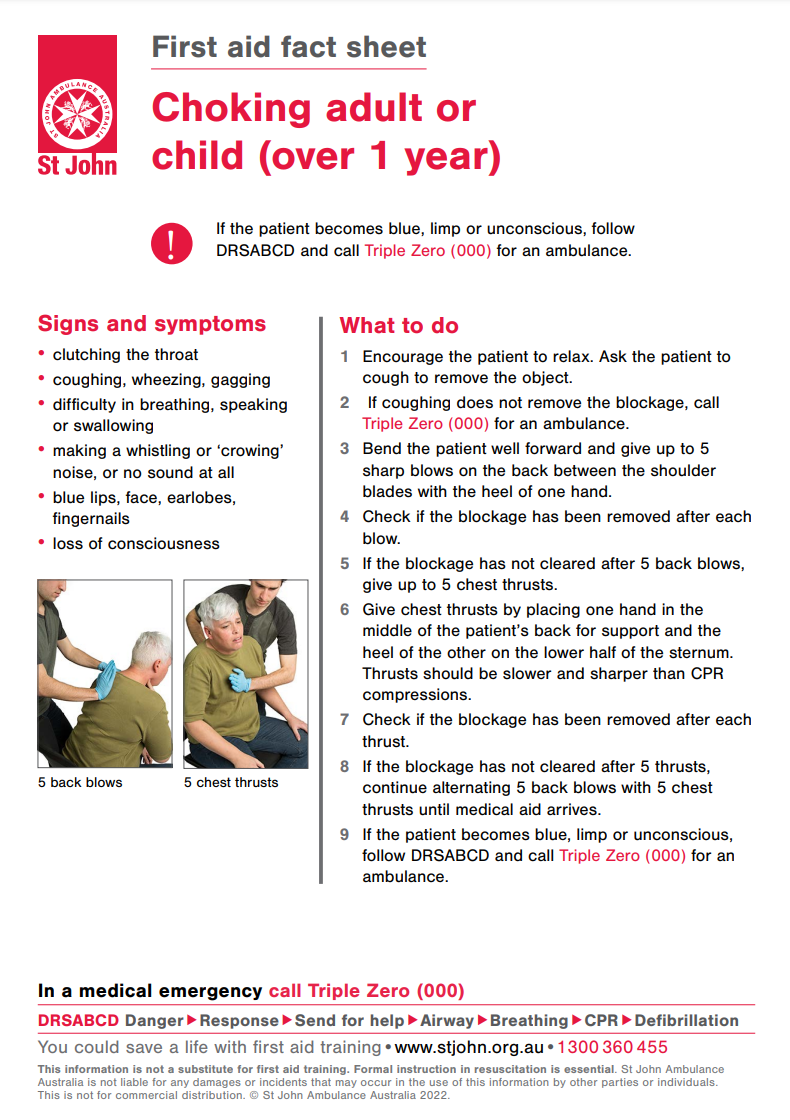
This page provides guidance for residential aged care services on managing choking risks. It advises 24/7 first aid capabilities, staff training on choking incidents, the use of suction devices, and understanding that advance care directives do not prevent the administering of first aid. The alert also recommends collaborating with speech pathologists, documenting discussions, and managing choking events through incident review and support. 

Author
Aged Care Quality & Safety Commission
Key Theme
Food and nutrition, Clinical safety
Standard
6: Food and Nutrition, 5: Clinical Care
Outcomes
6.2: Assessment of nutritional needs and preferences, 5.5: Safety of clinical care services
Ensuring first aid capabilities to manage choking risk in residential aged care
/quality-standards/dementia-enabling-environments

Dementia enabling environments

Guidance

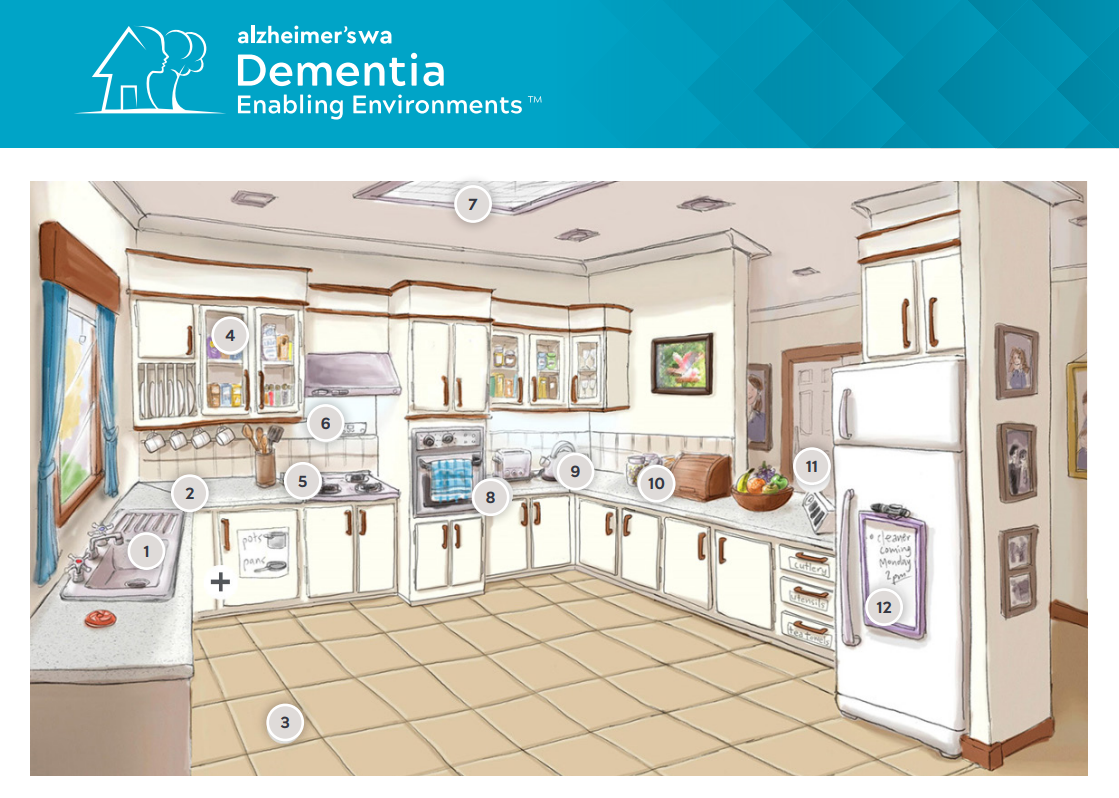
The Dementia Enabling Environments website, developed by Alzheimer's WA, provides guidance and resources to help create enabling environments for a person living with dementia. It includes design principles for different environment types, include home and residential aged care facilities.

This resource was developed by a state/territory government or organisation and therefore its applicability and usefulness may be limited.

Author
External resource
Key Theme
Delivering comprehensive care and services, Environment
Standard
4: The Environment, 5: Clinical Care
Outcomes
4.1a: Environment – services delivered in the individual’s home, 4.1b: Environment – services delivered other than in the individual’s home, 5.6 Cognitive impairment  
Dementia Enabling Environments
/quality-standards/food-nutrition-dining-information-providers

Food, nutrition & dining - information for providers

Guidance

This resource provides information and support for aged care providers to improve food, nutrition, and dining services. It includes guidance on meeting nutritional standards, promoting resident choice, and ensuring a positive dining experience. The resource also offers tools for monitoring food quality, addressing dietary needs, and enhancing overall meal service delivery. This resource may refer to information that will be updated from 1 July 2025 to align with the new Aged Care Act and Quality Standards. 

Author
Aged Care Quality & Safety Commission
Key Theme
Food and nutrition
Standard
6: Food and Nutrition
Outcomes
6.1: Partnering with individuals on food and drinks, 6.2: Assessment of nutritional needs and preferences, 6.3: Provision of food and drinks, 6.4: Dining experience
Food, nutrition & dining - information for providers
/quality-standards/food-nutrition-dining-information-workers

Food, nutrition & dining - information for workers

Guidance

This resource provides guidance for aged care workers on improving food, nutrition, and dining experiences for residents. It covers meal preparation, resident engagement in food choices, safe food handling, and the importance of nutrition in promoting wellbeing. The resource offers practical tips for ensuring meals meet individual dietary needs and preferences. This resource may refer to information that will be updated from 1 November 2025 to align with the new Aged Care Act and Quality Standards. 

Author
Aged Care Quality & Safety Commission
Key Theme
Food and nutrition
Standard
6: Food and Nutrition
Outcomes
6.1: Partnering with individuals on food and drinks, 6.2: Assessment of nutritional needs and preferences, 6.3: Provision of food and drinks, 6.4: Dining experience
Food, nutrition & dining - information for workers
/quality-standards/food-nutrition-and-dining-reflection-practice

Food, nutrition and dining: a reflection on practice

Guides, Presentations
Published date
Last Updated

This training PowerPoint is a presentation that trainers/managers can download, customise and use to promote discussion and educate their staff to support and improve the food, nutrition and dining experience of consumers in their care.

The resource is designed to support reflective discussions about what ‘best practice’ looks like and a reflection on how it applies in practice.  This resource may refer to information that will be updated from 1 November 2025 to align with the new Aged Care Act and Quality Standards.

Author
Aged Care Quality & Safety Commission
Key Theme
Food and nutrition, Clinical safety
Standard
6: Food and Nutrition, 5: Clinical Care
Outcomes
5.5: Safety of clinical care services, 6.1: Partnering with individuals on food and drinks, 6.2: Assessment of nutritional needs and preferences, 6.3: Provision of food and drinks, 6.4: Dining experience
PowerPoint thumbnail image FND training