The Quality Standards Resource Centre helps extend understanding of the strengthened Aged Care Quality Standards, which took effect from 1 November 2025. You can search for resources by using keywords, or filtering by standard, outcome and audience. Before using the Resource Centre, please read the terms of use.
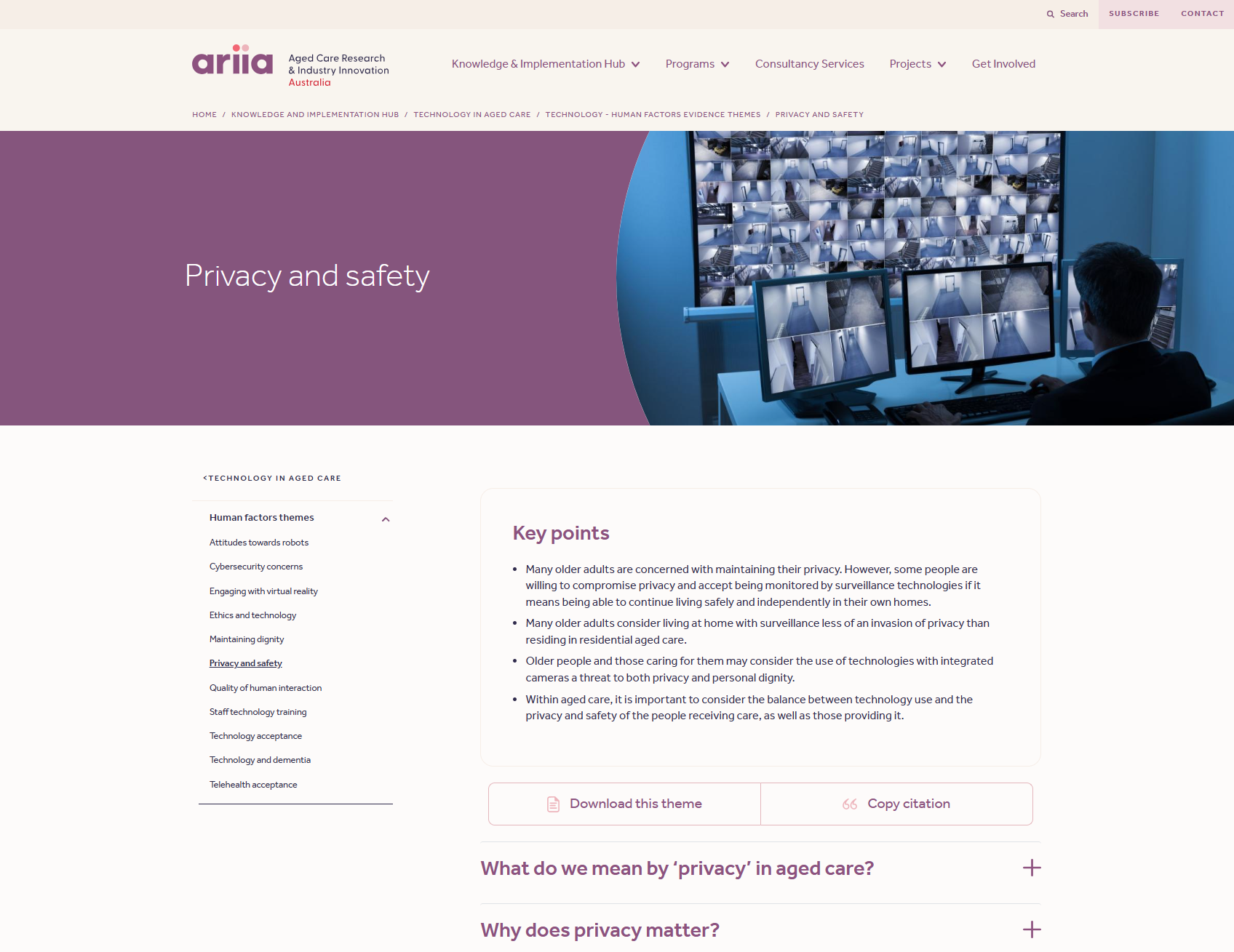
Privacy and safety
This resource addresses balancing privacy and safety for older people using technology in aged care. It highlights the importance of making sure surveillance technology supports independent living while respecting personal dignity, and it explores considerations for safety and privacy in care settings.
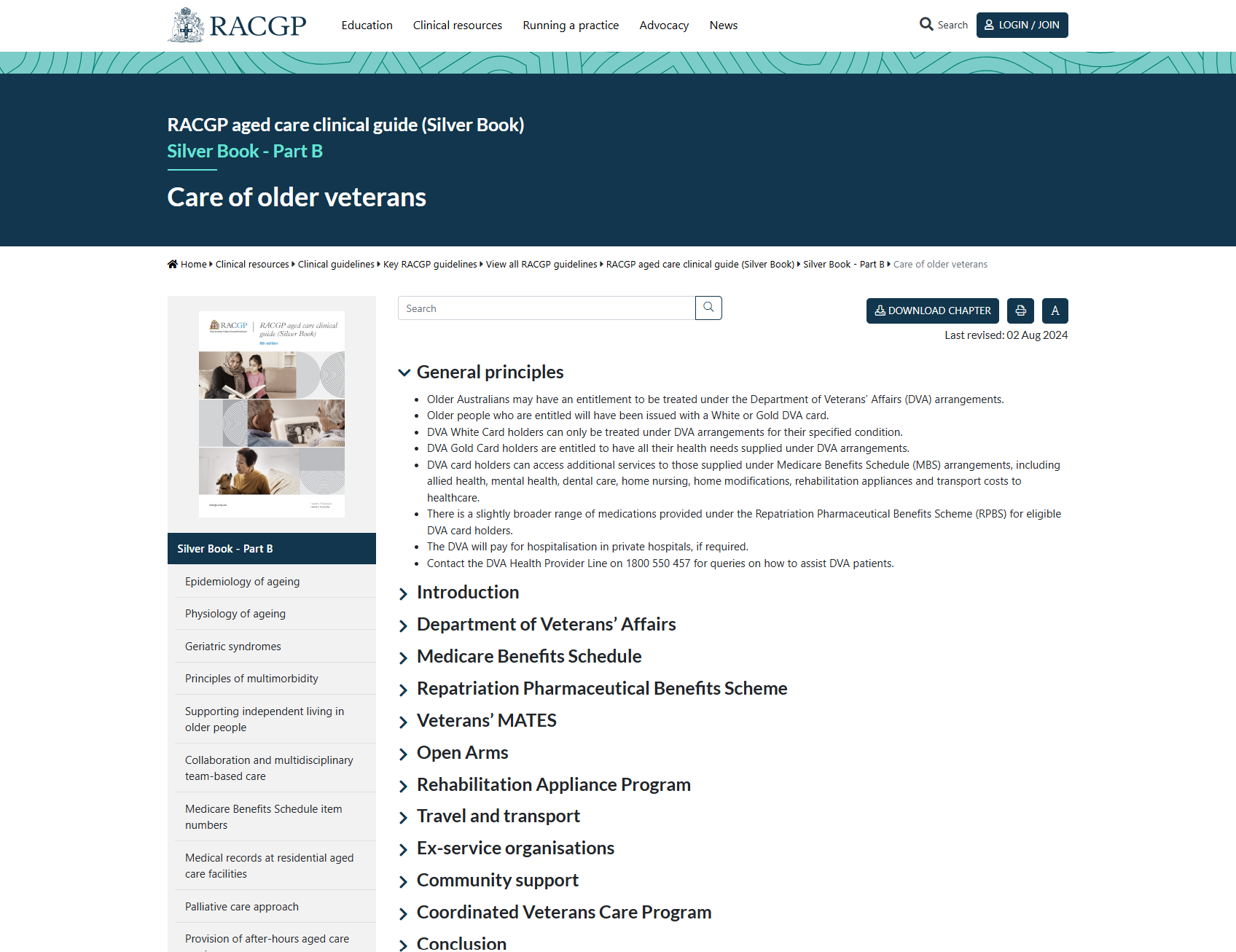
RACGP aged care clinical guide (Silver Book) - Part B - Care of older veterans
This resource provides guidelines on caring for older veterans, focusing on areas such as multimorbidity, medication management, and palliative care. It highlights unique healthcare entitlements and support structures available to veterans, supporting aged care providers in delivering comprehensive, person-centred care.
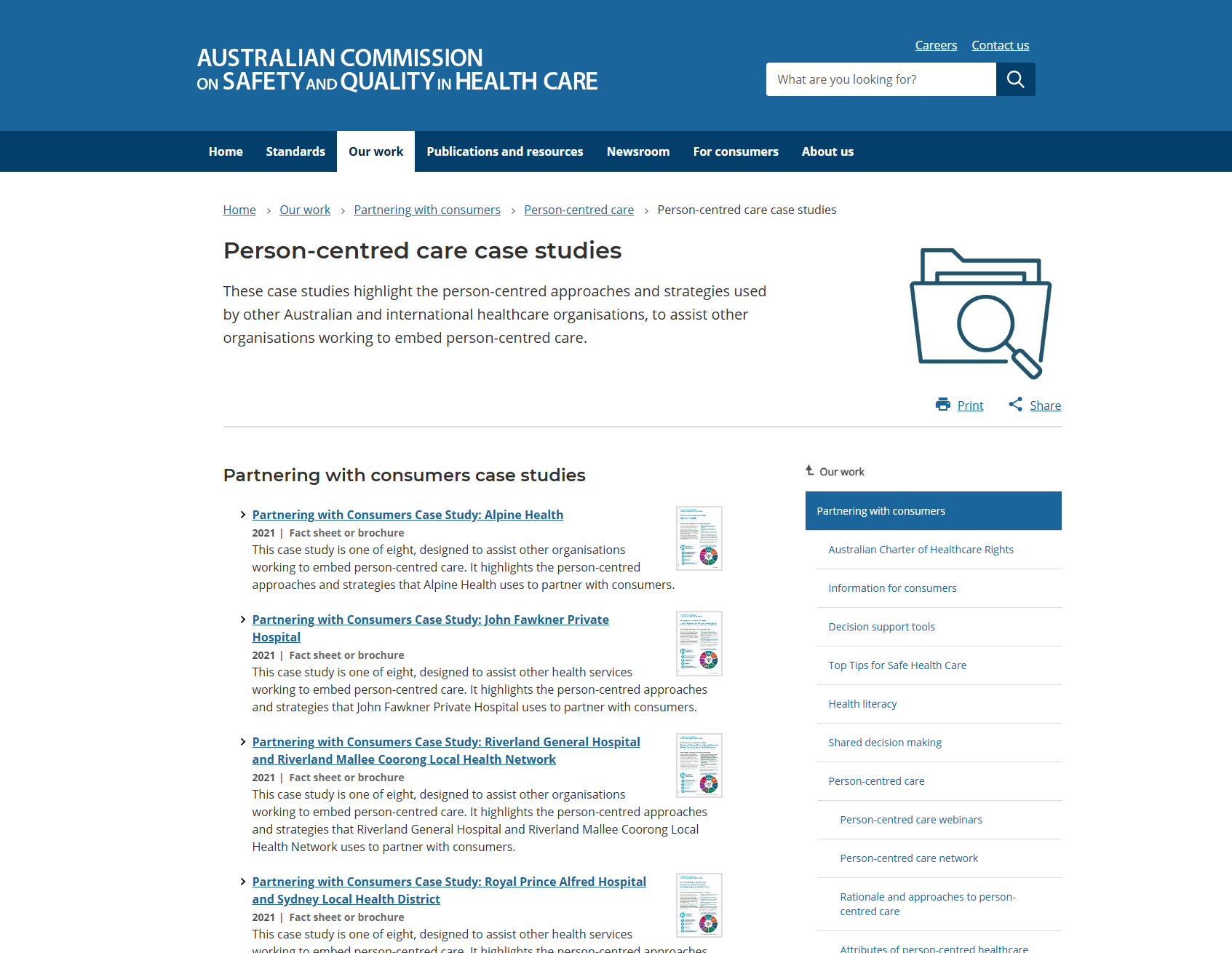
Person-centred care case studies
This resource provides case studies on person-centred care approaches used by Australian and international healthcare organisations. It highlights strategies for engaging and partnering with consumers, offering guidance to organisations aiming to implement person-centred practices. Providers can be explored and consider aspects applicable in the aged care setting. This resource may apply to healthcare contexts outside of aged care. Please consider the applicability of this resource to your care setting.
Why meals matter
This resource highlights the importance of meals in aged care settings, focusing on nutritional needs, dining experience, and personal preferences. It addresses issues like malnutrition, dehydration, and food choice, linking them to resident wellbeing, autonomy, and satisfaction. It also suggests strategies such as person-centred dining, meal service innovations, and improved environmental factors to enhance mealtime experiences in residential aged care.
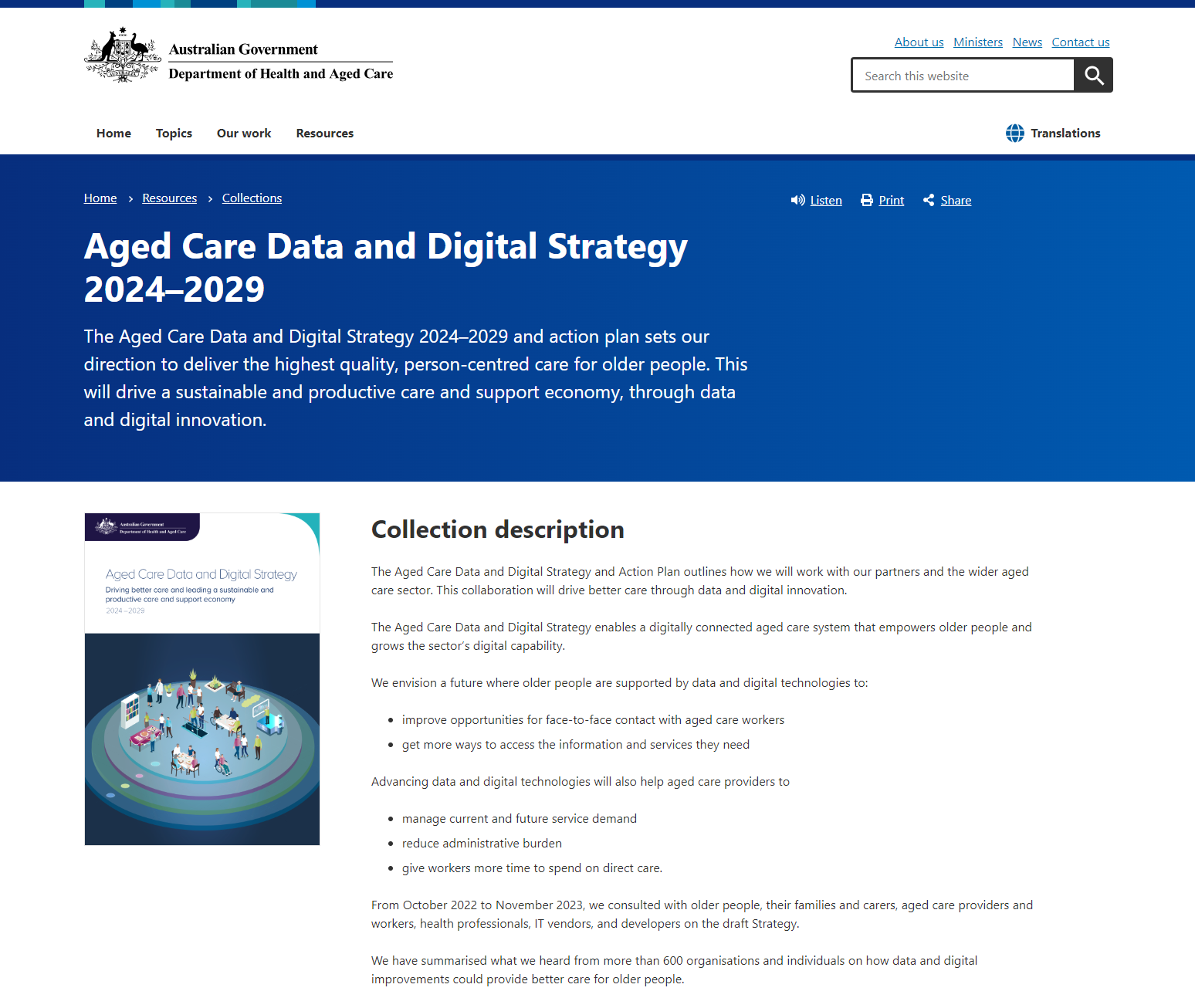
Aged Care Data and Digital Strategy 2024–2029
The Aged Care Data and Digital Strategy 2024–2029 outlines a framework for leveraging data and digital innovation to improve aged care services. It focuses on enhancing care delivery, reducing administrative burdens, and empowering older people through better access to information and services. The strategy supports collaboration across the aged care sector and promotes continual improvement through digital transformation.
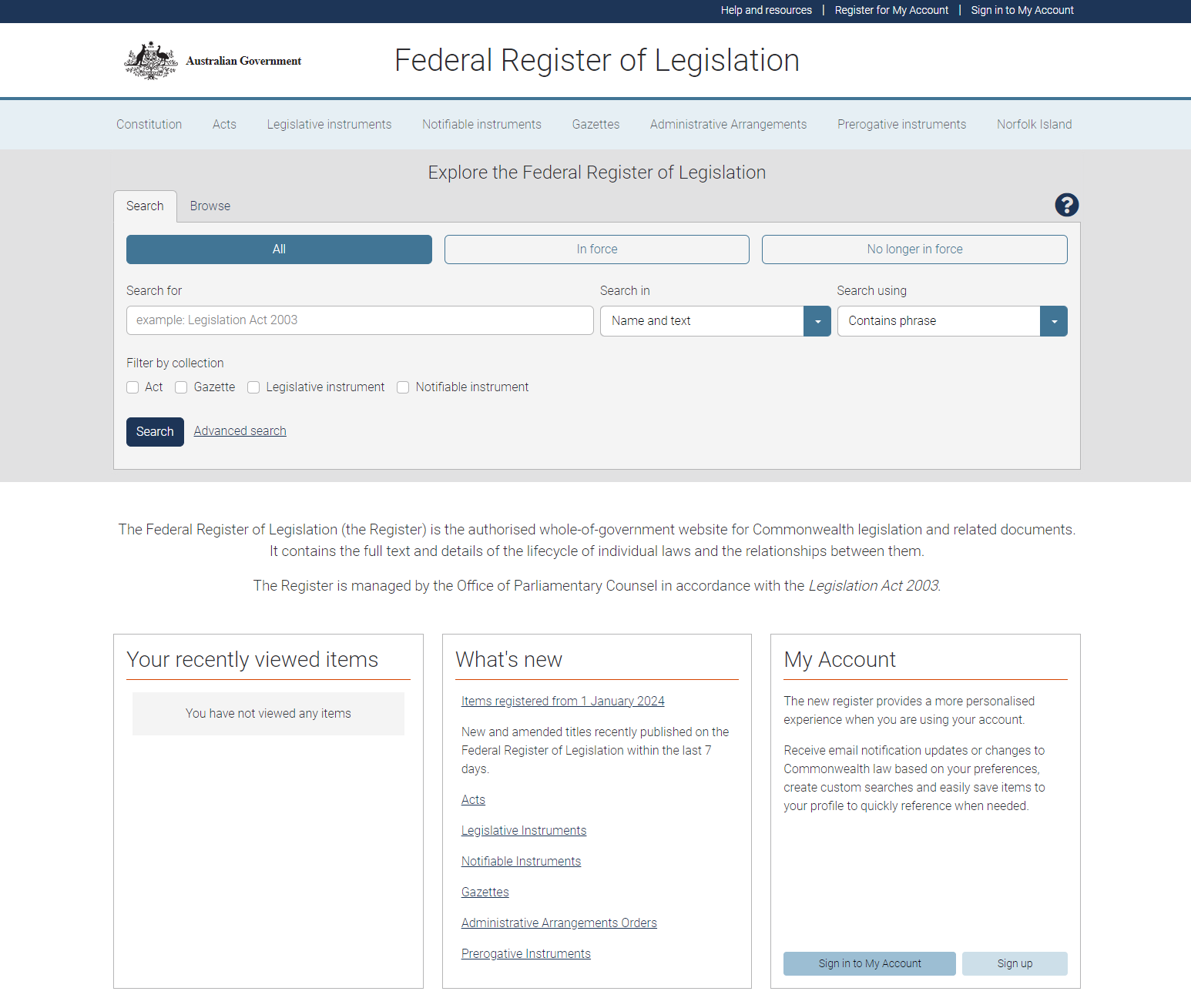
Aged care legislation
This resource is the Federal Register of Legislation, an authorised platform for accessing Commonwealth legislation and related documents. It provides the full text of laws, amendments, and instruments, along with the lifecycle of each. It allows users to search, browse, and receive updates on legal developments, ensuring aged care providers stay compliant with legislative requirements.
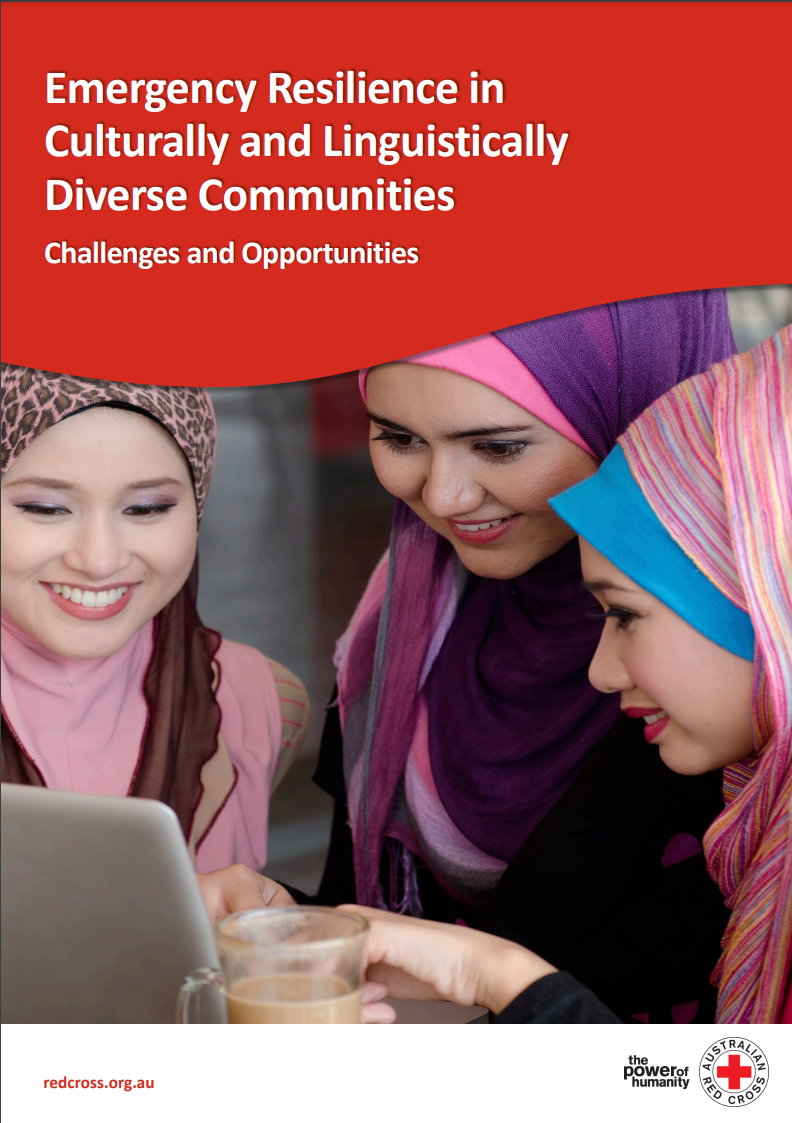
Emergency Resilience in Culturally and Linguistically Diverse Communities
This resource provides insight into the resilience of culturally and linguistically diverse (CALD) communities in the face of emergencies and disasters. It explores key challenges and opportunities for enhancing resilience, such as the impact of migration, social capital, and communication barriers. It aims to equip stakeholders with actionable strategies to support resilience within these communities during crises.
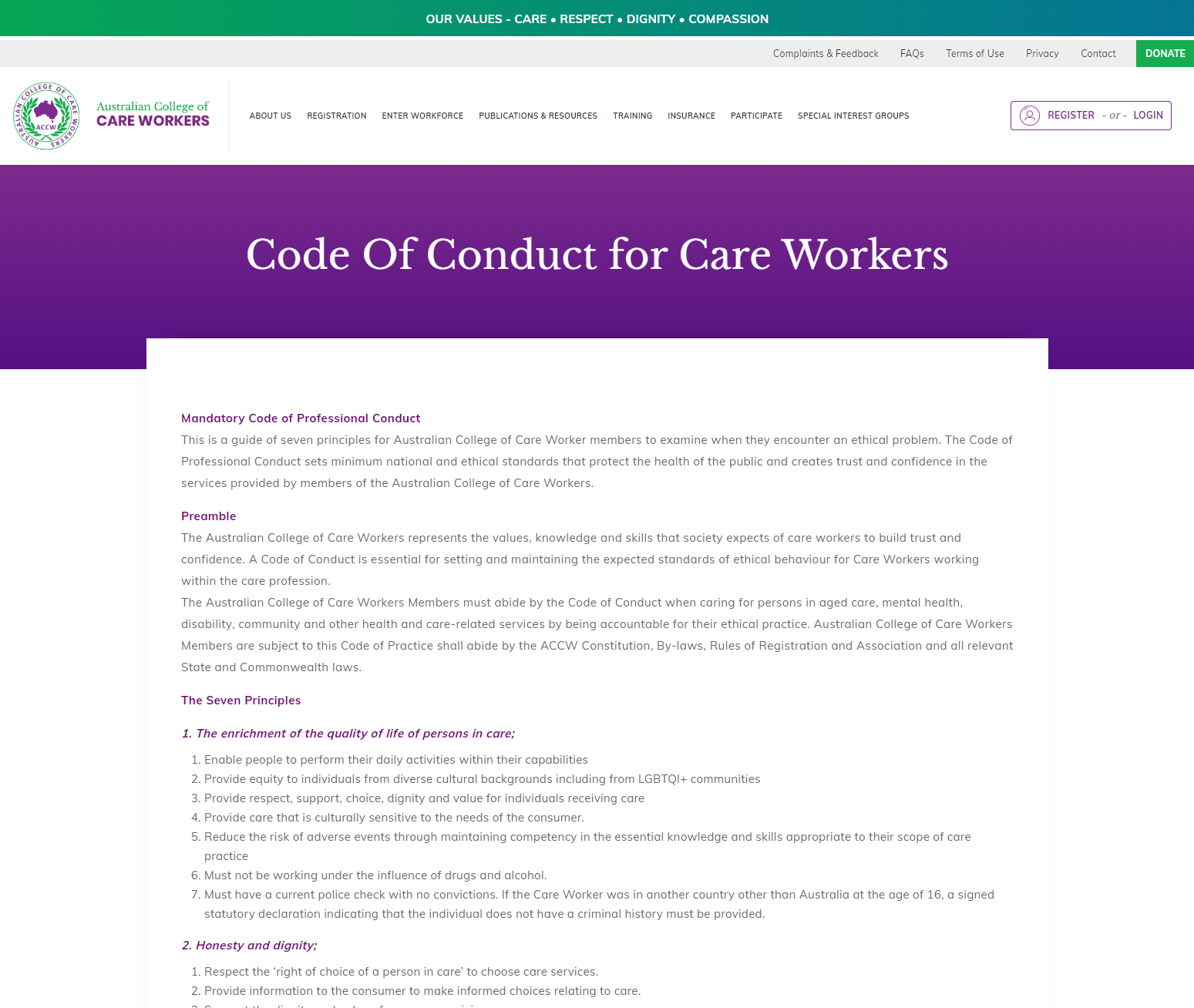
Australian College of Care Workers - Code of Conduct for Care Workers
This resource outlines the Code of Conduct for members of the Australian College of Care Workers. It includes 7 key principles that ensure care workers provide safe, ethical, and respectful care. The Code sets minimum standards for professionalism, accountability, and respect for people receiving care, promoting integrity and competency within the profession.
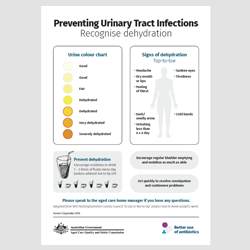
Preventing urinary tract infections: recognise dehydration poster
This provider poster is an educational tool is part of the Commission’s resource bundle to improve antibiotic use for urinary tract infections in aged care services.
 Preventing urinary tract infections (English) (PDF 268.48 KB)
Arabic - الوقاية من التهابات المسالك البولية (PDF 247.14 KB)
Chinese Simplified - 预防尿路感染 (PDF 379.59 KB)
Chinese Traditional - 預防尿路感染 (PDF 214.94 KB)
Croatian - Sprječavanje infekcija mokraćnog sustava (PDF 216.87 KB)
Dari - جلوگیری از عفونتهای مجاری ادراری (PDF 226.51 KB)
Dinka - Pɛ̈n Tuany ë lɛc (PDF 200.17 KB)
Farsi - پیشگیری از عفونت های مجاری ادرار (PDF 224.74 KB)
French - Prévention des infections urinaires (PDF 202.22 KB)
Greek - Πρόληψη Ουρολοιμώξεων (PDF 190.09 KB)
Indonesian - Mencegah Infeksi Saluran Kemih (PDF 200.34 KB)
Italian - Prevenzione delle infezioni del tratto urinario (PDF 200.45 KB)
Khmer - Preventing Urinary Tract Infections (PDF 208.03 KB)
Korean - 요로 감염 예방 (PDF 205.57 KB)
Pashto - د ادرارو د الرې د انتاناتو مخنیوی (PDF 225.71 KB)
Punjabi - ਪਿਸ਼਼ਾਬ ਨਾਲੀ ਦੀਆਂ ਲਾਗਾਂ ਦੀ ਰੋਕਥਾਮ ਕਰਨਾ (PDF 195.34 KB)
Somali - Ka hortaga Caabuqa Goobta Kaadi mareenka (PDF 211.32 KB)
Spanish - Prevención de las Infecciones del Tracto Urinario (PDF 201.38 KB)
Thai - การป้้องกัันโรคติิดเชื้้อในทางเดิินปััสสาวะ (PDF 202.81 KB)
Tamil - சிறுநீர்ப் பாதைத் தொொற்றுகளைத் தடுத்்தல (PDF 208.2 KB)
Turkish - İdrar Yolu Enfeksiyonlarının Önlenmesi (PDF 204.55 KB)
Urdu - پیشاب کے نظام میں انفیکشنوں کی روک تھام (PDF 228.26 KB)
Vietnamese - Đề phòng Nhiễm trùng đường Tiết niệu (PDF 193.49 KB)
Preventing urinary tract infections (English) (PDF 268.48 KB)
Arabic - الوقاية من التهابات المسالك البولية (PDF 247.14 KB)
Chinese Simplified - 预防尿路感染 (PDF 379.59 KB)
Chinese Traditional - 預防尿路感染 (PDF 214.94 KB)
Croatian - Sprječavanje infekcija mokraćnog sustava (PDF 216.87 KB)
Dari - جلوگیری از عفونتهای مجاری ادراری (PDF 226.51 KB)
Dinka - Pɛ̈n Tuany ë lɛc (PDF 200.17 KB)
Farsi - پیشگیری از عفونت های مجاری ادرار (PDF 224.74 KB)
French - Prévention des infections urinaires (PDF 202.22 KB)
Greek - Πρόληψη Ουρολοιμώξεων (PDF 190.09 KB)
Indonesian - Mencegah Infeksi Saluran Kemih (PDF 200.34 KB)
Italian - Prevenzione delle infezioni del tratto urinario (PDF 200.45 KB)
Khmer - Preventing Urinary Tract Infections (PDF 208.03 KB)
Korean - 요로 감염 예방 (PDF 205.57 KB)
Pashto - د ادرارو د الرې د انتاناتو مخنیوی (PDF 225.71 KB)
Punjabi - ਪਿਸ਼਼ਾਬ ਨਾਲੀ ਦੀਆਂ ਲਾਗਾਂ ਦੀ ਰੋਕਥਾਮ ਕਰਨਾ (PDF 195.34 KB)
Somali - Ka hortaga Caabuqa Goobta Kaadi mareenka (PDF 211.32 KB)
Spanish - Prevención de las Infecciones del Tracto Urinario (PDF 201.38 KB)
Thai - การป้้องกัันโรคติิดเชื้้อในทางเดิินปััสสาวะ (PDF 202.81 KB)
Tamil - சிறுநீர்ப் பாதைத் தொொற்றுகளைத் தடுத்்தல (PDF 208.2 KB)
Turkish - İdrar Yolu Enfeksiyonlarının Önlenmesi (PDF 204.55 KB)
Urdu - پیشاب کے نظام میں انفیکشنوں کی روک تھام (PDF 228.26 KB)
Vietnamese - Đề phòng Nhiễm trùng đường Tiết niệu (PDF 193.49 KB)
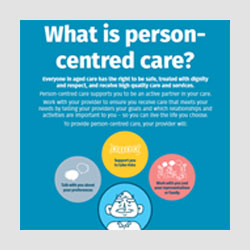
Person-centred care consumer resources
The poster and video will support you in understanding person-centred care.
A3 poster — What is person-centred care? (PDF 1.04 MB)
Consumer guide — What is person-centred care? (PDF 1.79 MB)
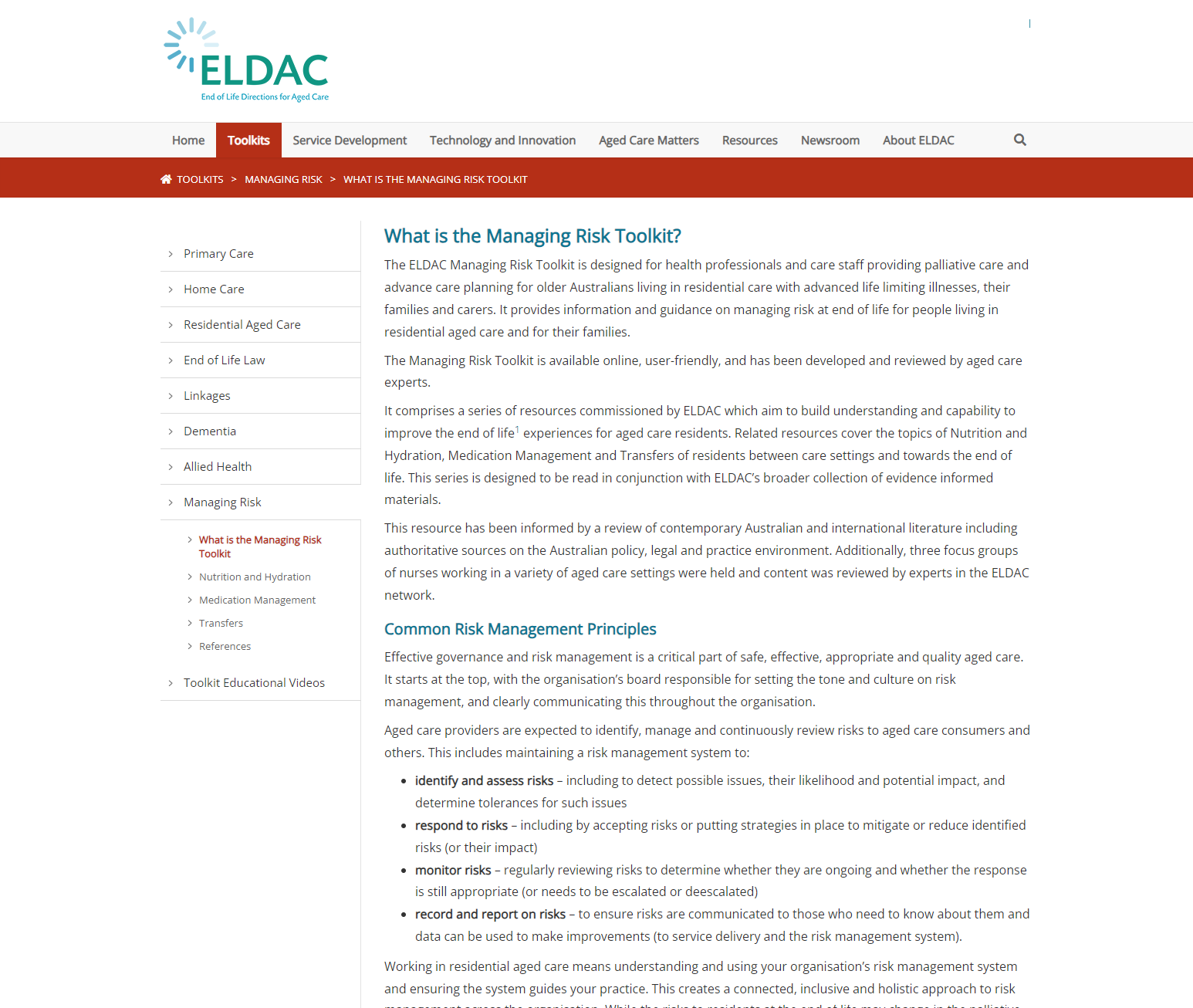
ELDAC Managing Risk Toolkit
This resource provides the Managing Risk Toolkit designed for health professionals and care staff involved in palliative care and advance care planning for older people in residential care. It offers guidance on managing risks in areas such as nutrition, hydration, medication management, and care transitions at the end of life. The toolkit includes fact sheets, practical tips, and downloadable materials to support safe, effective care.
Mental health tips for aged care workers and managers
This resource provides mental health tips for aged care workers and managers during the COVID-19 pandemic. It includes strategies to manage stress, anxiety, and overall mental wellbeing. The resource offers evidence-based advice on recognising when extra support is needed and how to maintain mental health, helping aged care staff navigate challenging times effectively.
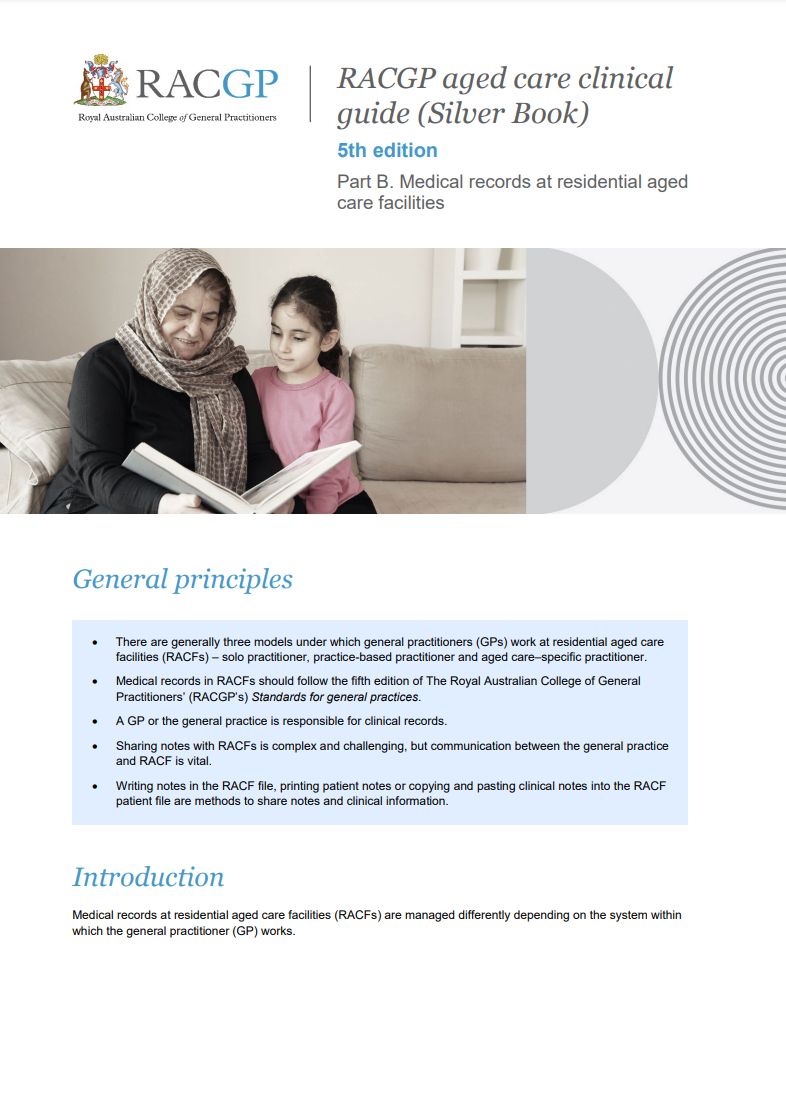
What is dignity of risk? consumer resources
The Commission has developed a number of resources to help aged care consumers understand what dignity of risk is and what actions you should expect from your provider. The dignity of risk is another way of saying you have the right to live the life you choose.
A3 poster — What is dignity of risk? (PDF 351.01 KB)
A4 guide — What is dignity of risk? (PDF 404.72 KB)
To Dip or Not to Dip - Implementation Guide for Nurse and Pharmacist Champions
To Dip or Not to Dip (TDONTD) is a quality improvement intervention successfully implemented in UK and Australian aged care homes to improve UTI assessment and antibiotic prescribing appropriateness.
This implementation guide has been drawn from the experiences of homes and champions who have implemented TDONTD, along with feedback from aged care nurses and personal care assistants who have used TDONTD resources.

Hand Hygiene - Helping others with hand hygiene
Infection prevention and control helps to stop the spread of germs like bacteria and viruses that cause respiratory infections and gastroenteritis. Hand hygiene is a very important part of this.
In this video you will learn how to clean another person's hands.
Your role in infection prevention and control when visiting an aged care service
Infection prevention and control, also known as IPC, are the steps and processes that people can use to reduce the spread of harmful germs and bacteria.
People who visit aged care services can help support IPC processes.
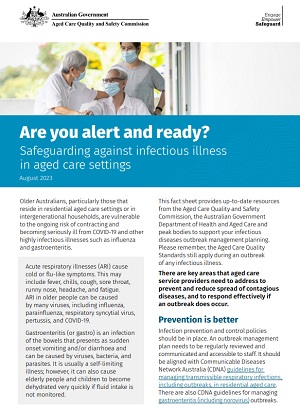
Are you alert and ready? Safeguarding against infectious illness in aged care settings
Older Australians, particularly those that reside in residential aged care settings or in multigenerational households, are vulnerable to the ongoing risk of contracting and becoming seriously ill from COVID-19 and other highly infectious illnesses such as influenza and gastroenteritis.
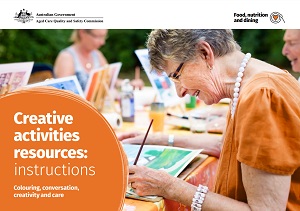
Colouring, conversation, creativity and care
These colouring resources have been designed specifically for the Aged Care Quality and Safety Commission with the intention of providing a multifaceted creative experience for older Australians living in residential or home aged care settings, and for the people who care for them.
fnd-colouring-resources-engagement-pages.pdf (PDF 1.72 MB)
fnd-colouring-resources-instructions.pdf (PDF 3.86 MB)
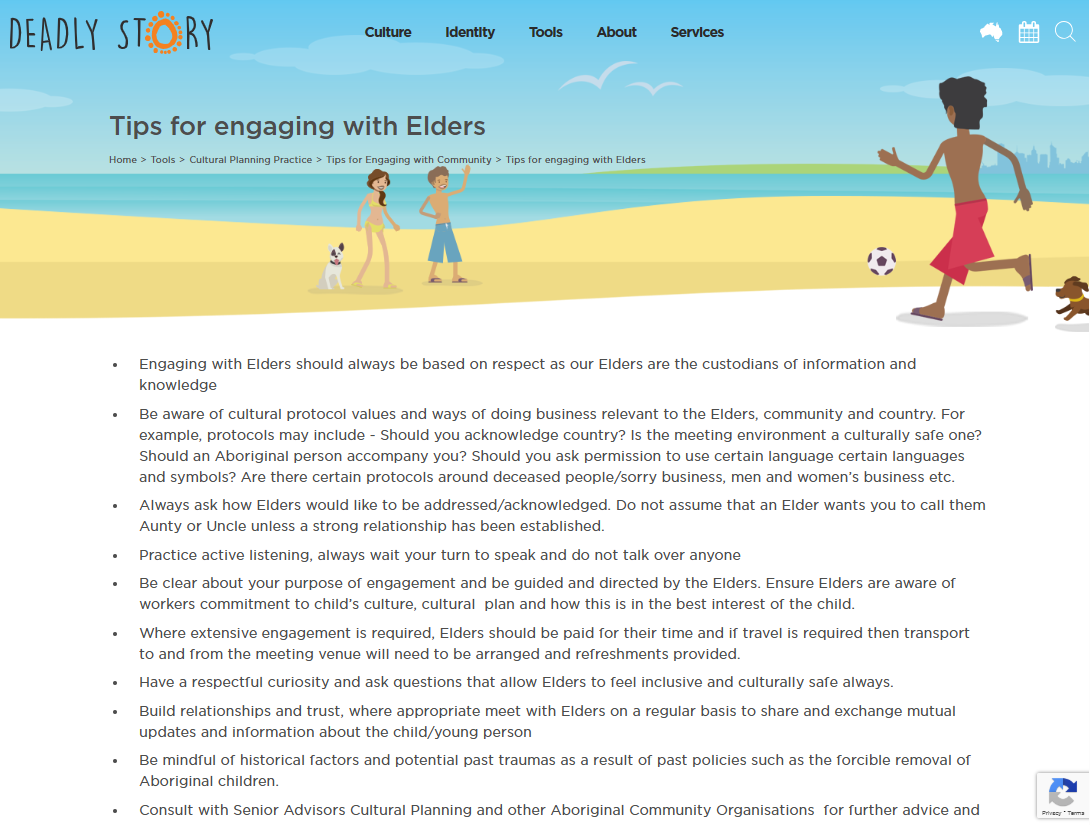
Tips for engaging with Elders
This resource provides tips for engaging with Elders from Aboriginal communities. It includes practical advice for communicating and engaging in a respectful way, with a focus on awareness and understanding of the person and their community.
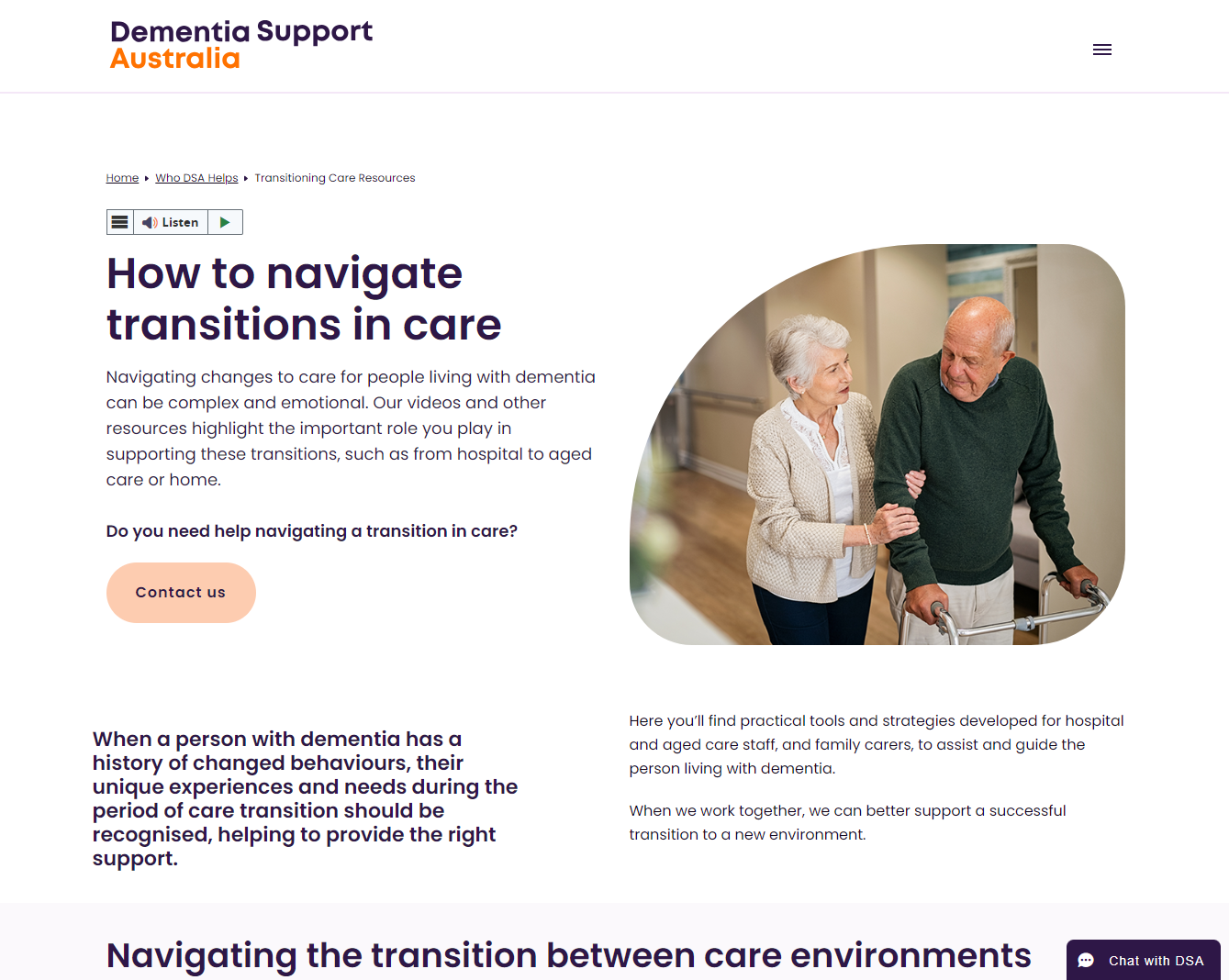
How to navigate transitions in care
This resource offers tools and strategies for navigating care transitions for people living with dementia. It provides support to hospital, aged care staff, and family carers, ensuring that the unique needs of those with dementia are met during transitions, such as moving from hospital to aged care or home.