The Quality Standards Resource Centre helps extend understanding of the strengthened Aged Care Quality Standards, which took effect from 1 November 2025. You can search for resources by using keywords, or filtering by standard, outcome and audience. Before using the Resource Centre, please read the terms of use.
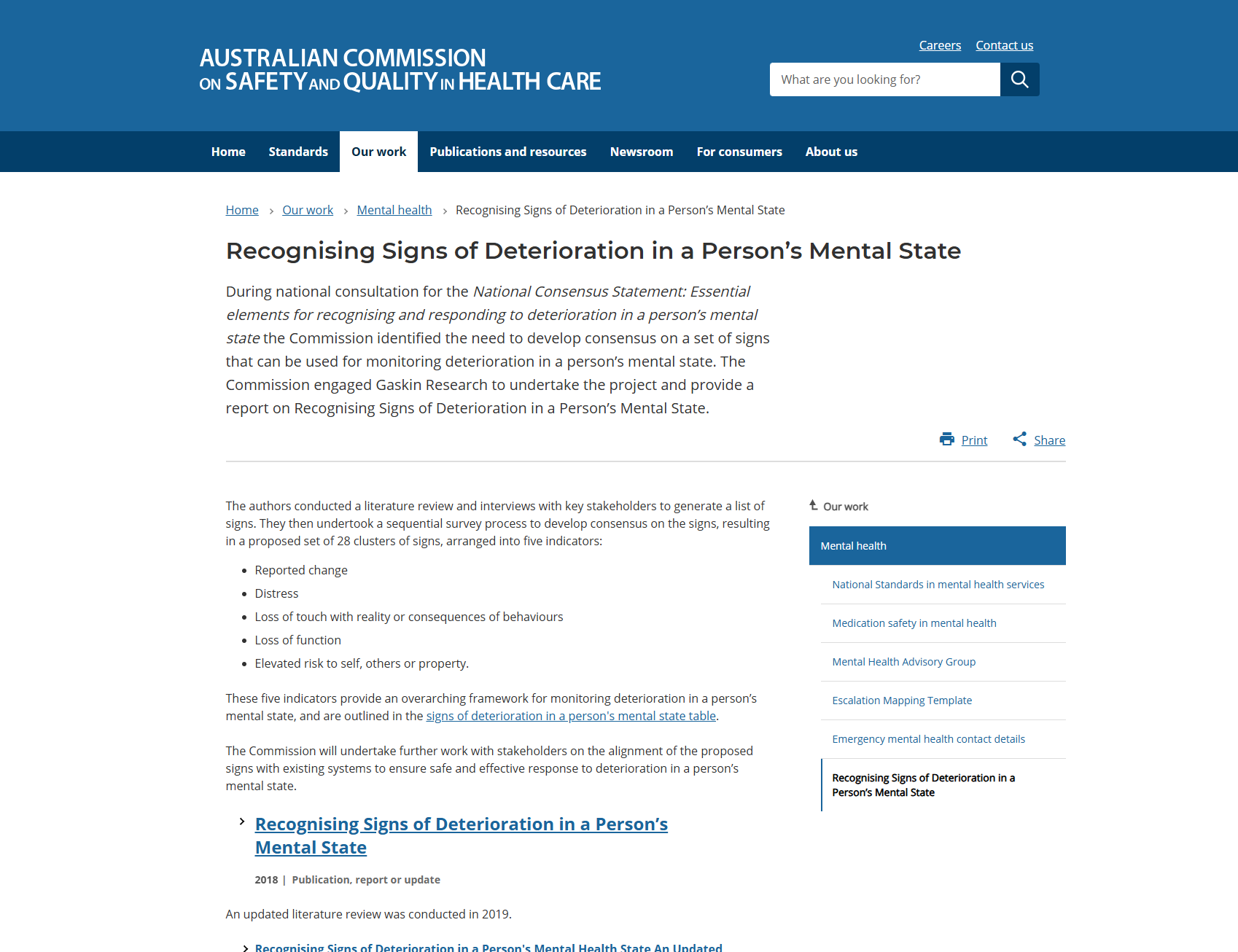
Recognising Signs of Deterioration in a Person’s Mental State
This resource provides a framework for recognising signs of mental state deterioration, organised into 5 key indicators: reported change, distress, loss of reality, loss of function, and elevated risk. It supports healthcare providers in monitoring mental health changes to enable timely and effective responses across care settings. This resource may apply to healthcare contexts outside of aged care. Please consider the applicability of this resource to your care setting.
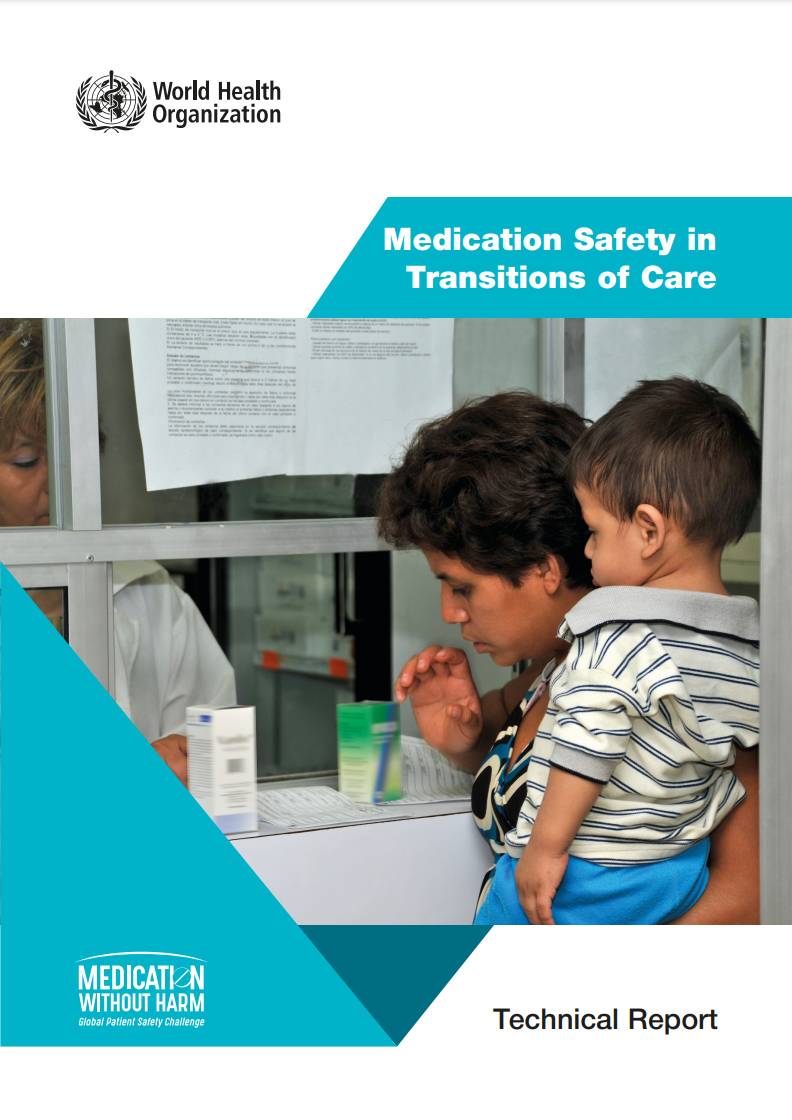
Medication safety in transitions of care: technical report
This resource outlines key actions to improve medication safety during transitions of care, focusing on reducing medication discrepancies and patient harm. It emphasises structured reconciliation, workforce training, patient engagement, and enhanced information systems.
This resource was developed internationally and therefore its applicability and usefulness may be limited.
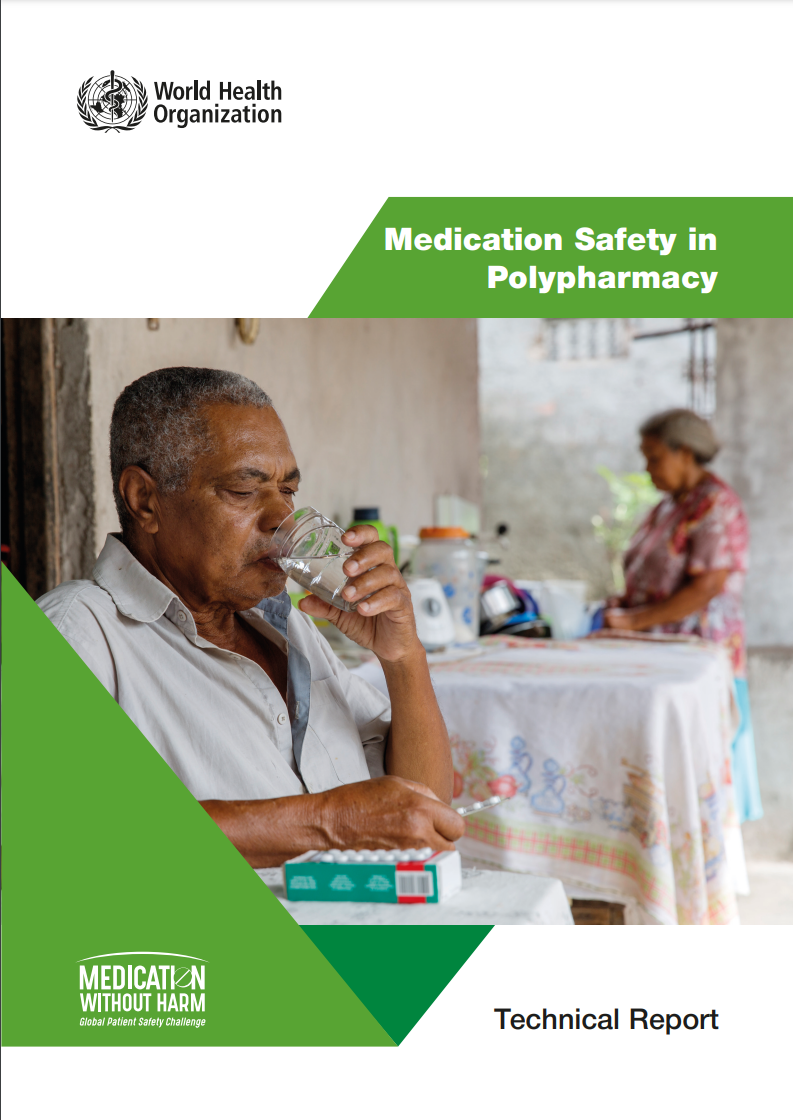
Medication safety in polypharmacy: technical report
This resource provides guidance on safe medication management in polypharmacy, focusing on patient-centred approaches, team collaboration, and systematic reviews for people with long-term conditions. It includes tools and case studies to support health professionals.
This resource was developed internationally and therefore its applicability and usefulness may be limited.
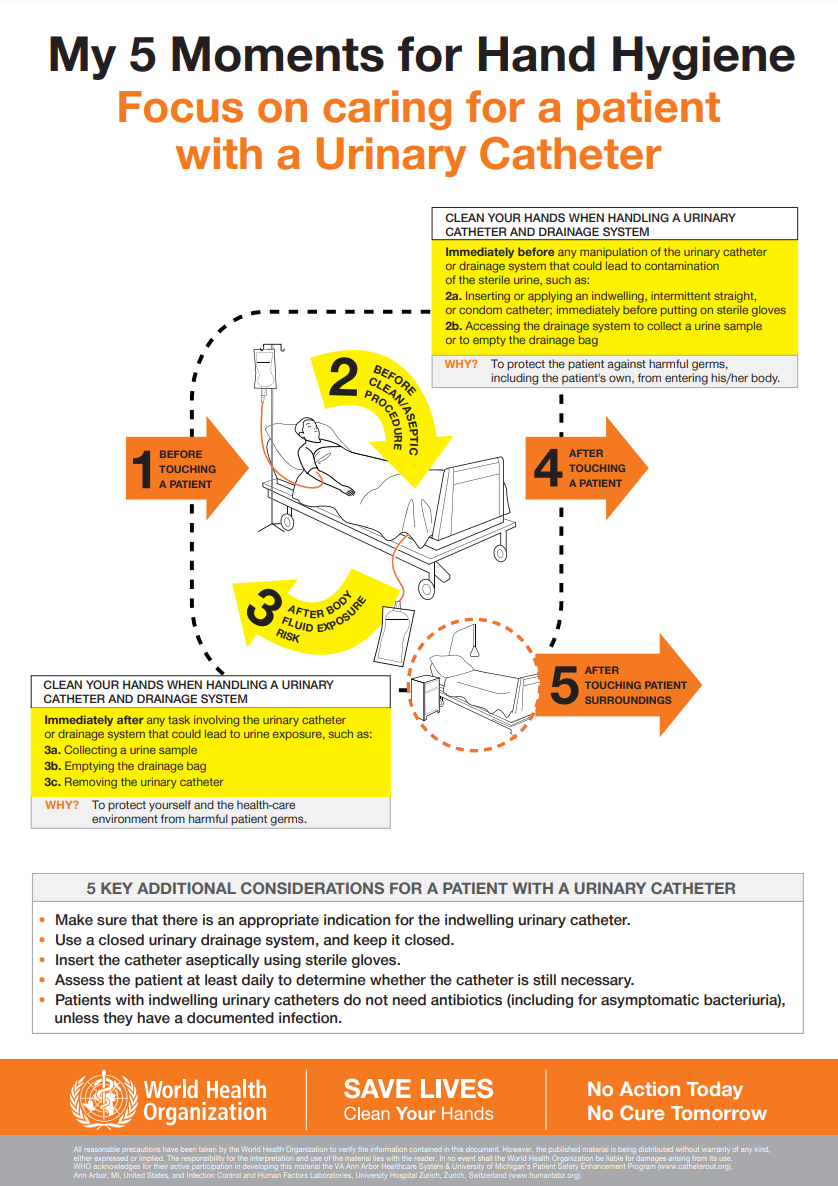
My 5 moments for hand hygiene: focus on caring for a patient with a urinary catheter
This resource outlines the ‘5 Moments for Hand Hygiene’ with specific considerations for patients with urinary catheters, aiming to minimise infection risks. It provides steps for appropriate hand hygiene before and after touching the patient, performing aseptic procedures, and handling catheter equipment.
This resource was developed internationally and therefore its applicability and usefulness may be limited.
Communication Matters
This You Tube video emphasises the importance of communication for people in aged care, especially those with impairments. It advocates using varied methods, such as gestures and expressions, to make sure everyone can connect meaningfully, supporting dignity and autonomy.

Translated resources on sexually transmissible infections
This resource provides translated videos, fact sheets, and posters from the Beforeplay campaign to educate multicultural communities about sexually transmissible infections (STIs). It promotes STI testing, safe sex practices, and includes materials in multiple languages to improve accessibility and encourage conversations around sexual health.
Standard and transmission-based precautions posters
This resource includes posters outlining standard and transmission-based precautions for infection control. It provides guidance on preventing healthcare-associated infections through hand hygiene, appropriate use of personal protective equipment (PPE), and environmental cleaning. These posters support staff in implementing best practices for infection prevention across care settings, including aged care facilities.
Resources on sexually transmissible infections
This resource offers materials from the Beforeplay campaign to raise awareness about sexually transmissible infections (STIs). It provides videos, fact sheets, and posters aimed at educating people on STI prevention, testing, and protection, with tailored resources for various groups including young people, couples, and healthcare professionals.
Dementia information for multicultural communities
This resource provides dementia information and resources for multicultural communities, offering animations, videos, and materials in multiple languages. It aims to improve understanding of dementia and its prevention in diverse cultural groups, supporting awareness and early intervention.
This resource may apply to healthcare contexts outside of aged care. Please consider the applicability of this resource to your care setting.
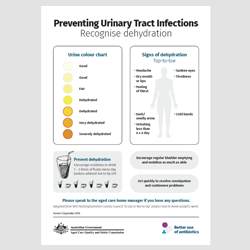
Preventing urinary tract infections: recognise dehydration poster
This provider poster is an educational tool is part of the Commission’s resource bundle to improve antibiotic use for urinary tract infections in aged care services.
 Preventing urinary tract infections (English) (PDF 268.48 KB)
Arabic - الوقاية من التهابات المسالك البولية (PDF 247.14 KB)
Chinese Simplified - 预防尿路感染 (PDF 379.59 KB)
Chinese Traditional - 預防尿路感染 (PDF 214.94 KB)
Croatian - Sprječavanje infekcija mokraćnog sustava (PDF 216.87 KB)
Dari - جلوگیری از عفونتهای مجاری ادراری (PDF 226.51 KB)
Dinka - Pɛ̈n Tuany ë lɛc (PDF 200.17 KB)
Farsi - پیشگیری از عفونت های مجاری ادرار (PDF 224.74 KB)
French - Prévention des infections urinaires (PDF 202.22 KB)
Greek - Πρόληψη Ουρολοιμώξεων (PDF 190.09 KB)
Indonesian - Mencegah Infeksi Saluran Kemih (PDF 200.34 KB)
Italian - Prevenzione delle infezioni del tratto urinario (PDF 200.45 KB)
Khmer - Preventing Urinary Tract Infections (PDF 208.03 KB)
Korean - 요로 감염 예방 (PDF 205.57 KB)
Pashto - د ادرارو د الرې د انتاناتو مخنیوی (PDF 225.71 KB)
Punjabi - ਪਿਸ਼਼ਾਬ ਨਾਲੀ ਦੀਆਂ ਲਾਗਾਂ ਦੀ ਰੋਕਥਾਮ ਕਰਨਾ (PDF 195.34 KB)
Somali - Ka hortaga Caabuqa Goobta Kaadi mareenka (PDF 211.32 KB)
Spanish - Prevención de las Infecciones del Tracto Urinario (PDF 201.38 KB)
Thai - การป้้องกัันโรคติิดเชื้้อในทางเดิินปััสสาวะ (PDF 202.81 KB)
Tamil - சிறுநீர்ப் பாதைத் தொொற்றுகளைத் தடுத்்தல (PDF 208.2 KB)
Turkish - İdrar Yolu Enfeksiyonlarının Önlenmesi (PDF 204.55 KB)
Urdu - پیشاب کے نظام میں انفیکشنوں کی روک تھام (PDF 228.26 KB)
Vietnamese - Đề phòng Nhiễm trùng đường Tiết niệu (PDF 193.49 KB)
Preventing urinary tract infections (English) (PDF 268.48 KB)
Arabic - الوقاية من التهابات المسالك البولية (PDF 247.14 KB)
Chinese Simplified - 预防尿路感染 (PDF 379.59 KB)
Chinese Traditional - 預防尿路感染 (PDF 214.94 KB)
Croatian - Sprječavanje infekcija mokraćnog sustava (PDF 216.87 KB)
Dari - جلوگیری از عفونتهای مجاری ادراری (PDF 226.51 KB)
Dinka - Pɛ̈n Tuany ë lɛc (PDF 200.17 KB)
Farsi - پیشگیری از عفونت های مجاری ادرار (PDF 224.74 KB)
French - Prévention des infections urinaires (PDF 202.22 KB)
Greek - Πρόληψη Ουρολοιμώξεων (PDF 190.09 KB)
Indonesian - Mencegah Infeksi Saluran Kemih (PDF 200.34 KB)
Italian - Prevenzione delle infezioni del tratto urinario (PDF 200.45 KB)
Khmer - Preventing Urinary Tract Infections (PDF 208.03 KB)
Korean - 요로 감염 예방 (PDF 205.57 KB)
Pashto - د ادرارو د الرې د انتاناتو مخنیوی (PDF 225.71 KB)
Punjabi - ਪਿਸ਼਼ਾਬ ਨਾਲੀ ਦੀਆਂ ਲਾਗਾਂ ਦੀ ਰੋਕਥਾਮ ਕਰਨਾ (PDF 195.34 KB)
Somali - Ka hortaga Caabuqa Goobta Kaadi mareenka (PDF 211.32 KB)
Spanish - Prevención de las Infecciones del Tracto Urinario (PDF 201.38 KB)
Thai - การป้้องกัันโรคติิดเชื้้อในทางเดิินปััสสาวะ (PDF 202.81 KB)
Tamil - சிறுநீர்ப் பாதைத் தொொற்றுகளைத் தடுத்்தல (PDF 208.2 KB)
Turkish - İdrar Yolu Enfeksiyonlarının Önlenmesi (PDF 204.55 KB)
Urdu - پیشاب کے نظام میں انفیکشنوں کی روک تھام (PDF 228.26 KB)
Vietnamese - Đề phòng Nhiễm trùng đường Tiết niệu (PDF 193.49 KB)
Person-centred care consumer resources
The poster and video will support you in understanding person-centred care.
A3 poster — What is person-centred care? (PDF 1.04 MB)
Consumer guide — What is person-centred care? (PDF 1.79 MB)
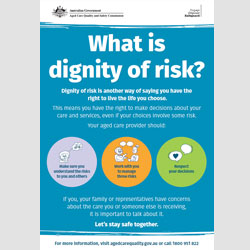
What is dignity of risk? consumer resources
The Commission has developed a number of resources to help aged care consumers understand what dignity of risk is and what actions you should expect from your provider. The dignity of risk is another way of saying you have the right to live the life you choose.
A3 poster — What is dignity of risk? (PDF 351.01 KB)
A4 guide — What is dignity of risk? (PDF 404.72 KB)
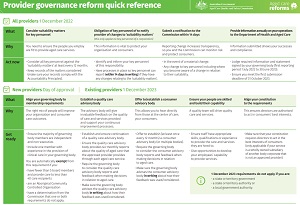
Provider governance quick reference poster
A quick reference A3 poster informing providers about their new provider governance responsibilities.
Provider Governance quick reference poster (PDF 559.11 KB)
Hand Hygiene - Helping others with hand hygiene
Infection prevention and control helps to stop the spread of germs like bacteria and viruses that cause respiratory infections and gastroenteritis. Hand hygiene is a very important part of this.
In this video you will learn how to clean another person's hands.
Your role in infection prevention and control when visiting an aged care service
Infection prevention and control, also known as IPC, are the steps and processes that people can use to reduce the spread of harmful germs and bacteria.
People who visit aged care services can help support IPC processes.
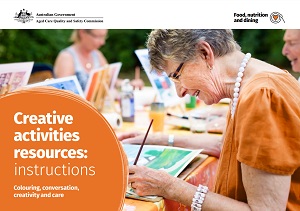
Colouring, conversation, creativity and care
These colouring resources have been designed specifically for the Aged Care Quality and Safety Commission with the intention of providing a multifaceted creative experience for older Australians living in residential or home aged care settings, and for the people who care for them.
fnd-colouring-resources-engagement-pages.pdf (PDF 1.72 MB)
fnd-colouring-resources-instructions.pdf (PDF 3.86 MB)
How to navigate transitions in care
This resource offers tools and strategies for navigating care transitions for people living with dementia. It provides support to hospital, aged care staff, and family carers, ensuring that the unique needs of those with dementia are met during transitions, such as moving from hospital to aged care or home.
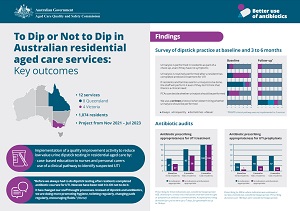
To Dip or Not to Dip in Australian residential aged care services - project findings
This visual abstract presents outcomes from a quality improvement project aimed at reducing low-value urine dipstick testing in aged care services. It included nurse education, implementing clinical pathways for UTI identification, and evaluating urinalysis practices and antibiotic prescribing. The findings demonstrate improved antibiotic prescribing appropriateness for UTIs over a 6-month follow-up period.
This resource may refer to information that will be updated from 1 November 2025 to align with the new Aged Care Act and Quality Standards.
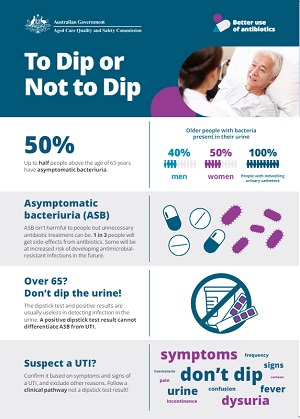
To Dip or Not to Dip - huddle tool A3 poster
This huddle tool poster provides guidance on appropriate use of urine dipstick tests in older adults. It explains that asymptomatic bacteriuria (ASB) is common and not harmful, but that unnecessary antibiotic treatment can be. It suggests confirming urinary tract infections (UTIs) through clinical symptoms rather than dipstick results.
This resource may refer to information that will be updated from 1 November 2025 to align with the new Aged Care Act and Quality Standards.
To Dip or Not to Dip - huddle tool A3 poster (PDF 393.96 KB)
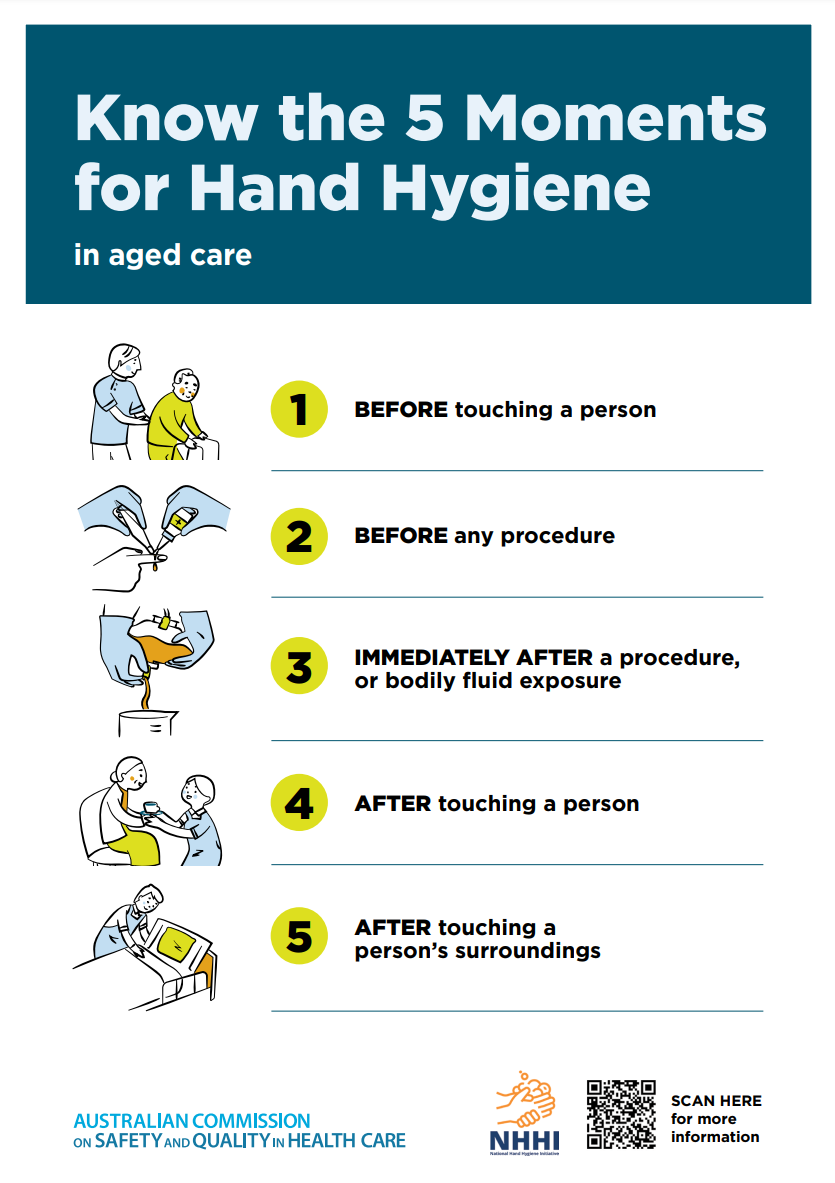
The 5 Moments for Hand Hygiene in aged care
This resource is a poster outlining the ‘5 Moments for Hand Hygiene’ in aged care settings. It provides clear guidance on when to perform hand hygiene: before touching a person, before a procedure, immediately after a procedure or bodily fluid exposure, after touching a person, and after touching a person's surroundings.
This resource may refer to information that will be updated from 1 November 2025 to align with the new Aged Care Act and Quality Standards.