The Quality Standards Resource Centre helps extend understanding of the strengthened Aged Care Quality Standards, which take effect from 1 November 2025. The Resource Centre will be updated to reflect key changes made to the draft strengthened Standards. You can search for resources by using keywords, or filtering by standard, outcome, audience and theme. Before using the Resource Centre, please read the terms of use.
Better Oral Health - Residential Care
This resource provides a structured approach to oral health care in residential aged care, including assessment, care planning, daily oral care, and referral pathways. It includes training, guidelines, and tools to support staff in promoting oral health for older people with complex needs.
This resource was developed by a state/territory government or organisation and therefore its applicability and usefulness may be limited.
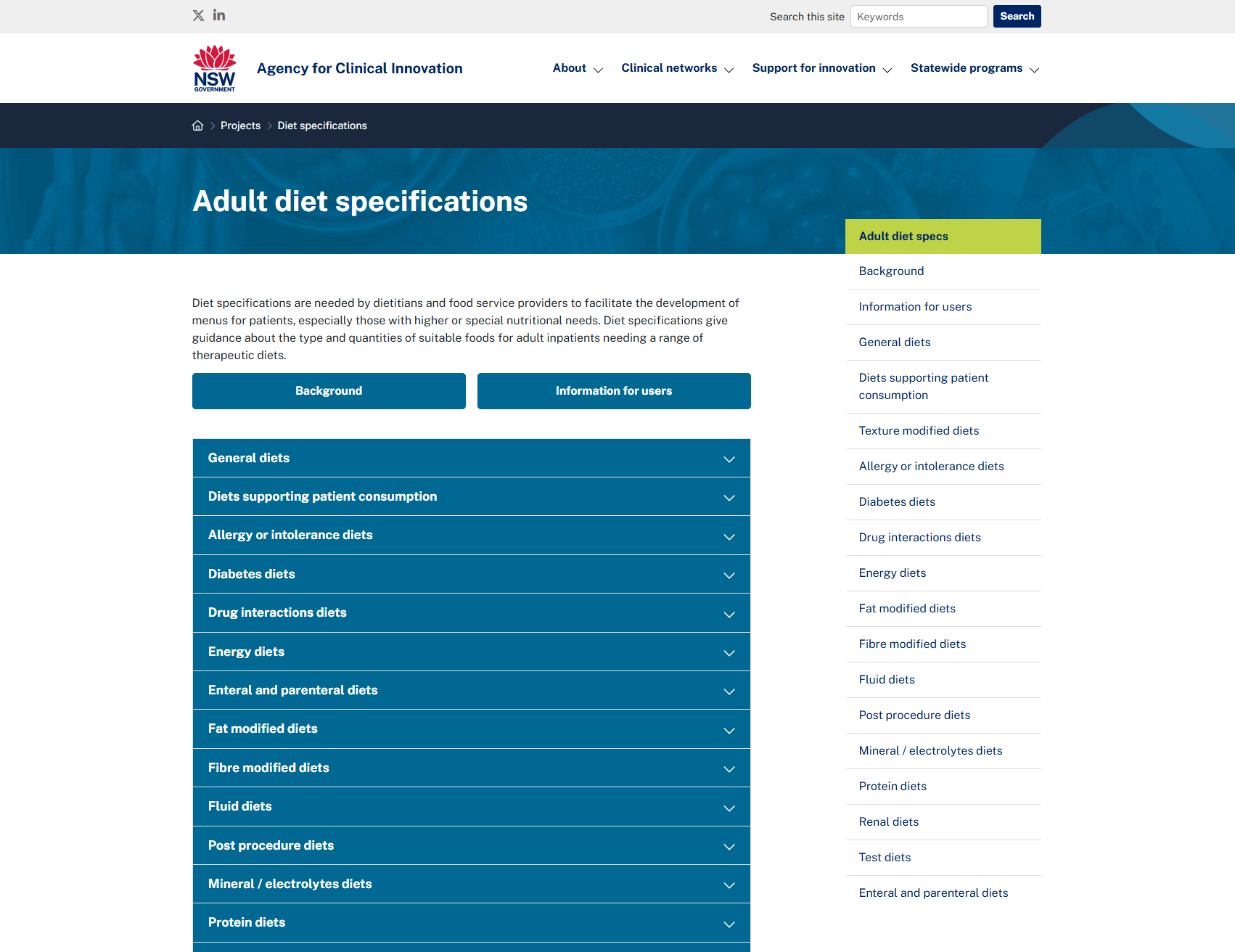
Adult diet specifications
This resource provides specifications for adult diets tailored to inpatient use in NSW hospitals, including allergy-specific and therapeutic requirements. Although intended for inpatients, it can serve as general guidance for dietitians and food service providers in creating meal plans for diverse health needs. This resource applies to healthcare contexts outside of aged care.
This resource was developed by a state/territory government or organisation and therefore its applicability and usefulness may be limited.
Food and Nutrition Manual for Aged Care Homes - Swallowing and food textures
This resource provides guidelines on managing swallowing difficulties in aged care by using texture-modified diets and thickened fluids. It explains various food texture levels and fluid consistencies for safe swallowing, offers practical meal preparation tips, and highlights the importance of regular reassessment by a speech pathologist
This resource was developed by a state/territory government or organisation and therefore its applicability and usefulness may be limited.
Best Practice Food and Nutrition Manual for Aged Care
This manual offers practical guidelines on food and nutrition best practices in aged care homes, covering menu planning, meal enjoyment, hydration, and malnutrition prevention. It includes checklists, screening tools, and dietary considerations tailored to the needs of older people.
This resource was developed by a state/territory government or organisation and therefore its applicability and usefulness may be limited.
Nutrition for older people
This resource provides nutrition guidelines and support for older people to prevent malnutrition, reduce falls risk, and promote independence. It includes meal planning, dietary tips, and training for service providers, especially those supporting home care.
This resource was developed by a state/territory government or organisation and therefore its applicability and usefulness may be limited.
Standardised care processes
This resource offers evidence-based standardised care processes for aged care providers, covering high-risk clinical areas such as falls, pain, incontinence, and dehydration. It provides structured guidelines to support best practices, ensuring consistent and safe care for older people in residential settings.
This resource was developed by a state/territory government or organisation and therefore its applicability and usefulness may be limited.
Participating with consumers
This resource provides information sheets for residents, families, and carers to support decision-making in residential aged care. Covering topics such as pain management, falls, and medicines, it promotes health literacy, enabling consumers to engage in discussions and report care issues effectively.
This resource was developed by a state/territory government or organisation and therefore its applicability and usefulness may be limited.
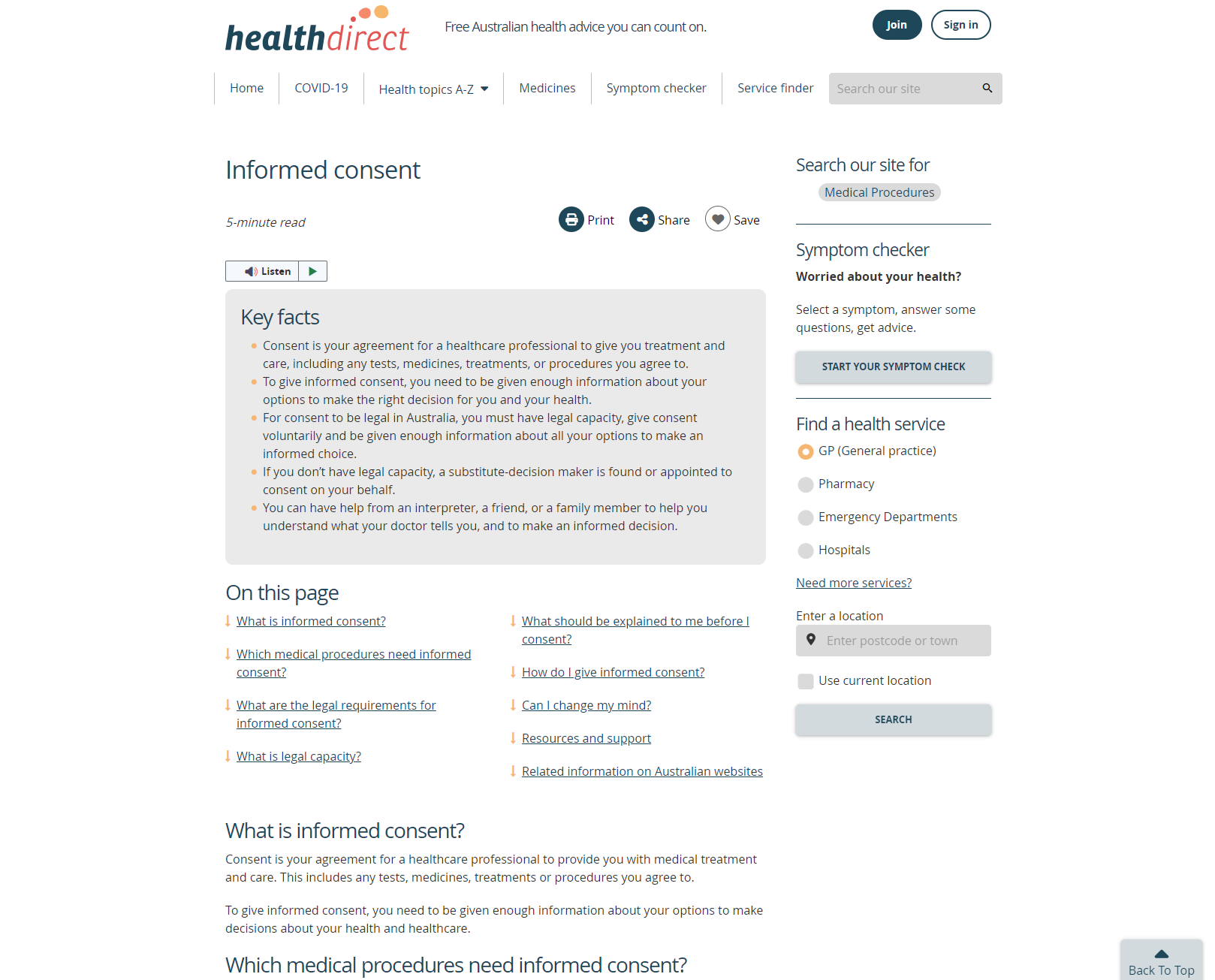
Informed consent - Health Direct
This resource explains the legal requirements and processes for obtaining informed consent for medical treatments, procedures, and care. It is relevant to aged care by ensuring that people understand their healthcare options, risks, and benefits, supporting their ability to make informed decisions about their health and wellbeing.
Healthy Eating and Nutrition Resources
This resource provides heart-healthy eating and nutrition resources for health professionals to guide patients. It includes practical advice on managing high blood pressure, maintaining a healthy weight, and increasing omega-3 intake. The materials support long-term dietary changes through recipes, meal planning tools, and educational guides to promote heart health.
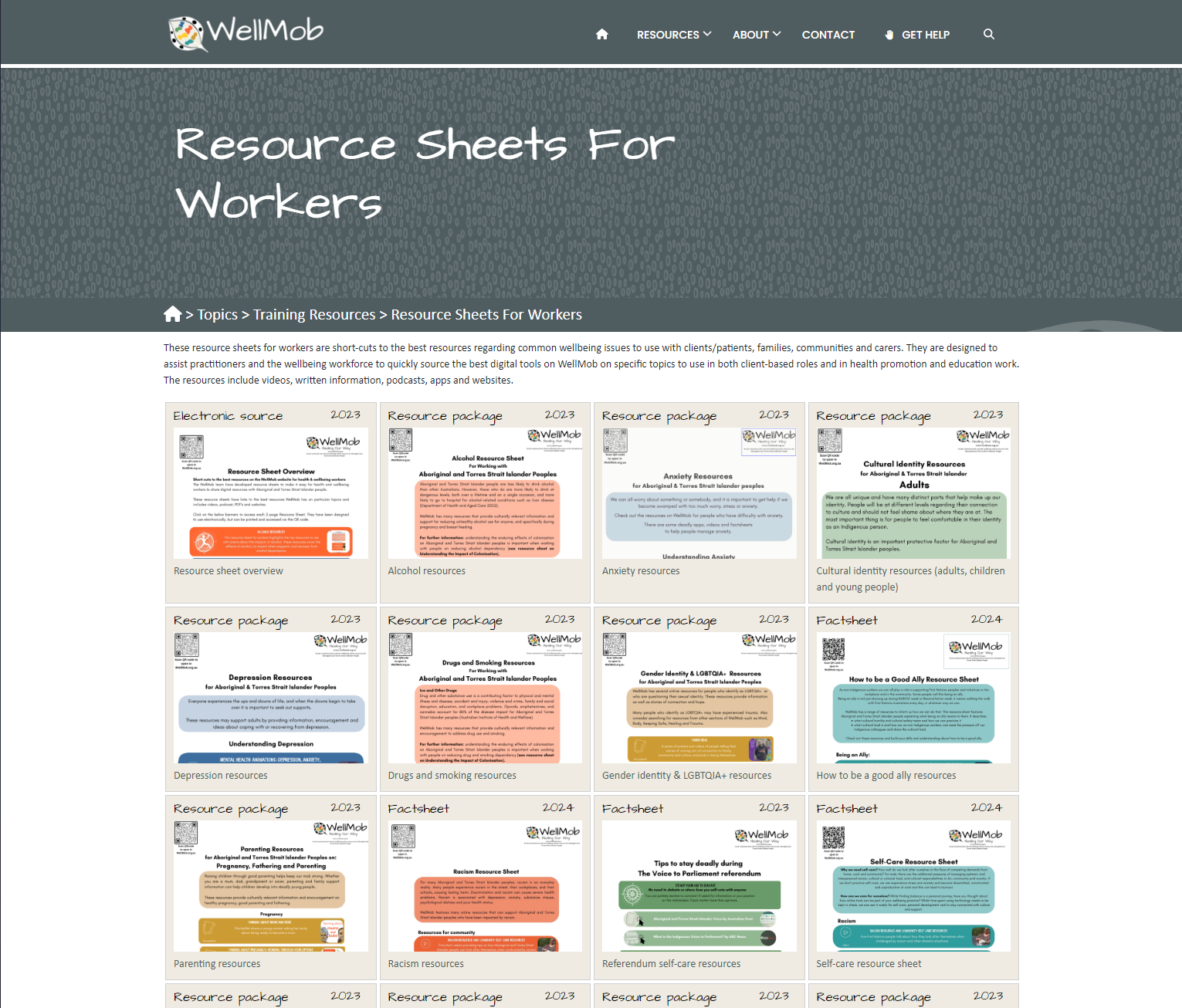
Resource sheets for workers – Social, emotional and cultural wellbeing online resources for Aboriginal and Torres Strait Islander People
This resource offers a collection of topic-based resource sheets for workers, covering wellbeing issues relevant to Aboriginal and Torres Strait Islander communities. It includes information on topics like alcohol, anxiety, cultural identity, depression, and trauma. The resources consist of videos, fact sheets, podcasts, apps, and websites to support practitioners and the wellbeing workforce.
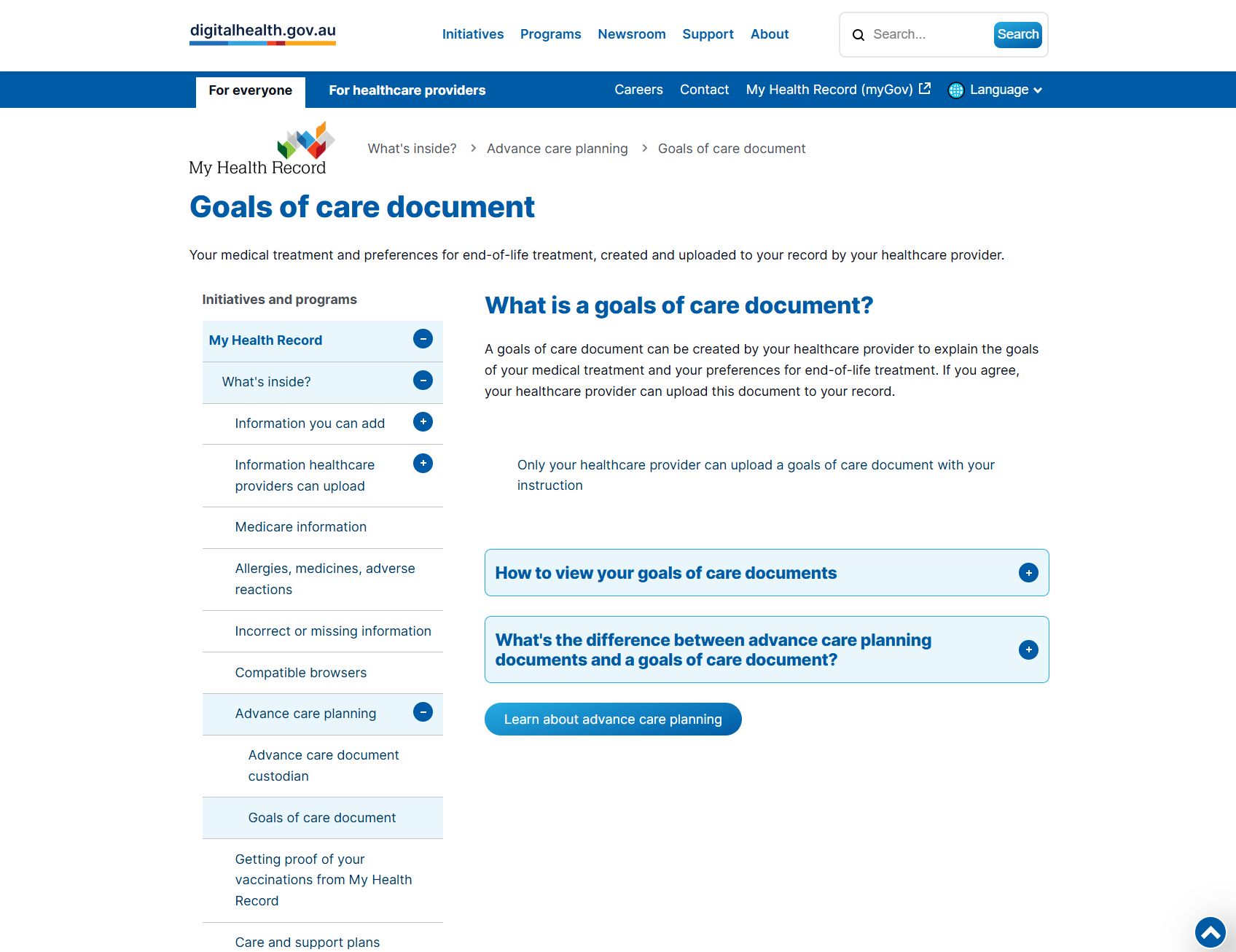
Goals of care document
This resource explains the purpose of a goals of care document, which outlines a person’s medical treatment goals and end of life care preferences. It describes how healthcare providers create and upload these documents to health records, supporting informed decision-making and access to care preferences.
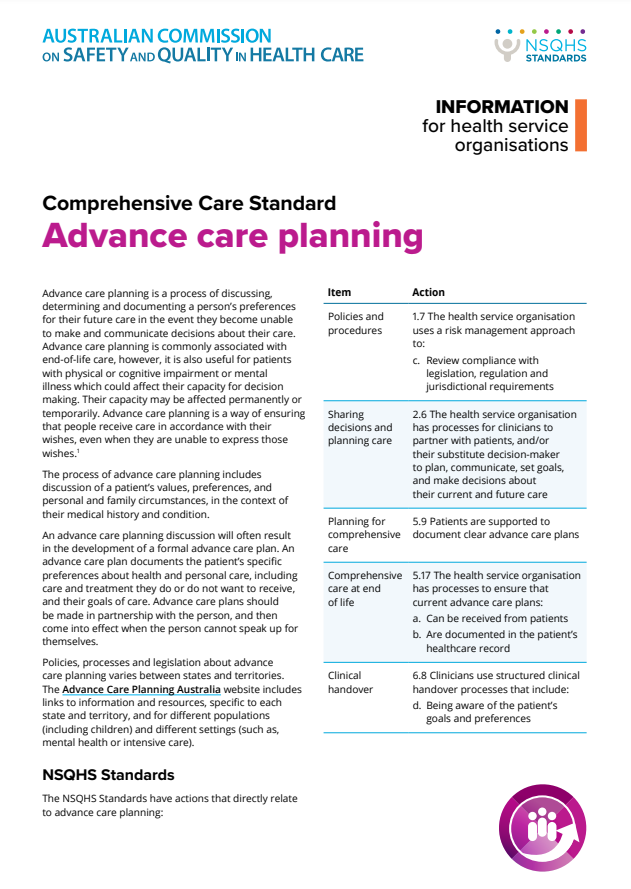
Advance care planning - Information for health service organisations
This resource outlines how health service organisations can support advance care planning within the Comprehensive Care Standard (National Safety and Quality Health Service Standards). It highlights the importance of documenting a patient’s preferences for future care and ensuring systems are in place to act on these plans. It also provides actions related to policies, sharing decisions, comprehensive care, and clinical handover.
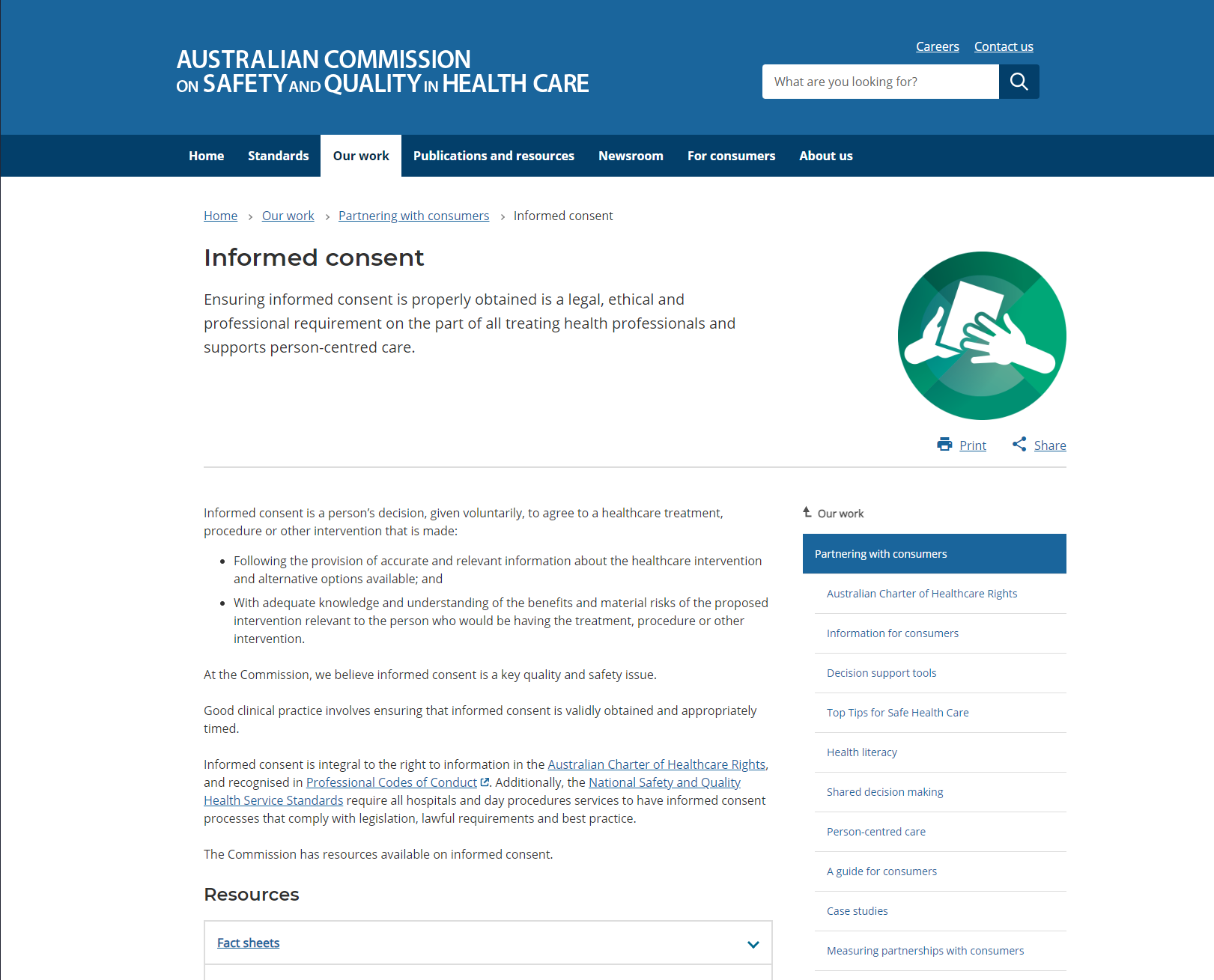
Informed consent
This resource provides guidance on ensuring informed consent in healthcare settings. It outlines legal, ethical, and professional requirements for obtaining consent, supports person-centred care, and ensures compliance with Australian healthcare standards. It highlights the importance of providing accurate information about interventions and alternatives, ensuring people have sufficient knowledge of potential risks and benefits.
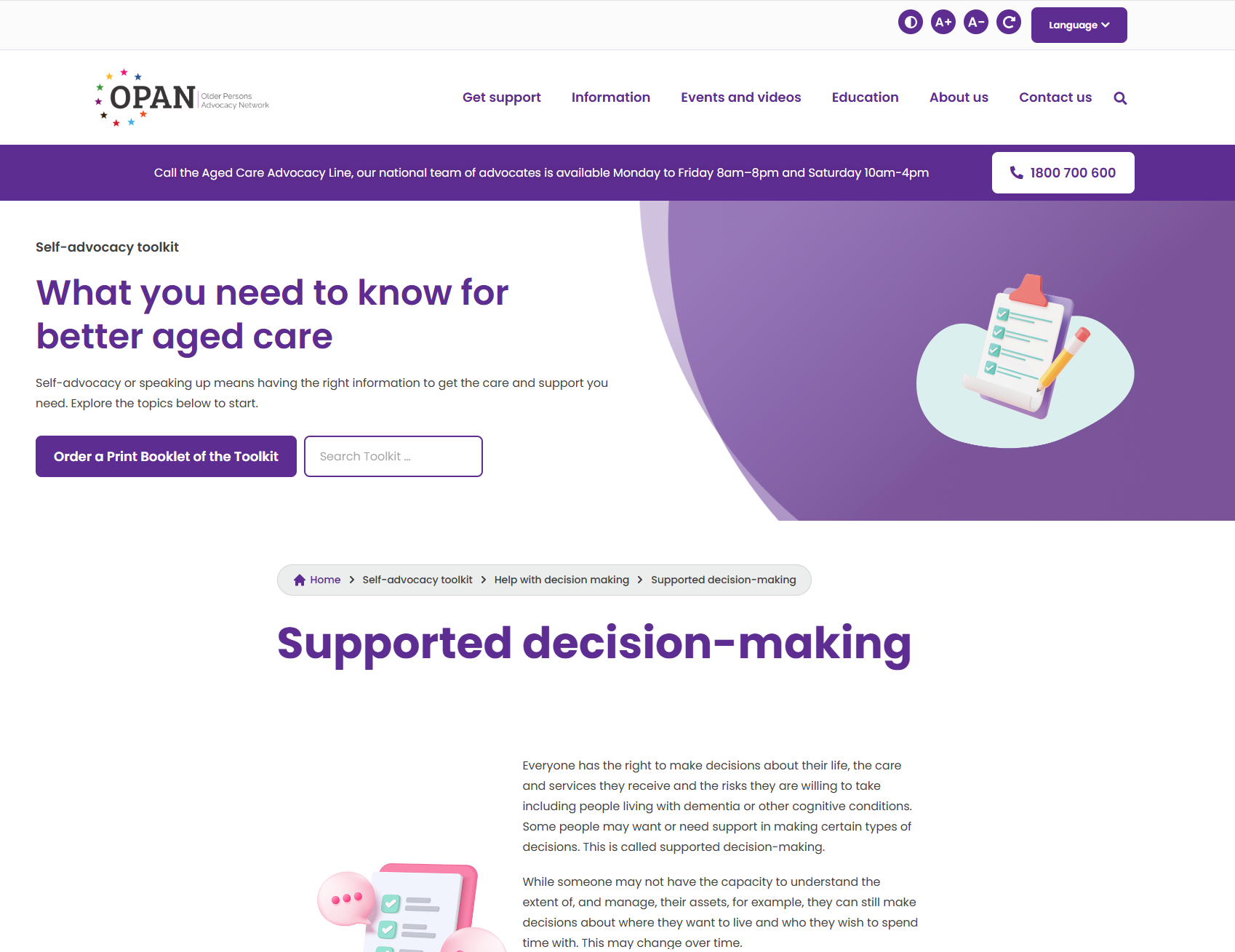
Supported decision-making
This resource explains supported decision-making, a process that helps people retain control over choices in their lives, even with cognitive challenges. It outlines how aged care providers can support people’s decisions, providing information in accessible formats and respecting autonomy, as endorsed by national and international rights frameworks.
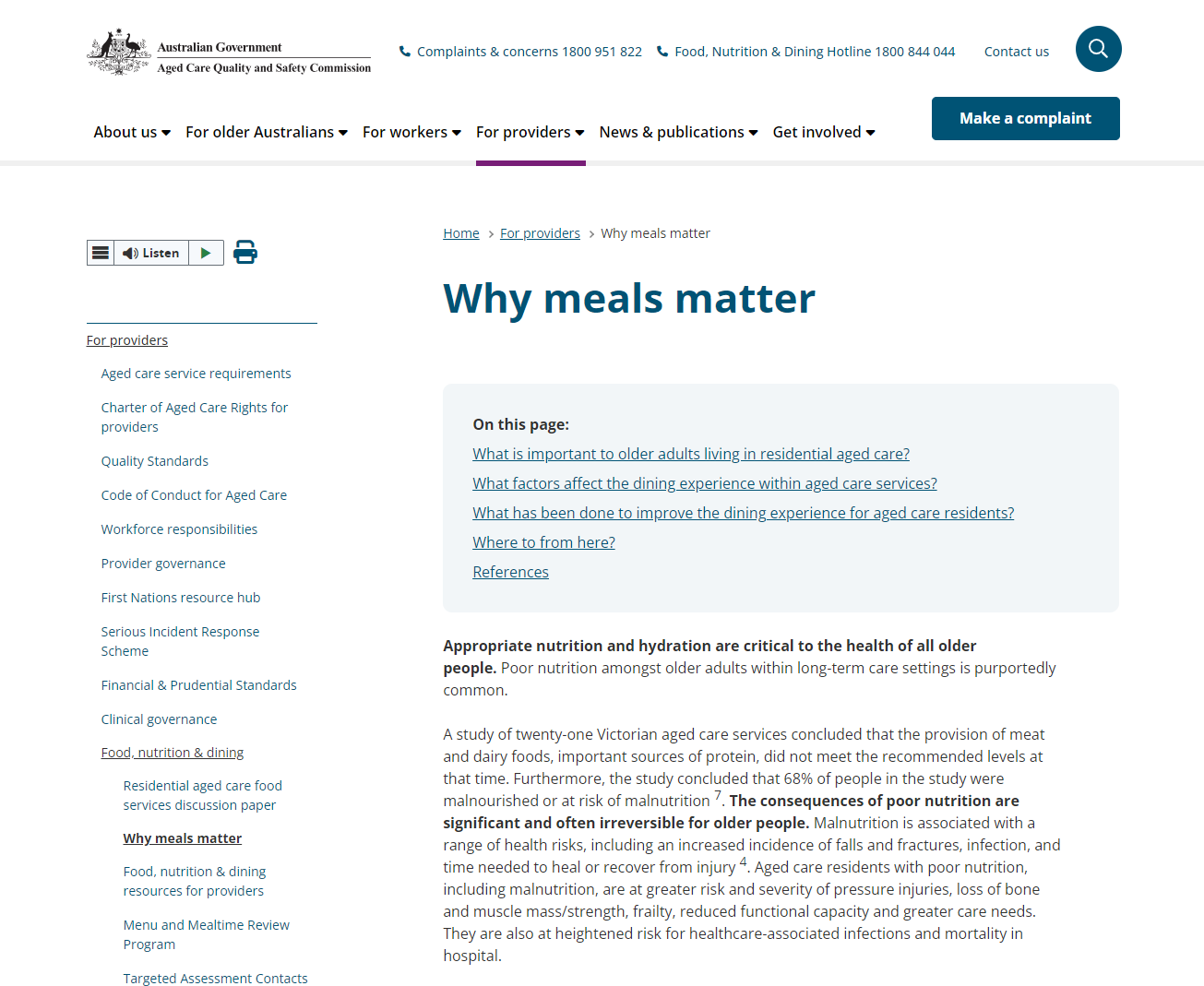
Why meals matter
This resource highlights the importance of meals in aged care settings, focusing on nutritional needs, dining experience, and personal preferences. It addresses issues like malnutrition, dehydration, and food choice, linking them to resident wellbeing, autonomy, and satisfaction. It also suggests strategies such as person-centred dining, meal service innovations, and improved environmental factors to enhance mealtime experiences in residential aged care.
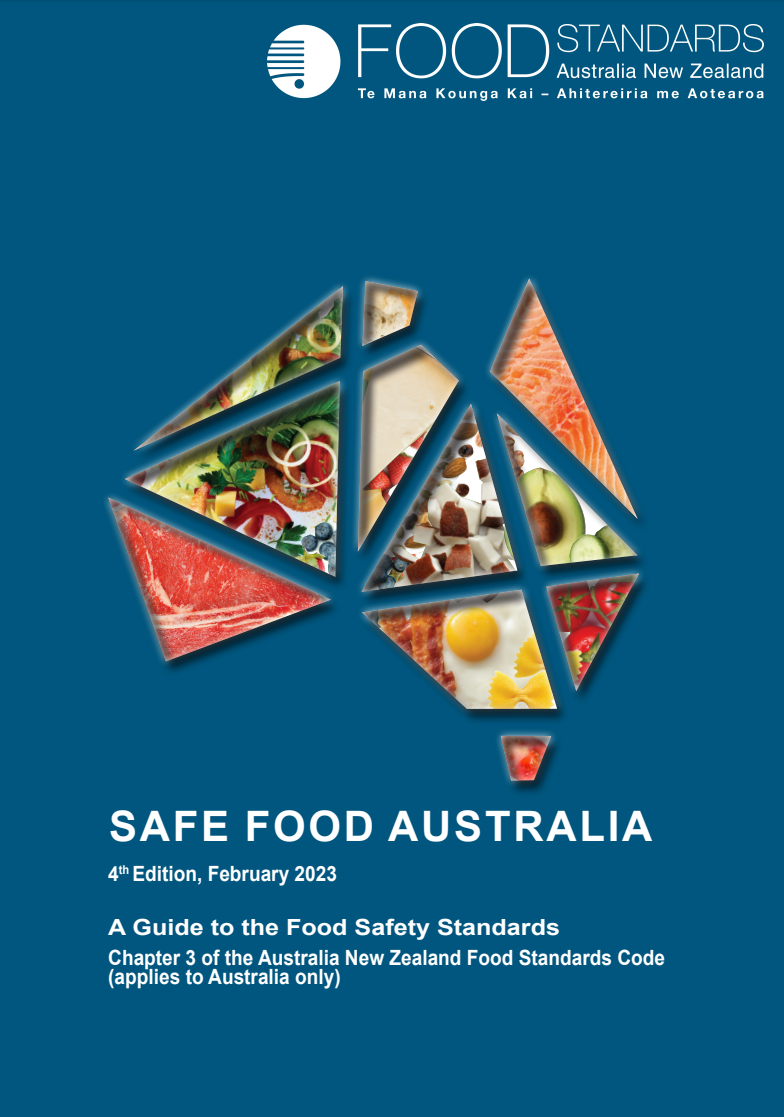
Safe Food Australia - A guide to the Food Safety Standards
This resource provides guidance on the food safety standards in Australia, specifically Chapter 3 of the Australia New Zealand Food Standards Code. It outlines requirements for food businesses, focusing on safe food handling practices, hygiene, and equipment standards. The resource helps aged care providers comply with regulatory standards to ensure safe and suitable food for vulnerable populations.
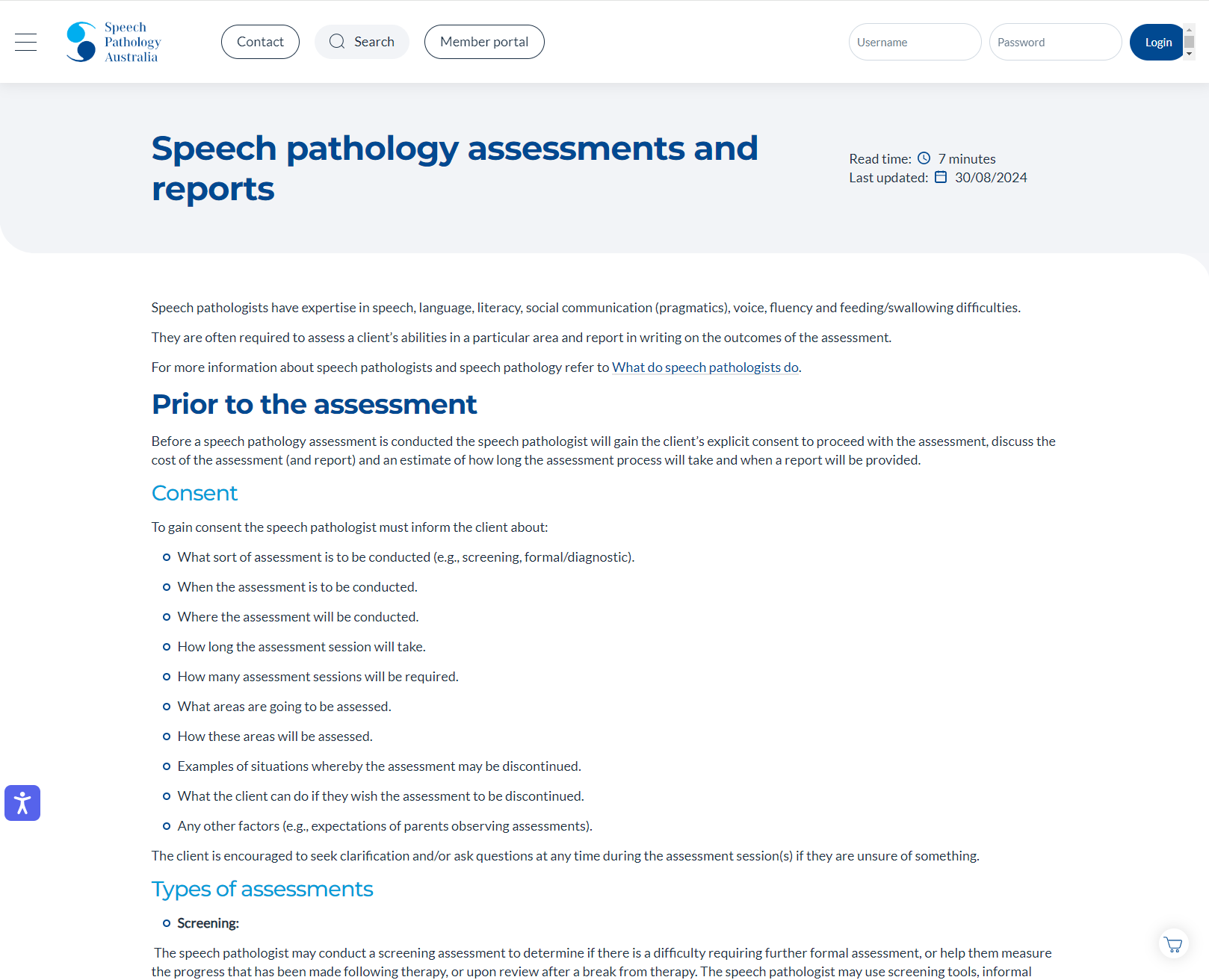
Speech pathology assessments and reports
This resource outlines the process for speech pathology assessments and reports, which evaluate speech, language, and swallowing abilities. It is relevant to aged care for assessing communication and feeding challenges, guiding appropriate interventions, and supporting care plans. It ensures accurate reporting and informed decision-making in care settings.
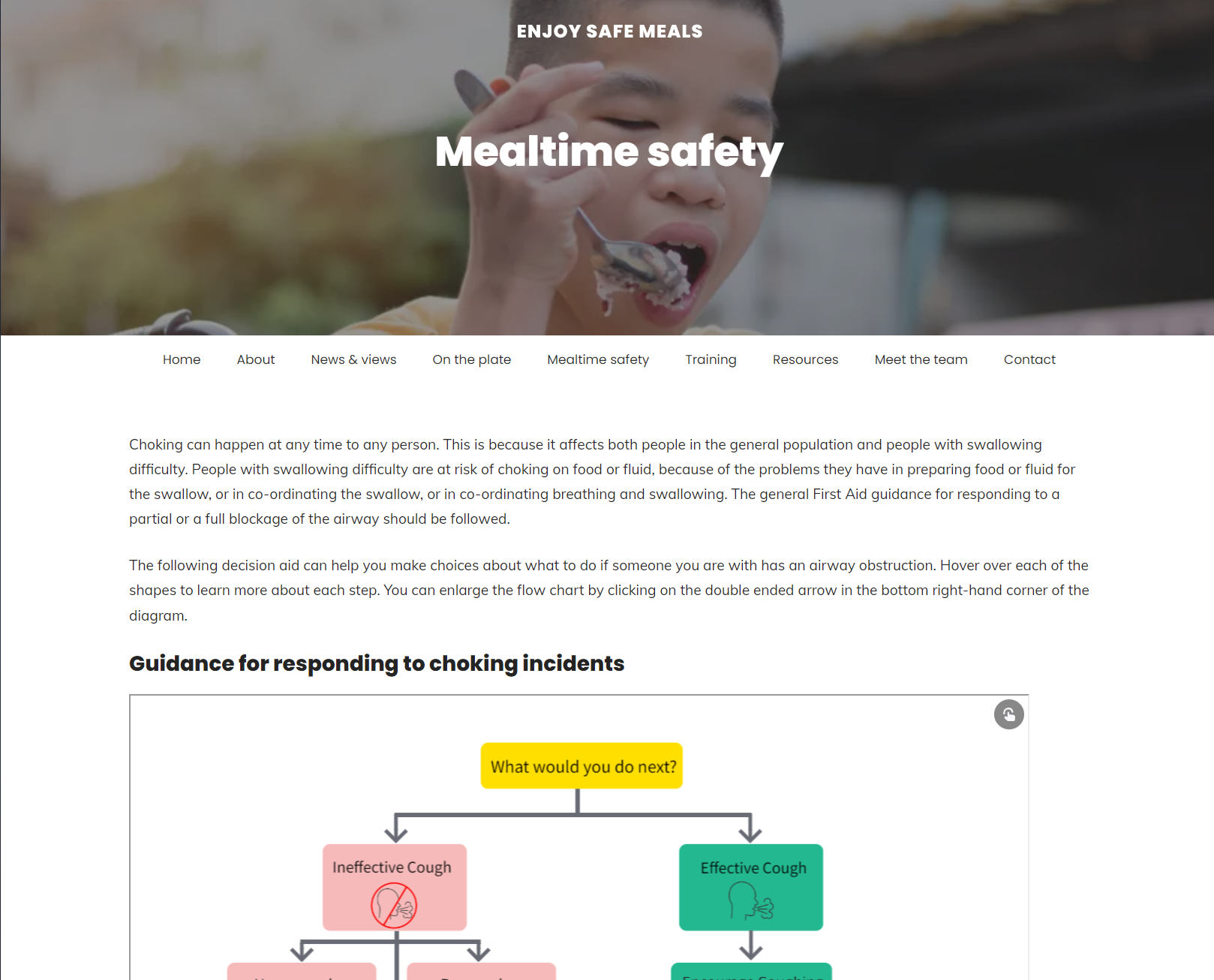
Mealtime Safety
This resource provides guidance on mealtime safety, particularly for people with swallowing difficulties who are at risk of choking. It includes steps to respond to choking incidents, tips for recognising signs of swallowing difficulties, and resources for making referrals. It also covers documenting incidents and maintaining proper oral hygiene, promoting safe and enjoyable mealtimes in care environments
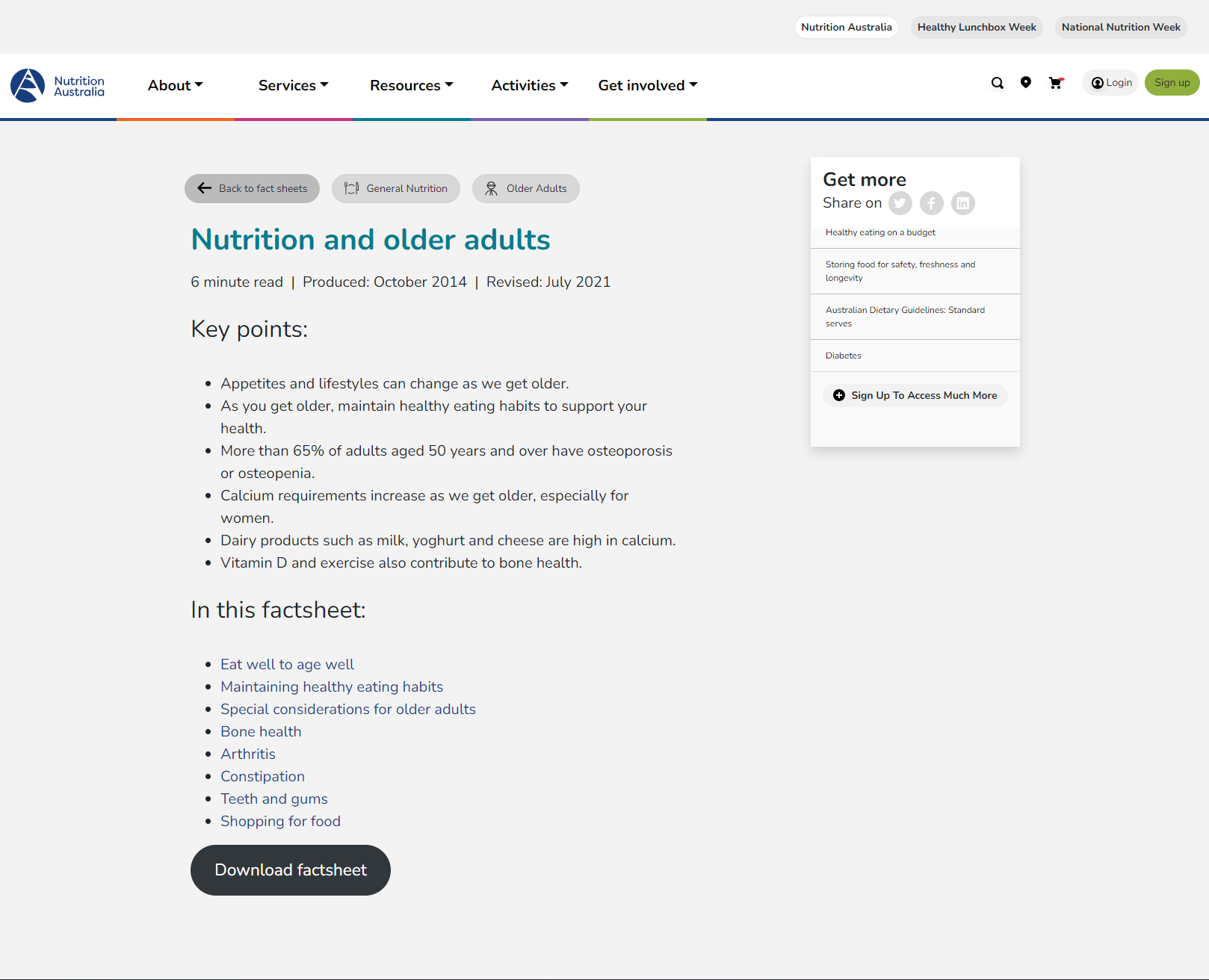
Nutrition and older adults
This resource provides guidance on maintaining healthy nutrition as people age. It covers key considerations such as increasing calcium intake, managing changes in appetite, and the importance of hydration. It also offers practical advice on reducing salt, fat, and sugar consumption, ensuring proper bone health through calcium and vitamin D, and maintaining a balanced diet to support overall health and well-being in older adults.
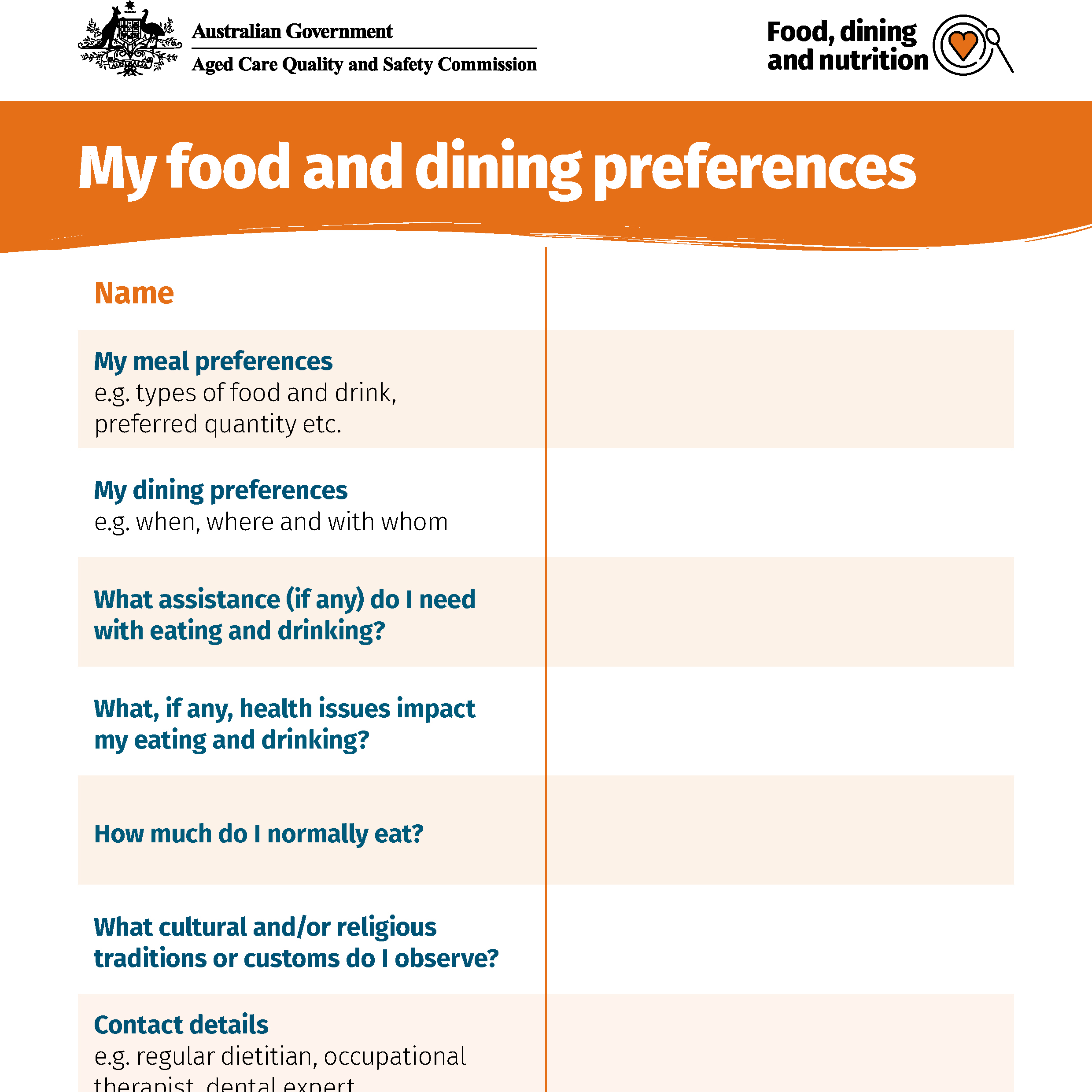
My food and dining preferences - form
This fact sheet helps aged care residents communicate their food and dining preferences. It includes sections for meal choices, dining preferences, assistance needs, health considerations, cultural or religious customs, and contact information for allied health professionals. It also advises staff to monitor changes in weight and contact a dietitian if needed.
This resource may refer to information that will be updated from 1 November 2025 to align with the new Aged Care Act and Quality Standards.
 My food and dining preferences form (PDF 378.98 KB)
Arabic - تفضيلاتي في الطعام وعادات الأكل (PDF 426.01 KB)
French - Mes préférences alimentaires et de repas (PDF 365.82 KB)
German - Meine Essens- und Speisevorlieben (PDF 358.86 KB)
Greek - Οι προτιμήσεις μου για το φαγητό και τα γεύματα (PDF 359.43 KB)
Hungarian - Étel- és étkezési preferenciák (PDF 369.35 KB)
Macedonian - Моите желби во врска со храната и јадењето (PDF 358.79 KB)
Maltese - Il-preferenzi tiegħi tal-ikel u l-ikliet (PDF 364.67 KB)
Portuguese - Minhas preferências alimentares e gastronômicas (PDF 373.26 KB)
Russian - Мои предпочтения в еде и приеме пищи (PDF 353.14 KB)
Serbian - Моје жеље које се тичу хране и обедовања (PDF 353.84 KB)
Simplified Chinese - 我的饮食及用餐偏好 (PDF 420.97 KB)
Traditional Chinese - 我的飲食及用餐偏好 (PDF 422.91 KB)
Spanish - Mis preferencias de alimentos y comidas (PDF 365.1 KB)
Vietnamese - Sở thích ăn uống và thực phẩm của tôi (PDF 340.54 KB)
My food and dining preferences form (PDF 378.98 KB)
Arabic - تفضيلاتي في الطعام وعادات الأكل (PDF 426.01 KB)
French - Mes préférences alimentaires et de repas (PDF 365.82 KB)
German - Meine Essens- und Speisevorlieben (PDF 358.86 KB)
Greek - Οι προτιμήσεις μου για το φαγητό και τα γεύματα (PDF 359.43 KB)
Hungarian - Étel- és étkezési preferenciák (PDF 369.35 KB)
Macedonian - Моите желби во врска со храната и јадењето (PDF 358.79 KB)
Maltese - Il-preferenzi tiegħi tal-ikel u l-ikliet (PDF 364.67 KB)
Portuguese - Minhas preferências alimentares e gastronômicas (PDF 373.26 KB)
Russian - Мои предпочтения в еде и приеме пищи (PDF 353.14 KB)
Serbian - Моје жеље које се тичу хране и обедовања (PDF 353.84 KB)
Simplified Chinese - 我的饮食及用餐偏好 (PDF 420.97 KB)
Traditional Chinese - 我的飲食及用餐偏好 (PDF 422.91 KB)
Spanish - Mis preferencias de alimentos y comidas (PDF 365.1 KB)
Vietnamese - Sở thích ăn uống và thực phẩm của tôi (PDF 340.54 KB)