The Quality Standards Resource Centre helps extend understanding of the strengthened Aged Care Quality Standards, which took effect from 1 November 2025. You can search for resources by using keywords, or filtering by standard, outcome and audience. Before using the Resource Centre, please read the terms of use.
Australian Centre for Evidence Based Aged Care - Resources
This resource provides a collection of tools and guidelines for improving person-centred care in aged care settings. It includes assessments on care personalisation, pain management, staff-family relationships, and support for sexuality and decision-making for people with dementia.
This resource was developed by a state/territory government or organisation and therefore its applicability and usefulness may be limited.
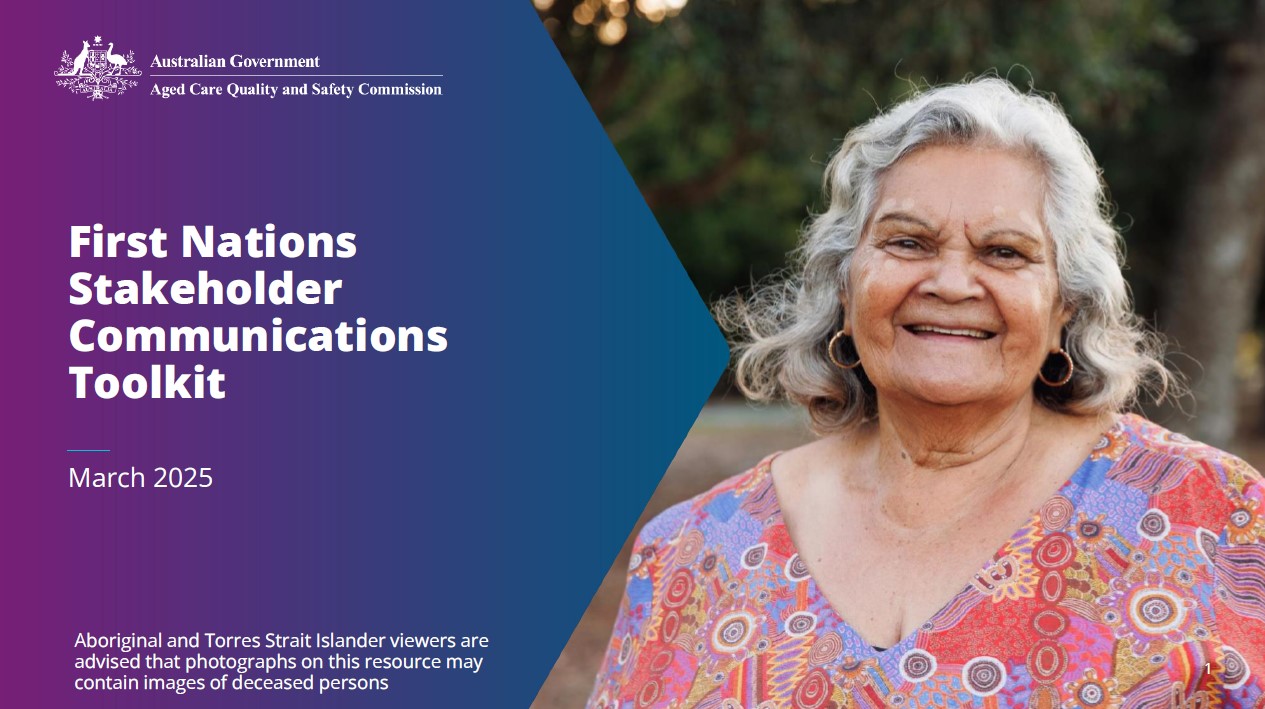
First Nations - Stakeholder Communications Toolkit
This Toolkit is designed for First Nations stakeholders including providers, workers and others involved in providing aged care services for First Nations people. We’ve developed it to make it easy for you to share relevant resources with your networks and members

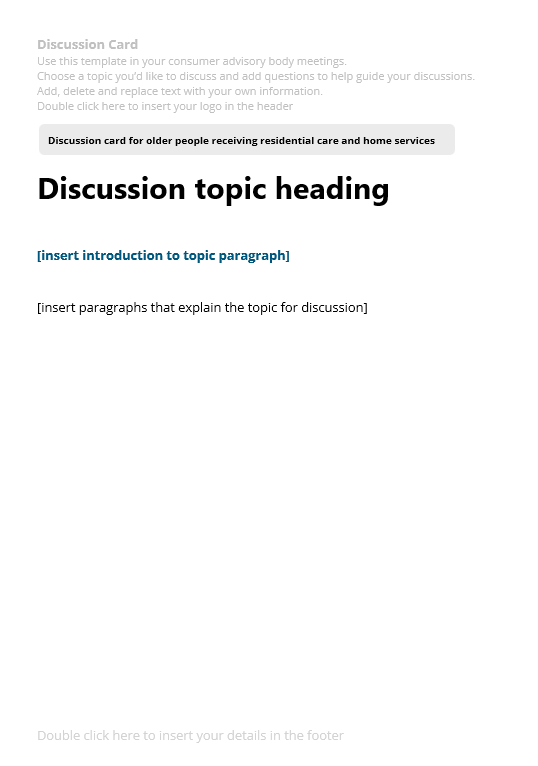
Consumer advisory body discussion card template
A discussion card template that consumer advisory body members can use to write their own topics and questions to prompt discussion about any concerns older people receiving care may have.
 Consumer advisory body discussion card template (DOCX 3.08 MB)
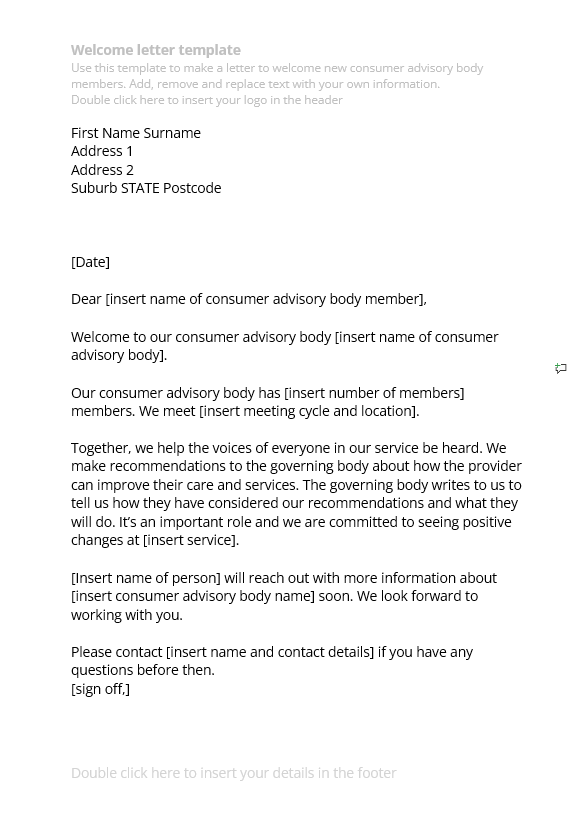
Consumer advisory body welcome letter template
A welcome letter template that consumer advisory body members can use to communicate with new members.
Consumer advisory body welcome letter template (DOCX 3.8 MB)
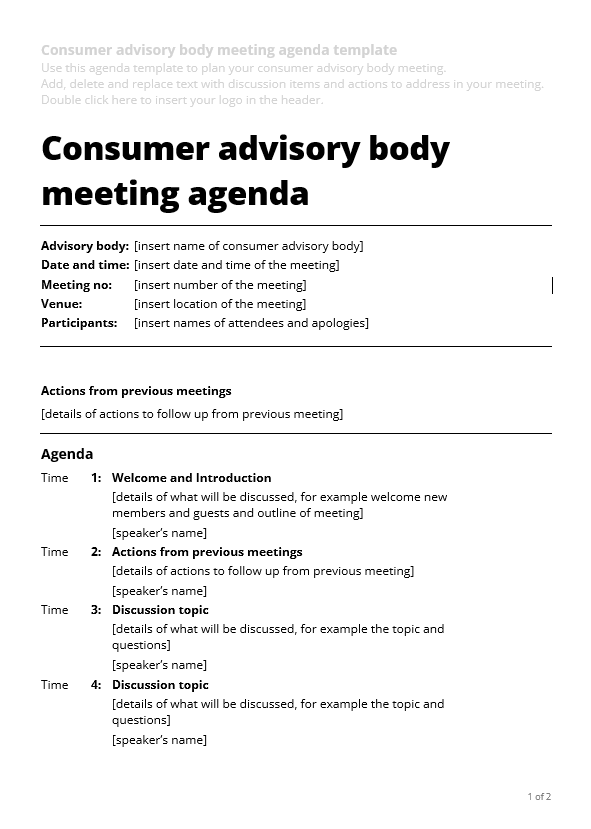
Consumer advisory body meeting agenda template
A template that consumer advisory body members can use to plan their meeting agendas.
Consumer advisory body meeting agenda template (DOCX 2.39 MB)
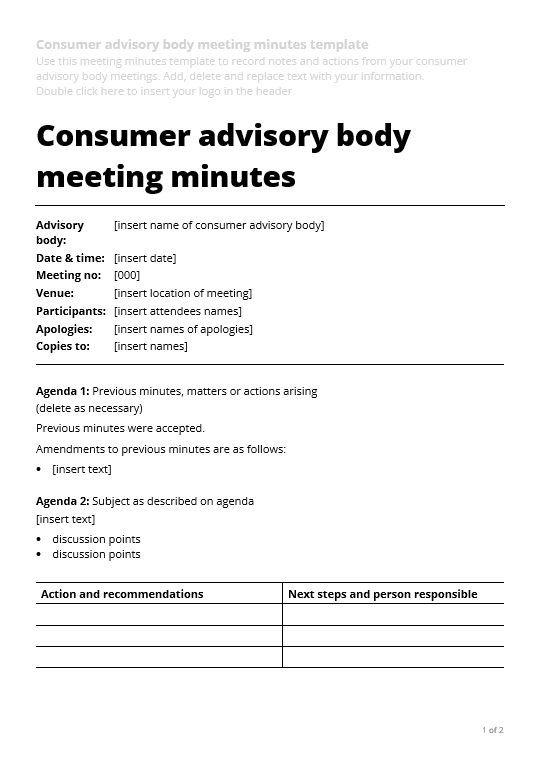
Consumer advisory body minutes template
A template that consumer advisory body members can use in their meetings to take minutes.
Consumer advisory body minutes template (DOCX 2.4 MB)
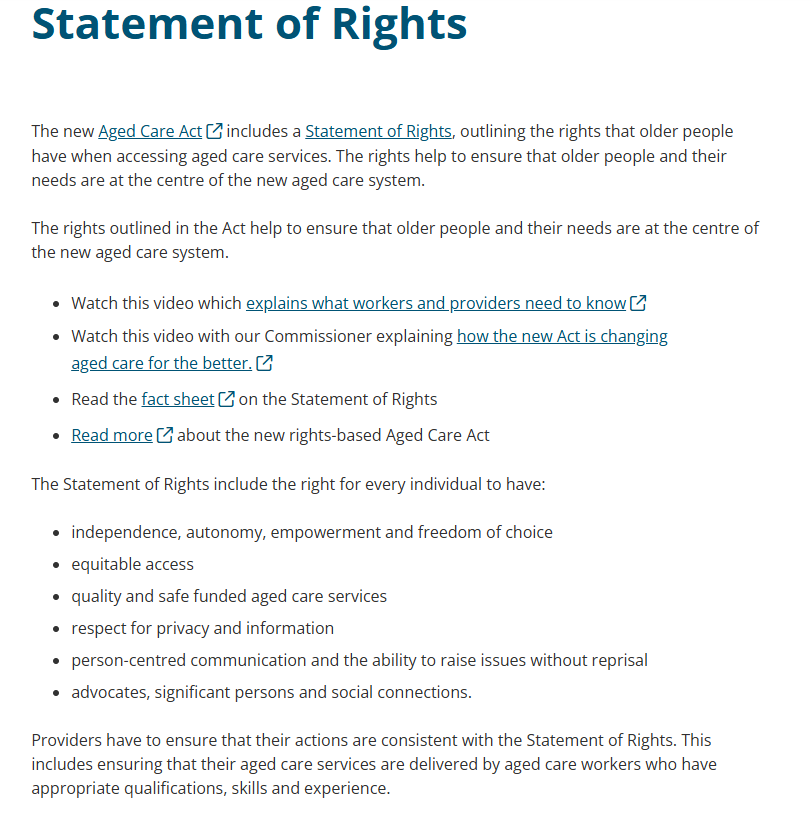
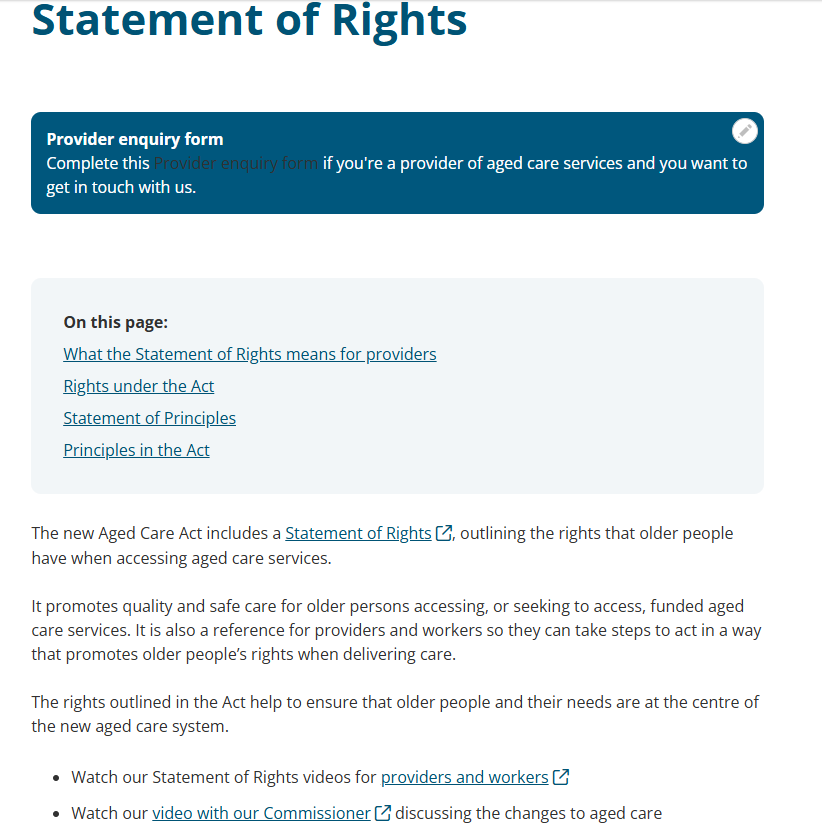
Statement of Rights - Workers
This resource provides information for providers about the Statement of Rights. The Statement of Rights promote quality and safe care for older persons accessing, or seeking to access, funded aged care services. The rights help to ensure that older people and their needs are at the centre of the new aged care system.
This page includes information about what the Statement of Rights means for providers, and has links to additional resources about the rights, including videos and fact sheets.
Statement of Rights - Providers
This resource provides information for providers about the Statement of Rights. The Statement of Rights promote quality and safe care for older persons accessing, or seeking to access, funded aged care services. The rights help to ensure that older people and their needs are at the centre of the new aged care system.
This page includes information about what the Statement of Rights means for providers, and has links to additional resources about the rights, including videos and fact sheets.
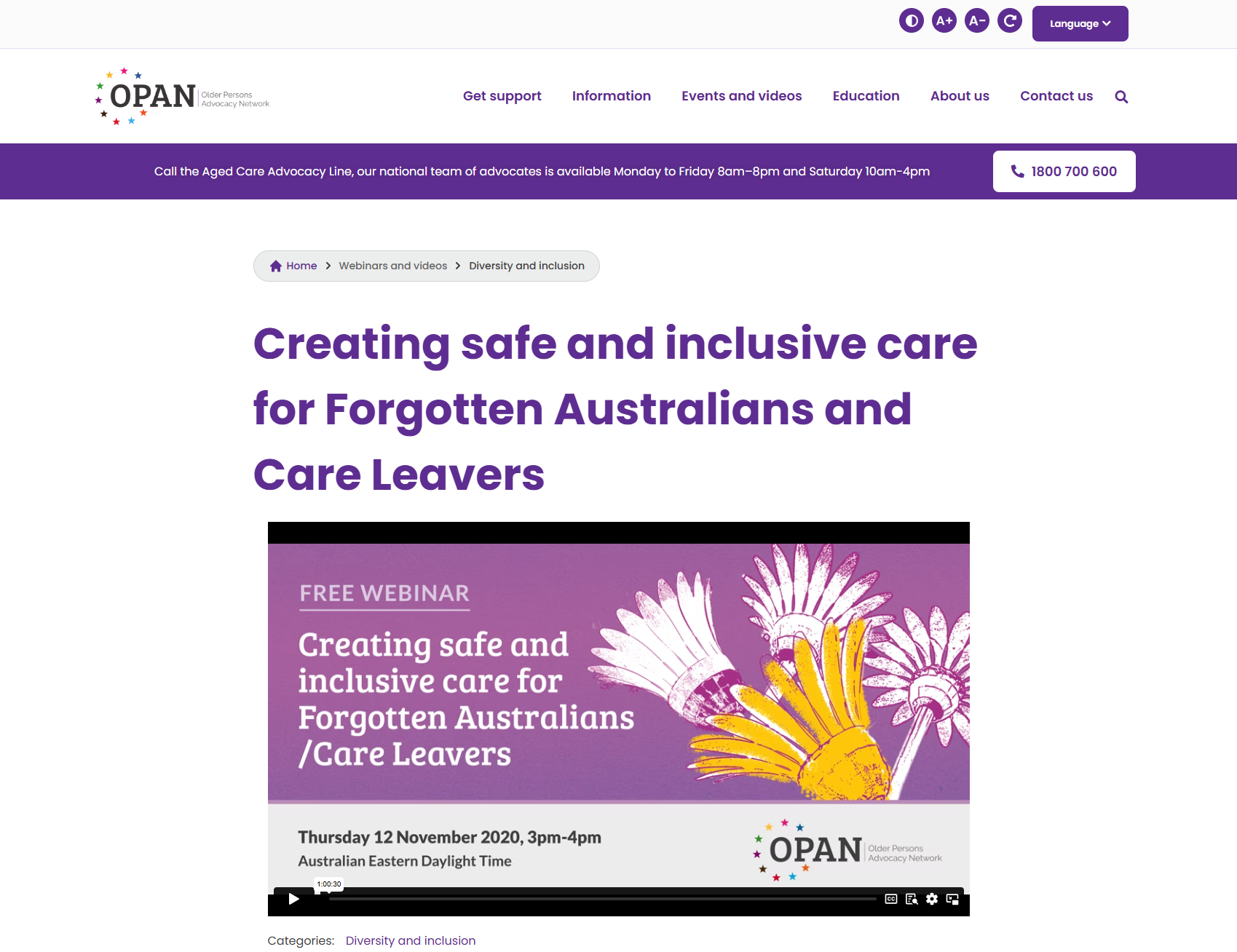
Creating safe and inclusive care for Forgotten Australians and Care Leavers
This resource provides guidance for creating safe, inclusive aged care for Forgotten Australians and Care Leavers, focusing on trauma-informed practices. It supports providers in recognising unique needs, avoiding re-traumatisation, and promoting respect and sensitivity in care environments.
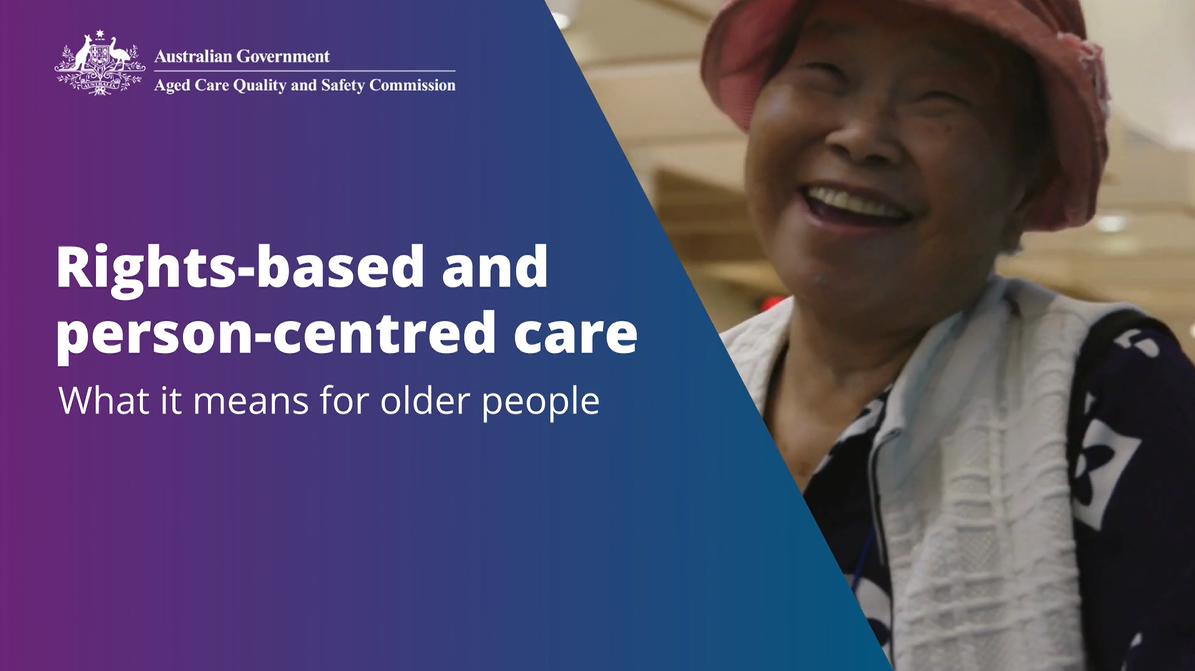
Right-based and person-centred care - what it means for older people video
This video explains what right-based and person-centred care means and how you can work with your provider to achieve it.
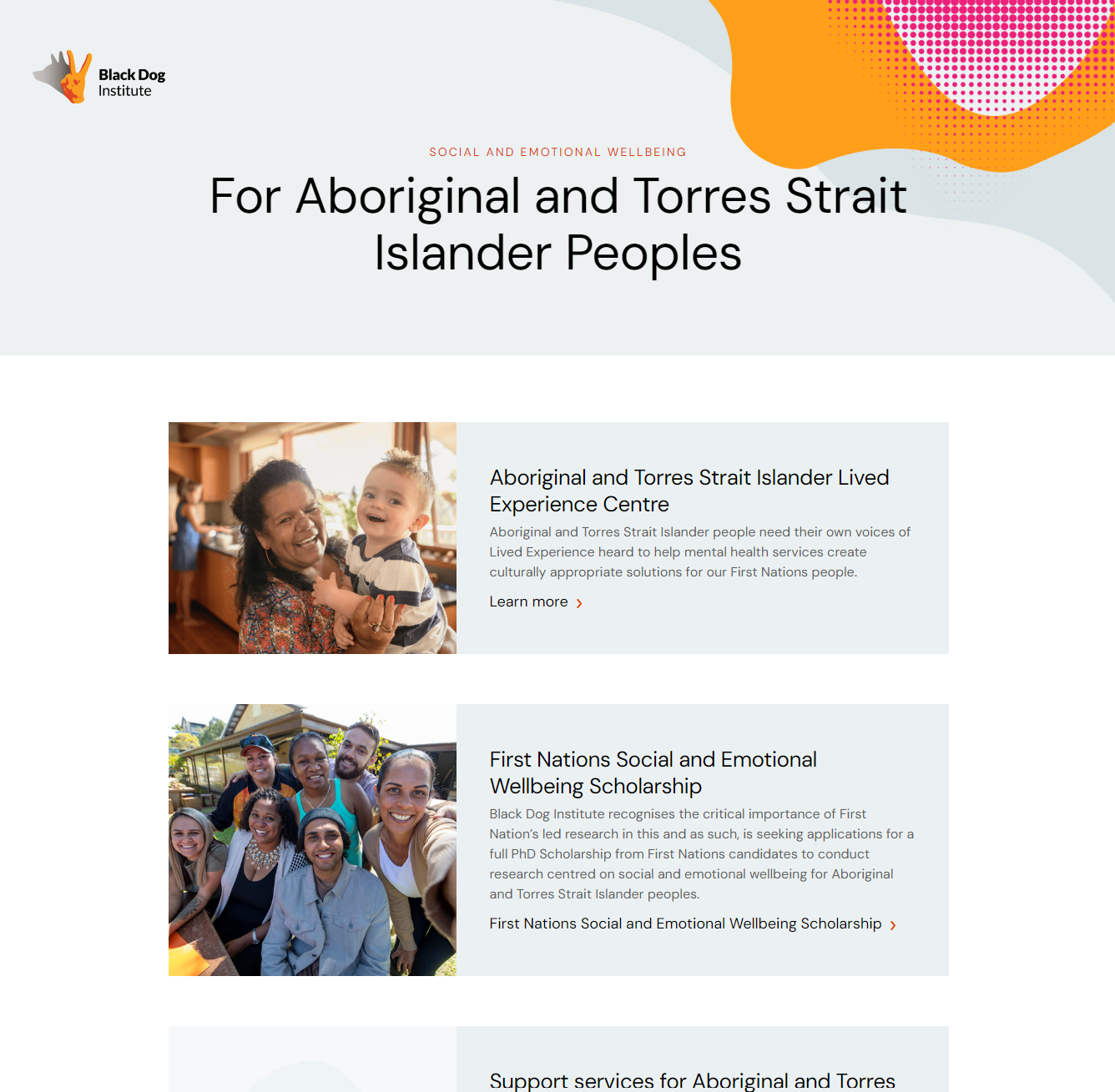
Social and emotional wellbeing resources for Aboriginal and Torres Strait Islander Peoples
This page provides resources for Aboriginal and Torres Strait Islander people on social and emotional wellbeing. It contains information on support services, scholarships, lived experience centres, stories and other resources for mental health.
National Aboriginal and Torres Strait Islander Flexible Aged Care Program
This resource provides information on the National Aboriginal and Torres Strait Islander Flexible Aged Care Program. The program funds flexible and culturally appropriate aged care services for Aboriginal and Torres Strait Islander communities, mainly in rural and remote areas. It covers service provider requirements, funding processes, and adaptations to ongoing aged care reforms.
This resource may refer to information that will be updated from 1 November 2025 to align with the new Aged Care Act and Quality Standards.
RACGP aged care clinical guide (Silver Book) - Part B - Multiculturalism in aged care
This guide discusses multiculturalism in aged care, addressing the diverse needs of culturally and linguistically diverse (CALD) older adults. It covers healthcare principles, communication strategies, clinical considerations, and culturally tailored approaches for areas like medication management, dementia, mental health, nutrition, and substance use. It also provides practical advice for general practitioners, carers, and aged care facilities to deliver culturally safe and effective care.
RACGP aged care clinical guide (Silver Book) - Part B - Older Aboriginal and Torres Strait Islander people
This guide addresses barriers faced by Aboriginal and Torres Strait Islander peoples in accessing aged care, such as cultural safety, geographic challenges, and geriatric syndromes experienced at younger ages. It discusses the importance of culturally appropriate care, the use of specific assessment tools, and the unique needs of the Stolen Generation within residential and community settings.
RACGP aged care clinical guide (Silver Book) - Part B - Care of older LGBTI people
This guide addresses the healthcare needs of older LGBTI people, covering areas such as mental health, substance use, chronic disease risks, and the importance of inclusive care. It provides strategies for culturally safe practices, promoting wellbeing, recognising abuse, and details standards for LGBTI-inclusive services, such as organisational capability and consumer participation.
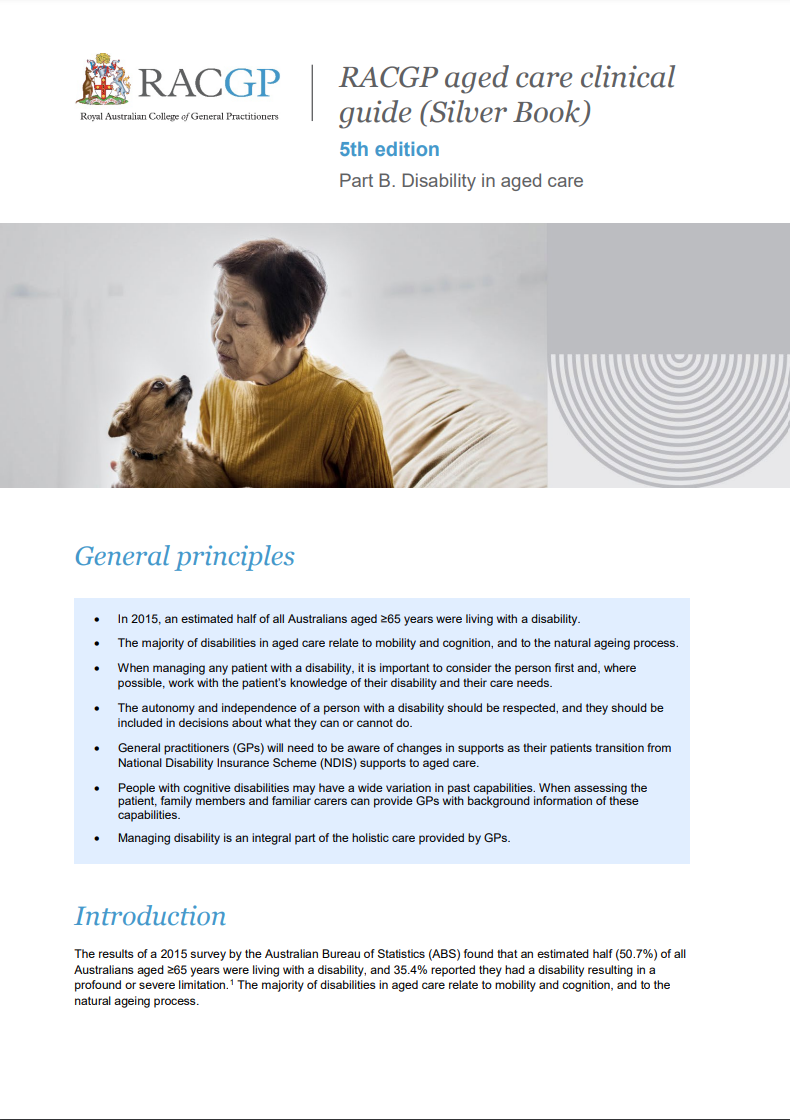
RACGP aged care clinical guide (Silver Book) - Part B - Disability in aged care
This guide addresses the management of disabilities in older adults, including mobility, cognitive impairments, developmental disabilities, hearing and visual impairment, psychiatric conditions, and neurodegenerative disorders. It outlines approaches for general practitioners to provide holistic care, monitor health risks, adapt support systems, and coordinate with allied health professionals in residential aged care settings.
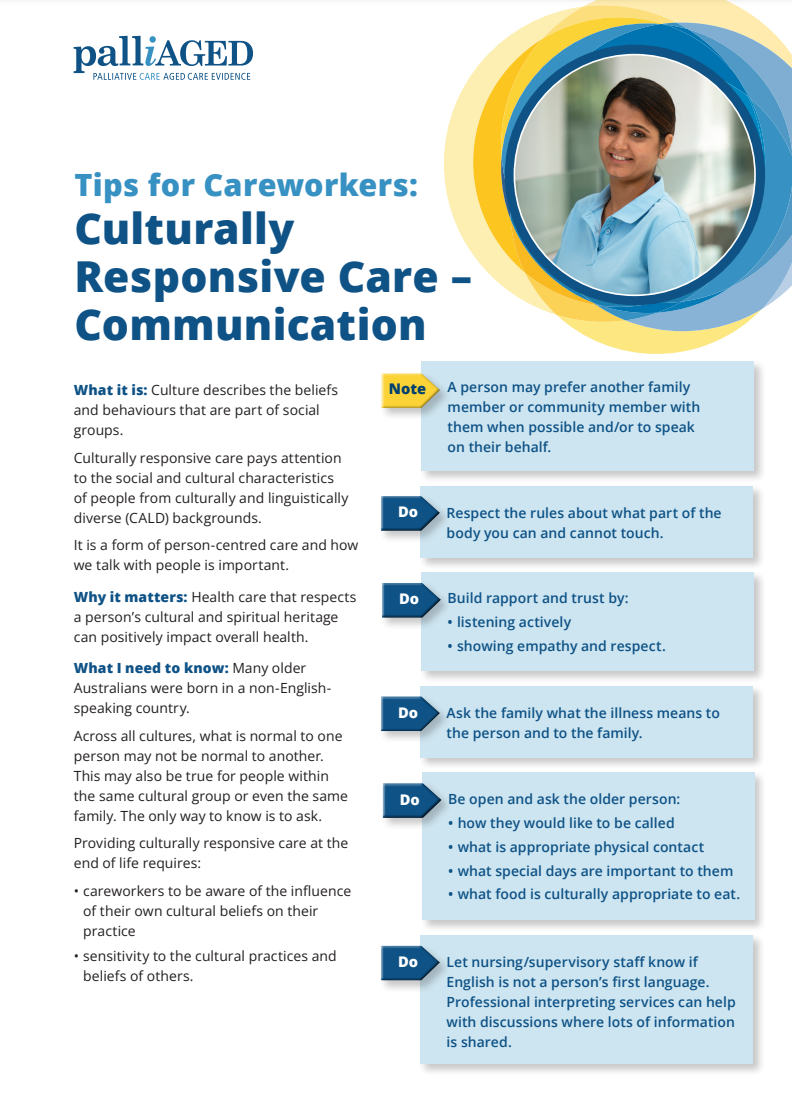
Tips for Careworkers: Culturally Responsive Care - Communication
This resource provides practice tip sheets for care workers, focusing on culturally responsive care for people from culturally and linguistically diverse backgrounds. It outlines communication strategies, emphasising person-centred care, cultural sensitivity, and effective interaction with patients and families, especially at the end of life.
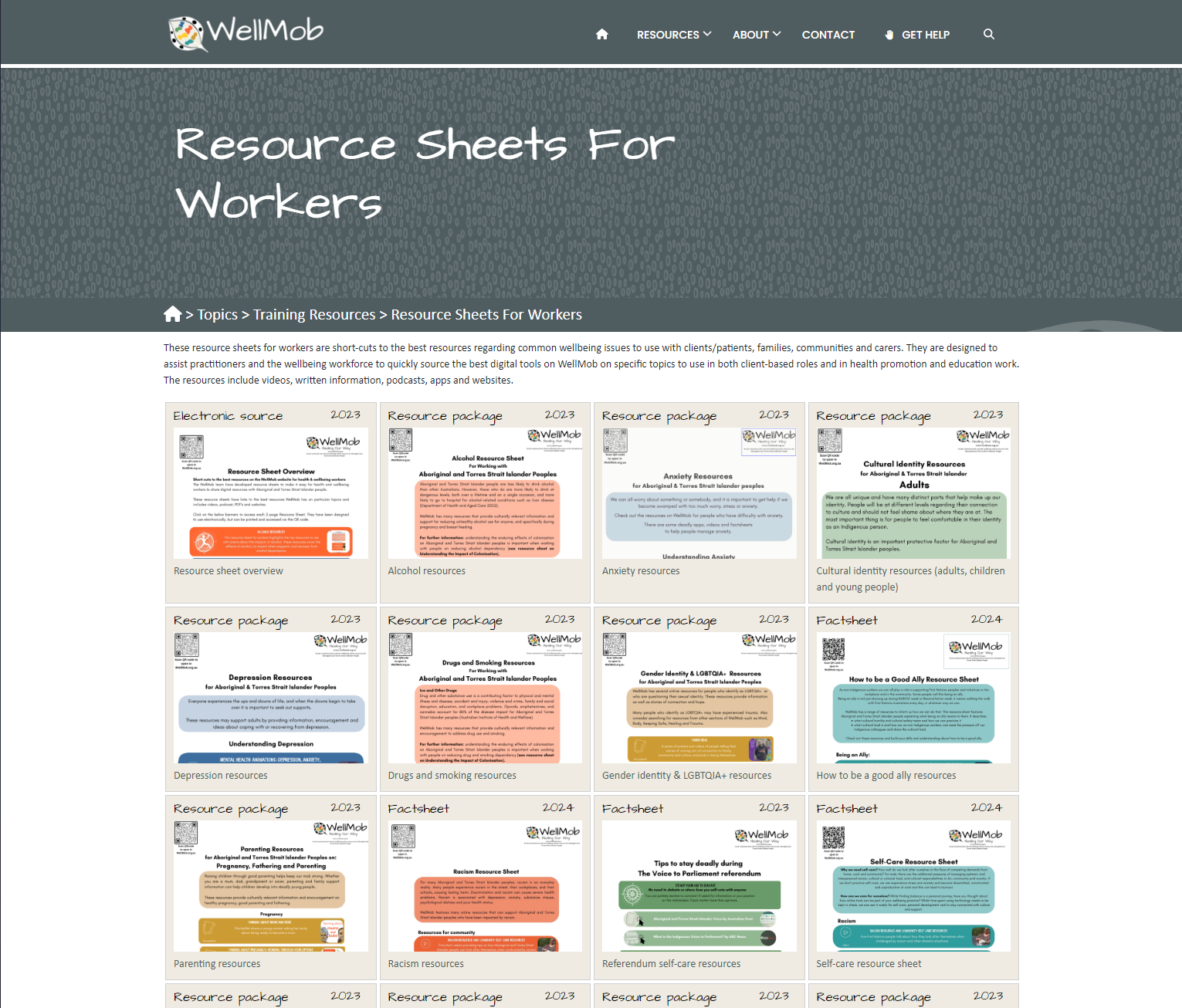
Resource sheets for workers – Social, emotional and cultural wellbeing online resources for Aboriginal and Torres Strait Islander People
This resource offers a collection of topic-based resource sheets for workers, covering wellbeing issues relevant to Aboriginal and Torres Strait Islander communities. It includes information on topics like alcohol, anxiety, cultural identity, depression, and trauma. The resources consist of videos, fact sheets, podcasts, apps, and websites to support practitioners and the wellbeing workforce.
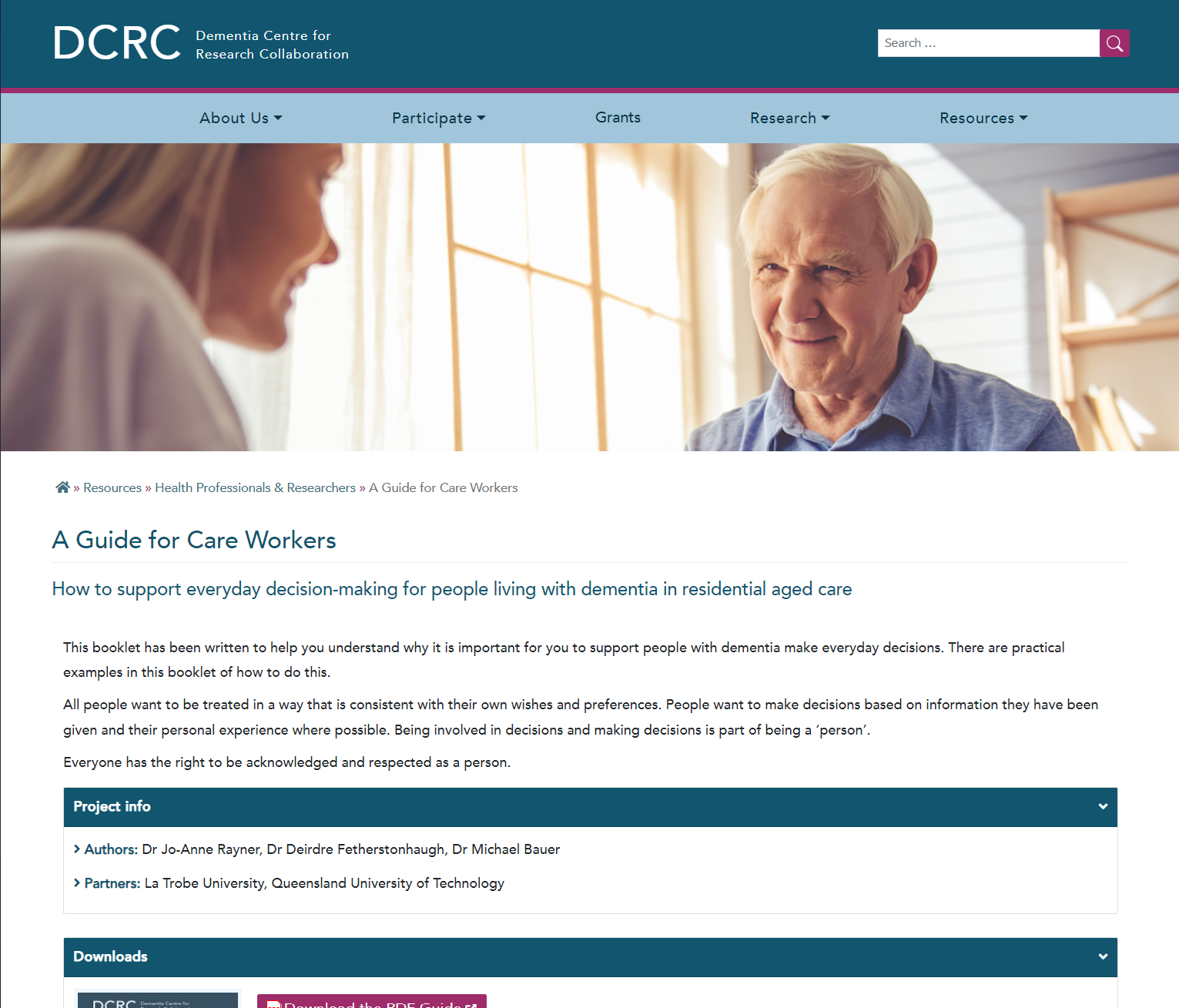
How to support everyday decision-making for people living with dementia in residential aged care: A guide for care workers
This guide offers practical strategies for care workers to support people with dementia in making everyday decisions within residential aged care settings. It covers communication techniques, promoting choice in personal care and daily activities, understanding body language, and emphasises person-centred care while respecting residents' preferences, dignity, and rights.
Cognitive impairment and dementia care for Aboriginal and Torres Strait Islander people
This resource is a best-practice guide to cognitive impairment and dementia care for Aboriginal and Torres Strait Islander people attending primary health care. It combines clinical evidence with cultural principles, addressing health promotion, prevention, detection, and management of dementia, while also providing culturally informed recommendations on end-of-life care and support for carers within the context of primary care services.